Hunt Eland, Kudu, Nyala & Bushbuck on this SA Spiral Horn Hunt
Booking Season: 2026
Hunt Difficulty: Difficult

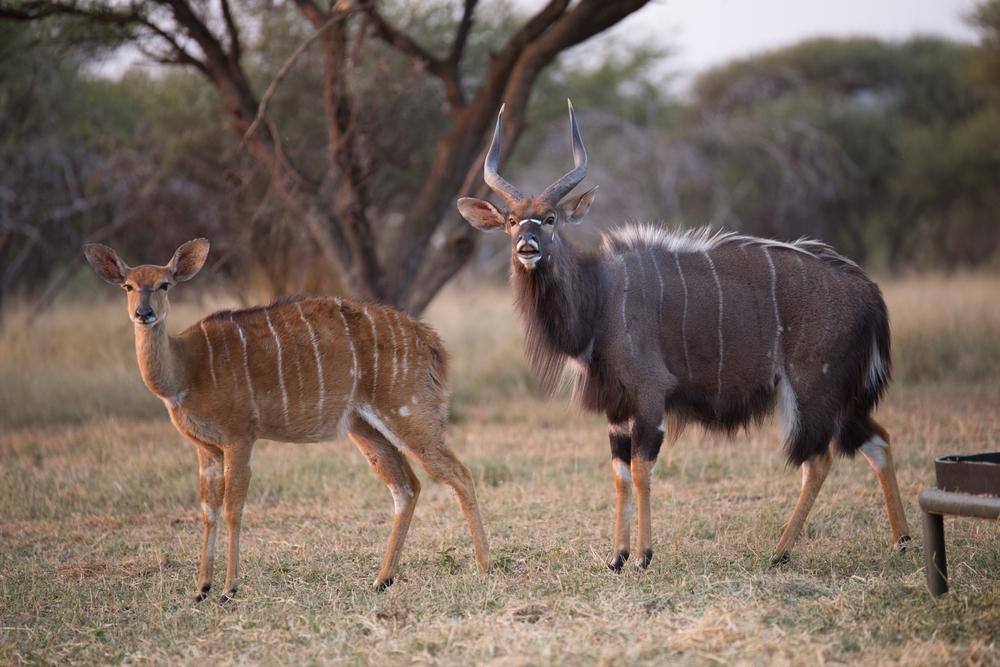
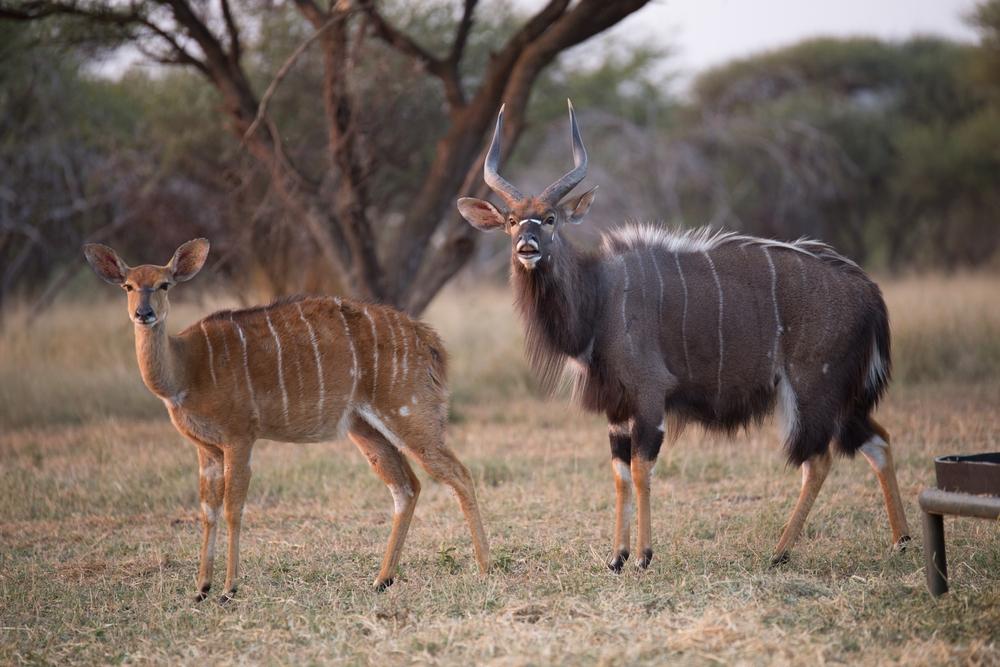
A mature nyala bull is one of South Africa's most distinctive plains game trophies. With his dark charcoal coat, white vertical markings and long spiral horns, an old bull looks remarkably different from the smaller, reddish-brown ewe, which does not carry horns. A mature bull can look impossible to miss in the open yet disappear remarkably quickly once he moves into thick bush or riverine cover.
South Africa offers excellent opportunities for Nyala Hunts, with suitable habitat and established populations across several hunting regions. The hunt itself varies with the terrain, but often involves slowly working through likely habitat, glassing openings and looking carefully for mature bulls tucked away in heavier cover.
Finding nyala is not always the hardest part. Hunters may encounter cows and younger bulls while searching for an older trophy animal, and even when a mature bull is located, thick vegetation can make judging him and finding a clear shot challenging. That combination makes nyala a rewarding species to pursue as a dedicated hunt or as part of a broader South African plains game safari.
Available Common Nyala Hunts
Hunt Eland, Kudu, Nyala & Bushbuck on this SA Spiral Horn Hunt
Booking Season: 2026
Hunt Difficulty: Difficult
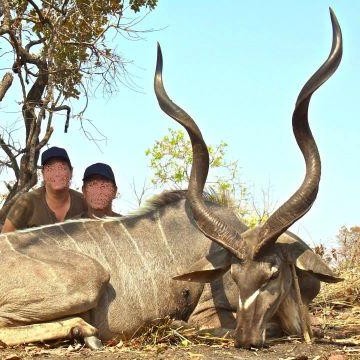
Hunting Safari in SA 10 x Nights Plains Game Combination
Booking Season: 2025
Hunt Difficulty: Difficult

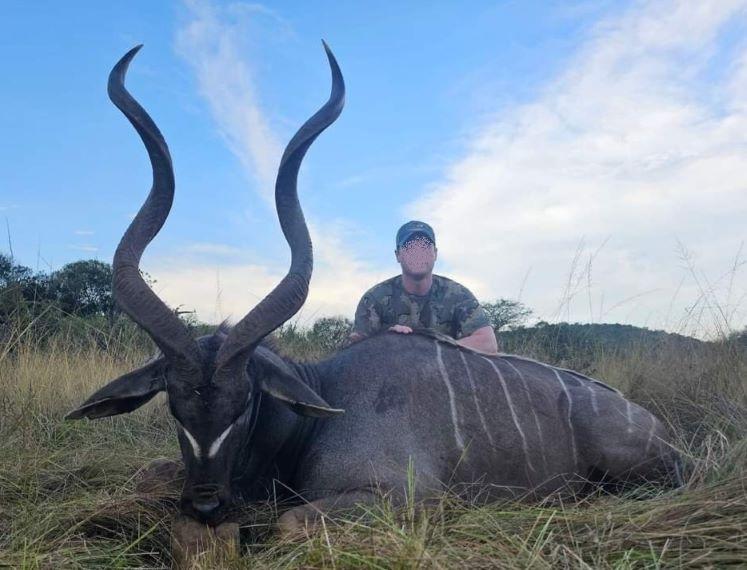
South African Plains Game Safari Trophy Nyala plus 5 Species
Booking Season: 2026
Hunt Difficulty: Moderate, Difficult
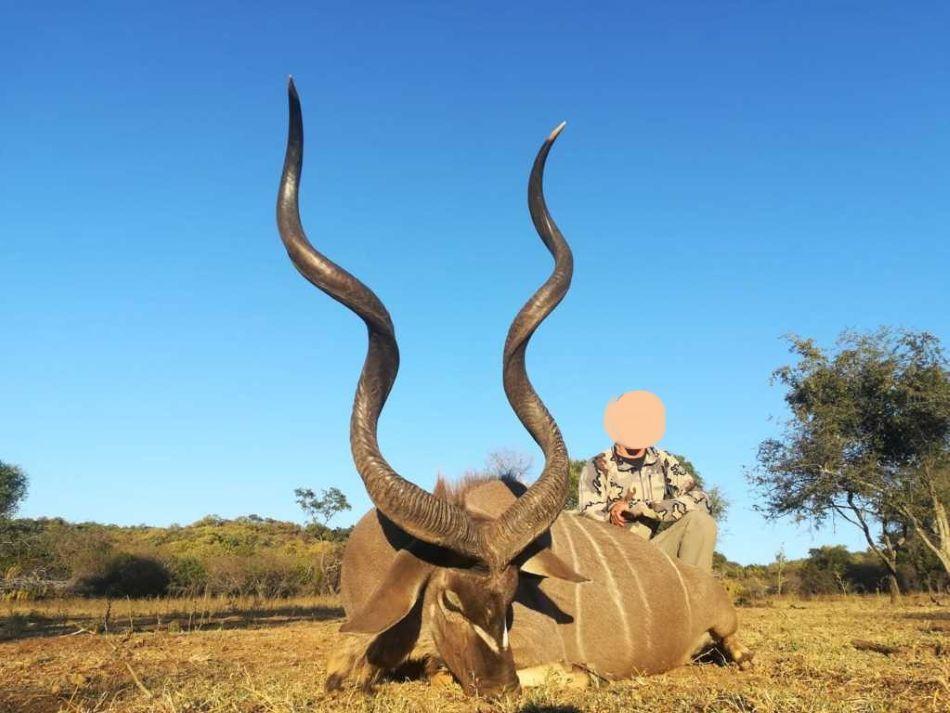
10-Day Plains Game Extravaganza Hunting in South Africa
Booking Season: 2026
Hunt Difficulty: Moderate
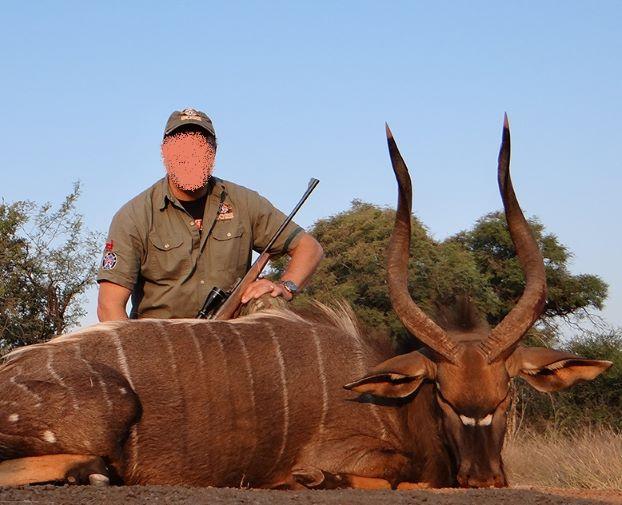
Plains Game Hunting in South Africa, 10 days x 10 x Species
Booking Season: 2025
Hunt Difficulty: Moderate

African Plains Game Hunt, plus Night Critters 10 Days in SA
Booking Season: 2025
Hunt Difficulty: Moderate, Difficult
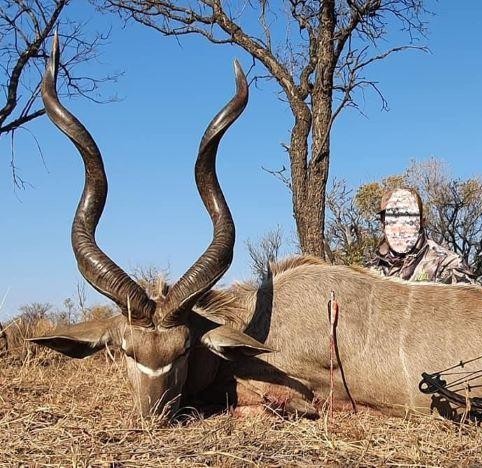
Spiral Horn Hunting Package in South Africa for 8 days
Booking Season: 2026
Hunt Difficulty: Moderate

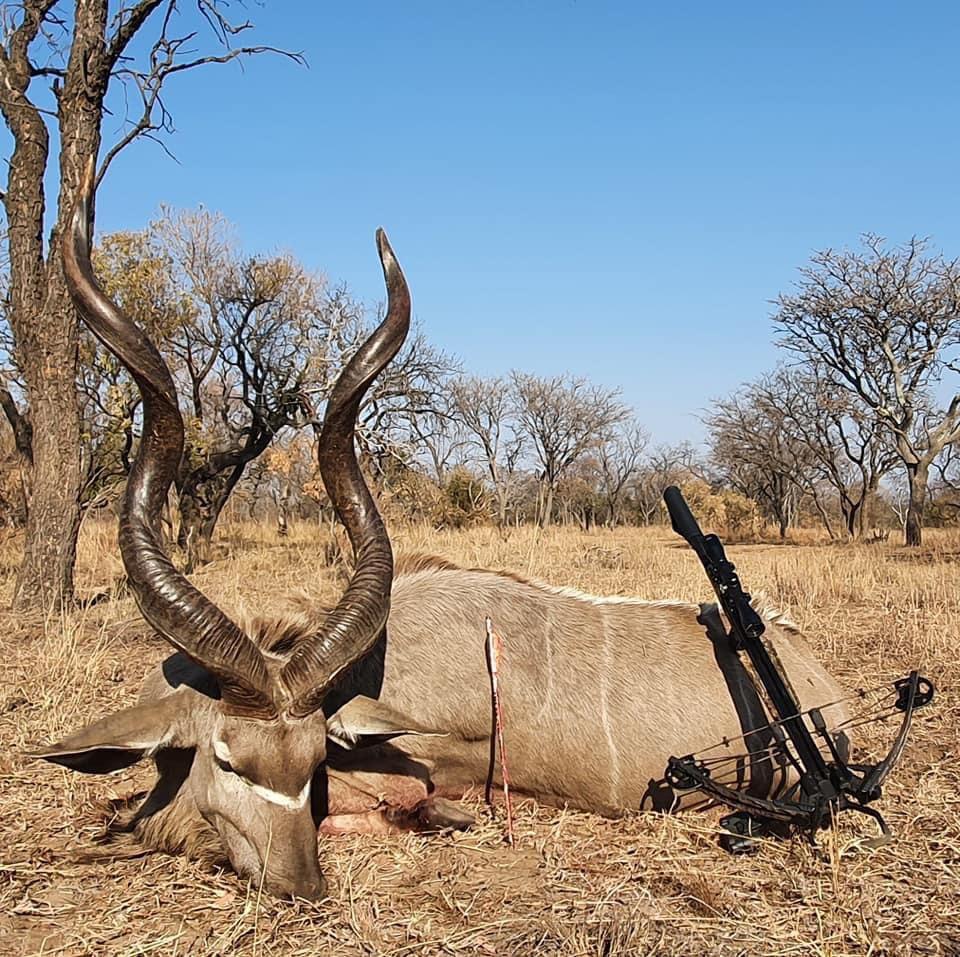
Wildebeest hunting and More in SA 10 days x 2 Hunters
Booking Season: 2026
Hunt Difficulty: Moderate

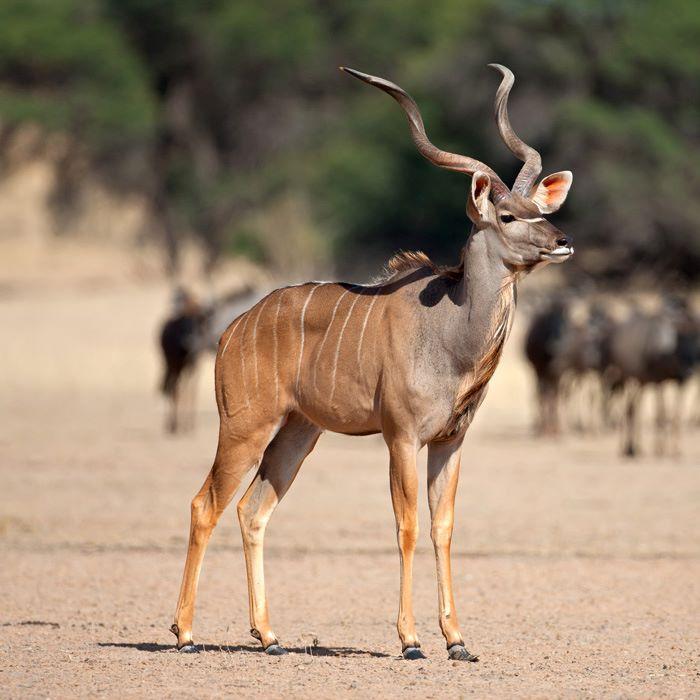
10 Days Kudu hunting bonanza and more for 2 Hunters in SA
Booking Season: 2026
Hunt Difficulty: Difficult
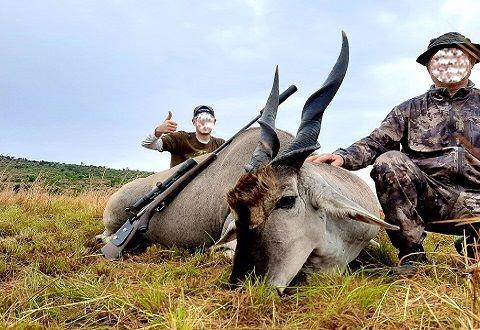
African Hunting Safari in the Waterberg SA Spiral Horn Slam
Booking Season: 2026
Hunt Difficulty: Moderate, Difficult
South Africa is a natural choice for hunters looking to make a mature nyala bull one of the priorities of their safari. Established populations, experienced Professional Hunters and a variety of suitable habitats give hunters the opportunity to pursue nyala across very different types of country.
Depending on where you are Hunting in South Africa, a nyala hunt may take place in thick bushveld, wooded valleys or along riverine areas where mature bulls can spend much of the day hidden in heavy cover. This variety also makes nyala relatively easy to combine with other plains game species found in the same region.
Hunters pursuing nyala in fenced hunting areas should also listen carefully to their PH before taking a shot. Some properties may have breeding bulls that are tagged or otherwise identifiable and are not intended to be hunted. Even when a good bull presents himself, make sure the PH has confirmed that he is the right animal before squeezing the trigger.
KwaZulu-Natal is traditionally regarded as the heartland of nyala hunting in South Africa, particularly in areas where thick bush, wooded valleys and riverine vegetation provide the cover these animals favour. The province has a long association with the species and remains an important destination for hunters specifically looking for a mature bull.
Today, nyala are found much more widely across South Africa. Successful game management and the establishment of populations on private hunting properties have expanded their range considerably, and hunters can now encounter nyala in suitable habitat across several parts of the country.
Wherever they are hunted, habitat plays an important role in how the safari unfolds. Nyala favour cover, and mature bulls can be particularly difficult to spot when they remain inside thick vegetation. Openings, river courses and the edges of heavier bush often provide opportunities to glass, but finding a bull and getting a clear look at him can be two very different things.
A mature nyala bull is unmistakable once you get a good look at him. Older bulls develop a dark charcoal-grey coat, often appearing almost black, with white vertical stripes along the body and the distinctive white chevron between the eyes. Their spiral horns sweep upward, with mature bulls often carrying polished ivory tips.
Judging the right bull in the field, however, requires care. Younger bulls can sometimes be mistaken for mature animals, particularly when only their horns or part of the body can be seen through thick bush. Hunters should look for a bull whose horns have developed fully and opened properly, rather than deciding based on a quick glimpse of horn length alone.
The PH will consider the bull's overall maturity, body size, horn development and general appearance before deciding whether he is an animal worth pursuing. Taking the extra time to judge the bull properly matters, as shooting a younger animal by mistake is something every hunter wants to avoid.
This can become more difficult in thick cover, where a hunter may only see part of the animal at a time. A glimpse of horns through the bush or a dark body moving between trees may be enough to get everyone's attention, but rarely enough to decide.
The bull may need to step into an opening or turn his head before the PH can properly assess him. Until then, the rifle stays down.
The way a nyala hunt unfolds depends heavily on the hunting area and the amount of cover. In thicker country, the PH and hunter may move slowly through likely habitat, stopping regularly to glass openings, river courses and the edges of dense vegetation where a bull may briefly show himself.
In open terrain, glassing from an elevated position can help locate animals before planning a stalk. The challenge often begins once a mature bull has been spotted. Closing the distance without losing sight of him can be difficult, particularly when thick bush allows an animal to disappear after only a few steps.
Nyala hunting rewards a patient approach. Moving too quickly through good habitat can mean walking straight past a bull standing quietly in the shade, while rushing a stalk can turn a promising opportunity into nothing.
Bulls may also be found together, so hunters need to take their time and make certain they are following and preparing to shoot the correct animal. A mature bull can change position with another bull surprisingly quickly once they move through thick cover, making it important to wait for the PH to clearly confirm the right animal.
Once a suitable bull is located, the hunter and PH need to use the wind and available cover to get into position and wait for a clear, ethical shot.
Sometimes everything comes together quickly. On other days, a bull spotted in the morning may become the focus of several hours of careful hunting before an opportunity finally presents itself.
One of the surprising things about hunting nyala is how quickly a mature bull can disappear. You may have been watching him clearly only moments before, but once he decides to move into thicker cover, a few steps can be enough to lose him completely.
Nyala bulls have a habit of lowering their heads as they enter dense bush, allowing their long spiral horns to pass more easily through branches and vegetation without becoming tangled. Their dark coats also blend remarkably well with the shadows beneath thick vegetation. A bull that looked conspicuous in the open can put his head down, turn toward the thick stuff and seemingly vanish.
That can leave a hunter standing on the sticks, knowing the bull is somewhere ahead but unable to pick him out. Sometimes all you see is a patch of dark hide between branches or the brief movement of a horn. The temptation is to rush, but there is little to be gained by forcing the opportunity.
Often the best option is simply to stay ready and wait. If the bull gives you another opening, you may only have a few seconds before he lowers his head and disappears all over again.
Nyala can be the main objective of a safari or form part of a broader Plains Game Hunt in South Africa. The areas that hold good nyala populations are often home to other sought-after species, giving hunters the opportunity to pursue several animals without taking the focus away from finding a mature bull.
Nyala is also one of the species that makes up the Spiral Horn Slam, alongside kudu, eland and bushbuck. Hunters working toward completing the slam may therefore combine a nyala hunt with opportunities for one or more of the other spiral-horned species, depending on the hunting area and the animals available.
A South African safari may also combine nyala with impala, warthog and other plains game. Some of these species favour similar thick bush and riverine habitat, while others take the hunter into more open country, adding variety to the days spent in the field.
Hunters who have a nyala high on their list should make that clear when planning the safari. Setting aside enough time to look for the right bull is important, particularly if several other species are also on the wish list. A mature nyala is not an animal worth rushing simply because the safari calendar is starting to fill up.
If a mature nyala bull is high on your wish list, make that clear when planning the safari. Your PH should know from the beginning that you are prepared to spend the necessary time looking for the right animal rather than simply taking the first bull you encounter.
Nyala can be hunted throughout much of South Africa's hunting season, although conditions and visibility change as the season progresses. Rifle choice should suit the terrain and be something you shoot confidently. In thick bush, opportunities may come at relatively close range and through small openings, while more open hunting areas can produce longer shots.
The number of days required will depend on whether nyala is the main objective or one of several species being pursued. Hunters planning broader Hunting Trips in South Africa should allow enough flexibility that finding the right bull does not become a race against the safari calendar.
South Africa remains an excellent destination for hunters specifically looking for a mature nyala. Good populations, varied hunting country and the opportunity to combine nyala with other plains game make it an easy species to build into a safari. The important part is giving yourself enough time to find the bull you came for and being prepared to wait when he disappears into the thick stuff.
Yes. South Africa has well-established nyala populations and offers hunters access to a variety of suitable habitats. KwaZulu-Natal is traditionally associated with nyala hunting, although the species is now found in hunting areas across several parts of the country.
Nyala are traditionally hunted in KwaZulu-Natal, where thick bush, wooded valleys and riverine vegetation provide ideal habitat. Today, established populations can also be found in suitable hunting areas elsewhere in South Africa.
Finding nyala does not always mean finding the right bull. Mature bulls often spend considerable time in thick cover, and hunters may encounter ewes and younger bulls before locating an older animal. Once a mature bull is found, careful judging and patience may still be required before a clear shot presents itself.
A nyala hunt can be combined with kudu, bushbuck, impala, warthog and numerous other plains game species, depending on the hunting area. Nyala is also part of the Spiral Horn Slam alongside kudu, eland and bushbuck, making South Africa a good option for hunters interested in pursuing several spiral-horned species.
The number of days will depend on whether nyala is the main objective or one of several animals on your safari. If a mature bull is a priority, allow enough time to hunt selectively rather than feeling pressured to take the first suitable animal encountered.
Yes. A wounded nyala bull should never be approached carelessly. The horns of a mature bull are exceptionally sharp, and an injured animal can lunge at close range, potentially causing serious penetrating injuries and rapid blood loss. Always follow the instructions of your Professional Hunter and make certain the bull has expired before approaching
Search from our range of Hunts across various popular destinations in Africa.

Book Your Hunt