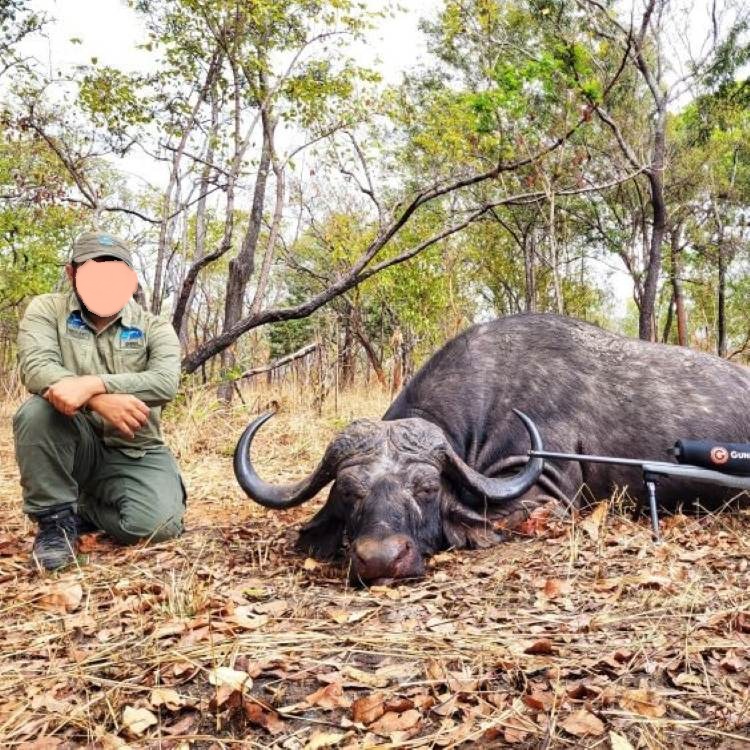
21-Day Hunting Safari in Liparamba, Tanzania
Booking Season: 2026
Hunt Difficulty: Moderate, Difficult

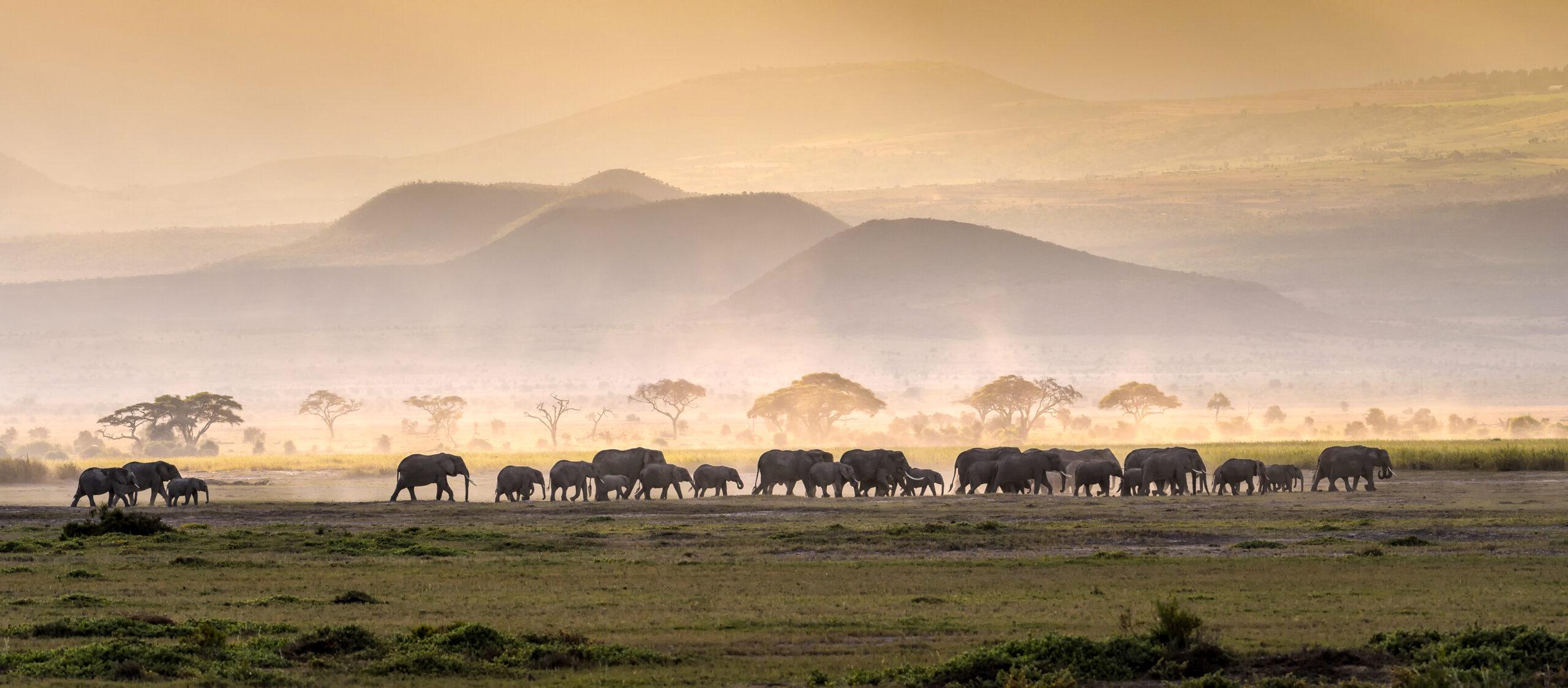
For many hunters in the United States and Canada, the idea of hunting Tanzania begins long before a safari is ever booked. It often starts with the old East African hunting stories — accounts of weeks spent tracking buffalo through endless woodland or following elephant spoor along dry river systems.
Tanzania remains one of the few places where that traditional style of safari still exists. Hunting takes place across enormous government-controlled concessions where wildlife moves freely across vast unfenced landscapes. Because of this scale, a Tanzania safari feels very different from many African hunting destinations where hunts occur on smaller privately managed properties. Here the hunt unfolds slowly across wild country, guided by experienced professional hunters and trackers who read the land and follow animals through terrain that may stretch for hundreds of thousands of acres. For hunters seeking a true East African wilderness safari, Tanzania remains one of the last places where that experience can still unfold on a remarkable scale.
For many hunters in the United States and Canada, the idea of hunting Tanzania begins long before a safari is ever booked. It often starts with the old East African hunting stories — accounts of weeks spent tracking buffalo through endless woodland or following elephant spoor along dry river systems. Tanzania remains one of the few places where that traditional style of safari still exists. Hunting takes place across enormous government-controlled concessions where wildlife moves freely across vast unfenced landscapes. Because of this scale, a Tanzania safari feels very different from many African hunting destinations where hunts occur on smaller privately managed properties. Here the hunt unfolds slowly across wild country, guided by experienced professional hunters and trackers who read the land and follow animals through terrain that may stretch for hundreds of thousands of acres. For hunters seeking a true East African wilderness safari, Tanzania remains one of the last places where that experience can still unfold on a remarkable scale.
More About Hunting in Tanzania
Tanzania On Map
You Might Also Like
Hunts Currently Available
21-Day Hunting Safari in Liparamba, Tanzania
Booking Season: 2026
Hunt Difficulty: Moderate, Difficult
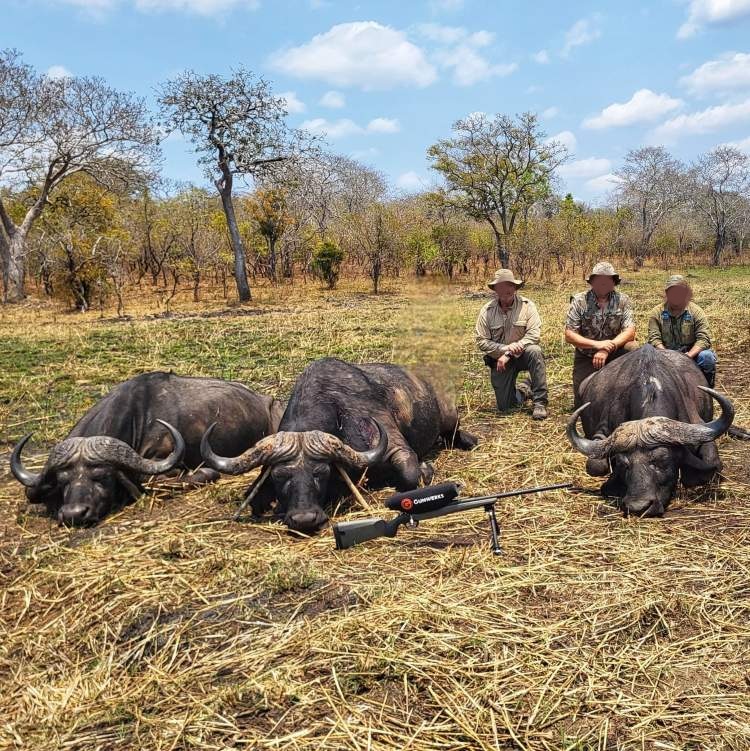
Bring 3 Friends to Hunt Cape Buffalo on this 10-Day Tanzanian Safari
Booking Season: 2026
Hunt Difficulty: Moderate, Difficult
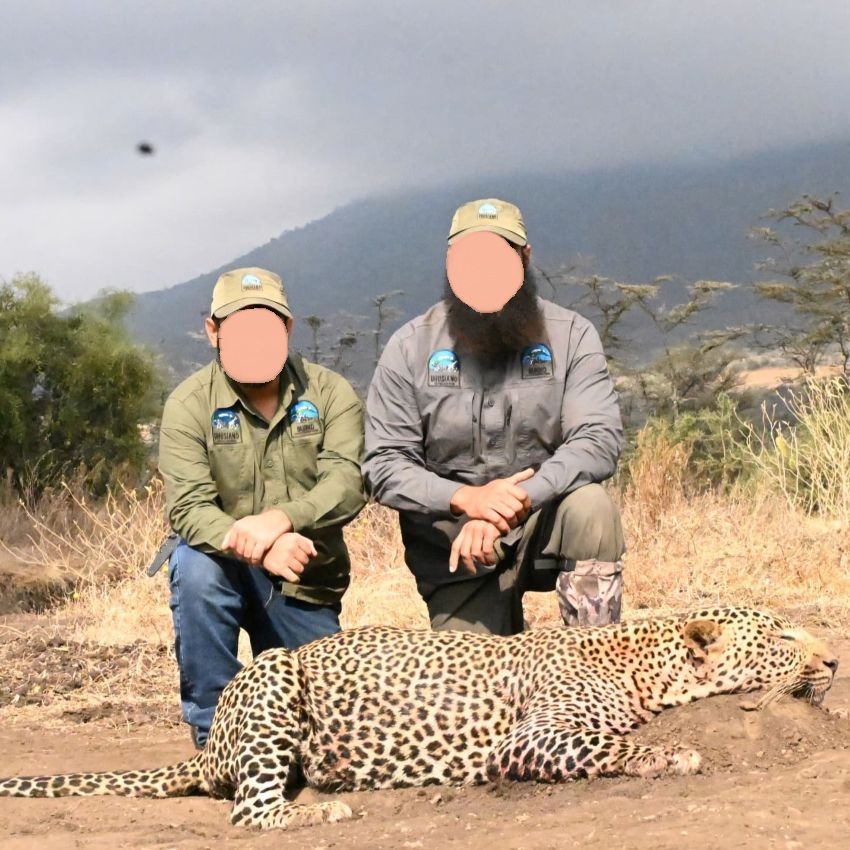
Tanzanian Hunting Safaris: Leopard & Cape Buffalo Hunts in the Selous
Booking Season: 2026
Hunt Difficulty: Difficult, Extreme

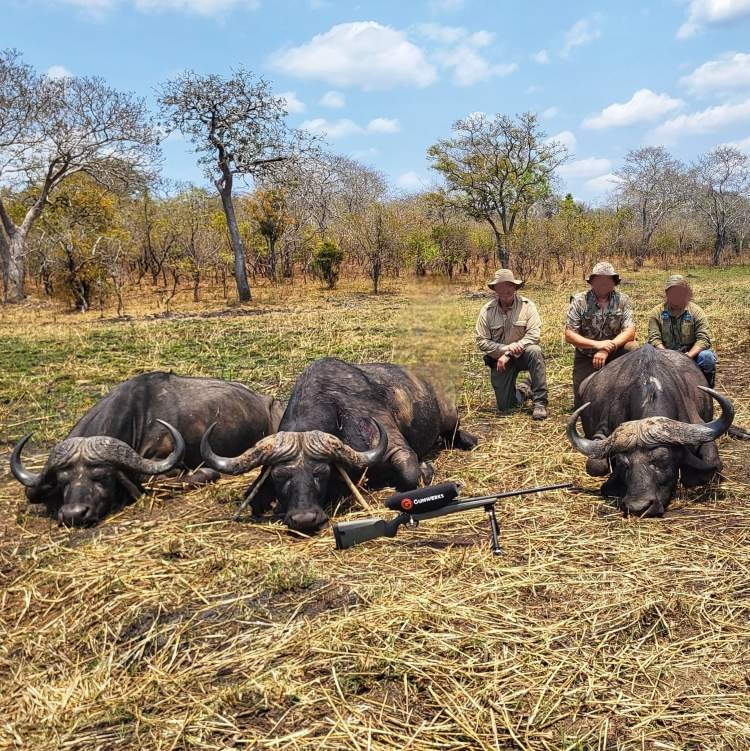
Specialist 10-Day Cape Buffalo Hunt in Tanzania
Booking Season: 2026
Hunt Difficulty: Difficult
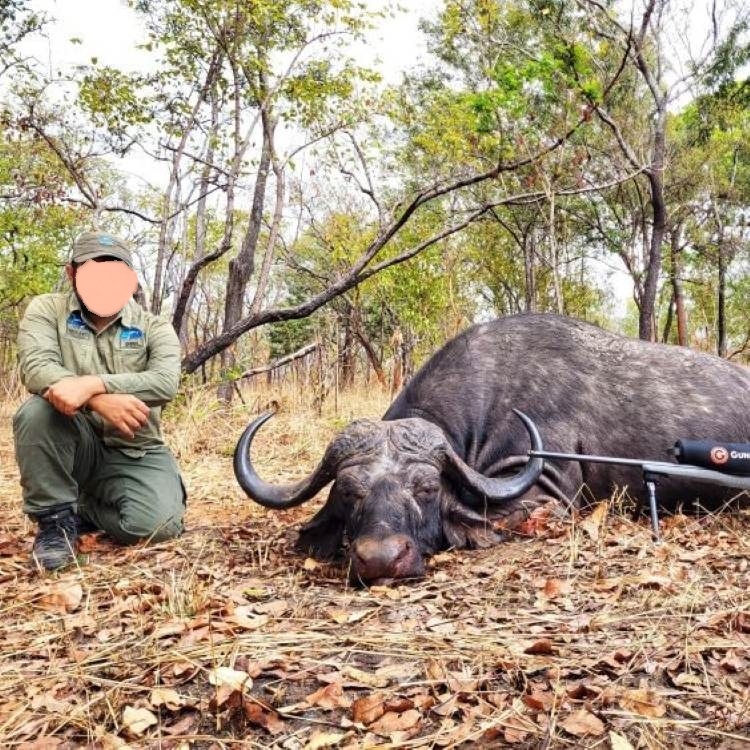
28-Day Exclusive Hunting Safari in Tanzania’s Famed Selous Region
Booking Season: 2026
Hunt Difficulty: Moderate, Difficult
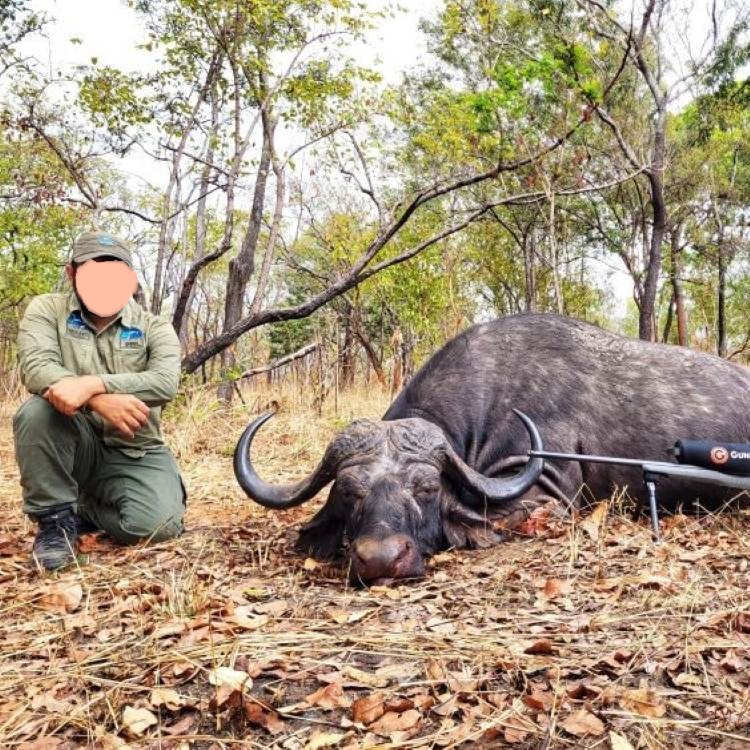
Cape Buffalo Hunting in Masailand, Tanzania
Booking Season: 2026
Hunt Difficulty: Moderate, Difficult
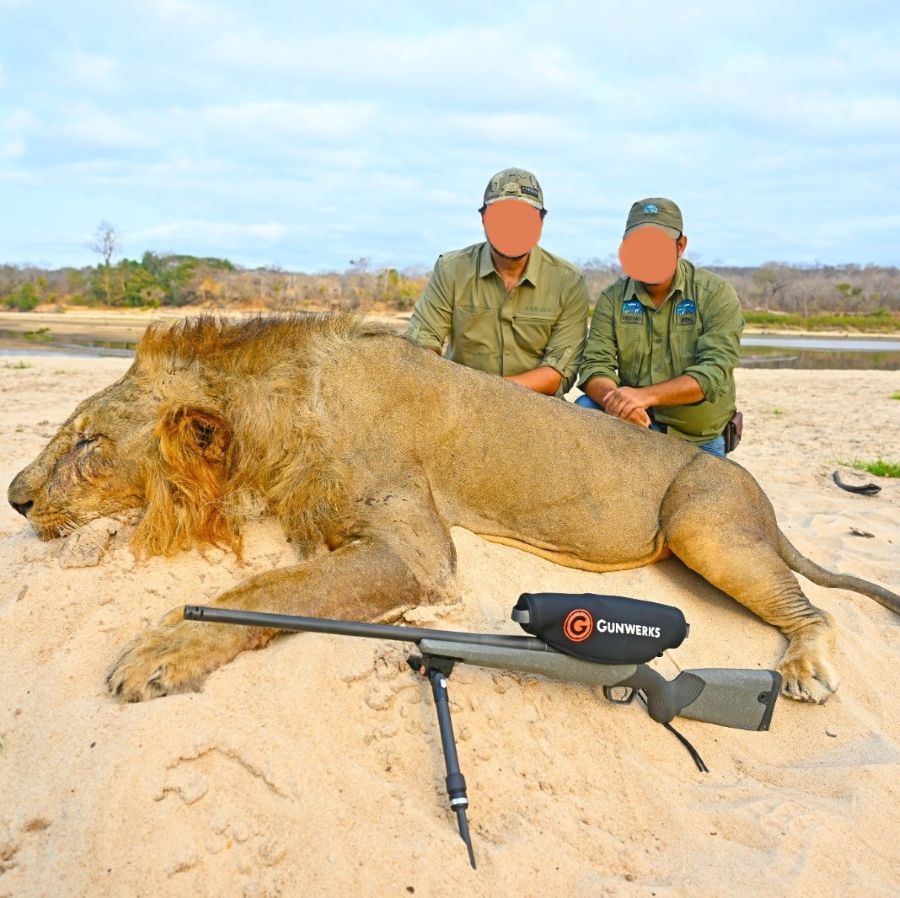
Hunt Lion, Leopard, Elephant & Cape Buffalo in Masailand, Tanzania
Booking Season: 2026
Hunt Difficulty: Moderate, Difficult
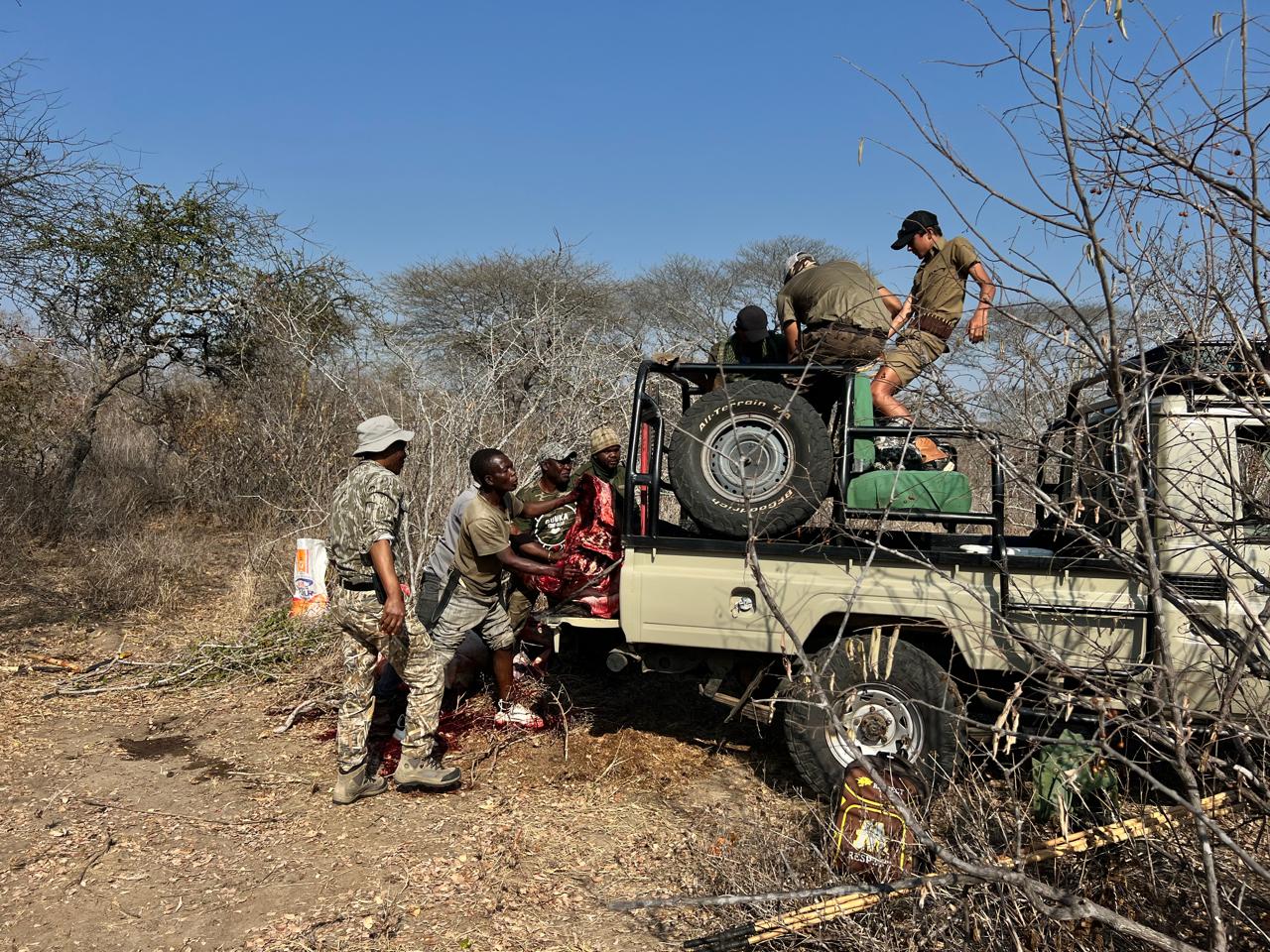
Hunt Cape Buffalo in Tanzania’s Lunda Nkwambi GCA
Booking Season: 2026
Hunt Difficulty: Difficult
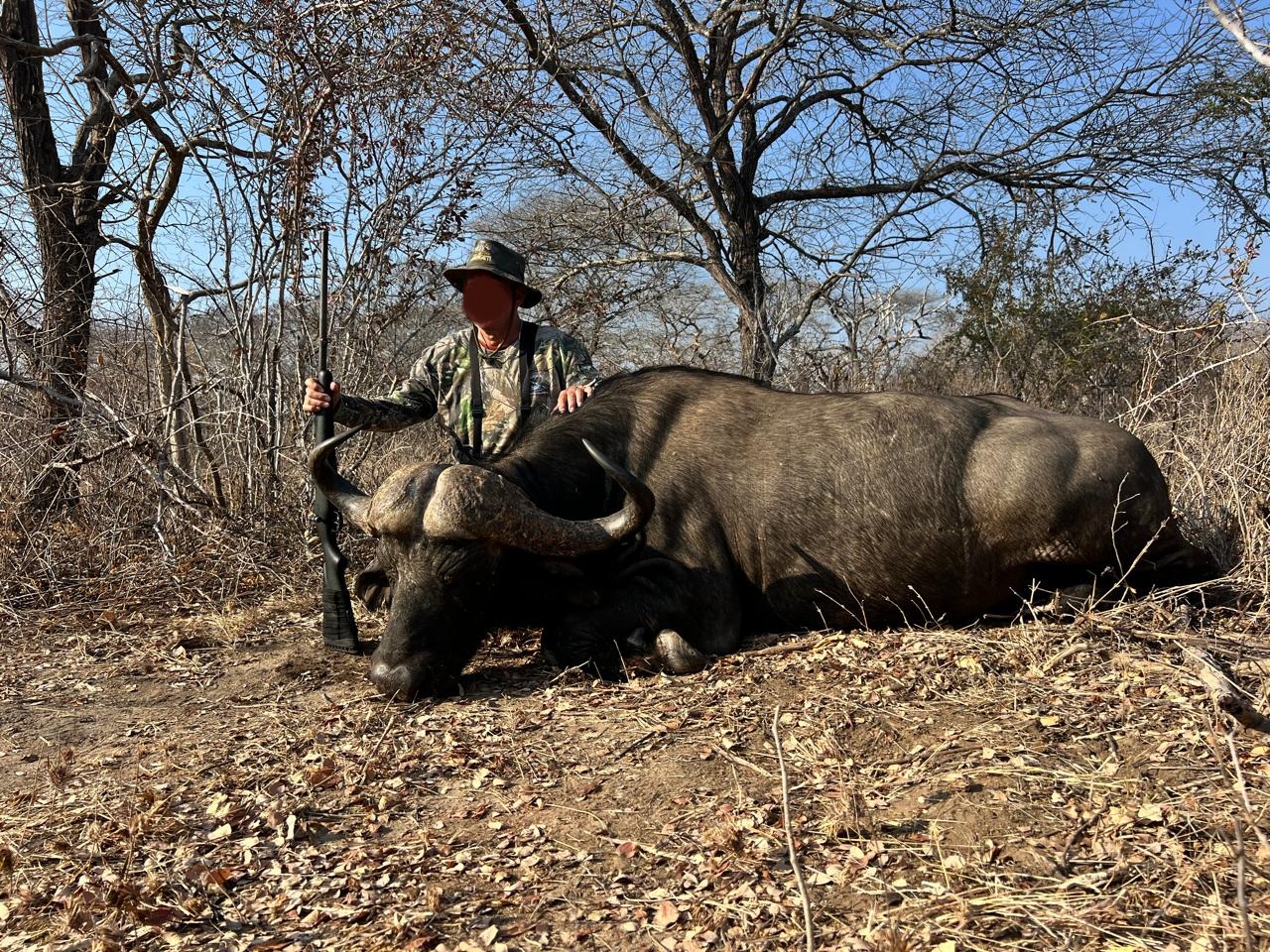
Cape Buffalo Hunt in Lunda Nkwambi GCA, Tanzania
Booking Season: 2026
Hunt Difficulty: Difficult

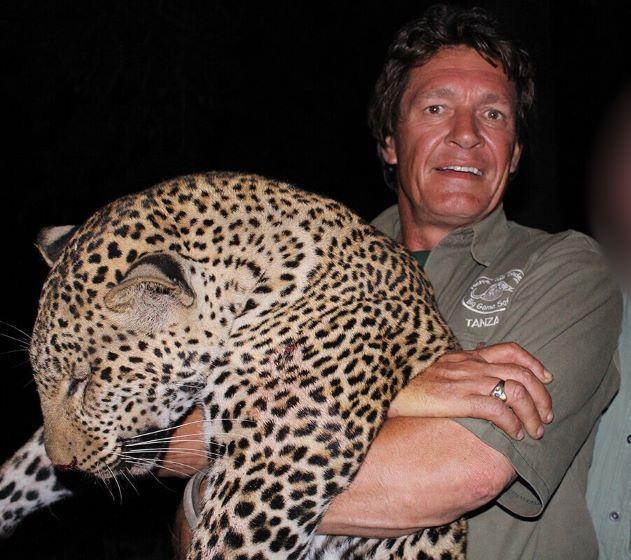
Dangerous Game Hunting, Leopard & More in Selous Reserve
Booking Season: 2026
Hunt Difficulty: Difficult
A Tanzania hunting safari is rarely about covering a small area quickly or encountering large numbers of animals in a single morning. Instead, the hunt unfolds gradually across country that takes time to understand.
Trackers study spoor in dust and dry leaves while the professional hunter interprets wind patterns, terrain, and animal movement. In many concessions the sandy soil preserves tracks clearly enough that experienced trackers can follow animals for miles.
It is not unusual for a hunting day to begin shortly after sunrise when fresh tracks are found along a sandy road or riverbank. From that moment the trackers begin following the spoor, sometimes for several miles, until the herd or animal is eventually located.
As the distance closes, the mood of the hunt changes. Conversations stop, the wind is checked constantly, and every step forward becomes deliberate.
For hunters traveling from North America, this style of safari often feels closer to an expedition than a conventional guided hunt. Reaching camp may involve charter flights into remote bush airstrips followed by long drives deeper into the concession itself.
Once in camp, daily life settles into a rhythm that has defined East African safaris for generations — early mornings, long tracking days, and evenings around the fire discussing the spoor seen during the day.
Hunters researching Tanzania often want to understand the fundamentals of how a safari works before diving into the details. The structure of hunting in the country is quite different from many other African destinations.
Typical safari length: 10–21 days depending on government license
Primary dangerous game: Buffalo, elephant, lion, leopard, crocodile
Common plains game: Kudu, sable, eland, zebra, hartebeest
Main hunting regions: Selous/Nyerere, Rungwa, Masailand, Katavi ecosystem
Best time to hunt: July through October during the dry season
Hunting style: Tracking and stalking in large wilderness concessions
Who Tanzania suits best: Hunters seeking a traditional East African safari experience
Because Tanzania safaris operate across enormous wilderness areas and follow a regulated concession system, the pace of the hunt is often slower and more deliberate than many hunters expect. This is one of the reasons the country continues to attract hunters interested in experiencing a classic African safari rather than a short international hunting trip.
When hunters speak about the "classic East African safari," they are often describing a style of hunting that developed during the early decades of the twentieth century. Expeditions during that period were long and logistically complex, sometimes lasting weeks or even months as hunters moved through vast wilderness areas following game across enormous landscapes.
Perhaps the most famous example was the East African safari undertaken by former United States President Theodore Roosevelt in 1909. Roosevelt's expedition traveled across large portions of what is now Kenya and Tanzania, documenting wildlife and landscapes that at the time were largely unknown to the outside world. Roosevelt's expedition included hundreds of porters, dozens of staff members, and covered thousands of miles across East Africa.
While much has changed across Africa since that era, certain elements of those early safaris remain surprisingly recognizable in Tanzania today.
Traditional tented camps are still common in many concessions. These camps are comfortable but intentionally simple, designed to place hunters close to the landscape rather than separating them from it. Canvas tents, lantern light in the evenings, and the distant sounds of animals moving through the bush remain part of the experience.
Professional hunters and their teams of trackers still spend long days following spoor across woodland, river systems, and open plains. Safaris often last several weeks, allowing hunters to gradually learn the landscape and the behavior patterns of the animals they pursue.
The professional hunter tradition itself also traces much of its heritage to East Africa. The role of the PH extends far beyond guiding a client to an animal. He is responsible for interpreting tracks, understanding wind patterns, judging the age and maturity of animals, and ensuring that the hunt is conducted safely and ethically within the regulations that govern the concession.
Many professional hunters will say that Tanzania teaches patience.
In large concessions the first hours of the morning may be spent simply studying tracks along sandy roads or dry riverbanks. A skilled tracker can often tell not only which direction a buffalo herd traveled, but how recently the animals passed and whether the herd was feeding, resting, or moving quickly through the area.
These small observations guide the strategy of the entire day's hunt.
Because so much of the experience revolves around tracking, patience, and time spent moving quietly through wild country, many hunters feel that Tanzania preserves one of the closest connections remaining to the traditional East African safari described in earlier generations of hunting literature.
After speaking with many hunters planning African safaris, we've found that Tanzania tends to attract a very particular type of hunter.
It is not simply another African destination offering a variety of species and comfortable camps. The structure of hunting in Tanzania — the concession system, the scale of the land, and the length of its safaris — naturally draws hunters who are looking for something closer to a traditional expedition than a short international trip.
Many hunters who travel to Tanzania already have some experience hunting in Africa. It is common for hunters to visit South Africa or Namibia first before eventually planning a Tanzania safari later in their hunting career. They may have hunted plains game in southern Africa or completed a buffalo hunt elsewhere on the continent and are now searching for a deeper wilderness experience.
For these hunters, Tanzania often represents the next step — a place where the hunt itself becomes the central focus rather than simply the animals pursued.
The size of the country's hunting concessions plays a major role in this appeal.
Large blocks of land allow wildlife to move naturally across extensive habitats, and it is common to spend an entire day tracking animals without encountering other hunters or vehicles.
For people who value solitude and the feeling of being immersed in truly wild country, this environment can be difficult to match elsewhere in Africa.
Tanzania also appeals strongly to hunters interested in dangerous game.
The country has long been associated with buffalo, lion, elephant, leopard, and crocodile hunting, and the opportunity to pursue these animals in genuinely large concessions remains one of its defining characteristics.
Tracking mature buffalo through miombo woodland or following the spoor of an elephant bull along a river corridor demands patience, teamwork, and careful shooting.
The process itself often becomes the most memorable part of the safari.
Another group that finds Tanzania particularly rewarding are hunters who appreciate the rhythm of a longer expedition.
Because most safaris last between ten and twenty-one days, there is time to settle into camp life and gradually learn the landscape. Over the course of a longer hunt the terrain begins to reveal its patterns — where buffalo cross certain drainage lines, how wind shifts through woodland during the afternoon, and which valleys consistently produce fresh spoor.
For hunters who enjoy that slower process of learning a landscape and working with experienced trackers and professional hunters, Tanzania offers a uniquely rewarding environment.
Hunters who approach Tanzania with this mindset often discover that the country offers something increasingly uncommon in the modern hunting world — the opportunity to participate in a style of safari that has changed remarkably little from the classic East African hunts described in earlier generations.
Tanzania offers a remarkable safari experience, but it is not the right destination for every hunter.
The structure of hunting in the country — long safaris conducted across vast wilderness concessions — naturally limits who will find the experience most rewarding.
Hunters hoping for a short international hunt may find Tanzania difficult to fit into their plans. Most safaris operate on government-regulated timeframes that typically range between ten and twenty-one days.
These durations are not arbitrary. They exist because the hunting system in Tanzania is built around specific government-issued licenses that determine both the length of a safari and the animals that may legally be hunted during that time.
This structure can initially feel confusing for hunters researching the destination online.
In many other African countries, a hunter typically pays a daily rate and then selects individual animals to pursue through trophy fees. Tanzania operates somewhat differently.
While daily rates still exist, the safari itself must also be conducted under a government license that defines the type of hunt being undertaken and the species available under that license.
Cost can also be a factor for some hunters.
Tanzania safaris are among the most expensive hunts on the continent, largely because operating remote camps across vast concessions requires significant logistics.
Hunters whose primary goal is a shorter plains game safari at a lower budget often find southern African destinations more practical.
None of these characteristics should be viewed as disadvantages.
They simply reflect the reality of a country that has preserved a style of safari centered on large wilderness areas and traditional hunting methods.
Hunters who understand this before arriving tend to appreciate Tanzania for exactly what it is — one of the few places where a truly wild African safari can still unfold at its natural pace.
Tanzania is rarely the first African safari most hunters book. For many hunters traveling from the United States or Canada, a Tanzania safari becomes a second or third trip after gaining experience in countries such as South Africa or Namibia.
Southern African destinations often provide shorter plains game safaris that allow hunters to become familiar with African hunting conditions, shooting from sticks, and traveling internationally with firearms. These hunts can be highly rewarding while requiring less time away from home.
Tanzania operates on a different scale.
Because safaris typically last between ten and twenty-one days and take place across extremely large wilderness concessions, the experience often feels more like an expedition than a conventional guided hunt. Tracking buffalo or elephant through miombo woodland for several hours can be physically demanding, and the pace of the hunt tends to be slower and more deliberate.
For hunters who have already experienced Africa and are searching for something deeper — a place where the landscape still feels wild and the hunt unfolds gradually across large tracts of country — Tanzania often represents the next step in their hunting journey.
Understanding this distinction helps hunters choose the destination that best matches their expectations and experience level.
Hunters planning an African safari often compare Tanzania with other well-known hunting countries such as South Africa, Namibia, or Zimbabwe. While all of these destinations offer excellent hunting opportunities, the style of safari in Tanzania is noticeably different.
Southern African destinations such as South Africa and Namibia often focus on shorter plains game safaris conducted on privately managed wildlife properties. These hunts can be highly successful and efficient, making them popular for first-time visitors to Africa.
Tanzania operates under a different system entirely. Safaris take place across enormous government-controlled concessions where wildlife moves naturally across the landscape without fences. Hunts typically last longer and place a stronger emphasis on tracking animals through wilderness environments.
Zimbabwe occupies a middle ground between these two models, offering large hunting areas and traditional safari camps while often operating on slightly shorter safari durations.
Because of these differences, Tanzania is usually chosen by hunters who are specifically seeking the scale, pace, and wilderness character associated with the classic East African safari.
Hunters researching Tanzania online sometimes develop expectations that do not always match the reality of how safaris in the country actually unfold. Understanding these differences before arriving can make the experience far more rewarding.
Expectation: Animals appear quickly once the hunt begins
Many hunters imagine that game will be encountered soon after leaving camp each morning. In reality, hunting in Tanzania often begins with long periods of tracking before animals are even seen.
Trackers may spend hours following fresh spoor through woodland before the herd or animal is finally located. The hunt builds gradually as the trail develops and the team closes the distance.
For many hunters, this process becomes one of the most memorable parts of the safari.
Expectation: Tanzania is similar to other African hunting destinations
Hunters who have previously hunted in South Africa or Namibia sometimes expect a similar pace of hunting. Tanzania operates on a very different scale.
Concessions are enormous, wildlife moves freely across unfenced landscapes, and hunts often involve covering large distances through wild country before animals are encountered.
Because of this, the experience often feels closer to a wilderness expedition than a conventional guided hunt.
Expectation: Trophy size is the primary goal
In Tanzania, professional hunters generally focus on harvesting mature animals rather than chasing record measurements.
The emphasis is placed on age, condition, and the role an animal has played in the breeding population. This approach helps maintain healthy wildlife populations across the concession while still allowing hunters to pursue exceptional animals.
Expectation: A safari is primarily about the animals taken
For many hunters, the most powerful memories of Tanzania come from the experience itself rather than a particular trophy.
Long tracking days through miombo woodland, evenings around the campfire in remote bush camps, and the teamwork between hunter, professional hunter, and trackers often become the defining parts of the safari.
Hunters who arrive with this understanding tend to appreciate Tanzania for what it truly offers — one of the last places where a traditional East African safari can still unfold across vast wilderness landscapes.
When we speak with hunters planning a Tanzania safari, one of the first questions they ask is how the country's concession and licensing system actually works. To understand hunting in Tanzania, it helps to begin with the structure that governs all legal safari hunting in the country.
Unlike many southern African destinations where hunting takes place primarily on privately owned wildlife properties, Tanzania operates under a government concession system. Large blocks of land are allocated by the government to licensed safari operators who are responsible for managing hunting activities within those areas under strict regulation.
These concessions are often enormous. Some stretch across hundreds of thousands of acres of miombo woodland, river valleys, floodplains, and open savanna. In practical terms, a single hunting block may be larger than entire wildlife reserves in other parts of the world.
Within these areas wildlife moves naturally across the landscape. There are typically no fences restricting animal movement, allowing species such as buffalo, elephant, and large antelope to follow natural migration routes and seasonal feeding patterns.
Because these concessions operate under government authority, hunting within them is carefully regulated through a licensing system that determines how a safari may be conducted.
This is often the aspect of Tanzanian hunting that causes confusion for hunters researching the destination for the first time.
In Tanzania, a hunter does not simply arrive, pay daily rates, and select animals to pursue freely. Instead, every safari must operate under a specific government hunting license issued for that hunt.
That license determines two key elements:
This is why Tanzania safaris are commonly described by their duration — 10-day safaris, 14-day safaris, and 21-day safaris.
The length of the safari is not simply a scheduling preference. It is directly tied to the license issued for that hunt.
A 10-day safari is commonly used for buffalo hunts along with a limited selection of plains game, depending on the quota available within the concession.
A 14-day safari provides more time to track animals across large concessions and may allow the pursuit of additional species depending on the license and quota assigned to that hunting block.
The traditional East African dangerous game safari is usually conducted under a 21-day license. Historically this longer format represented the classic structure of East African hunting expeditions, allowing hunters to pursue multiple dangerous game species while working methodically across enormous concessions.
Another important part of the system is that each concession operates under strict wildlife quotas established by Tanzanian wildlife authorities.
These quotas determine how many animals of each species may be harvested during a season. Professional hunters must operate within those quotas, ensuring that wildlife populations remain stable over the long term.
For hunters unfamiliar with the Tanzanian system, this structure can initially appear complicated. In reality, it simply reflects the way Tanzania regulates hunting across very large wilderness areas.
Once understood, it becomes clear that safari length, license type, and species availability are all part of the same carefully managed framework designed to protect wildlife while still allowing hunters to experience one of Africa's most traditional safari destinations.
The term "hunting concession" is frequently used when discussing Tanzania safaris, but many hunters researching the destination for the first time are unsure what the term actually means in practice.
In simple terms, a hunting concession is a designated wildlife area leased by the government to a licensed safari operator for a specific period of time.
These areas are often referred to as hunting blocks, and they form the foundation of Tanzania's safari hunting system.
Each hunting block represents a defined geographic region where the operator has the legal right to conduct regulated hunting safaris under government oversight.
The operator is responsible not only for guiding hunts within the concession but also for managing camp operations, maintaining roads and airstrips, monitoring wildlife activity, and operating within the harvest quotas assigned to that area.
Many of these hunting blocks are extraordinarily large. Some concessions cover hundreds of thousands of acres of woodland, river systems, and open plains, some over a million acres.
In areas where human settlement is minimal, wildlife moves naturally across the landscape without fences or artificial boundaries.
Because of this scale, different operators may manage separate hunting blocks within the same broader ecosystem.
For example, several concessions may exist within the Selous ecosystem or the Rungwa ecosystem, each operated independently but governed by the same national wildlife regulations.
Each concession receives a specific wildlife quota from Tanzanian wildlife authorities at the start of the hunting season.
This quota determines how many animals of each species may legally be harvested within that block for the year.
Professional hunters must manage these quotas carefully throughout the season.
The emphasis is typically placed on harvesting mature animals while ensuring that healthy breeding populations remain within the concession.
This system also explains why Tanzania has been able to maintain such large wilderness hunting areas.
Because safari operators lease and manage these concessions, the land itself retains economic value as wildlife habitat rather than being converted to agriculture or settlement.
For hunters visiting Tanzania, the concession effectively becomes the landscape of the safari.
Once the hunt begins, days are spent exploring different areas of the block, tracking animals through woodland, river corridors, and open valleys that may stretch for many miles.
What makes hunting in Tanzania so distinctive is the sheer scale of the landscapes involved.
The country's hunting concessions extend across enormous wilderness regions, and each ecosystem offers its own terrain, wildlife patterns, and hunting style.
Understanding these regions helps hunters appreciate how different a Tanzania safari can feel depending on where the concession is located.
Among the most well-known hunting ecosystems is the vast Selous region, now largely incorporated into what is today known as the Nyerere National Park ecosystem.
For decades this region has been associated with classic East African safaris.
The terrain consists largely of miombo woodland interspersed with river systems, floodplains, and open grass areas where animals move between water and feeding grounds.
Buffalo hunting in this region is particularly well known.
Large herds move along river corridors and often leave clear tracks in sandy soil along riverbanks and dry streambeds.
This makes the region especially well suited to tracking hunts, where hunters follow fresh spoor for several miles before eventually locating the herd.
The sheer size of the Selous ecosystem can be difficult to grasp until seen from the air.
Even today, large portions of the region remain remote wilderness where wildlife populations move across landscapes that appear largely unchanged from the earliest safari expeditions.
Further west lies the Rungwa ecosystem, another region highly regarded among professional hunters.
Rungwa is often spoken about with particular respect when discussions turn to buffalo hunting.
The country here is rugged and wild, with thick woodland broken by open valleys and seasonal rivers.
Tracking conditions can be demanding, but the reward is the possibility of encountering some of the largest buffalo herds remaining in East Africa.
Because the terrain can be dense in places, hunts in Rungwa often involve careful tracking through woodland before closing the distance to well inside one hundred yards.
For hunters seeking a challenging wilderness buffalo hunt, this region has developed a strong reputation over many years.
Northern Tanzania offers a very different landscape from the woodland systems of the south.
The Masailand region borders the vast plains associated with the Serengeti ecosystem and consists of rolling grasslands, scattered acacia woodland, and open country where visibility can stretch for miles.
Hunting here often involves glassing open terrain before beginning a careful stalk across the plains.
Masailand is also known for several species that are less commonly encountered in other parts of Tanzania, which is one reason hunters interested in certain East African species sometimes choose this region specifically.
The open terrain and wide visibility create a style of hunting that feels quite different from the tracking-heavy woodland safaris of southern Tanzania.
In western Tanzania, near the remote ecosystems surrounding Katavi National Park, hunting concessions extend into some of the most isolated country on the continent.
Access to this region can be more difficult, but the sense of wilderness is extraordinary.
Camps in this part of Tanzania often operate far from roads or permanent settlements.
Wildlife populations move through landscapes that feel largely untouched by modern development.
For hunters seeking the most remote and traditional safari environments still available in Africa, this region can offer an experience that feels remarkably wild.
The terrain encountered during a Tanzania safari varies depending on the concession, but much of the country's hunting landscape shares certain characteristics that shape how the hunt unfolds.
Large portions of Tanzania's hunting areas are dominated by miombo woodland, an ecological zone that stretches across much of southern and central Africa.
In Tanzania this woodland creates an environment that is both expansive and surprisingly dense.
Tall trees are scattered across rolling ground, while thick undergrowth develops in some areas depending on rainfall and soil conditions.
From a hunting perspective, this terrain creates excellent tracking conditions.
The ground is often sandy or covered with dry leaves, allowing experienced trackers to follow fresh spoor even when animals passed through hours earlier.
Buffalo tracks pressed into the dust along a game trail or the deep impression of an elephant's foot in soft soil can guide the hunting party for miles through the woodland.
Visibility can change quickly in this environment.
In some areas hunters may see several hundred yards through lightly spaced trees. In other areas, thick vegetation may reduce visibility to fifty yards or less.
Because of this variation, the pace of the hunt often changes throughout the day.
One moment may involve moving quietly along a sandy track following buffalo spoor. The next may require careful stalking through thicker cover where every movement must be deliberate.
River systems also play an important role in many concessions.
Seasonal rivers and permanent waterways create natural corridors where animals concentrate, particularly during the dry season.
Buffalo herds often move between grazing areas and water along these routes, leaving clear tracks that experienced trackers can follow.
Elephant bulls frequently use the same river systems, and following their spoor through sand along a riverbank can become one of the most memorable parts of a safari.
Walking is an essential part of the experience.
Vehicles may be used to locate fresh tracks or cover distance within the concession, but the final approach to animals almost always takes place on foot.
Tracking buffalo through woodland for several hours or carefully closing the distance on an elephant bull requires patience, steady movement, and constant attention to wind direction.
For many hunters, this combination of tracking, stalking, and time spent moving quietly through wild country becomes the defining memory of a Tanzania safari.
For many hunters, Tanzania's reputation as a dangerous game destination is one of the main reasons the country holds such a respected place in the African safari world.
While plains game species are available across many concessions, Tanzania has long been associated with hunts for buffalo, elephant, lion, leopard, and crocodile conducted across vast wilderness landscapes.
What makes dangerous game hunting in Tanzania distinctive is not simply the species available, but the scale of the country in which these animals are pursued.
The concessions where these hunts take place are large enough that wildlife still moves naturally across the landscape. Herds follow seasonal feeding patterns, elephant bulls travel long-established routes between river systems, and predators remain a natural part of the ecosystem.
For hunters accustomed to smaller hunting areas elsewhere in Africa, the experience can feel very different.
Days often begin shortly after sunrise with trackers searching sandy roads, game paths, or river crossings for fresh tracks left during the night. Once promising spoor is located, the hunting party begins following the trail on foot.
From that moment onward, the hunt becomes a process of interpretation.
Trackers read the ground carefully. The professional hunter studies wind direction and terrain. The hunter moves quietly behind them, aware that the animals may appear at any moment.
Tracking dangerous game in Tanzania often requires patience. It is not unusual to follow spoor for several hours before finally catching sight of the animals.
When the opportunity eventually comes, it often arrives suddenly.
A buffalo herd feeding in woodland ahead, an elephant bull moving slowly through thick cover, or the flick of an ear through the brush may signal that the moment has arrived.
In those moments the hunt becomes intensely focused, with the professional hunter guiding the final approach and ensuring the hunter is positioned for a safe and ethical shot.
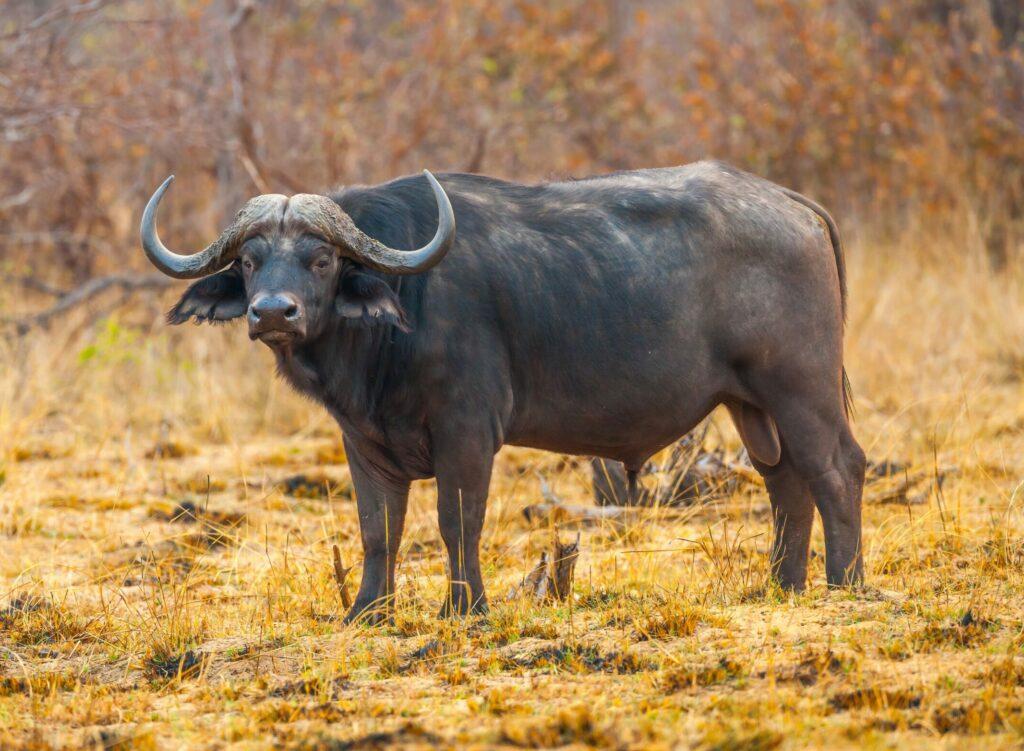
Buffalo hunting is perhaps the most widely pursued dangerous game experience in Tanzania.
Large herds still move through many of the country's concessions, particularly in the woodland ecosystems of southern and western Tanzania.
These herds can number dozens or even hundreds of animals and often travel long distances during the night between feeding areas and water.
The hunt typically begins by locating fresh spoor.
Trackers may find tracks along sandy roads, dry riverbeds, or game trails where the herd crossed earlier in the morning. Once the tracks are identified, the hunting party begins following the trail through woodland and across open ground.
Tracking buffalo can involve several miles of walking before the herd is finally located. In large herds it may take time to locate the right bull, as professional hunters usually look for older animals that have moved toward the back or edge of the herd.
Once the herd is found, professional hunters spend considerable time studying the animals.
In large herds it can take patience to identify the correct bull — usually an older animal that has reached full maturity.
The final approach is often conducted slowly through woodland cover.
Wind direction becomes extremely important during this stage. Buffalo rely heavily on their sense of smell and hearing, and even a slight change in the wind can alert the herd quickly.
Shot opportunities frequently occur at moderate ranges, often well inside one hundred yards.
For many hunters, standing close to a mature buffalo bull after hours of tracking becomes one of the most powerful and memorable experiences in African hunting.
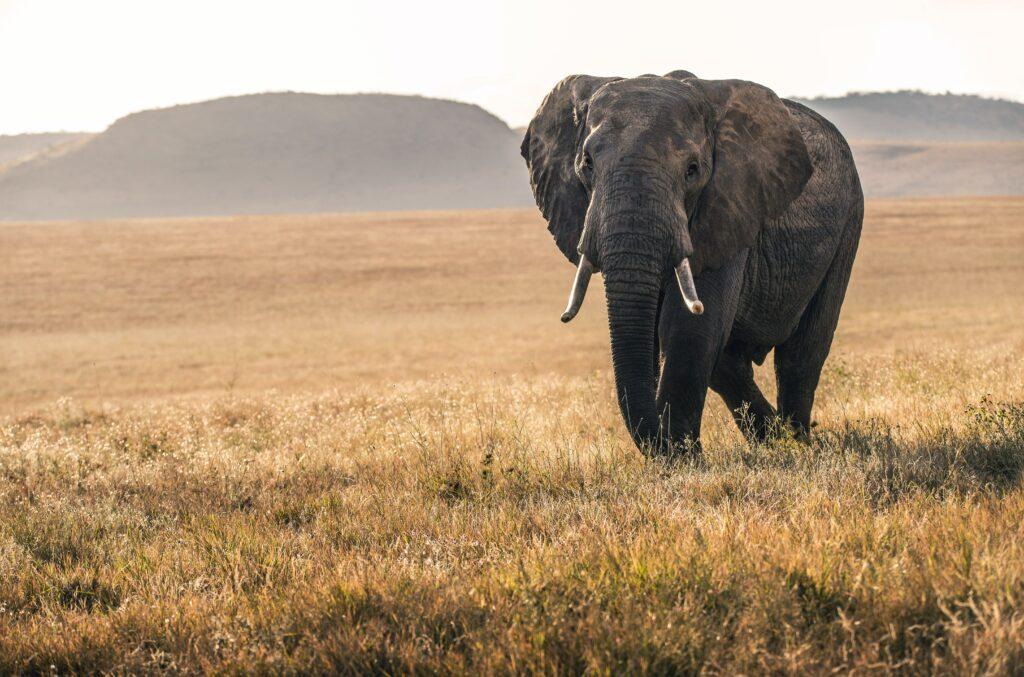
Elephant hunting in Tanzania takes place in similar wilderness environments, often along river systems and woodland corridors where bulls travel between feeding areas and water.
Tracking elephant can be physically demanding but deeply engaging.
Their tracks are large and relatively easy to follow, but the real challenge lies in determining which tracks belong to a mature bull worth pursuing.
Professional hunters and trackers examine spoor carefully, studying track size, stride length, and surrounding sign to estimate the age and size of the animal.
Once a suitable bull is identified, the hunt may involve several hours of steady tracking before the elephant is finally located.
Elephants often move quietly through woodland while feeding, allowing the hunting party to close the distance carefully while remaining downwind.
Approaches are slow and deliberate. Wind direction becomes critical during the final stages of the stalk. If the wind shifts toward the elephants, the hunt can end instantly.
Because elephants are highly intelligent and aware of their surroundings, the final stages of the stalk require careful movement and clear communication between the professional hunter and the hunter.
Standing within close range of an elephant bull in thick bush is an experience many hunters remember for the rest of their lives.
Lion and leopard hunts in Tanzania follow different methods and are typically more specialized.
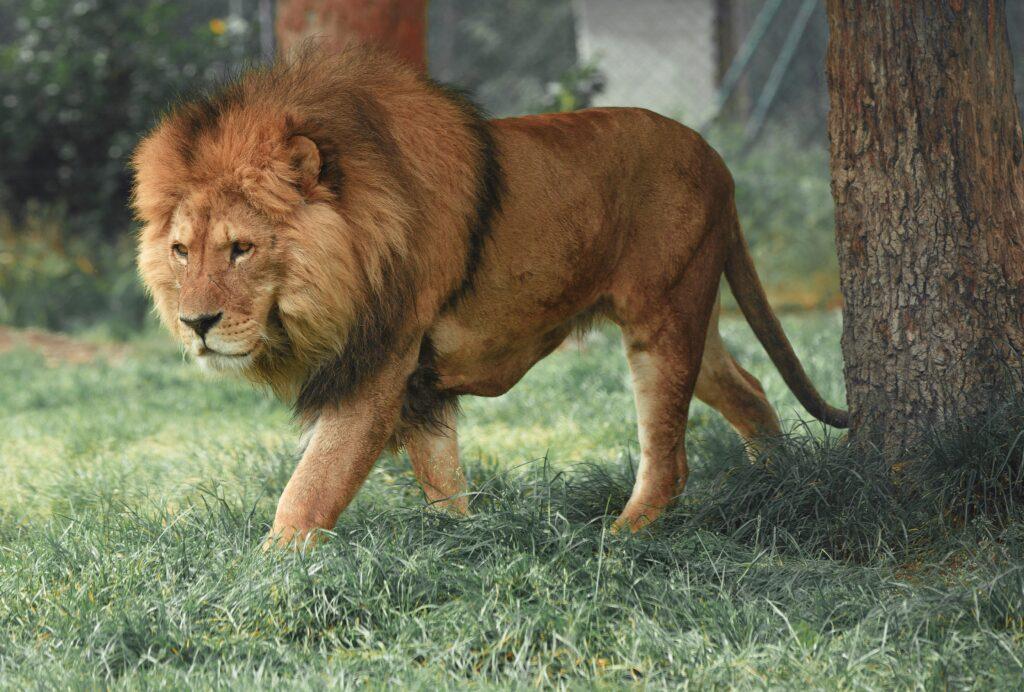
Hunters researching East Africa often look closely at lion hunting in Tanzania, where large wilderness concessions continue to support sustainable lion populations. Lion hunts may involve tracking but often rely on careful monitoring of areas where lions are known to travel within the concession. Professional hunters draw heavily on their knowledge of the landscape and the behavior of the lions inhabiting the area.
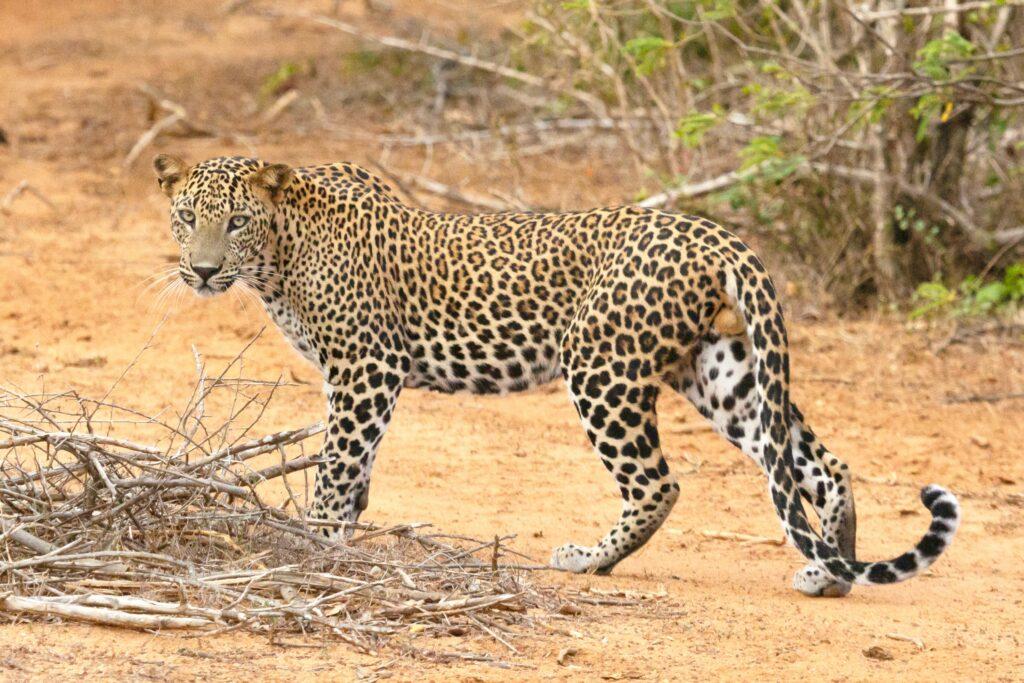
For hunters comparing destinations across Africa, leopard hunting in Tanzania is widely respected for producing mature toms in large wilderness concessions. Leopard hunting usually involves baiting and patient observation. Bait sites are placed in areas where leopards are known to move, and once a leopard begins visiting the bait regularly, the professional hunter may construct a blind nearby.
These hunts often require patience.
Hunters may spend long hours waiting quietly in the blind for the leopard to return to the bait site.
Because leopards are cautious and primarily nocturnal animals, these hunts require careful planning and attention to detail.
The experience is very different from tracking hunts, but it can be equally rewarding.
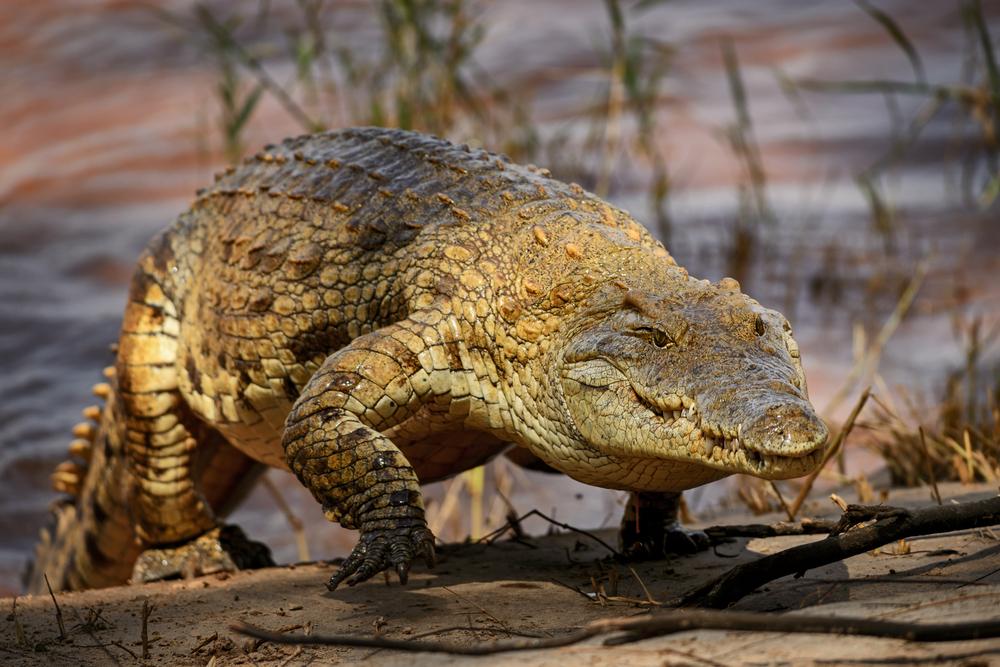
Several river systems across the country provide excellent opportunities for crocodile hunting in Tanzania, particularly along major waterways where large crocodiles bask along sandy banks. Crocodile hunting in Tanzania generally takes place along river systems where these large reptiles bask along sandy banks or lie partially submerged near the water's edge.
The challenge lies in approaching close enough for a precise shot before the crocodile slips back into the river.
Professional hunters often spend time observing crocodiles from a distance before planning the stalk.
Because crocodiles can disappear into the water quickly, careful positioning and accurate shot placement are essential.
Although the final shot may occur quickly, locating a mature crocodile often requires patience and careful glassing along the riverbanks.
One aspect of hunting in Tanzania that surprises some hunters is the emphasis placed on maturity rather than measurements.
In some hunting systems elsewhere in Africa, animals may be evaluated strictly according to horn length or even priced according to measurements.
Tanzania generally follows a different philosophy.
Professional hunters focus on identifying mature animals that have already contributed to the breeding population and are nearing the end of their prime years.
Removing these animals helps maintain healthy wildlife populations while preserving strong genetics within the herd.
Because of this approach, the emphasis in Tanzania is typically placed on age, character, and condition rather than strictly on horn or tusk measurements.
The notable exception is elephant, where government regulations often establish minimum tusk weight requirements to ensure that only mature bulls are harvested.
For many hunters, this philosophy adds another dimension to the safari experience.
The goal is not simply to pursue the largest measurements possible, but to hunt responsibly within a system designed to maintain wildlife populations across vast wilderness landscapes.
Although Tanzania is widely known for dangerous game safaris, plains game hunting forms an important part of many hunts across the country's concessions.
Several species found in Tanzania are rarely encountered elsewhere in Africa, which makes them especially appealing to hunters who have already hunted in southern Africa.
The plains game species available vary by region but may include:
Unlike plains game hunts conducted on smaller properties elsewhere in Africa, hunting these animals in Tanzania often follows the same tracking-based approach used for dangerous game.
Animals move naturally across large landscapes, and encounters often occur while tracking other species or glassing open areas where animals feed.
Eland hunting is a good example. These large antelope often travel in small groups and can cover long distances through woodland during a single day. Tracking eland may involve several hours of walking as the hunting party follows their distinctive tracks across the concession.
Kudu are another species commonly encountered in Tanzanian concessions. Their ability to move quietly through woodland and remain hidden in thick vegetation often requires careful stalking and patience.
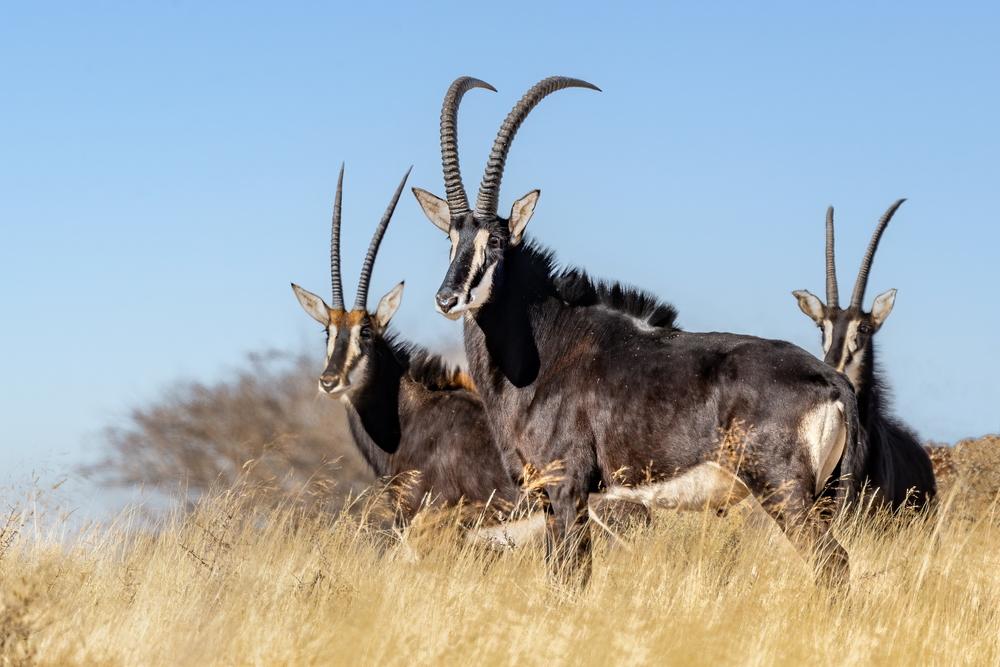
Among the most sought-after antelope is sable, and many hunters specifically research sable hunting in Tanzania before planning their safari. In regions where sable occur, professional hunters often glass open woodland edges early in the morning or late in the afternoon when the animals emerge to feed.
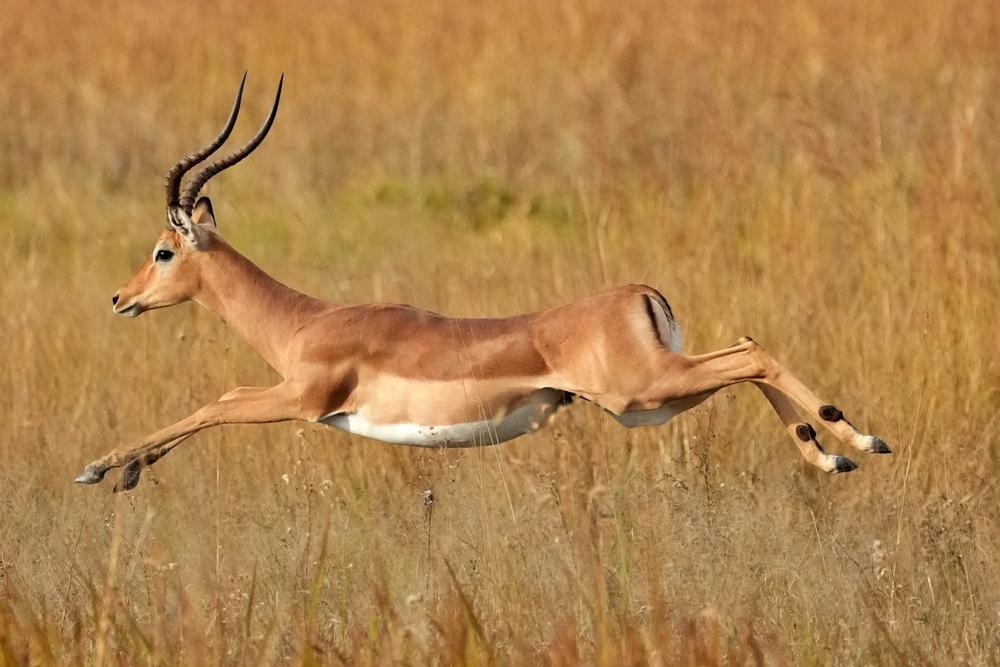
Common plains game species also include impala, and impala hunting in Tanzania is often added as an additional opportunity during longer safaris.
Because these animals inhabit the same wilderness landscapes as dangerous game, plains game hunting in Tanzania often becomes part of the broader safari experience rather than a separate activity.
Unexpected encounters with zebra, hartebeest, or antelope while tracking buffalo or elephant can add variety and excitement to the hunt.
One of the reasons many experienced hunters travel to Tanzania is the opportunity to pursue species and subspecies rarely available elsewhere in Africa.
Among the most sought-after is the Lesser Kudu, a striking spiral-horned antelope found primarily in the dry bush country of East Africa.
These animals are known for their cautious nature and preference for thick cover, which makes them one of the more challenging plains game species to pursue.
Another notable species is the Roosevelt Sable, a large and impressive subspecies of sable antelope named after Theodore Roosevelt following his famous East African safari.
Roosevelt sable are known for their heavy horns and dark coloration and are typically found in woodland regions of western and southern Tanzania.
Hunters may also encounter the distinctive Fringe-eared Oryx, a desert-adapted antelope recognized by the tufts of hair extending from the tips of its ears.
Another unusual species found in northern Tanzania is the Gerenuk, sometimes referred to as the "giraffe gazelle."
Gerenuk are known for standing upright on their hind legs to browse leaves high in the brush, making them one of the most distinctive antelope species encountered on an East African safari.
For hunters who have already hunted in southern Africa, pursuing these regional species often becomes one of the most appealing reasons to travel to Tanzania.
For many hunters, the decision to hunt Tanzania is not made quickly.
It is often something that sits in the back of the mind for years.
A hunter may spend time pursuing game across North America, perhaps travel to southern Africa once or twice, and somewhere along the way begin to think about what a traditional East African safari might be like.
Tanzania occupies a unique place in that progression.
The scale of the country and the wilderness nature of its concessions mean that most hunters will only make a journey like this once.
Because of that, the decision is rarely about simply adding another hunt to a list.
For many hunters it becomes something different — an opportunity to experience a kind of safari that has shaped African hunting traditions for more than a century.
And for those who eventually make the journey, the memories tend to last long after the hunt itself has ended.
Because hunting in Tanzania operates under a different system than many other African destinations, hunters researching the country for the first time sometimes misunderstand how safaris are structured.
One of the most common mistakes is underestimating the physical nature of the hunt. Tracking buffalo or elephant through miombo woodland for several hours can require steady walking and patience.
Another point of confusion involves the government license system. Unlike some destinations where hunters simply select animals from a price list, Tanzania safaris operate under specific government licenses that determine both safari duration and the species available.
Some hunters also assume that encounters with animals will occur quickly. Because concessions are so large and wildlife moves naturally across the landscape, hunting in Tanzania often involves long periods of tracking before animals are located.
Hunters who arrive with realistic expectations about the scale of the country and the pace of a traditional safari usually find the experience far more rewarding.
Tanzania's hunting season is closely tied to the country's climate patterns. Understanding how rainfall and seasonal changes influence animal movement can help hunters choose the most suitable time for their safari.
The official hunting season generally runs from July through December, although exact dates may vary slightly depending on government regulations and concession management for a given year.
This period largely coincides with the dry season, when vegetation gradually thins and animals begin concentrating around more reliable water sources.
For hunters, this seasonal shift can make a significant difference. As grasses dry and leaf cover becomes lighter, visibility improves and tracking conditions often become easier. Fresh spoor along sandy roads, riverbanks, and game trails can remain visible for longer periods, allowing experienced trackers to follow animals across considerable distances.
Because many dangerous game hunts in Tanzania rely heavily on tracking, these conditions can play an important role in the success of the safari.
The early part of the hunting season often offers comfortable conditions in the bush.
Temperatures tend to be mild, mornings can be cool, and vegetation may still retain some density from the earlier rainy season.
During this period animals may remain somewhat more widely distributed across the concession, which can require hunting parties to cover more ground while searching for fresh tracks.
The advantage of the early season is that the bush still holds a sense of freshness after the rains, and temperatures during long tracking days can be more manageable.
Many professional hunters consider the middle of the dry season to offer some of the best overall hunting conditions.
By this time vegetation has thinned considerably and water sources become increasingly important to wildlife. Animals often begin moving along more predictable routes between feeding areas and rivers.
Tracking conditions can be excellent during this period, particularly for species such as buffalo and elephant that travel widely across large concessions.
For hunters pursuing dangerous game, this time of year often provides a good balance between animal movement, track visibility, and manageable weather conditions.
Toward the end of the hunting season, scattered rains may begin appearing in some regions of Tanzania.
When this happens, temporary water sources can form across the landscape, allowing animals to disperse more widely.
Tracking may become somewhat more challenging under these conditions, but shifting animal movement can also create new hunting opportunities.
Late-season hunts often bring warmer temperatures, but they can also produce unique encounters as animals move into fresh feeding areas following the first rains.
For hunters traveling internationally, the Tanzanian hunting season aligns well with summer and autumn months in North America, allowing hunters from the United States and Canada to plan safaris without interfering with their domestic hunting seasons.
Hunting safaris in Tanzania are often regarded as some of the most expensive hunts available in Africa.
This reputation has existed for decades and is largely a result of how the country's hunting system is structured.
Unlike many destinations where hunting takes place on privately owned wildlife land, Tanzania operates under a government concession system that requires safari operators to lease large hunting blocks and maintain operations in remote wilderness areas.
These concessions are often enormous, covering hundreds of thousands of acres.
Operating camps and conducting safaris in such areas requires substantial logistical support. Professional hunters, trackers, vehicles, camp staff, charter flights, and government concession fees all contribute to the cost of maintaining safari operations in regions that may be hundreds of miles from major cities.
Because of this structure, the cost of a Tanzanian safari is usually made up of several components rather than a single package price.
For many years Tanzania developed a reputation as one of the most expensive hunting destinations in Africa.
Traditional East African safaris were typically long dangerous-game expeditions conducted across very large concessions, often lasting twenty-one days or more.
While those classic safaris still exist and remain one of the defining features of hunting in Tanzania, the range of safari options has gradually expanded.
Today some outfitters offer shorter hunts focused on specific species such as buffalo or plains game, allowing hunters to experience Tanzania without committing to a full dangerous-game expedition.
These shorter safaris do not change the fundamental character of hunting in the country — the concessions remain large, the hunts are still conducted in free-range wilderness areas, and the licensing system continues to regulate how safaris operate.
However, the availability of different safari formats has made Tanzania accessible to a somewhat wider range of hunters than in the past.
For hunters who have long dreamed of experiencing an East African safari, this has created new opportunities to explore one of Africa's most historic hunting destinations.
Daily rates represent the base operating cost of the safari itself. The term "daily rate" — often referred to by hunters as "day fees" — has its roots in the early East African safari expeditions of the late 1800s and early 1900s.
During those early hunts, safari operators organized large expeditions that moved through remote wilderness areas with caravans of porters carrying tents, food, ammunition, and supplies. Because the cost of running these expeditions depended largely on how long the safari remained in the field, hunters were charged a daily operating fee to cover the staff, camp equipment, and logistical support required to keep the expedition moving.
Although modern safaris are far more efficient, the concept of daily rates remains part of the traditional structure of African hunting today.
Because Tanzanian safaris often last between 10 and 21 days, the daily rate component can form a significant portion of the total cost.
In addition to daily rates, every safari must operate under a government-issued hunting license.
These licenses determine the length of the safari and the category of animals that may legally be hunted.
Because longer safaris allow the pursuit of additional species, they also involve higher government licensing costs.
This is one of the reasons traditional 21-day dangerous game safaris in Tanzania have historically been among the most expensive hunts available in Africa.
Like most African hunting destinations, Tanzania also uses a trophy fee system for animals that are successfully harvested.
Trophy fees vary depending on the species and are regulated through government structures that establish minimum values for many animals.
Dangerous game species such as buffalo, elephant, lion, and leopard naturally carry higher trophy fees than plains game animals.
Because wildlife quotas in each concession are strictly controlled, the availability of these species is carefully managed each season.
Another factor influencing the cost of hunting in Tanzania is transportation.
Many concessions are located far from major cities and require charter flights to reach remote bush airstrips located within or near the hunting block.
These flights allow hunters to access areas that would otherwise require several days of travel by road.
Operating camps in such remote regions also requires regular transport of fuel, food, equipment, and camp supplies throughout the safari season.
Maintaining operations in these wilderness areas requires considerable logistical coordination, which contributes to the overall cost of the safari.
Because Tanzania safaris often involve significant deposits and long planning timelines, many hunters want clarity about how safari payments are handled.
International safari bookings typically involve:
Some safari companies now offer escrow-style payment systems, where funds are held by a third party until the conditions of the safari agreement are fulfilled.
For hunters unfamiliar with safari payment structures, we have prepared a detailed guide explaining deposits, trophy fee settlement, escrow protection, and booking practices in our guide to African hunting safari payments.
Wildlife conservation in Tanzania is closely tied to the country's regulated hunting concession system.
Large areas of land that might otherwise face pressure from agriculture, settlement, or development remain protected because they are managed as wildlife areas under government oversight.
Many of these concessions form part of larger conservation landscapes that include national parks, game reserves, and wildlife management areas.
While national parks are dedicated primarily to photographic tourism and do not permit hunting, surrounding hunting concessions often act as buffer zones that help protect wildlife populations across much larger ecosystems.
Each hunting concession receives strict wildlife quotas determining how many animals of each species may be harvested during a season.
These quotas are established through wildlife assessments and are designed to ensure that hunting remains sustainable over the long term.
Professional hunters must operate within these quotas and report harvests to wildlife authorities.
Because the number of animals taken is carefully controlled, the emphasis is typically placed on harvesting mature animals rather than maximizing the number of animals taken during a season.
The scale of Tanzania's hunting concessions plays an important role in conservation.
Many concessions cover hundreds of thousands of acres, forming part of ecosystems where wildlife continues to move naturally across large landscapes.
Without the presence of regulated hunting operations, some of these areas could face increasing pressure from land conversion or illegal resource use.
Maintaining these landscapes as wildlife habitat helps preserve the ecological systems that support species such as buffalo, elephant, and large antelope.
Hunting safaris also generate employment opportunities in remote rural regions.
Safari camps employ a wide range of staff including trackers, camp attendants, drivers, cooks, and maintenance workers. Many of these individuals come from nearby communities.
In addition to direct employment, hunting concessions can contribute funding toward local infrastructure and community development.
When local communities benefit economically from wildlife-based land management, they are more likely to support conservation efforts and protect wildlife habitats over the long term.
Preparing for a hunting safari in Tanzania involves several logistical steps, but the process is generally straightforward when planned in advance.
Most professional safari operators assist their clients with documentation and travel arrangements to ensure that arrival procedures run smoothly.
Most hunters traveling to Tanzania arrive through major international airports such as Dar es Salaam or Arusha.
After clearing customs and completing firearm import procedures, the next stage of the journey usually involves traveling to the hunting concession itself.
In many cases this requires a charter flight aboard a small bush aircraft that carries hunters and their equipment to a remote airstrip located within or near the concession.
For many hunters, this flight provides the first real sense of the scale of the country. Vast stretches of woodland and river systems extend for miles with little sign of human development.
Hunters who wish to bring their own rifles must obtain a temporary firearm import permit upon arrival.
Typical documentation includes:
Professional safari operators typically assist their clients with preparing this paperwork before departure.
Some hunters choose to rent rifles from their outfitter to simplify travel logistics.
For plains game hunting, many of the same calibers used for large North American game animals are effective.
Popular choices include:
For dangerous game hunting, larger calibers are required.
The .375 H&H Magnum has long been regarded as the traditional minimum caliber for dangerous game in Africa.
Some hunters prefer larger calibers such as the .416 Rigby or .458 Lott, although familiarity with the rifle and proper shot placement remain far more important than caliber alone.
Most shots taken during African safaris are made using tripod shooting sticks rather than prone or benchrest shooting positions.
Practicing from shooting sticks before traveling to Africa can significantly improve comfort and accuracy when the moment of truth arrives.
Travel safety is a common concern for hunters planning an international safari.
Most hunting concessions in Tanzania are located far from major population centers and operate as controlled wilderness environments where movement is structured around safari operations.
Camps maintain professional staff, vehicles, and communication systems, creating a stable and organized environment for visiting hunters.
Tanzania has historically maintained a relatively stable political environment compared to many regions of Africa, and the majority of visiting hunters travel to the country each year without experiencing safety concerns.
Once hunters arrive in camp, daily life revolves almost entirely around the rhythm of the safari and the surrounding wilderness.
Based on the scale of the country and the cost involved, many hunters spend years planning a Tanzania safari before finally making the trip.
Hunting in Tanzania remains one of the last opportunities to experience a traditional East African safari conducted across truly vast wilderness landscapes. The scale of the country, the structure of its government-managed concessions, and the emphasis on tracking animals through wild country create a style of hunting that feels very different from many modern safari destinations.
For hunters willing to invest the time and preparation required for a longer expedition, Tanzania can offer an experience that is increasingly rare in the modern hunting world. Days spent following buffalo tracks through miombo woodland, watching elephant bulls move quietly along river corridors, and sharing evenings in remote bush camps remain part of a tradition that has shaped African hunting for more than a century.
Because of this, many hunters do not simply view Tanzania as another destination on a list of hunts. Instead, it becomes something more significant — an opportunity to take part in one of the last remaining forms of the classic East African safari.
Pierre has hunted across southern and eastern Africa for more than three decades and has extensive experience guiding international hunters on plains game and dangerous game safaris.
Through his work advising hunters traveling from the United States and Canada, he has helped many clients understand how African safaris actually work before making the journey.
Hunting in Tanzania covers a variety of landscapes — from open savannah and rolling woodlands to floodplain systems. Seasonal animal movement and terrain variations require adaptive planning and tracking strategies. Success depends on understanding game patterns and timing rather than relying on consistently high encounter rates.
Tanzania is known for a broad mix of huntable species including buffalo, sable, roan, eland, hartebeest, and plains game. While populations can be strong, encounter frequency and trophy quality vary with region and season, making strategic area selection and seasonal planning key.
Yes. Tanzania’s vast landscapes and variable terrain can make hunts physically demanding, with extended tracking, terrain transitions, and weather conditions that vary by region. Hunters should be prepared for varied conditions and sustained effort.
Hunters should plan for internal travel between regions — commonly involving road transfers or light aircraft. Firearm permits, seasonal access, and water levels can influence logistics. Advanced coordination with guides and outfitters ensures smoother travel and compliance.
Tanzania hunts should generally be booked 6–12 months in advance, especially for preferred dates, species combinations, and specific concessions. Early planning improves logistical coordination and seasonal access opportunities.
26 September 2025 30 August 2025
Latest Blogs About Tanzania
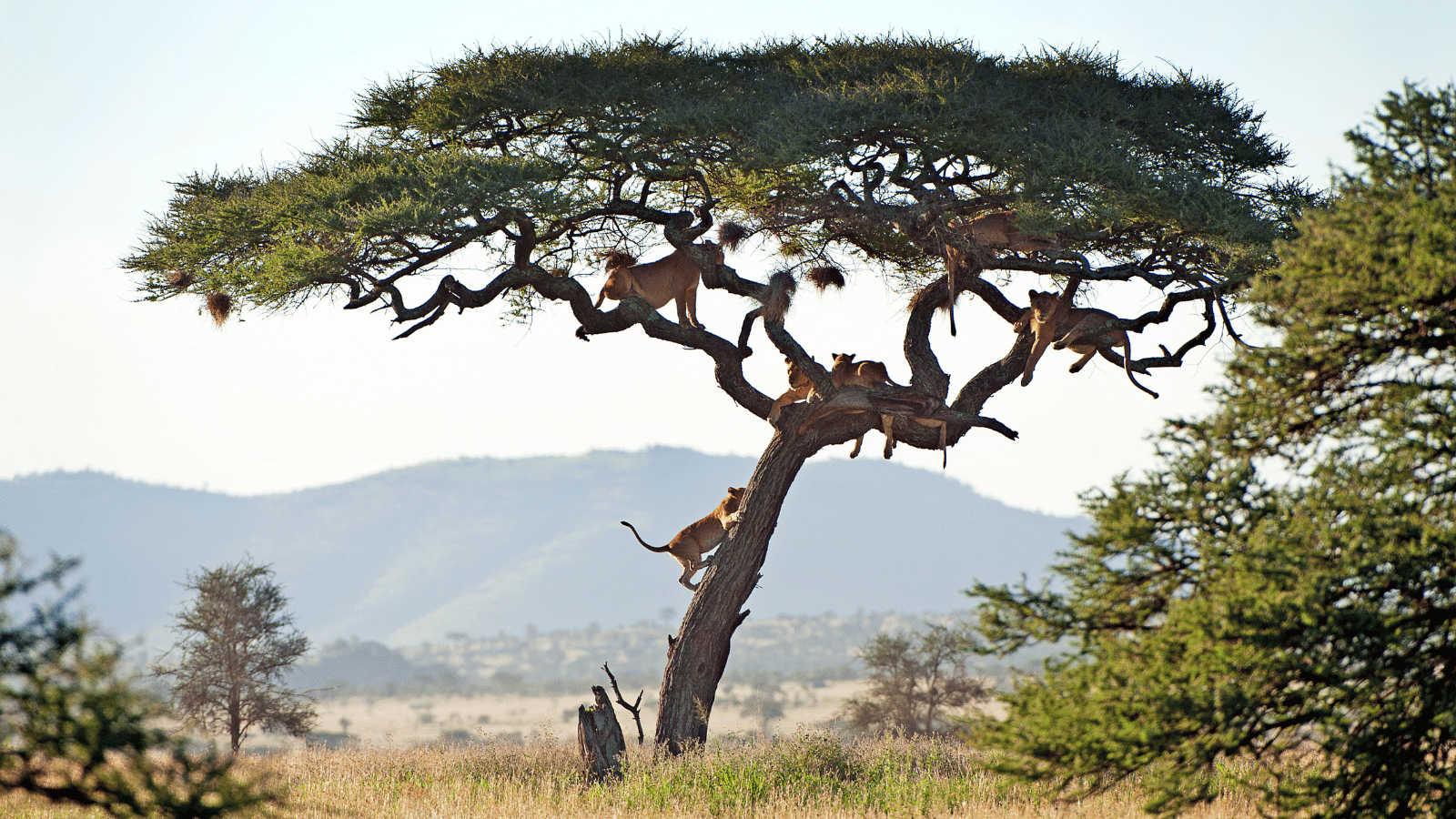
Hunting in Tanzania: U.S. Hunter’s Complete Guide
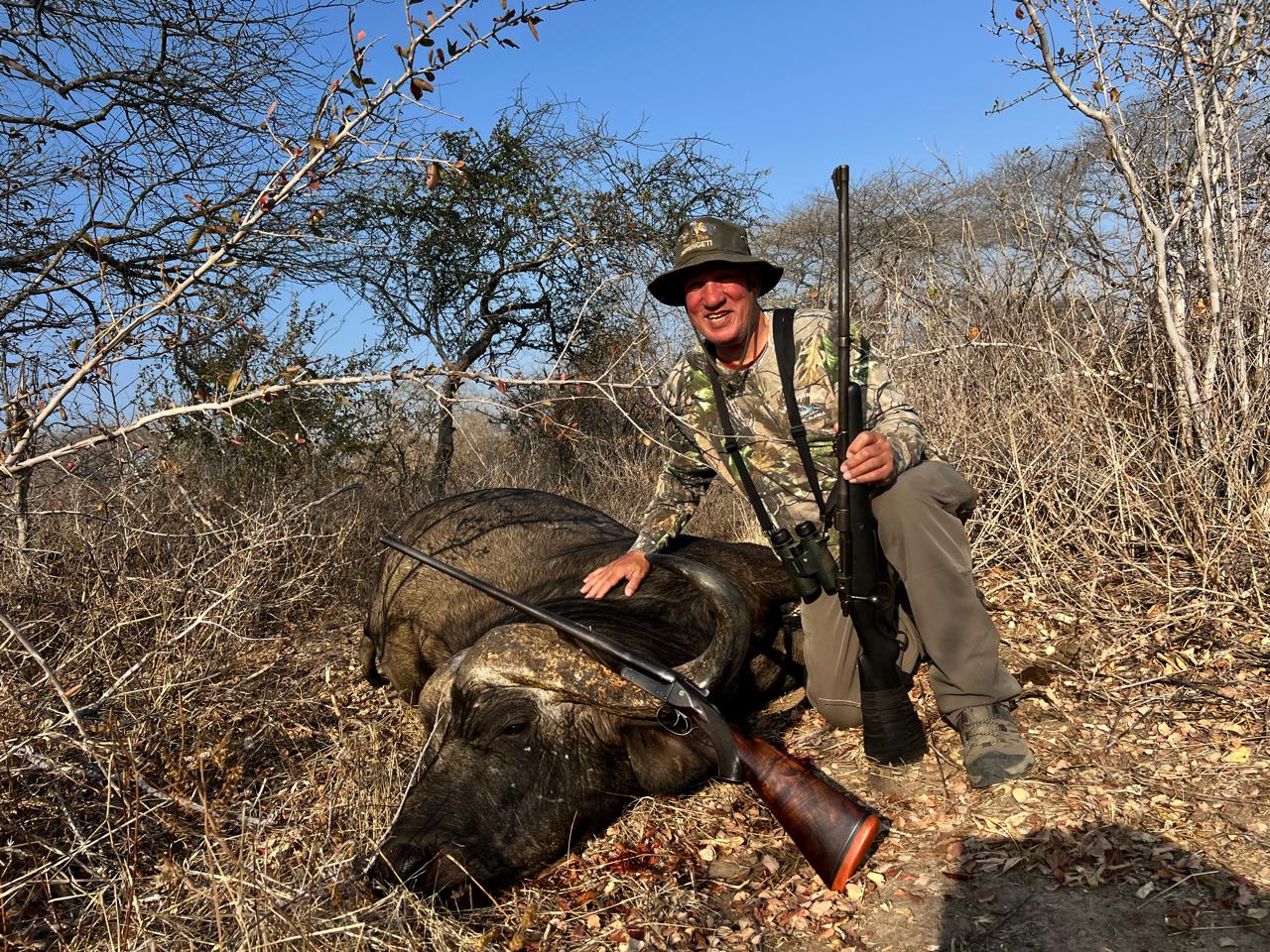
Trophy Hunting in Tanzania, Buffalo in Lunda Nkwambi
Search from our range of Hunts across various popular destinations in Africa.

Book Your Hunt