
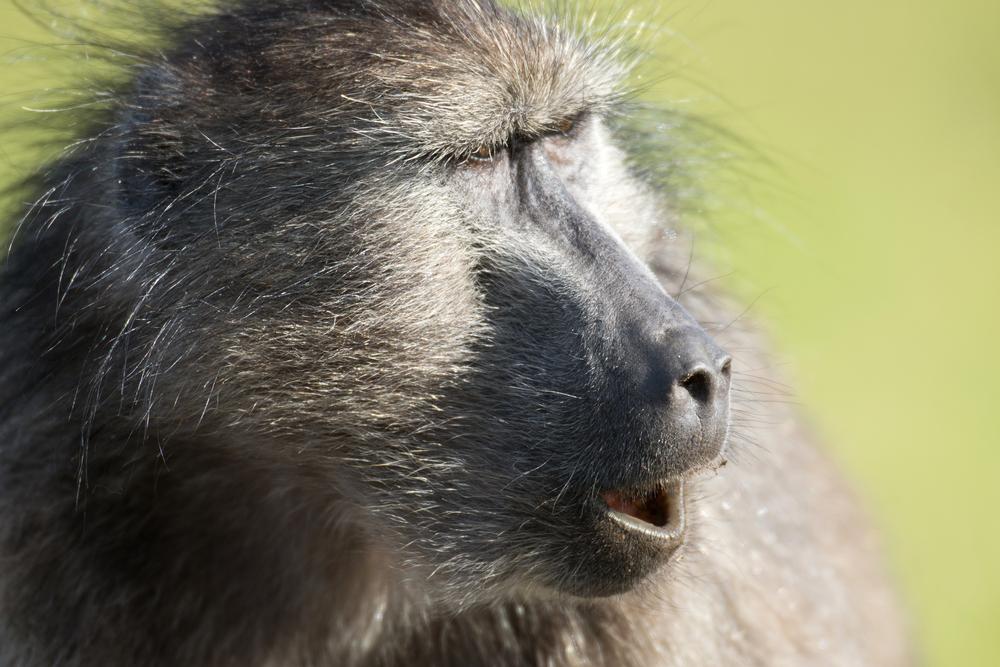

Spotted Hyena Hunting in SA plus 7 Specialty Species
Booking Season: 2026
Hunt Difficulty: Moderate

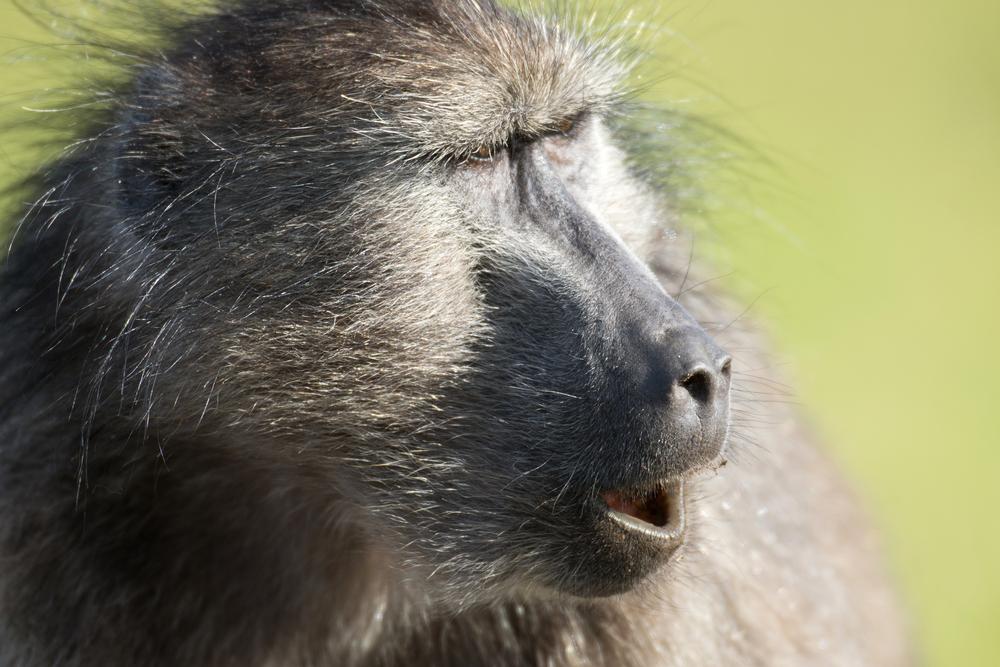
South Africa is one of the most accessible and productive destinations in Africa for hunting chacma baboons. Large baboon populations occur across much of the country, particularly in agricultural and livestock-producing regions where conflict between baboons and landowners is common.
Unlike species such as kudu, buffalo, or leopard, baboons are rarely the sole focus of a safari. Most are hunted opportunistically while pursuing other game, with hunters taking advantage of encounters during a broader plains game hunt. In some areas where baboon numbers create ongoing problems for farmers, dedicated hunting opportunities may be available, but these are the exception rather than the rule.
For international hunters, South Africa offers excellent infrastructure, experienced professional hunters, and a wide range of huntable species. Hunters considering a safari can learn more about South Africa Hunting Safaris, while those interested in pursuing baboons elsewhere on the continent can explore our dedicated Baboon Hunts guide.
Although baboons are not considered dangerous game, experienced hunters quickly learn they present a very different challenge. Mature chacma baboons possess exceptional eyesight, constantly use elevated vantage points, and rely on complex social structures to detect danger. Successfully hunting an old male baboon often requires patience, careful stalking, and precise shot placement rather than brute force or long hours in a blind.
Available Baboon Hunts
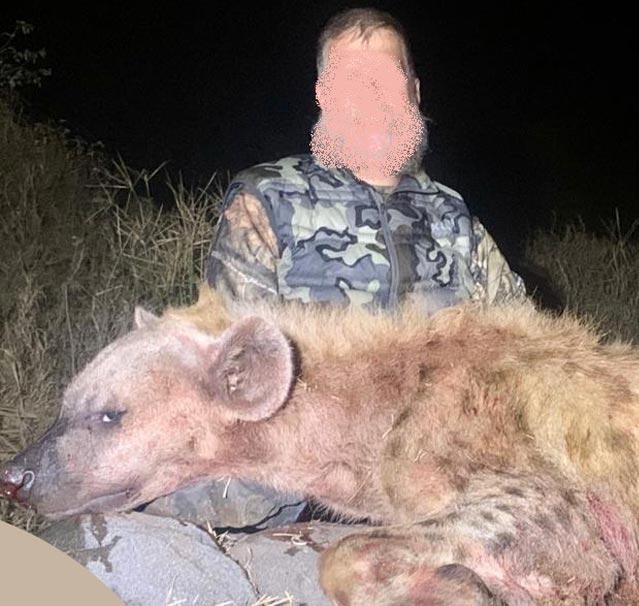
Spotted Hyena Hunting in SA plus 7 Specialty Species
Booking Season: 2026
Hunt Difficulty: Moderate
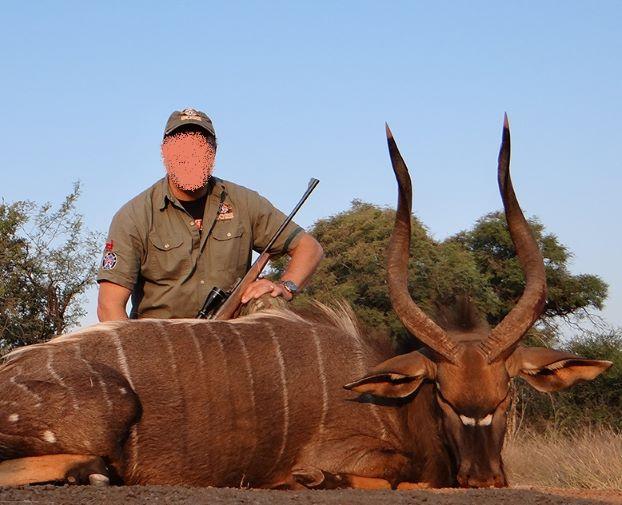
Plains Game Hunting in South Africa, 10 days x 10 x Species
Booking Season: 2025
Hunt Difficulty: Moderate

Hyena Hunting for 10 x Days in SA, plus 6 other Critters
Booking Season: 2026
Hunt Difficulty: Moderate, Difficult
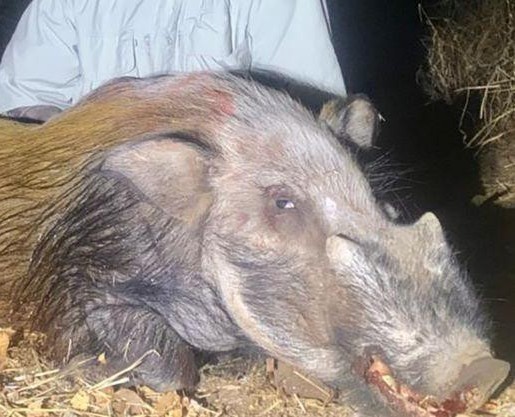
Bushpig Hunting in SA, plus 5 other Species in 10 Days
Booking Season: 2026
Hunt Difficulty: Difficult

African Plains Game Hunt, plus Night Critters 10 Days in SA
Booking Season: 2025
Hunt Difficulty: Moderate, Difficult
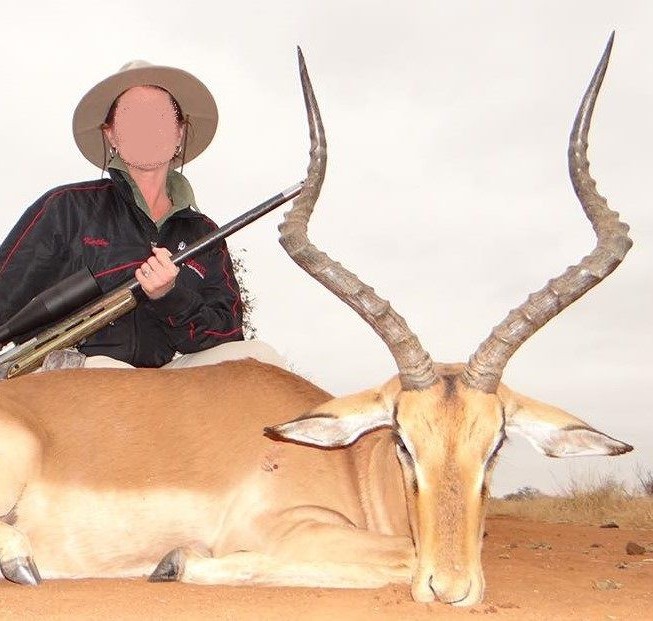
Plains Game Hunting in South Africa Day & Night Safari
Booking Season: 2026
Hunt Difficulty: Moderate, Difficult
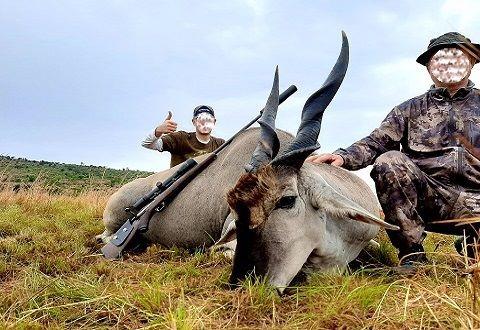
Plains Game Management Hunt in South Africa, Limpopo
Booking Season: 2026
Hunt Difficulty: Moderate, Difficult
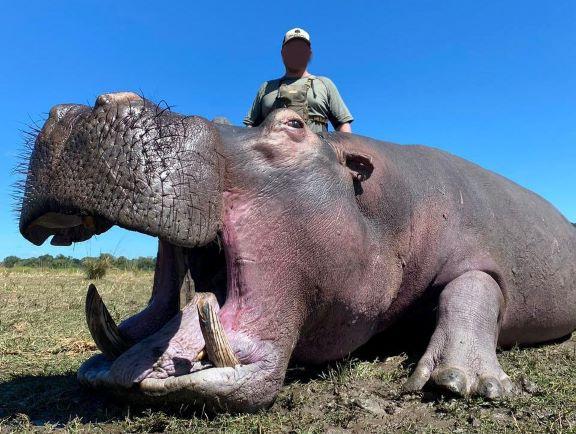
South Africa Dangerous Game & Nocturnal Hunting Safari
Booking Season: 2026
Hunt Difficulty: Moderate, Difficult
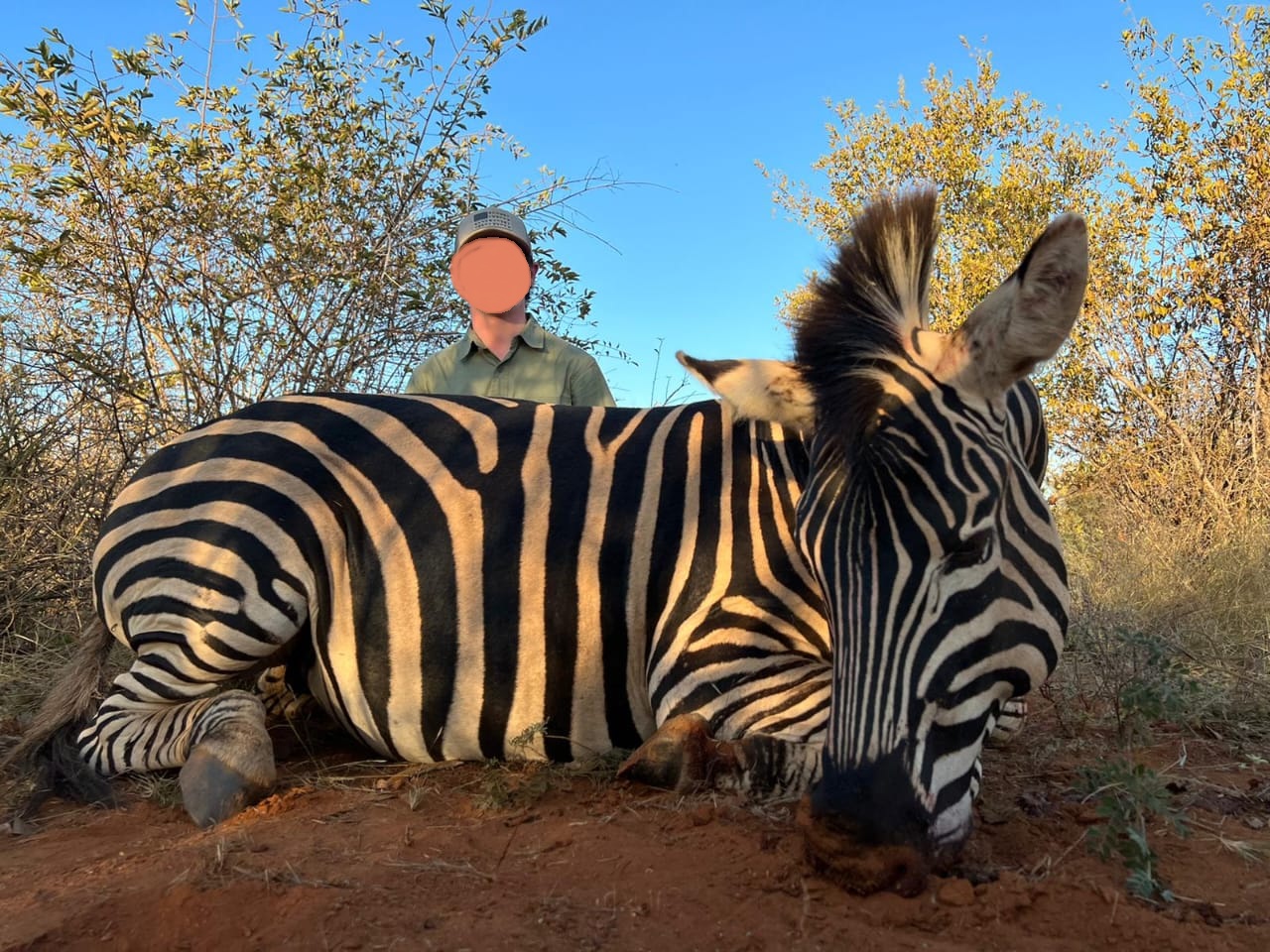
African Plains Game in Limpopo: Zebra, Impala & 4 Species
Booking Season: 2026
Hunt Difficulty: Moderate
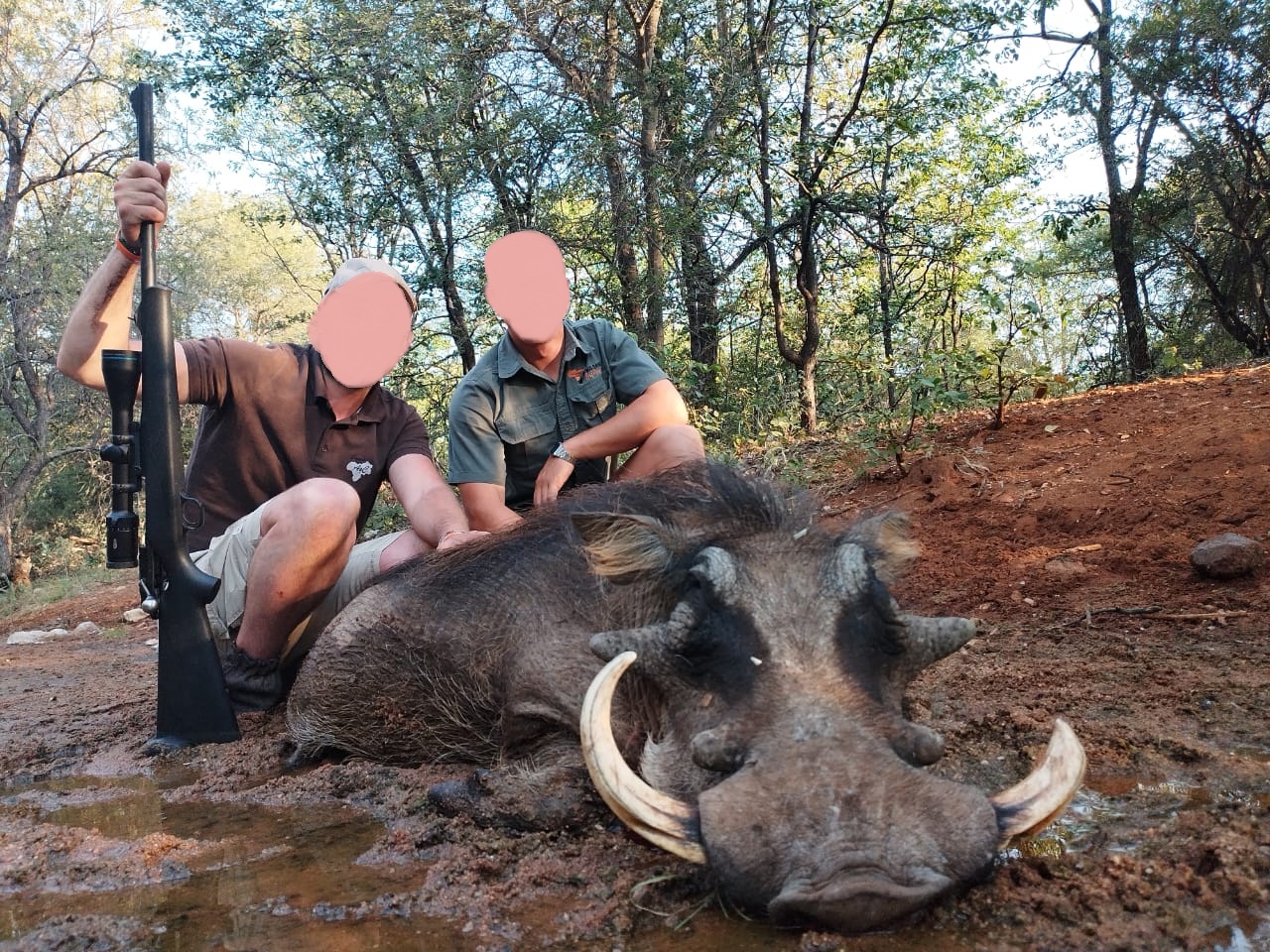
South African Plains Game in Limpopo: Zebra, Impala & 2 Species
Booking Season: 2026
Hunt Difficulty: Moderate
Baboon hunting is not for every hunter. Unlike traditional African trophies such as kudu, buffalo, or sable, baboons are seldom the primary reason hunters travel to South Africa. However, many experienced safari hunters will take advantage of the opportunity when it presents itself.
The chacma baboon is one of Africa's most intelligent and alert animals. Mature males spend much of their time watching from elevated positions, constantly scanning their surroundings for danger. Their exceptional eyesight, cautious nature, and tendency to post sentries make them surprisingly challenging quarry, particularly for hunters who enjoy spot-and-stalk hunting.
In South Africa, baboons are often regarded as nuisance animals in farming areas where they can damage crops, raid feed stores, and occasionally prey on young livestock. For this reason, landowners frequently encourage hunters to take mature animals when the opportunity arises.
A baboon can become an unexpected highlight of a safari. A successful stalk on a wary old male can be every bit as satisfying as taking a more traditional plains game species, particularly when the opportunity develops naturally during the course of the hunt.
The chacma baboon is the species hunters will encounter throughout South Africa. Found across farmland, bushveld, mountains, and river systems, these highly adaptable primates thrive in many of the same areas where hunters pursue traditional Plains Game Hunts.
Unlike antelope species that rely on speed or camouflage, baboons survive through intelligence, communication, and constant vigilance. Troops commonly position one or more animals on elevated ground to act as sentries while the rest feed below. The moment danger is detected, a sharp alarm bark can send the entire troop disappearing into cover within seconds.
The challenge lies in outsmarting an animal that spends much of its day watching for threats. A mature male baboon may allow a hunter to close the distance one day and vanish long before a shot is possible the next. Their exceptional eyesight and unpredictable behavior often make them more difficult to stalk than many larger game animals.
Most hunters are not looking for the largest baboon they can find, but rather an old mature male. Heavy body size, long canine teeth, and a well-developed mane around the shoulders and neck are all characteristics hunters look for when evaluating a trophy animal.
Hunters spending time in African camps quickly discover that primates are among the continent's greatest opportunists. While vervet monkeys are usually the worst offenders when it comes to stealing food, raiding camp kitchens, and making off with anything left unattended, baboons have earned a similar reputation. Leave food, gear, or an unattended daypack lying around and there is a good chance a curious primate will investigate it before you return.
While baboons are rarely the primary focus of a safari, successfully taking a mature old male is an achievement many African hunters remember long after the hunt is over.
Unlike most African game animals, there is no formal trophy scoring system for baboons. Hunters are generally looking for a mature old male rather than focusing on measurements alone.
A trophy baboon will typically be a large alpha male with a heavy build, broad shoulders, long canine teeth, and a well-developed mane around the neck and shoulders. These older males are often noticeably larger than females and younger members of the troop and tend to carry the scars and worn features that come with age.
Experienced professional hunters usually encourage clients to focus on maturity rather than size alone. An old male that has survived years of competition, predators, and human pressure is often considered a far more rewarding trophy than a younger animal with a slightly larger body.
In many parts of South Africa, these mature males are also the animals most commonly associated with crop raiding and conflicts around farms and livestock operations. Successfully stalking one of these wary old males can be surprisingly challenging and is often regarded as a genuine hunting accomplishment.
Unlike most traditional safari species, baboons are rarely hunted solely for their trophy value. In South Africa, they are more commonly viewed as problem animals in farming and livestock-producing regions where their intelligence and adaptability often bring them into conflict with people.
Large troops can cause significant damage to crops, orchards, irrigation systems, and feed storage areas. Farmers frequently report losses from baboons raiding fields, damaging infrastructure, and consuming large quantities of produce. In some areas, baboons have also developed a reputation for preying on young livestock, particularly newborn lambs and goats.
As a result, many landowners actively manage baboon numbers and welcome hunters willing to assist when opportunities arise. This is one of the reasons baboon hunting is often available as an add-on during a safari rather than as a dedicated hunt.
A baboon hunting opportunity usually develops naturally during the course of a hunt. While pursuing antelope, moving between hunting areas, or glassing from elevated terrain, hunters may encounter a mature male and decide to take advantage of the opportunity. In many cases, these unplanned encounters become some of the most memorable moments of the safari.
The reality is that baboons occupy a unique place in African hunting. They are intelligent, adaptable, and often controversial animals, but they are also one of the few species that many farmers genuinely appreciate hunters helping to manage.
Yes, baboon hunting is legal in South Africa, although regulations can vary between provinces and hunting areas. Most hunting takes place on privately owned land where landowners manage wildlife populations in accordance with provincial conservation regulations.
For visiting hunters, the process is generally straightforward. Reputable outfitters will ensure that all hunting activities comply with local laws and permit requirements where applicable. Hunters booking a safari through a professional outfitter rarely need to navigate the regulatory process themselves.
Because baboons are often regarded as nuisance animals in agricultural regions, hunting opportunities may be available throughout much of the year. However, regulations can differ depending on the province, the property being hunted, and the purpose of the hunt.
Hunters planning a safari should always confirm current regulations with their outfitter before arrival.
Baboons occur throughout much of South Africa, but the best hunting opportunities are usually found in areas where agricultural land, water sources, and suitable habitat combine to support healthy populations.
Limpopo remains one of the country's most popular hunting destinations and offers regular baboon hunting opportunities alongside a wide variety of plains game species. The province's mixture of bushveld, river systems, mountains, and farmland creates ideal conditions for chacma baboons.
The Eastern Cape also supports substantial baboon populations, particularly in mountainous and agricultural regions where troops move between feeding and bedding areas. Hunters pursuing species such as kudu, bushbuck, and mountain reedbuck frequently encounter baboons during the course of a safari.
Good populations can also be found in the Free State, Northern Cape, and North West Province. Baboons pften spend their days feeding in agricultural lands before retreating to rocky hills, river systems, and elevated terrain where they can monitor their surroundings.
While baboons can be hunted throughout much of the country, the most productive hunting often occurs on properties where farmers actively manage nuisance populations.
Baboon hunting opportunities are available throughout much of the year in South Africa, particularly in agricultural regions where baboons are present year-round. Unlike some species that are heavily influenced by seasonal migrations or breeding cycles, baboons maintain relatively consistent home ranges and can be encountered whenever hunting conditions are favorable.
Many hunters prefer the dry winter months from May through September. During this period, vegetation is less dense, visibility improves, and baboons are often easier to locate while moving between feeding and bedding areas.
Because most baboon hunting occurs opportunistically during broader safari hunts, the best time to hunt baboons is often simply whenever you are already hunting South Africa's plains game species. Encounters can occur at any time, and experienced professional hunters rarely pass up an opportunity to stalk a mature male when conditions allow.
Many hunters assume baboons will be an easy addition to a safari. In reality, mature baboons are often among the most challenging animals encountered during the course of a hunt.
Unlike antelope that rely primarily on speed or camouflage, baboons depend on intelligence and teamwork. Troops frequently position one or more animals on elevated ground where they can watch for danger while the rest feed below. Once a sentry spots movement, the warning spreads through the troop almost instantly.
Opportunities are often brief. A hunter may spend an hour carefully working into position only to have a baboon detect movement at the last moment and disappear over a ridge. In broken terrain, a single alarm bark can send an entire troop into thick cover or inaccessible cliffs within seconds.
Shots are also not always straightforward. Baboons often feed on hillsides, rocky outcrops, and elevated terrain where longer shots may be required. Hunters who are comfortable shooting accurately from field positions generally have a significant advantage.
Perhaps the greatest challenge is that baboons rarely behave the same way twice. A stalk that works perfectly one day may fail completely the next. Their intelligence, caution, and unpredictability are what make mature old males such rewarding trophies. When an opportunity finally presents itself, accurate shot placement becomes critical, particularly on alert animals that may only offer a brief shooting window. Hunters can learn more in our Specialty Game Shot Placement Guide.
One aspect of baboon hunting that is rarely discussed is the importance of handling the animal carefully after the shot. Baboons are exceptionally tough animals and should always be approached with caution until the hunter and professional hunter are completely certain the animal is dead.
While baboons are obviously not classified as Dangerous Game Hunts, a mature male is still an animal that deserves respect. Large males possess powerful jaws and impressive canine teeth capable of inflicting serious injuries if approached carelessly. An animal that appears dead can sometimes recover unexpectedly, making caution essential during recovery.
Like many primates, baboons can also carry diseases and infections that may be transmitted through bites, scratches, or contact with bodily fluids. Hunters should avoid unnecessary contact with the animal's mouth and teeth and should take care when handling the carcass during photographs, skinning, or transport.
Most professional hunters will wear gloves when handling a harvested baboon and recommend that clients do the same. Good field hygiene, including washing hands and cleaning any cuts or abrasions, is a sensible precaution after handling any game animal, but particularly primates.
Fortunately, problems are rare when basic precautions are followed. A little common sense and proper handling procedures will ensure the experience remains a positive one from start to finish.
Baboon hunting is rarely sold as a standalone safari in South Africa. Instead, most hunters pursue baboons opportunistically while hunting other species, taking advantage of encounters that occur naturally during the course of the hunt.
As a result, baboon hunting is often one of the more affordable additions to an African safari. Trophy fees are typically modest compared to species such as kudu, sable, buffalo, or leopard, making a baboon an attractive add-on for hunters who enjoy challenging spot-and-stalk opportunities.
In some farming areas where baboons create ongoing problems for landowners, outfitters may also offer management hunting opportunities. These hunts are usually focused on population control rather than trophy quality and can provide additional hunting opportunities outside a traditional trophy safari.
Most hunters who take a baboon in South Africa do so while pursuing other game. Species such as Kudu Hunts, Impala Hunts, and Warthog Hunts are commonly hunted in the same areas and often provide opportunities to encounter mature baboons during the course of the safari.
The best approach is usually to discuss your interest with your outfitter before arrival. An experienced professional hunter will know which properties hold healthy baboon populations and can help identify opportunities if a mature male presents itself during the hunt.
Baboons are protected under various provincial conservation regulations, but hunting is legal in many areas when conducted in accordance with local laws and permit requirements. Regulations can vary between provinces, so hunters should always consult their outfitter before booking a safari.
Yes. International hunters regularly hunt baboons in South Africa as part of a broader safari. Most opportunities arise while pursuing plains game species, although dedicated opportunities may occasionally be available in areas where baboons are managed as nuisance animals.
Most hunters look for a mature old male rather than focusing on measurements alone. Large body size, prominent canine teeth, a well-developed mane, and obvious signs of maturity are generally considered the characteristics of a trophy baboon.
In most cases, yes. Baboon trophies can generally be exported from South Africa, provided all required permits and documentation are completed correctly. Your outfitter, taxidermist, and shipping agent will normally assist with the export process and ensure the necessary paperwork is in place.
Not all hunters choose to export a baboon trophy. Some elect to keep only the skull, while others choose a shoulder mount or full-body mount depending on their preferences.
Import regulations can vary between countries, so hunters should always verify current requirements before booking a safari. Hunters returning to the United States should consult their outfitter and import broker regarding any specific documentation that may be required at the time of export.
Baboons are not large animals, but precise shot placement is important. Popular choices include the .223 Remington, .22-250 Remington, .243 Winchester, and similar flat-shooting calibers. Many hunters simply use the same rifle they are carrying for plains game and take advantage of opportunities as they arise during the safari. Because baboon hunting opportunities often develop unexpectedly, many hunters simply use the same rifle they are already carrying for plains game.
Rarely. Most baboons are taken opportunistically while hunters are pursuing other species. Although dedicated baboon hunting opportunities do exist in some agricultural areas, the majority of hunters take a baboon as part of a broader South African safari.
Baboons are not classified as dangerous game, but mature males should still be approached with caution. Their powerful jaws and long canine teeth are capable of causing serious injuries if an animal is wounded or handled carelessly.
Baboon hunting opportunities exist throughout much of the year. Many hunters prefer the dry winter months between May and September when vegetation is thinner and visibility is improved.
Yes. Despite their relatively small size, baboons are widely regarded as one of the most challenging opportunistic species in Africa. Their intelligence, exceptional eyesight, teamwork, and ability to detect danger often make them more difficult to stalk than many larger game animals.
Search from our range of Hunts across various popular destinations in Africa.

Book Your Hunt