Plains Game Hunting in Mozambique: Choose Your Own Trophies
Booking Season: 2026
Hunt Difficulty: Moderate, Difficult

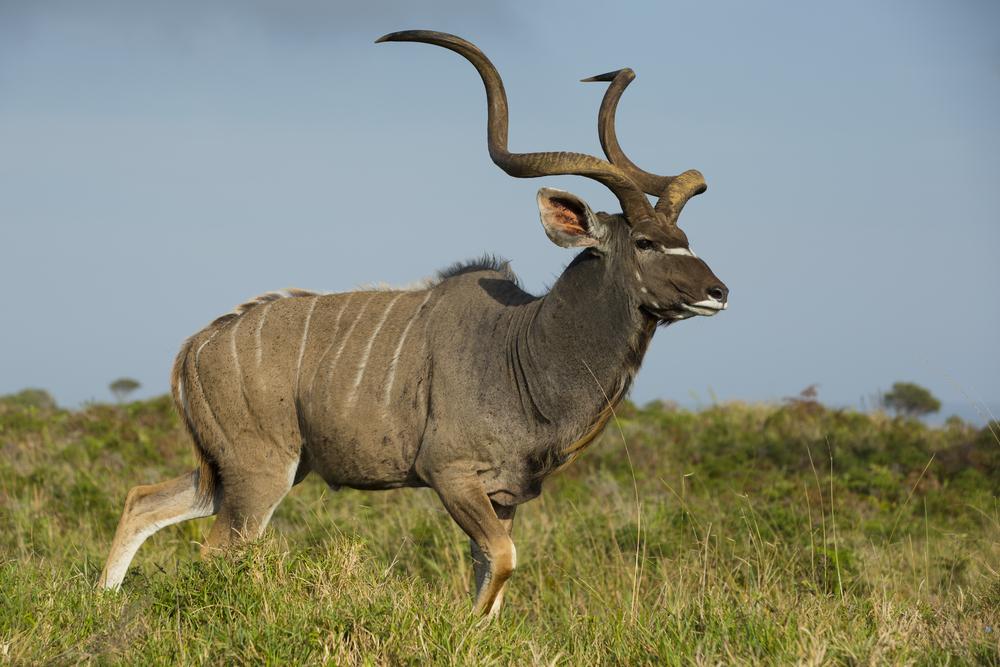
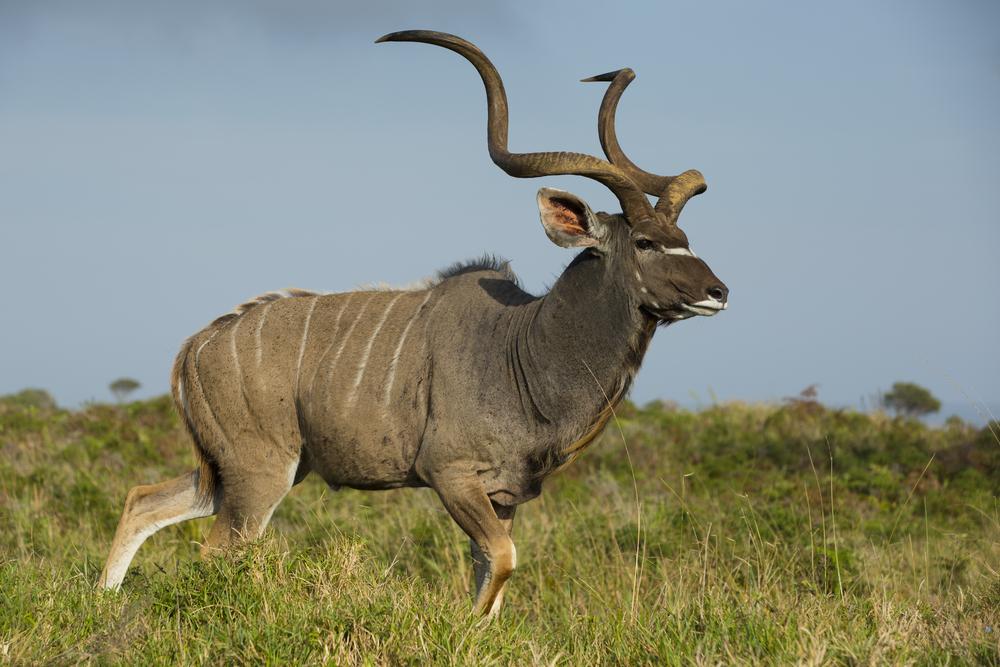
American hunters looking for a truly wild African safari will find few destinations that rival Mozambique. Best known for its vast unfenced concessions, exceptional free-range hunting and remote wilderness, the country is also home to outstanding Kudu Hunts where every opportunity is earned rather than expected.
Unlike many southern African destinations, Mozambique's kudu are hunted across immense miombo woodlands, ancient river systems and rugged landscapes where mature bulls have countless places to disappear. Success depends on patience, careful glassing, experienced tracking and making the most of every opportunity when a mature bull finally steps into view.
One of Mozambique's greatest attractions is the sheer diversity of the safari itself. A single hunt may pass through open woodland, dry riverbeds and dense bush, with encounters ranging from tiny antelope to massive buffalo herds. This variety, combined with vast unfenced hunting concessions and remarkably low hunting pressure, has helped establish Hunting in Mozambique as one of Africa's most authentic free-range hunting destinations.
For hunters looking beyond trophy size alone, Mozambique offers something increasingly difficult to find elsewhere, a safari where the wilderness itself remains one of the greatest rewards.
Available Greater Kudu Hunts
Plains Game Hunting in Mozambique: Choose Your Own Trophies
Booking Season: 2026
Hunt Difficulty: Moderate, Difficult
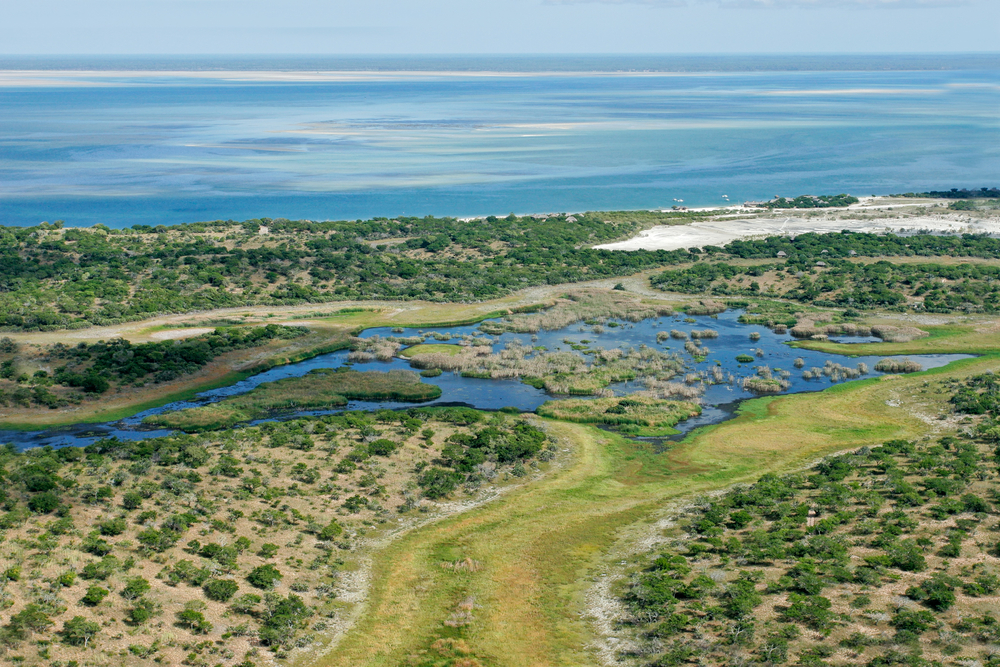
One of the first things hunters notice after arriving in Mozambique is just how different the landscape feels from many other African hunting destinations. Vast miombo woodlands stretch towards the horizon, ancient baobab trees punctuate the skyline and dry river systems weave through enormous wilderness concessions where wildlife moves exactly as it has for centuries.
For Greater Kudu, this habitat provides everything they need. Mature bulls spend much of their lives moving quietly between patches of thick cover, browsing on leaves, shrubs and young shoots while using the broken terrain and woodland to remain almost invisible. Even in relatively open country, a trophy bull can disappear within seconds, leaving hunters wondering how such a large antelope simply vanished.
The miombo ecosystem also creates a safari unlike those found elsewhere in southern Africa. Rather than concentrating around agricultural land or smaller hunting properties, wildlife is spread naturally across immense unfenced concessions. Every day may uncover something unexpected, whether it is a herd of buffalo feeding through the woodland, a magnificent sable bull crossing a distant opening or fresh leopard tracks cutting across the road before sunrise.
This is one of the reasons Hunting in Mozambique appeals to hunters looking for more than a single trophy. Every stalk takes place against the backdrop of one of Africa's last great wilderness landscapes, where the journey through the concession often becomes just as memorable as the animal itself.
One of the things that makes a kudu safari in Mozambique so memorable is that you are rarely hunting just one species. Even when Greater Kudu is the primary objective, the concession constantly reminds you that you are sharing the wilderness with some of Africa's most iconic game animals.
Fresh Cape buffalo spoor crossing the road at first light, distant herds feeding through the miombo woodland or the unmistakable sound of heavy animals moving through thick cover quickly become part of everyday life. It is not unusual for a carefully planned kudu stalk to pause while a herd of buffalo passes quietly ahead or for your professional hunter to stop and study tracks left only hours before.
These unexpected encounters are part of what makes Mozambique such a remarkable hunting destination. Its vast concessions are managed as complete ecosystems rather than single-species hunting areas, meaning every day brings the possibility of encountering buffalo, sable, elephant, leopard or numerous plains game species, even when the entire focus of the safari is finding a mature kudu bull.
After several days sharing the concession with impressive buffalo herds, it becomes easy to understand why so many hunters decide to extend their ambitions beyond plains game. Adding a Cape Buffalo Hunt is a natural progression for hunters already immersed in one of Africa's finest dangerous game environments. For many, a safari that begins with Greater Kudu becomes the first step towards pursuing Africa's legendary Big Five Hunting species. Few countries offer the opportunity to combine exceptional plains game and dangerous game within the same remote wilderness concession.
Mozambique's hunting season is closely tied to the country's annual rainfall. Heavy summer rains between November and April transform the landscape, filling rivers, flooding low-lying areas and turning many bush roads into challenging or impassable tracks. During this period, numerous hunting concessions close while camps are repaired and preparations begin for the new safari season.
As the dry season arrives, the miombo woodland begins to change. Grass gradually shortens, river levels fall and visibility improves as the bush starts to open. These changing conditions allow professional hunters to reach remote areas that were inaccessible only weeks earlier while making it easier to locate mature kudu moving between feeding and bedding areas.
Unlike grazers, Greater Kudu are browsers and are not as dependent on permanent water as many other plains game species. Even so, the progression of the dry season influences animal movement throughout the concession as natural food sources become scarcer and visibility steadily improves.
The dry season also provides outstanding opportunities to enjoy a traditional Plains Game Hunt, with Greater Kudu often combined with several of Mozambique's other iconic species. Safaris that include Cape buffalo or additional dangerous game are usually planned around the concession, available quotas and the overall combination of species rather than a single trophy animal.
Whether visiting early in the season while the miombo remains lush and green or later when the woodland has opened considerably, Mozambique offers a rewarding safari that changes with the landscape throughout the hunting season.
Most visitors arrive expecting exceptional kudu hunting, impressive buffalo herds and vast wilderness concessions. What often catches them off guard is just how remote Mozambique still feels.
Many of the country's premier hunting concessions cover hundreds of thousands of acres of unfenced habitat where roads are little more than sandy tracks winding through the miombo woodland. Hours can pass without seeing another vehicle, another hunting party or any sign of modern development beyond the occasional rural village bordering the concession.
The wildlife is equally surprising. A morning spent following kudu spoor may suddenly become an encounter with a herd of buffalo crossing the road, fresh leopard tracks in the sand or a magnificent sable bull feeding quietly beneath the trees. Every day unfolds differently because Mozambique's hunting concessions are managed as complete ecosystems rather than individual hunting blocks.
It doesn't take long before life outside the concession begins to fade into the background. Early mornings around the campfire, long days following fresh spoor and evenings swapping stories beneath a sky full of stars soon become the new routine. Long after the trophies have been shipped home, these are often the memories that stay with hunters the longest.
Yes. Mozambique is one of Africa's premier free-range hunting destinations, offering vast unfenced concessions, low hunting pressure and excellent Greater Kudu populations. The country's remote wilderness and traditional style of hunting make it an outstanding choice for hunters looking for an authentic African safari.
Northern Mozambique, particularly the renowned Niassa region, is widely regarded as one of the country's premier kudu hunting destinations. Large wilderness concessions, healthy wildlife populations and experienced professional hunters combine to produce exceptional free-range hunting opportunities.
Absolutely. Combining Greater Kudu with a Cape Buffalo Hunt is one of the most popular safari options in Mozambique. Many concessions support both species, allowing hunters to enjoy a traditional plains game and dangerous game safari without moving between hunting areas.
Yes. Selected concessions allow hunters to combine Greater Kudu with the magnificent Roosevelt Sable, one of Africa's most sought-after antelope. Hunting both species during the same safari is one of the unique advantages of Sable Hunts in northern Mozambique.
The Niassa wildebeest is a regional subspecies found primarily in northern Mozambique and neighbouring Tanzania. For many collectors, the opportunity to add this distinctive animal alongside Greater Kudu is one of the attractions of hunting in the region. Learn more about the different wildebeest species on our Wildebeest Hunts page.
Yes. Mozambique is recognised as one of Africa's Big Five Hunting destinations, offering opportunities to pursue Cape buffalo, leopard, lion and elephant in selected hunting areas. Many hunters begin with a plains game safari before returning to complete their Big Five collection.
Yes. Mozambique's kudu are hunted across enormous unfenced concessions where wildlife moves naturally through the miombo woodland, river systems and remote wilderness areas without artificial boundaries.
Most kudu safaris take place during the dry season between May and November. As the vegetation opens and access improves following the rains, conditions become ideal for tracking and spotting mature bulls.
The cost depends on the hunting concession, safari duration and the combination of species included. Many hunters combine Greater Kudu with buffalo or additional plains game, creating a safari tailored to their individual hunting goals. Hunters comparing destinations can also explore our African Hunting Safari Prices guide.
Yes. Mozambique is an excellent choice for anyone looking to experience genuine free-range hunting in one of Africa's last great wilderness areas. The combination of outstanding Greater Kudu, abundant wildlife and traditional safari camps creates a memorable introduction to African hunting.
Is Zambia a good destination for a first African hunting trip?
Yes. Zambia is an excellent choice for hunters seeking an authentic free-range safari. Vast unfenced concessions, experienced Professional Hunters, low hunting pressure, and the opportunity to combine Greater Kudu with Cape Buffalo and other plains game species make it an outstanding destination for both first-time and returning hunters. If you're still planning your African Hunting Trip, our guide explains what to expect before booking your first safari.
Search from our range of Hunts across various popular destinations in Africa.
Book Your Hunt