
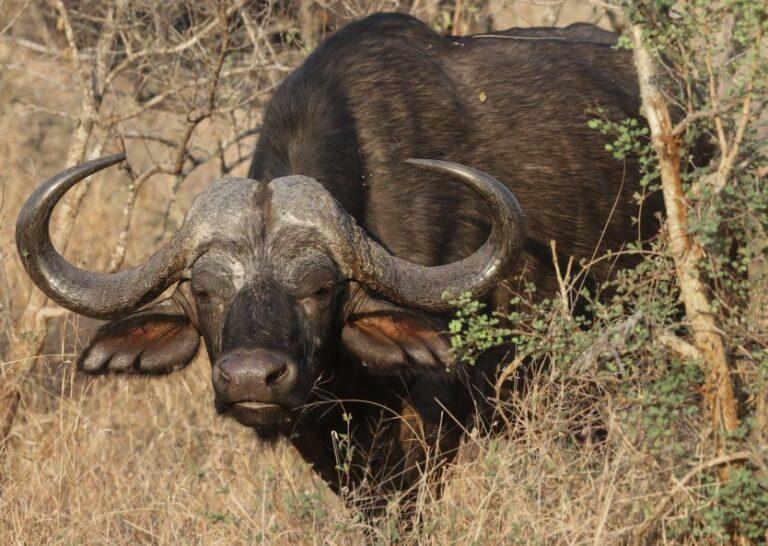
Planning a first buffalo hunt in South Africa requires understanding how the safari is structured, how the hunting area is managed and exactly what the quoted package includes. South Africa’s established infrastructure, experienced professional hunters and wide selection of hunting properties make it one of the continent’s most accessible starting points.
Whether you are booking your first Cape Buffalo hunt, or adding a buffalo to a longer African hunting trip, the country offers opportunities for hunters with a wide range of budgets and experience. Many safaris can also be combined with outstanding plains game hunting, allowing hunters to pursue species such as kudu, sable, nyala and waterbuck during the same adventure.
Unlike many dangerous game hunts, South Africa offers exceptional accessibility, comfortable safari camps and experienced professional hunters, making it an excellent choice for both first-time buffalo hunters and seasoned sportsmen returning to Africa.
In this guide, we'll explain what makes Cape buffalo so challenging, where to hunt them, what they cost, and why South Africa continues to be one of the best places on the continent to pursue one of Africa's legendary Big Five animals.
[DYNAMIC-BLOGTABLEOFCONTENT]
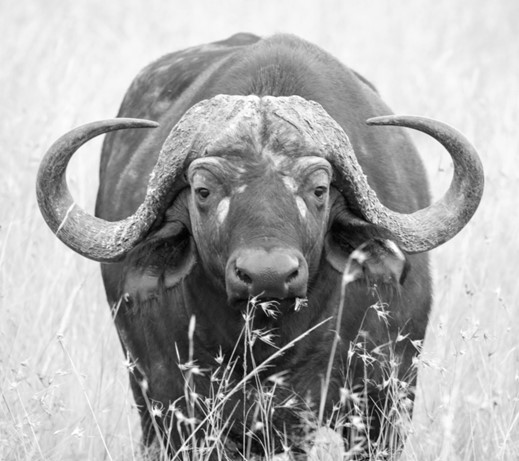
Why Cape Buffalo Are Among Africa's Most Challenging Animals to Hunt
There is a reason the Cape buffalo has earned the respect of hunters across Africa. Size alone doesn't make a buffalo difficult to hunt. It is the combination of intelligence, unpredictable behaviour and an instinct for survival that separates this animal from almost every other species on the continent.
A mature buffalo rarely moves through the bush without paying attention to its surroundings. Although their eyesight is often described as average, their sense of smell is exceptional, and experienced bulls quickly learn to use the wind to their advantage. Hunters who ignore the wind seldom get a second opportunity.
Cape buffalo are also remarkably resilient animals. Their heavy muscle, thick hide and solid bone structure demand well-constructed bullets and careful shot placement. A poorly placed shot can quickly turn a straightforward hunt into a difficult and potentially dangerous follow-up.
Unlike plains game species that flee when threatened, buffalo do not always follow the same rules. Wounded bulls may stop, circle back or stand their ground, which is why they remain one of Africa's most respected dangerous game animals. Every follow-up is approached with caution, and the experience of your professional hunter becomes invaluable.
Buffalo are also highly social animals. When a member of the herd is wounded, other buffalo will often remain nearby rather than fleeing immediately. It is not unusual for several bulls to gather around an injured animal, creating a situation that requires patience, clear communication and careful judgement before anyone approaches.
Perhaps that is why so many hunters remember their buffalo long after the measurements have been forgotten. Success is rarely determined by the distance of the shot or the size of the horns alone. It is earned through good decisions, teamwork and respect for one of Africa's toughest game animals.

Does a Dagga Boy Care About Fences?
One of the questions international hunters often ask before booking a Cape buffalo safari in South Africa is whether fences change the hunt.
It is a fair question, but perhaps not for the reason most people expect.
By the time you are following fresh buffalo spoor through thick bush, moving carefully behind your professional hunter and listening for the sound of a bull somewhere ahead, the last thing on anyone's mind is a fence. Your attention is focused entirely on the wind, the tracks beneath your feet and what might be waiting around the next patch of cover.
A mature dagga boy does not suddenly become easier to hunt because a property is fenced. Buffalo still rely on their exceptional sense of smell, their knowledge of the terrain and years of experience avoiding danger. They still disappear into thick cover, circle back when wounded and demand the same respect they have earned throughout Africa.
Many South African hunting properties are measured in thousands, and sometimes tens of thousands, of acres. Within those vast areas, buffalo move freely in search of food, water and suitable habitat. The hunt itself remains a spot-and-stalk pursuit conducted on foot, where success depends on experienced trackers, good fieldcraft and careful decision-making rather than simply finding the animal.
Hunters who have followed a mature dagga boy through dense bush quickly discover that the challenge has very little to do with property boundaries. At twenty metres, with fresh spoor underfoot and a buffalo somewhere ahead, there is only one thing occupying everyone's thoughts.
Finding the bull before he finds you.
Choosing an Area for Your First South African Buffalo Hunt
While opportunities for Hunting in South Africa can be found across much of the country, the best Cape buffalo hunting is concentrated in a handful of provinces that have earned outstanding reputations for trophy quality, experienced outfitters and well-managed hunting areas.
Each destination offers something slightly different. Some are known for large free-range concessions, while others combine exceptional buffalo hunting with some of Africa's finest plains game. Choosing the right area depends on the style of safari you are looking for, the species you hope to combine with your buffalo hunt and your overall hunting goals.
Below are three of South Africa's leading buffalo hunting provinces.
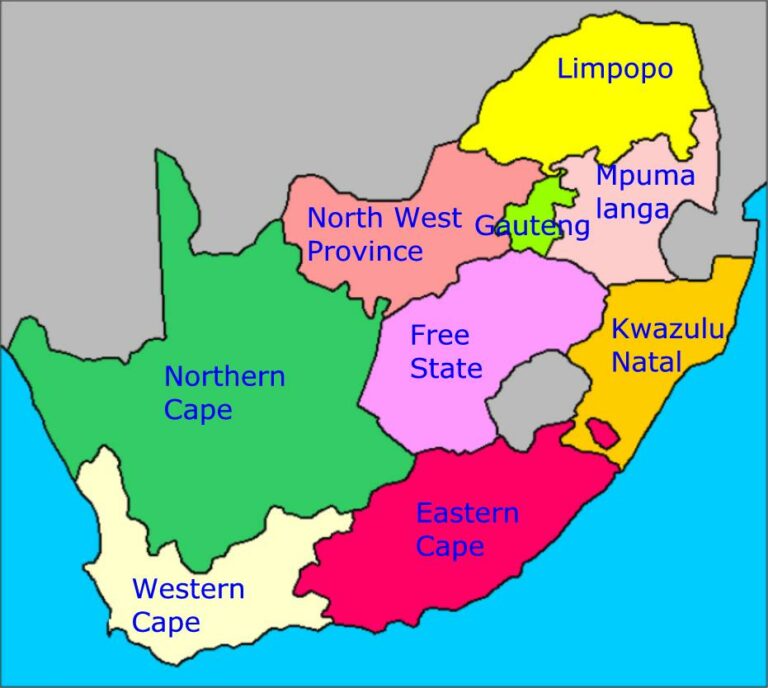
Eastern Cape
The Eastern Cape has built a reputation as one of South Africa's premier buffalo hunting destinations, offering both well-managed private concessions and selected free-range hunting opportunities. The province also provides excellent combination safaris, allowing hunters to pursue species such as Zebra Hunts, Bushbuck Hunts and a variety of other plains game during the same safari.
The diversity of terrain, experienced professional hunters and consistent trophy quality continue to make the Eastern Cape one of the country's most popular regions for Cape buffalo hunting.
Limpopo
Limpopo remains one of South Africa's best-known hunting provinces and is often the first choice for hunters planning a classic dangerous game safari. In addition to outstanding buffalo hunting, the province is famous for producing exceptional Greater Kudu Hunts, impressive Sable Hunts and the distinctive Limpopo Bushbuck, making it an excellent destination for hunters wanting to build a varied trophy collection.
The combination of experienced outfitters, excellent infrastructure and diverse game species has helped establish Limpopo as one of Africa's leading hunting destinations.
North West
The North West Province combines classic Bushveld hunting with open savannah, creating ideal conditions for Cape buffalo as well as a wide variety of additional species. Hunters regularly combine buffalo with animals such as Roan Hunts, while those looking for a more unusual safari may also find opportunities to pursue Brown Hyena Hunts, depending on the hunting area and licence available.
For hunters wanting to experience several iconic African species during one safari, the North West offers exceptional flexibility.
How a First Cape Buffalo Hunt Typically Unfolds
Cape buffalo hunting in South Africa is, above all else, a spot-and-stalk hunt. While vehicles are often used to reach different parts of the hunting area, the real hunt begins on foot once fresh spoor has been found. From that point onwards, success depends on experienced trackers, careful teamwork and the ability to move quietly through the bush without alerting the buffalo.
The pace of the hunt changes constantly. Fresh tracks may be followed for several hours before the hunting party catches up to the herd or a mature dagga boy. Every change in the wind, every snapped branch and every patch of thick cover influences the decisions made by the professional hunter. Unlike plains game hunting, there is rarely any advantage in rushing. Patience almost always produces better opportunities.
Rifle Hunting
The vast majority of Cape buffalo are hunted with a rifle, and South African legislation requires a minimum calibre of .375 for dangerous game such as buffalo. While many hunters favour larger calibres such as the .416 Rigby, .404 Jeffery or .458 Lott, accurate shot placement and confidence with your chosen rifle remain far more important than simply carrying the biggest calibre available.
Bow Hunting
Bow hunting for Cape buffalo is legal in South Africa and offers one of the most demanding hunting experiences available. Because effective bow ranges are considerably shorter than those of a rifle, hunters must get exceptionally close before taking the shot. Success relies on careful concealment, favourable wind conditions and absolute patience, making it a challenge best suited to experienced dangerous game bowhunters.
Walk-and-Stalk or Blind Hunting?
Most Cape buffalo safaris are conducted using the traditional walk-and-stalk method, following fresh spoor through thick bush until the hunting party can safely approach within shooting distance. This remains the classic buffalo hunting experience and is the method most hunters associate with pursuing old dagga boys.
Depending on the hunting area and local conditions, some outfitters may also make use of blinds positioned near waterholes or regularly used game trails. While this can be an effective option in certain circumstances, particularly during dry conditions, tracking buffalo on foot remains the style of hunt that defines the Cape buffalo safari for most hunters.
Shot Placement for Cape Buffalo
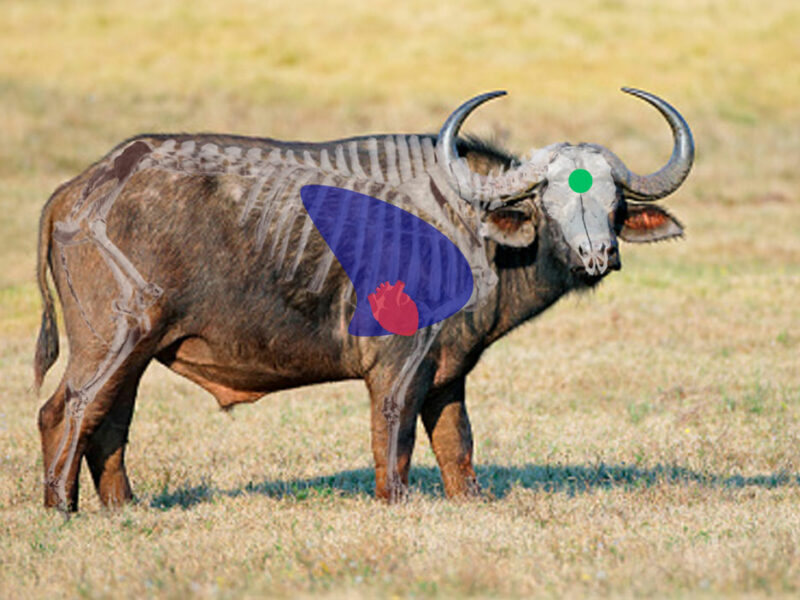
Buffalo shot placement when hunting is probably the most crucial part of the hunt and if not handled correctly, one of two things could happen. One, the wounded buffalo runs off and will need to be tracked and potentially lost, leaving the hunter to pay fees for a non–existent trophy. Two, the buffalo could charge towards the source of the shot; and if the first one made him angry, the follow-up would only make a bad situation worse.
Luckily, Cape buffalo are large animals, leaving the hunter with a lot of room to take his shot. The ideal shot placement on a buffalo is the shoulder shot; taken on the shoulder roughly a third of the way up, the shot can either be straight on or slightly angled. Both will give the best chance at a heart or lung hit that should drop the target relatively quickly; avoid a head or neck shot as these are notoriously unsuccessful and can have a bad outcome for all game hunting parties involved.
Budgeting for Your First Cape Buffalo Safari
Compared to many of Africa's other dangerous game species, Cape buffalo remain one of the most accessible ways to experience a true dangerous game safari. In South Africa, dedicated Cape buffalo hunts typically start at around US$11,000, although the final cost depends on several important factors.
One of the biggest influences is the trophy itself. Many outfitters price buffalo according to horn measurements or trophy categories, while others offer fixed-price packages that include a mature bull regardless of size. Before booking your safari, it is always worth confirming exactly what is included in the quoted price and whether any trophy upgrades apply.
The hunting area also plays a role. Buffalo hunted in large free-range concessions or exclusive private properties may command higher prices than those offered in more accessible hunting areas. Trophy quality, genetics and the reputation of the outfitter can all influence the overall cost.
Many hunters also choose to build a complete safari around their buffalo hunt. Because South Africa offers such exceptional species diversity, it is common to add animals such as kudu, sable, nyala, bushbuck or zebra while already in camp, making excellent use of your time in Africa.
Hunters comparing buffalo packages should look beyond the advertised trophy fee. Daily rates, transfers, permits, trophy preparation and other costs can change the final safari price considerably. Our African Hunting Safari Prices guide explains how these costs are normally structured.
What Makes a Good Cape Buffalo Trophy?
Judging a Cape buffalo is about far more than simply measuring horn width. While trophy size will always attract attention, experienced professional hunters place just as much importance on the maturity of the bull and the story it tells.
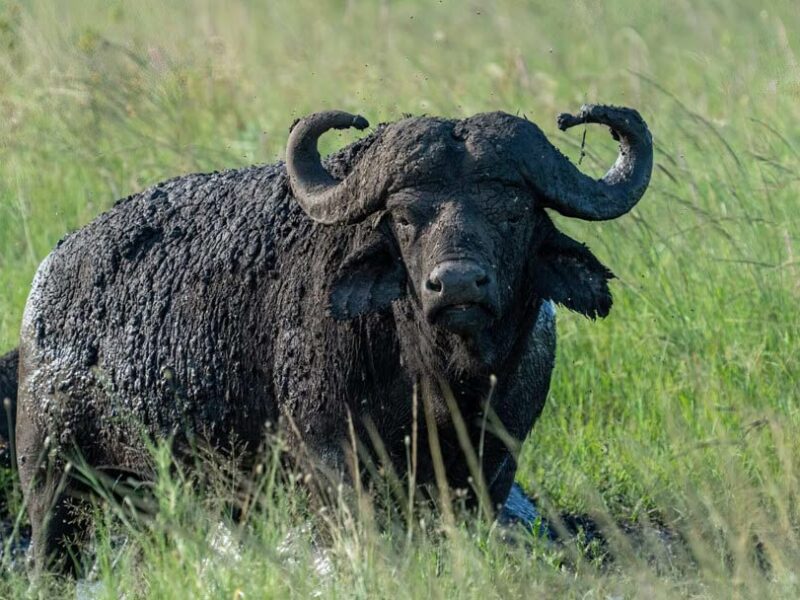
The first feature most hunters look for is a hard, well-developed boss. Mature bulls develop a solid shield of horn across the top of the head, while older dagga boys often show heavy wear on both the boss and the horn tips from years of fighting and pushing through thick bush. Those worn, polished horns are often a sign that the bull has lived a long and challenging life.
Behaviour also plays an important role. Older dagga boys frequently leave the breeding herds and spend much of their time alone or in small bachelor groups. These solitary bulls have survived years of predators, droughts and battles with rival buffalo, making them some of Africa's most respected hunting trophies.
Horn measurements remain part of the conversation, and many hunters consider a bull in the 35 to 40-inch range to be an excellent trophy. However, the most memorable buffalo are not always the widest. Age, character, heavy bosses and the unmistakable appearance of an old dagga boy often mean far more than a few extra inches of horn.
That is why experienced professional hunters focus first on maturity and character before recommending a bull. A truly great Cape buffalo trophy is one that has earned its place through years of survival, leaving the hunter with far more than impressive measurements alone.
Why Hunters Never Forget Their First Buffalo
Every experienced African hunter remembers their first Cape buffalo. Strangely enough, it usually isn't because of the trophy measurements or even the shot itself. It is the moments leading up to the encounter that stay with them for years afterwards.
There is the silence that settles over the hunting party before entering thick cover. The smell of fresh spoor hanging in the cool morning air. The quiet confidence of the trackers as they follow the trail, and the moment your professional hunter leans over and quietly says, "He's close."
Very few hunts demand the same level of concentration. Every snapped branch suddenly matters. Every change in the wind becomes important. The bush feels smaller, conversations become quieter and, somehow, the rifle feels a little heavier than it did back at camp.
Then, just as quickly as the tension builds, it is over.
Whether the hunt lasted an hour or several days, most hunters remember the feeling long after they have forgotten the exact horn measurements. That is why Cape buffalo continue to sit near the top of so many hunting bucket lists. They are not remembered simply for the trophy they leave behind, but for the challenge they present and the respect they earn every step of the way.
Is South Africa the Right Place for Your First Buffalo Hunt?
If you're considering your first Cape buffalo hunt, South Africa deserves to be near the top of your shortlist.
South Africa combines experienced professional hunters, excellent hunting areas and healthy buffalo populations with the flexibility to tailor a safari around your own goals and budget. Whether you are planning your very first Big Game Hunting in Africa adventure or returning to pursue another mature dagga boy, few destinations offer the same combination of accessibility, trophy quality and additional hunting opportunities.
Many safaris can also be combined with exceptional plains game, allowing hunters to pursue iconic African species during the same trip while experiencing one of the continent's most respected dangerous game animals.
If hunting Cape buffalo has always been part of your African hunting plans, South Africa remains one of the best places to begin. Hunters comparing areas, hunting methods and safari options can find more detail in our Buffalo Hunting in South Africa guide.
Frequently Asked Questions About Cape Buffalo Hunting in South Africa
Is South Africa a good place for a first Cape buffalo hunt?
Absolutely. South Africa combines experienced professional hunters, well-managed hunting areas and excellent infrastructure, making it one of the best destinations for a first dangerous game safari. Many hunters also combine buffalo with additional species on longer African Hunting Trips, making excellent use of their time in Africa.
What calibre is recommended for Cape buffalo hunting?
The .375 H&H Magnum is widely regarded as the minimum legal calibre for Cape buffalo in many African countries and remains one of the most popular choices. Larger calibres such as the .416 Rigby, .404 Jeffery and .458 Lott are also excellent options. Whatever rifle you choose, accurate shot placement and familiarity with your firearm are far more important than sheer calibre.
Can I combine Cape buffalo with plains game hunting?
Yes. One of South Africa's biggest advantages is the ability to combine buffalo with world-class plains game. Depending on the hunting area, hunters often add species such as kudu, sable, nyala, bushbuck, zebra and waterbuck to create a varied safari.
How many days should I allow for a Cape buffalo hunt?
Most dedicated buffalo safaris last between seven and ten hunting days, although many hunters choose longer safaris when combining buffalo with additional dangerous game or plains game species. Your professional hunter can recommend an itinerary based on your goals and the hunting area.
Are Cape buffalo hunts conducted on foot?
Yes. While vehicles are used to access different parts of the hunting area, the hunt itself is almost always conducted on foot after fresh spoor has been found. Following tracks through thick bush is one of the defining characteristics of Cape buffalo hunting and one of the reasons it remains such a rewarding challenge.
What makes an old dagga boy different from other buffalo?
Old dagga boys are mature bulls that have left the breeding herds and spend much of their time alone or in small bachelor groups. They are recognised by their heavy bosses, worn horn tips and scarred appearance, making them some of the most sought-after trophies in Africa.
What happens after a Cape buffalo is wounded?
Every effort is made to avoid this through careful shot placement, but if a buffalo is wounded, the professional hunter and trackers will immediately begin a cautious follow-up. This is often the most demanding stage of the hunt and highlights why experienced professional hunters are so important during dangerous game safaris.
When is the best time of year to hunt Cape buffalo in South Africa?
Cape buffalo can be hunted throughout much of the year, but the cooler, drier months generally provide the most comfortable hunting conditions and make tracking easier. Your outfitter can recommend the best time based on the province and hunting area you choose.
About the Author
Tamlyn van Wyk is the co-founder of Game Hunting Safaris and has spent years helping international hunters plan dangerous game and plains game safaris across Africa. Having hunted Cape buffalo herself, she understands the preparation, excitement and respect these remarkable animals demand. One of her most memorable buffalo hunts took place in Limpopo, where a mature 42-inch dagga boy absorbed multiple shots from a .500 Nitro Express before finally coming to rest, an unforgettable reminder of the resilience that has earned the Cape buffalo its legendary reputation among African hunters.