
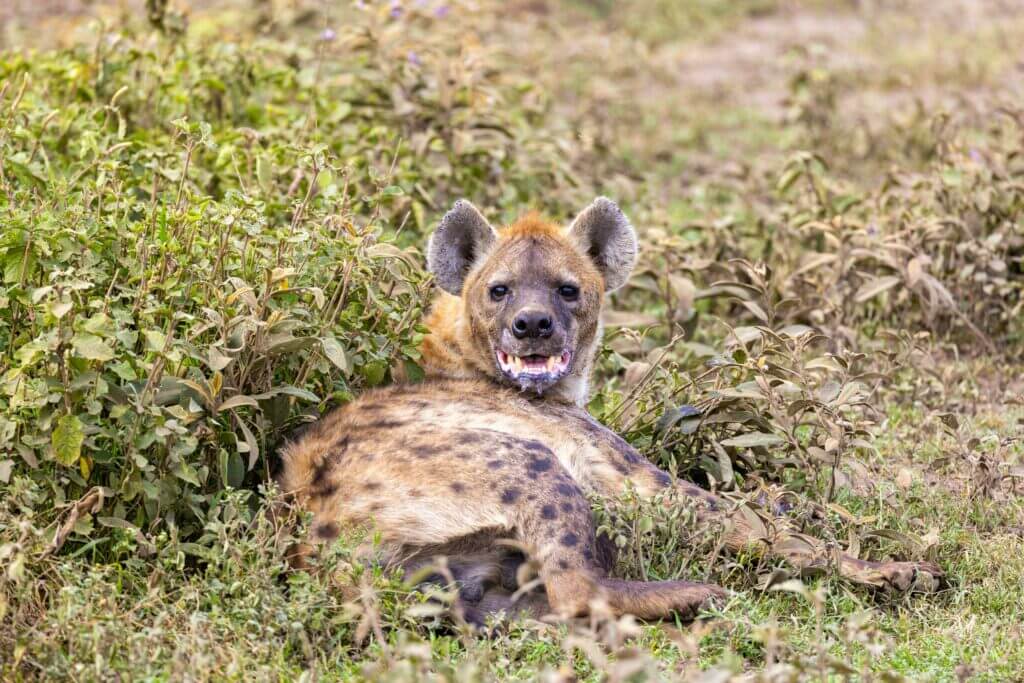
This is Part 1 of our two-part account of a spotted hyena hunting safari in South Africa's Limpopo Province. Tamlyn and I went into this hunt feeling reasonably confident. We had an experienced outfitter, the necessary equipment and several nights ahead of us. As we were about to discover, having everything prepared doesn't mean the hyenas will cooperate.
For hunters considering hyena hunts in Africa, this account provides a firsthand look at the preparation involved, particularly the use of night-vision equipment, thermal optics and electronic predator callers. Part 2 follows the actual nights in the field, including the animals we encountered, the long hours waiting and the repeated sound of a distressed duiker playing through the FoxPro.
[DYNAMIC-BLOGTABLEOFCONTENT]
Preparing for Our Spotted Hyena Hunt in Limpopo
Our destination was a hunting property in northern Limpopo, not far from Louis Trichardt and the Zimbabwe border. We had arranged our hyena hunt in South Africa with an outfitter experienced in nocturnal predator hunting.
The hunting area was approximately 300 miles from Johannesburg's OR Tambo International Airport. Rather than fly closer to the property, we decided to drive, making the journey north in approximately four hours.
Limpopo is one of the country's established hunting regions, with opportunities ranging from plains game to specialist predator hunts. Hunters unfamiliar with the country can find more information about hunting in South Africa, including the different hunting areas and safari options.
We had hunted plenty of African game before, but spotted hyena was going to be a different challenge. Most of the activity would take place after dark, so getting comfortable with the equipment and understanding how the Professional Hunters intended to locate the animals were important parts of our preparation.
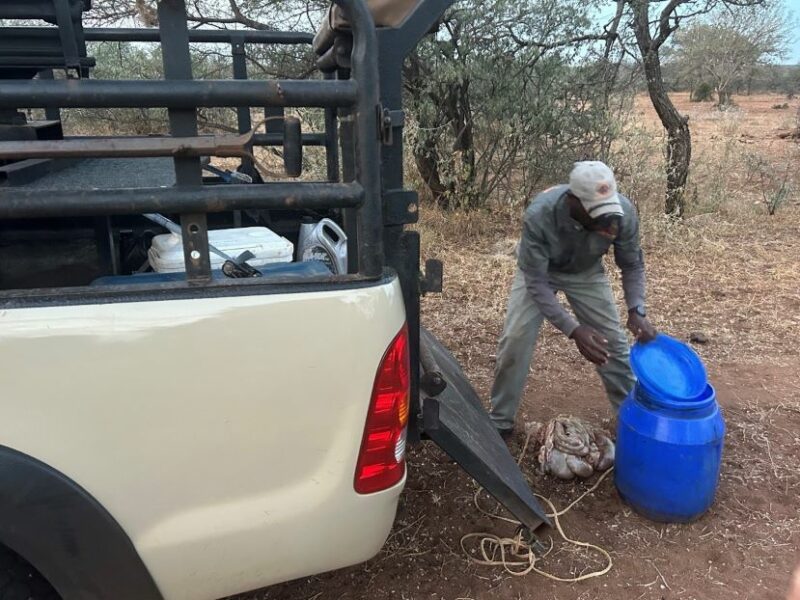
Preparing Our Equipment for the Hyena Hunt
What Equipment will be used when Hunting Spotted and Brown Hyena?
For our spotted hyena hunt, we prepared a rifle fitted with night-vision optics and arranged additional equipment for locating animals after dark. The Professional Hunters would use thermal monoculars, while the rifle-mounted night vision would allow the hunter to identify the animal and take an appropriate shot when conditions permitted.
- The rifle will need to be fitted with a high-quality night vision scope allowing the hunter to get a clear image of the predators entering the hunting grounds.
- These scopes can in fact, via Bluetooth be connected to an iPad or similar device. This will allow for the observer and professional hunter to view the same image as and when the hunter sees through it through the night vision scope.
- The hunter will need to be able to differentiate between jackals, hyenas, leopards, servals, and other nighttime critters while on the night hunting safari.
- The night vision scope will also need to be connected to a portable battery bank via a USB port for extended usage time.
- A high-quality scope will also have the facility to make use of a memory card being able to record the entire hunt. A good quality night vision scope will also be equipped with a range finder thus assisting the shooter in quantifying distance from the rifle to the target.
- A shooting chair, being silent, and being able to swing 360 degrees if shooting from a vehicle, will also be a standard requirement. A Hyena, answering a FoxPro caller can enter the hunting grounds from any direction and the hunter will need to be able to swivel, aim (remember your shot placement!), and shoot quickly before your target disappears into the darkness again.

- The professional hunter will make use of a thermal monocular for spotting predators. This device can also be linked to a cell phone which the hunter can then view on a smaller screen ensuring less light transmission. The hunter, while spotting, can then choose to view either the images directly through the night vision on the scope or view the cell phone to see what the professional hunter is spotting.
Important Considerations when Hyena Hunting Using Technology
- The view through a night vision scope is quite different than the view through a thermal monocular. With a thermal monocular, the professional will appear to eyes like “Superman” seeing straight through the thick scrub.
- So basically, just because the professional hunter has eyes on something using thermal, does not mean that the hunter will have the same view through night vision and may not be able to see the predator until it moves out from behind the area of cover.
Practical Questions Before a Nighttime Hyena Hunt
Should I practise with night-vision optics before the safari?
Yes, particularly if you have never used rifle-mounted night vision. The image can look very different from a conventional riflescope, and identifying an animal, judging distance and finding the correct aiming point can take some getting used to.
Ask your Professional Hunter whether you can check the rifle and practise with the actual night-vision setup before the first hunting evening. It is better to discover any problems at the shooting range than after several hours waiting in the dark.
What should I pack for long nights in the hunting area?
Warm clothing is important, even when daytime temperatures are comfortable. Sitting still for several hours can become surprisingly cold, especially when the wind picks up.
We would also recommend comfortable footwear, spare batteries or a suitable power bank for electronic equipment, and something to drink. Keep unnecessary movement and noise to a minimum once you're in position.
What should I confirm with the outfitter before arriving?
Ask which night-hunting methods and equipment are legally permitted in the particular area, whether the outfitter supplies the night-vision and thermal equipment, and how much time has been allocated specifically to hyena hunting.
It is also worth establishing whether the Professional Hunter intends to use electronic callers, how the hunting area will be monitored beforehand and whether there is an opportunity to practise with the equipment before heading out.
And So the Hunt Begins...
With the equipment checked, rifles ready and warm clothing packed, we were looking forward to getting into the hunting area. The preparation was complete. Now we had to see whether the spotted hyenas would cooperate.
For hunters planning their own African hunting trips, preparation is important, particularly when hunting nocturnal predators. But as we discovered, even the best preparations cannot guarantee success.
Read Part 2 of our hyena hunting expedition to find out what happened during those long nights in Limpopo, which animals visited our hunting area and whether we finally managed to turn the scoreboard in our favour.
About the Authors — Pierre and Tamlyn van Wyk
Pierre and Tamlyn van Wyk are part of the Game Hunting Safaris team and have participated in African hunting expeditions across southern Africa. Their firsthand experiences provide practical insight into the preparation, equipment and challenges involved in hunting different species.
This account documents their spotted hyena hunting expedition in South Africa's Limpopo Province, including the preparations they made, the equipment they used and the lessons learned along the way.