
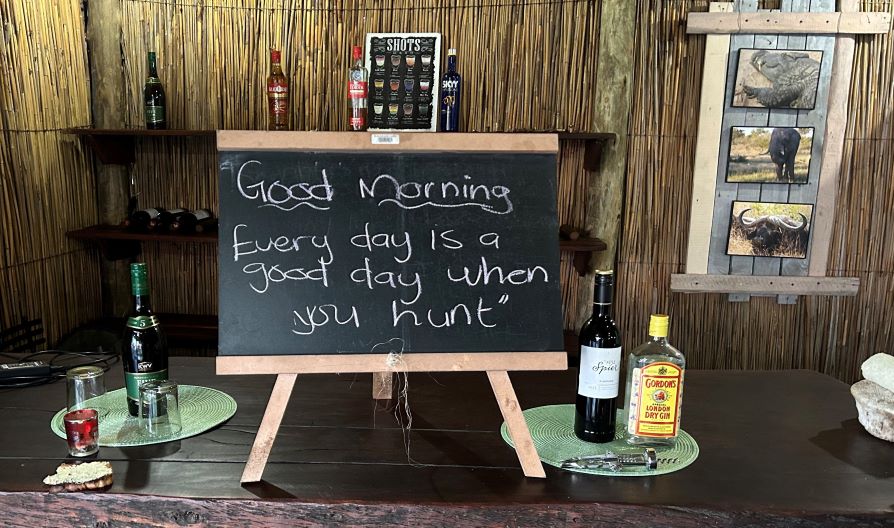
Is Namibia safe for visiting hunters? Based on our own experiences hunting and travelling throughout the country, Namibia is a destination where international hunters can feel comfortable and well looked after, provided sensible precautions and proper arrangements are in place. That does not mean there are no risks. Road travel, personal security, wildlife, regional health considerations and access to medical assistance all deserve attention, particularly when hunting in remote areas.
Our experience extends well beyond a single safari. We have hunted hippo and Cape buffalo in Namibia's Zambezi Region, better known as the Caprivi Strip, and elephant in Bushmanland. We have also travelled through Windhoek, Swakopmund and Henties Bay, experiencing both Namibia's established tourist areas and its more isolated hunting country. Those journeys have given us a practical understanding of what visiting hunters can expect, although conditions naturally differ between locations.
One particular trip took us through Kasane in Botswana, across the Chobe River and into the Caprivi to hunt hippo. From the airport and border crossing to our hunting camp and the local communities, we felt welcome and well looked after. That experience provides a useful example of how a properly organised safari works, alongside the precautions hunters should consider before travelling.
For a broader overview of the country's hunting regions, available species and safari options, see our guide to hunting in Namibia.
[DYNAMIC-BLOGTABLEOFCONTENT]
How Safe is Namibia for American Hunters?
There is a difference between spending a night in Windhoek, driving along the coast near Swakopmund or Henties Bay, and hunting in a remote concession in the Caprivi. We have travelled through all these environments, and our experience has generally been positive. But the precautions you take should reflect where you are, rather than assuming the whole country presents the same risks.
In Windhoek and other towns, the usual precautions apply. We wouldn't leave rifles, cash or valuables visible in a parked vehicle, and we would rather arrange a reliable transfer than drive around an unfamiliar city after dark. Namibia has good main roads in many areas, but that doesn't mean every road leading to a hunting camp is suitable for a rental car. Gravel roads, livestock, wildlife and long distances between settlements deserve more attention than many first-time visitors realise.
Once you're in hunting country, the concerns change. On our elephant hunts in Bushmanland and our buffalo and hippo hunts in the Caprivi, the outfitter and professional hunter understood the areas we were entering, the people involved and the arrangements needed to reach camp. That local knowledge matters, particularly when big game hunting in Namibia takes you into remote concessions. A hunting area may feel a long way removed from the security concerns of a city, but it can also be a considerable distance from a hospital, reliable phone reception or roadside assistance.
For an American hunter planning his first Namibia safari, our advice is straightforward: know who is collecting you, where you're going, how long the transfer will take and what arrangements are in place if something goes wrong. Those questions are worth asking before you leave home.
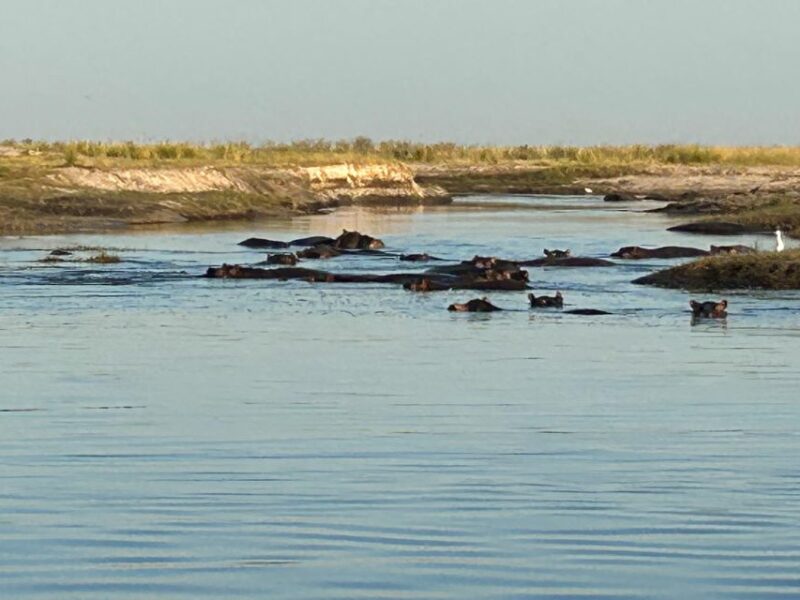
Our Journey Through Kasane to Namibia's Caprivi
For one of our hippo hunts in Namibia's Caprivi, we chose to fly into Kasane, Botswana, rather than Windhoek. Kasane is close to the Chobe River and provides a practical route into parts of the Zambezi Region, depending on where your hunting concession is situated.
We found Kasane Airport clean, well organised and easy to navigate. The staff were helpful, and there was none of the confusion that first-time visitors sometimes expect when arriving in Africa. Hunters with a little extra time can also spend a night or two in Kasane and visit Chobe National Park before continuing to Namibia.
For us, the important part was having the transfer arranged beforehand. Our Namibian outfitter knew when we were arriving and where to meet us. That removed much of the uncertainty of crossing into another country and travelling onward to a remote hunting camp.
We were there to hunt hippo. The details of that hunt belong in our hippo hunting expedition in Namibia; what matters here is how we reached the concession and what the journey taught us about travelling safely.
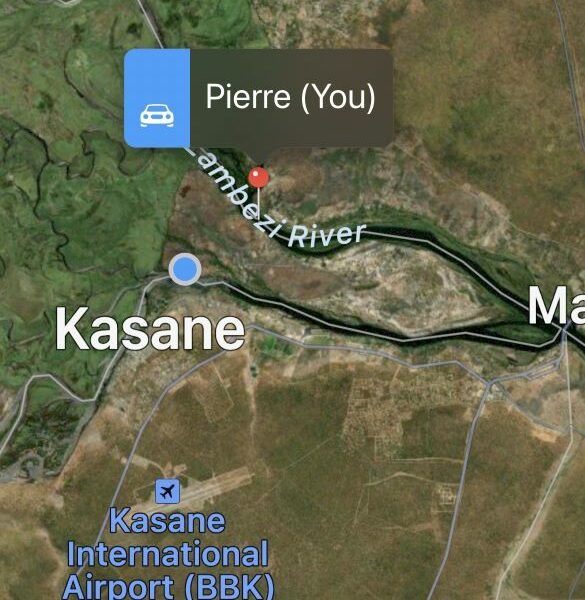
The Chobe River Crossing into Namibia
Our crossing from Botswana into Namibia was straightforward. Clearing the Botswana side took us barely two minutes on that particular trip, although I wouldn't suggest every hunter should expect the same. We had already arranged to meet our Namibian outfitter, so everyone knew where we needed to be and when.
The memorable part was crossing the Chobe River in a small canoe. Getting in and out required a little care, and I nearly ended up in the water. If someone offers you a hand while boarding, take it! With hippos and crocodiles inhabiting these waters, it is worth treating even a short crossing with respect.
After completing the Namibian entry formalities, we met up with our outfitter and continued towards camp. For hunters considering this route, the important point is to confirm the exact border crossing, transport arrangements and required travel documents beforehand. If you're travelling with a rifle, the necessary transit and firearm permits also need to be arranged in advance.
Safety in Namibia's Hunting Camps and Concessions
During one of our hippo hunts in Namibia, we stayed in a comfortable, well-run Caprivi camp staffed by people who knew the area.
A small electrified fence surrounded the camp, primarily because dangerous wildlife could move through the surrounding bush at night. It wasn't an elaborate security installation, but it was a sensible precaution in a region where animals don't recognise camp boundaries.
We felt secure throughout our stay. The staff were attentive, and our outfitter understood the local conditions. That experience reinforced something we've learned on other hunts in Namibia: the people running the concession matter far more than how impressive the lodge looks in photographs. Before booking, I would want to know who manages the camp, what arrangements exist for dangerous animals after dark and how guests are assisted if an emergency occurs.
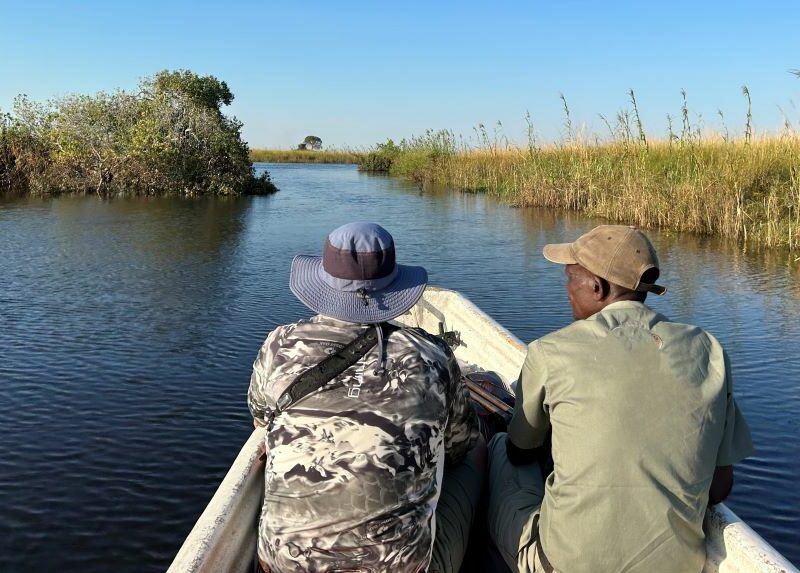
During our hippo hunt, a government game scout accompanied us in the waterways. With rivers and channels running close to international borders, having someone familiar with the area was reassuring. The scout's presence also demonstrated the importance of local knowledge and following the arrangements established for that particular hunt.
One experience that stayed with us was the role the hunt played in the local community. Meat from the hippo was distributed to residents, and we were told that some families had not received fresh meat for six months. It was a reminder that the relationship between a hunting operation and the surrounding community extends beyond the hunter's visit. We were welcomed throughout our stay, although that positive experience should not be taken as a guarantee that every concession operates identically.
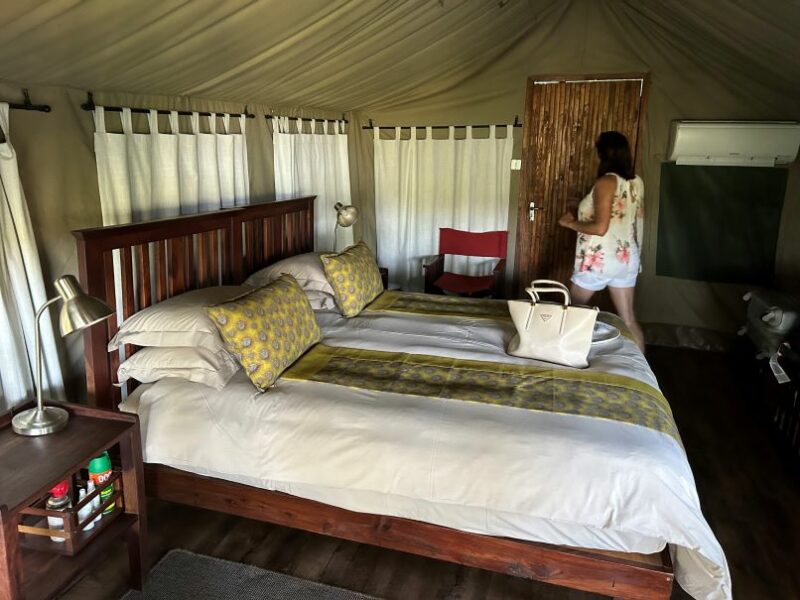
Health, Malaria and Medical Emergencies in Namibia
One consideration that deserves attention before a Namibia hunting safari is how far you may be from medical assistance. Windhoek and the larger towns have established medical facilities, but hunting in remote areas of Bushmanland or the Caprivi is another matter. If someone becomes seriously ill or injured, reaching a suitable hospital may involve a lengthy road transfer or medical evacuation.
Malaria is another consideration, particularly in the Zambezi Region and other parts of northern Namibia. The risk varies across the country and can change with the season. Hunters heading into these areas should consult their doctor or a travel clinic before departure about appropriate precautions and whether preventative medication is recommended.
Before booking, ask your outfitter three questions: How do you communicate with the outside world from camp? Where is the nearest suitable medical facility? And what happens if a hunter needs to be evacuated? Make sure your travel insurance covers hunting activities and emergency medical evacuation from remote areas. These are arrangements worth confirming before you find yourself needing them.
Is Namibia Safe for a Hunting Safari?
Having hunted elephant in Bushmanland, buffalo and hippo in the Caprivi, and travelled through several of Namibia's towns, our experiences have been positive. We've felt welcome and well looked after, both in hunting camp and while travelling. That is our experience, not a promise that every journey will be without problems.
For an American hunter, the important decisions are often made before leaving home. Know who will meet you at the airport, confirm your transfer arrangements, understand the conditions in your hunting area and make sure the outfitter has a workable plan for medical emergencies. If you're travelling with firearms through another country, establish the permit requirements before booking your flights.
We would happily return to Namibia for another hunt. For those comparing destinations or considering their first African safari, our African hunting trips provide a starting point for reviewing the different hunting opportunities available.
Frequently Asked Questions About Hunting Safely in Namibia
Is Namibia safe for American hunters visiting for the first time?
Namibia is an established hunting destination, and our own experiences have been positive. However, visiting hunters should take normal security precautions, particularly in towns and when travelling independently. For a first safari, we recommend arranging airport collection and transfers through an established outfitter rather than trying to navigate unfamiliar hunting areas alone.
Is it safe to travel from Windhoek to a remote hunting concession?
Travelling to remote hunting areas is generally manageable with an experienced local driver or outfitter, but distances and road conditions should not be underestimated. Some concessions require several hours on gravel roads, where livestock, wildlife and limited roadside assistance can complicate the journey. We prefer to confirm the route, expected travelling time and arrival arrangements before departure rather than make unnecessary long-distance journeys after dark.
Do American hunters need malaria medication when hunting in Namibia?
That depends on the hunting region and the time of year. Malaria is a concern in parts of northern Namibia, particularly the Zambezi Region, where we have hunted hippo and buffalo. Much of central and southern Namibia has substantially lower risk. Hunters should discuss their precise itinerary with a doctor or travel clinic before departure to determine whether preventative medication is recommended.
What happens if a hunter is injured in a remote Namibia hunting area?
Emergency arrangements depend on the location and the outfitter. A remote hunting camp may be hours from a suitable hospital, and serious injuries can require evacuation by road or aircraft. Before travelling, ask how the camp communicates in an emergency, where medical assistance is available and whether evacuation can be arranged. Travel insurance should specifically cover hunting activities and emergency medical evacuation.
About the Author — Pierre C. van Wyk
Pierre C. van Wyk of Game Hunting Safaris has firsthand experience hunting dangerous game across Namibia, including Cape buffalo and hippo in the Zambezi Region (Caprivi Strip) and elephant in Bushmanland. He has also travelled through Windhoek, Swakopmund and Henties Bay.
His observations on travelling safely in Namibia come from his own hunting expeditions, experience reaching remote hunting concessions and time spent with local outfitters and professional hunters.