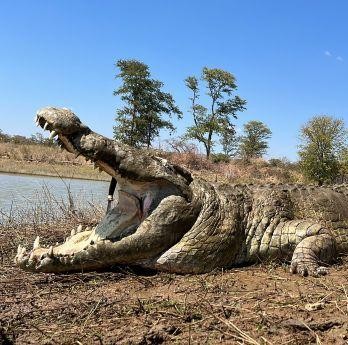
Lake Kariba Hippo & Crocodile Hunting Safari in Zimbabwe
Booking Season: 2026
Hunt Difficulty: Difficult

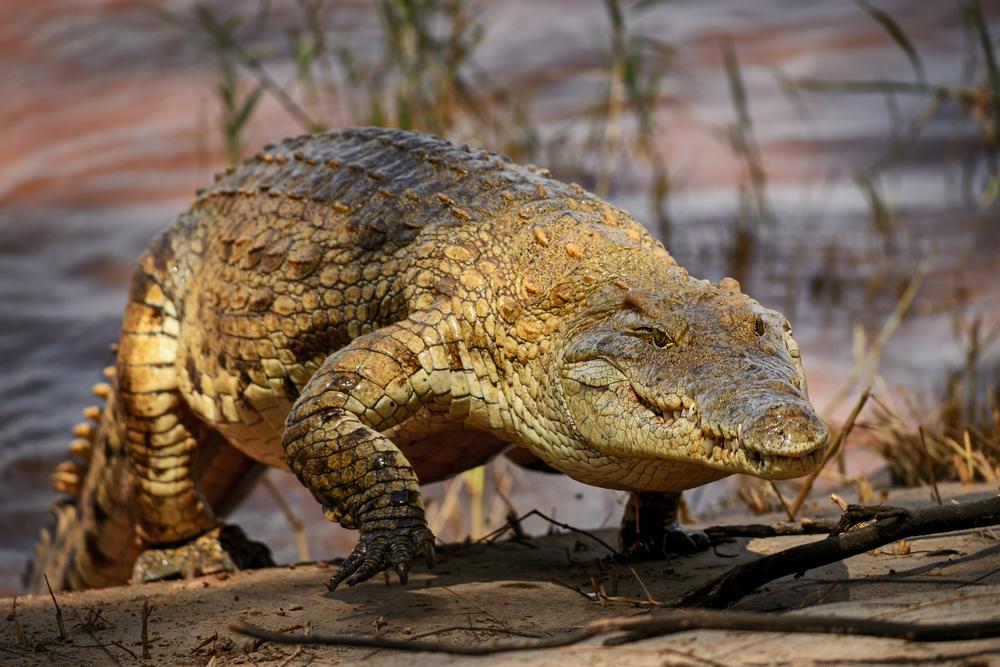
The Nile crocodile (Crocodylus niloticus) is Africa’s largest freshwater predator. Its immense size, armored body, powerful jaws and ability to remain almost completely concealed beneath the water have made it one of the continent’s most recognizable reptiles.
Hunters researching current destinations, prices and available safaris can visit our dedicated Crocodile Hunts page.
As a member of Africa’s Dangerous 7, the Nile crocodile is also one of the species associated with regulated Dangerous Game Hunts. This species profile focuses on its habitat, behaviour, physical characteristics and anatomy.
African Crocodile Species
Africa is home to several crocodile species, some of which face significant conservation pressures:
Adaptations of the Nile Crocodile
The Nile crocodile is exceptionally well adapted to life as an aquatic ambush predator:
These attributes solidify its status as a top predator in its habitat.
Conservation Status
While the Nile crocodile is not currently listed as endangered, other African crocodile species face significant threats. Factors such as habitat loss, hunting, and human encroachment have led to declining populations, particularly for the West African slender-snouted crocodile and the dwarf crocodile. Conservation efforts are crucial to ensure the survival of these species.
Name:
Crocodylus Niloticus
Male Weight:
485-2,200 pounds
Male Length: 11–16 feet
Range:
Sub-Saharan Africa
Breeding Season: Varies according to region and local conditions
Life span:
50-60 years
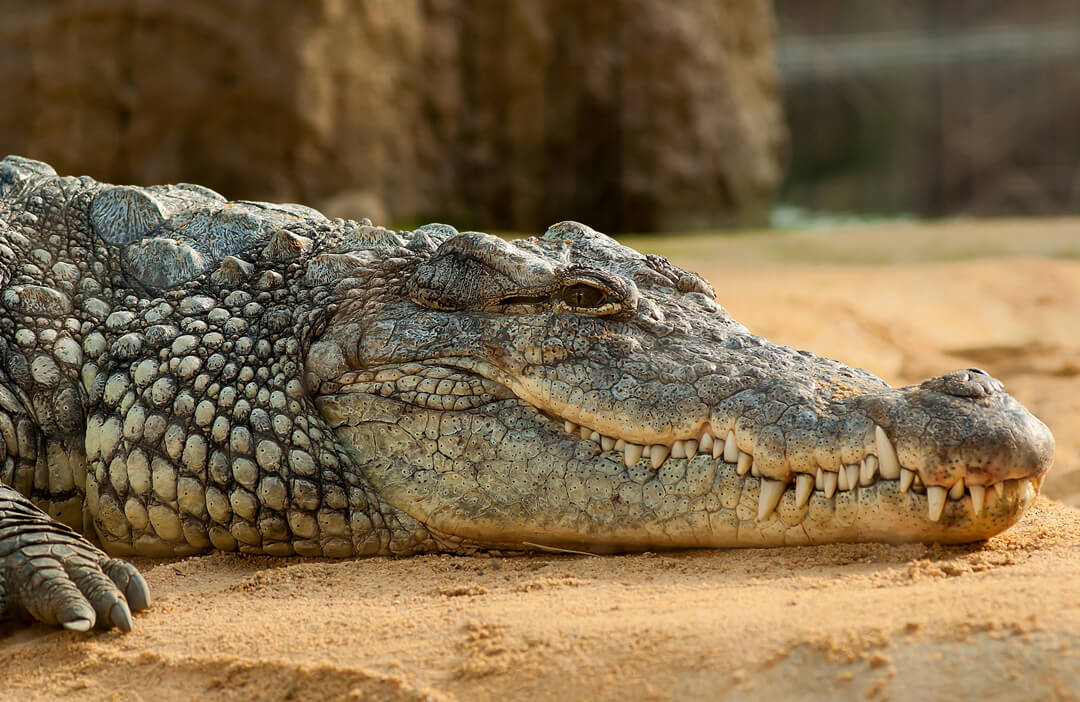
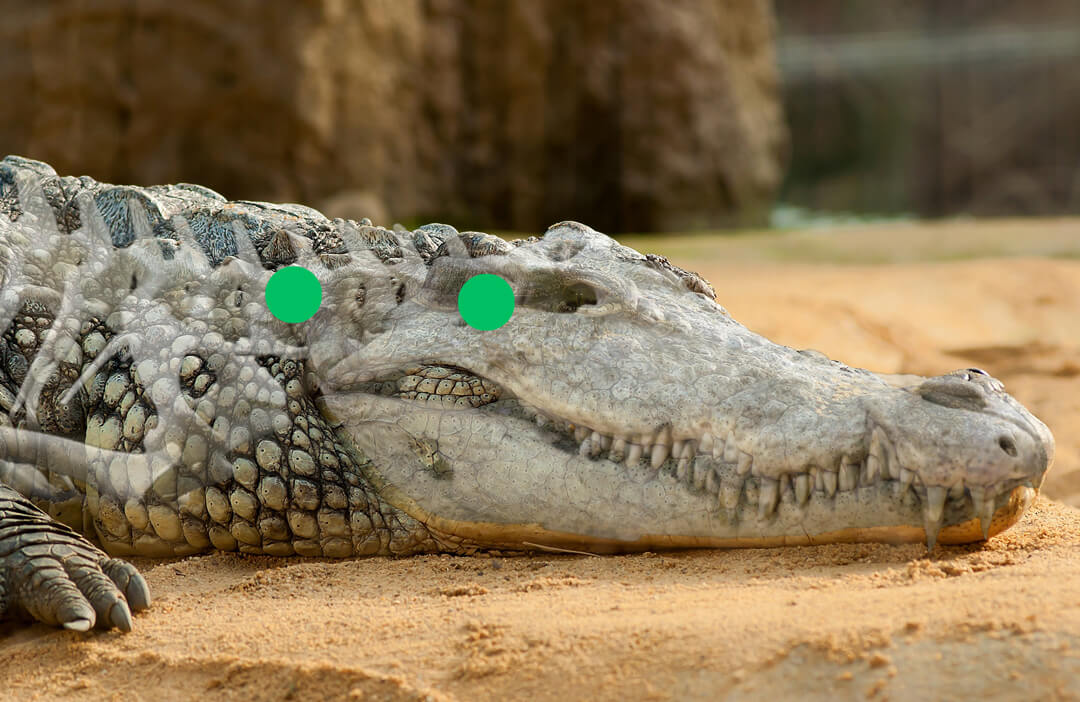
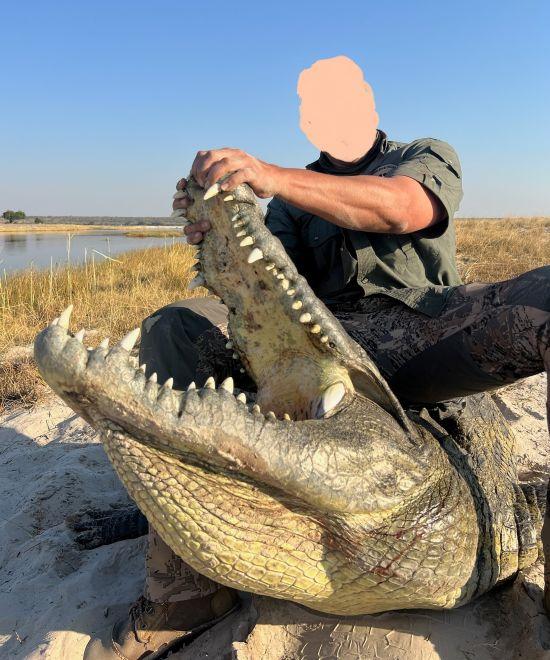
The Nile crocodile is a large, heavily built reptile with a broad snout, powerful tail and armored skin. Adult males are considerably larger than females and may commonly reach 11–16 feet in length, although exceptional animals can grow larger. Its eyes, ears and nostrils are positioned near the top of the head, allowing most of the body to remain submerged while the crocodile observes activity above the water. The muscular tail provides propulsion, while the powerful jaws and conical teeth are adapted for gripping prey. Nile crocodiles use a rolling movement, commonly called the death roll, to overpower prey or tear away manageable portions of food. Their coloration ranges from dark olive and brown to grey, helping them blend into rivers, lakes, marshes and muddy banks.
Nile crocodiles inhabit rivers, lakes, wetlands, floodplains and other permanent water systems across much of sub-Saharan Africa. Their distribution depends on suitable water, basking areas, nesting sites and access to prey. Water levels and seasonal flooding influence where crocodiles feed, rest and establish territories. During cooler periods, they frequently leave the water to bask on exposed banks and sandbars.
Nile crocodiles are ambush predators that rely on concealment rather than prolonged pursuit. They often remain almost completely submerged while watching animals approaching the water. Their diet changes with age and size. Younger crocodiles feed on insects, fish and smaller animals, while large adults may take fish, birds, antelope and other mammals encountered near the water. Crocodiles are ectothermic, meaning they rely on external temperatures to regulate body heat. This is why basking and movement between sun, shade and water form such an important part of their daily behaviour.
A crocodile’s low profile, armored body and partially submerged position can make its anatomy difficult to judge. The visible head represents only a small portion of the animal, while changes in angle can significantly affect the location of the brain, spine and other vital structures. Our dedicated Crocodile Shot Placement guide provides diagrams and practical guidance for identifying the vital areas from different angles.
Available African Crocodile Hunts
Lake Kariba Hippo & Crocodile Hunting Safari in Zimbabwe
Booking Season: 2026
Hunt Difficulty: Difficult

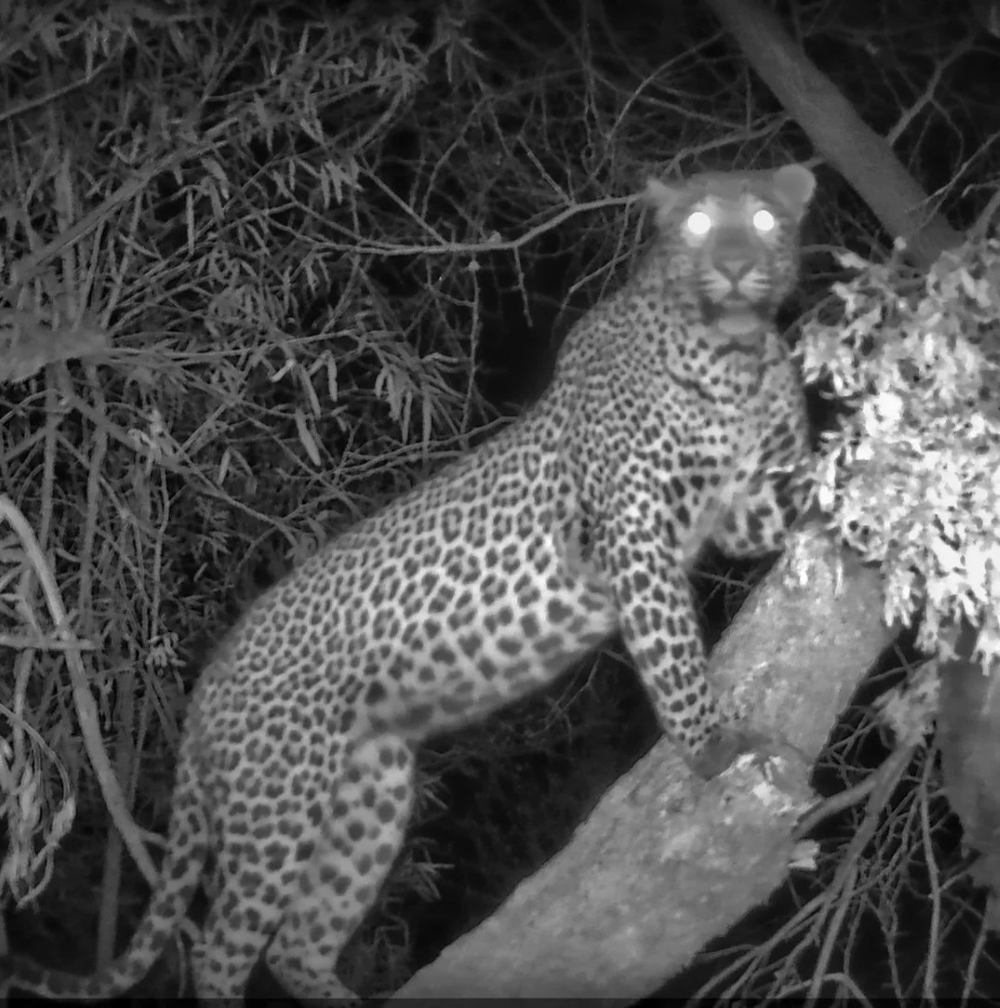
Hunting in Zambia: Leopard, Plains Game Plus Croc OR Hippo
Booking Season: 2027
Hunt Difficulty: Difficult

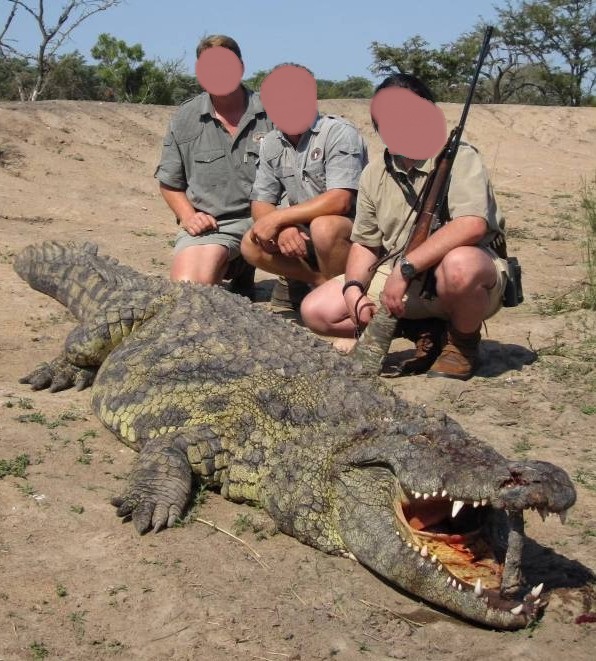
Non-Exportable Crocodile Hunt in Namibia’s Caprivi Strip
Booking Season: 2026
Hunt Difficulty: Moderate, Difficult

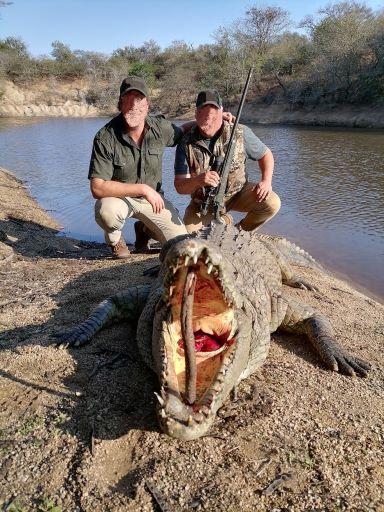
Free Range Crocodile Hunting Safari in Limpopo, SA
Booking Season: 2026
Hunt Difficulty: Moderate
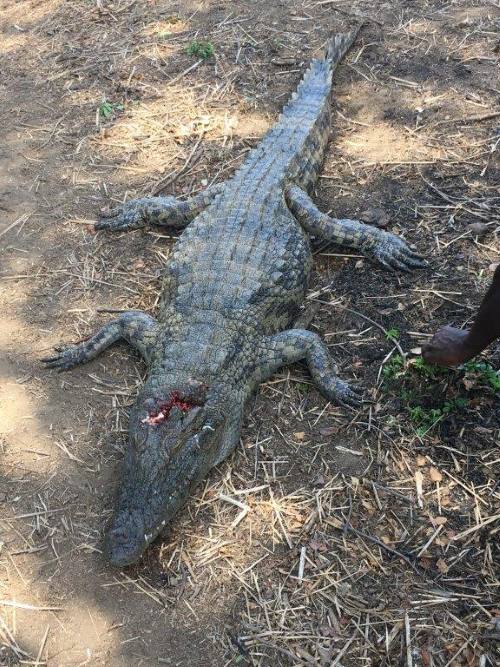
Hippo & Nile Crocodile Hunting Safari in Zimbabwe
Booking Season: 2026
Hunt Difficulty: Difficult
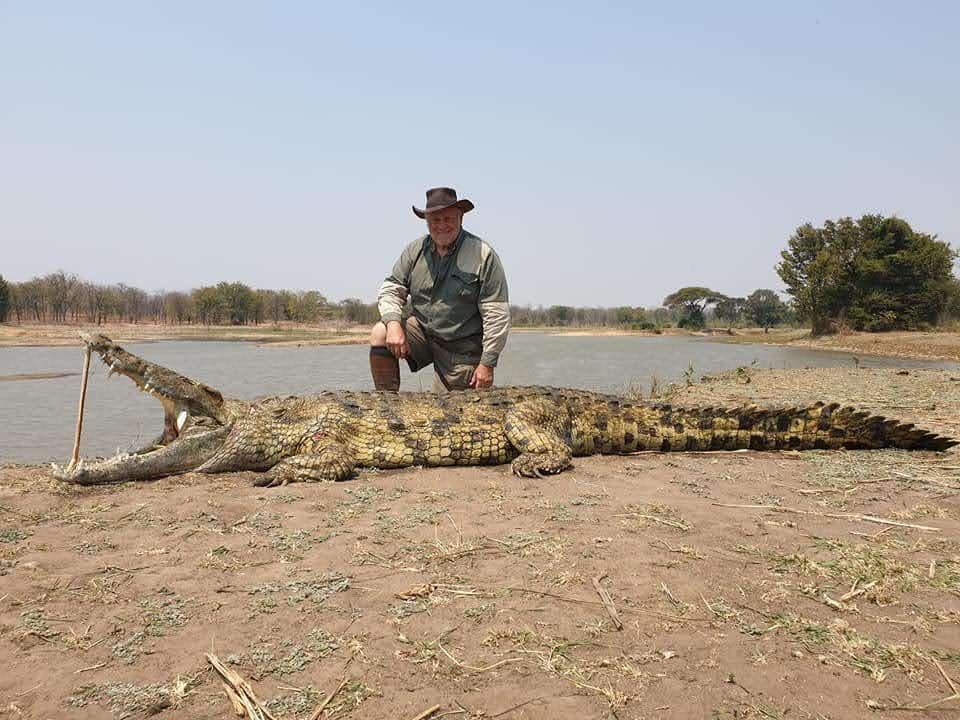
Lake Cahora Bassa Nile Crocodile Hunting Safari
Booking Season: 2026
Hunt Difficulty: Difficult
7-Day Dangerous Game & Plains Game Safari in Zambia
Booking Season: 2026
Hunt Difficulty: Difficult
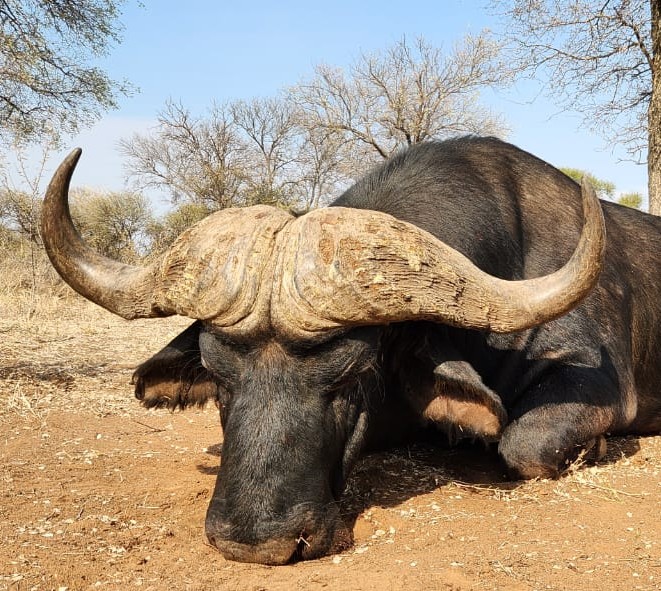
Cape Buffalo, Crocodile & Sable Safari in Limpopo
Booking Season: 2026
Hunt Difficulty: Difficult
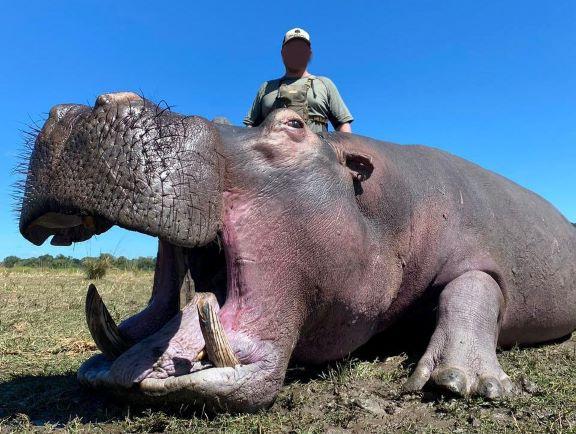
South Africa Dangerous Game & Nocturnal Hunting Safari
Booking Season: 2026
Hunt Difficulty: Moderate, Difficult
7-Day Nile Crocodile Hunting Safari in Namibia's Zambezi Region
Booking Season: 2026
Hunt Difficulty: Difficult
Search from our range of Hunts across various popular destinations in Africa.

Book Your Hunt