6-Day Roan & Sable African Plains Game Hunt in SA
Booking Season: 2025
Hunt Difficulty: Moderate

Roan hunting in South Africa is something worth planning for. Unlike kudu, impala or wildebeest, a good roan bull is not an animal that can always be added to the list after arriving in camp. If roan is a priority, the safari needs to take place in an area that holds quality animals and offers a realistic opportunity to hunt the kind of mature bull you have travelled to Africa to pursue.
Along with sable, roan are often considered among the more specialised or exotic antelope hunted in South Africa. Their size, striking facial markings and heavy, sweeping horns make a mature bull unmistakable, but their appeal goes beyond appearance. Pursuing a specific bull can require considerably more effort than simply finding a herd and choosing the first animal with long horns.
South Africa has become an important destination for Roan Hunts, particularly when the species is combined with broader Plains Game Hunts. Hunting areas differ considerably, however, and so can the way individual animals are priced. Some roan are offered at a fixed trophy fee, while others may be priced according to horn length or trophy-size categories. Assuming the price quoted for one bull applies to every roan in the hunting area could result in an unpleasant surprise after the shot.
Knowing what is available before the safari begins avoids that uncertainty. The hunting area, the class of bulls it holds, and the trophy-fee structure should all be clear before the hunt starts. From there, it becomes about finding roan, looking over the bulls and getting close enough to judge a mature animal properly before deciding whether he is the one worth pursuing.
Available Roan Hunts
6-Day Roan & Sable African Plains Game Hunt in SA
Booking Season: 2025
Hunt Difficulty: Moderate
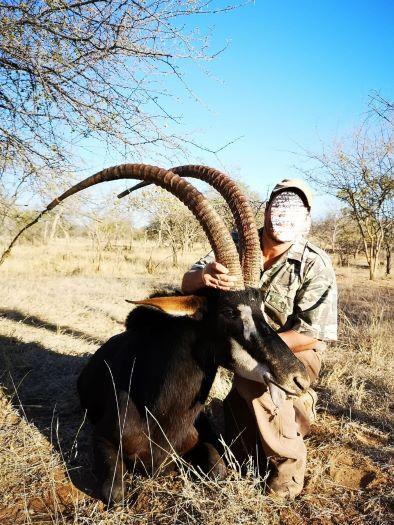
Hunting Safari in South Africa Sable & Roan Combination Hunt
Booking Season: 2026
Hunt Difficulty: Moderate
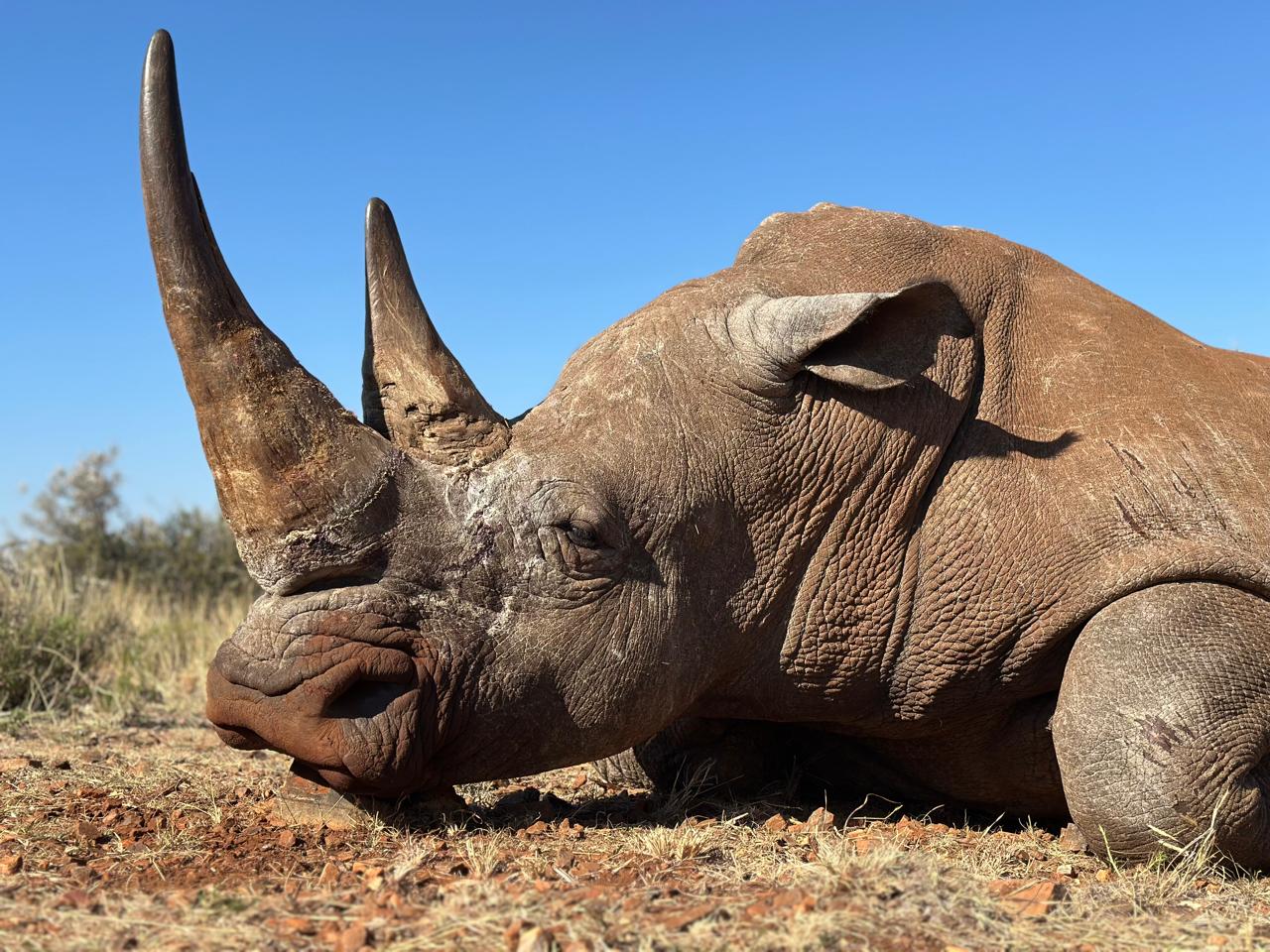
Three Icons of Africa: Rhino, Buffalo & Roan
Booking Season: 2026
Hunt Difficulty: Difficult
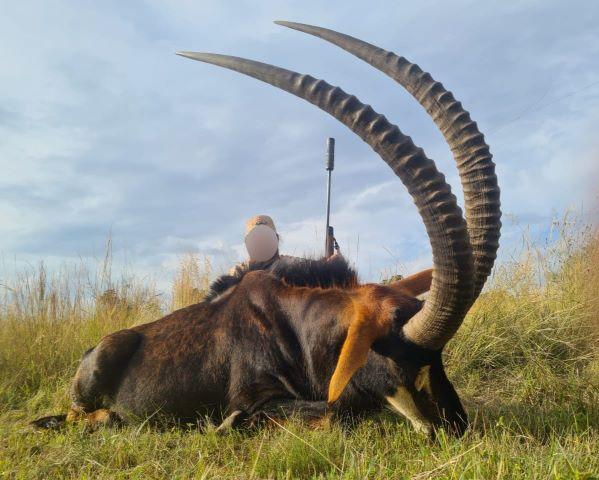
South Africa Hunting Trip Sable & Roan Combination Limpopo
Booking Season: 2026
Hunt Difficulty: Moderate
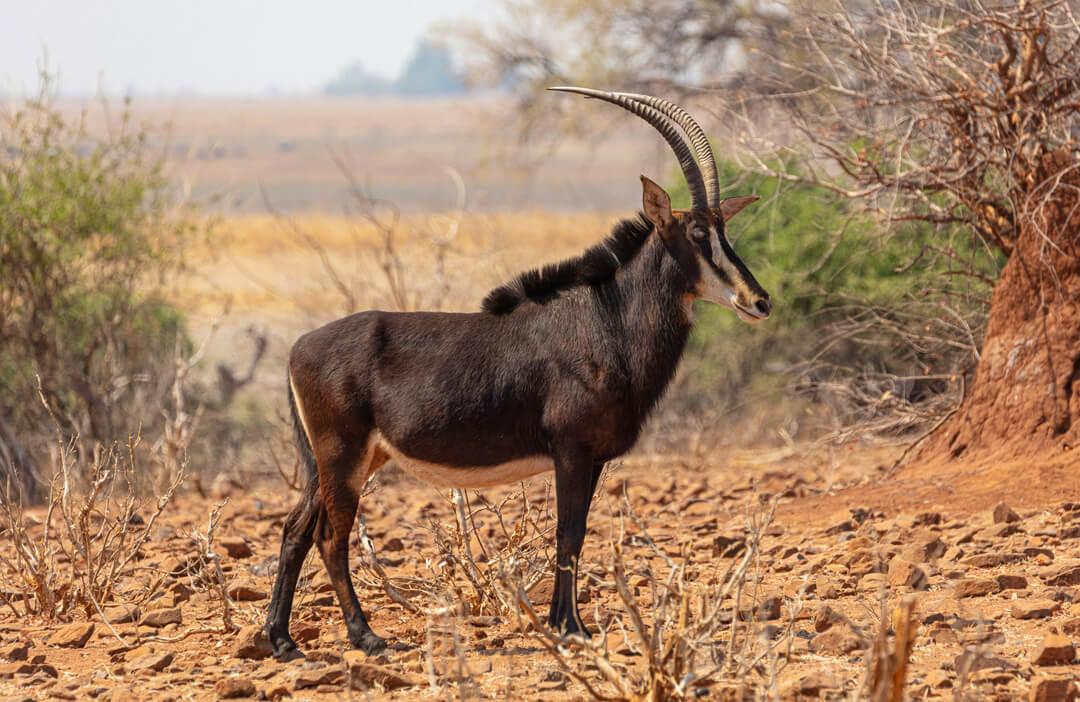
6-Day Roan & Sable Hunting in South Africa
Booking Season: 2026
Hunt Difficulty: Moderate
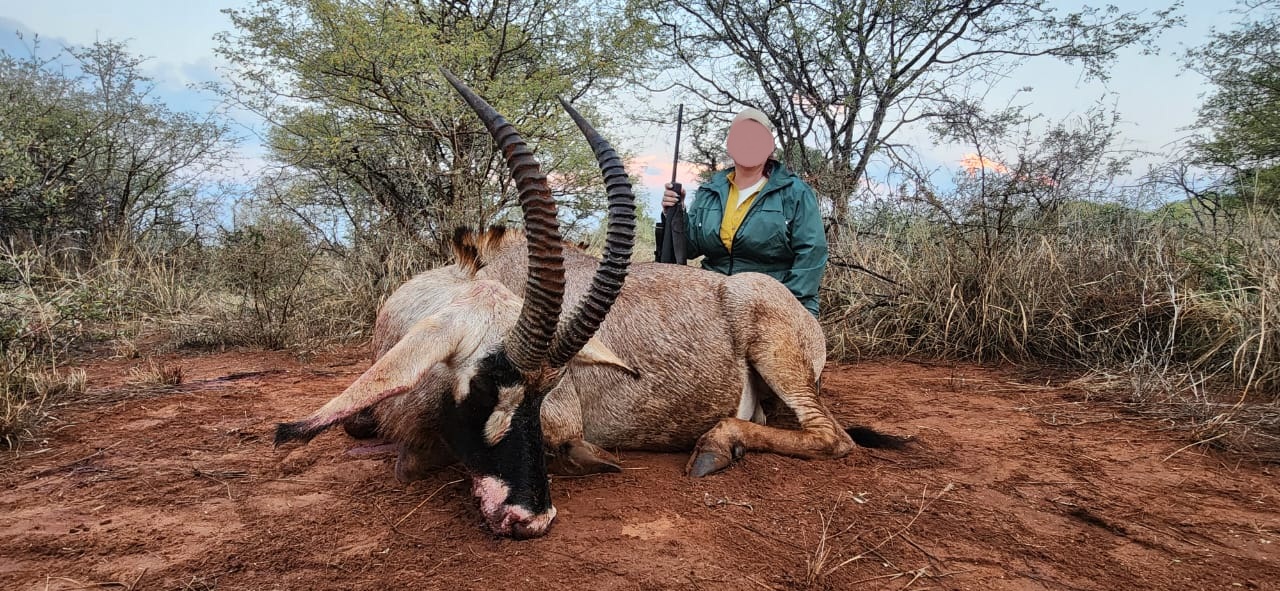
Hunting in South Africa: The Prize Roan Antelope
Booking Season: 2026
Hunt Difficulty: Moderate
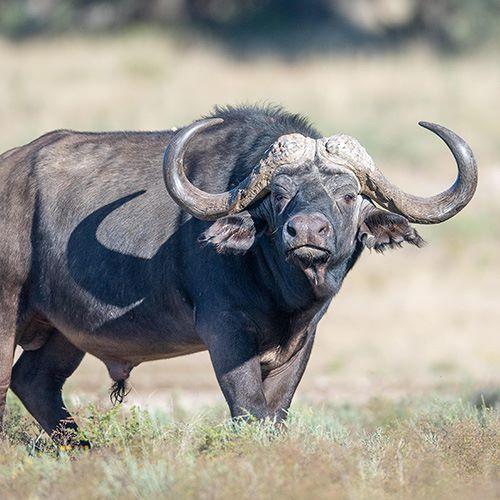
Luxury Cape Buffalo, Rhino Green Hunt & Premium Plains Game Safari
Booking Season: 2026
Hunt Difficulty: Difficult
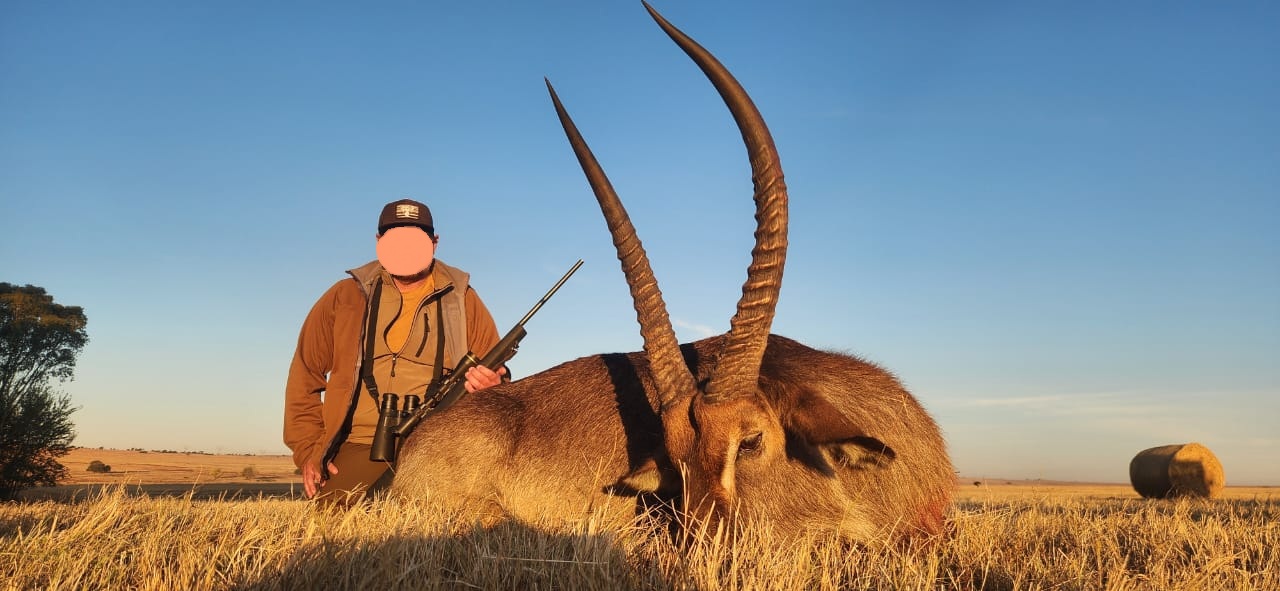
The Royal Package: Roan & Sable Hunting in South Africa
Booking Season: 2026
Hunt Difficulty: Moderate
14-Day Dangerous Game & Plains Game Safari in South Africa
Booking Season: 2026
Hunt Difficulty: Difficult
Cape Buffalo, Sable & Roan Hunting Safari in South Africa
Booking Season: 2026
Hunt Difficulty: Moderate, Difficult, Extreme
South Africa offers more opportunities to hunt roan than many other African destinations, but that does not mean every hunting area provides the same kind of hunt. Roan may be present in small numbers, managed as part of an established population or found across much larger properties where locating and approaching a mature bull can require considerably more hunting.
Most hunting properties in South Africa are fenced, and roan are valuable animals, so this is part of the reality of hunting the species in the country. What matters is the size and character of the area in which the hunt takes place. There is a considerable difference between pursuing roan across thousands of acres of varied bushveld and hunting an animal in a small enclosure where there is little opportunity for a genuine spot-and-stalk hunt.
Hunters booking a roan safari should therefore ask about the size of the hunting area and how the animals are managed. If roan is one of the main objectives, it is also worth knowing how many mature bulls are available. An area holding several suitable animals gives the Professional Hunter an opportunity to look over different bulls, judge age and horn development, and pursue the animal that best matches what was discussed before the safari.
The hunt itself often begins by locating areas the roan have been using and then glassing carefully once animals are found. A group may contain cows, younger animals and more than one bull, while mature bulls can also be encountered away from larger groups. The first bull spotted is therefore not necessarily the bull that gets hunted.
This is where Hunting in South Africa offers considerable choice when roan is a priority. The range of hunting areas available means a safari can be planned around access to quality roan in an area large enough to provide the type of hunt the hunter wants, rather than simply assuming the species will be available once the safari begins.
Having a roan available and having a good roan hunt are not necessarily the same thing. Asking the right questions about the property before booking can make all the difference.
Roan hunting in South Africa is generally a spot-and-stalk affair. Depending on the size and terrain of the hunting area, the day may begin by driving roads and glassing open country, checking waterholes or searching areas where roan have recently been seen. Once a suitable bull is located, the vehicle is left behind, and the hunt continues on foot.
Roan are large antelope and can be surprisingly easy to spot when they step into open country but finding them does not necessarily mean getting a shot. They may move between patches of thicker bush, feed into broken terrain or remain among other animals that make a clean shooting opportunity difficult. Their habit of stopping to look back can sometimes offer an opportunity, although relying on an animal to do exactly what you expect is rarely a good hunting strategy.
Judging the bull before beginning the stalk is important, particularly on properties holding several mature animals. The Professional Hunter may spend time comparing bulls before deciding which one to pursue, looking beyond horn length alone to the animal's age, body development and overall appearance.
Once the decision is made, the hunt becomes much like any good Plains Game Hunts safari: use the wind, stay out of sight and close the distance until there is a responsible shot. Roan are heavily built animals and shot placement matters. A hunter who arrives comfortable shooting from sticks and confident with his rifle is far better prepared than one relying on the size of the animal to make the shot easy.
Spot-and-stalk is not the only option. Bowhunters may hunt roan from a blind overlooking a well-used waterhole or travel route, particularly during the drier months when animal movement becomes more predictable. Some South African outfitters can also accommodate hunters with limited mobility or physical disabilities, using accessible blinds or adapting the hunt to suit the individual without removing the importance of making a clean, well-placed shot.
The hunt may come together quickly once the right bull is found, or the roan may have other ideas and disappear into cover before the stalk is complete. That uncertainty is exactly why the size of the hunting area and the way the animals are managed matter. There should still be enough room for the bull to win.
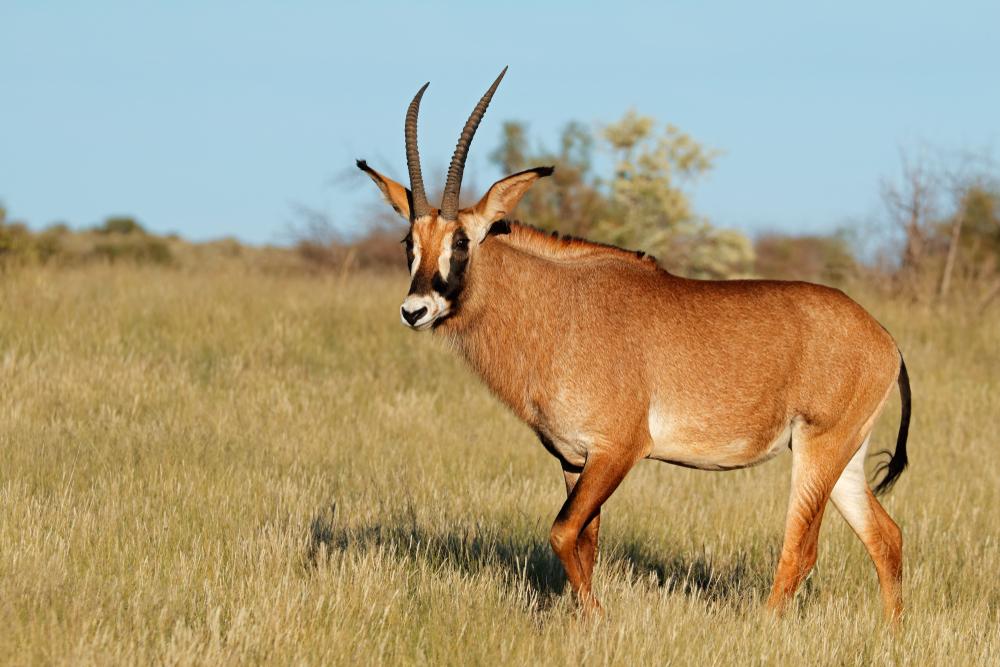
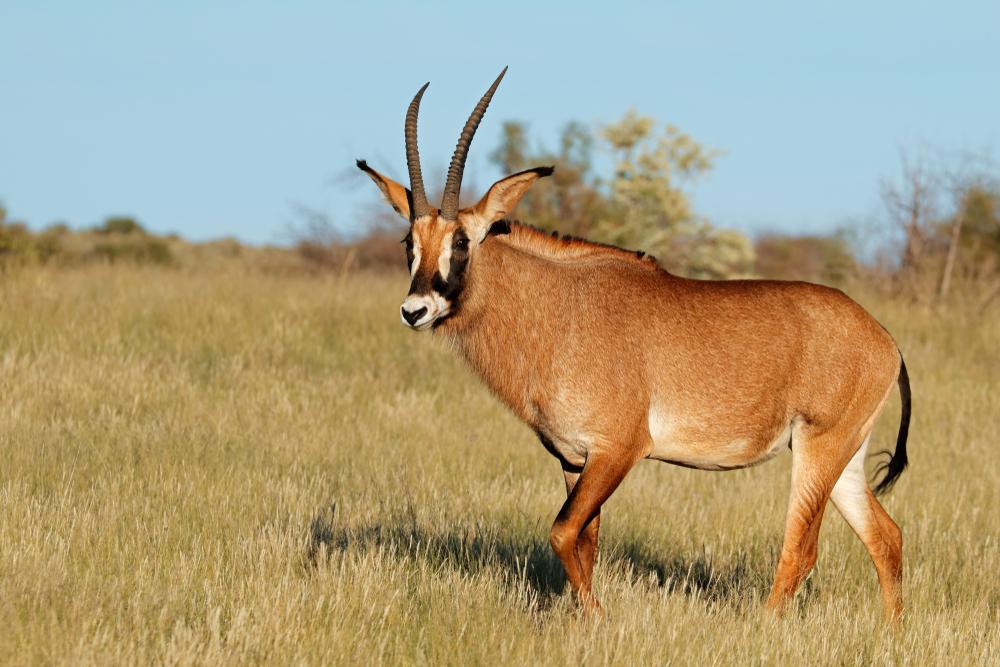
A mature roan bull is an impressive animal before anyone reaches for a tape measure. Bulls are heavier through the body than cows, with a more pronounced dark facial mask and heavy, backward-curving horns that develop character with age. An older bull often has the presence and body development that immediately separates him from younger animals in the group.
Horn length naturally matters to trophy hunters, but it should not be the only consideration when judging a bull. The thickness of the bases, overall shape of the horns and the amount of wear can all contribute to the appearance of a mature animal. A Professional Hunter who knows the roan in a particular hunting area may also have watched individual bulls develop over several seasons and have a good understanding of which animals have reached maturity.
This becomes particularly important where trophy fees are linked to horn length. A hunter should understand whether the bull is being hunted for a fixed price or whether moving into a higher measurement category will change the trophy fee. Once a mature bull has been selected and the stalk begins, there should be no uncertainty about what taking that animal is going to cost.
A few extra inches may matter to the record book, but they can also matter to the final bill.
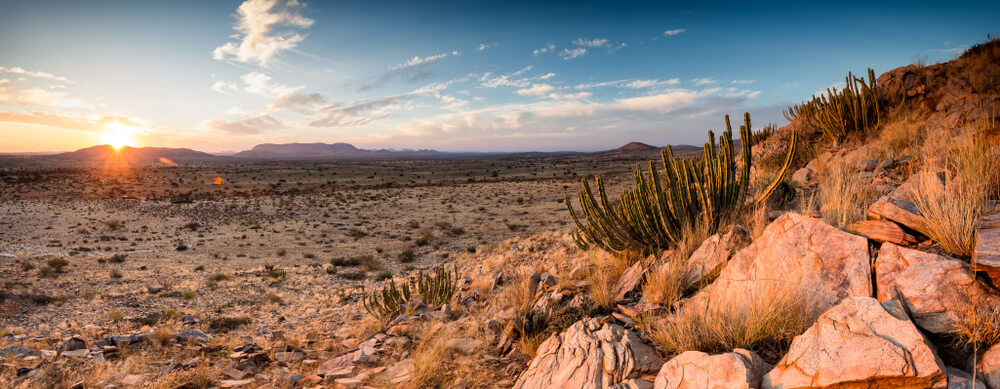
Roan hunting is available across several parts of South Africa, including established hunting areas in Limpopo, the North West, Free State and parts of the Northern Cape. The landscape can vary considerably, from traditional bushveld to more open grassland and Kalahari country, giving hunters a choice of very different settings in which to pursue the same species.
Roan can share suitable habitat with sable, and hunting areas managing quality populations of one may sometimes offer opportunities for the other. This can make combining roan with Sable Hunts an attractive option when planning a specialised antelope safari. Limpopo and the northern hunting regions are natural choices for a traditional bushveld hunt, while more open country elsewhere can lend itself particularly well to glassing and longer spot-and-stalk approaches.
The province itself, however, is less important than the individual hunting property and the quality of the roan population it holds. A famous hunting area with one roan bull available is not necessarily a better choice than a lesser-known property managing a strong population of mature animals across a large area. Recent trophy quality, the number of huntable bulls and the amount of country available should carry more weight than the name of the province on the itinerary.
South Africa's greatest advantage is choice. A roan hunt can often be built into a safari that includes kudu, sable, wildebeest and other plains game, but when a mature roan is high on the list, the hunting area should be chosen with that animal in mind from the beginning.
Roan sit toward the premium end of a South African plains game safari, and trophy fees can vary considerably between hunting areas and individual bulls. The price quoted may be a fixed trophy fee, based on a particular trophy-size category or, in some cases, calculated according to horn length. That pricing structure needs to be understood before the hunt begins.
This matters particularly when several bulls are available. A Professional Hunter may locate an exceptional animal, but an extra inch or two of horn can potentially place that bull into a different price bracket. Before deciding to pursue him, the hunter should know whether the original quotation still applies or whether taking that particular animal will increase the trophy fee.
The cost of the roan is only one part of the safari. Daily rates, accommodation, transport and the other species being hunted all contribute to the overall budget, which is why comparing African Hunting Safari Prices is more useful than looking at a roan trophy fee in isolation. A safari built around several plains game species may offer a very different overall proposition from travelling to South Africa primarily to hunt one premium antelope.
Availability should be confirmed at the same time as price. If roan is a priority animal, the outfitter should be able to explain where the hunt will take place, the approximate size of the hunting area, what class of bulls is currently available and exactly how the trophy fee will be calculated.
Get those details settled before arriving in camp and there should be no need to discuss money when a good bull finally steps into view. At that point, the only decision should be whether he is the roan you want to hunt.
Roan are among the more expensive plains game species hunted in South Africa, and prices can vary considerably between outfitters and individual bulls. Some hunts carry a fixed trophy fee, while others are priced according to horn length or trophy-size categories. Hunters should establish exactly how the trophy fee works before the hunt, as taking a larger bull than originally quoted may increase the final price.
Most roan hunting in South Africa takes place on fenced private hunting properties where populations are carefully managed. The size of these areas varies enormously, so hunters concerned about the nature of the hunt should ask about the acreage and terrain before booking. A large property can still provide plenty of room for a genuine spot-and-stalk hunt where locating and approaching the right bull requires time and effort.
Roan are large, heavily built antelope, and medium to larger plains game calibres are commonly used. Popular choices include the .270, .30-06, .300 Winchester Magnum and .308, provided the hunter uses a suitable hunting bullet and can place the shot accurately. Shot placement and bullet construction matter considerably more than choosing the largest calibre available.
Roan can be hunted during much of South Africa's hunting season, with the cooler and drier months generally providing comfortable conditions for plains game hunting. As vegetation thins and animals make more regular use of water sources, locating roan can also become easier in some hunting areas. The best timing ultimately depends on the region and property being hunted.
Yes. Roan can be hunted with a bow where the hunting area and outfitter permit it. Hunting from a blind near a regularly used waterhole is a common approach, particularly during dry conditions when animal movement around water becomes more predictable. Hunters should confirm the outfitter's bowhunting requirements and suitable equipment before the safari.
Yes, and roan are often combined with sable, kudu and other plains game during longer Hunting Trips in South Africa. If a mature roan is high on the priority list, however, the safari should be planned around a hunting area with quality animals rather than assuming one can simply be added after arrival. Confirming availability and pricing beforehand gives the hunter a much clearer idea of what is realistically possible.
Search from our range of Hunts across various popular destinations in Africa.

Book Your Hunt