Hunting Safari in SA 10 x Nights Plains Game Combination
Booking Season: 2025
Hunt Difficulty: Difficult

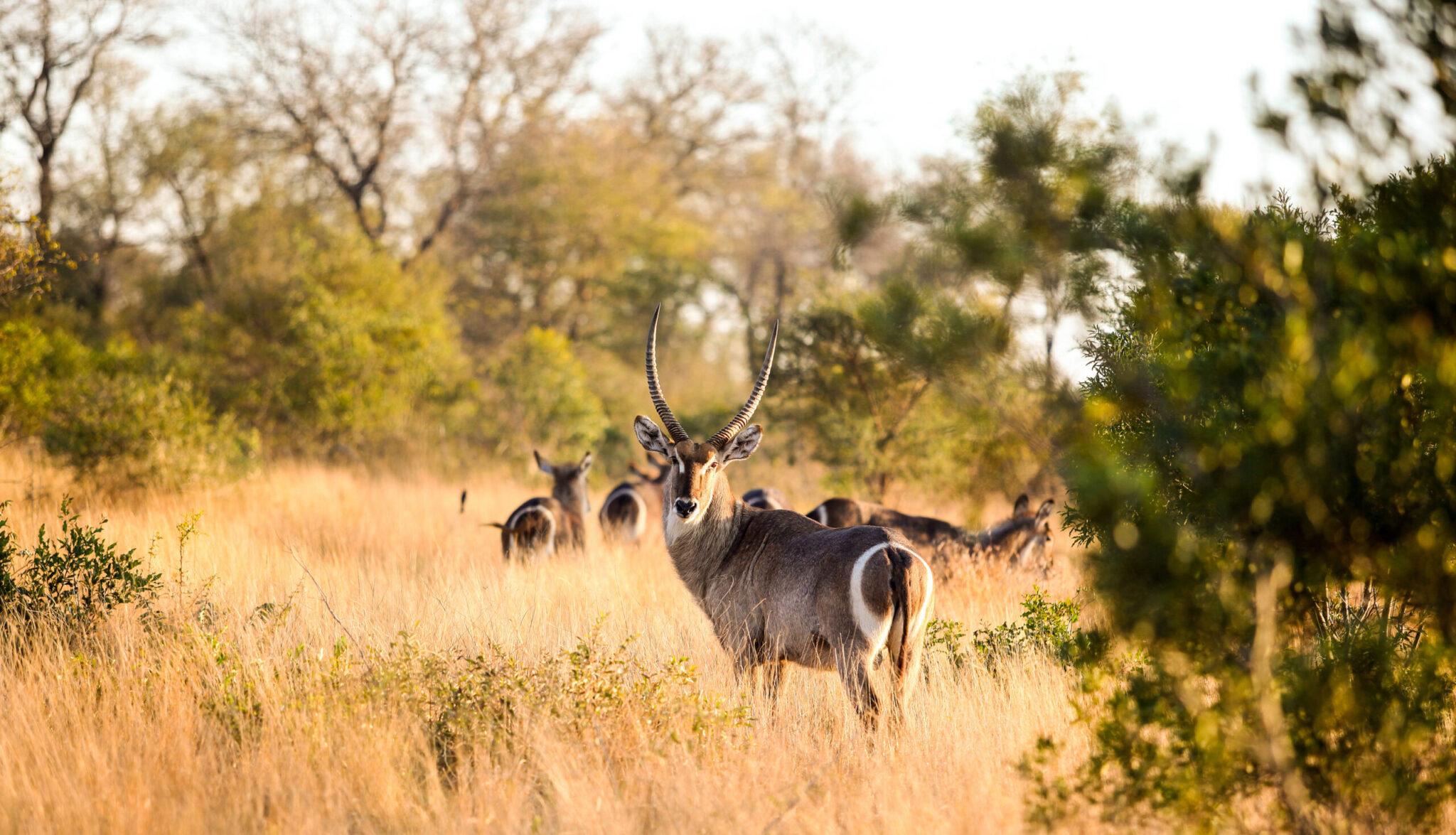
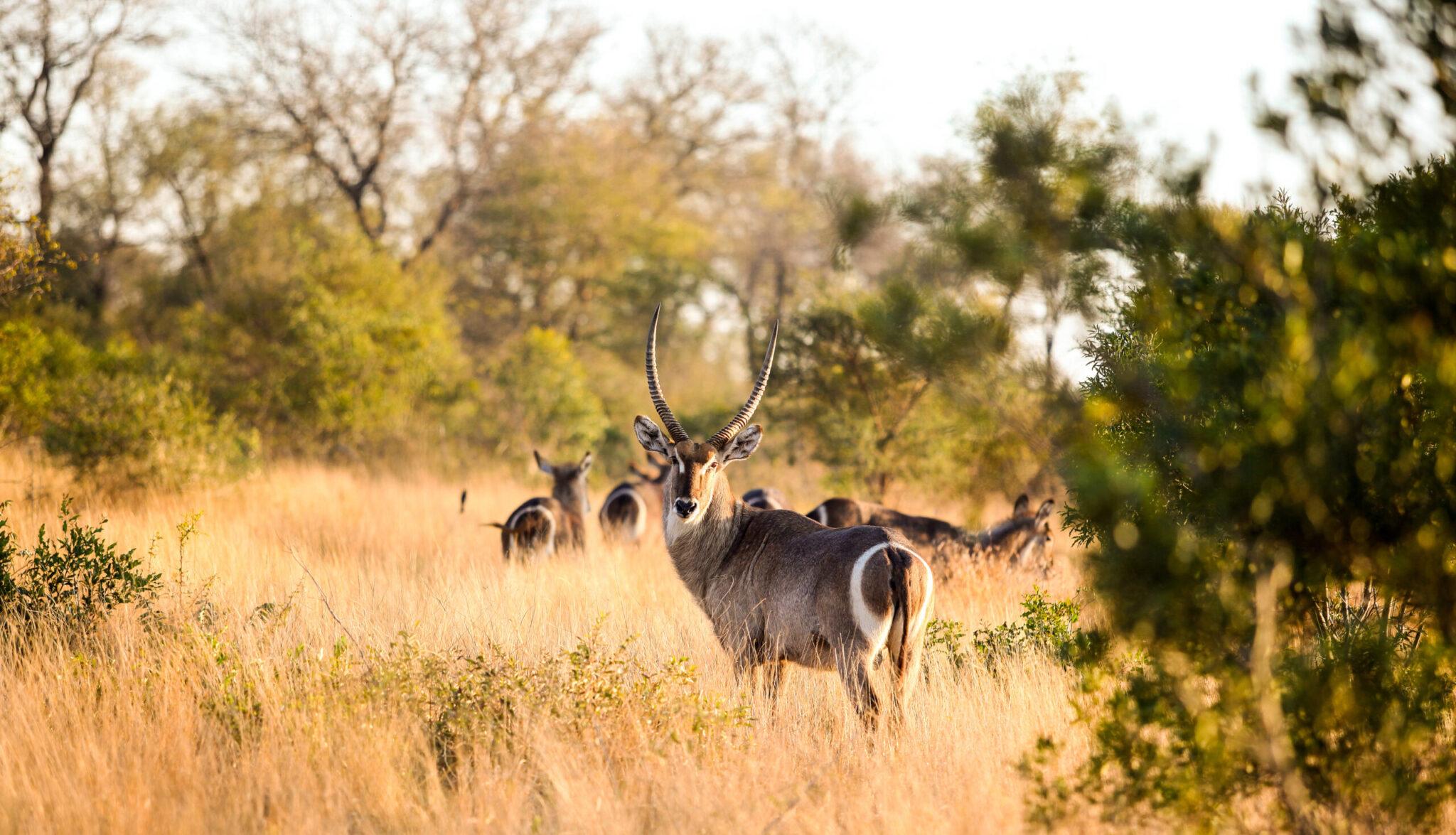
South Africa has earned a reputation as one of Africa's finest destinations for Waterbuck Hunting. Healthy populations, excellent trophy quality and a wide variety of hunting areas allow hunters to pursue mature bulls in classic riverine habitat, often as part of a traditional plains game safari.
Unlike some African destinations where waterbuck occur only in isolated pockets, Hunting in South Africa offers consistent waterbuck opportunities across several provinces, particularly in Limpopo, KwaZulu-Natal and parts of the Eastern Cape. Here, rivers, dams, floodplains and dense riverine bush create the ideal habitat for one of Africa's most impressive antelope.
For hunters planning their first safari, South Africa also offers the opportunity to combine Waterbuck Hunts with sought-after species such as greater kudu, nyala, impala, blue wildebeest and zebra, making it one of the most rewarding plains game destinations in Africa.
Whether your goal is to collect a heavy-horned mature bull or simply enjoy a classic stalk through riverine bush, South Africa offers an outstanding combination of trophy quality, experienced professional hunters and well-managed hunting areas. While waterbuck may not receive the same attention as kudu or sable, many experienced hunters consider a mature waterbuck bull one of the most rewarding plains game trophies South Africa has to offer.
Available Common Waterbuck Hunts
Hunting Safari in SA 10 x Nights Plains Game Combination
Booking Season: 2025
Hunt Difficulty: Difficult
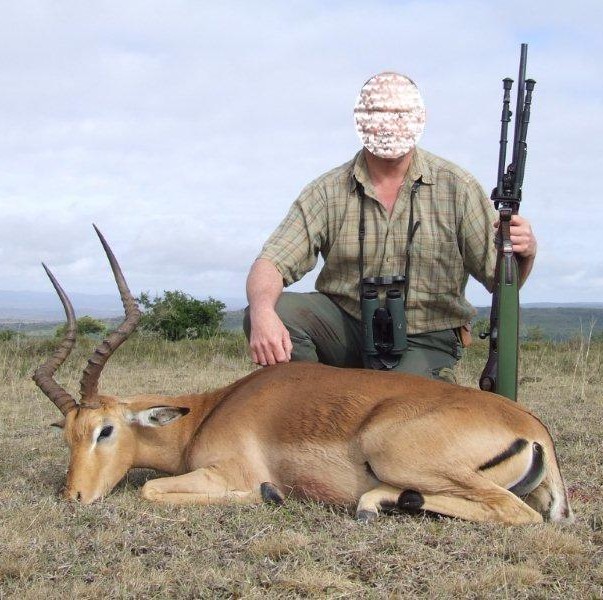
Plains Game Hunt in South Africa 8 x Trophy Animals
Booking Season: 2025
Hunt Difficulty: Moderate, Difficult
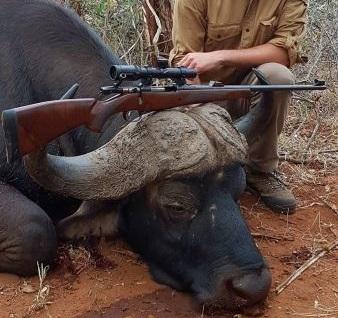
Cape Buffalo Cow & Plains Game Hunting Safari in South Africa
Booking Season: 2026
Hunt Difficulty: Moderate, Difficult
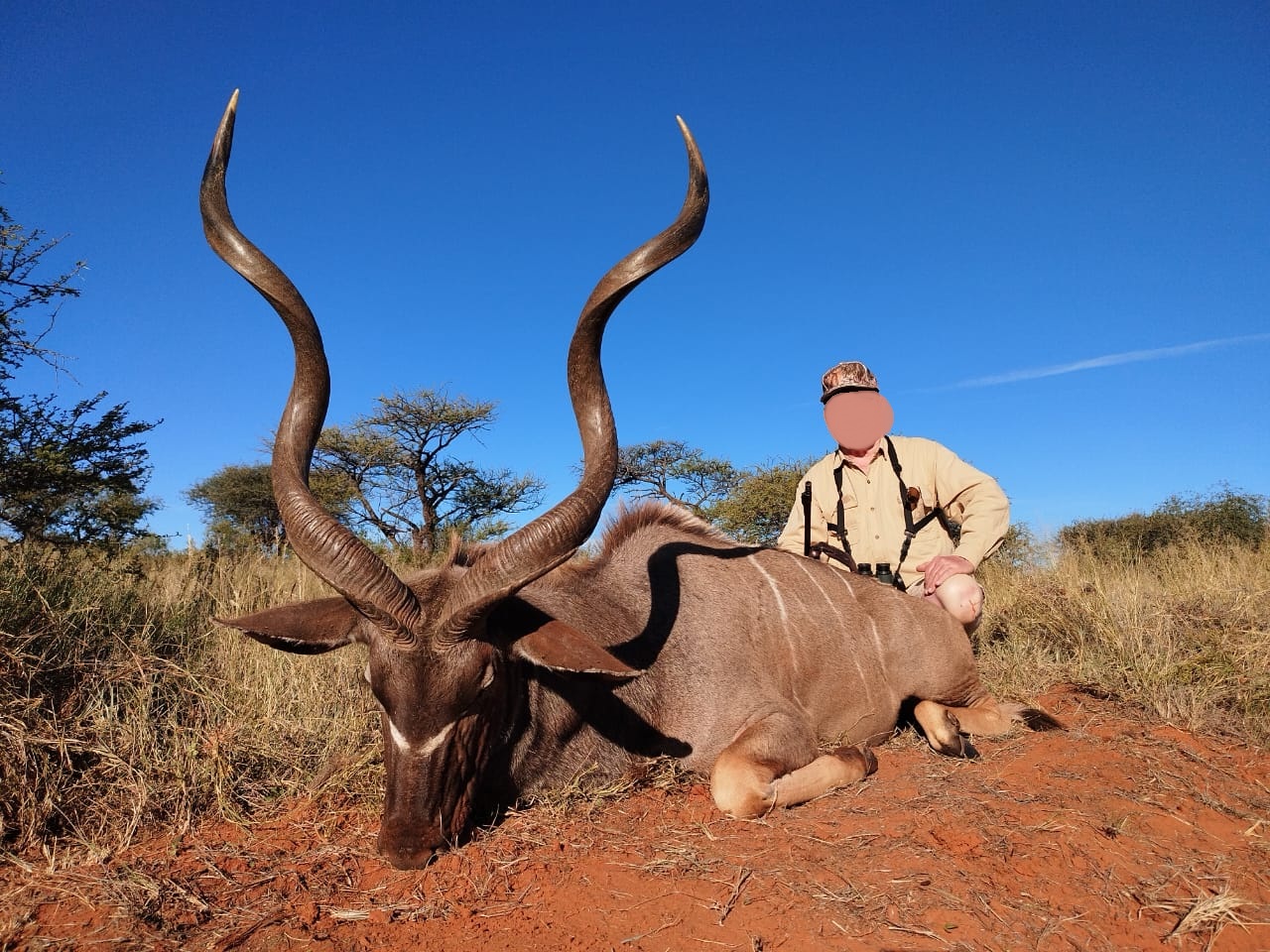
Family Hunting Adventure: Plains Game in Limpopo
Booking Season: 2026
Hunt Difficulty: Moderate
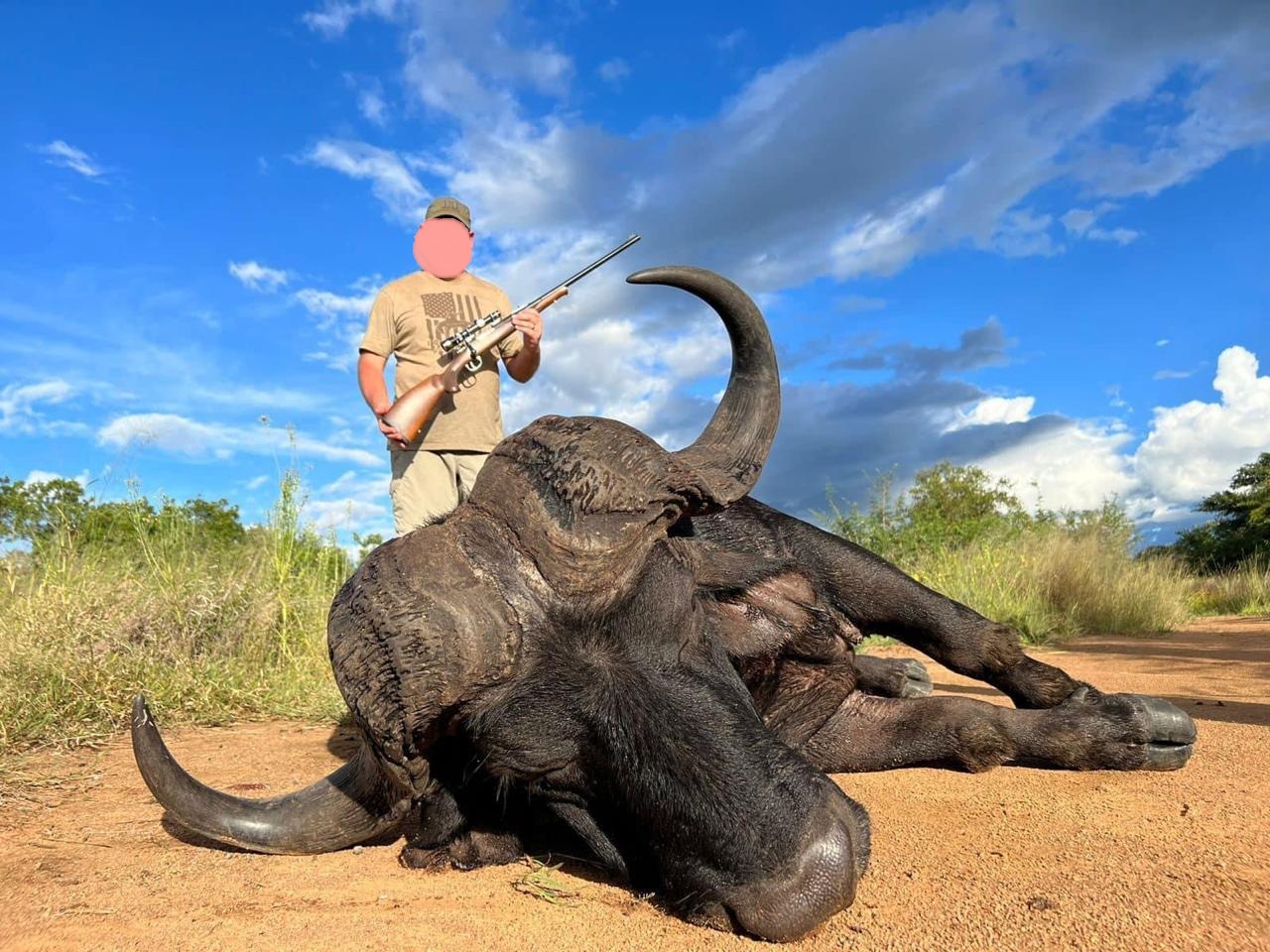
Cape Buffalo & Plains Game Hunting in South Africa
Booking Season: 2026
Hunt Difficulty: Difficult
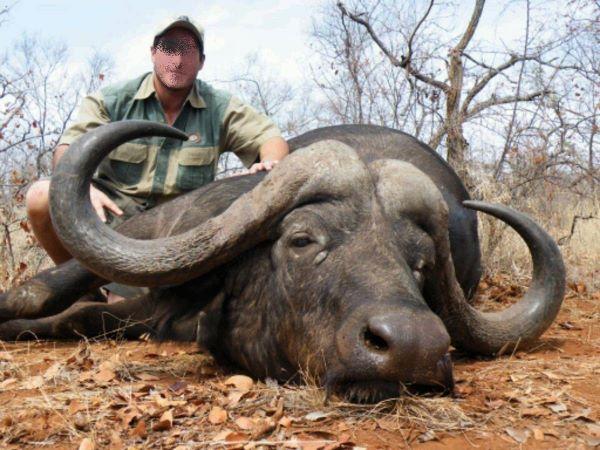
Cape Buffalo, Sable & Roan Hunting Safari in South Africa
Booking Season: 2026
Hunt Difficulty: Moderate, Difficult, Extreme

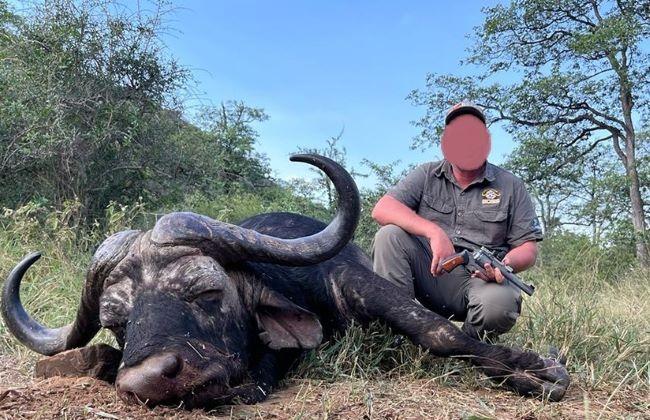
Cape Buffalo, Plains Game & Night Hunting in South Africa
Booking Season: 2026
Hunt Difficulty: Moderate, Difficult
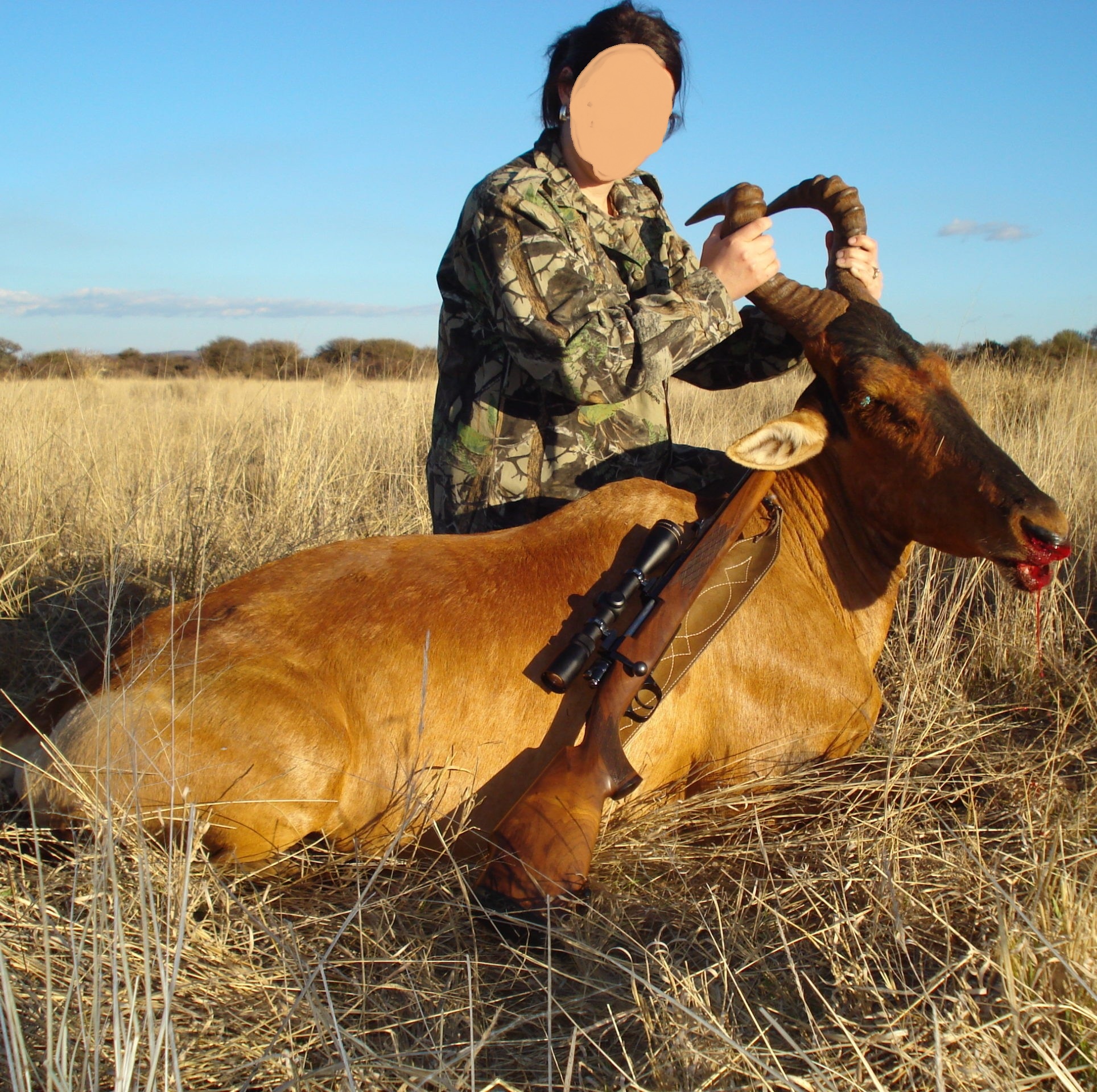
Hunting in SA: Tsessebe, Impala, Waterbuck & 2 More Species
Booking Season: 2026
Hunt Difficulty: Moderate

Plains Game Hunting in SA, Trophy Sable and 4 Species
Booking Season: 2026
Hunt Difficulty: Moderate
Hunt Kudu, Sable, Zebra, Gemsbok & 4 More Species in Limpopo
Booking Season: 2026
Hunt Difficulty: Moderate
One of the defining characteristics of waterbuck is their close association with permanent water, but not simply because they need to drink. Rivers, floodplains, marshes and densely vegetated drainage lines provide the security, shade and abundant grazing they rely on throughout the year.
Unlike many plains game species that may travel long distances across open country, mature waterbuck often establish relatively small home ranges centred around reliable water sources. These areas offer thick riverine cover where bulls can disappear within seconds, even in country that appears open at first glance.
Professional hunters understand these movement patterns and rarely begin a waterbuck hunt by simply walking aimlessly through the bush. Instead, they focus on river systems, floodplains and natural crossings where mature bulls are most likely to feed during the early morning or emerge again during the cooler hours of the afternoon.
Understanding why waterbuck remain so closely tied to water is one of the keys to hunting them successfully. Rather than covering vast distances in search of fresh tracks, success often comes from quietly hunting the right habitat, paying close attention to wind direction and allowing patience to do most of the work.
Waterbuck are rarely difficult to see, but they can be surprisingly difficult to approach. Mature bulls prefer river systems, thick drainage lines and areas of dense cover where they can feed in relative security while remaining only a few steps from concealment. Once disturbed, they seldom panic blindly. More often, they slip quietly into cover and disappear before the hunter even realises they have moved.
Waterbuck in South Africa are hunted using traditional spot-and-stalk methods. After locating a mature bull, the professional hunter carefully plans the approach by considering the wind, available cover and the bull's likely escape route. Riverbanks, dry drainage lines and patches of thick bush often provide opportunities to close the distance without being detected.
Unlike mountain hunting, where the objective is often to cover as much country as possible, successful waterbuck hunting usually rewards patience. A bull feeding along a river may remain in the same general area for hours, allowing the hunter to wait for a better opportunity rather than forcing a difficult shot.
The final approach is often the most demanding part of the hunt. Dry leaves, brittle reeds and shifting winds can quickly betray a hunter's position, while the bull's elevated vantage point allows him to detect movement long before he appears within comfortable shooting distance. Professional hunters are often prepared to abandon an approach and begin again rather than risk educating a mature bull.
A successful waterbuck hunt is rarely remembered for covering great distances. Instead, it is remembered for careful planning, quiet stalking and making the most of a single opportunity when everything finally comes together.
Waterbuck are often overlooked when hunters discuss Africa's toughest plains game animals, yet experienced professional hunters know they are remarkably resilient. A mature bull is heavily built, carries a thick hide and possesses an incredible will to keep going if the shot is not placed correctly.
Unlike some plains game species that may collapse within sight, a poorly hit waterbuck can cover an astonishing amount of ground, often heading straight for thick riverine cover where tracking becomes considerably more challenging. Recovering a wounded bull may involve hours of careful spoor tracking through reeds, drainage lines and dense bush.
Professional hunters place great emphasis on waiting for a clear, broadside opportunity rather than rushing a marginal shot. Good shot placement is far more important than trying to force an opportunity that isn't quite right.
A mature waterbuck deserves the same respect as any large African antelope. Patience, accurate shooting and disciplined decision-making not only increase the chances of a quick recovery, but also ensure the hunt is conducted ethically from beginning to end.
South Africa has become one of Africa's leading destinations for waterbuck hunting, not simply because it has healthy populations, but because wildlife management has become one of the country's greatest conservation success stories.
Unlike many African countries where wildlife is found primarily on government-owned land or vast wilderness concessions, much of South Africa's game is managed on privately owned ranches and conservancies. Over several decades, landowners have invested heavily in habitat restoration, water infrastructure, anti-poaching measures and responsible game management, creating ideal conditions for waterbuck and many other plains game species to thrive.
This long-term investment has resulted in consistently good trophy quality across many hunting areas. While genetics certainly play a role, mature waterbuck bulls are ultimately the product of good habitat, sound wildlife management and allowing animals to reach full maturity before being hunted. South African outfitters understand that today's young breeding bull may become tomorrow's exceptional trophy, making sustainable management an essential part of their business.
South African waterbuck hunts take place on privately owned properties. Although these areas are often fenced, they can still cover thousands of acres of natural bushveld, river systems and floodplains where waterbuck behave exactly as they were intended to. Mature bulls remain wary, spend much of their time close to thick cover and permanent water, and still demand careful stalking, patience and accurate shooting to hunt successfully.
The result is a destination that combines excellent trophy potential with professional wildlife management, comfortable safari camps and the opportunity to pursue several outstanding plains game species during the same safari. Because waterbuck occupy river systems and well-watered bushveld, they are naturally hunted alongside species such as Greater Kudu Hunts, nyala, impala, blue wildebeest and bushbuck that share many of the same habitats, allowing hunters to build a diverse and rewarding plains game safari.
Among experienced plains game hunters, waterbuck are rarely regarded as a secondary trophy. In fact, many collectors actively target mature bulls because of their impressive size, sweeping horns and commanding presence. A truly exceptional waterbuck deserves to stand alongside greater kudu, sable and nyala in any serious African trophy collection.
One of the first things many hunters notice about waterbuck is their sheer size. A mature bull is an impressive animal with a deep chest, powerful shoulders and heavy spiral horns that immediately command attention. For many first-time hunters, almost every mature bull appears to be a trophy.
That perception often changes the moment a genuine old bull steps into view. Waterbuck carrying horns exceeding 28 inches have a completely different presence. Their horns appear heavier, their necks thicker and their bodies substantially deeper than younger bulls. Standing beside an average mature waterbuck, an old trophy bull can look more like a tank than an antelope.
While horn length remains important, experienced hunters rarely judge a trophy on inches alone. Heavy bases, balanced horn shape, good mass and obvious maturity often contribute far more to a memorable trophy than a tape measure ever can. Worn horn tips, scarred ears and a thick, muscular neck are often signs that a bull has survived many breeding seasons and reached his prime.
Occasionally, particularly in South Africa, hunters encounter mature bulls with unusual horn formations. One horn may sweep slightly forward while the other curls further back, or both horns may develop different shapes following an injury sustained earlier in life. Although these bulls may score lower under traditional measuring systems, many experienced collectors value them highly because they represent age, character and survival rather than perfect symmetry.
The finest waterbuck trophies are seldom remembered because they measured another half inch. They are remembered because they were old, carried real character and demanded patience, good hunting and a well-placed shot before finally becoming part of the hunter's story.
One of the greatest advantages of hunting waterbuck in South Africa is that they fit naturally into a traditional Plains Game Hunts safari. Rather than travelling specifically for a single species, many hunters pursue waterbuck alongside greater kudu, nyala, bushbuck, impala, blue wildebeest and zebra, all of which can often be found within the same hunting areas.
Waterbuck spend much of their time around rivers, dams and densely vegetated drainage lines, a day's hunting will often move naturally between different habitats. An early morning stalk along a river may produce an opportunity on a mature waterbuck bull, while the remainder of the day may be spent pursuing kudu through broken bushveld or glassing open country for blue wildebeest. This variety is one of the reasons South Africa remains such a popular destination for first-time and returning hunters alike.
The best time to hunt waterbuck coincides with South Africa's dry winter hunting season. Cooler temperatures, thinner vegetation and predictable animal movement around permanent water make mature bulls easier to locate and stalk. These same conditions also provide excellent hunting for many of South Africa's most sought-after plains game species, allowing hunters to enjoy a diverse safari without travelling between multiple concessions.
Whether waterbuck is your primary objective or one of several species on your wish list, it remains one of the most rewarding trophies a South African plains game safari has to offer.
Waterbuck may not be the first species that comes to mind when planning an African safari, but they are often one of the most satisfying trophies a hunter takes home. Their impressive size, beautiful spiral horns and preference for thick riverine habitat create a hunt that rewards patience, careful stalking and accurate shooting rather than simply covering miles of country.
For hunters building a classic South African plains game collection, few species complement greater kudu, nyala, bushbuck and blue wildebeest better than a mature waterbuck bull. They are challenging without being intimidating, impressive without being over-publicised, and remain one of Africa's most respected plains game trophies.
If your idea of a successful safari is measured by more than horn length alone, and you enjoy hunting mature animals in beautiful natural habitat, a South African waterbuck deserves a place high on your wish list.
South Africa is widely regarded as one of Africa's premier waterbuck destinations thanks to its healthy populations, excellent trophy quality and professionally managed hunting areas. It also allows hunters to combine waterbuck with several other sought-after plains game species during the same safari, making it an excellent choice for both first-time and returning hunters.
Every hunter has a different idea of what makes a memorable trophy, but mature bulls with heavy bases, good horn shape and obvious age are generally more desirable than measurements alone. Exceptional bulls exceeding 28 inches develop an impressive presence that experienced hunters immediately recognise.
No. They are two different subspecies. The Common Waterbuck is the form most often hunted in South Africa, Namibia and Zimbabwe, while the Defassa Waterbuck occurs further north in countries such as Tanzania, Zambia, Uganda and parts of Central Africa. Many collectors pursue both as separate trophies.
Yes. Common waterbuck are naturally occurring throughout suitable habitat in South Africa and have not followed the same selective colour-breeding trends seen with some other plains game species. Trophy quality is generally the result of good genetics, excellent habitat, responsible wildlife management and allowing bulls to reach full maturity.
Hunters often joke that it looks like a toilet seat, but the distinctive white ring serves an important purpose. It helps calves and other waterbuck follow one another through thick riverine vegetation where visibility is limited. It is one of the species' most recognisable features and has become a familiar talking point around African campfires.
Absolutely. One of the biggest advantages of African Hunting Trips is the opportunity to pursue several outstanding plains game species during the same safari. Waterbuck are commonly hunted alongside Greater Kudu Hunts, nyala, bushbuck, impala, blue wildebeest and zebra, allowing hunters to enjoy a varied and rewarding safari without travelling between multiple hunting areas.
Search from our range of Hunts across various popular destinations in Africa.

Book Your Hunt