10-Day Plains Game Hunt in Maasailand, Tanzania
Booking Season: 2026
Hunt Difficulty: Moderate

Most hunters arrive in Tanzania thinking about buffalo, leopard, or elephant. Then they spend a few days watching hundreds of White-Bearded Wildebeest moving across the open plains and quickly understand why the species has become one of East Africa's classic safari trophies.
There is something different about hunting animals that live in large, constantly moving herds. A mature bull can disappear into a sea of wildebeest within seconds, forcing hunters to judge trophies carefully and pick their opportunity before the herd shifts direction again. What initially appears to be a straightforward plains game hunt often proves more challenging than expected.
For American hunters planning a Hunting in Tanzania safari, White-Bearded Wildebeest represent one of the most recognizable animals in East Africa. Their association with Tanzania's vast savannahs and migratory ecosystems has made them a symbol of the region and an important part of many traditional safari itineraries.
Although they are often overshadowed by dangerous game, White-Bearded Wildebeest remain a highly respected trophy among hunters who appreciate authentic Plains Game Hunts. Mature bulls are heavily built animals with distinctive dark beards, powerful shoulders, and sweeping horns that create an unmistakable profile on the East African plains.
This guide explains what makes White-Bearded Wildebeest unique, how they differ from other wildebeest found across Africa, where they are hunted in Tanzania, and why they continue to be one of East Africa's most iconic safari trophies.
Available White-bearded Wildebeest Hunts
10-Day Plains Game Hunt in Maasailand, Tanzania
Booking Season: 2026
Hunt Difficulty: Moderate

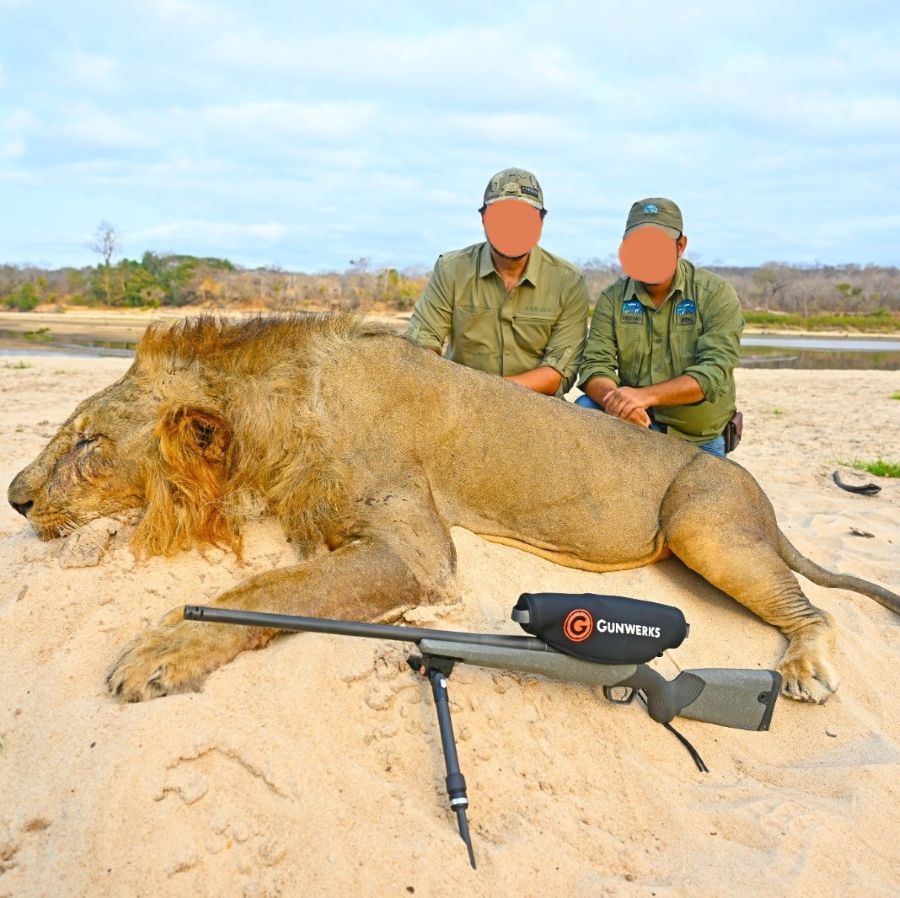
Hunt Lion, Leopard, Elephant & Cape Buffalo in Masailand, Tanzania
Booking Season: 2026
Hunt Difficulty: Moderate, Difficult
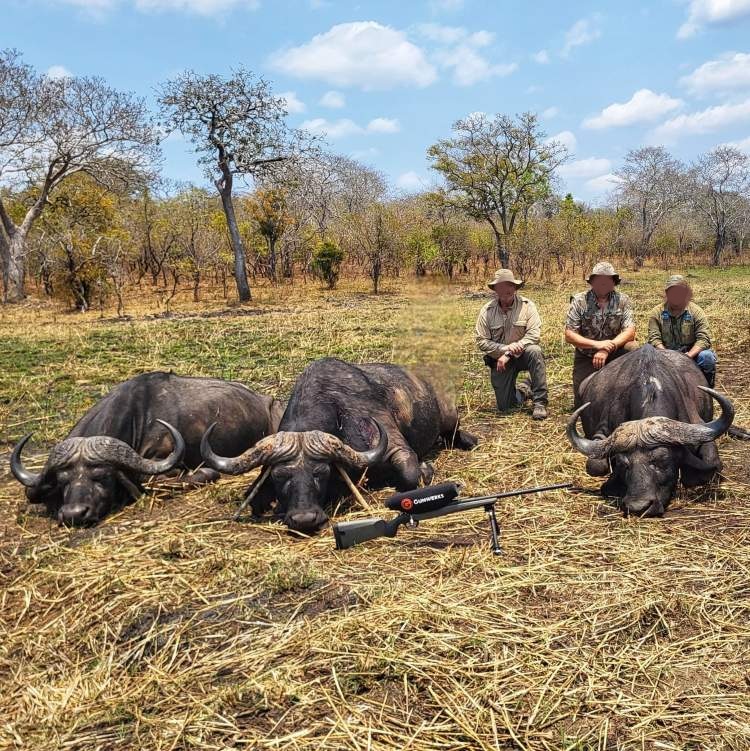
Selous Cape Buffalo Safari | 4 Hunters, 2 PHs
Booking Season: 2026
Hunt Difficulty: Moderate, Difficult
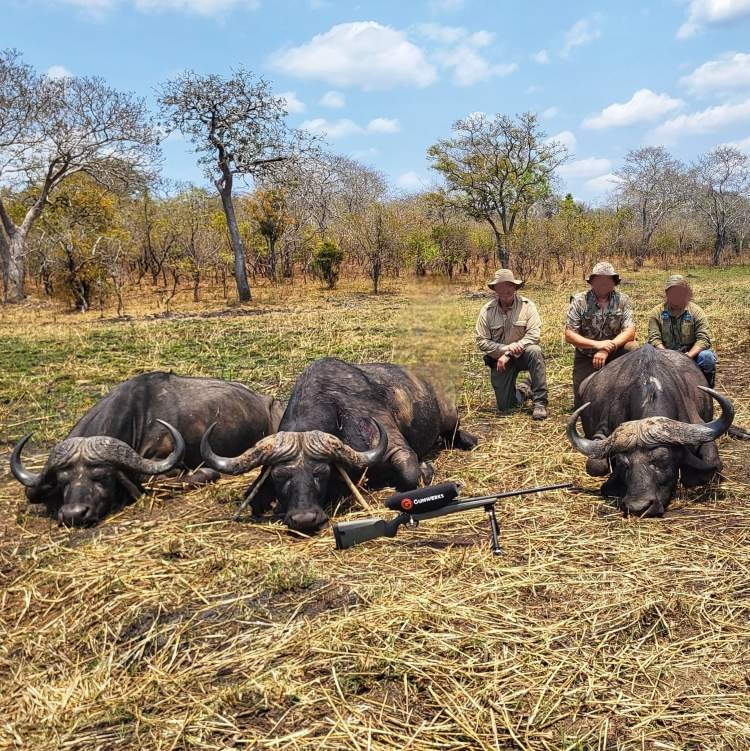
Track the Widowmaker: A Free-Range Cape Buffalo Hunt in the Selous
Booking Season: 2026
Hunt Difficulty: Difficult
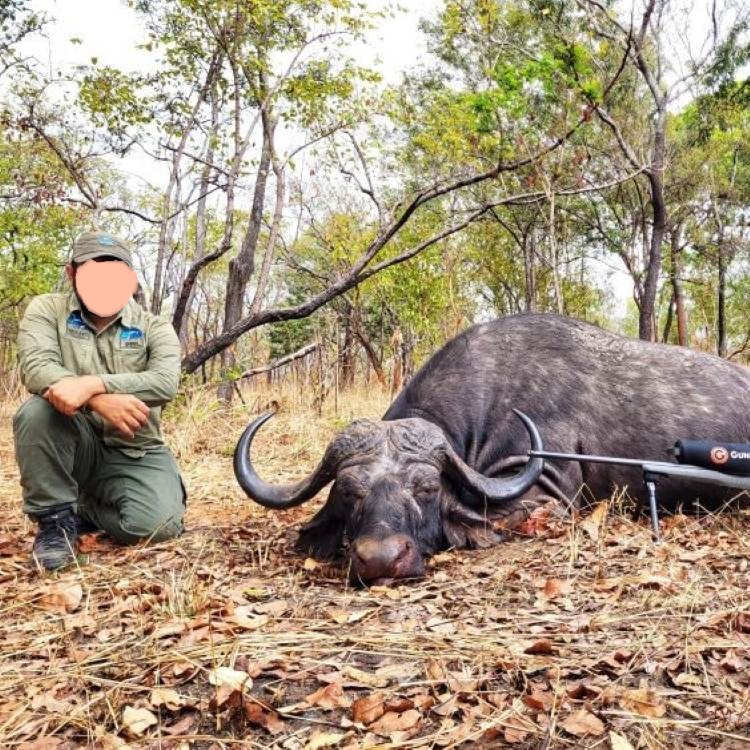
Cape Buffalo Hunting in Masailand, Tanzania
Booking Season: 2026
Hunt Difficulty: Moderate, Difficult
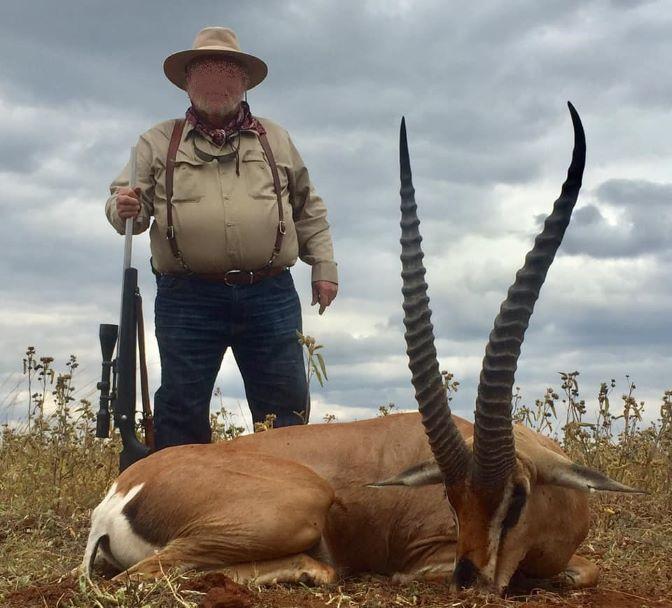
Safari Hunting in Tanzania 10 Days Plains Game in Masai 1:1
Booking Season: 2026
Hunt Difficulty: Moderate
Hunting Safari in Tanzania Plains Game in Masailand 7 Days 1:1
Booking Season: 2026
Hunt Difficulty: Moderate
Many hunters are familiar with blue wildebeest from Southern Africa, where the species is commonly encountered on plains game safaris. White-Bearded Wildebeest occupy a different place in the minds of many safari hunters.
Strongly associated with Tanzania and Kenya, White-Bearded Wildebeest have become one of the defining animals of East Africa's open savannahs. Their presence within the Serengeti-Maasailand ecosystem has helped establish them as one of the region's most recognizable plains game trophies.
For trophy collectors, the attraction is not simply another wildebeest. It is the opportunity to pursue an animal that is closely tied to one of Africa's most famous hunting landscapes. A mature White-Bearded Wildebeest taken in Tanzania represents a distinctly East African trophy and a hunting experience that differs considerably from pursuing wildebeest elsewhere on the continent.
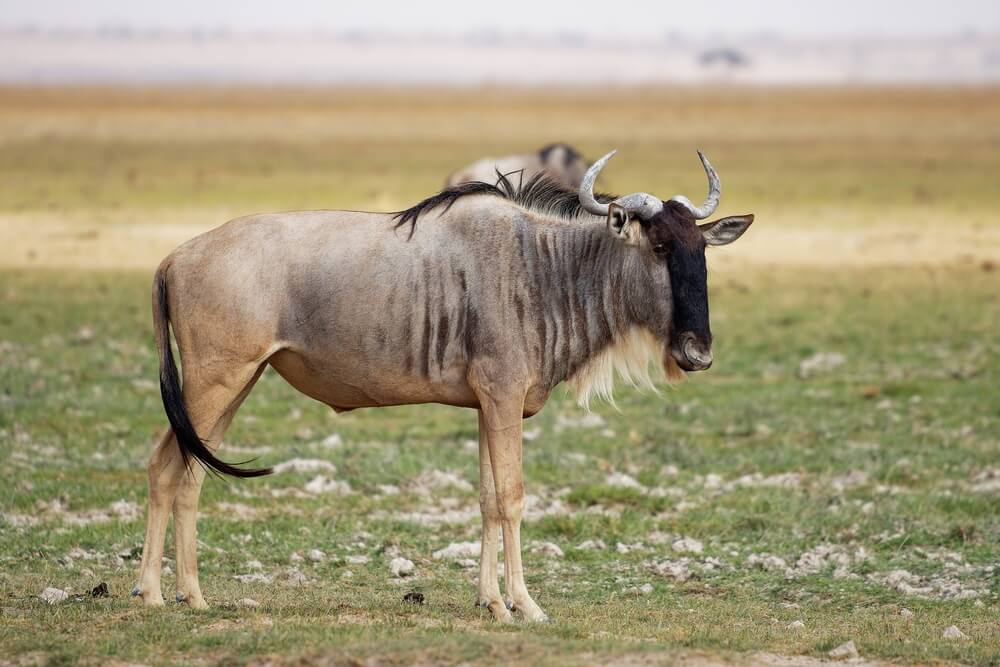
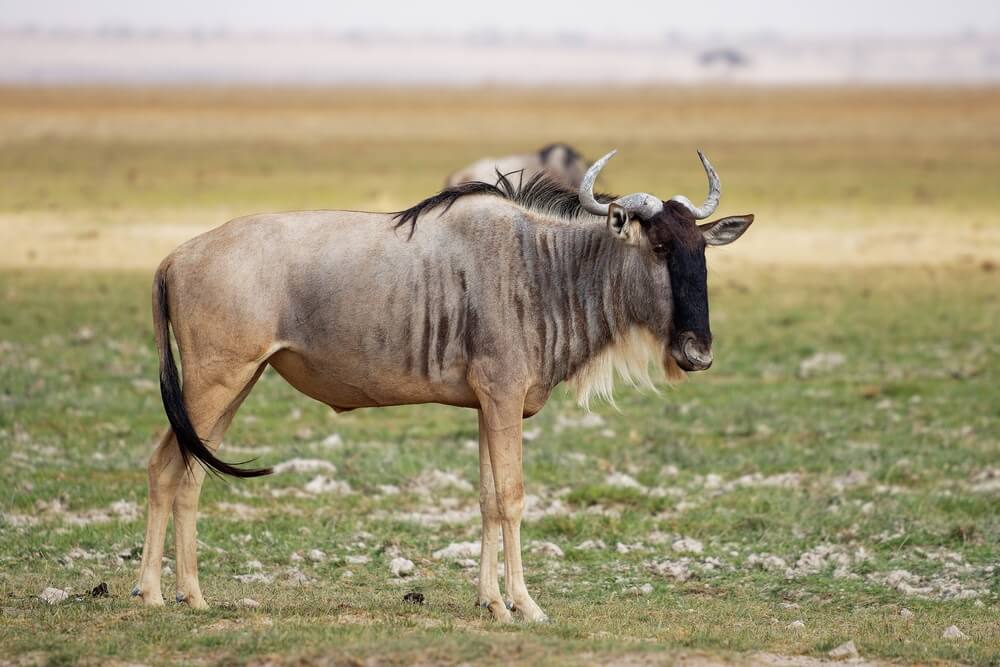
The species is also known for its rugged appearance. Mature bulls carry heavy shoulders, dark facial markings, sweeping horns, and the characteristic white beard that gives the animal its name. Combined with the vast open country they inhabit, these features help create one of the most iconic images of East African plains game hunting.
A White-Bearded Wildebeest is not judged solely by horn size. The trophy also represents the landscape, the safari, and the uniquely East African experience that accompanies the hunt.
Hunters researching wildebeest in East Africa will occasionally come across references to the Niassa Wildebeest found in northern Mozambique. While both animals belong to the blue wildebeest family, they are generally regarded as distinct regional trophies.
The White-Bearded Wildebeest is most closely associated with Tanzania and Kenya, particularly the Serengeti and Maasailand ecosystems. Its reputation is tied to East Africa's vast open plains, seasonal movements, and some of the continent's most famous wildlife landscapes.
The Niassa Wildebeest occupies a very different part of Africa. Found primarily in northern Mozambique, it inhabits miombo woodland ecosystems and is typically hunted as part of a safari focused on the unique species of the Niassa region.
From a collector's perspective, the distinction is similar to many other regional African trophies. Although closely related, each animal represents a different destination, habitat, and hunting experience. A hunter pursuing representative trophies from across Africa may choose to hunt both during different safaris.
For sportsmen interested specifically in East African game, however, the White-Bearded Wildebeest remains the classic Tanzanian wildebeest and one of the most recognizable trophies associated with the region.
Anyone who becomes familiar with Wildebeest Hunts across Africa quickly discovers that not all wildebeest are the same. While the various regional subspecies share many characteristics, each is associated with different landscapes, hunting environments, and safari experiences.
The White-Bearded Wildebeest is most closely linked to East Africa's open savannahs and migratory ecosystems. In contrast, hunters pursuing blue wildebeest in Southern Africa or Niassa Wildebeest in northern Mozambique encounter very different habitats and hunting conditions.
This strong connection to East Africa is one of the reasons White-Bearded Wildebeest hold a special place among safari hunters. The species is not simply another wildebeest subspecies. It represents one of the classic animals of Tanzania's plains and has become closely associated with the traditional East African safari experience.
For hunters building a representative collection of African plains game, the White-Bearded Wildebeest offers something distinct from other wildebeest found across the continent. The trophy reflects not only the animal itself but also the landscape, ecosystem, and hunting tradition that make East Africa unique.
White-Bearded Wildebeest are rarely the sole focus of a Tanzanian safari. The species is most often hunted as part of a broader East African hunting experience that combines several of the region's most recognizable plains game and dangerous game animals.
Hunters pursuing White-Bearded Wildebeest will often encounter opportunities for Cape Buffalo Hunts, particularly in areas where open plains, river systems, and woodland habitats occur within the same concession. The combination of buffalo and wildebeest provides two very different hunting experiences and remains a popular safari pairing.
The same regions may also offer excellent gazelle hunting opportunities, with species such as Grant's gazelle and Thomson's gazelle occurring across many of Tanzania's open savannah ecosystems. These smaller antelope add another dimension to a traditional East African safari and are highly regarded by trophy collectors.
In some hunting areas, sportsmen may also pursue Eland Hunts, including the impressive Patterson's eland. The opportunity to hunt wildebeest, eland, gazelles, and buffalo during the same safari is one of the reasons Tanzania continues to attract experienced hunters from around the world.
White-Bearded Wildebeest are primarily associated with northern Tanzania and the vast open plains of the Serengeti-Maasailand ecosystem. Unlike some plains game species that occur across multiple hunting regions, White-Bearded Wildebeest are closely tied to East Africa's grassland environments and are not found throughout every hunting area in Tanzania.
This is an important consideration when planning a safari. A concession may offer excellent buffalo, lion, or plains game hunting opportunities without necessarily providing access to quality White-Bearded Wildebeest populations. Hunters specifically interested in the species should always confirm that the hunting area falls within its natural range.
In the field, trophy evaluation is often more challenging than many hunters expect. Large herds can make it difficult to focus on a single mature bull, particularly when animals are constantly moving and changing position. What appears to be an outstanding trophy at first glance may look very different a few moments later as the herd shifts across the plains.
One of the easiest ways to identify a strong trophy bull is to study how far the horns extend beyond the ears. Mature bulls with good horn length often show noticeable extension past the tips of the ears when viewed from the front or slightly quartering toward the hunter. Combined with heavy horn bases, mature age, and overall character, this can provide a useful field reference when evaluating bulls among a larger herd.
As with many African plains game species, experienced hunters often place just as much value on maturity and character as they do on measurements. A hard-earned old bull taken from a moving herd on Tanzania's open plains is often remembered long after the exact horn dimensions have been forgotten.
No. White-Bearded Wildebeest are primarily associated with northern Tanzania and the Serengeti-Maasailand ecosystem. Hunters specifically targeting the species should confirm that their chosen concession falls within the animal's natural range before booking a safari.
Although both belong to the blue wildebeest family, they occupy different regions of Africa and are generally regarded as separate regional trophies. White-Bearded Wildebeest are associated with Tanzania and Kenya, while Niassa Wildebeest occur primarily in northern Mozambique.
They can be more challenging than many hunters expect. Large herds are often in constant motion, making it difficult to isolate and evaluate a mature bull before an opportunity presents itself.
Hunters typically look for mature bulls with good horn length, strong horn shape, and plenty of character. One useful field indicator is how far the horns extend beyond the ears when viewed from the front. Age, maturity, and overall appearance are often valued as highly as measurements.
Depending on the hunting area, White-Bearded Wildebeest may be pursued alongside, Cape Buffalo, Gazelle and Eland creating a classic East African safari combination.
The species is closely associated with Tanzania's open plains and migratory ecosystems. This strong connection to East Africa is one of the reasons many hunters view White-Bearded Wildebeest as a distinct and highly desirable regional trophy.
White-Bearded Wildebeest are typically hunted as part of a broader Tanzania safari rather than a dedicated wildebeest hunt. Hunters interested in comparing available safari options can browse our Hunting Trips page to explore opportunities across Tanzania and other African destinations.
Search from our range of Hunts across various popular destinations in Africa.

Book Your Hunt