
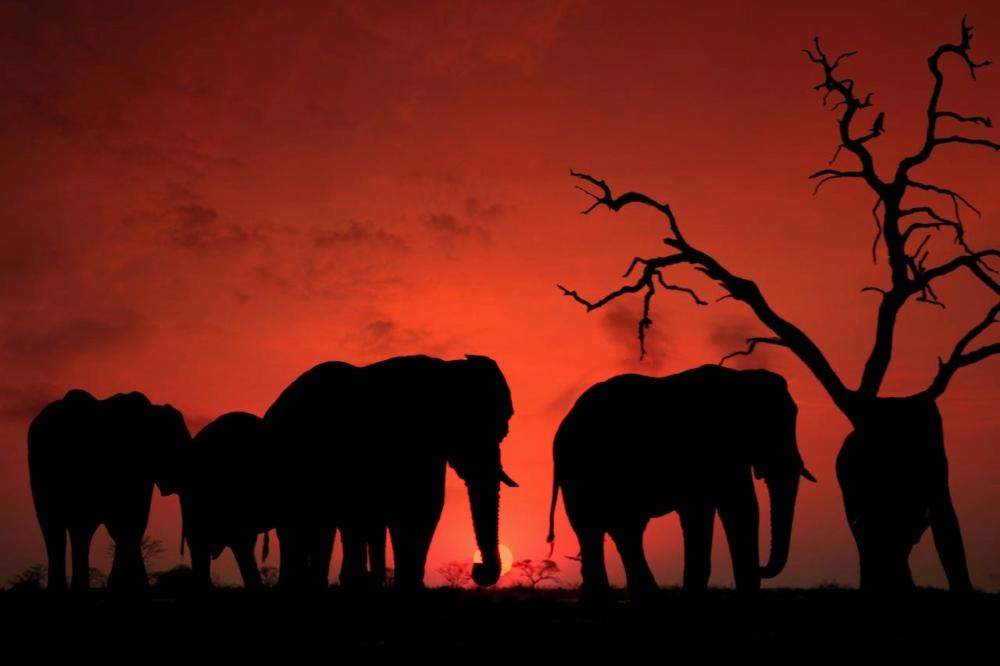
Planning your first African Hunting Trip is unlike booking any other hunting adventure. Africa offers vast free-range wilderness areas, experienced professional hunters, iconic game species, and hunting traditions that have remained largely unchanged for generations. Whether your goal is a classic plains game safari or pursuing one of Africa's dangerous game species, choosing the right destination and preparing properly are key to a successful hunt.
Every African hunting destination offers something different. You may spend one safari tracking fresh spoor during Cape Buffalo Hunts, while the next is focused on stalking kudu, gemsbok, and other plains game across open savannas. No two countries, concessions, or hunting experiences are ever quite the same.
This guide covers the essentials of planning an African hunting trip, including choosing the right destination, preparing for your safari, understanding the different hunting regions, and the remarkable game species that have made Africa one of the world's premier hunting destinations.
[DYNAMIC-BLOGTABLEOFCONTENT]
Planning Your Africa Hunting Trip
Planning a successful African Hunting Trip begins long before you board the aircraft. Choosing the right destination, selecting an experienced outfitter, understanding local hunting regulations, and matching the safari to your budget and expectations will all influence the quality of your hunt.
Once your safari is booked, your outfitter will normally assist with permits, firearm import procedures, travel logistics, accommodation, and daily hunting arrangements. Preparing in advance, practicing with your rifle, and understanding the game species you intend to hunt will help ensure a safe, ethical, and enjoyable safari.
The following sections cover some of the practical considerations every hunter should think about before travelling to Africa, from packing the right equipment to choosing the destination that best suits their hunting goals.
How to Choose the Right African Hunting Trip
Every hunter arrives in Africa with different expectations. Some dream of following fresh buffalo spoor through thick mopane, while others want to hunt a wide variety of plains game during a comfortable first safari. Choosing the right destination is less about finding the "best" country and more about matching the safari to your hunting goals.
Ask yourself a few simple questions before booking.
- Is this your first safari or your fifth?
- Are you primarily interested in dangerous game or plains game?
- Would you prefer remote wilderness or comfortable lodge-based hunting?
- How physically demanding do you want the hunt to be?
- Which species matter most to you?
The answers will often determine whether South Africa, Namibia, Zimbabwe, Tanzania, Zambia, or Mozambique is the better fit. The right safari is the one that matches your expectations, your budget, and the style of hunting you genuinely enjoy.
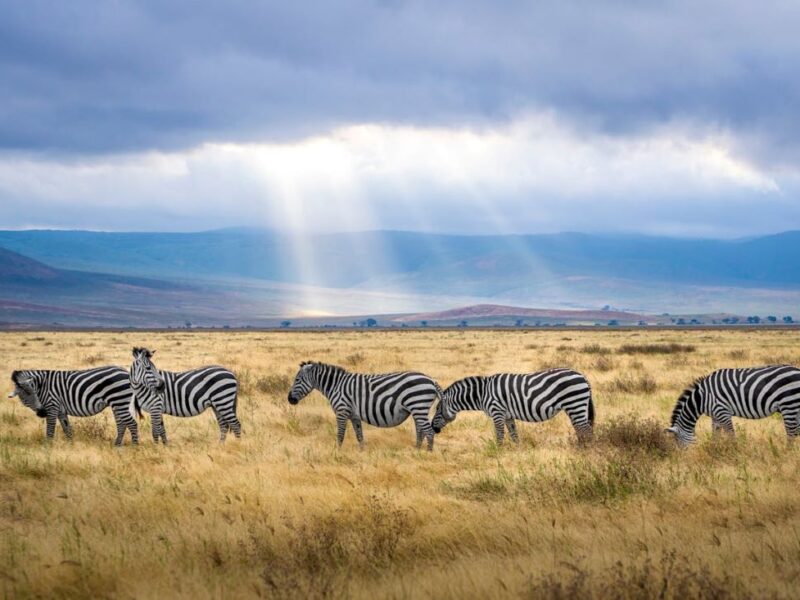
What to pack for your safari
Packing correctly can make a significant difference to both your comfort and your success on safari. While requirements vary between countries and seasons, the following checklist covers the essentials most hunters should consider before travelling to Africa.
Shirts (3)
- Opt for olive green or other darkish colors that blend with the environment. Bring both long and short-sleeved shirts for layering. Remember, if it’s summer in the US, it’s winter in Africa. If you’re hunting in Tanzania, consider Cabela’s Go Away Performance Bug Proof Clothing to repel tsetse flies and mosquitoes.
Pants (3 pairs)
- Choose olive green or darkish colors. Bring long pants or convertible pants that zip off into shorts.
Casual but Warm Evening Clothing (3 sets)
- Sweat suits are ideal for staying comfortable around the campfire.
Hat/Cap (1)
- A full-brim hat is best if you have a fair complexion, as you’ll be outside on the hunting vehicle all day.
Thermal Underwear (1 set)
- Lightweight, perfect for June, July, and August in South Africa and Namibia.
Ankle-high Boots (1 pair)
- Or higher if you prefer, but ensure they’re well broken in. Bring extra laces. If hunting in Kigosi, bring an extra pair of boots for swampy conditions.
Light Slip-on Shoes (1 pair)
- Great for evenings around the campfire; Crocs are a good choice.
House Shoes (1 pair)
- Handy for getting up in the middle of the night.
Socks (4 pairs)
Gaiters (1 set)
Medium Weight Sweater (1)
- Consider one with Windstopper or Gortex lining.
Jackets (2)
- One medium and one heavier for May through August. Also, bring a waterproof jacket or rain poncho. For Tanzania, you’ll need a Bug Suit (jacket and pants) to protect against tsetse flies and mosquitoes. Check Cabela’s for their Bug Out–Bug Pack.
Underwear (4)
Day Pack/Small Duffel (1)
- For personal items on the truck. Backpacks with multiple pockets are best.
Sunscreen (1)
Insect Repellent (1)
- Avon’s Skin-So-Soft is recommended.
Sunglasses/Eyeglasses (1)
- Bring a lens cleaning kit and a repair kit with extra screws. Consider an extra pair of prescription glasses or contact lenses.
Lightweight Gloves (1 pair)
- Lightweight leather or lightly lined gloves are useful, as your hands might get cold in the hunting vehicle or while sitting in a blind.
Personal Items
- Include medical prescriptions, antihistamines, Tylenol or ibuprofen, anti-diarrheal meds, lip balm with sunscreen, nasal spray for dry dusty air, wash & dry towelettes, a blister kit, foot powder, antacids, etc.
Flashlight, Personal Grooming Items, and Razor (1 each)
- If electric, ensure it’s 220 volts.
Belt and Ammunition Pouch (1 each)
- Include a Leatherman or knife if desired.
Binoculars (1)
- Good optics are essential for a successful hunt.
Still Camera and/or Video Camera (1 each)
- Bring extra batteries or a battery charger and extra SD/memory cards.
Battery Chargers (12V and 220V) (1 each)
Ammunition / Firearms and Rifle Cases
- Make sure to check your outfitter’s website for any specific rules about firearms, as each destination has its own requirements.
Cash
- Be sure to check your outfitter’s website for information on accepted forms of payment, as each destination may have its own requirements.
Final Tip
- Before heading to the airport for your return trip, make sure your day pack (used for personal items on the truck) is clear of any unused or lost ammo. Empty it and start fresh to avoid any issues at security.
Popular Hunting Destinations in Africa
Africa is home to some of the best hunting spots worldwide, each with its own unique landscapes and diverse game. Here are some top regions where you can have an unforgettable hunting experience:
South Africa
For American hunters planning their first Hunting in South Africa adventure, South Africa offers the easiest introduction to African hunting. Excellent road networks, professionally managed hunting operations, comfortable lodges, and an exceptional diversity of huntable species make it one of the continent's most accessible safari destinations.
While the country is internationally recognised for outstanding plains game hunting, many areas also offer opportunities for Cape Buffalo Hunts, lion, and other dangerous game where legally available. Provinces such as Limpopo and the Free State are particularly popular because hunters can often pursue multiple species during a single safari without travelling long distances between concessions.
If your goal is a comfortable, well-organised safari with outstanding species diversity and straightforward travel logistics, South Africa remains one of the best places to begin your African hunting journey.
Zimbabwe
For hunters seeking a more traditional safari, Hunting in Zimbabwe has earned a reputation as one of Africa's premier dangerous game destinations. Large unfenced concessions, experienced professional hunters, and classic tracking safaris continue to attract sportsmen looking for an authentic wilderness experience.
The country is particularly respected for Elephant Hunting in Zimbabwe, while Cape buffalo, lion, and leopard remain among its most sought-after trophies. Legendary hunting areas such as the Zambezi Valley, Hwange, and Matetsi have built their reputations on free-range hunting, excellent trophy quality, and vast wilderness concessions where hunters may spend days tracking game on foot.
For experienced hunters looking for classic safari country, Zimbabwe continues to represent one of Africa's finest dangerous game destinations.
Namibia
For hunters who enjoy covering ground on foot, Namibia Hunting Safaris offer a very different experience from many other African destinations. Vast open landscapes, rugged mountain ranges, and semi-desert terrain place a premium on glassing, stalking, and longer shots, making Namibia particularly appealing to hunters who enjoy spot-and-stalk hunting.
While Namibia is internationally recognised for outstanding plains game, it is also one of Africa's most respected destinations for carefully managed Rhino Hunts, including both black and white rhinoceros under strict conservation programmes where legally available. Combined with excellent game management, low hunting pressure, and spectacular scenery, Namibia remains one of the continent's finest all-round hunting destinations.
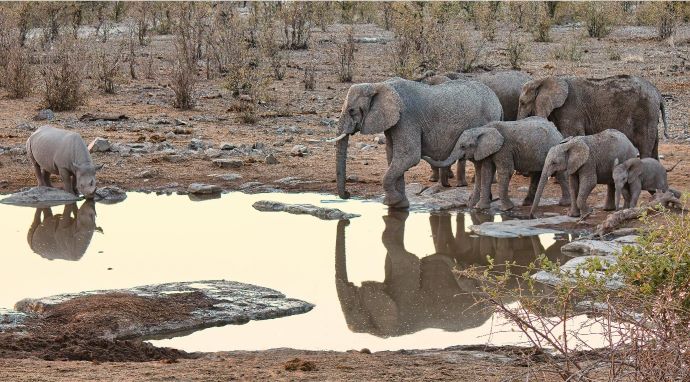
Tanzania
Few countries still capture the spirit of a classic East African safari quite like Tanzania Hunting Safaris. Remote fly camps, vast unfenced concessions, and safaris lasting up to three weeks create a style of hunting that rewards patience, endurance, and persistence rather than convenience.
The country has earned an international reputation for Buffalo Hunting in Tanzania, with legendary areas such as the Selous ecosystem, Rungwa, and Masailand producing exceptional free-range bulls year after year. Lion, leopard, elephant, hippo, and crocodile further cement Tanzania's reputation as one of Africa's premier dangerous game destinations.
A Tanzanian safari is rarely the easiest or the least expensive option, but for many experienced hunters it represents the closest experience to hunting Africa as it has been for generations.
Zambia
Few destinations combine classic wilderness hunting with the authenticity of Hunting in Zambia. Large unfenced concessions, experienced professional hunters, and relatively low hunting pressure continue to attract sportsmen looking for a traditional safari rather than a lodge-based hunting experience.
The country is particularly respected for Leopard Hunting in Zambia, especially in renowned areas such as the Luangwa Valley, where healthy leopard populations, excellent habitat, and experienced trackers have helped build Zambia's reputation among serious dangerous game hunters. Crocodile and hippo hunts along the Luangwa and Kafue river systems provide further opportunities to combine multiple dangerous game species during the same safari.
For hunters seeking a quieter, less commercialised safari destination with outstanding leopard hunting and genuinely wild concessions, Zambia remains one of Africa's best-kept hunting secrets.
Mozambique
Wild, remote, and refreshingly untamed, Hunting in Mozambique appeals to hunters looking for an authentic safari away from the more developed hunting destinations of southern Africa. Long days on foot, vast unfenced concessions, and genuinely wild game populations create the type of hunting experience many experienced hunters travel to Africa to find.
While Mozambique is internationally respected for Cape buffalo, lion, and leopard, it also offers outstanding plains game hunting. Hunters can pursue sable, Livingstone eland, Lichtenstein's hartebeest, and the unique Niassa Wildebeest Hunts, a subspecies found only in northern Mozambique and southern Tanzania. This diversity allows hunters to combine dangerous game with exceptional plains game during the same safari.
For hunters who value wilderness, low hunting pressure, and the opportunity to pursue both dangerous game and unique plains game during the same safari, Mozambique remains one of Africa's most rewarding hunting destinations.
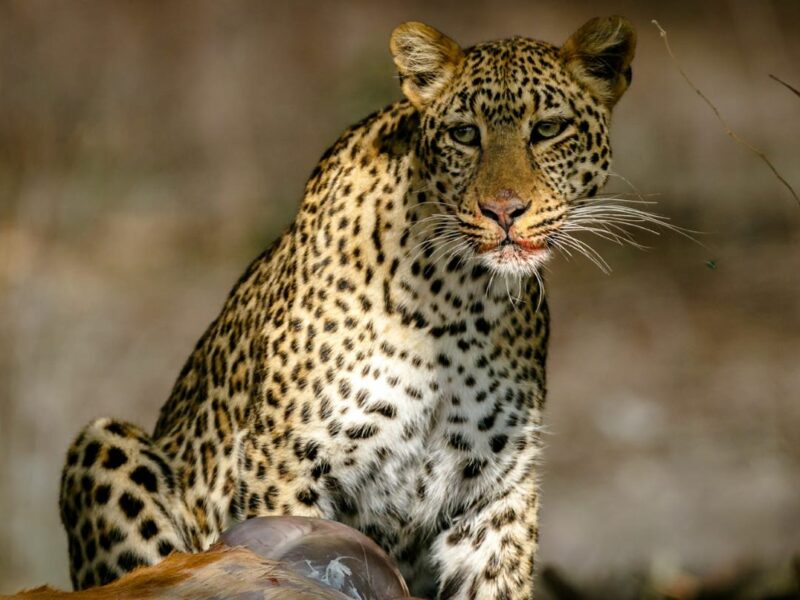
Game Species in Africa
Living in Africa, I can tell you firsthand that the continent’s wildlife is truly something special. If you are planning a game hunting safari here, you are in for an adventure of a lifetime. Here are some of the most sought-after game species you may encouter:
Elephants
Few animals command the same level of respect as the African elephant. Most people expect a six-ton bull to crash through the bush, snapping branches with every step. In reality, an old bull can move through thick mopane woodland with remarkable silence, making wind direction, patience, and constant awareness just as important as marksmanship.
Successful Elephant Hunts are rarely about taking a long shot. They demand careful planning, disciplined decision-making, and precise shot placement under the guidance of an experienced professional hunter. Reading the bull's body language, understanding the terrain, and knowing when to wait often prove more important than pulling the trigger.
Standing within a few metres of a mature elephant is a reminder of just how small a hunter can feel. It is one of the few African hunts where patience, respect, and good judgement matter every bit as much as shooting ability.
Lions
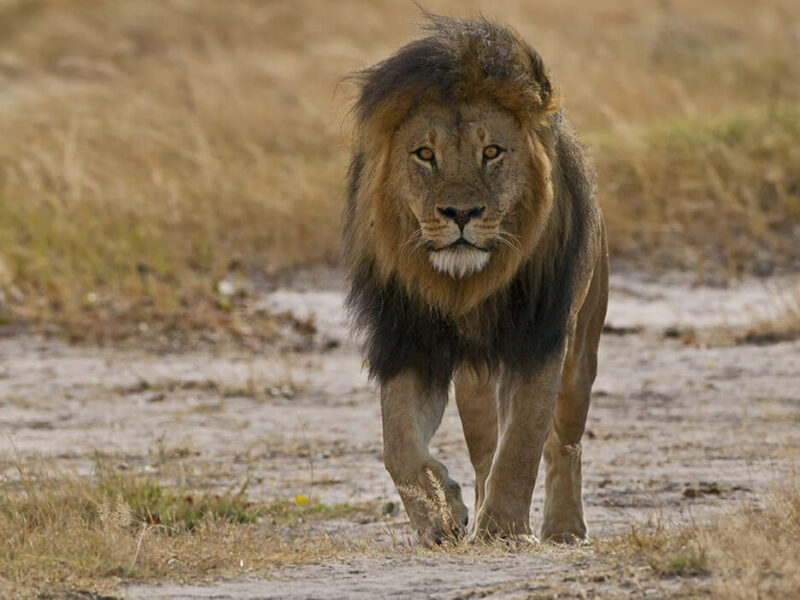
Few sounds capture Africa quite like the deep roar of a mature lion before daylight. Hearing it for the first time instantly changes your perspective of the bush, especially when you realise just how close the animal may actually be.
Successful Lion Hunts are built on patience rather than speed. Hours may be spent checking tracks, listening for roaring, monitoring bait sites, or simply waiting for the right mature male to appear. When the opportunity finally comes, there is rarely time for hesitation. Good judgement, self-control, and precise shot placement become far more important than excitement.
Unlike many other dangerous game species, lion hunting is often remembered as much for the anticipation as the shot itself. It is the long hours of waiting, the distant roar after sunset, and the knowledge that one of Africa's greatest predators could appear at any moment that make a lion safari so memorable.
Buffalo
Cape buffalo have earned their reputation the hard way. An old dagga boy may spend most of the day half-hidden in thick cover, but once wounded or pressured, he can become one of the most dangerous animals in Africa.
Successful Cape Buffalo Hunts are built on tracking, patience, wind, and discipline. The shot is often taken at close range, sometimes after hours of following fresh spoor through mopane, jesse, or riverine bush. This is not the place for guesswork. Shot placement must be precise, and every hunter needs to understand that a buffalo can cover ground frighteningly fast when things go wrong.
It is also one of the reasons many professional hunters still respect a large-bore double rifle. When a follow-up turns into a stopping situation at close range, fast second shots and serious stopping power are not romantic old safari talk, they can be the difference between control and chaos.
Rhinos
Few animals command as much respect as the African rhinoceros. Standing within a few metres of a mature bull feels almost surreal, as if you've stepped back into a prehistoric world where creatures of immense size once ruled the landscape. Thick armour-like skin, an enormous shoulder hump, and surprisingly agile movements make the rhino one of Africa's most unforgettable animals.
Legally conducted Rhino Hunts are among the rarest hunting opportunities on the continent and take place under some of Africa's strictest wildlife management programmes. Every hunt is carefully controlled, with conservation, population management, and sustainable funding playing an important role in the long-term survival of the species.
Unlike many dangerous game hunts, pursuing a rhino is often a slow and deliberate affair. Success depends on reading the wind, moving quietly, and respecting an animal whose sheer presence leaves a lasting impression long after the safari has ended.
Leopards
Of all Africa's dangerous game animals, the leopard is arguably the one that controls the hunt. Days may be spent studying tracks, checking bait sites, reading trail camera images, and waiting in absolute silence, yet the leopard decides if, and when, it will reveal itself.
Successful Leopard Hunts demand extraordinary patience and attention to detail. Wind direction, scent, noise, moon phase, and even the smallest movement inside the blind can determine whether a mature tom approaches the bait or simply disappears back into the darkness without ever being seen.
When the moment finally arrives, it is often measured in seconds rather than minutes. The hunt that has taken days to prepare may be decided by a single shot. That combination of patience, uncertainty, and respect for one of Africa's most intelligent predators is what makes leopard hunting one of the greatest challenges in dangerous game hunting.
Hippos and Crocodiles
Africa's great rivers and lakes present a very different hunting challenge from the bushveld. Successful Hippo Hunting often revolves around patience, careful observation, and waiting for the right bull to surface in a position that offers a safe and ethical shot. Judging distance across open water and understanding how hippos use river systems become important parts of the hunt.
Crocodile Hunts demand an equally disciplined approach. Mature Nile crocodiles spend hours basking along riverbanks or sandbars, yet the slightest movement or unfamiliar sound can send them sliding silently back into the water. Hunters often spend long periods behind the rifle waiting for a mature crocodile to present the perfect broadside opportunity, knowing there may not be a second chance if the shot is missed.
Whether hunting a hippo in a quiet backwater or watching an old crocodile sunning itself along the shoreline, Africa's waterways offer a style of dangerous game hunting unlike anything found on land.
Plains Game
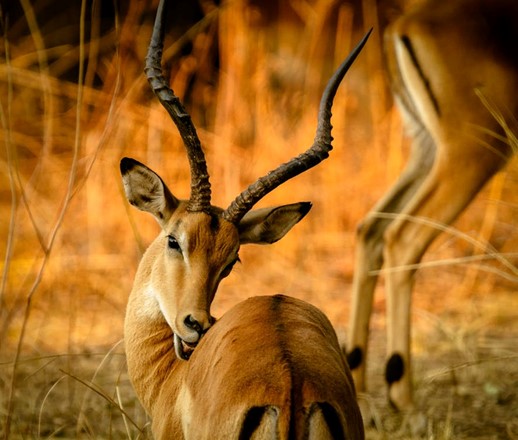
Many first-time visitors arrive in Africa focused on dangerous game, only to discover that Plains Game Hunts become the highlight of the safari. Hunting species such as kudu, sable, gemsbok, bushbuck, wildebeest, and impala requires a completely different approach, with every animal presenting its own challenges in terrain, behaviour, eyesight, and stalking techniques.
Take Kudu Hunts, for example. Often referred to as the "Grey Ghost," a mature kudu bull has an uncanny ability to disappear into broken bushveld that appears far too sparse to hide an animal of its size. Spotting him is one challenge; getting within range without being detected is another altogether.
One of the greatest advantages of an African plains game safari is its variety. A single day may involve glassing distant mountain slopes at sunrise, stalking across open savanna by midday, and following fresh spoor through thick riverine bush during the afternoon. Every stalk is different, every species teaches something new, and no two hunting days are ever quite the same.
Your African Hunting Trip Starts Long Before You Arrive
An African Hunting Trip is about far more than the animals you pursue. It is months of planning, learning about new countries, choosing the right outfitter, preparing your equipment, and imagining what it will feel like to finally stand in the African bush as the sun rises on your first morning.
Whether your goal is tracking Cape buffalo through thick mopane, glassing distant mountains for kudu, waiting patiently for a leopard to visit a bait, or simply enjoying the incredible diversity of Africa's plains game, every safari tells a different story. No two concessions are the same, no two stalks unfold alike, and no hunter returns home with exactly the experience they expected.
Take the time to choose the destination that best matches your hunting goals, hunt ethically, listen to your professional hunter, and enjoy every part of the journey. Years from now, the measurements on the trophy will matter far less than the memories of the places you visited, the people you met, and the wild country that made the hunt possible.
Africa has a way of calling hunters back. Once you've experienced your first safari, you'll understand why so many return.
Frequently Asked Questions
Is an African hunting trip suitable for a first-time international hunter?
Yes. Thousands of American hunters travel to Africa for their first international hunting safari every year. Countries such as South Africa and Namibia are particularly popular because they offer straightforward travel logistics, experienced professional hunters, excellent accommodation, and a wide variety of huntable species.
Which African country is best for a first hunting trip?
There is no single best destination because every hunter has different goals. South Africa is often chosen for first-time visitors because of its accessibility and species diversity, while Namibia offers exceptional spot-and-stalk hunting. Hunters looking for a traditional wilderness safari often choose Zimbabwe, Tanzania, Mozambique, or Zambia.
How much does an African hunting trip cost?
The cost depends on the destination, species, safari length, and whether dangerous game is included. A plains game safari may start at only a few thousand dollars, while dangerous game hunts can exceed US$100,000. Budgeting should also include airfare, trophy fees, rifle permits where applicable, taxidermy, shipping, and gratuities.
How far in advance should I book an African hunting trip?
Most hunters book between 12 and 24 months before travelling. Booking early provides better access to preferred dates, hunting concessions, species quotas, and experienced professional hunters, particularly for dangerous game safaris.
Can I combine dangerous game and plains game during one safari?
Absolutely. Many African hunting trips combine dangerous game with plains game, allowing hunters to pursue species such as Cape buffalo alongside kudu, sable, wildebeest, zebra, or waterbuck. Combination safaris are often one of the most rewarding ways to experience Africa's incredible wildlife diversity.
Should I bring my own rifle or hire one in Africa?
Both options are common. Many international hunters prefer travelling with their own rifle, while others choose to hire a quality rifle from their outfitter to simplify travel and firearm import procedures. Most professional hunters provide reliable, well-maintained rifles suitable for the species being hunted.
How physically demanding is an African hunting trip?
That depends entirely on the destination and species. Some safaris involve relatively easy hunting with short stalks, while others require walking several miles each day through mountains, thick bush, or river systems. Discuss your fitness level with your outfitter before booking so the safari matches your expectations.
What is the best time of year for an African hunting trip?
Most African hunting seasons take place during the cooler, drier months when vegetation is thinner and game is easier to locate. The ideal time varies by country and species, making it worthwhile to discuss seasonal conditions before confirming your safari dates.
What paperwork do I need before travelling to Africa for a hunting trip?
Requirements vary between countries but may include a passport, visa, temporary firearm import permit if travelling with your own rifle, airline documentation, and any required medical or travel documents. Your outfitter should provide a detailed checklist well before departure.
Why do so many hunters return to Africa more than once?
Most hunters discover that one safari simply isn't enough. Every country offers different terrain, wildlife, hunting traditions, and species, meaning each trip feels completely different. Many return to pursue new species, hunt with the same professional hunter again, or experience another part of Africa they missed on their first safari.