
Elephant Hunting, Hyena and Night Critters in Zimbabwe
Booking Season: 2026
Hunt Difficulty: Difficult

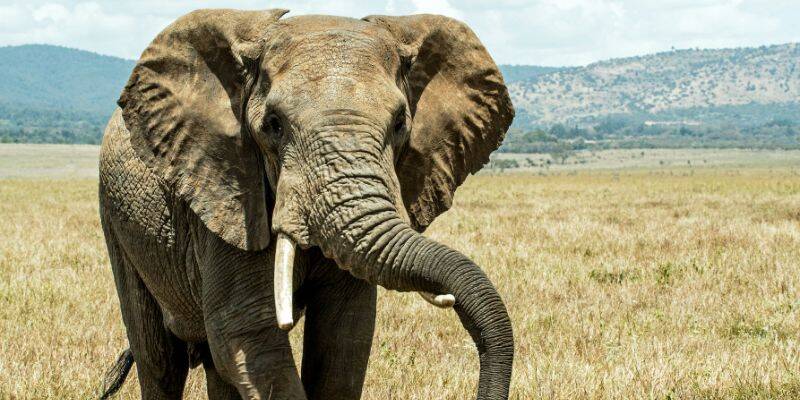
Elephant hunting in Africa forms part of the rich tradition of African hunting safaris, demanding patience, discipline, and calm decision-making under pressure.
Tracking a mature bull on foot through thick bush or along river systems can take days. You may cover miles without a clear opportunity. You may follow the right tracks only to lose them.
And when the moment finally comes, it happens quickly — often closer than expected — and there is no room for hesitation.
For American hunters, an elephant hunt represents the ultimate dangerous game hunt. It is not simply about harvesting Africa’s largest animal, but about the challenge of tracking a mature bull through remote wilderness with an experienced professional hunter and skilled trackers. Most elephant hunts are conducted on foot, following fresh spoor through sand, mopane woodland, or riverine areas until the trackers close the distance for a safe shot.
Tracking elephants is a skill developed over many years by experienced African trackers. Fresh spoor is carefully followed through sand, dust, or riverbeds while constantly monitoring wind direction. A mature bull may travel many miles in a single day, making patience and teamwork essential for a successful elephant hunt.
Man has been conducting Elephant hunts for more than a million years, first for their protein, and then later by trophy hunters and traders for their ivory. An Elephant hunt is a challenge for hunters stalking Africa’s largest mammal, and these Elephant hunts provide much-needed financial resources to African countries, bringing value to the Elephant.
In the central and northern regions of Africa, Elephant populations have been reduced due to poaching and loss of habitat, which then has a knock-on effect by resulting in conflict between man and Elephant, as can be seen in countries such as Botswana and Zimbabwe.
In many southern African countries, Elephant populations are stable or growing due to successful conservation initiatives. Elephant hunting in modern-day Africa is limited to a handful of countries, including South Africa, Zambia, Mozambique, Cameroon, Tanzania, Zimbabwe, Namibia, Botswana, and the Republic of Congo.
Elephant hunts can be split into exportable trophy hunts or non-exportable (own use/community) hunts. Tuskless Elephant hunts are becoming popular in Zimbabwe, due to the affordability of the hunt and the sheer number of tuskless cows.
Hunting an Elephant bull is considered to be the pinnacle of a big game hunter’s career, especially harvesting a bull over 70 pounds, with over 100 pounds being the magic number.
Elephant hunts are usually conducted on 14-, 16-, or 21-day dangerous game hunting safaris.
Because elephant hunts require time to locate mature bulls, safaris are generally longer than plains game hunts. Hunters should be prepared for long days on foot, sometimes covering many miles while tracking bulls through thick bush or along river systems. The wind direction, fresh spoor, and the skill of the trackers often determine whether the hunt will be successful.


The starting point before embarking on an Elephant hunting safari would be determining the type of hunt and quantifying the end goal, i.e., trophy, non-trophy, or tuskless.
Namibia offers Elephants in the Zambezi (formerly known as the Caprivi Region), with big bulls being hunted in Bushmanland. Namibia offers outstanding opportunities for Namibia elephant hunting safaris, particularly in the Zambezi Region and Bushmanland where large bulls are regularly pursued.
Zimbabwe produces exceptional bulls in areas such as Matetsi, the Zambezi Valley, Gona Ezhou, and Save Valley Conservancy, making Zimbabwe elephant hunting safaris some of the most respected dangerous game hunts in Africa.
In Mozambique, Niassa in the north is very popular. Remote wilderness areas such as the Niassa Reserve make Mozambique elephant hunting safaris one of the most authentic elephant hunting experiences available in Africa. Luangwa and the Zambezi Valley in Zambia are known for consistently producing bulls over 65 pounds.
In Tanzania, the Ruaha Valley and Selous Reserve are popular hunting blocks, with Botswana having no shortage of Elephants in the Chobe Region, Okavango Delta, and Tuli Block. Forest Elephants are hunted in Cameroon and the Republic of Congo. In South Africa, Elephant hunts take place in Limpopo, Mpumalanga, and KwaZulu-Natal provinces.
The African Savanna Elephant is found in the majority of African countries, with the Forest Elephant being found in the equatorial forest belt of West Central Africa.
Zimbabwe remains one of the most respected elephant hunting destinations in Africa, particularly in areas such as the Zambezi Valley, Matetsi, and Save Valley Conservancy. These areas are known for producing mature bulls and offering traditional tracking safaris with experienced professional hunters.
Namibia offers a unique elephant hunting experience, especially in the Zambezi Region and parts of Bushmanland where hunters pursue large bulls in remote wilderness areas.
Zambia has long been considered a classic dangerous game hunting destination. The Luangwa Valley and the Zambezi Valley are known for producing large-bodied elephants and offering traditional safari conditions where hunters track bulls through vast wilderness concessions.
Mozambique has grown rapidly in popularity for elephant hunting, particularly in the Niassa Reserve in northern Mozambique. These hunting concessions are enormous and remote, offering one of the most authentic wilderness hunting experiences left in Africa.
Elephant hunts are best conducted during the dry season. Elephants need plenty of water and, as such, drink regularly. Besides water, an adult Elephant requires more than 300 pounds of vegetation daily, which means that large distances need to be covered by the Elephants each day.
With the Elephant continually on the move, this allows hunters a better chance of cutting fresh tracks. In areas where vegetation is abundant, such as reeds in the Zambezi of Namibia, Elephant populations are high, and there is no specific “best” Elephant hunting season; there are just so many Elephants.
Countries such as Namibia, South Africa, and Mozambique hunt for most of the year, but destinations such as Tanzania, Zambia, Cameroon, and the Republic of Congo have shorter elephant hunting seasons.
Most elephant hunts are most productive during the dry months when water becomes scarce and elephants concentrate around rivers and waterholes. These conditions make it easier for professional hunters and trackers to locate fresh tracks early in the morning.
Elephant hunts are among the most expensive dangerous game safaris in Africa due to the length of the hunt, the specialized equipment required, and the strict quota systems governing elephant hunting.
Depending on the country and hunting concession, elephant hunting safaris typically range between $25,000 and $70,000 or more. The final cost depends on factors such as trophy fees, government permits, and the quality of the hunting concession.
Because elephant hunting quotas are limited each year, hunters are encouraged to book their safaris well in advance.
Out of all the African hunts, hunting a trophy Elephant is probably the toughest. Traditionally, hunting an Elephant involves cutting fresh tracks, then setting out on foot, aiming to catch up to the Elephant and get a glimpse of the ivory, which is the goal.
In many instances, the ivory may turn out to be sub-standard, worn down, or broken, which can be gut-wrenching after having walked long distances in hot, dusty, and dry conditions.
The challenge on an Elephant hunt is to overcome the Elephant’s keen sense of smell and hearing by continually monitoring the wind direction. Elephant hunts can be humbling and will test your abilities to the maximum. The element of danger is an attraction, where the hunter may become the hunted. There is nothing quite like facing an Elephant bull head-on at 20 yards.
For many experienced hunters, the attraction of elephant hunting lies in the combination of danger, patience, and teamwork between hunter, professional hunter, and trackers. Elephant hunts form part of a broader range of dangerous game hunts in Africa, where experienced hunters pursue species like buffalo, lion, and leopard across some of the continent’s most challenging terrain.
A standard Elephant hunting safari will include the basic service offerings such as accommodation, meals, drinks, professional hunter, camp staff, trackers, on-territory transport, and field preparation of the Elephant trophy.
Elephant hunting in Africa is strictly regulated by national wildlife authorities and international agreements such as CITES. Each elephant hunt requires specific permits, quotas, and export documentation to ensure the hunt remains sustainable.
Exclusions and optional extras when booking an Elephant hunt in Africa:
Professional hunters recommend rifles such as the .375 H&H Magnum, .416 Rigby, or .458 Lott for elephant hunting. These calibers provide the penetration required for ethical shot placement on such large animals.
Elephant hunting is not suited to hunters looking for fast results or a predictable outcome.
This is a slow hunt. You may track for several days without getting a shot opportunity. When the opportunity does come, it is usually brief and requires immediate, controlled execution.
Hunters who struggle with patience, second-guess decisions, or push for a shot when the setup is not right tend to have a difficult time on elephant.
It also demands more physically than most expect. Long days on foot, heat, and uneven ground are standard.
The hunters who do well are those who stay disciplined, follow their professional hunter closely, and accept that the hunt unfolds on its own terms.
Most first-time elephant hunters assume the difficulty is in the shot. It is not. The difficulty is getting into the right position to take that shot.
Elephants move constantly and often stay in thick cover. Wind direction becomes critical, and a small mistake in approach can end the opportunity immediately.
By the time a mature bull is identified, there is usually very little time to adjust. You are either in position, or you are not.
Shot placement is precise and angles are limited, which is why understanding proper elephant shot placement is critical before taking the shot.
The hunt is decided in the setup, not at the trigger.
Success on an elephant hunt is built over time, not in a single moment.
Reading fresh tracks, managing wind, and moving quietly with your trackers are what create the opportunity in the first place.
Hunters who listen carefully, stay patient, and avoid forcing decisions tend to have better outcomes.
In contrast, hunters who rush, overthink, or try to control the pace of the hunt often lose opportunities before they fully develop.
When it works, it is because everything leading up to the shot was handled correctly.
For hunters traveling from the United States, elephant hunting is a significant financial commitment, and understanding the full cost upfront matters.
Most elephant hunts in Africa fall within a broad range depending on country, quota availability, and hunt type. Tuskless hunts are generally more affordable, while large bull hunts in top concessions command higher prices.
Beyond the advertised hunt price, additional costs often include government permits, rifle import paperwork, internal flights, trophy handling, and international shipping.
Daily rates, trophy fees, and minimum safari lengths also vary by country, which can affect the total cost more than most first-time hunters expect.
The key is not finding the cheapest option, but understanding what is included and how the hunt is structured.
There is no single “best” country for elephant hunting. The right choice depends on how you want to hunt.
Zimbabwe and Zambia are known for large concession areas and traditional tracking hunts on foot. These are often physically demanding but offer a classic dangerous game experience.
Namibia and South Africa operate under different land systems, which can change how hunts are conducted and how animals are encountered.
Mozambique and Tanzania offer more remote, wilderness-style safaris, with elephant hunting in Tanzania known for its vast concessions and premium trophy quality.
Each country comes with trade-offs in cost, terrain, hunt style, and availability. The decision should be based on fit, not just price or reputation.
Elephant hunting does not always go according to plan.
Wind shifts can end a stalk instantly. Tracks can be lost after hours of following. A mature bull may be located, judged, and then move off without presenting a shot.
Even when everything comes together, the shot itself must be precise. Poor angles, movement at the wrong moment, or hesitation can result in a wounded animal — which turns a controlled situation into a dangerous one very quickly.
This is why experienced professional hunters are cautious about when to take the shot and when to walk away.
A successful elephant hunt is not about forcing opportunities. It is about recognizing when conditions are right — and accepting when they are not.
For many hunters, what happens after the shot is rarely discussed — but it is an important part of the hunt.
Elephant recovery is a coordinated process involving the professional hunter, trackers, and camp staff. Depending on where the animal falls, recovery can take several hours and may involve cutting roads, using vehicles, or manual labor to access the site.
Trophy handling begins in the field. Tusks are removed, documented, and prepared according to local regulations. Meat is typically distributed within local communities, which is a key part of how these hunts contribute beyond the hunter alone.
Export processes, including permits and documentation, are handled separately and can take time depending on the country.
Understanding this part of the hunt gives a more complete picture of what an elephant safari actually involves — beyond the moment of the shot.
Planning an elephant hunt requires more than choosing a country and booking dates. The process typically starts months in advance, especially for hunters researching broader African hunting safaris and comparing how different countries structure dangerous game hunts.
The first step is deciding on the type of hunt — tuskless or bull — and matching that with a country that fits your expectations, time, and budget. Different countries operate under different quota systems, which directly affects availability and pricing.
The next step is selecting the right outfitter and professional hunter. This is one of the most important decisions you will make, as experience, concession quality, and quota access all influence how the hunt unfolds.
Once the hunt is booked, preparation begins. This includes rifle selection and practice, physical conditioning, and understanding the terrain and conditions you will be hunting in.
For hunters traveling from the United States, planning also includes international travel, firearm import procedures, and understanding how trophy export will be handled after the hunt.
A well-planned hunt removes unnecessary complications and allows you to focus on the hunt itself.
Choosing the right outfitter is one of the most important parts of planning an elephant hunt. Not all hunts are structured the same, and the differences can significantly affect your experience.
The quality and size of the concession matter. Larger, well-managed areas with consistent elephant populations generally provide more realistic hunting opportunities than smaller or heavily pressured areas.
Access to quota is equally important. A properly allocated quota ensures that hunts are conducted sustainably and that there is a legitimate opportunity to pursue the right animal.
The experience of the professional hunter should not be overlooked. Elephant hunting requires sound judgment, especially when it comes to approach, shot selection, and safety.
It is also important to understand how the hunt is conducted — whether it is primarily tracking on foot, the expected duration of the safari, and what level of support is provided in the field.
Clear communication, transparent pricing, and realistic expectations are strong indicators of a well-run operation. A good outfitter will explain the process honestly rather than promise easy success.
Elephant hunting in Africa is strictly regulated and operates under government-controlled quota systems.
Each country sets annual quotas based on wildlife population data, habitat conditions, and conservation objectives. These quotas determine how many elephants may be hunted within specific areas and concessions.
All hunts require permits issued by local authorities, and licensed outfitters operate within these regulations. Without the correct permits and quota allocation, hunts cannot legally take place.
For hunters traveling from the United States, additional requirements apply, including documentation for firearm import, CITES permits where applicable, and compliance with export regulations for trophies.
In many regions, revenue generated from elephant hunting is directed toward conservation efforts, anti-poaching initiatives, and local communities that live alongside wildlife.
Regulations and processes vary by country, which makes it important to understand the legal structure of your chosen destination before booking.
A properly conducted elephant hunt operates within a regulated system designed to balance wildlife management, conservation, and local economic support.
Whether it’s finding elephant hunts, stalking, or walking and stalking at dawn, we’re here to deliver the experience of a lifetime with integrity and precision.
✉️ Contact us today to speak with an expert and plan your tailored elephant hunting adventure.
🌍 Browse our active hunting listings and secure your preferred species and dates.
Regulated elephant hunting contributes significant funding toward wildlife conservation programs, anti-poaching initiatives, and rural community development across many African countries.

Search from our range of Hunts across various popular destinations in Africa.
Find A Hunt


