7-Day Dangerous Game & Plains Game Safari in Zambia
Booking Season: 2026
Hunt Difficulty: Difficult

For international sport hunters from United States, Canada and the European Union, planning an African hunting safari, Zambia is not always the first country that comes to mind. Destinations such as South Africa or Namibia often provide easier introductions to hunting on the continent. Yet for hunters interested in large wilderness concessions and traditional dangerous game safaris, Zambia remains one of Africa's most respected hunting destinations.
Zambia is different, with its remoteness, traditional hunting style, and the way safaris unfold slowly over large, unfenced wilderness areas.
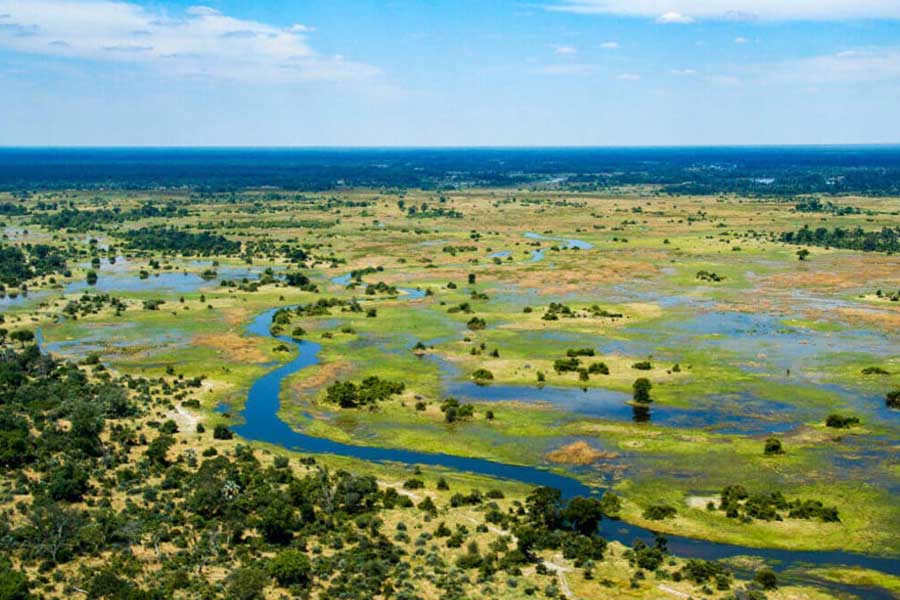
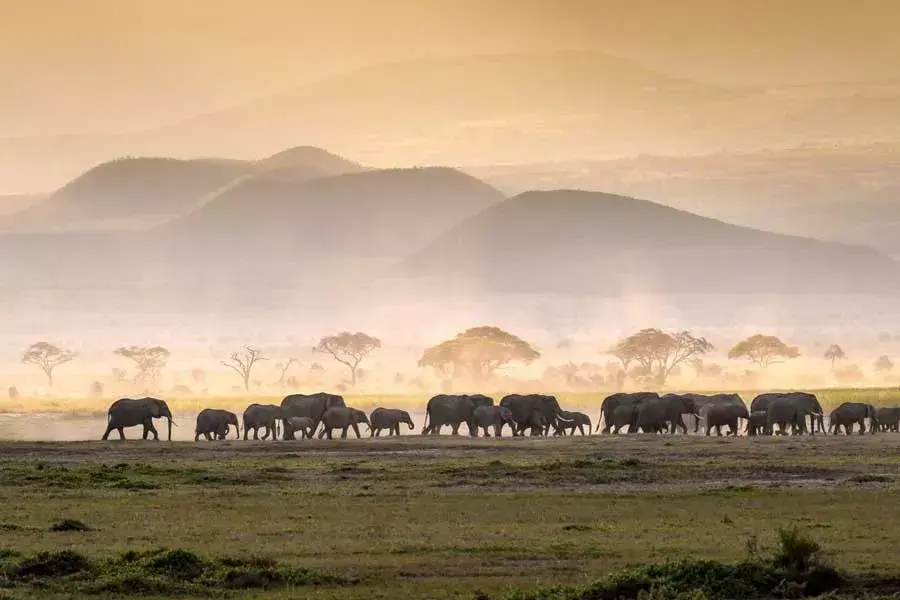
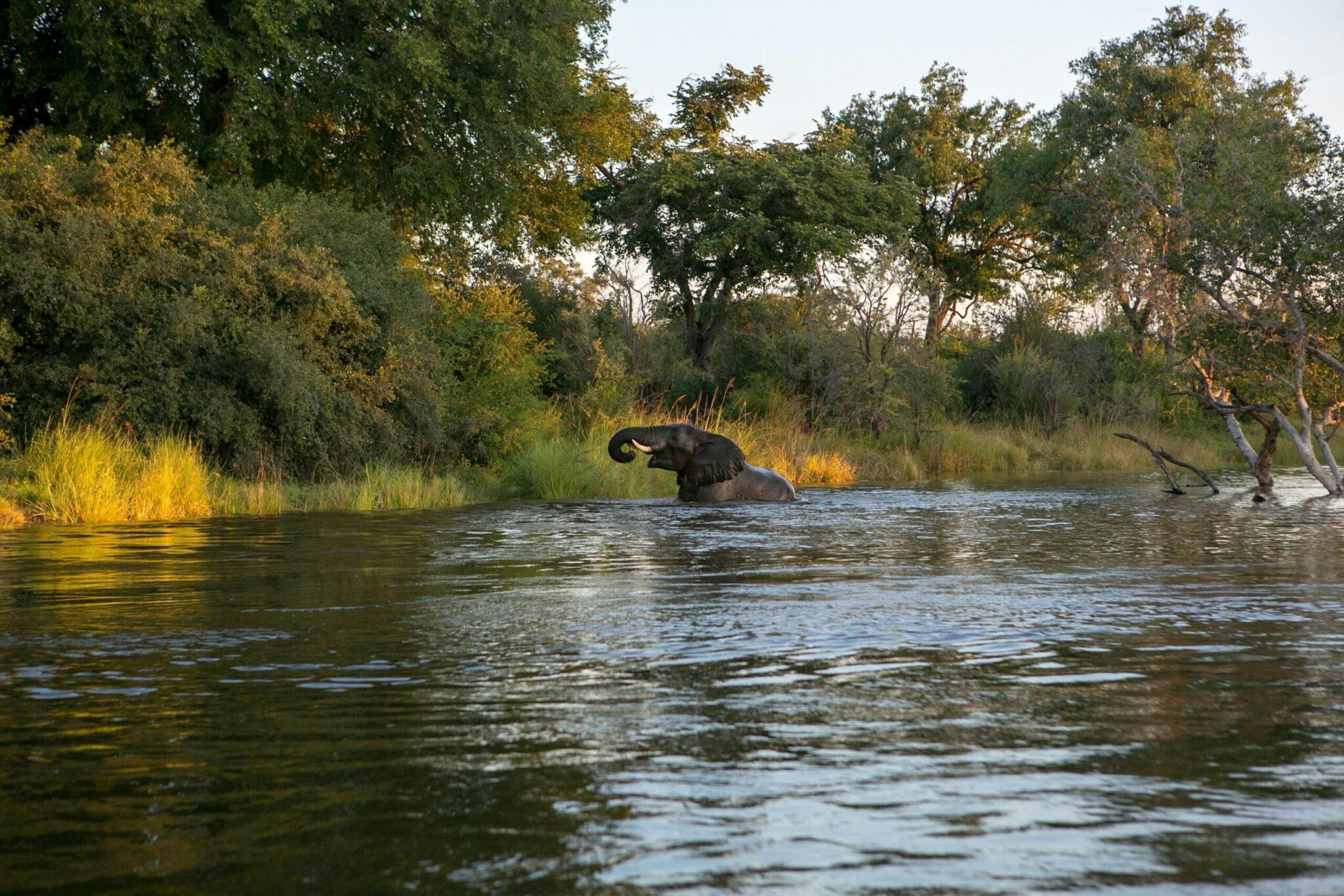
Much of the hunting takes place in large Game Management Areas bordering national parks, where wildlife moves freely across enormous landscapes. These are not small properties or fenced ranches, but vast ecosystems where animals follow seasonal patterns between woodland, river systems, and open floodplains.
When you first arrive in a Zambian hunting concession, the sense of scale becomes obvious very quickly. Camps are often located deep inside the hunting concessions, and it can take hours of driving just to reach different parts of the hunting areas.
The terrain varies depending on the region, but hunters can expect a mix of mopane woodland, riverine forest, open grassland, and seasonal floodplains.
Hunters who are looking for a genuine free-range safari, where tracking game on foot and spending long days in the field are simply part of the experience, Zambia continues to hold a respected place among Africa's classic hunting destinations. Before planning a hunt here, it helps to understand what makes Zambia different from many other African hunting destinations.
Hunts Currently Available
7-Day Dangerous Game & Plains Game Safari in Zambia
Booking Season: 2026
Hunt Difficulty: Difficult
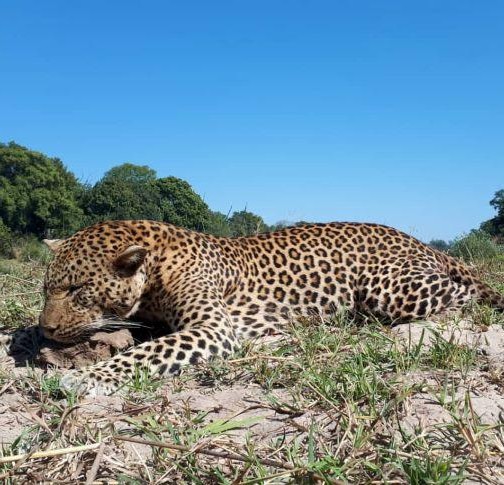
14-Day Leopard & Cape Buffalo Safari in Zambia
Booking Season: 2026
Hunt Difficulty: Difficult
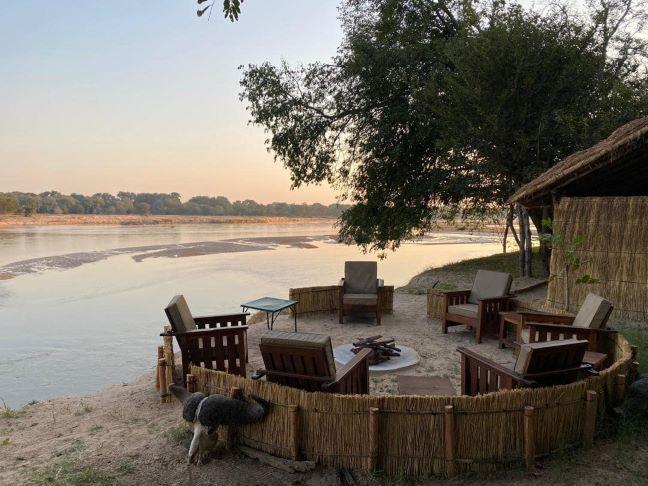
10-Day Sitatunga Hunt in Zambia's Tondwa GMA
Booking Season: 2026
Hunt Difficulty: Difficult
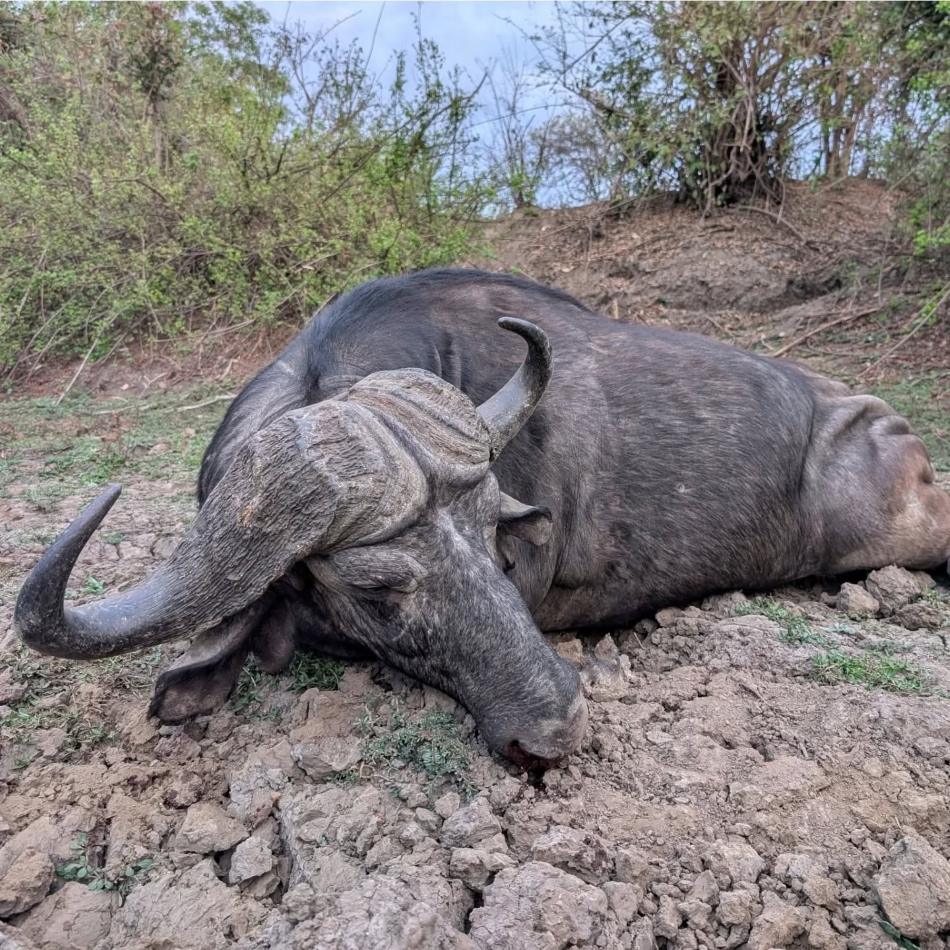
Cape Buffalo & Plains Game Hunting in the Luangwa Valley, Zambia
Booking Season: 2026
Hunt Difficulty: Moderate, Difficult
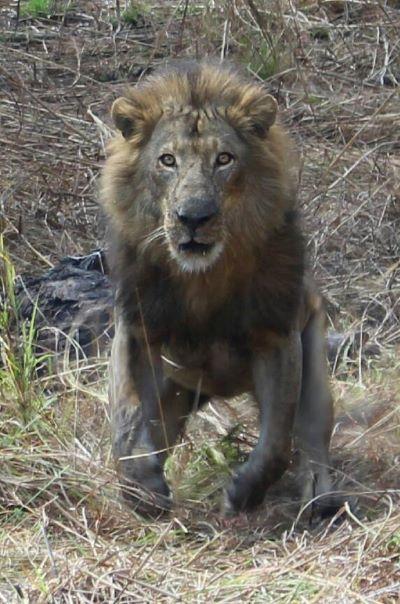
Trophy Lion Hunting 21 Days in Untamed Rufunsa GMA Zambia
Booking Season: 2026
Hunt Difficulty: Difficult
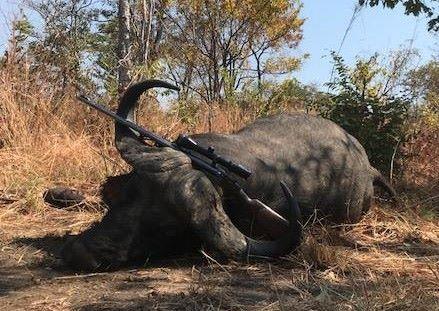
Rufunsa Cape Buffalo Hunting Safari, Zambia
Booking Season: 2026
Hunt Difficulty: Difficult
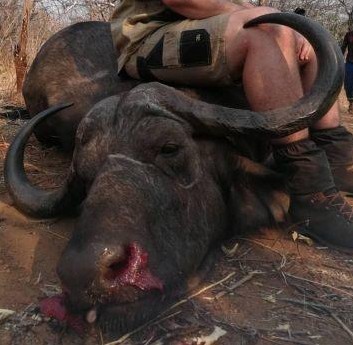
Free-Range Cape Buffalo & Black Lechwe Hunt in Zambia
Booking Season: 2026
Hunt Difficulty: Difficult
Hunt Zambia 21 Days - Lion, Leopard, Cape Buffalo & PG
Booking Season: 2026
Hunt Difficulty: Difficult
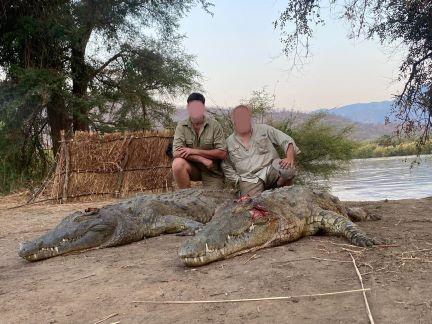
Hippo & Crocodile Hunting Safari in Zambia
Booking Season: 2026
Hunt Difficulty: Difficult
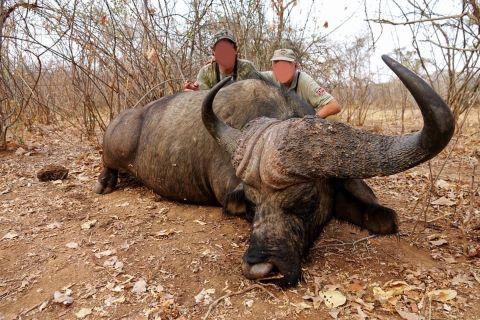
Buffalo Hunting in Zambia's Zambezi Valley
Booking Season: 2026
Hunt Difficulty: Difficult
What is hunting in Zambia?
Hunting in Zambia takes place in large Game Management Areas where wildlife moves freely across vast, unfenced wilderness ecosystems.
How much does a Zambia hunting safari cost?
Most safaris range from $12,000 to over $40,000 depending on species, safari length, and government quotas.
Is Zambia good for hunting safaris?
Zambia is widely considered one of Africa’s most traditional dangerous game hunting destinations, known for its remote concessions and low hunting pressure. Zambia hunting safaris are best suited for hunters looking for remote wilderness hunts rather than structured or lodge-based safari experiences.
First-time visitors often underestimate how much patience and persistence a Zambia safari can require. The pace is slower, the hunting areas are larger, and the experience feels far more remote than many expect.
Talk to enough experienced African hunters and the conversation about Zambia almost always ends up in the same place. It might not be the first country someone hunts in Africa, but it often becomes one of the destinations they want to return to.
Part of that has to do with the scale of the hunting areas. Zambia's Game Management Areas are large, open ecosystems where wildlife follows natural movement patterns between water, feeding areas, and cover. Instead of hunting small parcels of land, hunters are often working through vast country where animals move freely across the landscape.
That kind of environment changes the rhythm of the hunt. Success depends on tracking, patience, and spending long hours in the field rather than moving quickly from one opportunity to the next.
Another reason some hunters eventually choose Zambia is the relatively low hunting pressure compared with some other African destinations. Because the hunting areas are large and quotas are carefully controlled, animals are not encountered every few miles of road. When a mature animal is finally located, it often feels like a genuine accomplishment.
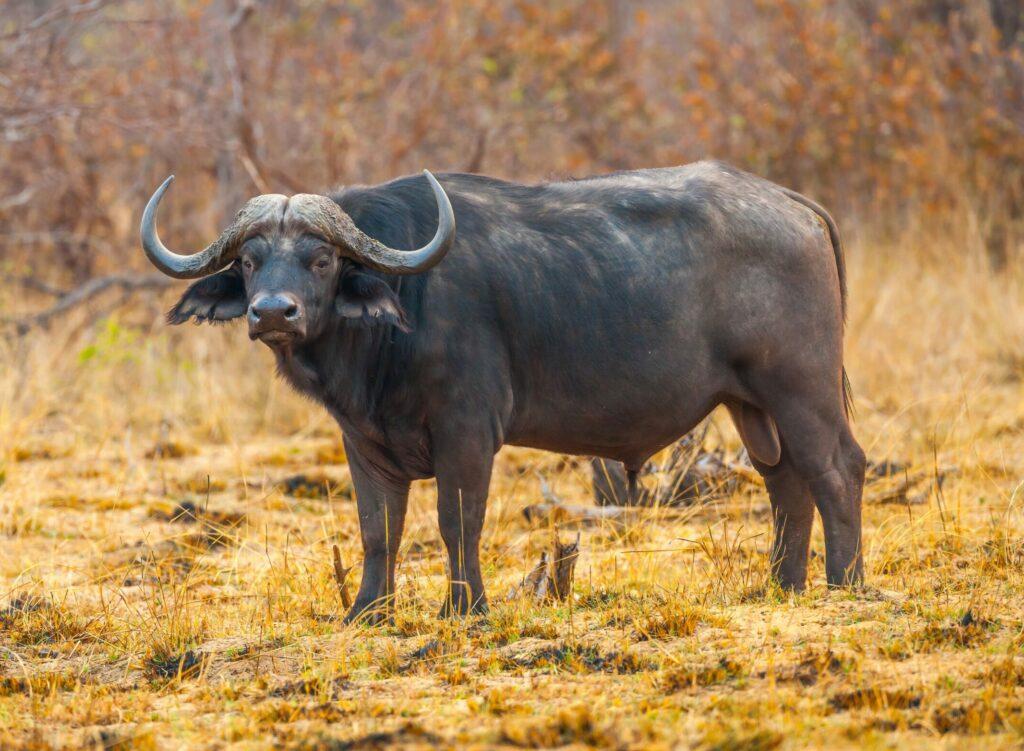
Buffalo hunting has played a major role in building Zambia's reputation among serious hunters. It is not unusual to cut fresh buffalo tracks early in the morning and spend several hours working through mopane woodland or jesse bush before finally catching up with the herd.
Finding the right bull, planning the approach, and closing the final distance are all part of the experience. Many professional hunters will tell you that the first buffalo seen is rarely the bull worth taking, and patience is often required before the right opportunity develops.
Professional hunters who have worked across several African countries often describe Zambia as one of the places where dangerous game hunting still feels closest to the traditional safari model.
The same can be said for many other species. Whether pursuing leopard hunts, watching riverbanks for crocodile, or encountering plains game such as sable and roan, hunters often find that the pace of the safari reflects the natural patterns of the animals rather than a predetermined schedule.
For sport hunters coming from North America, this style of hunting tends to feel both familiar and new at the same time. The fundamentals, reading sign, understanding wind direction, and moving carefully through cover, remain the same skills used when hunting elk, deer, or moose back home.
What changes is the sheer scale of the country and the amount of wildlife hunters encounter while moving through it. Hunters who come to Zambia for the first time say something very similar afterward: it feels closer to the kind of Africa they imagined long before they ever booked their safari.
Zambia On Map
You Might Also Like
Big game hunting in Zambia forms the backbone of the country's safari reputation. While the country offers a range of plains game species, hunters traveling here are drawn by the opportunity to pursue animals such as Cape buffalo, elephant, leopard, crocodile, and hippo in large wilderness areas.
Buffalo hunting in Zambia is widely respected among professional hunters across Africa. Herds move through extensive areas of woodland and river systems, and it is common to spend much of the day tracking spoor left during the previous night before eventually catching up with the animals.
Identifying the right bull within a herd requires patience. Professional hunters often remind clients that the first buffalo seen is rarely the bull worth taking. Closing the final distance frequently means working through thick vegetation where visibility can be limited.
These are not quick hunts, and that is exactly what makes them memorable.
Elephant hunts, when quotas allow it, take place in some of the country's most remote concessions. Tracking large bulls across riverbeds and woodland can be exhausting, but the scale of the landscape and the quality of animals encountered have long given Zambia a respected reputation among elephant hunters.
Leopard hunting is also well established in many areas. Hunts typically involve carefully placed bait sites that are monitored over several days before the right opportunity develops. Patience and careful planning are essential parts of the process. Hunters who want to understand how baiting strategies work and where leopard safaris are conducted can explore our detailed guide to hunting leopard in Zambia.
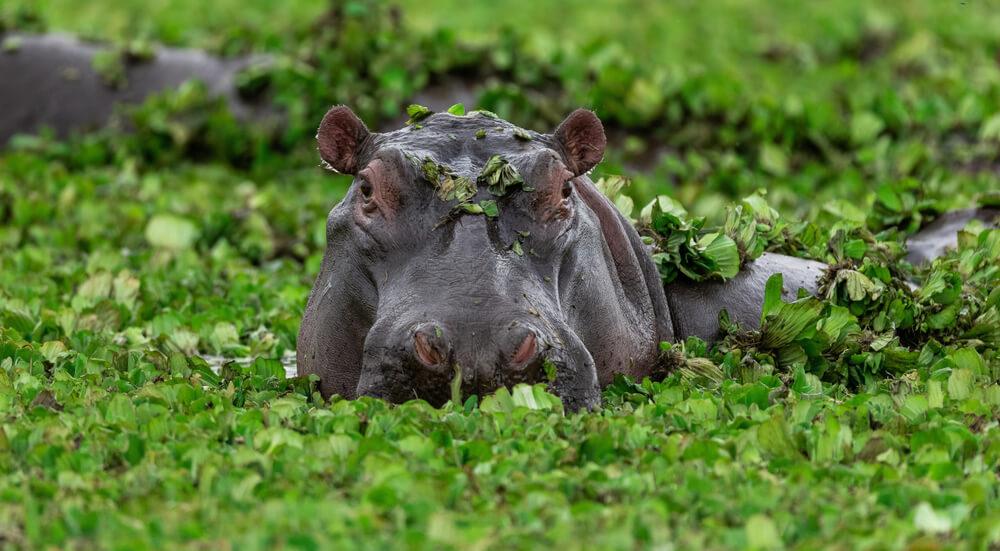
Along the river systems that shape many of Zambia's hunting areas, crocodile and hippo are common quarry. These hunts usually take place along riverbanks and floodplain environments where animals spend much of their time close to water.
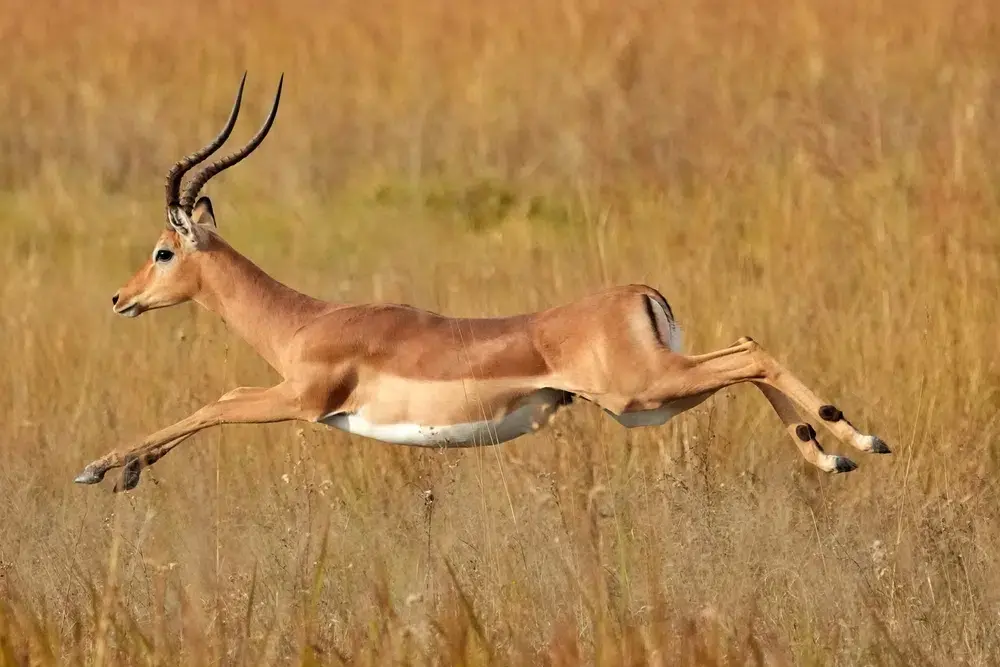
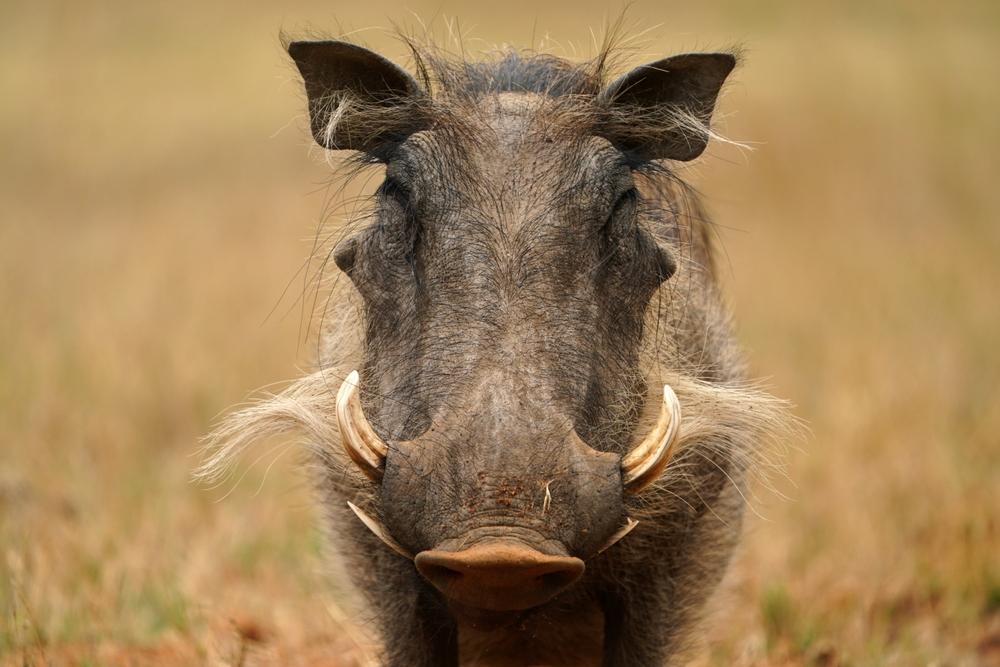
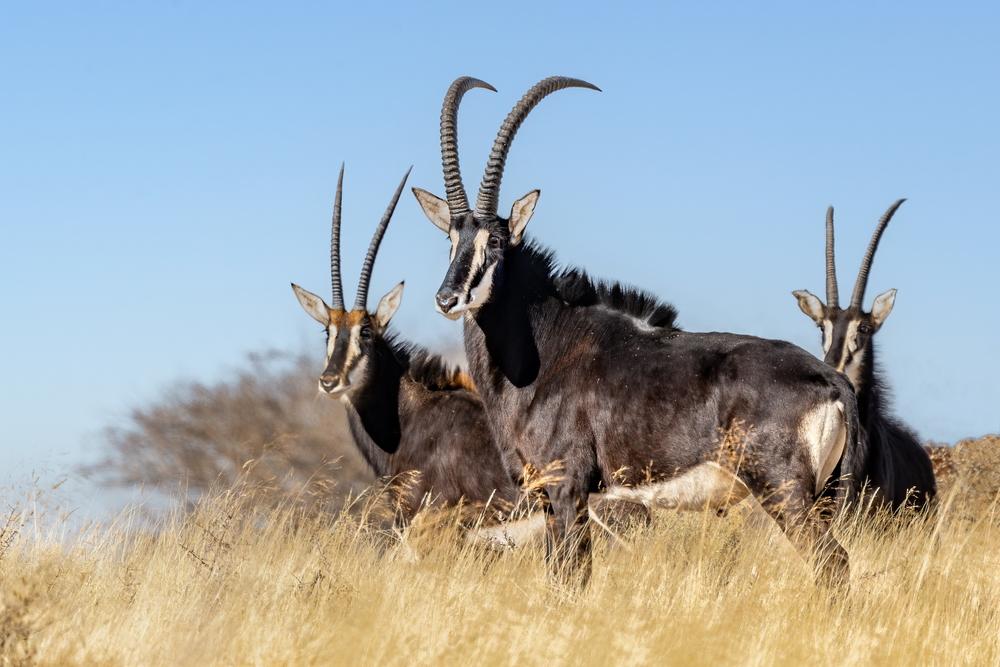
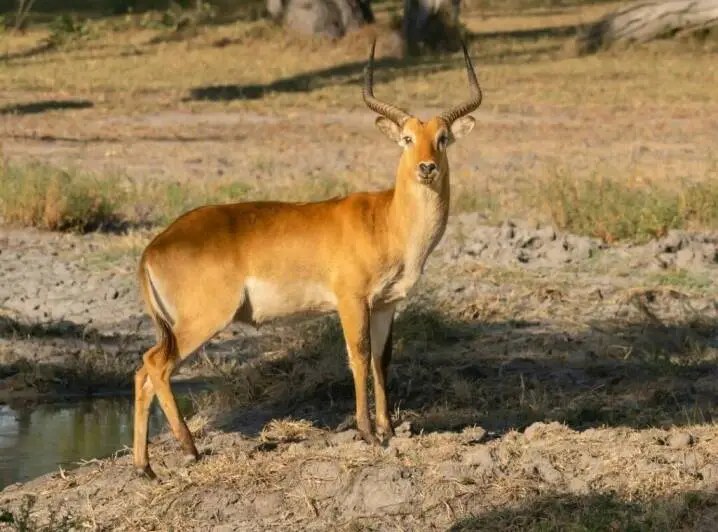
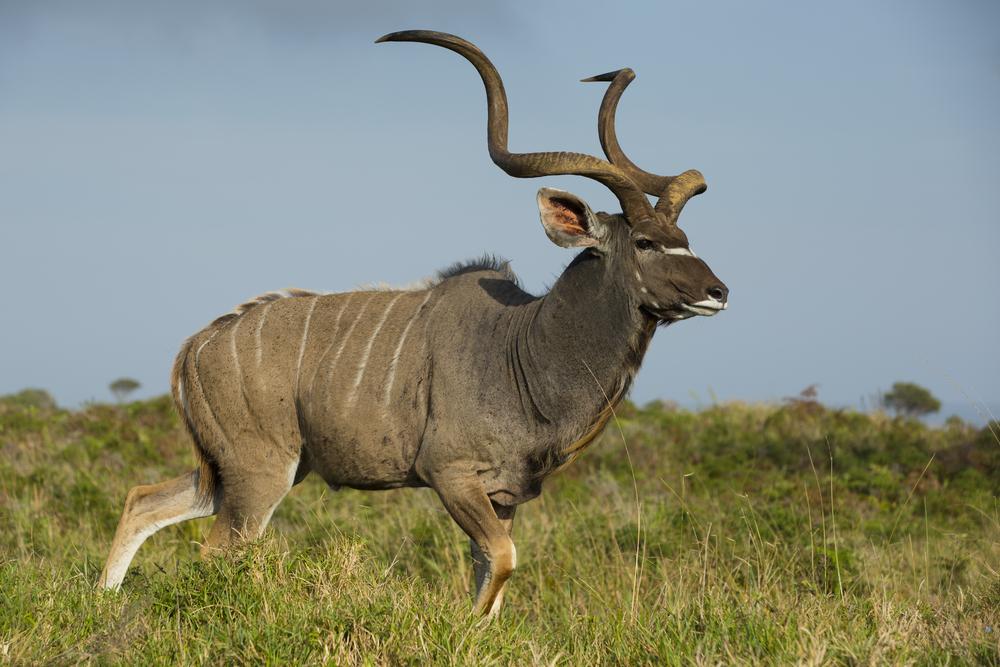
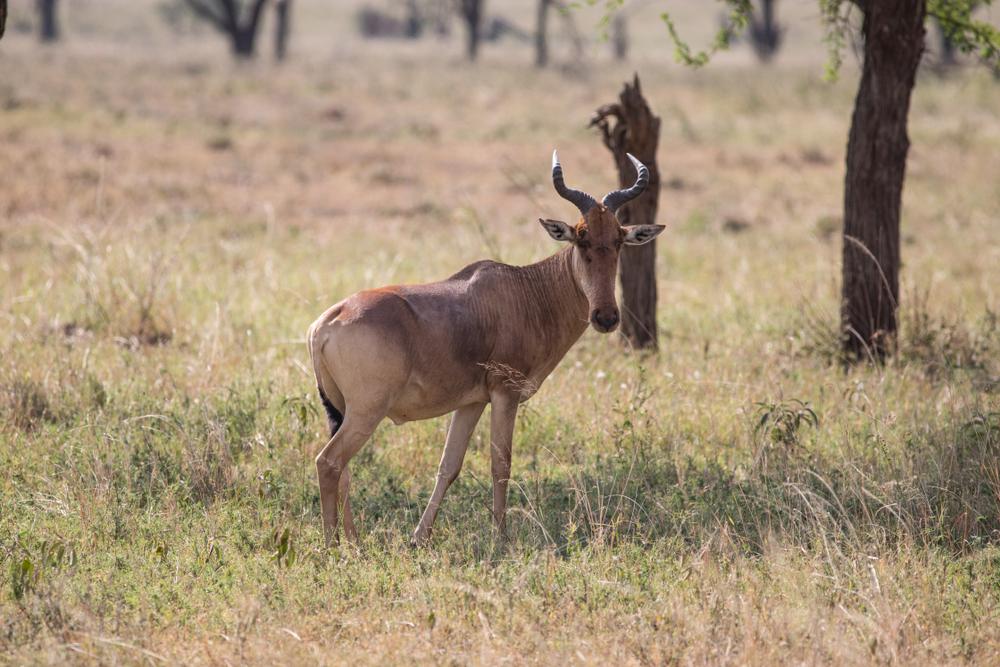
While dangerous game attracts most of the attention, several plains game species are also widely pursued. Sable and roan antelope are often among the most sought-after trophies, while species such as kudu, bushbuck, warthog, and puku are frequently encountered during mixed bag safaris. Several species closely associated with Zambia, including puku and Lichtenstein’s hartebeest, are also encountered in specific regions of the country.
Success on safari here often depends less on luck and more on the willingness to keep working a track even when the day becomes long and the terrain difficult.
Zambia is often compared with other well-known African hunting destinations such as South Africa, Namibia, Zimbabwe, and Tanzania. Each country offers something different, and understanding those differences helps hunters decide whether Zambia is the right choice.
Hunting in South Africa is often the easiest destination for a first African safari. Travel logistics are straightforward, infrastructure is well developed, and many hunts take place on large private properties where a wide variety of plains game species can be taken during a relatively short safari.
Namibian hunting safaris offer a similar level of accessibility, with excellent plains game hunting across large free-range areas and well-established safari operations.
Zimbabwe hunting safaris have long been respected for dangerous game hunting, particularly buffalo and elephant, with well-known safari regions such as the Zambezi Valley and the Save Conservancy.
Tanzania hunting safaris on the other hand are known for extremely large wilderness concessions and traditional safari hunting. Hunts there tend to be longer and significantly more expensive, often requiring a greater time commitment.
Zambia occupies an interesting position between these destinations. Hunts here are typically conducted in very wild areas, similar in scale to parts of Tanzania, but often at a lower overall cost.
At the same time, the country offers a style of hunting that experienced hunters describe as closer to the traditional safari model than what is found in more developed hunting destinations.
The trade-off is that Zambia requires a bit more commitment. Travel can take longer, camps are often more remote, and the hunting itself tends to be physically demanding.
For the right hunter, however, those same characteristics are exactly what make Zambia special.
Zambia offers one of the most authentic wilderness hunting experiences in Africa, but it is not the right destination for every hunter.
Hunters looking for a highly structured or luxury-oriented safari experience may find other countries more suitable. Zambia's hunting areas are often remote, and reaching camp can involve bush flights or long drives through rural areas before arriving at the concession.
The hunting itself can also be physically demanding. Tracking dangerous game through thick vegetation or following spoor across large sections of woodland requires patience and a reasonable level of physical fitness. Days in the field can be long, and success sometimes comes only after several days of consistent effort.
Another factor to consider is the focus on dangerous game hunting. While plains game species are certainly available, many safaris in Zambia are designed around buffalo, elephant, leopard, crocodile, or hippo.
Hunters whose primary interest is taking large numbers of plains game animals may find other African destinations better suited to that type of experience.
For first-time visitors to Africa, countries with more developed hunting infrastructure sometimes provide a smoother introduction to the continent. Zambia tends to appeal most strongly to hunters who already have some experience in Africa and are looking for a more traditional safari environment.
That said, for hunters who value remote concessions, mature animals, and the challenge of pursuing game in large wilderness ecosystems, Zambia can deliver one of the most rewarding hunts available anywhere in Africa.
Hunters planning their first safari in Zambia often ask whether the country is better suited for dangerous game or plains game hunting. The answer depends largely on the type of experience they are looking for.
Dangerous game safaris have traditionally been the focus of Zambia's safari industry. Buffalo, elephant, leopard, crocodile, and hippo are all pursued in different regions of the country, and hunters travel here specifically for the opportunity to hunt one of these species in large wilderness concessions.
These hunts tend to be longer and often involve several days of tracking before the right opportunity develops.
Plains game hunts are also available in many areas and can be combined with dangerous game safaris depending on the quotas within a particular concession. Species such as sable, roan, kudu, bushbuck, warthog, and puku are frequently encountered during mixed hunts.
The appeal of Zambia lies in the ability to experience both types of hunting during the same safari.
The region where a safari takes place often shapes the entire character of the hunt. Terrain, species availability, and hunting style can vary considerably depending on which part of Zambia you hunt.
Understanding the country's major hunting ecosystems helps explain why Zambia offers such a diverse range of safari experiences.
The Luangwa Valley is widely regarded as one of Zambia's premier hunting regions. The valley follows the course of the Luangwa River and includes large wilderness areas where wildlife populations remain strong.
Buffalo hunting has played a major role in building the Luangwa Valley's reputation among dangerous game hunters. Along sections of the river, the sandy soil often reveals a network of fresh animal tracks each morning, giving trackers a clear starting point for following buffalo or other game moving away from the water. Trackers will often pause at these crossings early in the morning to determine whether buffalo moved back toward cover before sunrise or continued feeding along the river.
Leopard, crocodile, and hippo are also commonly pursued in this region, while plains game species such as puku and bushbuck are frequently encountered along the river systems.
Due to Zambia's wildlife diversity and relatively low hunting pressure, the Luangwa Valley continues to attract hunters looking for a traditional safari environment.
The Kafue ecosystem represents one of the largest wilderness areas in Zambia. Hunting concessions bordering Kafue National Park include a mixture of woodland, grassland, and river systems that support a wide range of species.
Sable and roan antelope are among the most sought-after plains game animals in this region. In areas where habitat conditions remain favorable, hunters can encounter excellent specimens of both species.
Buffalo are also present in several concessions surrounding the park, and some areas provide opportunities for pursuing leopard and other plains game species.
Because of the scale of the Kafue ecosystem, hunts here often involve covering large areas of terrain while tracking animals through a mixture of woodland and open country.
The Bangweulu region offers a very different hunting environment compared with other parts of Zambia. Large wetland systems dominate the landscape, creating habitat for several unique species.
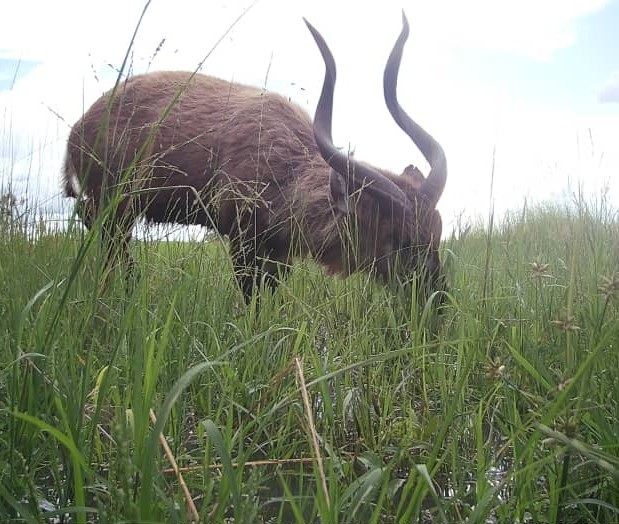
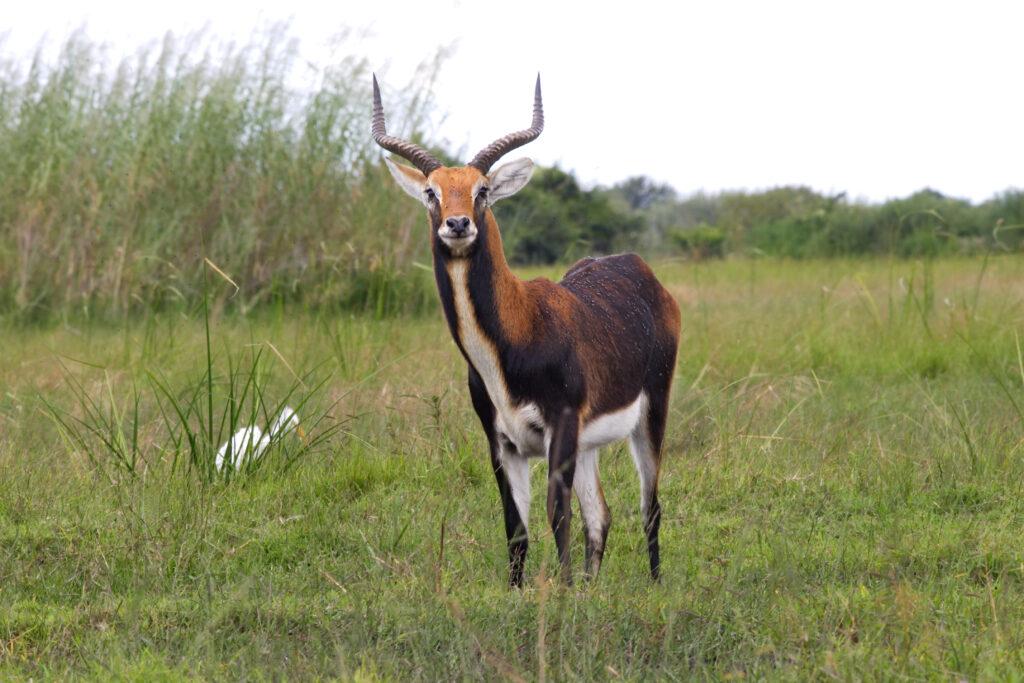
Black lechwe are strongly associated with the Bangweulu wetlands and are one of the region's most recognizable animals. In certain areas, hunters may also pursue sitatunga, a species that thrives in swamp and marsh environments.
Hunting in this region often requires adapting to wetland terrain and conditions that can be very different from woodland hunting areas elsewhere in Zambia.
For hunters interested in pursuing some of Africa's more specialized species, Bangweulu offers opportunities rarely found in other parts of the continent.
One of the first things hunters notice when they arrive in Zambia is just how large the hunting areas really are. Many concessions cover vast sections of wilderness where wildlife moves freely between national parks and surrounding habitat.
Most hunting in Zambia takes place in Game Management Areas, commonly referred to as GMAs. These conservation zones border national parks and serve as buffer areas where wildlife can move naturally across the landscape. Unlike fenced hunting properties found in some parts of southern Africa, GMAs remain open ecosystems. Animals follow seasonal patterns between water sources, feeding areas, and cover, often traveling considerable distances as conditions change throughout the year.
Safari operators are allocated concessions within these Game Management Areas. Each concession operates under a quota system regulated by Zambia's wildlife authorities, which determines how many animals of each species can be taken during the hunting season.
Professional hunters and their teams play an important role in managing these quotas responsibly. By limiting harvest numbers and carefully monitoring wildlife populations, hunting concessions contribute to the long-term sustainability of wildlife in these areas.
Tracking forms the foundation of many Zambian hunts. Early in the morning, trackers and the professional hunter usually begin searching for fresh spoor along roads, riverbanks, or sandy crossings where animals moved during the night.
A skilled tracker can often tell the difference between a herd that passed through hours earlier and one that moved just before sunrise. These small details frequently determine whether the trail leads to game or slowly disappears into thick cover.
Because of the scale of these areas, patience is often required. Some days a track leads directly to animals, while other days the spoor fades into terrain where continuing the pursuit becomes difficult. Understanding how these concessions operate helps explain why hunting in Zambia often feels very different from many other African destinations.
Hunting days in Zambia begin early. Hunters are usually up before sunrise, often with a quick coffee before heading out while the air is still cool.
Trackers and the professional hunter normally begin by checking roads, riverbanks, or sandy areas where animals crossed during the night. Fresh tracks often provide the starting point for the day's hunt. On colder mornings, spoor can sometimes hold clearly enough that trackers immediately slow the pace, knowing the animals may still be feeding nearby.
If promising spoor is found, the team may follow the trail on foot for several hours. Some tracks lead directly to animals, while others fade into thick cover or cross terrain where continuing the pursuit becomes difficult.
When animals are eventually located, the final approach is slow and deliberate. Wind direction, vegetation, and the animal's movement all determine whether the opportunity develops into a shot.
Some days the hunt ends quickly. Other days involve long hours following tracks through woodland or along river systems before an opportunity finally presents itself.
Evenings are usually spent back in camp discussing the day's hunt, reviewing what was learned from the tracks, and planning the next morning's strategy. Those quiet evenings around the fire after a long day in the bush become one of the most memorable parts of the safari.
The Zambian hunting season generally takes place during the dry months of the year, when vegetation begins thinning and animals concentrate closer to permanent water sources.
Early in the season, usually between May and June, the landscape still holds some moisture from the rainy months. Temperatures are cooler during this period and tracking conditions can be good, although vegetation may still be relatively thick in certain areas.
As the season progresses into July and August, the bush gradually opens and animal movement becomes easier to predict. Hunters consider this one of the most comfortable periods to hunt, as temperatures remain moderate while visibility continues to improve.
Later in the season, particularly during September and October, water becomes a major factor influencing animal movement. Many species begin concentrating near rivers and permanent water sources, making tracking patterns easier to anticipate.
Early mornings during the middle of the season can be surprisingly cold, while afternoons often warm quickly once the sun rises over the valley. Layered clothing usually works best for hunters spending long days moving between shaded woodland and open terrain.
Different species may be more active during certain parts of the season, which is why safari timing is often planned around the animals a hunter hopes to pursue.
Planning a safari to Zambia usually requires more preparation than hunting in some other African countries. Hunting concessions are located in remote parts of the country, which means travel often includes international flights followed by a charter flight or an extended drive to reach camp.
Some hunting areas are remote enough that the journey to camp becomes part of the adventure itself, with small charter aircraft landing on dirt airstrips or long drives through rural countryside before reaching the concession.
Most safaris in Zambia are structured around dangerous game hunts and typically last between seven and fourteen days depending on the species being pursued. Plains game hunts may sometimes be shorter, although many hunters choose to combine species during a longer safari.
Rifle import procedures and travel documentation are usually straightforward when handled through an experienced outfitter. Safari operators normally assist hunters with the required paperwork well before arrival in the country. One important factor to consider when planning a Zambian safari is the physical nature of the hunting itself. Many hunts involve extended periods on foot while tracking animals across uneven terrain.
While extreme fitness is not required, hunters who arrive prepared for long days in the field tend to enjoy the experience much more.
Camps are often located far from towns or paved roads, and quiet evenings around the fire after a long day in the bush become part of the experience many hunters remember most.
Zambia is not always the easiest African destination to hunt, but that challenge is exactly what draws many experienced hunters here.
Zambia is generally considered one of the more expensive African hunting destinations, largely because most hunts focus on dangerous game and take place in large wilderness concessions.
Buffalo safaris typically range between $12,000 and $20,000, depending on the hunting area and the length of the safari. These hunts usually last between seven and ten days and are conducted in remote concessions where wildlife moves freely between national parks and surrounding habitat.
Elephant hunts, when government quotas allow them, are significantly more expensive and can exceed $40,000 once trophy fees are included. Leopard hunts also fall into the higher end of the pricing spectrum because they require longer safaris and careful bait management over several days.
In addition to daily rates and trophy fees, hunters should plan for a few additional expenses. Charter flights are often required to reach remote camps, and these can add several thousand dollars depending on the location of the concession. Other costs may include rifle permits, taxidermy work, and the shipping of trophies back to North America. For a broader comparison of daily rates, trophy fees and other safari expenses across the continent, our African Hunting Safari Prices guide explains how the main costs of hunting in Africa are structured.
International hunters also spend time researching how African hunting safari payments and escrow protection typically work before booking a safari in remote destinations such as Zambia.
While Zambia is rarely the least expensive place to hunt in Africa, many hunters feel the cost reflects the scale of the wilderness concessions and the traditional style of safari the country still offers.
Zambia is widely regarded as one of the more stable countries in southern Africa, and hunting safaris operate under established wildlife management regulations.
Most hunting concessions are located in remote Game Management Areas that border national parks. These areas are sparsely populated and far removed from the larger cities where most travelers first arrive in the country.
Hunters typically spend the majority of their safari inside these concessions, accompanied by a licensed professional hunter, trackers, and camp staff who are familiar with the area and its wildlife.
As with travel anywhere in the world, basic precautions still apply. Working with reputable safari operators, arranging travel logistics through experienced outfitters, and following local regulations for firearm importation are all part of responsible safari planning. The challenges of a Zambian safari are far more likely to involve long days tracking game in thick bush than concerns about personal safety.
Reaching Zambia's remote hunting areas often involves charter flights or travel through Lusaka. Some hunters choose to extend their trip by a few days to see more of the country once the safari is complete.
One of the most common destinations is Victoria Falls, located along the Zambezi River on the border between Zambia and Zimbabwe. The falls are one of Africa's most famous natural landmarks, and many safari itineraries make it relatively easy to spend a night or two there after leaving camp.
Others choose to visit nearby national parks such as South Luangwa, which is known for its wildlife viewing and traditional walking safaris. For hunters who have just spent days tracking game in the bush, seeing the same landscapes from a photographic safari perspective can be an interesting contrast.
These additional stops are not part of the hunting safari itself, but they can provide an opportunity to experience a different side of Zambia before beginning the journey back to North America.
Zambia remains one of Africa’s most respected hunting destinations for a reason. The combination of vast wilderness concessions, low hunting pressure, and traditional tracking safaris creates an experience that is increasingly difficult to find elsewhere.
For those willing to commit the time, effort and patience required, a Zambian safari can become the benchmark against which future African safaris are measured. Hunters comparing Zambia with other destinations can explore our current African Hunting Trips to see available safaris, species and hunting areas across the continent.
Yes. Hunting in Zambia is legal and regulated under strict wildlife management laws. Safaris take place within designated Game Management Areas where quotas are carefully controlled to ensure sustainable wildlife populations.
Zambia offers a wide range of species including Cape buffalo, elephant, leopard, crocodile, hippo, sable antelope, roan antelope, kudu, bushbuck, puku, and warthog.
Experienced hunters consider Zambia one of the classic buffalo hunting destinations in Africa. Large wilderness concessions and relatively low hunting pressure allow buffalo herds to move naturally across the landscape.
Dangerous game hunts typically last between seven and fourteen days depending on the species being pursued. Plains game hunts may sometimes be shorter, although many hunters choose to combine species during a longer safari.
Hunting in Zambia can be more physically demanding than in many other African destinations. Large concessions and free-ranging wildlife mean hunters often spend long hours tracking animals on foot before the opportunity develops.
Safaris in Zambia are generally more expensive than plains game hunts in some southern African countries because many hunts take place in large wilderness concessions and often focus on dangerous game species.
27 August 2026 4 August 2026
Latest Blogs About Zambia
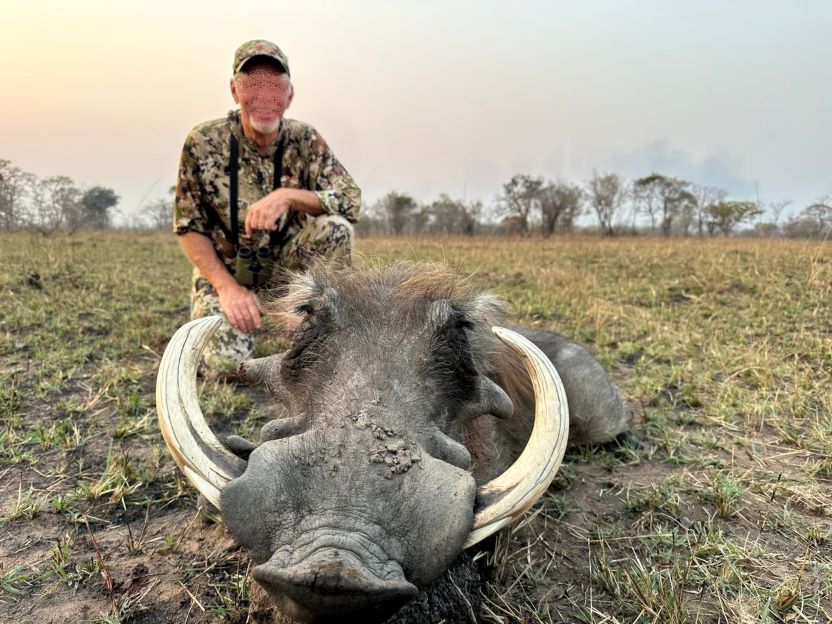
In Zambia, You Hunt What the Bush Gives You
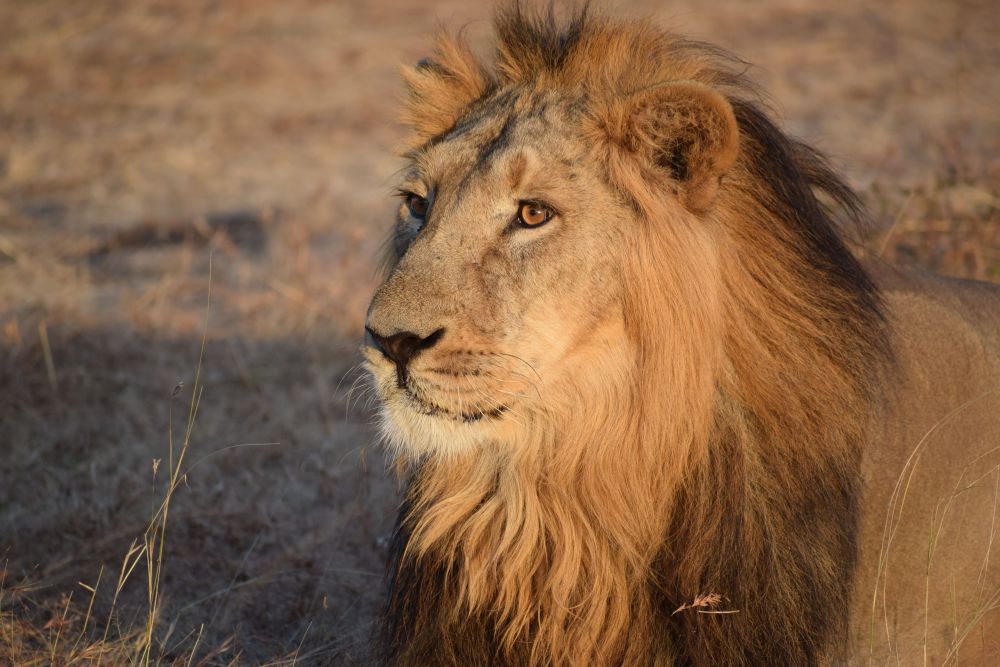
Zambia's Last Great Free-Range Lion Hunts
Search from our range of Hunts across various popular destinations in Africa.

Book Your Hunt