7-Day Cape Buffalo Hunting Safari in Limpopo, South Africa
Booking Season: 2026
Hunt Difficulty: Difficult


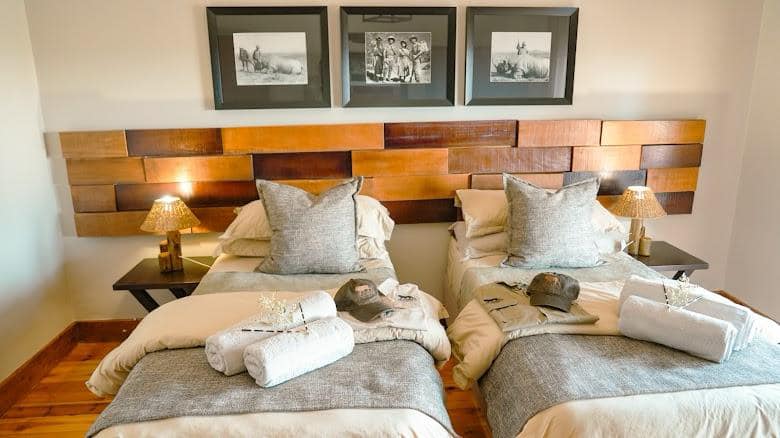
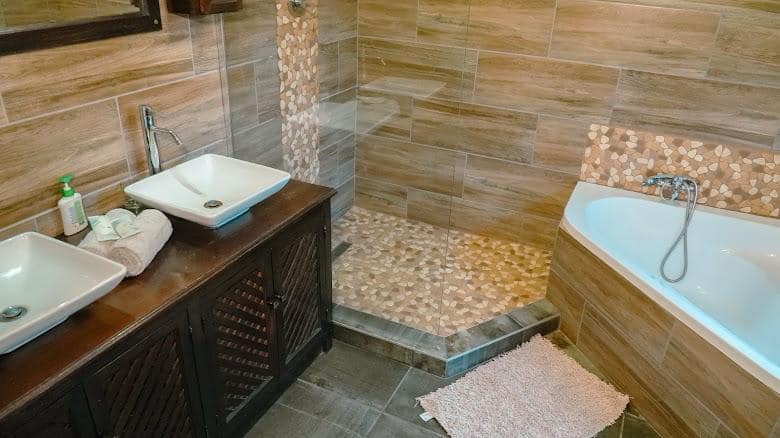
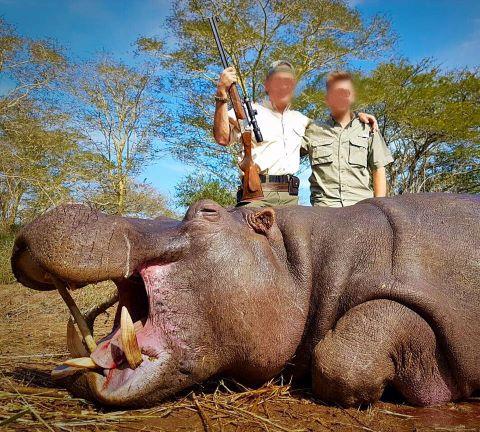
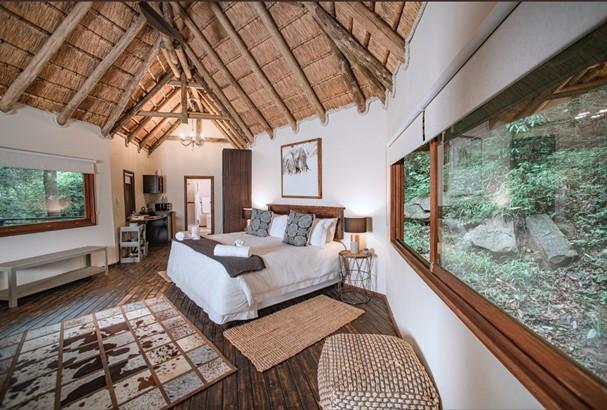
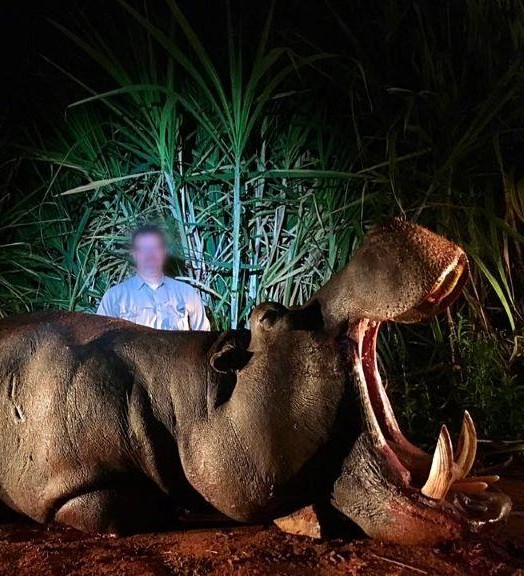
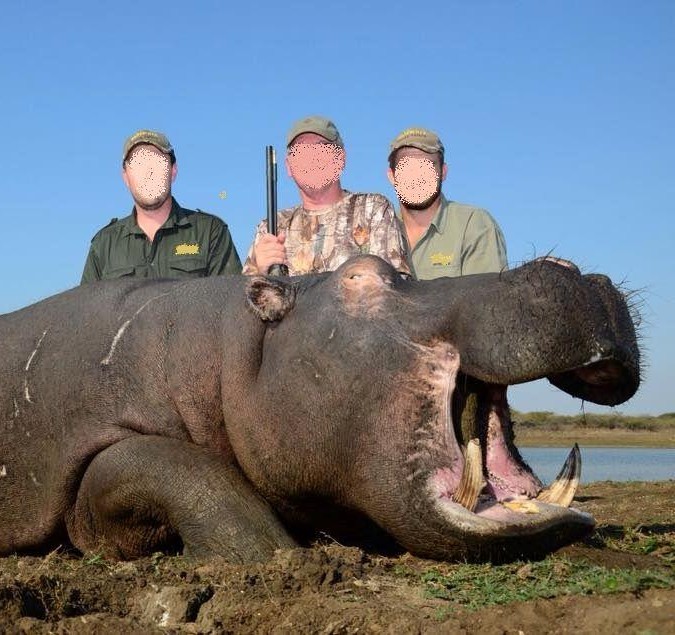
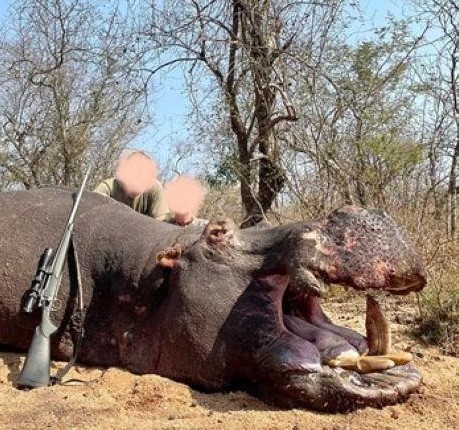
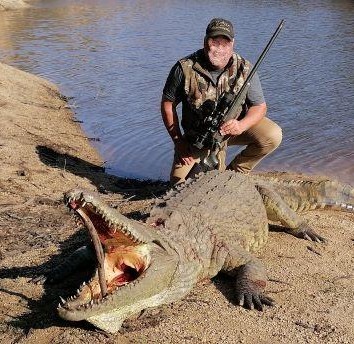
The safari is based at a comfortable four-star hunting lodge offering spacious en-suite rooms, excellent South African cuisine and warm hospitality after each day on the river. Designed with hunters in mind, the lodge provides the perfect place to relax, enjoy the day's stories and prepare for the next morning's hunt.
The hunting area consists of permanent rivers, large dams, riverbanks and open bushveld typical of Limpopo. Most hunting is conducted on foot along the water's edge, with short stalks through natural cover and careful observation from elevated vantage points.
| Fence Type: | Free-range |
| Nearest Airport Name: | Oliver Tambo International Airport |
| Transfer From Airport: | Yes |
Few African safaris offer the opportunity to pursue two dangerous aquatic species during the same hunt. This free-range safari in Limpopo combines trophy hippo and Nile crocodile in one professionally guided adventure, giving hunters the rare chance to experience two very different styles of Big Game Hunting in Africa without changing camps or concessions.
Conducted along the productive river systems bordering the Kruger National Park, the safari focuses on mature, fully exportable trophies while providing comfortable accommodation, experienced professional hunters and consistently high success rates. Whether waiting for a crocodile to bask on a riverbank or watching a dominant hippo bull surface at first light, every day presents a new challenge.
For hunters planning a Hunting Trip in South Africa, few safaris combine patience, precision and excitement quite like this one. The combination of Hippo Hunts and Crocodile Hunts creates a unique dangerous game adventure that few destinations in Africa can offer.
Price: US$22,440 All-In (Fully Exportable Trophies)
Duration: 8 Nights / 7 Full Hunting Days
Hunter Ratio: 1 Hunter : 1 Professional Hunter
Primary Species: Hippo & Nile Crocodile
Location: Limpopo Province, South Africa
Observer Rate: US$285 per person per night (Including Government Taxes)
Recent Success Rate: 100% on recent Hippo & Crocodile combination safaris
Rifle Rental: US$20 per rifle per day (Ammunition additional)
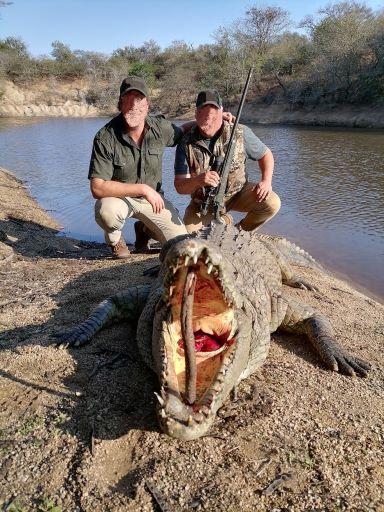
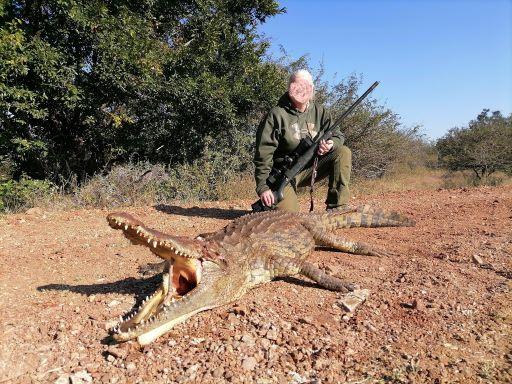
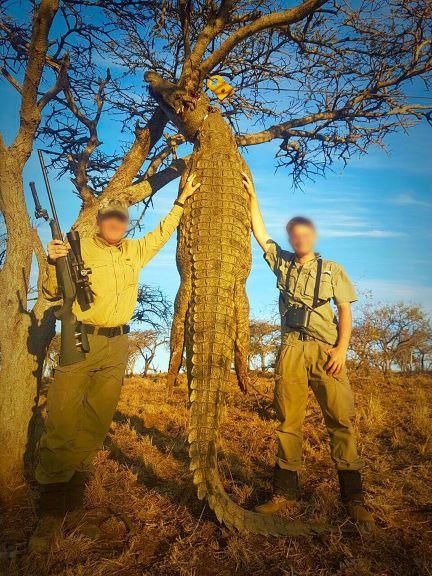
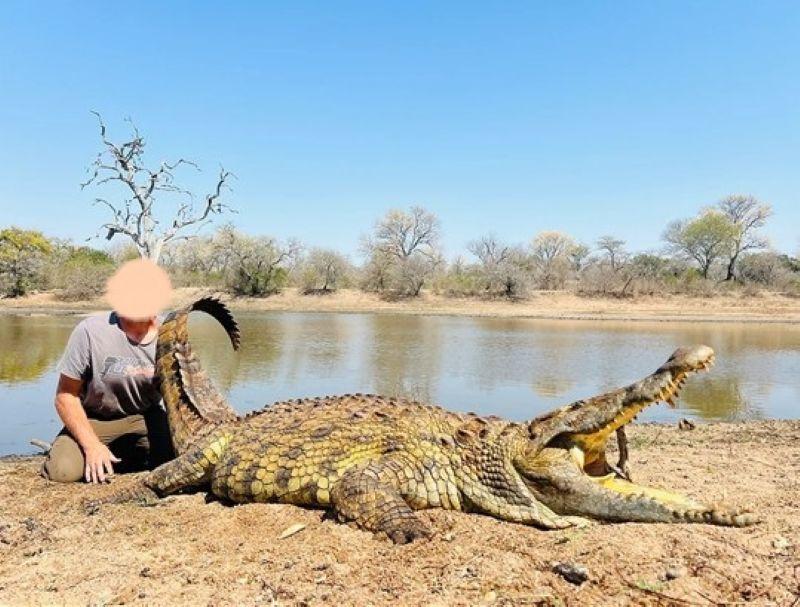
This safari includes the trophy fee for one Nile crocodile up to 13 feet.
Should a larger crocodile present itself during the hunt, the following trophy upgrade fees apply:
Final upgrade fees are based on the official measured length of the harvested crocodile.
Both hippo and Nile crocodile trophies taken on this safari are fully exportable to the USA and most European destinations, subject to the applicable import regulations in the hunter's home country.
This safari includes the trophy fee for one free-range Nile crocodile measuring up to 13 feet, with larger trophies available at an additional fee should the opportunity arise.
Unlike tracking buffalo through thick bush or following fresh leopard spoor, crocodile hunting is a game of patience and precision. Much of the day is spent quietly glassing riverbanks and sandbars, waiting for a mature crocodile to expose itself. Even the largest crocodiles rarely remain out of the water for long, and a stalk often develops over several hours before the final approach begins.
Once a suitable trophy has been identified, every movement matters. Wind direction, available cover and the angle of the shot are carefully considered before the professional hunter gives the signal to move. A mature Nile crocodile can slip beneath the surface in an instant, meaning there is rarely a second opportunity if the first chance is missed.
A correctly placed brain shot anchors the crocodile immediately, while a poorly placed shot can result in the animal disappearing into deep water. Before your safari, we recommend reading our Crocodile Shot Placement Guide so you understand the anatomy and why precision is so important.
For hunters wanting to learn more about seasons, hunting methods and what to expect on safari, our complete guide to Crocodile Hunting in South Africa provides a detailed overview of this unique dangerous game pursuit.
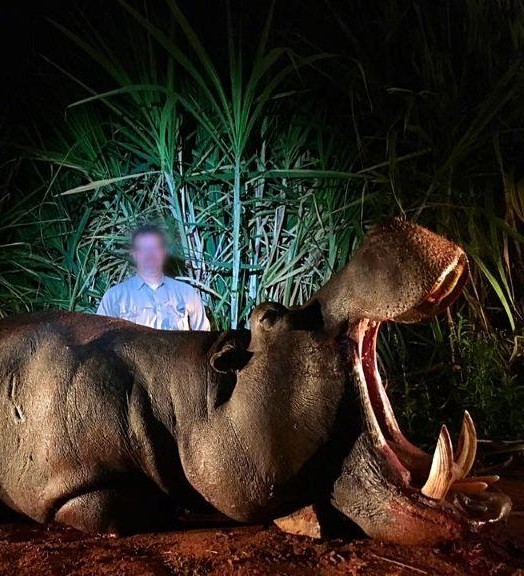
This safari includes the trophy fee for one mature, free-range hippopotamus from the productive river systems of Limpopo, where healthy populations and experienced professional hunters combine to produce consistently successful safaris.
Although hippos spend much of their lives in the water, hunting one is very different from what many hunters expect. Success rarely comes from covering long distances. Instead, the hunt revolves around careful observation, identifying a mature bull and patiently waiting for the right opportunity as he surfaces to breathe or leaves the water to feed during the cooler hours of the day.
Hippos are highly territorial and can become extremely aggressive when threatened, particularly if they believe their route back to deep water has been blocked. Despite their seemingly slow appearance, they are capable of remarkable speed over short distances, making them one of Africa's most respected dangerous game animals.
As with crocodile hunting, shot placement is absolutely critical. A poorly placed shot can see a wounded hippo disappear beneath the surface, making recovery extremely difficult. Before your safari, we recommend reading our Hippo Shot Placement Guide, which explains the correct brain and heart shot positions under different hunting situations.
If you'd like to learn more about seasons, hunting methods and what to expect on safari, our complete guide to Hippo Hunting in South Africa provides a detailed overview of one of Africa's most exciting dangerous game hunts.
South Africa has become one of Africa's most popular hunting destinations for international hunters because it combines exceptional hunting with straightforward travel logistics. Regular international flights arrive daily at O.R. Tambo International Airport (Johannesburg), making it easy to reach some of the country's finest hunting areas without the need for complicated charter flights or lengthy domestic travel.
For this safari, you'll be welcomed on arrival by Wesley or a member of his team, who will assist with firearm import permits and any airport formalities before departing on a comfortable four-hour road transfer to the hunting area in Limpopo. The drive offers an enjoyable introduction to South Africa, passing through rolling farmland, bushveld and traditional country towns before arriving at camp.
Depending on your international flight schedule, an overnight stay in Johannesburg before or after the safari may be advisable. Many of our international hunters choose African Sky Boutique Hotel, which offers airport transfers, comfortable accommodation and assistance with firearm permits, making it an ideal starting point before continuing your Hunting in South Africa adventure.
Hippo and crocodile combination hunts have become increasingly popular with hunters who want a focused dangerous game safari without spending weeks moving between areas. Both species rely on the same river systems, which makes it possible to hunt two very different trophies during one well-planned safari.
For hunters who have already completed or made strong progress on their Big Five Hunting goals, hippo and crocodile offer a natural next step. They are often included among Africa's Dangerous Seven, and hunting both on the same safari is an efficient way to add two iconic aquatic species to a serious African collection.
What makes the combination especially appealing is the contrast between the hunts. A crocodile hunt is often about reading the riverbank, planning a silent stalk and making one precise shot before the animal reaches water. A hippo hunt revolves around watching the water itself, identifying a mature bull and waiting for the correct moment as he surfaces or moves onto land.
Together, they create a safari that feels very different from a traditional plains game or buffalo hunt. It is patient, technical, sometimes quiet for long stretches, and then suddenly intense when the opportunity finally appears.
Unlike buffalo or plains game hunts, there is no point rushing out before sunrise simply to cover ground. Every morning begins at the water's edge, quietly watching. Hippos reveal themselves by where they surface, while crocodiles leave subtle clues on muddy banks and sandbars. Before a rifle is ever loaded, your professional hunter has already begun piecing together the day's plan.
Some mornings the decision is obvious. A mature hippo bull is holding his section of river and the hunt begins immediately. On other days, a giant crocodile may be found basking in exactly the right position, changing the entire plan within minutes. Flexibility is one of the great attractions of this safari, with each day dictated by the animals rather than a fixed itinerary.
Many American hunters are surprised by just how much time is spent observing rather than walking. Success on an aquatic safari is rarely measured by the miles covered, but by patience, careful planning and waiting for the one opportunity that both the hunter and professional hunter know is worth taking.
Every sunrise offers two opportunities, and no two days on the river are ever quite the same.
South Africa allows hunting throughout the year, although the cooler months from April to October are generally considered the best time for this safari. Lower temperatures make long days in the field more comfortable, while reduced vegetation and lower water levels often improve visibility along the rivers. Although successful hunts are conducted year-round, the summer rainfall between November and February can occasionally interrupt hunting for a day or two.
Hunters bringing their own rifles into South Africa will require a temporary firearm import permit (SAPS 520). Wesley's team will provide the invitation letter and assist with the permit process, making arrival straightforward for first-time visitors. US hunters should also travel with their completed Customs Declaration Form 4457.
After each day's hunt, you'll return to a comfortable lodge offering well-appointed rooms, excellent home-style cuisine and the relaxed atmosphere that has made South African hunting camps so popular with international hunters. Whether enjoying a traditional South African braai or sampling freshly prepared hippo or crocodile, the evenings are every bit as memorable as the time spent on the river.
By combining excellent infrastructure, experienced professional hunters and productive hunting areas, South Africa has become one of the easiest and most enjoyable destinations in Africa for hunters looking to pursue two iconic aquatic dangerous game species during a single safari.
Not every dangerous game hunter dreams of tracking buffalo through the mopane or following a lion at first light. Some are looking for something different—something more technical, more patient and unlike any other safari in Africa.
A hippo and crocodile combination hunt rewards hunters who enjoy careful planning, quiet observation and making the most of a single opportunity when it finally presents itself. Every day unfolds at the pace of the river, where success depends less on covering miles and more on reading animal behaviour, trusting your professional hunter and waiting for the perfect moment.
For hunters who have already pursued the Big Five, this safari is also a natural next step towards completing a collection of Africa's most iconic dangerous game species. Hunting two aquatic predators during one professionally guided safari is an achievement few international hunters ever experience.
Please note that terms, conditions and price are subject to change without notice and rates at the time of the hunt will apply
Needing assistance with firearm permits and international travel services, or good taxidermists? View our affiliated companies
View Affiliated Services