Designed by Hunters, for Hunters

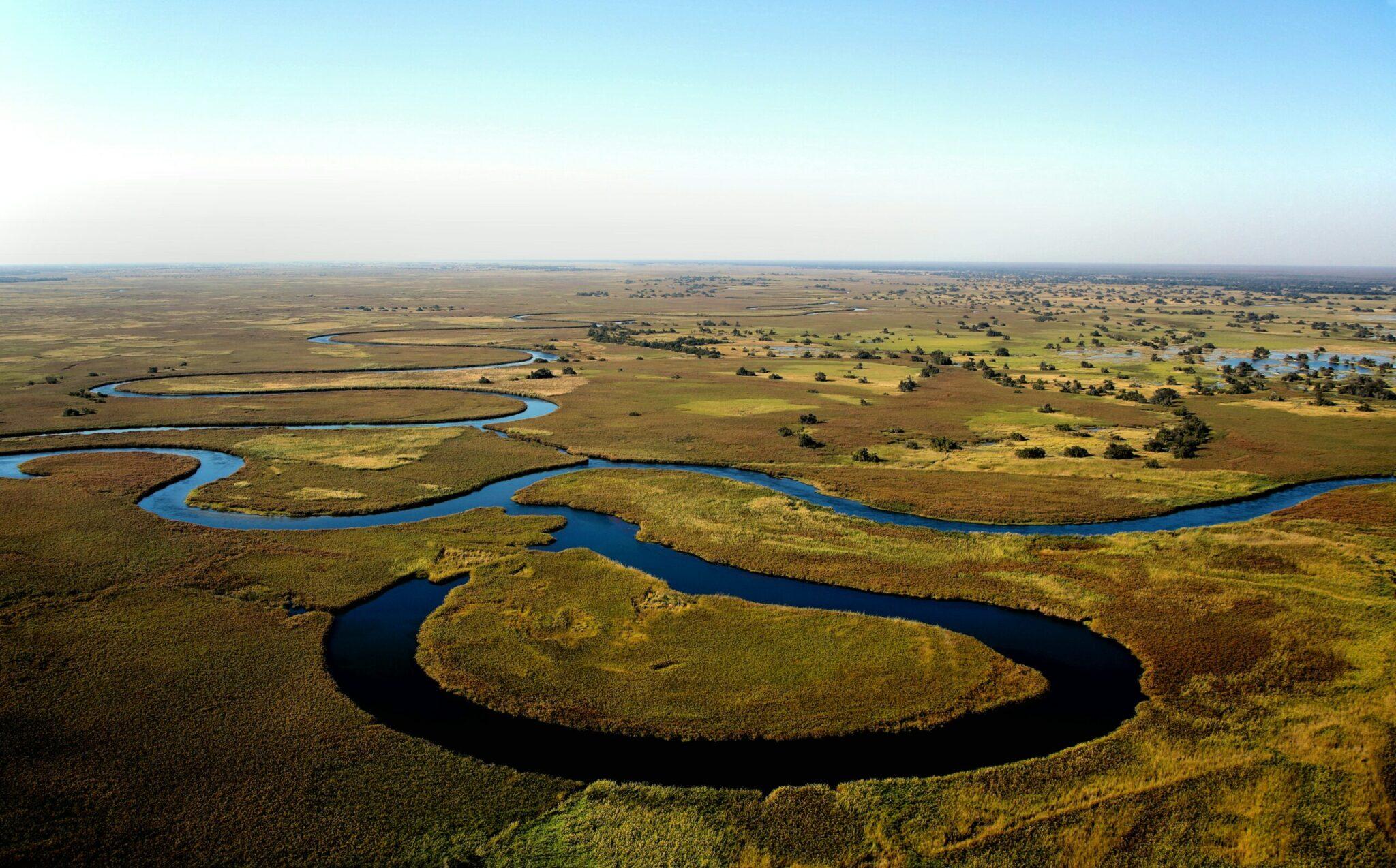
Botswana is one of Africa’s most tightly controlled hunting destinations. Limited quota, concession-specific permits and a narrow species offering mean that planning matters here more than in most other countries.
For hunters comparing broader African Hunting Safaris, Botswana can easily be misunderstood. It does not offer the flexibility, species numbers or last-minute options available in destinations such as Namibia or Zimbabwe. That does not make Botswana a poor hunting destination. It simply means the hunter needs to understand exactly what is available before booking.
Hunting in Botswana works best when expectations match the permit, hunting area and species from the beginning. This guide explains what Botswana offers today, how the system works and what hunters should know before deciding whether it is the right destination for them.
Botswana On Map
You Might Also Like
Hunting in Botswana is legal again, but it operates within a narrow and tightly controlled framework.
Opportunities are limited, permit-driven, concession-specific and sensitive to timing and policy.
This is not a return to broad-scale hunting. Botswana chose control over volume, and that decision still shapes every hunt today. Legality does not mean availability, and hunters need to understand that distinction before planning a safari.
Botswana's hunting ban was introduced as part of a wider conservation and tourism strategy. The debate around it is often emotional, but the practical effects mattered most in rural areas.
In some regions, communities had fewer tools to manage dangerous wildlife, human-wildlife conflict increased, and local people carried more of the cost of living alongside large animals. In other areas, the impact was less pronounced.
The reintroduction of regulated hunting did not signal a return to high-volume hunting. It restored a limited wildlife-management option in areas where pressure from human-wildlife conflict had become difficult to ignore.
Botswana is widely regarded as one of Africa's more politically stable countries, and that stability is reflected in how hunting is managed.
Policy changes tend to be deliberate rather than reactive. Hunting access is not expanded simply because demand exists, and quota remains closely tied to conservation policy and concession management.
The result is predictable in one sense and restrictive in another: the rules are clear, but opportunities remain scarce.
Hunters familiar with Botswana's earlier hunting era need to understand that the system today is very different.
A safari is usually built around one specific concession, often tied to a particular Dangerous Game Hunt. Species availability can be narrow, planning timelines are long and there may be very little flexibility once the hunt begins.
Backup options are not always available. If the permit, timing or hunting area does not match what the hunter wants to pursue, it may not be possible to change the plan after arrival.
Botswana rarely offers the high species counts or flexible, multi-species itineraries often associated with Plains Game Hunts elsewhere in Africa.
Instead, the emphasis is on low hunting pressure, carefully controlled access and making the most of the opportunities available within a particular concession.
That can feel restrictive to someone arriving with a long trophy list or a tight schedule. Botswana simply does not lend itself to chasing numbers or trying to force several hunting objectives into a limited number of days.
One of the first things hunters researching Botswana notice is how small the hunting quotas can be. Even in areas with significant wildlife populations, permits are often issued in very limited numbers. This is intentional.
Botswana's wildlife management system is built around the idea that hunting should remain a carefully controlled tool rather than a large-scale activity. Quotas are set conservatively and tied to specific concessions, seasons, and management goals.
This means that even well-established hunting operators may only have a handful of permits available each year for certain species.
Compared with destinations where additional opportunities can sometimes be arranged, Botswana can feel unusually restrictive. The system is deliberately designed that way to keep hunting pressure low and maintain the country's broader conservation framework.
For those who do secure permits, that scarcity can become part of the appeal.
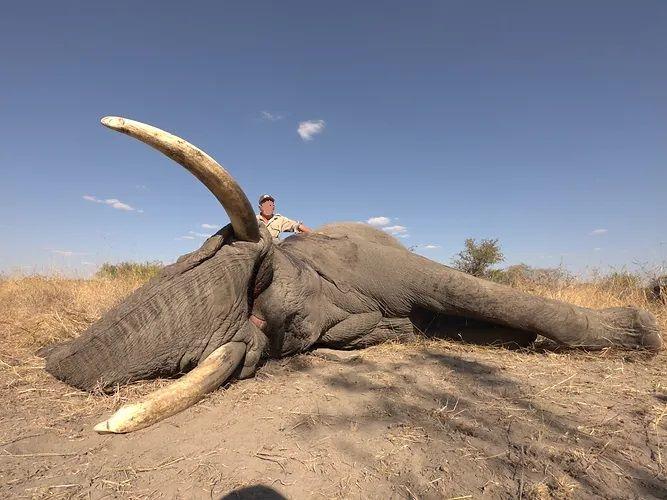
Elephant has long been one of the species most closely associated with Big Game Hunting in Botswana.
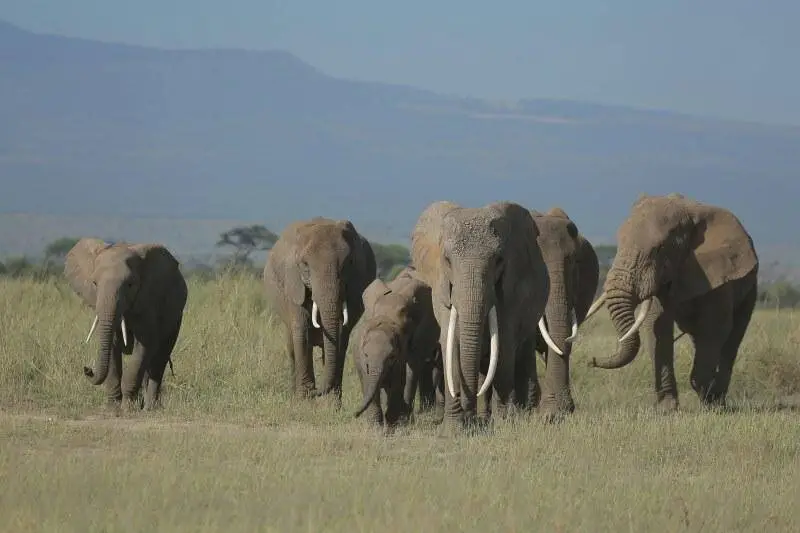
Botswana holds one of the largest elephant populations in Africa, particularly across the northern parts of the country where river systems, mopane woodland, and open sandveld support large numbers of animals. Despite these populations, hunting opportunities remain tightly controlled. Quotas are limited, permits are concession-specific, and only a small number of hunters gain access each season.
Elephant hunting in Botswana is rarely a quick encounter. In most concessions the hunt begins with trackers locating fresh spoor, often in Kalahari sand or along dry river systems where tracks can be followed for long distances. From there, the process becomes a patient exercise in reading sign, managing wind direction, and slowly closing the distance on mature bulls.
Hunters may follow a track for many miles before ever seeing the animal responsible for it. A single bull can move steadily across large areas of country, and successful hunts often depend on the combined judgment of the professional hunter and experienced trackers working together.
Careful bull selection is also an important part of the process. Professional hunters typically focus on older, mature bulls rather than younger animals, and time may be spent observing herds or solitary bulls before a decision is made.
This style of hunting is part of the appeal. The pursuit unfolds slowly, often across vast concessions where wildlife pressure is low and patience becomes the most valuable skill a hunter can bring to the safari.
The pace can feel demanding when quick opportunities are expected. But hunters who value the process of tracking dangerous game through wild country will find Botswana offers one of Africa's most distinctive elephant hunting experiences.
A deeper look at permits, hunting areas and how these safaris operate in practice is available in our detailed guide to hunting elephant in Botswana. Hunters can also compare available elephant hunting safaris across Africa.
Closing the final distance on an elephant is one of the most intense moments in dangerous-game hunting.
Unlike plains game, elephants are usually approached at relatively close range. Wind direction becomes critical, and the final stalk often involves slow, deliberate movement through thick cover while the professional hunter studies the bull and confirms that it is the right animal to pursue.
When the moment comes, the hunter may be standing within a surprisingly short distance of one of the largest land animals on earth. Shot placement must be precise, and decisions are made quickly but calmly.
This is where the experience of the professional hunter becomes essential. Judging the bull, positioning the hunter correctly, and managing the situation if the animal reacts unpredictably all fall within the PH's responsibility.
The quiet tension of standing close to a mature elephant in wild country can become one of the most unforgettable moments of the entire safari. It is also why elephant hunting requires patience, discipline, and respect for the animal being pursued.
Much of Botswana's elephant hunting takes place in the northern parts of the country, where vast concessions stretch across mopane woodland, river systems, and open sandveld.
These landscapes can appear deceptively open at first glance. In reality, thick mopane stands, riverine vegetation, and scattered bush often limit visibility and require careful movement when following elephants on foot.
Tracks are often picked up in sandy soils along dry riverbeds or in open sandveld areas where spoor can be read clearly. From there, hunters and trackers may follow the trail across different types of terrain as bulls move between feeding areas, shade cover, and water.
Botswana's elephant populations are well known for producing mature bulls, particularly in the northern ecosystems connected to large river systems and floodplains.
These environments provide consistent water and forage, allowing bulls to grow old and develop impressive ivory over time. In areas influenced by the Chobe and Okavango ecosystems, hunters may encounter bulls that have lived for decades with relatively low hunting pressure.
Further south, in the drier Kalahari and Bushmanland-type regions, elephant densities tend to be lower and movement patterns are often shaped by seasonal water availability. Bulls in these areas can still reach impressive age and body size, but hunts often involve covering large distances to locate suitable animals.
Because Botswana's hunting system emphasizes controlled quotas and mature bull selection, the focus is usually on age and sustainability rather than simply pursuing the largest possible tusks.
Encountering an old bull that has survived for decades in wild country is often considered the true reward of the hunt.
The scale of these concessions is one of the defining features of hunting in Botswana. Animals are rarely confined to small areas, and elephants can travel considerable distances during the course of a single day.
That sense of space becomes part of the experience. The hunt often unfolds across large stretches of wild country where the only sounds are wind through the trees, distant bird calls, and the occasional crack of a branch as a herd moves ahead.
Botswana's elephant populations have become part of a wider conversation about conservation, land use, and the realities of living alongside large wildlife.
Over the past decades, elephant numbers in parts of northern Botswana have grown significantly. At the same time, the landscapes these animals occupy have not expanded. Wildlife areas remain surrounded by rural communities, farms, and villages where people live and work every day.
For the communities sharing that space, elephants are not an abstract conservation symbol. They are powerful animals capable of destroying crops, damaging infrastructure, and occasionally causing serious danger to people.
These realities create difficult questions.
Elephants require large territories and access to water and forage, yet human populations and agricultural land continue to expand across much of Africa. When those pressures meet, conflict can increase quickly.
Botswana's approach to wildlife management, including tightly regulated hunting, exists partly within that context. The goal is not simply to reduce numbers, but to create a system where wildlife continues to have value for the communities who live alongside it.
Understanding this broader picture adds important context to hunting in Botswana. The hunt forms part of a larger conservation framework shaped by land, wildlife and the people who share the same environment.
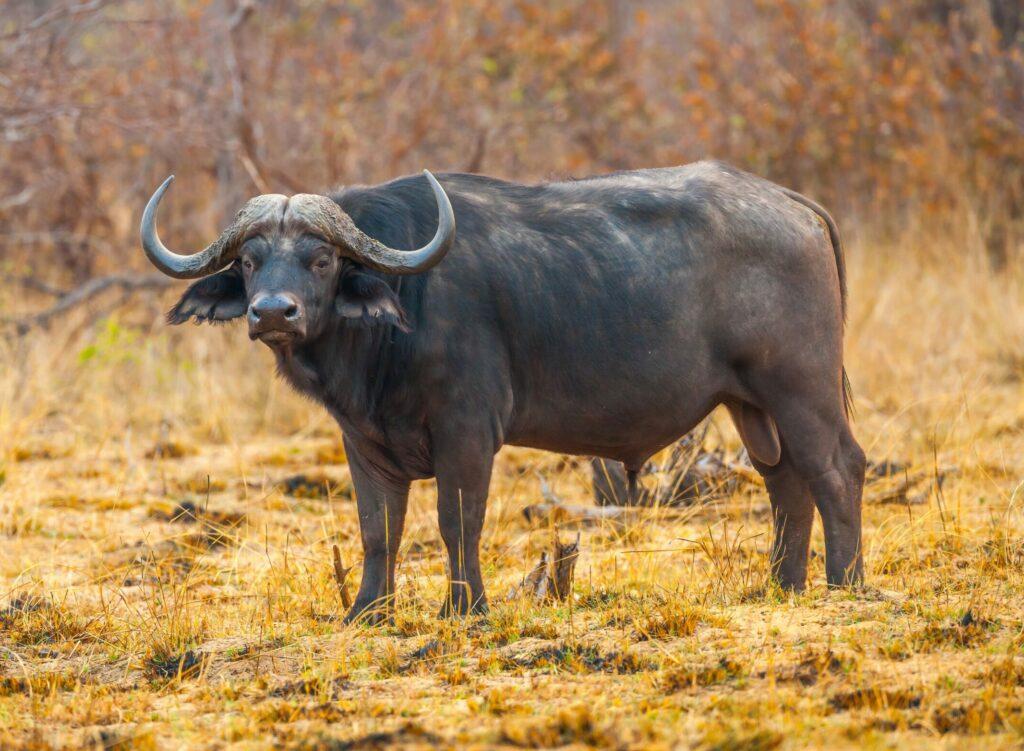
Cape buffalo hunts in Botswana receive far less attention than elephant hunts, yet they remain one of the most respected dangerous-game pursuits available in the country.
Buffalo populations occur primarily in the northern parts of Botswana, particularly in regions influenced by the Okavango Delta, river systems, and seasonal floodplains. These environments provide the water, grazing, and cover that buffalo require, and they support both large herds and solitary bulls moving through woodland and floodplain edges.
Buffalo hunting in Botswana is typically a tracking hunt rather than a stationary encounter. Professional hunters and trackers begin by locating fresh spoor, often along riverbanks, floodplain margins, or sandy tracks where buffalo movement is easiest to detect. Once a track is confirmed, hunters may follow it for hours through mopane woodland, thick bush, and open floodplain areas while carefully managing wind direction.
Herds can move steadily during the day, and the process of closing the distance often requires patience and careful movement through dense cover. It is not uncommon for a herd to detect the hunters first and drift away quietly, forcing the tracking process to begin again.
When mature bulls are located, the professional hunter will typically spend time assessing the animals carefully before committing to the stalk. Older bulls often separate from the main herd or travel in small bachelor groups, and selecting the right animal is an important part of ethical dangerous-game hunting.
Available Cape Buffalo Hunts in Botswana vary according to concession and quota.
Botswana's buffalo hunts tend to take place in large concessions where wildlife pressure is relatively low. This creates an experience that feels deliberate and traditional, where tracking skill, patience, and careful judgment matter more than speed.
Costs for buffalo hunts in Botswana are often higher than in neighboring countries. This is largely a reflection of the country's tightly controlled quota system, remote concessions, and the logistics required to operate in areas with limited infrastructure.
For the right hunter, these factors can be part of Botswana's appeal rather than a drawback. Hunters interested in permits, hunting areas, and what to expect from a dangerous game safari can explore our detailed guide to hunting buffalo in Botswana.
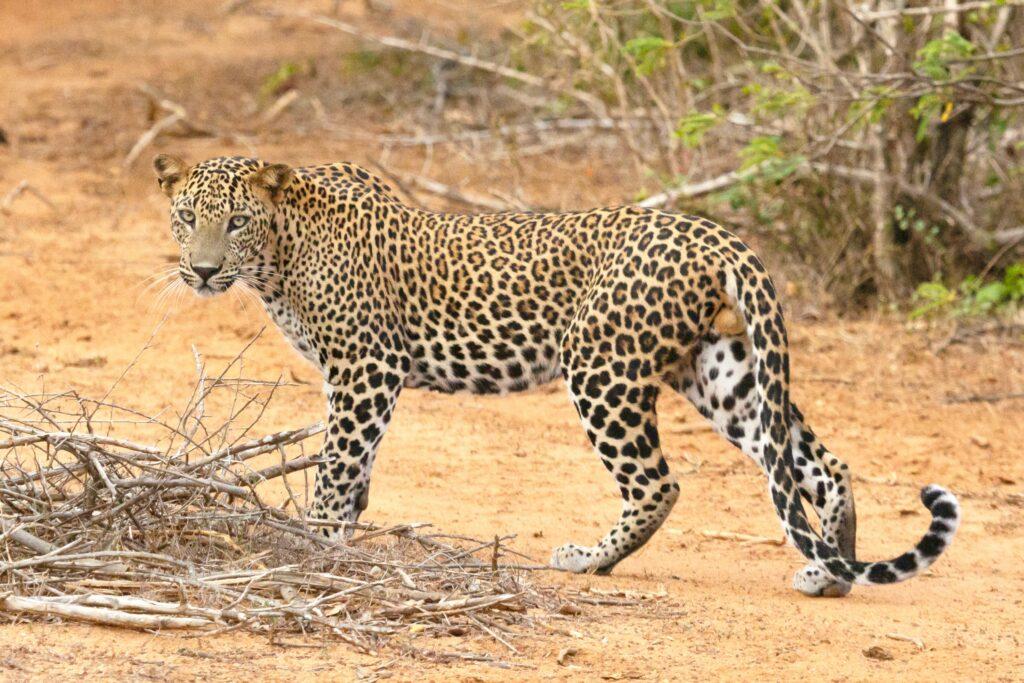
Leopard hunting in Africa traditionally relies on baiting systems, where baits are placed in suitable habitat and hunters wait for a mature tom to return to feed.
In certain areas of Botswana, however, a different method may be used: hunting leopard with trained hounds.
This approach is familiar to many American hunters who have pursued species such as the Mountain Lion using hounds in North America. Once a fresh track is located, trained dogs follow the scent trail while hunters and professional hunters move quickly to stay within range of the pack.
When the dogs successfully pressure the leopard, the animal will often take to a tree or hold its ground, creating a controlled situation where the hunter can approach under the guidance of the professional hunter.
This style of hunting is physically demanding and requires well-trained dogs, experienced handlers, and close coordination between everyone involved in the hunt. Tracks must be found early, the pursuit can cover large distances, and the terrain can make keeping up with the dogs challenging.
Hound hunting is not available everywhere in Africa, and opportunities remain limited even within Botswana. Regulations, quotas, and concession rules determine where and when this method may be used.
The method can feel familiar to hunters with hound-hunting experience in North America, while pursuing leopard in the African bush makes it a very different hunt.
Hunters who want to understand how permits, baiting systems, and hunting areas influence success can explore our detailed guide to hunting leopard in Botswana.
While Botswana is best known internationally for dangerous-game hunting, certain regions of the country also offer rewarding plains game opportunities. This includes species such as kudu, with opportunities available through kudu hunting safaris.
Plains game hunts here tend to follow the same pattern seen across the rest of Botswana's hunting system: limited pressure, large concessions, and an emphasis on patience rather than high animal numbers.
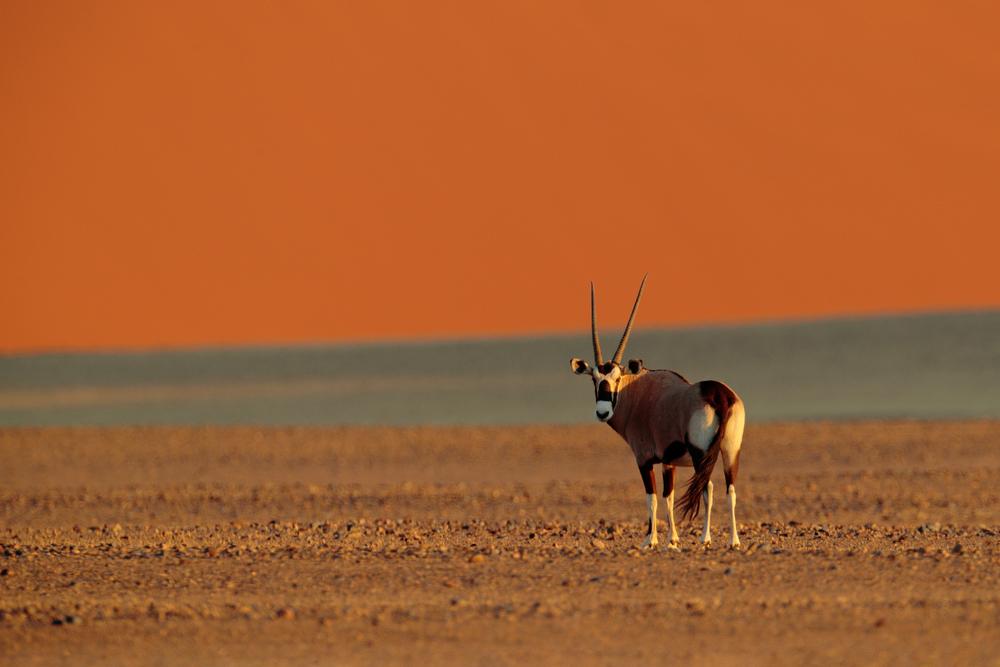
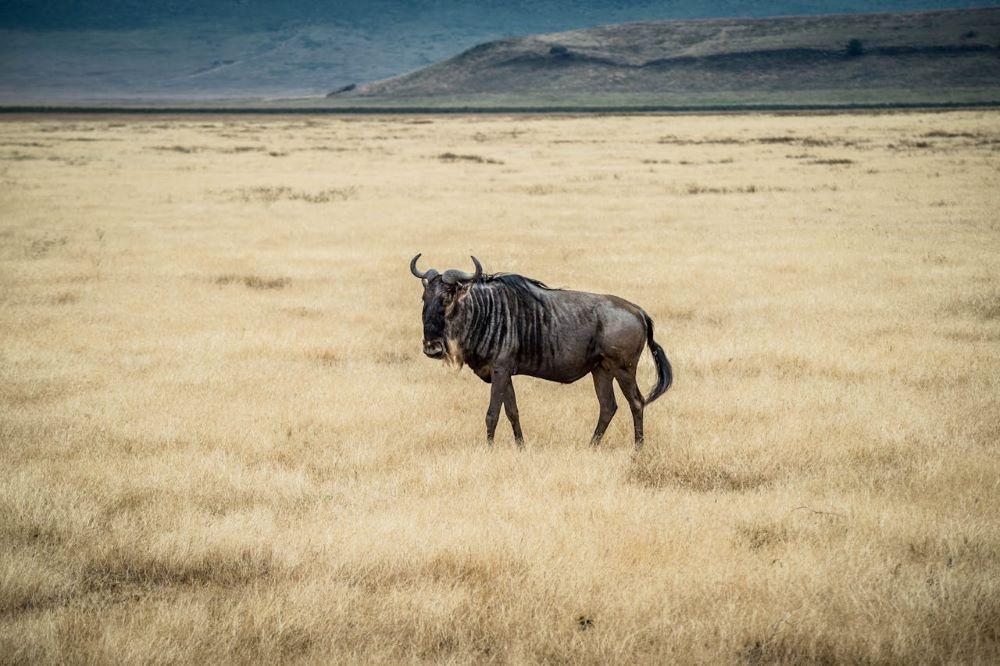
Species that may be encountered in suitable areas include gemsbok, eland, hartebeest and wildebeest. The exact availability of these animals depends heavily on the concession and local habitat, and opportunities are usually more limited than in countries that specialize in plains game safaris.
Traditional tracking across large landscapes gives plains game hunting in Botswana a slower, more deliberate pace.
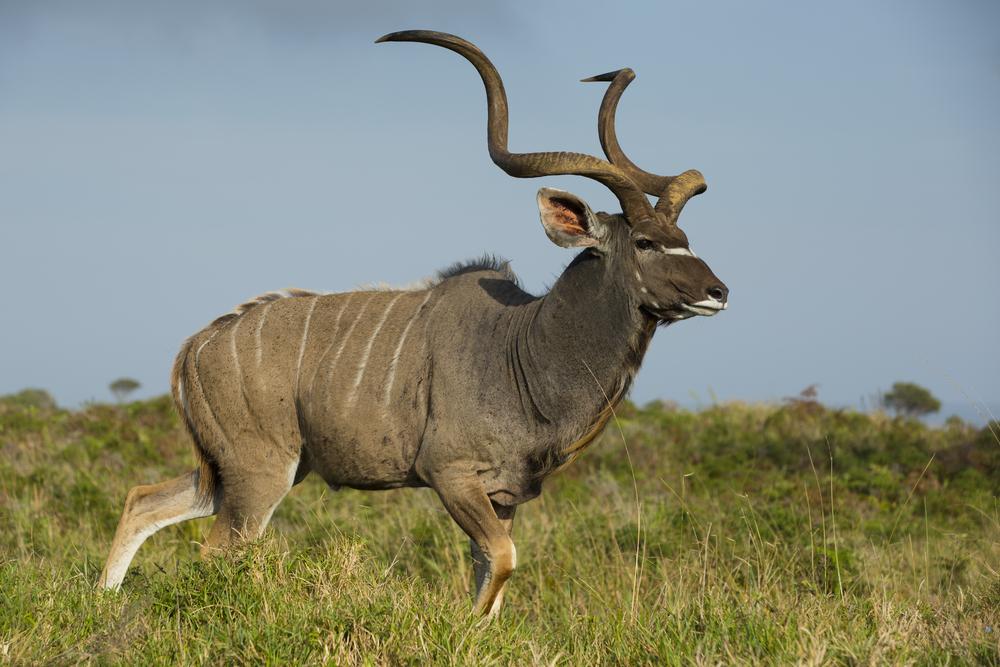
Kudu deserve special mention when discussing plains game hunting in Botswana.
In parts of the southern Kalahari near the border with South Africa, kudu populations have developed impressive genetics. Mature bulls with long sweeping horns are occasionally encountered in these areas, particularly where hunting pressure has historically been low and habitat conditions favor older animals reaching maturity.
Tracking kudu in these regions often involves long walks through thornveld and open sandveld while glassing for movement along ridges, dry riverbeds, and scattered bush lines.
Kudu bulls are famously cautious animals, and even experienced hunters may spend several days locating the right bull before an opportunity presents itself.
While 60-inch kudu are never guaranteed anywhere in Africa, the right concessions in Botswana's southern Kalahari have produced exceptional bulls over the years. Hunters willing to put in the time and cover ground patiently may have a genuine opportunity to encounter an exceptional mature bull.
Botswana is a large country with very different hunting environments depending on the region. Understanding where hunts take place helps hunters develop realistic expectations about terrain, species availability, and the overall style of the safari.
While concession allocations and quotas may change over time, several broad regions are commonly associated with hunting in Botswana.
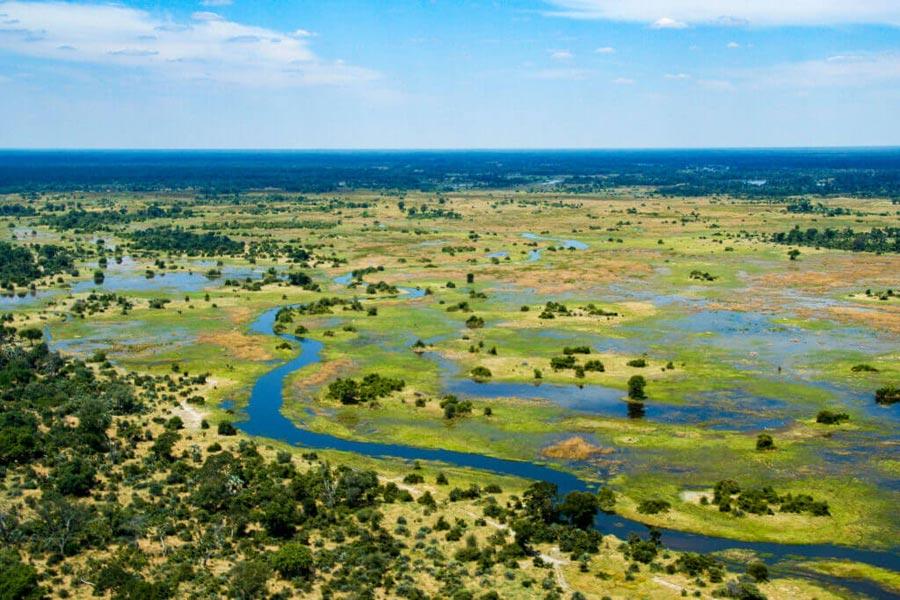
Northern Botswana contains some of the most famous wildlife areas in Africa. River systems, seasonal floodplains, and extensive mopane woodland create habitat capable of supporting large numbers of animals, particularly elephants.
Many of Botswana's elephant hunting safaris take place in concessions surrounding the Okavango Delta and extending toward the Chobe region. These areas are known for their large elephant populations and the complex terrain created by water systems, thick riverine vegetation, and woodland habitat.
Hunting here often involves tracking elephants moving between water, feeding areas, and shaded woodland during the day. Visibility can change quickly as hunters move from open floodplain edges into thicker bush where careful movement and wind awareness become critical.
Buffalo may also occur in suitable habitat near permanent water sources, particularly where grazing conditions support herd movement along river systems.
Northern Botswana provides some of the country's most recognizable dangerous-game landscapes, shaped by water, floodplains and dense vegetation.
Moving away from the major river systems, parts of central Botswana transition into vast sandveld environments with scattered woodland and open terrain.
These areas are often characterized by large concessions where wildlife moves freely across significant distances. Animal densities may be lower than in river-driven ecosystems, but the sense of scale is considerable. These regions are known for plains game hunting opportunities.
Tracking conditions can be excellent in sandy soils, allowing experienced trackers to follow spoor for long distances as animals move through woodland and open country. Hunts in these regions often involve covering ground patiently while reading tracks and interpreting movement patterns.
Central Botswana offers quiet, low-pressure hunting across large wilderness areas, with a slower and more deliberate style of safari.
Southern Botswana gradually transitions into classic Kalahari country, where red sand soils, thornveld vegetation, and open landscapes dominate the terrain.
This environment supports a variety of plains game species and offers excellent tracking conditions due to the sandy soil that preserves spoor clearly. Hunts in these regions often involve long walks through open sandveld while glassing bush lines, ridges, and dry riverbeds for movement.
The southern Kalahari areas near the South African border are particularly well known among experienced hunters for their kudu populations. In the right concessions, where hunting pressure has historically been low and animals have time to mature, exceptional kudu bulls have been taken over the years.
The southern Kalahari offers traditional plains game tracking across wide-open country, a distinctly different hunting environment from the river systems of northern Botswana.
Botswana tends to suit a very specific type of hunter.
Hunters who appreciate Botswana most have often hunted elsewhere in Africa and understand how different hunting systems operate across the continent. They arrive with realistic expectations about permits, quotas, and the slower pace that often comes with tightly managed concessions.
Botswana particularly appeals to hunters who value access to large wilderness areas and lightly pressured wildlife rather than high animal numbers or flexible species lists. The experience often revolves around patience, careful planning, and making the most of a limited opportunity.
Approaching Botswana with that mindset matters because the system does not bend easily. The rules are clear, access is controlled, and the hunt tends to unfold at its own pace rather than being adjusted to meet outside expectations.
Botswana is not well suited for every hunter planning an African safari.
First-time visitors to Africa often benefit from destinations that offer more flexibility, broader species availability, and hunting systems designed to accommodate shorter travel windows. Countries such as Namibia, Zimbabwe, or South Africa often provide a more forgiving introduction to African hunting.
Botswana can also be challenging for hunters working with tight schedules or expecting highly predictable outcomes. The system relies heavily on permits, concession allocations, and seasonal timing, and once those elements are set there is usually very little room to adjust the safari after arrival.
Checklist-driven safaris, where hunters hope to pursue many different species in a short period of time, also tend to fit poorly within Botswana's framework. The country's hunting model prioritizes controlled access and low pressure rather than volume.
Sometimes the most responsible advice is to reassess the hunter's goals and consider a destination that better matches what they want from the safari. That can prevent the wrong hunter from booking the wrong safari.
Most Botswana hunts begin with a conversation that feels different from the start.
"What else could we add?"
"What happens if that species isn't available?"
"Is there a backup plan?"
In Botswana, those questions don't always have satisfying answers.
There may not be another species to add to the safari, and there may be little flexibility once a concession is set. Pressure rarely improves the situation.
Sometimes the right advice is Namibia, Zimbabwe or Zambia instead of Botswana, not because Botswana lacks quality, but because it demands a specific mindset.
Hunters who accept this early tend to have the best experiences. Those who don't often wish they had chosen differently.
Much of Botswana's hunting operates within community-based concession systems.
In practice, this means:
This model prioritizes long-term land value over short-term harvest numbers. It also explains why patience matters more here than in fully commercial systems.
In parts of Botswana, particularly in Kalahari regions, the role of experienced trackers is difficult to overstate.
Many of the best trackers come from San communities whose tracking knowledge has developed over generations of living closely with wildlife in arid environments.
These trackers can often interpret spoor that visiting hunters would never notice, a faint track crossing hard ground, a subtle disturbance in the sand, or a broken twig indicating an animal's movement hours earlier.
On hunts where tracking plays a central role, the success of the safari often depends as much on the skill of the trackers as it does on the hunter or professional hunter.
Watching skilled San trackers interpret spoor can become one of the most impressive parts of a Botswana safari.
Species availability in Botswana is intentionally narrow.
This is not about variety. It's about selectivity.
Quality, low pressure, and context matter more than lists, and species availability is best discussed in relation to specific concessions and permits, not general expectations or wish lists.
One of the first things hunters notice in Botswana is the pace of the hunt.
In countries where wildlife densities are higher and infrastructure is more developed, hunting days can sometimes move quickly from one opportunity to the next. Botswana rarely works that way.
Here, the rhythm of the hunt is usually dictated by tracks rather than schedules. A morning may begin by locating spoor along sand roads or dry riverbeds, and from that point the day can unfold slowly as trackers work to interpret the animal's movement.
Some tracks are abandoned after an hour. Others may be followed for most of the day before the hunters finally close the distance.
This slower pace is part of what defines hunting in Botswana. The emphasis is less on quick opportunities and more on patiently working through the landscape until the right situation develops.
Hunters accustomed to faster safaris may need time to adjust to this rhythm. But once the tracking itself becomes part of the hunt rather than simply a way to reach the animal, Botswana begins to make more sense.
Many Botswana hunts take place in or near Kalahari sandveld environments, where tracking plays a major role in how the hunt unfolds.
Unlike rocky terrain or thick bush where tracks disappear quickly, the Kalahari's sandy soils often preserve spoor clearly for miles. Skilled trackers can read subtle details, direction, pace, and even whether an animal is feeding or traveling.
Following these tracks is rarely quick. A spoor may be followed slowly through thornveld, dry riverbeds, and open sand flats for hours before hunters ever see the animal responsible for it.
A spoor may tell much of the story long before the animal responsible for it is ever seen.
Botswana operates under significant international scrutiny. Hunting decisions are closely watched and often misunderstood.
Ethical conduct here is not optional. It is fundamental to how regulated hunting operates. Professional oversight and restraint matter because continued hunting access depends on responsible management.
Botswana is best understood in contrast:
Botswana rewards preparation.
Successful hunts depend on:
Firearm import permits can take time to process, so applying well in advance is strongly recommended. Many U.S. and Canadian hunters route through South Africa, where firearm transit to Botswana is well established, but the necessary arrangements should still be made well before departure.
Last-minute trips without adequate planning are usually where things unravel. Anyone considering Botswana as part of a broader African Hunting Trip should first make sure the available quota, hunting area and timing genuinely match the species they want to pursue.
The first morning of a Botswana hunt often sets the tone for everything that follows.
Days typically begin early, before sunrise, when trackers and professional hunters check roads, sand tracks and river crossings for fresh spoor left during the night. Much of the decision-making happens during this quiet period, when tracks are still clear and animals have not yet moved far from their night feeding areas.
Once a suitable track is located, the pace of the hunt slows considerably. Vehicles may be left behind while hunters and trackers begin following the spoor on foot through woodland, sandveld or riverine cover.
Some tracks lead quickly to animals. Others may take hours to unravel as the trail winds across the concession, changes direction or crosses the spoor of other animals. Walking behind experienced trackers while the bush slowly wakes up can become one of the most memorable parts of a Botswana safari.
In Botswana, the professional hunter plays a particularly important role in how a safari unfolds.
Because hunting opportunities are tied to specific concessions and tightly controlled permits, much of the responsibility for managing the hunt falls on the professional hunter guiding it. Judging animals, deciding when to pursue a track, and determining whether conditions are right to continue a stalk are decisions that require experience and patience.
On dangerous game hunts, that responsibility becomes even more significant. Reading elephant behavior, interpreting buffalo movement, and managing close encounters safely are skills developed over many years in the field.
The relationship with the professional hunter often becomes one of the defining elements of the safari. Long hours tracking animals across sandveld or woodland naturally create time for conversation, decision-making and shared problem solving.
A Botswana hunt may ultimately be remembered as much for the professional hunter who guided it as for the animals pursued.
In a hunting system where opportunities are limited and each permit carries weight, the judgment and professionalism of the PH guiding the safari can make a meaningful difference in how the hunt ultimately unfolds.
Many Botswana hunting concessions are located far from towns, paved roads, and major infrastructure.
Reaching these areas can involve long vehicle transfers, small charter flights, or extended drives through sand roads and wildlife corridors before camp is even reached.
Once in camp, the sense of isolation becomes clear. There may be no nearby villages, limited communications, and very little outside activity beyond the wildlife moving through the concession.
This level of remoteness is one of Botswana's greatest attractions. Large areas of wilderness remain lightly developed, and hunting pressure can be extremely low.
The isolation can also come as a surprise to anyone accustomed to hunting areas where camps are closer to airports, towns or established infrastructure.
Understanding this remoteness before arriving helps hunters appreciate what Botswana offers rather than being caught off guard by it.
In some African destinations, problems can be corrected after arrival. A species can be swapped. An extra day can be added. Another area or region can be tried.
In some cases, hunters may spend several days working a specific area or tracking a single animal before the opportunity finally appears.
Botswana rarely allows that.
Once permits are issued, concessions allocated, and timing set, there is very little wiggle room to recover from misalignment. If conditions are wrong or expectations were off, there is often no practical way to "fix it later."
This is not a flaw in the system. It is a consequence of how tightly hunting in Botswana is managed.
Planning correctly matters here because the window you are given is often the only one you will have. Make it count.
Hunters researching Botswana often notice that hunting safaris here can cost significantly more than similar hunts in other parts of Southern Africa.
Several factors contribute to this.
First, Botswana operates under a tightly controlled quota system. Hunting opportunities are intentionally limited, and permits are issued in relatively small numbers within specific concessions. Even experienced operators may only receive a handful of permits each season for certain species.
Second, Botswana only recently reintroduced regulated hunting after a period during which big-game hunting was suspended nationwide. When hunting resumed, the system was designed to remain cautious and highly controlled rather than returning to the larger hunting volumes seen in earlier decades.
This means the total number of available hunts each year remains small compared to countries where hunting has operated continuously.
Finally, the geography of Botswana plays a role. Many concessions are located in remote wilderness areas far from towns and major infrastructure. Operating hunting camps in these regions requires significant logistics, including transportation, fuel, staff, and supplies.
These factors combine to create a system where access is limited and operating costs are high.
Low hunting pressure and access to large wilderness concessions are part of what hunters are paying for. Those comparing Botswana with other destinations can review our African Hunting Safari Prices guide to understand how daily rates, trophy fees and safari logistics affect the overall cost of hunting in Africa. Botswana's cost structure is shaped less by luxury than by logistics. The hunter is paying for access to remote country, limited quota and low hunting pressure rather than variety or volume.
Botswana is a destination that tends to change in memory.
Hunters who arrive expecting guarantees or momentum may look back with frustration, feeling that the effort and cost did not translate into the safari they imagined.
With realistic expectations from the beginning, Botswana can grow in stature over time. The controlled pace and absence of pressure begin to make more sense long after the hunt is over.
That delayed clarity is one of the reasons Botswana is so often misunderstood online. It is not a destination that rewards impulse. It rewards judgment, sometimes only after enough time has passed to recognize it. Returning hunters may also come to appreciate the scale of the landscape itself, where wildlife can still move across large areas with relatively little disturbance.
A Botswana hunting trip can also be extended with a few days of photographic safari after the hunt is complete. Botswana is internationally known for its wildlife tourism, particularly in regions such as the Okavango Delta and surrounding wilderness areas where photographic camps operate in landscapes rich with animals and birdlife.
After days spent tracking animals on foot, a photographic safari offers a very different perspective. Game drives, river safaris, and guided wildlife viewing allow visitors to experience the same ecosystems in a slower and more observational way.
Some hunters travel with spouses or family members who join them for this part of the trip. Others simply enjoy spending a few days relaxing and observing wildlife before beginning the long journey home.
Because many hunting concessions are located near major wildlife ecosystems, adding a short photographic safari can often be arranged without complicated travel. In some cases, it becomes a fitting way to conclude a demanding and memorable hunt.
Before committing to a Botswana hunt, hunters should pause and ask themselves a few practical questions.
Are you comfortable planning a safari where the species list may be limited and the itinerary fixed long before arrival?
Are you willing to accept that permits, timing, and concession allocation may leave very little room for adjustment once the hunt begins?
Are you prepared for a hunting experience that may emphasize patience, tracking, and time in the field rather than frequent shooting opportunities?
Answering yes to these questions is a good indication that Botswana may suit you. Expecting flexibility or rapid success can lead to a very different experience.
Understanding that difference before booking matters.
Botswana does not compete on volume, convenience, or guarantees.
Its appeal lies in controlled access, large hunting areas and a system that refuses to manufacture opportunities simply because a hunter wants them.
For the right hunter, that is exactly the appeal.
Yes, it is legal to hunt in Botswana but it must be undertaken within a regulated and limited framework.
Not always. Botswana generally offers less flexibility than destinations such as South Africa, Namibia or Zimbabwe, so first-time hunters need to understand its permit, quota and concession system before booking.
Because hunting is treated as a management tool, not a volume activity.
Well in advance. Botswana does not accommodate last-minute planning well.
Availability depends on concession and permit structure, not general lists.
Latest Blogs About Botswana
Search from our range of Hunts across various popular destinations in Africa.

Book Your Hunt