Designed by Hunters, for Hunters

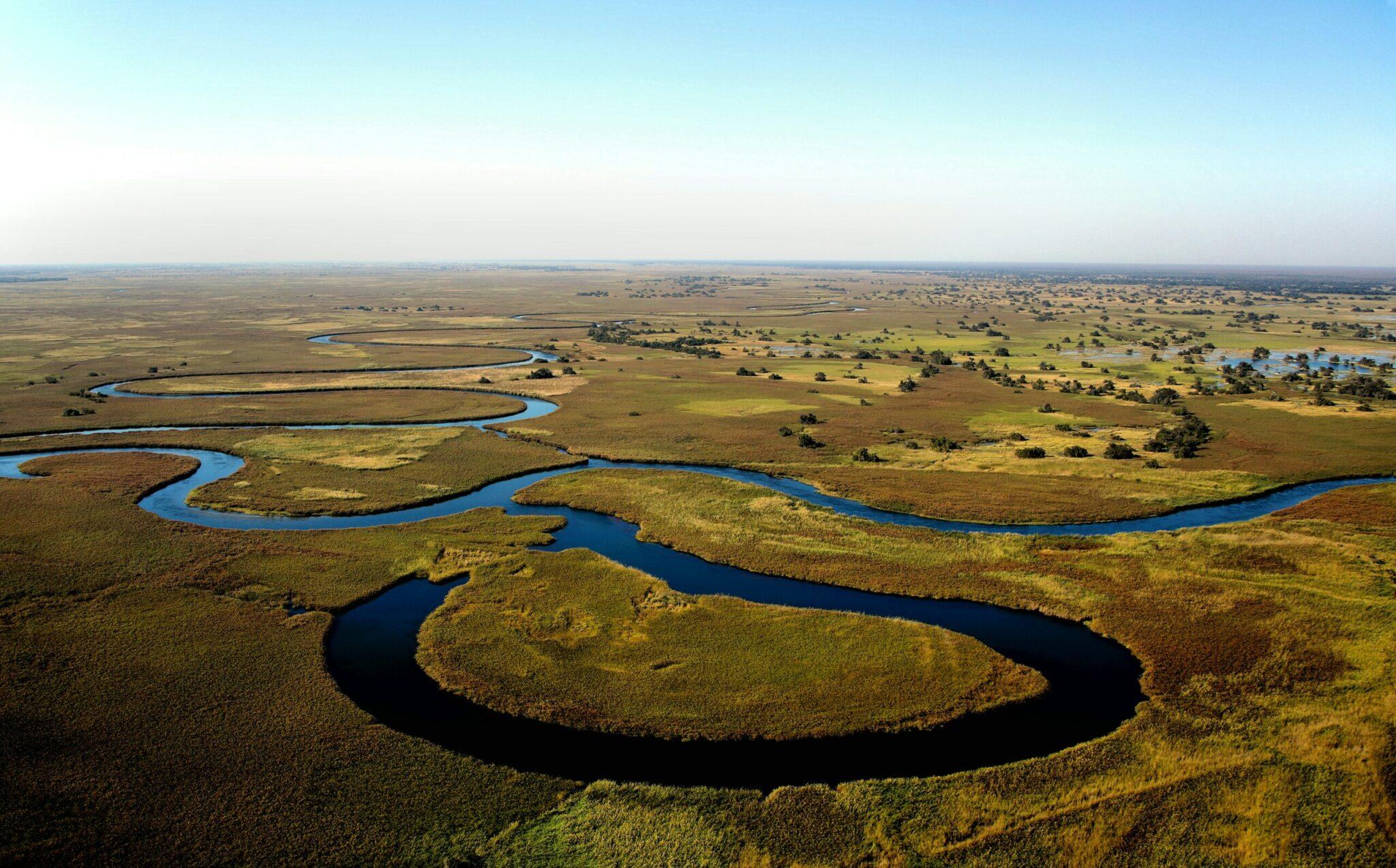
For American and Canadian hunters planning their first safari, one of the most common questions is simple: when is the best time to hunt in Africa?
In most regions, the best time to hunt in Africa generally falls during the dry season months, when vegetation becomes thinner, water sources shrink, and animals move more predictably through the landscape.
The answer is not always straightforward. Unlike North America, where most big game seasons are tied closely to fall and winter, Africa's hunting conditions are shaped primarily by rainfall patterns and dry seasons rather than traditional calendar dates.
Across much of southern and eastern Africa, wildlife behavior changes significantly depending on how much rain has fallen and how long the landscape has been dry. These seasonal changes influence everything from vegetation and water availability to animal movement and visibility in the field.
During the wet season, many regions receive regular rainfall that quickly transforms the landscape. Grass grows thick, brush becomes dense, and water may be available across a wide area of terrain. While these conditions create beautiful green landscapes, they can make hunting more challenging. Animals often disperse across larger areas because water and grazing are widely available, and thick vegetation can make spotting game more difficult.
As the season progresses and the dry months begin, conditions gradually shift. Vegetation starts to thin, water sources become more limited, and animals begin concentrating around rivers, waterholes, and reliable grazing areas. For hunters, these changes often improve visibility and make tracking easier, particularly in open country.
This is one reason many professional hunters consider the dry season to offer some of the most consistent hunting conditions across many parts of Africa.
However, timing is not only about weather. Seasonal changes can also influence animal movement, predator behavior, and habitat use, which means the best time to hunt can vary depending on the species being pursued and the region where the safari takes place.
Understanding these seasonal patterns helps hunters plan their safari more effectively and gives them a clearer picture of how hunting conditions evolve throughout the year. Hunters who want to explore available destinations, species, and safari options can visit our African Hunting Safaris guide to learn more about hunting opportunities across the continent.
Another factor experienced professional hunters often consider is rainfall from the previous season, not just the current one. In many African ecosystems, the amount of rain that fell months earlier determines how much grazing will remain available as the dry season progresses. If the previous rainy season produced abundant grass growth, animals may remain widely distributed for longer periods because food and water remain available across the landscape. When rainfall has been limited, grazing conditions can deteriorate much earlier, which often causes animals to begin concentrating around reliable water sources sooner in the season. These subtle differences in rainfall patterns can influence wildlife distribution long before visiting hunters ever arrive in camp.
While seasonal patterns across Africa generally follow wet and dry cycles, many hunters prefer to think about safari planning in terms of months. The calendar below gives a broad overview of how hunting conditions typically change throughout the year across southern and eastern Africa.
Because Africa covers a vast geographic area, conditions can vary between countries and even between different hunting regions within the same country. However, these general patterns provide a useful starting point for hunters planning their first safari.
January and February fall in the middle of summer in much of southern Africa. Temperatures can be warm, and many regions experience periods of rain during these months.
The landscape is often green and thick with vegetation, which can make spotting animals more challenging in some areas. Water is widely available, allowing animals to disperse across larger areas of habitat.
Hunting still takes place in countries such as South Africa and Namibia during this time, particularly on well-managed properties where animals remain present throughout the year. However, visibility can sometimes be more limited compared to later in the season when vegetation begins to thin.
March and April are often considered a transitional period as summer begins to fade and temperatures gradually become more comfortable.
Rainfall usually begins to decrease, and the landscape slowly starts shifting from lush summer growth toward the drier conditions that characterize much of Africa's prime hunting season.
These months are often underrated for safari hunting. Weather conditions can be very pleasant, and many animals remain active as the seasonal transition takes place.
May and June often mark the beginning of the prime safari season across much of southern Africa.
Temperatures cool noticeably, particularly in the mornings, and rainfall becomes far less frequent. Vegetation begins to thin as grasses dry out and bush cover becomes easier to see through.
These changes improve visibility and tracking conditions, which is why many hunters begin planning safaris during this part of the year. Plains game hunts are especially popular during these months in countries such as South Africa, Namibia, and Zimbabwe.
July and August are widely considered some of the most comfortable months to hunt in many parts of Africa.
Morning temperatures can be cool, particularly in open country or desert environments, but daytime conditions are usually mild and very pleasant for walking and glassing.
Vegetation is typically dry and thinner by this stage of the season, which improves visibility in the field. Animals often follow predictable movement patterns between feeding areas and water sources, making these months very popular with visiting hunters.
By September and October, many areas are well into the late dry season.
Water sources become increasingly important for wildlife, and animals often concentrate around rivers, waterholes, and remaining grazing areas. These conditions can create excellent opportunities for tracking and stalking game.
Late dry season months are particularly well known for dangerous game hunts in several African countries. Tracking species such as buffalo or elephant can become more predictable as animals move between feeding areas and reliable water sources.
However, temperatures can also become warmer during this part of the season, especially in lowland areas.
Toward the end of the year, the first summer rains begin returning to many parts of southern Africa. Thunderstorms become more common, and the landscape quickly starts turning green again.
As vegetation returns and water becomes more widely available, animals may begin spreading out across larger areas of habitat.
Some hunting seasons begin closing during this period depending on the country and wildlife regulations. In other areas, certain plains game hunts may still continue, particularly where conditions allow.
Understanding how these seasonal patterns unfold throughout the year helps hunters choose a time that matches both their preferred weather conditions and the type of hunting experience they hope to have.
In the next section, we'll look more closely at how seasonal conditions influence animal movement and hunting opportunities in the field.
While weather and vegetation are important factors when planning a safari, seasonal conditions also influence how animals move through the landscape and how they respond to hunting pressure.
Many hunters assume that once they arrive in a large concession, the animals they are hunting will simply be present throughout the season. In reality, wildlife movement in Africa is closely tied to water availability, grazing conditions, and natural food cycles. Even in very large hunting areas, animals may shift their location depending on the time of year and environmental conditions.
Understanding these patterns is one reason experienced professional hunters pay close attention to seasonal timing when planning certain hunts.
Some of Africa's largest game animals travel considerable distances throughout the year in response to changing rainfall, grazing conditions, and the availability of permanent water. Elephant Hunts are a good example of why understanding these seasonal movements is so important when planning a safari.
Unlike territorial animals that remain within relatively small home ranges, elephant herds may shift across vast landscapes as environmental conditions change. A hunting concession that regularly holds elephants early in the season may see fewer animals later in the year if nearby areas receive better rainfall or offer more abundant grazing.
For visiting hunters, this can be surprising. Even concessions covering hundreds of thousands of hectares cannot guarantee that elephants will always be using the same part of the property. Wildlife moves according to natural conditions rather than concession boundaries, which is one of the defining characteristics of free-range hunting in Africa.
Experienced professional hunters closely monitor fresh spoor, water availability, and recent elephant activity throughout the season. Rather than hunting where elephants were seen weeks earlier, they focus on where the herds are most likely to be at that particular time of year, greatly improving the chances of a successful safari.
Predator hunting often depends on baiting systems designed to attract animals such as leopard or hyena into a shooting position. However, the success of bait sites can be strongly influenced by natural food availability in the surrounding ecosystem.
During certain times of year, many plains game species give birth. When large numbers of young animals are present in the landscape, predators may have abundant natural prey available. Under these conditions, predators sometimes rely less on bait because food is already widely available.
When this happens, bait sites may be visited less frequently, which can make predator hunts less predictable.
Because of this, experienced professional hunters often consider prey breeding cycles when planning hyena or Leopard Hunts.
Extreme drought conditions can also influence predator hunting in unexpected ways.
During severe dry periods, wildlife may become stressed by limited water and grazing. In some situations this can lead to increased natural mortality among animals. When carcasses are present in the landscape, predators may feed opportunistically on these natural food sources.
As a result, bait sites prepared by hunters may become less attractive because predators are already feeding elsewhere. While drought conditions can sometimes concentrate wildlife around remaining water sources, they can also make predator bait activity less predictable.
Professional hunters take these conditions into account when planning hunts and monitoring bait sites.
Seasonal water levels can also affect hunts for animals that live in rivers and floodplains, particularly hippo and crocodile.
During the wet season, rising rivers and widespread flooding can dramatically increase the amount of available habitat. Floodplains may fill with water, channels expand, and animals that normally remain in defined river systems can spread across much larger areas.
When this happens, locating specific animals can become more difficult. Recovering animals after a shot may also present additional challenges if strong currents or deep water are involved.
Many hippo and Crocodile Hunts are often more productive when water levels are lower and animals are concentrated within defined river channels or pools.
Seasonal conditions like these are one reason safari timing can matter just as much as the location of the hunting area itself. Understanding how weather, water, and food availability affect wildlife movement helps professional hunters plan hunts more effectively and increases the chances of successful encounters in the field.
One of the biggest surprises for first-time safari hunters is how dramatically Africa's landscape changes between the wet and dry seasons. The wide-open plains often shown in photographs represent only part of the story. Across much of the continent, vegetation can vary from dense, shoulder-high grass and thick bush to open woodland where game is visible over much greater distances.
During the rainy months, grasses grow rapidly and bush becomes thick across many hunting areas. In some regions, the cover becomes so dense that even large animals such as kudu, wildebeest, and buffalo can disappear completely only a short distance away. These conditions often make spotting game more difficult and place greater emphasis on tracking skills than long-range observation.
As the dry season progresses, grasses begin to dry out and collapse while many trees gradually shed their leaves. Visibility improves steadily, allowing professional hunters to glass larger areas and spot game more easily. Natural grazing by large herbivores and controlled seasonal burning in some regions can further open the landscape, creating excellent stalking conditions.
This change in visibility is particularly noticeable during Cape Buffalo Hunts, where hunters often spend long hours following fresh spoor through thick cover. Later in the dry season, thinner vegetation makes it easier to locate buffalo herds, judge mature bulls, and plan safe stalking approaches without sacrificing the challenge of the hunt.
These seasonal changes influence every aspect of a safari. Early in the season, more time may be spent tracking animals through dense vegetation, while later in the year glassing and carefully planned stalks often become more effective. This is one of the reasons many African hunting safaris are scheduled during the middle and latter part of the dry season, when both visibility and tracking conditions are generally at their best.
As the dry season progresses across much of southern and eastern Africa, wind patterns often become more stable and predictable. Early in the season, lingering moisture and unstable weather systems can sometimes produce shifting breezes that make stalking animals more difficult.
Later in the dry season, wind direction often becomes more consistent as the landscape dries out and daily weather patterns stabilize. For professional hunters planning a stalk, this consistency can make a significant difference when approaching animals that rely heavily on scent to detect danger.
Many African species, including kudu, buffalo, and numerous antelope, depend strongly on their sense of smell. Even a small change in wind direction can alert animals long before hunters are within shooting range. When wind patterns are stable, professional hunters can plan their approach more carefully and use terrain features to remain undetected.
For visiting hunters, this is one of the subtle advantages of hunting later in the dry season when environmental conditions often make stalking more predictable.
Temperature is another environmental factor that can influence how comfortable and productive a safari feels in the field. While much of Africa enjoys pleasant winter conditions during the dry season, temperatures can vary significantly depending on the region and time of year.
Early in the hunting season and again toward the end of the dry months, daytime temperatures in some areas can become quite warm, particularly in lowland regions or river valleys. During hotter periods, many animals reduce their movement during the middle of the day and spend more time resting in shade or thick cover.
For this reason, professional hunters often adjust the rhythm of the hunt to match these conditions. Early mornings and late afternoons tend to be the most productive periods, when cooler temperatures encourage animals to move between feeding areas and water sources.
Cooler months in the middle of the dry season often provide the most comfortable walking conditions for hunters as well. Lower temperatures allow longer stalks on foot and can make tracking through the bush far more enjoyable during extended days in the field.
Another factor that some hunters consider when planning safari timing is the presence of biting insects and ticks. In warmer months or wetter conditions, insects such as mosquitoes, flies, and small ticks can be more active in certain regions of Africa.
In areas with thick bush or tall grass, hunters may occasionally encounter what are sometimes called "pepper ticks," extremely small ticks that can attach to clothing or skin while moving through vegetation. While these are usually more of an irritation than a serious health concern, large numbers of bites can make a hunt uncomfortable if proper precautions are not taken.
In parts of eastern and southern Africa, tsetse flies may also occur in specific regions, particularly in warmer lowland areas. These flies are well known for their painful bites and can be active during certain times of the year.
For this reason, some hunters prefer planning safaris during the cooler dry-season months when insect activity is generally reduced. Wearing long sleeves, using insect repellent, and following advice from experienced professional hunters can usually minimize these issues and keep the focus on the hunt itself.
Another subtle factor that can influence hunting success, particularly for predators, is the phase of the moon.
Many African animals adjust their activity patterns depending on nighttime visibility. During bright full moon periods, prey species often remain more alert throughout the night because they are more visible to predators. As a result, predators may hunt more actively during the darkest hours when the moon has set.
For hunts that rely on bait, such as leopard or hyena hunts, moon phases can sometimes influence when animals approach bait sites. During darker nights, predators may move more confidently through the landscape and visit baits earlier in the evening.
Professional hunters often pay attention to lunar cycles when planning certain predator hunts. While moon phase alone does not determine hunting success, it can influence animal movement patterns and nighttime behavior in subtle ways.
For hunters sitting in a blind waiting for a predator to approach bait, these small differences in nighttime activity can sometimes make a noticeable difference.
Wildlife behaviour can also change gradually as the hunting season progresses.
In many African concessions, animals may be relatively relaxed during the early part of the season when hunting pressure has been minimal for several months. As safaris begin and hunting activity increases, some animals naturally become more cautious.
Species such as kudu, buffalo, and even plains game like impala may begin spending more time in thicker cover or shifting their movement patterns toward quieter parts of the concession. Professional hunters often adjust their strategy accordingly, moving into different areas where animals feel less disturbed.
This is one reason large hunting concessions are valuable. Properties covering tens of thousands of hectares allow professional hunters to change hunting areas as animal behaviour shifts during the season.
For visiting hunters, understanding how hunting pressure affects wildlife behaviour helps explain why experienced guides sometimes change hunting areas even when animals were seen in a particular location earlier in the season.
While general seasonal conditions influence many safari hunts, certain species also have behavioral patterns that affect when they are most commonly pursued.
For example, some animals may become more active during cooler months, while others adjust their feeding patterns depending on available vegetation and water sources. Professional hunters often consider these natural habits when recommending the timing of a hunt.
Certain dangerous game hunts operate under strict quotas that limit how many animals can be taken within a season. Because of these restrictions, hunters may need to plan their safari well in advance to secure a permit for a particular species.
These factors are another reason why timing plays such an important role in safari planning. Working with experienced outfitters and professional hunters helps ensure that a hunt is scheduled when both environmental conditions and wildlife behaviour are most favorable.
While general seasonal patterns such as wet and dry periods influence hunting conditions across much of the continent, Africa is far too large and geographically diverse to follow a single uniform hunting calendar.
Rainfall patterns, terrain, altitude, and river systems all influence when animals move and how hunting conditions develop throughout the year. As a result, the best time to hunt often depends on the specific region of Africa where the safari takes place.
For many international hunters, African hunting safaris take place in two broad regions: southern Africa and eastern Africa. Each region has slightly different seasonal patterns that influence hunting conditions.
In some remote hunting areas, seasonal access can also influence when safaris are scheduled. During the rainy season, certain roads and tracks may become difficult or even impossible to travel due to mud, flooding, or swollen river crossings. In wilderness concessions across parts of Tanzania, Mozambique, and Zambia, these seasonal conditions can limit vehicle movement and make reaching distant hunting areas far more challenging. As the dry season progresses and roads begin to harden, professional hunters can often access larger parts of the concession, allowing hunts to take place across a wider range of terrain. For visiting hunters, this is another reason many safaris are planned during the drier months when both wildlife movement and access conditions tend to be more predictable.
Africa's tropical rainforests offer a completely different hunting environment from the open savannas and woodlands of southern and eastern Africa. Dense vegetation, year-round humidity, and limited visibility mean these safaris rely far more on tracking, patience, and local knowledge than on long-distance glassing or spotting game across open country.
Hunting in Cameroon is widely regarded as one of Africa's premier rainforest destinations, where hunters pursue species such as Lord Derby eland, bongo, forest sitatunga, dwarf buffalo, giant forest hog, and numerous forest duikers. Experienced Baka (Pygmy) trackers play a vital role in these hunts, interpreting subtle signs that would easily be missed by most visiting hunters.
Further south, Hunting in the Republic of Congo takes place deep within the Congo Basin, one of the largest remaining tropical rainforests on Earth. Here, hunters follow ancient forest trails in search of elusive species such as bongo, forest elephant, western sitatunga, and several rare duiker species. Success often depends on understanding animal behaviour in dense forest rather than covering long distances each day.
Although much smaller in scale, Hunting in Gabon offers another unique rainforest experience. Thick forests, swamp systems, and remote wilderness concessions support species that are rarely encountered elsewhere in Africa, making Gabon an appealing destination for hunters seeking unusual and highly specialised trophies.
Unlike many savanna hunts that are planned around a clearly defined dry season, rainforest hunting is influenced by local rainfall patterns, accessibility, and the behaviour of individual species. Conditions can vary considerably between concessions, making it especially important to plan these safaris around the recommended hunting periods provided by experienced outfitters and professional hunters.
Southern Africa includes countries such as Hunting in South Africa, Namibia, and Zimbabwe, which host a large percentage of the plains game safaris booked by international hunters.
These countries generally offer some of the longest hunting seasons in Africa, with many areas operating from late autumn through the dry winter months. Namibia Hunting Safaris are particularly popular during this period because of the country's dry climate and excellent visibility across many hunting areas.
The dry season in southern Africa typically begins around May and continues through September or October. During this time, vegetation becomes thinner, water sources become more limited, and animals often move more predictably between feeding areas and waterholes, creating excellent conditions for Hunting in Zimbabwe, especially in large free-range concessions.
These conditions can make spotting and stalking game more consistent, which is one reason the middle of the dry season is so popular with visiting hunters.
Because of well-developed infrastructure, stable wildlife populations, and a wide variety of plains game species, southern Africa is often considered an ideal introduction to African hunting for first-time safari hunters. .
Eastern Africa offers a different style of safari from many southern African destinations. Hunting in Tanzania is renowned for its vast wilderness concessions, where hunters pursue classic dangerous game in some of Africa's last great unfenced hunting areas. Many of these concessions measure hundreds of thousands of hectares, providing an authentic East African safari that has changed very little over the decades.
Further south, Mozambique Hunting Safaris combine remote wilderness with healthy populations of buffalo, leopard, crocodile, hippo, and a wide variety of plains game. Many concessions also cover hundreds of thousands of hectares, allowing wildlife to move naturally across the landscape with very little human disturbance.
Likewise, Hunting in Zambia is built around traditional free-range safaris, where experienced professional hunters and trackers follow game on foot through extensive wilderness areas. Zambia is particularly respected for its classic walking safaris, where tracking skills, bushcraft, and patience often play as important a role as marksmanship. Together, these destinations are regarded as some of Africa's finest wilderness hunting areas.
Hunting seasons throughout eastern Africa are closely tied to seasonal rainfall patterns and wildlife management regulations. As the dry season progresses, vegetation becomes thinner, water sources shrink, and tracking animals such as buffalo and elephant often becomes more predictable. Many of Africa's classic dangerous game safaris are therefore scheduled during the latter part of the dry season when both wildlife movement and visibility are at their best.
These wilderness concessions also experience significant seasonal changes, particularly around river systems and floodplains. During the rainy season, access roads may become flooded or difficult to navigate, while wildlife often disperses across much larger areas. Later in the dry season, animals gradually concentrate around permanent rivers, waterholes, and remaining grazing areas, creating excellent conditions for tracking and stalking.
While much of the region is associated with dangerous game, Hunting in Uganda offers a different experience. Uganda is best known for its East African species, including Nile buffalo and East African sitatunga, with hunting areas that combine savanna, wetlands, and river systems quite unlike those found farther south.
Understanding these regional differences helps hunters choose not only the right destination, but also the most suitable time of year for their safari. Seasonal conditions can vary considerably across Africa, making local knowledge an important part of planning a successful hunt.
Unlike much of Africa, where hunting seasons are closely linked to rainfall and the transition between wet and dry seasons, Hunting in Ethiopia takes place across the country's spectacular highlands and mountain ranges. Altitude has a significant influence on both climate and wildlife behaviour, creating hunting conditions that differ noticeably from those found elsewhere on the continent.
Many of Ethiopia's most sought-after species, including Mountain Nyala, Menelik's Bushbuck, Soemmerring's Gazelle, and Abyssinian Bushbuck, are endemic to the country and occupy habitats ranging from open highland plateaus to steep mountain slopes. Cooler temperatures and varied terrain often make these safaris physically demanding, but they also provide one of Africa's most distinctive hunting experiences.
As with other specialised destinations, the best time to hunt in Ethiopia depends on seasonal weather patterns, local regulations, and the species being pursued. Hunters planning an Ethiopian safari should always seek advice from experienced outfitters familiar with the country's unique hunting areas.
By the time many hunters begin seriously planning a safari, they often have a general idea of what they hope to hunt and where they would like to go. However, understanding how seasonal conditions influence wildlife movement can help refine those plans and improve the overall hunting experience.
The best time to hunt in Africa is rarely determined by a single factor. Weather, animal behavior, water availability, and regional conditions all play a role in shaping how hunting unfolds in the field.
For example, hunters pursuing plains game in southern Africa often prefer the middle months of the dry season, when vegetation has thinned and animals move more predictably between feeding areas and water sources. These conditions can make spotting game easier and allow professional hunters to plan more effective stalks.
Hunters pursuing dangerous game may also benefit from the late dry season in many areas. As water becomes limited and animals concentrate near reliable rivers or waterholes, tracking conditions often improve and wildlife movement becomes easier to anticipate.
Other hunts may be influenced by different seasonal considerations. Predator hunts, for example, can be affected by natural prey cycles, while animals such as hippo and crocodile are often easier to locate when water levels are lower and river systems are more defined.
Because of these variations, experienced hunters often work closely with outfitters and professional hunters when choosing safari dates. Local knowledge about rainfall patterns, wildlife movement, and seasonal conditions can help determine when animals are most likely to be present in a particular hunting area.
Planning ahead is also important because many safaris operate under limited wildlife quotas. Dangerous game hunts in particular may be booked well in advance due to the small number of available permits each year.
For hunters planning their first African safari, understanding how seasons influence hunting conditions can make the entire experience more predictable and rewarding. Choosing the right time of year not only improves the chances of encountering game, but also allows hunters to experience Africa's landscapes and wildlife at their most dynamic.
In the end, timing is simply one more part of the preparation that turns a hunting trip into a well-planned safari.
For many hunters, planning an African safari begins with choosing a destination and the species they hope to pursue. But as experienced hunters quickly learn, timing can be just as important as location.
Seasonal changes in rainfall, water availability, and wildlife movement all influence how animals use the landscape throughout the year. Understanding these patterns helps hunters plan safaris that match both the conditions they prefer and the species they hope to encounter.
With the right preparation and local knowledge, choosing the right time of year can make an already remarkable hunting experience even more rewarding.