Designed by Hunters, for Hunters

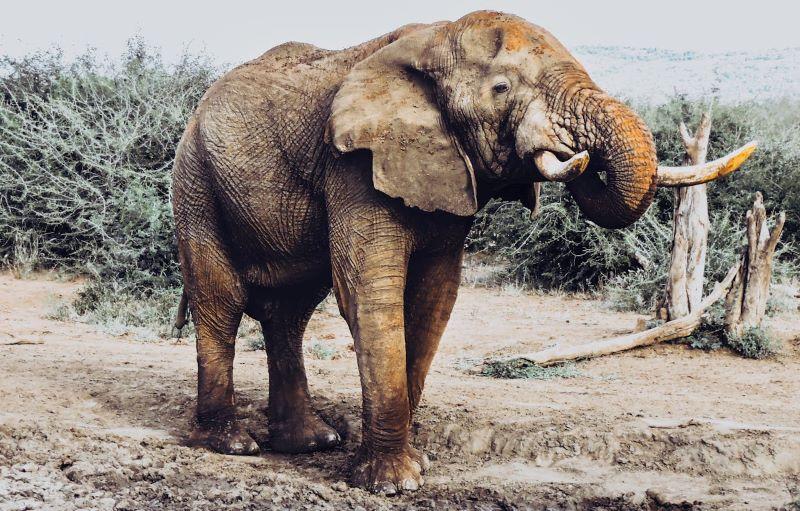
Despite an interim Court Interdict issued in 2022 prohibiting the Department of Forestry, Fisheries, and Environment (DFFE) from allocating permits for trophy hunting of elephants, leopards, and black rhinos, on 3 September 2023, a male elephant was killed in an inhumane manner during an unlawful trophy hunt in Limpopo Province, South Africa. This incident highlighted the need for stricter enforcement of wildlife legislation and for those responsible to be held fully accountable.
As one of Africa's iconic Big Five Hunting species, elephants are subject to some of the continent's most closely regulated wildlife management policies. Ethical Elephant Hunts operate within strict legal frameworks designed to support conservation, sustainable wildlife management and local communities. When individuals choose to ignore those laws, the consequences extend far beyond a single illegal hunt, damaging public confidence and undermining the reputation of legitimate hunting operations across Africa.
Game Hunting Safaris does not condone the actions of the hunters or any other parties involved in this incident. We remain committed to promoting professionally managed, legal and ethical hunting safaris that contribute to conservation, anti-poaching initiatives and meaningful benefits for local communities.
On September 3, 2023, an elephant hunting party, including a client, a hunting guide, and a reserve representative, conducted an unlawful trophy hunt on a male elephant in the Maseke Game Reserve, situated within the Balule Nature Reserve, Limpopo Province, South Africa. The client fired the initial shot, wounding the elephant, following which both the reserve representative and hunting guide fired shots, but still failed to kill the elephant, which then fled to the neighboring Grietjie Game Reserve, where trophy hunting is prohibited. Unable to keep up with the elephant, the hunting group called in the help of a helicopter to chase the elephant back to Maseke Game Reserve, where it was eventually killed after approximately eight shots.
The Elephant hunt was conducted with apparent disregard for the interim court interdict, although the Balule General Manager, Ian Nowak, claims that Maseke Reserve “conducted the hunt in accordance with the requirements and protocols”, and that the hunt was legal. Tony Gerrans, executive director of Humane Society International-Africa (HSI/Africa) argues that considering the high court’s interim interdict prohibiting the issuance of permits for hunting elephants, rhinos, and leopards, Nowak’s claim that the hunt was legal is not correct.
An added conundrum is how regulated hunting is conducted in Maseke, within the Balule Nature Reserve, which is part of a group of privately owned game reserves that are members of the Associated Private Nature Reserves (APNR). The APNR borders the Kruger National Park, (KNP) and the fences between the APNR and the KNP have been removed, allowing animals to move freely between the KNP and all the member reserves of APNR. Allowing hunting in APNR member reserves implies, by association, that the KNP condones hunting in the APNR, animals that the KNP is legally obliged to protect. Free movement of animals across reserves increases the likelihood of protected species being hunted. This does not make sense and needs to be addressed.
The executive director of HSI, Tony Gerrans, said “We are horrified by this unnecessary tragedy. Given the High Court’s interdict prohibiting elephant hunting, the letter’s conclusion that this hunt was lawful is incorrect. Furthermore, no animal should ever experience the pain and suffering that this elephant endured.”
The director of wildlife policy for HSI, Sarah Veatch, said, “This incident is a serious cause for concern beyond South Africa: it calls attention to the rampant mismanagement, lack of oversight, and cruel nature in the global trophy hunting industry. This is a harsh reminder of Cecil the lion’s tragedy in Zimbabwe who suffered from arrow wounds for over 10 hours before he was killed by a trophy hunter, and it happens far more often than these two instances. Permit violations and documented instances of suffering like this elephant and Cecil, are manifestations of the industry’s much larger, dangerous culture of wilful disregard for animals and the law.”
This tragedy resulted in widespread media coverage and public outcry, increasing negative sentiment toward hunting. The brutality of the act, particularly the prolonged suffering of the elephant, can intensify the backlash. Animal rights groups and conservationists will likely use this incident to bolster their campaigns against hunting.
This incident also highlights the importance of understanding how regulated Hunting in South Africa operates. The country's legal hunting industry is built on strict permit systems, professional oversight and sustainable wildlife management, with ethical outfitters working within clearly defined conservation and hunting regulations. When those standards are ignored, it is not only the individuals involved who suffer the consequences, but also the many responsible hunting operators who work hard to protect South Africa's reputation as one of Africa's leading safari destinations.
There are many questions. Was the High Court’s interim interdict still in force? Did DFFE issue a permit in contravention of the interdict? Was there a bribe paid? Is the documentation all in order? What will be the consequences?
The travesty of this case is the blatant disregard for the law and the apparent lack of oversight and enforcement. We’re yet to find out what penalties will be meted out on the perpetrators, and we can only hope that justice will be done in such a way that it far supersedes the revenue generated from this hunt, thus giving the clear message that illegal hunting is not worth the risk.
Authorities now face pressure to tighten hunting regulations to prevent illegal hunts. More stringent permit requirements, increased monitoring, and dire consequences for all involved in illegal hunting are needed to move forward.
This terrible incident will certainly tarnish the reputations of hunting operations collectively, as the public often fails to appreciate the benefits of legal hunting versus the damage that can be caused by illegal hunting and poaching. Hunting operations will have to work hard to regain the trust of clients and the public.
Tightened hunting regulations and oversight will likely lead to more bureaucratic hurdles and higher operational costs for legitimate hunting operations.
The hunting industry, which contributes to local economies through tourism and hunting fees, may see a decline in revenue, which can impact the communities reliant on these funds for development and conservation efforts.
Additionally, hunting-generated revenue supports conservation and anti-poaching initiatives. A reduction in hunting activities could reduce the financial resources for wildlife and habitat protection.
From a broader conservation perspective, illegal hunting can directly impact elephant populations, particularly if it involves hunting breeding males. The incident could incur discussions on the effectiveness of current wildlife management strategies and the balance between conservation and sustainable use of wildlife resources.
The event could impact the relationships between wildlife authorities and the local communities, particularly if it is perceived that there are minimal or no negative consequences for illegal hunting. There will likely be renewed ethical debates about the morality of hunting and how it fits in with conservation efforts.
For those of us hunting operators who operate legally and ethically, and make a substantial contribution, both financially and in kind, toward conservation, anti-poaching efforts, and upliftment of the local communities, this event was a travesty with probable far-reaching consequences for the game hunting industry. Game Hunting Safaris is willing and able to meet the more stringent requirements that will likely result from this event, and we are committed to continuing our excellent track record of providing professionally managed, legal, and ethical hunts. Book your hunt through Game Hunting Safaris. We will ensure that you are teamed up with a hunting outfitter that operates one hundred percent within the legal requirements.
Illegal hunting has no place in modern wildlife conservation. Incidents such as these undermine decades of work by ethical outfitters, professional hunters, conservation authorities and local communities who depend on regulated hunting to protect wildlife and support rural livelihoods. Holding those responsible accountable is essential if public confidence in sustainable hunting is to be maintained.
Hunters planning future Hunting Trips to Africa should always choose reputable outfitters who operate transparently, comply fully with national hunting legislation and place ethics, conservation and responsible wildlife management at the centre of every safari. By supporting legal, professionally managed hunts, hunters continue to play an important role in conserving Africa's wildlife for future generations.
Search from our range of Hunts across various popular destinations in Africa.

Book Your Hunt