Designed by Hunters, for Hunters

Author: Game Hunting Safaris Team
For thousands of hunters from the United States and Canada, Africa has become one of the easiest and most rewarding places in the world to begin their international hunting journey, and here is why.
[DYNAMIC-BLOGTABLEOFCONTENT]
The idea of hunting overseas is exciting but can also feel a little intimidating, particularly when planning a first international safari. Questions about logistics, unfamiliar terrain, travel requirements, and different hunting systems can make that first trip to Africa feel like a big step.
But for thousands of hunters every year, Africa has become one of the easiest places in the world to begin their international hunting journey.
Anyone considering their first African hunting trip abroad may find that Africa offers one of the most accessible and rewarding ways to begin an international hunting journey.
People researching their first safari often begin by exploring the different African hunting safaris available across the continent.
African safaris have attracted international hunters for more than a century. Today, many hunters from the United States and Canada travel to Africa each year to experience a style of hunting that combines vast wildlife areas, experienced professional hunters, and well-established safari traditions. For those considering their first international hunt, understanding how African safaris work can make the entire experience far easier to plan and enjoy.
One of the biggest advantages of African safaris is the professional hunter system.
Unlike many international hunts where visiting hunters must navigate unfamiliar terrain and regulations on their own, African safaris are guided by licensed professional hunters who handle much of the planning and daily logistics.
Professional hunters help manage hunting strategy, safety during dangerous game hunts, trophy evaluation, local regulations, and coordination with trackers and camp staff. This level of support removes much of the uncertainty that can make hunting overseas feel complicated.
Another aspect of African hunting that often surprises first-time visitors is the depth of experience behind many safari operations.
In several African hunting regions, safari outfitters and professional hunters represent second- or even third-generation hunting families. These operators often grew up in the areas where they now guide safaris, learning the land, wildlife behavior, and tracking traditions from an early age.
This generational knowledge can make a noticeable difference during a hunt. Experienced professional hunters often know the seasonal movements of animals, the areas where certain species are most likely to be found, and how weather patterns influence game behavior across their concession.
This kind of long-term familiarity with the land adds another layer of confidence to the experience. It means the hunt is being guided by people who have spent much of their lives working in the same landscapes where the safari takes place.
One concern many first-time international hunters have is traveling with a firearm. In reality, bringing a hunting rifle to Africa is a routine process that thousands of hunters complete every year.
Most safari destinations have well-established firearm import procedures for visiting hunters, and experienced safari operators and professional hunters usually guide clients through the process before arrival. The required paperwork is completed in advance and finalized when the hunter lands in the country.
For hunters who prefer not to travel with a rifle, many safari operators also maintain well-equipped camp rifles that can be used during the hunt.
Another common question first-time safari hunters have concerns ammunition and other hunting supplies.
While most hunters choose to travel with their own ammunition and preferred equipment, many safari operators also maintain supplies of commonly used calibers and basic hunting gear in camp. This can include spare ammunition, cleaning equipment, shooting sticks, and other essential items used during the hunt.
Hunters pursuing specialized hunts such as black powder or muzzleloader safaris should discuss their requirements with the outfitter in advance, including any specific supplies or equipment they may need to bring along.
Although many African hunting areas are remote, experienced safari operators plan carefully to ensure that essential equipment and supplies are available when needed.
African safaris also operate with equipment designed for demanding environments.
Vehicles, rifles, optics, and camp infrastructure are typically chosen for durability and reliability rather than luxury. In many hunting areas, professional hunters rely on well-proven vehicles such as Toyota Land Cruisers and other rugged platforms that have been used in African hunting areas for decades.
These vehicles are designed to handle rough tracks, remote terrain, and long distances between camps and hunting areas. Combined with experienced drivers, trackers, and guides, they help ensure hunters can safely access remote hunting areas that would otherwise be difficult to reach.
For first-time visitors, this practical approach to equipment and logistics often adds confidence that the safari operation is built around reliability and experience.
Another development many visiting hunters notice today is how communication technology has improved even in remote safari areas.
While many hunting concessions remain far from towns and major infrastructure, modern satellite communication systems have made it easier for camps to stay connected when needed. Technologies such as satellite internet and systems like Starlink are increasingly being used in some safari camps, allowing outfitters to maintain reliable communication with the outside world.
Traveling long distances from North America can make reliable communication particularly valuable, providing additional peace of mind when staying in contact with family or managing travel logistics when necessary.
At the same time, safari camps still maintain a balance between connectivity and the traditional wilderness atmosphere that makes an African hunt such a unique experience.
While many African hunting areas are remote, safari operators also plan for emergencies and medical contingencies.
Many outfitters maintain satellite communication systems that allow camps to quickly contact emergency services if necessary. In several safari destinations, medical evacuation services operate aircraft and helicopters capable of reaching remote areas and transporting patients to hospitals in major cities.
Professional hunters are also trained to manage field situations and coordinate evacuation procedures when required. For visiting hunters traveling far from home, knowing that these systems exist can provide additional reassurance when hunting in remote environments.
As with any international travel, hunters are usually advised to carry appropriate travel and medical evacuation insurance before their safari.
Another reason Africa works so well as a first international hunt is the opportunity to pursue several species during a single safari.
In parts of the world, international hunts focus on one primary species. In Africa, a hunter might pursue a plains game safari that includes several animals such as kudu, impala, wildebeest, or gemsbok within the same trip.
These types of plains game hunts allow visiting hunters to pursue several species during the same safari while learning how hunting works across different African environments.
This variety means hunters often experience more opportunities and more learning during their first safari than they might on many other international hunts.
Another question many first-time safari hunters have concerns taxidermy and trophy preparation.
Over the decades, many taxidermists across Africa have developed deep experience working specifically with African game species. Because these animals are native to the region, African taxidermists often work with the same species year after year and develop a strong understanding of how the animals should look in a finished mount.
Many safari operators work with established taxidermy studios that specialize in preparing trophies for international hunters. In addition to mounting trophies in Africa, these studios also handle the initial preparation and export process for hunters who prefer to have their taxidermy completed in their home country.
This experience with African wildlife and international shipping requirements can make the trophy preparation process much smoother after the safari ends.
Another factor that surprises many visiting hunters is how far their hunting budget can go in parts of Africa.
Exchange rates often work in favor of visitors from the United States and Canada, particularly in countries such as South Africa, Namibia, Mozambique, Tanzania, and Zambia. While safari prices vary widely depending on species and location, the relative strength of the US dollar compared to many African currencies can make guiding, lodging, and safari services more accessible than many hunters initially expect.
The combination of experienced guides and favorable exchange rates can make Africa an appealing starting point when planning a first international hunt.
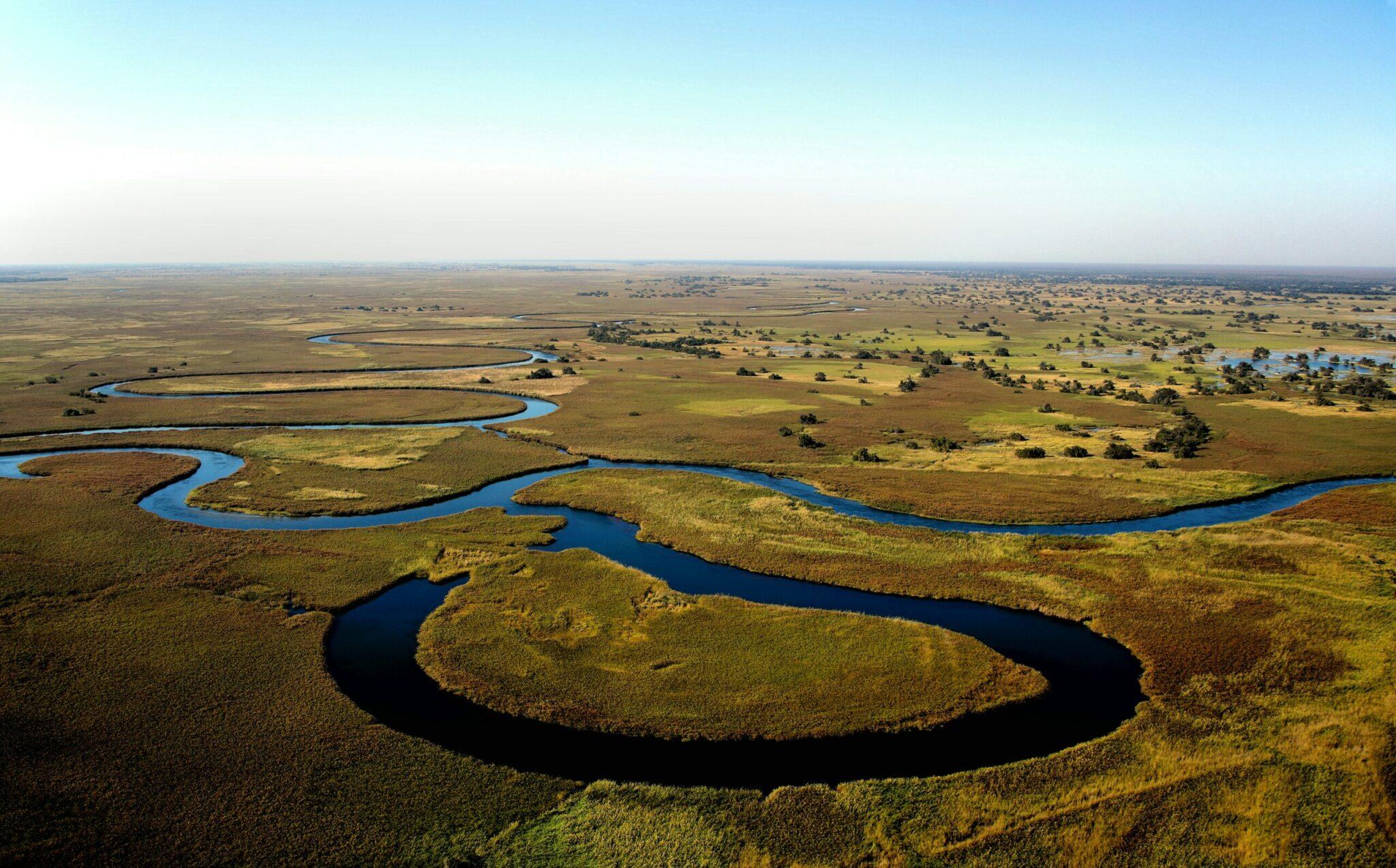
One aspect of African hunting that many first-time visitors find difficult to imagine before arriving is the sheer scale of the hunting areas.
In countries such as Mozambique and Tanzania, safari concessions and hunting blocks can cover enormous landscapes measured in thousands of square kilometers. These vast areas give wildlife room to move naturally across enormous ecosystems.
These areas are managed primarily for wildlife conservation and hunting, creating environments where animals move naturally across large, relatively undisturbed habitats.
The sheer size of some African hunting concessions can make the safari feel very different from hunting smaller parcels of land or more fragmented hunting areas.
Another aspect of African safaris that many first-time hunters find fascinating is that plains game hunts often take place in areas that are also home to dangerous game species.
In large safari areas across countries such as Tanzania, Mozambique, Zimbabwe, and parts of Namibia, hunters pursuing animals like kudu, impala, or wildebeest may be hunting in landscapes that are also inhabited by species such as buffalo, elephant, or lion.
Even when the focus of the safari is plains game, Big Game Hunting in Africa is part of the wider character of these wilderness areas, where buffalo, elephant or lion may share the same landscapes.
Professional hunters are trained to operate safely in these environments and are constantly aware of the presence and movements of dangerous game species.
Some hunters later return to Africa specifically to pursue animals traditionally classified as dangerous game hunts, including species such as buffalo, elephant, or lion.
For example, hunters who first visit Africa for plains game later return specifically for Cape buffalo hunts, one of the continent's most iconic hunting experiences.
This sense of being in true big game country becomes one of the most memorable aspects of their first African safari.
Hunters may begin planning their first African safari a year or more in advance. This allows time to coordinate travel dates, secure the appropriate hunting permits, arrange rifle import paperwork if necessary, and prepare for the trip itself.
Because safari seasons vary by country and species, discussing timing with an experienced outfitter or professional hunter can help ensure the hunt takes place during the most favorable period for the animals being pursued.
Another surprise for hunters is how much of an African safari operates as a team effort.
Professional hunters are typically supported by experienced trackers who read tracks and signs that most visiting hunters would walk past without noticing. Trackers often spend years learning how to interpret spoor, wind direction, and animal behavior.
Together, the professional hunter and trackers form a team whose goal is to make the hunt both successful and safe.
Evenings in camp often become one of the most memorable parts of an African safari.
After a day in the field, hunters usually return to camp where the day's hunt is discussed, plans are made for the following morning, and stories are shared around the fire. Safari camps are built around the rhythm of hunting days, and this slower pace often becomes a favorite part of the experience.
Early mornings are equally memorable. Many safari days begin before sunrise with a cup of coffee around the fire while the camp slowly wakes up. In the quiet darkness of the bush, hunters often listen to the sounds of Africa coming to life, distant lions calling, hyenas laughing in the distance, or the first birds beginning their morning chorus.
These quiet moments before the day's hunt begins become some of the most unforgettable memories of the entire safari.
Even hunters who have spent years hunting in North America often find that their first African safari feels different from what they expected.
One of the biggest surprises is how quickly the rhythm of the bush takes over. Days begin before sunrise, tracking often replaces long periods of sitting in blinds, and the variety of wildlife encountered during a single morning can be remarkable. It is not uncommon to follow one set of tracks only to encounter several other species along the way.
Many visiting hunters also comment on how engaged they feel in the hunt itself. Working closely with trackers and professional hunters, reading fresh spoor in the sand, watching wind direction, and slowly closing the distance on game creates a style of hunting that feels very active and immersive.
These differences are often what make a first safari so memorable. The hunt combines familiar skills with an entirely new environment and pace, making every day in the field feel like a genuine adventure.
Another aspect of African safaris that many visiting hunters remember long after the hunt is the warmth and hospitality of the people who work in safari camps.
Across much of Africa, welcoming guests is taken seriously, and many safari staff take real pride in creating a memorable experience for visiting hunters. This can often be seen in the small details, the care taken in preparing meals, the attention to camp comfort, and the pride staff members show in their work.
In some areas, hunters arriving in camp for the first time are greeted with songs, dancing, or traditional welcomes from the camp staff and local community members. These moments can be unexpectedly moving, especially for hunters who have traveled long distances to reach these remote areas.
These experiences become some of the most heartwarming memories of a safari. Beyond the hunt itself, they reveal the genuine connections that can develop between hunters and the people who live and work in Africa's hunting areas.
Another aspect of African safaris that many visiting hunters notice is the close relationship between hunting areas and the surrounding rural communities.
In many parts of Africa, safari hunting takes place in remote regions where employment opportunities are limited. Hunting operations often provide jobs for trackers, camp staff, drivers, skinners, and maintenance workers, along with opportunities for local suppliers and service providers.
Families living near hunting areas can also benefit from the safari industry through employment and other sources of income. Meat from harvested animals is frequently shared with local communities, providing an additional benefit from the hunt.
This connection between conservation, wildlife management, and local livelihoods can be a humbling experience. It highlights how responsible hunting can play a role in supporting both wildlife and the people who live alongside it.
Another factor first-time visitors should understand is that African safaris can vary widely depending on the country and hunting area.
In places such as South Africa and Namibia, many hunting operations are well set up to accommodate non-hunting companions or family members. Camps are comfortable, travel distances are manageable, and companions can enjoy wildlife viewing, photography, or simply relaxing in camp while the hunt takes place.
In more remote areas of Africa, particularly large wilderness concessions in countries such as Mozambique or Tanzania — camps may be far from towns and the hunting can involve long days tracking game through rugged terrain.
These types of safaris offer incredible wilderness hunting experiences, but they are usually better suited for hunters and companions who are comfortable with remote environments.
Some hunters are surprised to learn that a number of African species are also available on exotic game ranches in parts of the United States, particularly in Texas.
While these operations can offer opportunities to hunt animals such as kudu, gemsbok, or blackbuck closer to home, the hunting environments are usually very different from traditional African safaris. Many of these animals are hunted on private ranches where the properties are fenced and the hunting areas are typically much smaller than the vast concessions found in many parts of Africa.
In contrast, many African safari areas operate across enormous free-range landscapes where wildlife moves naturally across large ecosystems. These environments often create a very different style of hunting experience, with more emphasis on tracking, reading terrain, and working closely with professional hunters and trackers.
Another difference many hunters notice is cost. Because exotic animals are relatively scarce in North America, trophy fees on ranch hunts can sometimes be surprisingly high compared with similar species hunted in their native range in Africa.
The opportunity to pursue these species in their natural habitat across large landscapes is part of what makes a first African safari so appealing.
One of the things experienced safari hunters often mention after their first trip to Africa is how much they learned in a relatively short time.
African hunting is often conducted on foot while tracking animals across large landscapes, constantly reading wind, tracks, terrain, and animal behavior. Because professional hunters and trackers work closely with visiting hunters throughout the day, many first-time safari hunters are exposed to a level of fieldcraft that they may not have experienced before.
Trackers interpret spoor that might be invisible to an untrained eye, while professional hunters explain how animals react to wind and pressure, how to judge trophies in the field, and how to approach animals safely and ethically.
A safari can become more than just a hunt, offering opportunities to learn skills and gain insights that continue to improve a hunter's abilities long after the trip ends.
While Africa is often an excellent starting point for international hunting, it may not be the right fit for every hunter.
Hunters specifically interested in high-altitude mountain hunts or fully self-guided wilderness expeditions may find other destinations better suited to those goals.
However, for hunters who want to experience international hunting with experienced guides, diverse wildlife, and well-established safari infrastructure, Africa is often one of the most approachable places to begin.
The end of a first African safari often brings a moment of quiet reflection. As the hunt comes to a close and the long journey home begins, visitors may find themselves thinking not only about the animals taken, but also about the landscapes, the people, and the time spent in the African bush.
The early mornings around the fire, the tracks in the sand, the voices of trackers discussing spoor, and the distant calls of wildlife often leave a lasting impression. It is in these moments that many hunters realize their safari has been about far more than just the hunt itself.
That first safari in Africa can become the beginning of a lifelong connection with the continent and its hunting traditions.
Planning a first international hunt can feel like a big step, but for many hunters from the United States and Canada, Africa turns out to be one of the most straightforward places in the world to begin.
Well-established safari systems, experienced professional hunters, vast hunting areas, and decades of accumulated knowledge all help make the experience accessible even for hunters traveling overseas for the first time.
For those willing to make the journey, an African safari often becomes more than just a hunt. It becomes an introduction to a different style of hunting, a deeper understanding of wildlife and tracking, and for many hunters, the start of a lifelong connection with Africa's wild places.
Pierre and Tamlyn van Wyk are the founders of Game Hunting Safaris. Between them, they have hunted extensively across several African countries, including South Africa, Namibia, Zimbabwe, Mozambique, and Tanzania. Their experience includes both plains game and dangerous game hunting in some of Africa's most respected safari areas.
Through Game Hunting Safaris, they share practical insights to help North American hunters better understand how African safaris work and how to plan successful hunting trips on the continent.