Designed by Hunters, for Hunters

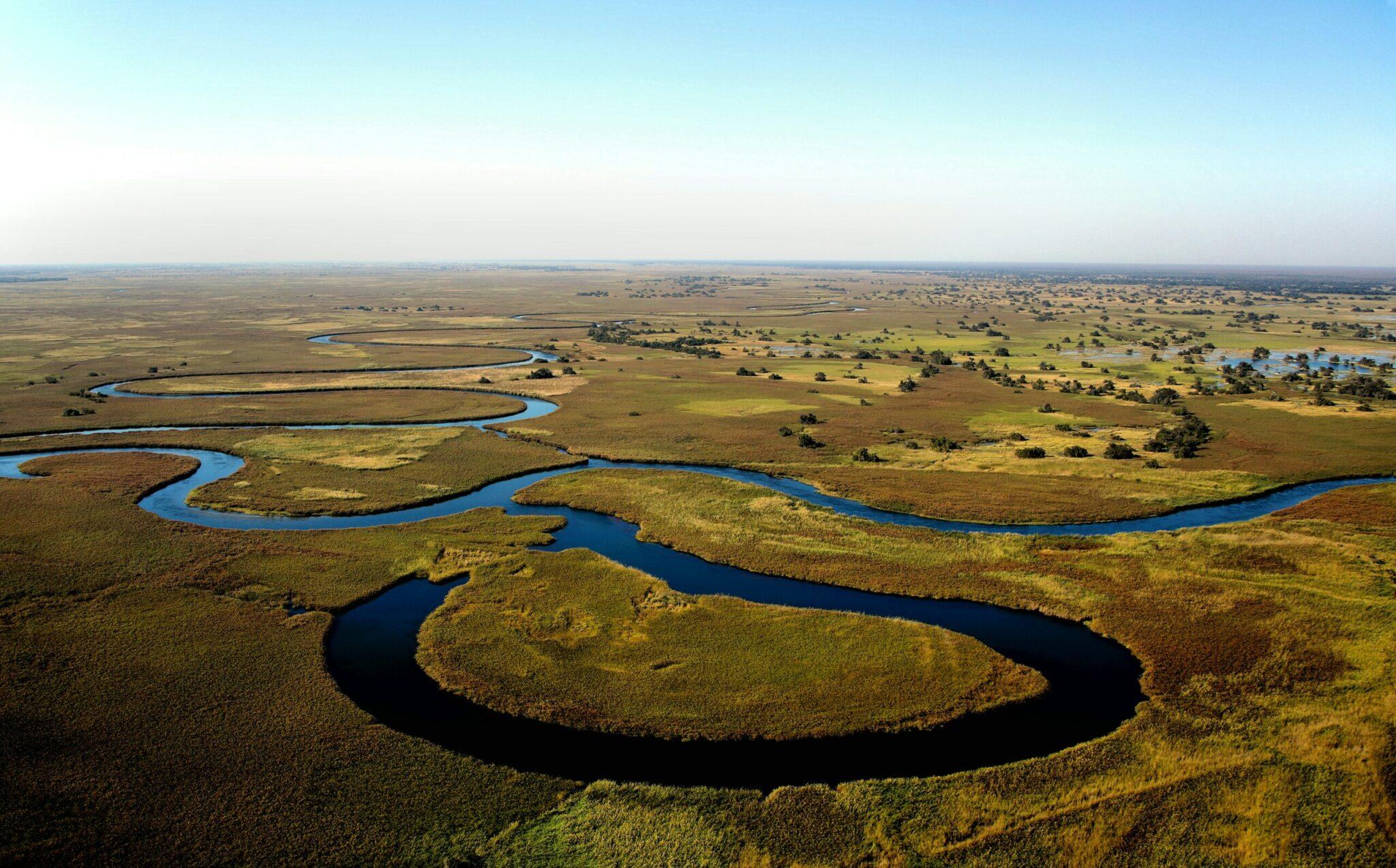
An African Hunting Safari is unlike almost any other hunting adventure in the world. It combines vast wilderness areas, remarkable wildlife, skilled professional hunters and centuries of hunting tradition into a safari that begins long before the first track is found. For international hunters travelling to Africa, understanding how a safari actually works, from arrival and camp life to daily routines and hunting methods, is an important part of planning a successful Hunting Trip.
While every country and hunting area has its own character, most professionally guided African hunting safaris follow a similar structure. Knowing what to expect before you arrive helps you settle into camp quickly, work effectively with your professional hunter and enjoy every stage of the safari, from the first evening around the campfire to the final day in the field
For hunters traveling from the United States or Canada, the journey usually begins with a long overnight flight followed by a drive or small charter flight into the hunting area. By the time most hunters reach camp, they have already crossed several time zones and traveled thousands of miles.
The moment the road leaves the main highway and turns onto a dirt track heading into the concession is often when the experience finally starts to feel real. Cell service fades, fences disappear, and the landscape begins to open up into the same bush country that hunters have seen for years in photographs and hunting magazines.
Most African hunting safaris operate from permanent camps located within large private concessions or government-managed hunting areas. Depending on the country, these areas can cover tens of thousands, or sometimes hundreds of thousands of acres. For many visiting hunters, the sheer scale of these hunting areas is one of the first surprises. In comparison to many hunting properties in North America, African concessions can feel enormous.
Once hunters arrive in camp, the first afternoon is typically kept simple. After greetings with the professional hunter and camp staff, rifles are checked at the range to confirm that nothing shifted during travel. Long flights, baggage handlers, and rough roads can sometimes move a scope slightly, so confirming zero is an important first step.
The professional hunter will also spend time discussing the plan for the coming days. This conversation often covers the species available in the area, recent animal movement, and the type of terrain the hunters will be working through.
The first evening in camp often sets the tone for the entire safari.
After dinner, often served outdoors or in a central dining area, the professional hunter usually reviews the plan for the following morning. Maps of the concession may come out, recent sightings are discussed, and the team decides where the first hunt will begin.
For hunters visiting Africa for the first time, this is often the moment when the reality of the trip truly sinks in. The rifles are ready, the alarms will ring before sunrise, and somewhere beyond the glow of the campfire the hunting area stretches out into the dark bush.
Sleep sometimes comes slowly that first night. Not because camp is uncomfortable, but because the next morning the safari finally begins.
One of the first things visiting hunters notice is that an African safari quickly settles into a rhythm. Days tend to follow a pattern shaped less by a strict schedule and more by wildlife behavior, temperature, and the way animals move through the landscape.
Most mornings start early, often earlier than hunters expect. The alarm usually rings well before sunrise while the air is still cool and the bush is quiet. After a quick cup of coffee and a light breakfast, the hunting team heads out while the sky is only beginning to brighten.
For hunters from North America, the early start may feel familiar. Much like deer or elk hunting back home, the first hours of daylight are often the most productive. Animals that spent the night feeding may still be moving, and the cooler temperatures make walking and tracking far more comfortable.
Once in the field, the morning often begins with searching rather than stalking.
In more open terrain, professional hunters frequently stop at small vantage points, ridges, termite mounds, or the edge of shallow valleys---to glass the landscape with binoculars. Plains game animals blend remarkably well into their surroundings, and spotting them often requires patience and a trained eye.
In thicker bushveld or woodland areas, trackers may instead focus on the ground. Fresh tracks left during the night can reveal which animals passed through the area and how recently they moved. Skilled trackers can often determine direction, pace, and even whether an animal was feeding or traveling when the tracks were made.
Once animals are located, the hunting vehicle is usually left behind and the hunt continues quietly on foot.
While most African hunting safaris follow the rhythm of early mornings and evening stalks, some hunts introduce a completely different schedule.
Species such as leopard, hyena, and occasionally lion are often hunted at night, which requires a very different style of preparation.
In the days leading up to these hunts, the professional hunter and trackers may spend significant time preparing bait sites. This involves selecting suitable locations, hanging bait where it can be monitored, and placing trail cameras to see whether animals begin visiting the area.
Once a target animal starts feeding on the bait, the hunting team prepares a blind nearby. These blinds are carefully positioned so that the hunter has a clear view of the bait while remaining hidden from the animal.
Night hunts often involve long hours of waiting in silence. Hunters may sit in the blind from late afternoon until well after dark, listening to the sounds of the bush while hoping the animal returns to feed.
These hunts can be physically and mentally demanding. After spending hours waiting through the night, hunters may return to camp for only a short rest before heading out again the following morning.
Professional hunters sometimes joke that leopard hunts involve as much coffee as they do patience.
For hunters who experience it, however, night hunting creates a completely different kind of safari atmosphere. The bush sounds different after dark, and the anticipation of hearing an animal approach the bait can make the hours in the blind feel both tense and unforgettable.
As the sun climbs higher, temperatures in many parts of Africa begin to rise quickly. During the warmest part of the day, animal activity often slows, and many species retreat into thicker cover or shaded areas.
Because of this, many safaris pause during the middle of the day. Hunters typically return to camp for lunch and a short rest while the heat of the afternoon passes.
For hunters accustomed to all-day hunts in North America, this midday break can feel unusual at first. But most quickly learn that the pause makes the afternoon hunt far more productive. By late afternoon, temperatures begin to drop and animals often become active again.
Evening hunts typically continue until sunset. These final hours of daylight are often some of the most memorable moments of the day, as animals begin moving toward feeding areas or water sources.
After dark, the hunting team returns to camp where dinner and conversation around the fire become part of the safari routine. Professional hunters and trackers often review what was seen during the day and discuss where the next morning's hunt should begin.
Evenings around the campfire are often where the day's hunt is relived. Trackers, professional hunters and guests discuss what worked, what was learned and where tomorrow's opportunities may lie, while plans are quietly made for the next day's hunt.
One of the most misunderstood aspects of African hunting safaris is how animals are actually located. Many first-time hunters imagine long walks through the bush hoping to bump into game. In reality, experienced professional hunters usually spend far more time studying the landscape than walking through it.
Professional hunters and trackers develop an exceptional ability to read terrain and detect small signs of wildlife. From elevated points such as ridges, termite mounds, or the edge of a valley, they may spend long periods scanning the landscape with binoculars. Animals that seem obvious once spotted can be almost invisible at first glance, blending into grass, brush, and shadow.
For hunters used to glassing mule deer or elk country in the western United States, this process will feel familiar. But African plains animals have evolved alongside predators for thousands of years and are remarkably skilled at avoiding detection. Often the first clue that animals are present is not the animal itself, but a flick of movement, the curve of a horn above grass, or the shape of a back standing in the shade of a bush.
In thicker terrain, the focus often shifts from glassing to tracking. Trackers search for fresh spoor left during the night, tracks pressed into sand, disturbed soil, or broken grass. To experienced trackers, these small signs can reveal surprising details about what animals passed through the area and how recently they moved.
Sometimes the hunting team may follow fresh tracks for miles before finally catching up with the animal.
Once animals are located, the professional hunter begins the careful process of planning the approach.
This part of the hunt often surprises visiting hunters because it can take several minutes, or sometimes much longer, before anyone takes the first step toward the animals. The professional hunter studies wind direction, terrain, and the animals' position before deciding how to move.
Wind direction is usually the most important factor. Many African animals rely heavily on scent to detect danger, and even a light breeze can carry human scent across surprising distances. A stalk that looks simple on open ground may require a wide detour simply to remain downwind.
Terrain also plays an important role. Dry riverbeds, shallow gullies, scattered bushes, and small rises in the ground can all provide cover as hunters move closer. Experienced professional hunters often plan stalks that follow natural features in the landscape so that the hunting team stays hidden for as long as possible.
Even with careful planning, not every stalk succeeds.
Animals may detect movement, a sudden wind shift may carry scent toward them, or the terrain may simply prevent a safe and ethical shot. It is common for several stalks to end without an opportunity before the right situation finally develops.
For hunters new to Africa, this can be one of the most educational parts of the experience. Each attempt reveals something about how animals are behaving in the area, where they feed, how they move through the terrain, and how alert they are to danger.
Over the course of several days, this process of observation, planning, and careful movement often leads to the moment every hunter hopes for: a well-planned stalk that finally brings the team into range.
One of the things that often surprises hunters visiting Africa for the first time is how much time professional hunters spend studying animals before recommending a shot. A safari is rarely about taking the first animal that appears.
Professional hunters are trained to recognize signs of maturity in animals. Horn shape, body proportions, worn tips, and even the way an animal behaves within a herd can reveal its age. In many cases, the professional hunter may watch an animal for several minutes before quietly explaining whether it represents a mature specimen.
For hunters accustomed to making quick decisions during whitetail or elk seasons back home, this slower evaluation process can feel unusual at first. But it reflects the wildlife management philosophy used across many African hunting areas. By focusing on older animals that have already contributed to the breeding population, safari hunting helps maintain healthy and sustainable wildlife populations.
Over time, many visiting hunters come to appreciate this approach. The hunt becomes less about simply finding an animal and more about understanding the landscape and the wildlife that lives there.
Professional hunting in Africa also operates within strict wildlife management systems established by national and provincial authorities. Hunting quotas, seasons, and species regulations are typically determined through scientific wildlife management programs designed to maintain sustainable populations. Professional hunters and outfitters must operate under licensed concessions and follow these quotas carefully. In many countries, wildlife departments monitor harvest numbers, permit allocations, and reporting requirements throughout the season. For visiting hunters, these regulations are rarely visible during the safari itself, but they play an important role in ensuring that hunting contributes to long-term conservation and responsible wildlife management across many parts of Africa.
Trackers are often the quiet professionals who make much of a safari possible. While the professional hunter leads the hunt, experienced trackers frequently provide the small pieces of information that help locate animals.
To an untrained eye, the ground in the African bush can appear uniform. But skilled trackers notice details that most visitors never see. A faint print in dust, disturbed soil, or the angle of broken grass can reveal that an animal passed through the area only hours earlier.
From these subtle signs, trackers can often determine the species, direction of travel, and how recently the animal moved through the area. In some situations they can even estimate the size of the animal from the shape and depth of the track.
For many hunters visiting Africa for the first time, watching trackers work is one of the most fascinating parts of the entire safari. Their ability to interpret small clues in the landscape often feels almost unbelievable until you see it happen repeatedly in the field.
Hunters planning their first safari often wonder how physically demanding the experience might be. The reality is that most African hunts involve steady walking rather than extreme exertion.
Terrain varies widely across the continent. Some hunts take place in relatively open country where walking is moderate and visibility is good. Others involve thicker bush or uneven ground where stalks may require more careful movement.
Professional hunters usually adapt the pace of the hunt to match the abilities of their clients. Safaris are not endurance competitions. In most situations, success depends far more on patience, observation, and careful planning than on speed or physical strength.
Hunters who are comfortable walking moderate distances and spending several hours outdoors will usually find the physical demands of safari hunting both manageable and rewarding.
Many hunters who travel to Africa for the first time eventually find themselves returning again.
Part of the appeal comes from the variety of hunting experiences available across the continent. Hunting plains game in the open savannas of southern Africa feels very different from tracking animals through the thicker bushveld or river systems found in other regions.
But the real reason many hunters return is harder to explain. It has something to do with the combination of wild landscapes, skilled guides, and the rhythm of life in camp.
The long stalks through the bush, the quiet teamwork between hunter and professional hunter, and the evenings spent around the fire discussing the day's events create a hunting experience that is difficult to replicate elsewhere.
For many visiting hunters, the memories that remain strongest are not simply the animals taken, but the moments spent moving through the African landscape with people who understand it deeply.
And once someone experiences that for the first time, it often becomes the beginning of a lifelong connection with hunting in Africa.
Many professional hunters quietly say the same thing: the first two days of a safari are often the most difficult.
For hunters arriving from North America, travel fatigue and jet lag can take a day or two to shake off. But the challenge goes beyond simply adjusting to time zones.
The hunting team is also learning the landscape together.
Animals move through the terrain according to patterns that may not be obvious at first. Herds shift locations depending on water, pressure from predators, or the presence of other animals. Even experienced professional hunters may need time to confirm where animals have been feeding or traveling in recent days.
During those first couple of hunts, the team is essentially gathering information. Tracks are studied, glassing points are tested, and the behavior of animals in the area begins to reveal itself.
By the third or fourth day, something usually changes. The professional hunter begins to recognize where animals are holding, which areas they prefer during certain hours, and how the wind typically moves through the terrain.
That's often when the hunts start coming together.
For visiting hunters, understanding this early adjustment period helps set realistic expectations. The first days of a safari are not wasted time---they are part of learning the landscape.
Long before hunters arrive in camp, a surprising amount of preparation takes place behind the scenes to ensure that a safari runs smoothly.
Professional hunters and outfitters often begin preparing weeks before the hunting party arrives. Vehicles must be serviced, rifles and camp equipment checked, and supplies organized for the duration of the safari. In remote concessions, camps may be many hours from the nearest town, so careful planning is essential.
Food and camp provisions are also arranged in advance. Safari camps typically operate with a full kitchen staff, and meals are planned for the entire hunting party and camp crew. Everything from fresh produce to fuel, drinking water, and cooking supplies must be transported into camp before the hunters arrive.
Paperwork is another important part of the preparation process. Hunting licenses, tags, firearm permits, and export documentation for trophies all need to be organized correctly. If international hunters are bringing their own rifles, additional permits and coordination with authorities may be required.
Many outfitters also coordinate with taxidermists and shipping agents before the safari begins so that trophies can be processed and exported properly once the hunt is complete. Preparing for an African hunting safari also involves understanding the financial side of the hunt. Daily rates, trophy fees, charter flights, trophy preparation, shipping costs and optional observer packages all contribute to the overall budget.
Spending time researching realistic African Hunting Safari Prices before booking helps hunters compare destinations more effectively and avoid unexpected costs later in the planning process. Much of this work remains invisible, but it is a large part of what allows the safari itself to feel relaxed and well organized once the hunt begins.
Behind every successful safari is a great deal of preparation that happened long before the first hunter ever stepped into the bush.
Hunting in remote parts of Africa means operating far from the convenience and backup systems that many hunters are used to at home. Vehicles travel long distances over rough roads, equipment is used daily in dust and heat, and the terrain itself can be unpredictable.
Because of this, experienced outfitters always prepare for the possibility that something may not go exactly according to plan.
Vehicles are often maintained carefully before each safari season, but professional hunters usually carry tools and spare parts in the field. In remote concessions, a simple mechanical issue can mean a long walk back to camp if there is no backup plan.
Equipment issues can also occur on the hunter's side. A scope may shift during travel, binoculars can be dropped on rocky ground, or a rifle may take a hard knock during a stalk.
Professional hunters expect these possibilities and usually build redundancy into their operations. Camps often keep spare equipment available, and vehicles are maintained so that another truck can be deployed if needed.
Even small incidents in the field require calm decision-making. A hunter may slip on loose ground, or a stalk may need to be abandoned if conditions change suddenly.
These situations are rarely dramatic, but they are part of hunting in wild country. The mark of a good professional hunter and outfitter is not that nothing ever goes wrong, it's that the team is prepared to handle unexpected challenges quickly and safely.
Most experienced hunters who spend time in Africa quickly come to appreciate this quiet professionalism behind the scenes.
Behind every safari is a large amount of administrative work that most hunters never see.
Outfitters and booking agents often spend weeks coordinating details before a hunting party even boards a plane. Travel dates must align with hunting licenses, camp schedules, firearm permits, and the availability of professional hunters and trackers. Even small mistakes in paperwork or scheduling can create complications once hunters begin traveling.
International travel adds another layer of complexity. Flights may be delayed or rerouted, baggage can be temporarily misplaced, and changing global events sometimes affect airline routes or airport operations. When hunting trips involve multiple international connections, outfitters and agents must often adjust plans quickly to keep everything on track.
Weather can also create unexpected challenges. Heavy rains may make roads temporarily impassable in some hunting areas, while aircraft charters into remote concessions sometimes depend on conditions at small bush airstrips.
Because of this, experienced outfitters and safari planners usually build contingency plans into their operations. Backup vehicles, flexible travel arrangements, and close communication with camps and clients all help ensure that the safari continues smoothly even when small disruptions occur.
For hunters arriving in camp, much of this effort remains invisible. But it is another part of the preparation that allows the hunt itself to unfold as planned.
The safari itself may end when you board the flight home, but a considerable amount of work often continues behind the scenes. Trophy preparation, export documentation, veterinary inspections and shipping arrangements all take place after the hunt, ensuring your trophies are correctly prepared before beginning their journey home..
Trophies usually move through several stages before they can eventually reach the hunter's home. After the hunt, skins and skulls are typically prepared by a local taxidermist or processing facility for what is known as "dip and pack." This process involves cleaning, treating, and preparing the trophies so they can safely enter international transport.
Veterinary inspections and export permits are usually required as well. Wildlife authorities must certify that the trophies meet export regulations and comply with veterinary health requirements. In some countries, this paperwork alone can take time to process.
Once all documentation is complete, shipping arrangements must be made through freight agents who specialize in wildlife exports. Crates must be prepared, customs paperwork finalized, and transportation organized from the taxidermy facility to the hunter's destination country.
Because of these steps, it is not uncommon for trophies to take several months before they are ready to ship. For hunters unfamiliar with the process, this waiting period can sometimes be surprising.
However, it is simply another part of the complex logistics involved in international hunting safaris.
While hunters are usually focused on the excitement of the hunt itself, the professional hunter carries a great deal of responsibility throughout the safari.
A professional hunter is expected to do far more than simply guide the hunt. They are responsible for planning each day in the field, locating animals, managing safety, and helping ensure that visiting hunters have the best possible experience.
At the same time, they must manage the practical side of the safari. Vehicles must be ready each morning, the hunting team must coordinate smoothly, and camp operations must run without interruption.
Professional hunters are also hosts. Even after long days in the field, they often spend evenings with their clients discussing the day's events, planning the next hunt, and making sure everyone in camp is comfortable.
By the time most hunters return to their rooms at night, the professional hunter may still be reviewing plans for the following morning.
And the next day begins early again.
For professional hunters, this routine continues for weeks or months during the hunting season. The pressure to find animals, guide successful hunts, and deliver memorable experiences for their clients is constant.
Yet most professional hunters approach this responsibility with quiet professionalism, because they understand that a safari is often a once-in-a-lifetime experience for the hunters who travel to Africa.
During a stalk, there is usually a moment when everything changes.
Up to that point, the hunting team may be walking steadily through the bush, adjusting direction occasionally as the professional hunter studies the animals ahead. Conversations may still happen in whispers. The mood remains relaxed, then something shifts. The professional hunter lowers his binoculars, studies the wind one more time, and quietly signals the team to slow down. From that point forward, every movement becomes deliberate.
Rifles are quietly prepared. Footsteps become slower and more careful. The team begins to use every bit of terrain for cover, small bushes, shallow depressions, or the shadow of a termite mound.
Professional hunters often recognize this moment instinctively. It's the point where the stalk transitions from observation to opportunity. Whether pursuing plains game or Africa's most dangerous species, these final moments are what make professionally guided Big Game Hunting so demanding, where patience, judgement and shot placement all come together in a matter of seconds.
For hunters experiencing Africa for the first time, these final minutes before a shot are often the most intense part of the entire safari. The bush becomes quiet, the distance closes slowly, and every sense sharpens.
When everything finally aligns, the wind, the terrain, and the animal's position, the shot itself may last only a second.
But the stalk leading to that moment is what hunters remember for years afterward.