Designed by Hunters, for Hunters

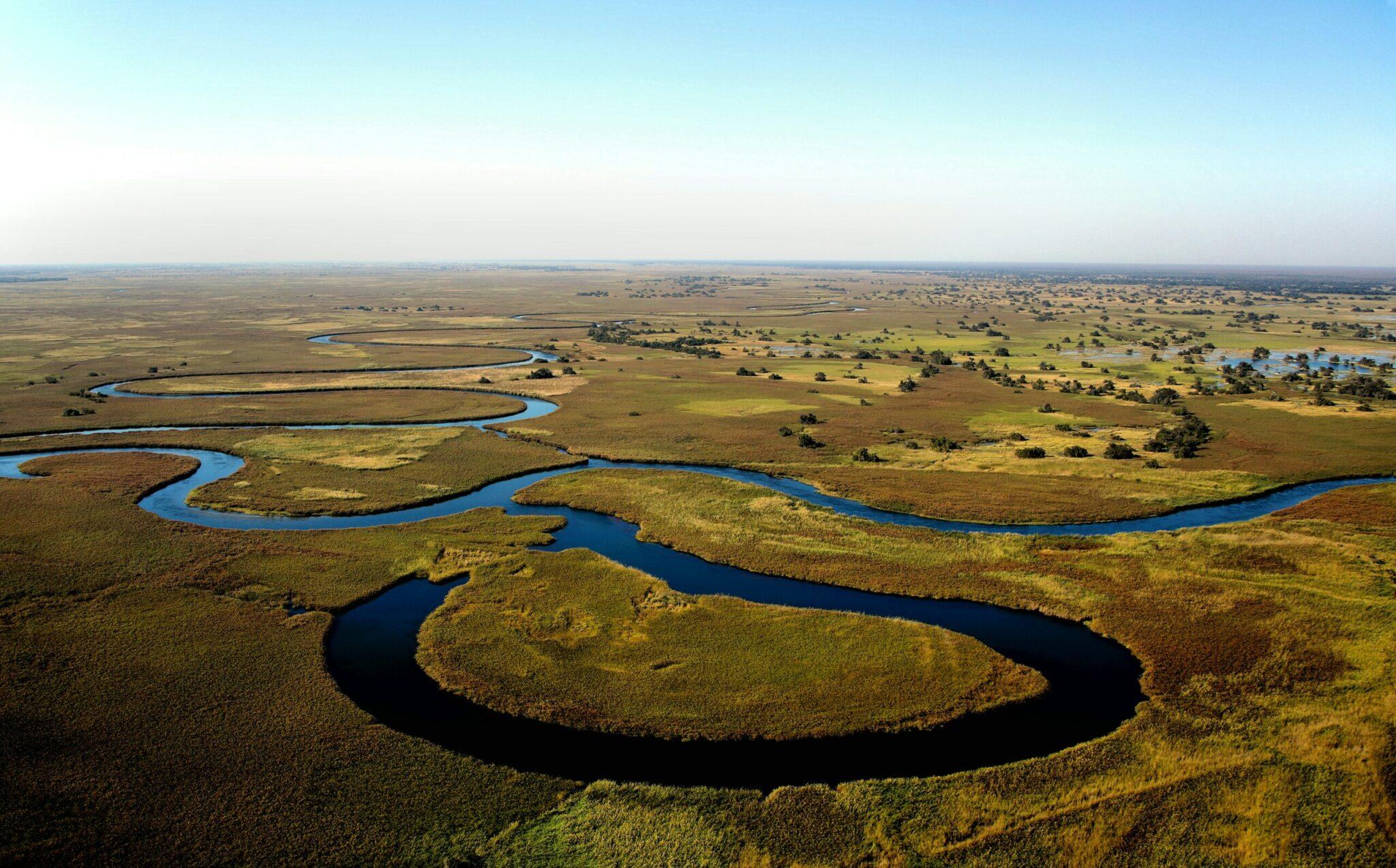
An African hunting safari can be one of the most meaningful experiences a hunter ever undertakes, but it is not automatically the right next step.
This page exists for a simple reason: to help you decide, honestly, whether an African safari aligns with who you are as a hunter, what you value, and how you make decisions.
This page is not here to convince you to hunt Africa. It’s here to help you avoid making the wrong decision for the wrong reasons.
Some people finish reading this and feel clarity and excitement. Others realize Africa isn’t right for them, at least not yet. Both outcomes are good.
Most hunters arrive in Africa with expectations shaped by familiar hunts: clear seasons, defined tags, personal control, and predictable routines.
African Hunting Trips are different.
You are often:
· Traveling internationally with firearms
· Operating in unfamiliar terrain, climate, and ecosystems
· Spending long, full days in the field
· Working closely with professional hunters and trackers
· Making decisions that carry ethical, financial, and emotional weight
If you’re expecting Africa to feel like a larger version of a hunt you already know, it may feel disorienting instead, especially in the first few days, when nothing feels settled yet and familiar reference points fall away.
Africa does not deliver constant action.
There are long quiet stretches. Days where nothing comes together. Moments when animals appear, and disappear, just as quickly.
There are also moments when you replay decisions in your head. When you wonder whether you misread a track, rushed a moment, or hesitated too long. When nothing happens, and you start questioning yourself more than the bush.
Pressure rarely arrives when you feel ready for it. It often comes late in the morning, after hours of nothing, when the light is already shifting and you know you may not see this animal again.
Many hunters are surprised by:
· Mental fatigue before physical fatigue
· Pressure when an opportunity finally presents itself
· The emotional weight of close-range decisions
· How quickly confidence can give way to humility
Africa tends to magnify who you already are as a hunter. If you enjoy challenge and reflection, it can be deeply rewarding. If you rely on constant affirmation, it can feel unsettling.
African hunting carries a level of responsibility that is easy to underestimate before arrival.
You are hunting on land that supports:
· Professional hunters and their families
· Trackers whose skills are often generational
· Camp staff, skinners, and logistics teams
· Broader conservation and wildlife management systems
In Africa, your decisions do not end when the shot breaks. Shot placement, patience, follow-ups, and restraint matter, not just for success, but for the people and systems connected to the hunt. That awareness stays with you throughout the day, whether the hunting is fast or slow.
This isn’t pressure. It’s context.
One of the biggest adjustments for many hunters is relinquishing control.
In Africa:
· You won’t choose every stalk
· You won’t dictate every move
· You won’t always understand the reasoning in the moment
Professional hunters are not guides in the conventional sense. They are decision-makers responsible for safety, ethics, and outcomes.
For many hunters, the challenge isn’t following advice. It’s knowing when to stay quiet. The frustration usually isn’t about being told “no,” but about not yet seeing what the professional hunter and trackers are seeing.
Most hunters don’t struggle with Africa because it’s difficult. They struggle because it asks them to think differently when they’re tired.
Hunters who thrive are willing to listen, observe, and trust knowledge that predates their arrival by decades.
This is not about gym numbers or endurance bragging rights.
African hunting is physically demanding in quiet ways:
· Slow walking for hours
· Standing still for long periods
· Managing heat and hydration
· Shooting under unfamiliar pressure
· Staying mentally sharp late in the day
These demands are especially noticeable during Plains Game Hunts, where long days on foot, changing terrain and repeated stalks often test patience as much as physical endurance. Most hunters are physically capable. The real challenge is mental fatigue, not strength.
Fatigue shows up in small ways, rushed shots, poor listening, impatience, long before it shows up in your legs.
The longer days don’t just tire your body; they drain focus. You’re making decisions in heat, dust, and unfamiliar rhythms, trying to stay sharp even when you’re aware that every opportunity matters.
If you value steady, deliberate effort, Africa suits you well.
African hunting often takes place at closer ranges than many hunters are used to.
That brings:
· Clear visual connection to the animal
· Immediate consequences of decisions
· Follow-ups when required
· A different emotional experience than distant shots
Some hunters find this deeply grounding. Others find it uncomfortable.
Neither reaction is wrong, but being ethically settled before you go matters. Africa has a way of making uncertainty visible, and it rewards hunters who are comfortable carrying responsibility rather than avoiding it.
While hunters of all ages enjoy Africa, it consistently resonates most with those who:
· Have hunted extensively elsewhere
· Feel less motivated by novelty alone
· Value process over instant outcomes
· Are curious rather than outcome-obsessed
· Want depth, not just achievement
Africa isn’t about adding a trophy. It’s about gaining perspective, on hunting, on patience, and sometimes on themselves. That mindset naturally leads many hunters to consider Big Game Hunting, where patience, preparation and good judgement are often just as important as marksmanship.
An African safari may frustrate you if:
· You need constant action or reassurance
· You prioritize price above experience
· You struggle with uncertainty or changing plans
· You are uncomfortable taking direction
· You view hunting primarily as a transaction
· You want guaranteed outcomes
These traits don’t make you a poor hunter. They simply suggest a mismatch, and recognizing that early can prevent disappointment later.
Africa consistently rewards hunters who:
· Enjoy learning unfamiliar systems
· Value patience and restraint
· Respect local knowledge
· Are comfortable being a guest
· Appreciate teamwork
· Are willing to adapt day by day
For many hunters, clarity doesn’t arrive on the first day. It comes after several days in the field, once expectations start to loosen.
Many hunters realize later that Africa reset their relationship with hunting, not because it was easy, but because it asked more of them.
Most disappointing safari stories don’t begin in Africa. They begin with:
· Misaligned expectations
· Rushed decisions
· Unexamined motivations
· Choosing based on surface appeal
Most disappointment isn’t dramatic. It’s quiet regret, realized months later, when people say “Africa wasn’t what I expected” without being able to explain why.
Many first-time hunters expect Africa to feel immediately rewarding.
In reality, the first few days can feel slow, confusing, or even disappointing. You’re learning new rhythms, new signs, and new people, often while tired and far from home.
Some hunters mistake that discomfort for failure. Others push too hard too early, trying to force results instead of letting the experience unfold.
Africa rarely rewards urgency. It rewards patience, and that lesson often arrives before the first opportunity does.
If you’ve read this far and felt more recognized than reassured, Africa may be right for you.
Hunters who belong in Africa rarely feel certain at this stage. They tend to feel thoughtful, slightly unsettled, and curious, aware that the experience will ask something of them rather than simply deliver a result.
Many hunters worry they’re overthinking Africa. In reality, most problems come from underthinking it. Africa rewards hunters who pause before committing, not those who rush toward certainty.
If this page felt heavy, frustrating, or unnecessary, that is also an answer. Africa rewards those who value depth more than clarity, and challenge more than certainty.
The goal isn’t confidence. It’s alignment.
Africa isn’t going anywhere.
The right time matters. The right mindset matters more.
If this page leaves you reflective rather than excited, that’s useful information. If it leaves you curious, thoughtful, and eager to learn more, Africa may be worth serious consideration.
Either way, pausing to ask the question first is the mark of a good decision.
Pierre van Wyk has spent more than 30 years hunting across Africa, with experience spanning both dangerous game and plains game in multiple regions of the continent.
His time in the field goes beyond individual hunts. He has worked closely with professional hunters, trackers, and outfitters, and understands how African hunting actually functions, not just in theory, but on the ground. From logistics and decision-making to cultural realities and ethical considerations, his perspective comes from long-term, first-hand exposure rather than short-term trips or second-hand research.
Having seen both exceptional safaris and avoidable mistakes, his focus is on helping hunters understand whether Africa truly fits their expectations, before they commit.