Designed by Hunters, for Hunters

Published: March 2026
Once you've walked the African bush, part of you never quite leaves. Hunters who have experienced Africa often say the same thing, and here is why those memories stay so vivid for so long.
A first trip to Africa often begins with expectations of remembering the animals hunted and the trophies brought home from an African hunting safari. Those memories are certainly part of the experience.
But what often stays with them most strongly are the moments that surround the hunt, the sounds of the bush before sunrise, the quiet concentration of trackers following fresh spoor, and the feeling of walking through landscapes that seem almost unchanged by time.
Years may pass after a safari, yet the memories of Africa often remain surprisingly vivid.
Hunters who have experienced Africa often say the same thing: once you've walked the African bush, part of you never quite leaves.
One of the things hunters often remember most clearly about Africa is the sound of the bush.
Before the sun rises, the darkness is often filled with distant calls. Lions may roar across the valley, hyenas laugh somewhere in the distance, and birds begin to announce the coming day.
Sitting quietly with a cup of coffee beside a small fire, these sounds become part of safari life. Long after the hunt has ended, those early mornings can remain as vivid as the day they happened.
African hunting days often settle into a pace that feels far removed from everyday life.
Days begin before sunrise, followed by hours spent tracking animals across the landscape, listening to the quiet conversations between trackers and professional hunters, and walking through country where progress is measured by fresh spoor and what lies ahead.
These moments often become as memorable as the hunt itself, particularly during traditional dangerous game hunts, where patience, careful tracking and long days in the bush are all part of the safari.
Hunters often remember the sheer scale of Africa long after their safari has ended.
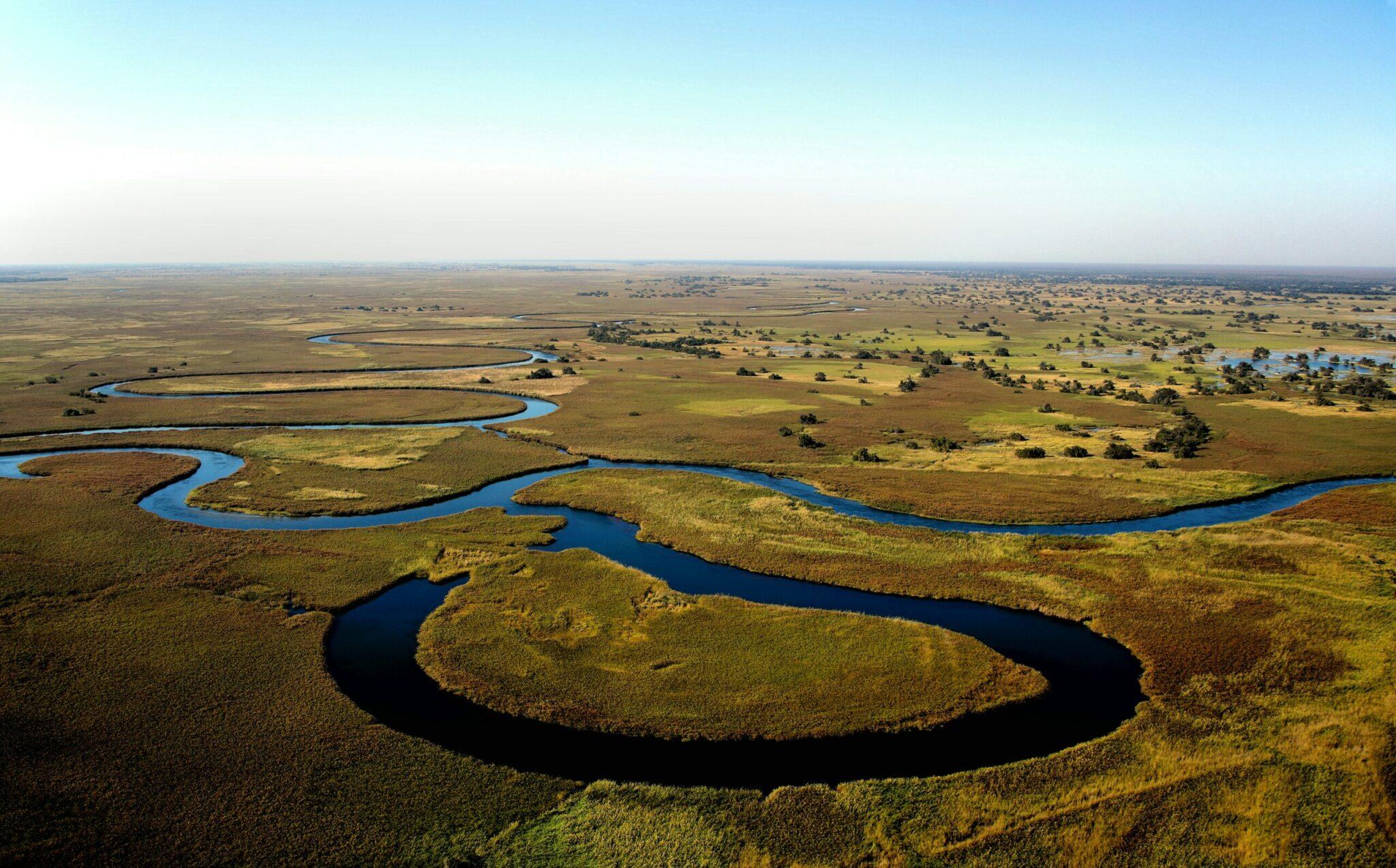
Vast plains stretching to distant hills, dry riverbeds winding through thick bush, and open savannas dotted with acacia trees create landscapes unlike anywhere else in the world. Even years later, hunters often recall specific places where they walked behind trackers or watched animals move quietly across the horizon.
Those landscapes become part of the memories hunters carry with them long after returning home.
Some memories of Africa are tied to senses that are difficult to capture in photographs.
Hunters often remember the smell of the bush, dry dust lifted by a warm wind, the scent of sun-baked grass, and the faint smoke from the morning fire in camp.
Details like these may seem small at the time, but years later they can instantly bring back clear memories of days spent hunting in Africa.
Some of the most memorable moments of a safari happen after the day's hunt has come to an end.
Evenings in camp often unfold slowly. Hunters gather around a small fire, stories from the day are shared, and plans for the following morning begin to take shape. The sounds of the bush continue in the background while lantern light flickers across the camp.
Years later, hunters often say they remember these quiet evenings just as clearly as the hunts themselves.
Many hunters travel to Africa with friends or family, but it is also common for someone to make that first safari alone.
The memories of Africa can feel deeply personal. The long days in the bush, the quiet moments watching animals move across open country, and the conversations shared with trackers and professional hunters become experiences that are difficult to fully describe afterward.
When hunters return home, friends often ask what the safari was like. Photographs and stories can help tell part of the story, but many quickly realize that an African hunt is something difficult to explain to someone who has never experienced it.
Some things about Africa simply have to be lived to be understood.
Another part of Africa that remains vivid for visiting hunters is the people they meet along the way.
Professional hunters, trackers, camp staff, and local communities all play a role in creating the safari experience. Hunters often remember the skill of trackers reading spoor in the sand, the quiet confidence of a professional hunter guiding the day's hunt, and the warmth of camp staff welcoming guests after a long day in the bush.
These friendships and encounters often become just as meaningful as the hunt itself.
One of the things that often leaves a lasting impression on visiting hunters is the quiet skill of African trackers.
American hunters are often used to reading sign in the woods, but watching experienced trackers follow fresh spoor across hard ground can feel almost unbelievable at first. A bent blade of grass, a faint mark in the dust, or the subtle shift of a stone can reveal the path an animal took hours earlier.
Trackers rarely speak loudly while working. Instead, they move carefully through the bush, occasionally pointing to a sign that most visitors would have walked past without noticing.
Watching experienced trackers work can become one of the most fascinating parts of a safari.
The memories of Africa often extend far beyond the hunter who made the journey.
It is not uncommon to meet hunters who first traveled to Africa decades ago and now dream of returning with their children or grandchildren. Years may have passed since their last safari, yet the experiences remain vivid, the sounds of the bush before sunrise, the long walks tracking game, and the friendships formed in camp.
Hunters who first visited Africa in their younger years often hope that one day they can share the same journey with the next generation. They want their families to see the landscapes they remember so clearly, to meet the people who welcomed them so warmly, and to understand why Africa holds such a special place in their hearts.
Returning to Africa is not only about hunting again. It is about sharing something that shaped them and creating memories they hope their children and grandchildren will carry for the rest of their lives.
In hunting families, traditions are often carried forward from one generation to the next.
A rifle may be handed down from a father to a son, or from a grandfather to a grandson. Along with it come the stories, hunts from years past, lessons learned in the field, and memories that shaped a lifetime of hunting.
Hunters who traveled to Africa years ago often find that those memories remain vivid long after the safari has ended. As they grow older, some begin thinking about sharing the same journey with their families.
It is not uncommon to see hunters returning to Africa with their children or grandchildren so they can experience the same landscapes and traditions that earlier generations once knew. Walking through wild country with family members beside them, these hunters often feel as if they are retracing the footsteps of those who hunted before them.
In places such as Tanzania, where vast wilderness hunting areas still exist, families can still experience the kind of traditional safari that earlier generations once described in their stories. Long days tracking game through remote landscapes, learning from experienced professional hunters and trackers, and sharing evenings in camp create memories that can span generations.
These family safaris are about more than simply hunting again. They give younger family members the chance to understand something that shaped an earlier generation, walking through wild African country and becoming part of a hunting tradition that stretches back decades.
Rifles are more than just tools. They are objects that carry stories from one generation to the next.
An older rifle may have traveled thousands of miles over the course of a lifetime, through thick bush, across dry riverbeds, and along dusty tracks in remote parts of Africa. The worn stock, small scratches, and faded bluing often reflect years of use in the field.
Some of these rifles were carried by fathers or grandfathers who hunted Africa decades ago, long before modern equipment and easier international travel made safaris more accessible. Those earlier hunts often became part of a family's history.
When a younger hunter eventually carries that same rifle into the field, it can feel as though the past is walking beside them. The rifle is no longer simply a piece of equipment, it becomes a connection to the hunters who came before.
Some hunters quietly wonder what those old rifles would say if they could speak, the stories they might tell of long days tracking game, distant camps, and encounters with animals that shaped the memories of earlier generations.
The rifle becomes something more than a tool of the hunt. It becomes part of a family's hunting story.
Trophy rooms become something far more meaningful than a place to display animals.
Over the years, these rooms often grow slowly as new hunts are added to the memories already hanging on the walls, a kudu taken on a first safari, a buffalo from a later adventure, or perhaps a photograph taken after one of those unforgettable Cape buffalo hunts in Africa.
These rooms represent something deeper than the trophies themselves. They hold the memories of the people who once hunted those animals, fathers, grandfathers, and sometimes even earlier generations who traveled to Africa when safaris looked very different from today.
Stories are often passed down alongside the mounts. Tales of long days following old elephant tracks, encounters with big tuskers in remote river valleys, or evenings spent around campfires listening to the sounds of the bush.
For younger hunters growing up in these families, those rooms become places where the past feels close. The trophies are reminders not only of the animals taken, but of the hunters who came before them and the experiences that shaped their lives.
Years later, a hunter may find himself standing quietly in that room, looking at a mount taken long ago. In that moment the memories return clearly, the smell of dust in the wind, the sound of trackers speaking quietly ahead, and the feeling of walking once again through the African bush.
Africa has a way of staying with those who have hunted there. Long after the safari has ended, memories of early mornings in the bush, long days following tracks and evenings around the campfire can remain remarkably vivid.
Some hunters return to pursue a species they have always wanted to hunt. Others are drawn back by the country itself, the people they met and the opportunity to spend time once again in wild African landscapes.
Years may pass before another safari becomes possible, but the desire to return rarely disappears completely. Sometimes all it takes is an old photograph, a rifle taken from the safe or a story shared with friends to bring those memories back.
And eventually, if the opportunity presents itself, Africa calls them back.
Even hunters who have not returned to Africa for many years often find that the memories remain remarkably clear.
The smell of dust after a dry wind, the quiet concentration of trackers following spoor, the distant calls of wildlife at night, these are moments that stay with hunters long after the safari itself has ended.
Africa has a way of leaving a lasting impression on those who experience it.
An African safari is far more than a hunting trip.
It becomes a collection of memories, landscapes, sounds, people, and moments that remain vivid long after the journey home.
Years may pass, and life may take hunters in many different directions. Yet the memories of Africa often remain close, quietly reminding them of the days spent walking through wild country.
And perhaps that is one of Africa's greatest gifts to hunters. No matter how old you are, the memories of an African hunt can keep the heart young.
Pierre van Wyk is a professional hunting consultant and co-founder of Game Hunting Safaris. He has spent many years helping sportsmen plan African hunting safaris across some of the continent's most respected hunting destinations.
Pierre has personally hunted and traveled extensively throughout southern and eastern Africa, gaining firsthand experience in areas such as Namibia, Zimbabwe, Tanzania, Zambia, Mozambique, and South Africa. His work focuses on helping visiting hunters understand how African safaris truly work, from choosing the right destination to preparing for their first hunt on the continent.
Through Game Hunting Safaris, Pierre works with a network of trusted professional hunters and outfitters to help international hunters plan authentic African hunting experiences.