Designed by Hunters, for Hunters

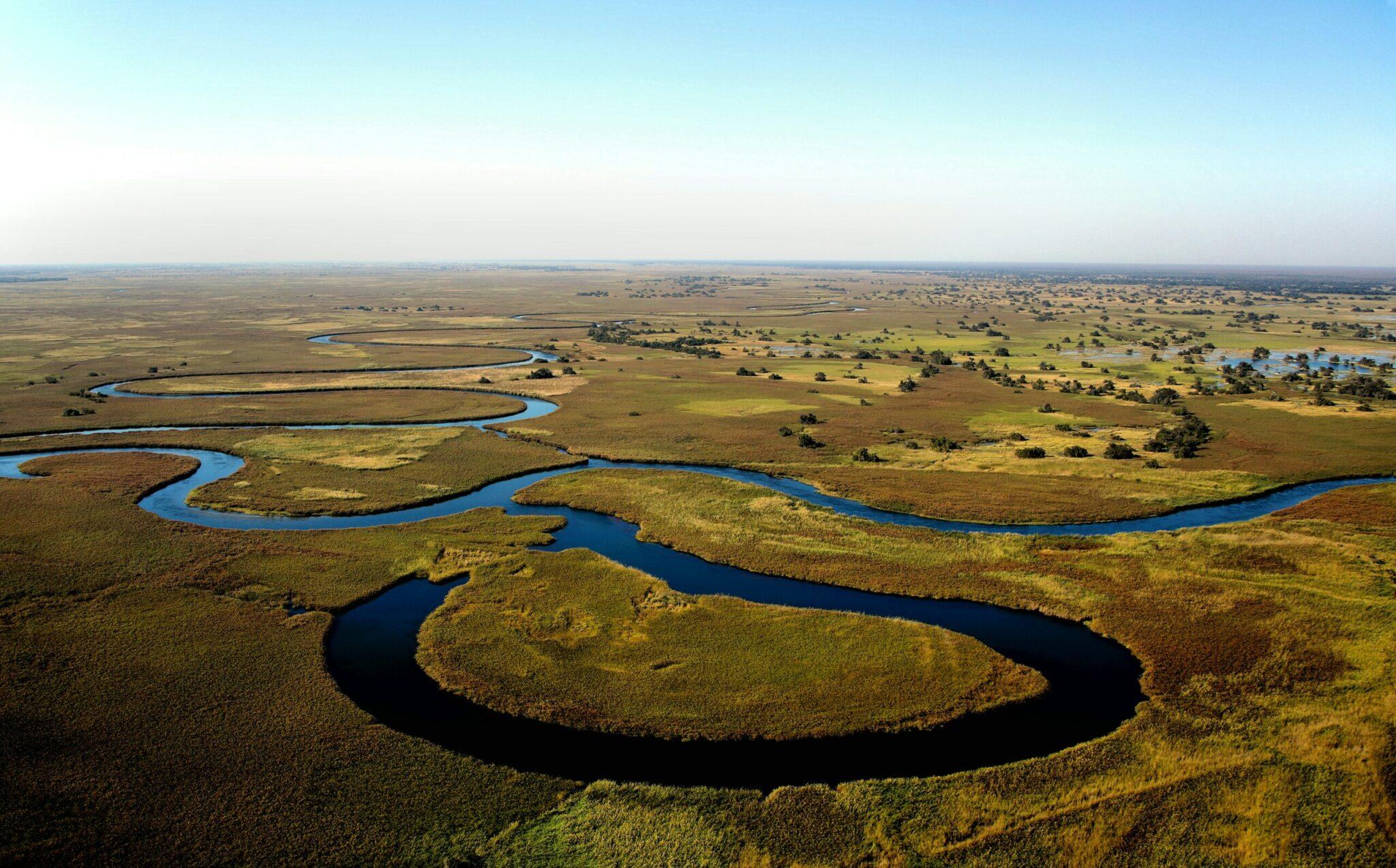
American hunters arriving in Africa for the first time often find the open savanna and bushveld strangely familiar. Rolling plains, scattered trees, and distant ridgelines can resemble the wide hunting country of the American West, yet the similarities quickly end once the hunt begins.
African plains game has an extraordinary ability to use distance, wind, cover, and even the smallest changes in terrain to its advantage. A kudu can disappear into a patch of shadow, a herd of impala can spot movement from hundreds of yards away, and an animal that looks comfortably within range may be far farther away than it appears.
That is part of what makes plains game hunts so rewarding. Hunting Africa's open country may look straightforward from a distance, but once you begin stalking animals across it, you quickly discover that the plains have their own unwritten rules.
Hunters who are used to glassing western mule deer or elk country in the United States may initially feel comfortable in these landscapes. But African plains animals have evolved alongside predators for thousands of years and are exceptionally skilled at detecting danger.
Countries such as South Africa hunting safaris, Namibia hunting safaris, and Zimbabwe hunting safaris offer some of the finest open-country hunting on the continent. In these regions, professional hunters rely on patience, careful observation, and carefully planned stalks to approach animals that often detect danger long before hunters ever see them.
Understanding how these landscapes work is the key to appreciating both the challenge, and the reward, of hunting Africa's open country.
One of the first surprises many visiting hunters experience is how empty the African plains can appear at first glance.
From a distance the landscape may look quiet and open, with only scattered bushes or trees breaking the horizon. Yet experienced professional hunters often pause, study the terrain through binoculars, and quietly point out animals that seem to appear from nowhere.
The first time this happens, hunters may look back through their own binoculars wondering if the professional hunter is seeing something that only exists in his imagination.
Plains animals such as antelope and zebra blend remarkably well into their surroundings. Their natural coloring matches the dry grasses and dusty soil of the savanna so effectively that animals can stand in plain sight without being noticed.
Experienced hunters learn that spotting game in Africa often depends less on searching for animals themselves and more on recognizing small signs of life in the landscape, the flick of an ear, the curve of a horn, or the subtle outline of a back above the grass.
Once a hunter begins to notice these details, the plains that once appeared empty suddenly seem full of animals.
Animals that live in open landscapes depend heavily on their eyesight for survival.
Plains species spend much of their day scanning the horizon for movement. Herd animals such as impala or wildebeest often have several individuals watching in different directions at the same time.
This constant awareness means hunters must move carefully when approaching game.
A sudden movement, a hunter stepping onto the skyline, or even sunlight reflecting off a rifle scope can alert animals instantly. Once one animal becomes nervous, the entire herd usually reacts within seconds.
Hunters accustomed to spot-and-stalk hunting for mule deer or pronghorn in the western United States will recognize the challenge. In Africa, however, animals have evolved alongside predators for thousands of years, and their ability to detect movement is exceptionally sharp.
This is why experienced professional hunters move slowly, using terrain, brush, and small changes in elevation to remain hidden while approaching animals.
Hunters new to Africa are often surprised by how animals can disappear in terrain that appears almost open.
Instead of running immediately when danger approaches, many animals rely on stillness as their first defense. By freezing in place, they allow their natural camouflage to blend perfectly with the surrounding grass and vegetation.
Species such as kudu, gemsbok, and even predators like lions can stand motionless behind a single bush or patch of grass and become almost impossible to detect. This ability to disappear in plain sight is one reason experienced professional hunters approach lion hunts cautiously in open savanna terrain.
Leopards are perhaps even more remarkable. During leopard hunts, hunters sometimes discover that the animal they have been searching for has been watching them quietly from nearby cover the entire time.
Experienced hunters quickly learn that spotting animals in Africa often depends on noticing movement rather than shape. The flick of an ear or the slow turn of a head may be the only clue that an animal is standing only a few yards away.
The wide landscapes of Africa can easily distort a hunter's sense of distance.
Clear air, open valleys, and scattered vegetation often make animals appear much closer than they really are. Many visiting hunters initially underestimate distance by a surprising margin.
Professional hunters learn to judge distance by comparing animals to surrounding terrain features such as termite mounds, bushes, or ridgelines.
Even those accustomed to shooting across open western terrain in North America can find the effect surprising. Africa's combination of bright light and vast landscapes often creates optical illusions that make distance estimation difficult.
Understanding this visual trick is important before taking a shot. Accurate distance judgment helps ensure that the shot is both ethical and effective.
Across large parts of southern Africa, termite mounds rise several feet above the surrounding ground. These natural structures are scattered across savannas and bushveld landscapes, sometimes appearing almost like small islands in the grass. When studying the landscape, these mounds can become valuable observation points.
Standing on top of a termite mound can dramatically improve visibility across otherwise flat terrain. From this small rise, hunters may spot animals feeding along distant bush edges or moving quietly through shallow valleys.
In country where the terrain is relatively flat, even a few feet of elevation can make a remarkable difference.
Professional hunters automatically pause at termite mounds when moving through open country, knowing that a slightly higher vantage point often reveals animals that would remain completely hidden from ground level.
Animals also take advantage of these natural high points.
Antelope such as impala, kudu, and springbok will sometimes pause briefly on termite mounds or small rises as they move across the landscape.
From these elevated positions they gain a better view of their surroundings and can also test the wind for scent.
Even a small change in elevation allows animals to detect movement more easily across open terrain.
Careful glassing through binoculars can turn these moments into brief but valuable opportunities. An animal standing on a mound may suddenly become visible against the skyline before stepping back into the grass.
Many experienced hunters learn that termite mounds are worth studying carefully when scanning open country.
Within herds of African antelope, one animal often acts as a lookout while the others feed. While most of the herd moves slowly through the grass, one individual will frequently stand alert with its head raised, watching the surrounding terrain.
This animal acts as the herd's early warning system.
When the sentinel notices something unusual, its body language changes immediately. The animal may stiffen, stare in a particular direction, or stamp the ground. Within seconds the entire herd becomes alert. At this point, the stalk is often over before it has truly begun.
Understanding how herd animals rely on these sentinels helps explain why plains game can detect danger long before hunters believe they have been seen.
Experienced hunters often notice that herds of plains animals rarely behave randomly.
While feeding or moving across open country, animals usually produce a steady background of small sounds, hooves shifting in the grass, quiet snorts, or the occasional call between herd members.
But when something unusual happens, that background activity can suddenly stop.
A herd that was grazing calmly moments earlier may lift its heads and stand completely still. Every animal focuses its attention in the same direction, watching something that may not yet be visible. This sudden silence can be an important signal.
Often it means that something in the landscape has changed, and the animals have noticed it before anyone else.
Kudu have earned their reputation as one of Africa's most elusive antelope, and anyone who has spent time on kudu hunts soon understands why.
Mature bulls have an extraordinary ability to use shadows and cover to their advantage. They often stand just inside the darker shade of trees or thick brush, where their gray-brown coats and vertical white stripes blend almost perfectly with the surrounding vegetation.
From a distance, the outline of a kudu can simply disappear.
Hunters may walk past a mature bull without ever realizing it was standing nearby. Professional hunters sometimes joke that kudu have a special talent for standing exactly where hunters are least likely to look.
Learning to study shaded areas carefully becomes part of hunting them. What appears to be an empty patch of shadow may actually conceal one of Africa's most impressive antelope, standing motionless and quietly watching the landscape.
Gemsbok are superbly adapted to life in bright, open environments, and hunters quickly discover during gemsbok hunts just how effectively these striking antelope can disappear into seemingly exposed country.
Gemsbok often position themselves broadside to the sun while facing into the wind, allowing them to watch their surroundings while detecting scent carried on the breeze.
At first glance, their bold black-and-white facial markings appear highly visible. At distance, however, those patterns help break up the animal's outline, while the muted coloring of the body blends remarkably well with the desert and grassland terrain they inhabit.
Spotting a gemsbok often requires careful glassing and patience. An animal that seems impossible to miss once located may have been standing in plain sight for several minutes before the hunter finally notices the slightest movement.
Older kudu bulls develop habits that make them particularly challenging to approach.
After leaving thick cover, a mature bull may travel a short distance before quietly circling downwind of its own trail. By doing this the animal positions itself so it can smell anything following behind.
If a predator, or hunter, is trailing the bull, the wind may carry that scent directly toward the animal before the follower ever sees it.
Professional hunters sometimes explain this behavior to hunters who are tracking kudu for the first time. A bull that suddenly changes direction may not be wandering randomly, it may simply be checking whether anything is following its tracks.
Understanding these small habits helps explain why mature kudu bulls are so difficult to approach consistently.
Glassing is one of the most valuable skills in open-country hunting.
Professional hunters often spend long periods studying distant hillsides, bush edges, and valleys before ever beginning a stalk. Animals may be partially hidden behind brush, resting in shallow depressions, or standing quietly inside patches of shade.
Careful observation often reveals subtle clues, the curve of a horn, the line of a back, or the slight flick of an ear above the grass.
Anyone familiar with glassing western mule deer or elk country will recognize the technique. In Africa, however, the challenge often lies in detecting animals that appear to blend perfectly into the surrounding terrain.
Learning patience while glassing is one of the most valuable skills many hunters develop during their first African safari.
Wind direction plays a critical role in open-country hunting.
African animals rely heavily on their sense of smell, and even a light breeze can carry human scent across surprising distances. A stalk that appears perfect from a visual standpoint can quickly fail if the wind shifts.
Experienced professional hunters constantly check wind direction when planning an approach. Sometimes a hunting team must circle widely around animals before beginning a stalk simply to remain downwind.
Hunters quickly learn that success in open country often depends less on speed and more on patience and careful attention to the wind.
In open African landscapes animals are frequently spotted from long distances.
However, seeing the animal is only the beginning of the hunt.
A successful stalk may require a long and careful approach using terrain features such as gullies, bushes, or ridges to remain hidden. What looks like a short walk across open ground can turn into a slow and deliberate route designed to avoid detection.
Professional hunters carefully plan these approaches, sometimes taking an hour or more to close the final distance. These long stalks become one of the most memorable parts of an African safari.
During the heat of the day many animals move to shaded areas where they rest and conserve energy.
Before bedding down, animals often follow a small circular path through the terrain before selecting a place to lie down. This behavior allows them to position themselves so they can smell approaching danger while also watching the direction they traveled from.
Understanding this pattern can sometimes help hunters anticipate where animals may be resting during midday hours.
Experienced professional hunters occasionally use this knowledge when planning a careful approach toward animals that have bedded down.
Animals in open landscapes survive by remaining perfectly still. Instead of running immediately when they detect danger, animals may freeze and rely on their natural camouflage to blend into the surrounding terrain.
A hunter scanning the landscape may look directly at an animal without realizing it is there.
Only when the animal finally moves, perhaps flicking an ear or turning its head, does it suddenly become visible. At that moment many hunters realize they have been looking directly at the animal the entire time.
This simple survival strategy is one of the reasons spotting game in Africa can be far more challenging than it first appears.
Hunting in Africa's open landscapes creates a very different rhythm from hunting in dense forests.
Wide views and long stalks require patience, careful observation, and well-planned approaches. Much of the excitement comes from studying distant terrain, planning the stalk, and slowly closing the distance on animals that are constantly aware of their surroundings.
Long after the safari is over, the memory of the stalk can remain just as meaningful as the moment the shot was taken.
Open-country hunting rewards hunters who enjoy the challenge of spotting game across wide landscapes and carefully working their way into range.
Hunters visiting Africa for the first time sometimes underestimate how alert plains animals can be.
A few common mistakes appear frequently during early stalks:
Moving too quickly Open landscapes create the illusion that animals are far away. Sudden movement is often detected immediately.
Ignoring the skyline Walking along the top of a ridge can silhouette a hunter against the sky, making them visible from great distances.
Underestimating distance Africa's clear air often makes animals appear much closer than they really are.
Watching the wrong animal Hunters sometimes focus on the animal they intend to shoot, while another member of the herd is acting as the sentinel.
Experienced professional hunters help guide visiting hunters through these challenges, turning each stalk into a learning experience.
Some of the finest open-country hunting in Africa takes place in the southern regions of the continent.
Countries such as South Africa, Namibia, and Zimbabwe offer vast landscapes where hunters pursue a wide variety of plains game across savannas, bushveld, and semi-arid terrain, making these regions popular choices for hunters planning African hunting trips.
These environments provide the classic African hunting experience many hunters imagine when planning their first safari.
Understanding how animals behave in these landscapes helps hunters appreciate the skill, patience, and careful stalking required to approach game successfully.
Experienced professional hunters often run through a short mental checklist when studying open African landscapes.
Before beginning a stalk, they usually ask a few simple questions:
Answering these questions helps hunters decide whether a stalk is possible, or whether patience is the better option.
Successful stalks in Africa begin not with movement, but with quiet observation and careful planning. Hunters who experience these landscapes quickly understand why African hunting safaris remain one of the most rewarding and challenging hunting adventures in the world.