Designed by Hunters, for Hunters

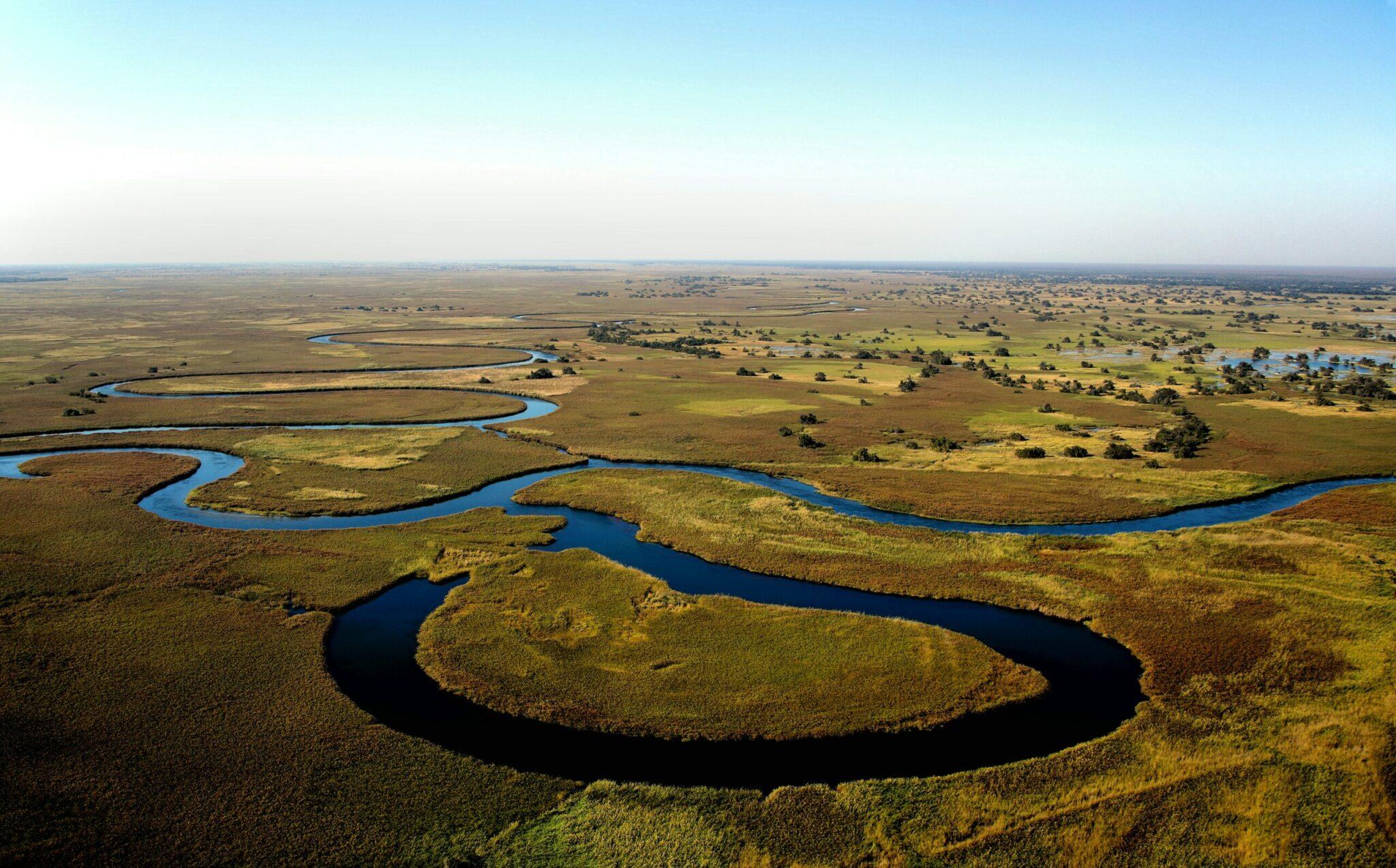
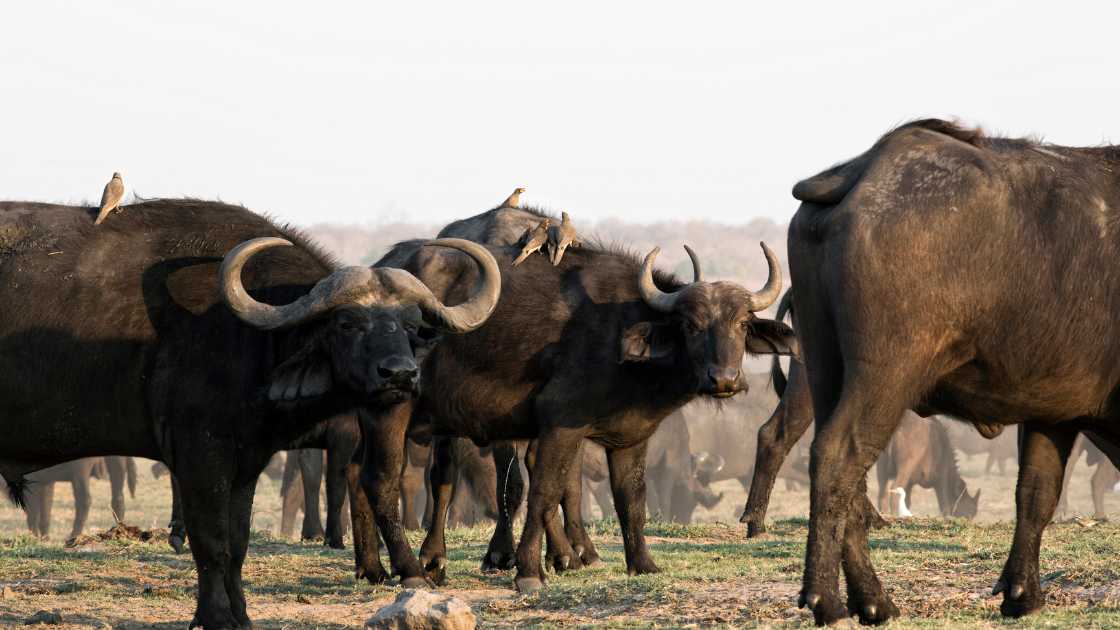
For American and international hunters interested in Cape Buffalo Hunts, Zimbabwe remains one of Africa's most respected free-range destinations. Although the country does not have an official buffalo hunting season, the prime hunting period generally runs from April through October, when drier conditions improve tracking, visibility, and access across many of Zimbabwe's renowned hunting concessions.
Zimbabwe's wildlife management model combines scientifically determined hunting quotas, active conservation programmes, and community-based initiatives to maintain healthy buffalo populations while generating meaningful economic benefits for rural communities. These measures continue to demonstrate how regulated hunting can support both sustainable wildlife management and long-term conservation objectives.
One of the cornerstones of Zimbabwe's wildlife management programme is the scientific determination of hunting quotas. Rather than setting quotas arbitrarily, the Zimbabwe Parks and Wildlife Management Authority (ZPWMA) works alongside ecologists, wildlife biologists, and concession managers to assess buffalo populations, habitat conditions, breeding success, and long-term population trends before annual quotas are approved.
These scientifically managed quotas help ensure that Cape Buffalo Hunts remain both sustainable and conservation-focused. Hunting is typically directed towards older, post-breeding bulls, allowing healthy breeding populations to continue contributing to the long-term stability of the species while maintaining the quality of Zimbabwe's free-range buffalo hunting.
By regulating the number and type of animals that may be harvested each season, Zimbabwe protects biodiversity, reduces the risk of overexploitation, and helps maintain balanced ecosystems across its hunting concessions. This science-based approach reflects internationally recognised wildlife management principles and demonstrates how regulated hunting can contribute to long-term conservation rather than undermine it.
Anti-Poaching Initiatives
Another critical component of the conservation strategy is the enhancement of anti-poaching initiatives. Poaching remains a significant threat to wildlife in Zimbabwe, driven by illegal hunting and the illicit wildlife trade. ZPWMA has strengthened its anti-poaching measures by increasing patrols, utilizing advanced surveillance technology, and fostering international collaborations. These efforts are crucial in protecting wildlife from illegal activities that can undermine conservation goals.
Habitat Management and Restoration
Healthy buffalo populations depend on far more than carefully managed hunting quotas. The long-term success of Zimbabwe's wildlife conservation programme also relies on protecting and improving the habitats that sustain buffalo and countless other species throughout the year.
Habitat management includes restoring degraded areas, protecting natural water sources, maintaining wildlife corridors, and implementing vegetation management programmes that support healthy grazing. In many hunting concessions, these efforts also involve repairing water infrastructure, controlling invasive plant species, and using carefully planned burning programmes where appropriate to encourage new grass growth and improve the quality of buffalo habitat.
These conservation initiatives benefit far more than Cape buffalo alone. Elephant, lion, leopard, plains game, and many smaller species all rely on healthy, functioning ecosystems. By investing in habitat management alongside scientific wildlife monitoring and anti-poaching efforts, Zimbabwe continues to protect the ecological integrity of its vast free-range hunting areas.
The result is a conservation model that supports sustainable buffalo populations while preserving some of Africa's last great wilderness landscapes. For hunters, this means pursuing mature buffalo in an environment where wildlife continues to behave naturally, supported by healthy habitats that have been carefully managed for generations.
Zimbabwe has long been recognised as one of Africa's premier destinations for mature Cape buffalo bulls, and the reason extends far beyond impressive horn measurements. Vast unfenced hunting concessions, relatively low hunting pressure, and scientifically managed hunting quotas allow many bulls to reach an advanced age under completely natural conditions.
Regulated hunting is typically directed towards older "dagga boys" that have already played their role in the breeding population. Having left the breeding herds, these solitary bulls or small bachelor groups spend years surviving droughts, predator encounters, territorial battles, and the harsh realities of life in the African bush. The result is the kind of buffalo that experienced hunters admire most, heavy bosses, worn horn tips, scarred faces, and the unmistakable appearance of an animal that has earned its place through years of survival.
A mature buffalo trophy tells a story that extends well beyond horn size. It reflects age, resilience, and the success of a wildlife management system that allows bulls to live out their natural lives before eventually being selected as part of a scientifically managed hunting programme. That represents the very essence of ethical free-range buffalo hunting.
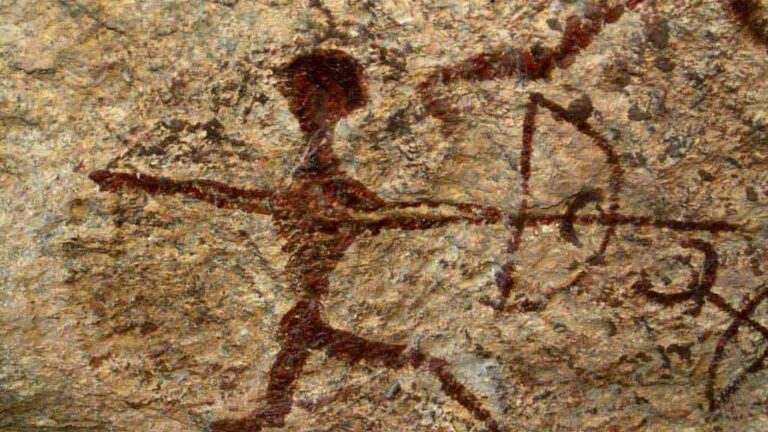
Modern Buffalo Hunting in Zimbabwe is built on a long tradition of wildlife utilisation that stretches back centuries. Long before regulated hunting and formal conservation programmes existed, local communities relied on buffalo and other game animals for food, clothing, tools, and cultural ceremonies. Hunting was an essential part of daily life and was governed by traditional knowledge that encouraged respect for wildlife and the responsible use of natural resources.
As Hunting in Zimbabwe evolved during the colonial era, wildlife management gradually shifted from subsistence harvesting to regulated sport hunting. New laws, protected areas, and game management policies were introduced to control wildlife utilisation and reduce uncontrolled hunting. While these changes altered the way buffalo were managed, they also laid the foundation for many of the scientific conservation practices used today.
Following Zimbabwe's independence, wildlife management continued to develop through the integration of modern conservation science with community-based programmes such as CAMPFIRE. Today's regulated buffalo hunting model reflects decades of refinement, combining sustainable hunting quotas, habitat management, anti-poaching initiatives, and local community participation into a system designed to protect both wildlife and the people who live alongside it.
Understanding this history provides important context for modern buffalo hunting in Zimbabwe. The country's reputation as one of Africa's leading free-range buffalo destinations has been shaped not only by outstanding hunting areas, but also by generations of experience in balancing sustainable wildlife utilisation with long-term conservation.
Cultural Significance Today
Today, buffalo hunting in Zimbabwe continues to hold cultural significance for many communities. While modern hunting practices are regulated by scientific data and ecological assessments, they still incorporate elements of traditional knowledge and cultural values. Community-based conservation programs integrate local customs with sustainable wildlife management, empowering communities to manage their resources while preserving their cultural heritage.
The integration of traditional practices with modern conservation efforts has had a positive impact on local communities. Programs like CAMPFIRE (Communal Areas Management Programme for Indigenous Resources) have provided rural communities with economic incentives to participate in conservation, improving livelihoods and fostering a sense of ownership and responsibility towards wildlife. By blending traditional and contemporary approaches, Zimbabwe has created a model that respects cultural heritage while promoting sustainable hunting practices.
CAMPFIRE Program for Buffalo Hunting in Zimbabwe
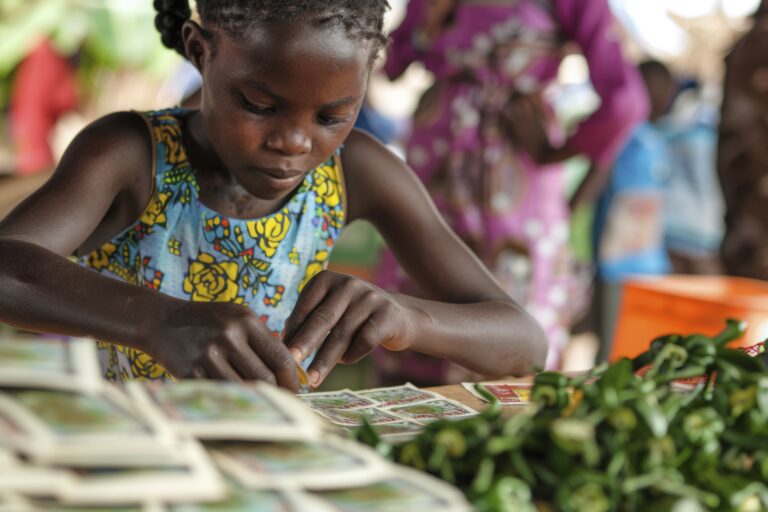
Community involvement is a cornerstone of Zimbabwe’s conservation strategy. The CAMPFIRE program is a prime example of community-based conservation. Under this program, Rural District Councils sell access to wildlife to safari operators, and the revenues are shared with local communities. This model empowers communities to manage their wildlife resources sustainably and ensures that they benefit directly from conservation activities. By involving communities in decision-making and revenue-sharing, CAMPFIRE promotes the sustainable use of wildlife and helps reduce human-wildlife conflict.
Leading By Example
Successful wildlife conservation depends on far more than government agencies and professional hunters. Across Zimbabwe, community leaders play an essential role in ensuring that conservation programmes deliver meaningful benefits to the people who live alongside wildlife. Their involvement helps build trust, encourages responsible wildlife management, and reinforces the long-term value of protecting natural resources.
Programmes such as CAMPFIRE have demonstrated that when rural communities receive tangible economic benefits from regulated hunting, they become active partners in conservation rather than passive observers. Revenue generated through sustainable buffalo hunting has helped support local schools, healthcare facilities, infrastructure improvements, employment opportunities, and other community development projects in many wildlife areas.
Just as importantly, involving local communities in wildlife management encourages a sense of ownership and responsibility for the natural environment. By participating in conservation planning and sharing in the benefits generated by wildlife, communities have a direct incentive to protect buffalo populations, reduce illegal hunting, and conserve the habitats on which both people and wildlife depend.
This partnership between wildlife authorities, professional hunters, safari operators, and local communities has become one of the foundations of Zimbabwe's conservation model. It demonstrates how sustainable hunting can generate lasting benefits that extend well beyond the hunting season, supporting both rural livelihoods and the long-term conservation of Africa's wildlife.
One of the most common questions asked by international hunters is where the money from a buffalo safari actually goes. While the exact allocation varies between concessions and countries, regulated hunting generates revenue that supports far more than the hunt itself.
A portion contributes towards concession lease fees, wildlife scouts, anti-poaching patrols, road maintenance, water infrastructure, habitat management, scientific wildlife monitoring, and the employment of professional hunters, trackers, camp staff, and other local workers. Community-based conservation programmes such as CAMPFIRE also allow many rural communities to receive direct financial benefits from wildlife, creating a practical incentive to conserve habitat rather than convert it to agriculture or other land uses.
Without sustainable funding, many remote wildlife areas would struggle to maintain the level of protection required to conserve large free-ranging buffalo populations. Regulated hunting therefore contributes not only to wildlife conservation, but also to the long-term management of the landscapes that support these iconic animals.
One of the reasons Zimbabwe has earned such a strong international reputation is that conservation and hunting are closely linked rather than treated as separate objectives. Hunters are not simply booking a safari; they are participating in a wildlife management system that has been refined over decades to balance sustainable utilisation with long-term conservation.
Unlike many forms of tourism, regulated buffalo hunting generates revenue directly from a small number of carefully managed animals while allowing vast wilderness areas to remain economically valuable as wildlife habitat. This approach helps protect millions of hectares of natural habitat that support not only Cape buffalo, but elephant, lion, leopard, sable, kudu, and countless other species.
For hunters, this means every buffalo safari becomes part of something much larger than the hunt itself. It represents participation in a conservation model that values mature trophies, scientific management, and the long-term protection of Africa's wildlife and wild places.
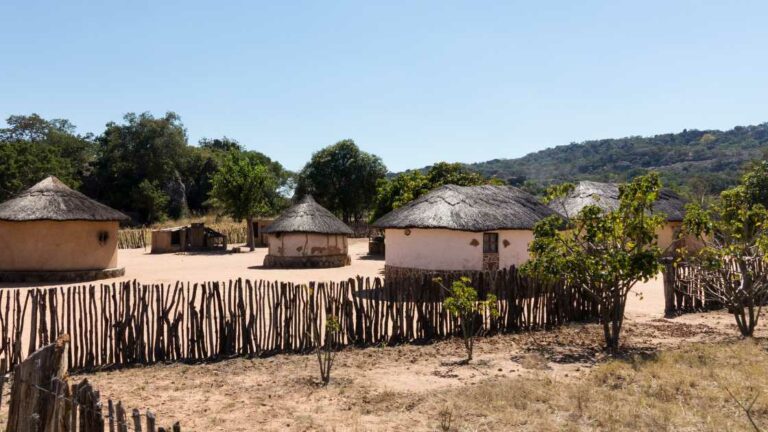
Sustainable Big Game Hunting in Zimbabwe demonstrates how scientifically managed hunting can support wildlife conservation while creating long-term economic benefits for rural communities. By aligning regulated hunting with ecological management, anti-poaching initiatives, habitat restoration, and community participation, Zimbabwe continues to demonstrate how sustainable hunting can contribute to the protection of both wildlife and the ecosystems on which they depend.
The success of this model relies on balancing conservation objectives with responsible wildlife utilisation. Revenue generated through regulated hunting helps fund anti-poaching operations, scientific wildlife monitoring, habitat management, and community development projects that might otherwise struggle to secure long-term financial support. In many remote areas, these programmes provide a practical incentive to conserve wildlife and maintain vast tracts of natural habitat rather than converting the land to agriculture or other commercial uses.
When supported by sound science, transparent regulation, and local community involvement, sustainable hunting remains an important conservation tool. Zimbabwe's approach demonstrates how carefully managed buffalo hunting can protect wildlife populations while creating lasting environmental, social, and economic benefits for future generations.
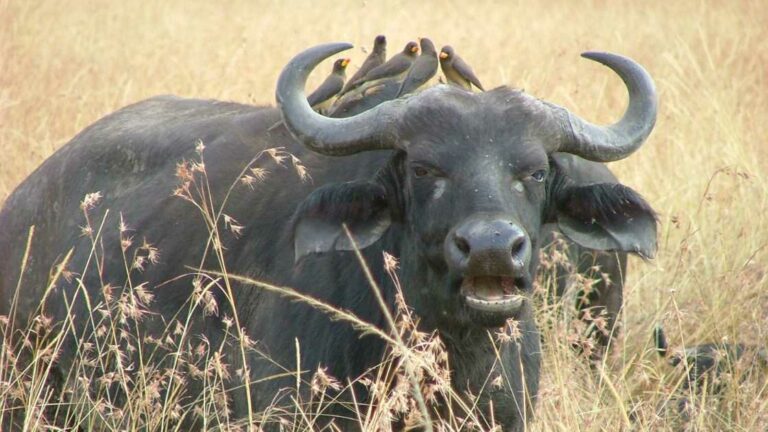
Every successful buffalo hunt begins long before a hunter arrives in Zimbabwe. Months before the hunting season gets underway, wildlife authorities, concession managers, professional hunters, ecologists, and local communities are already working together to assess buffalo populations, monitor habitat conditions, review wildlife survey data, and determine sustainable hunting quotas.
Throughout the year, anti-poaching teams patrol remote hunting concessions, wildlife scouts monitor buffalo movements, roads and water sources are maintained, and habitat management programmes help ensure healthy ecosystems can continue supporting free-ranging game. These ongoing efforts require significant planning, funding, and cooperation long before a hunter ever follows fresh spoor through the bush.
Community representatives also play an important role. Through programmes such as CAMPFIRE, local communities participate in wildlife management and benefit directly from conservation, creating a strong incentive to protect buffalo populations and the landscapes they inhabit for future generations.
When a hunter finally tracks an old dagga bull through Zimbabwe's wilderness, the hunt represents far more than a single moment in the field. It reflects years of scientific research, habitat management, anti-poaching operations, and community participation that together make sustainable buffalo hunting possible. Understanding what happens behind the scenes provides a greater appreciation for the conservation model that continues to protect one of Africa's most iconic game animals.
Zimbabwe remains one of Africa's leading destinations for free-range Cape buffalo hunting, but it is also part of a much broader network of outstanding hunting opportunities across the continent. Whether your goal is to pursue buffalo, elephant, lion, leopard, plains game, or a combination of species, choosing the right destination depends on far more than trophy quality alone. Conservation models, hunting style, available species, habitat, and the time of year all play an important role.
If you're comparing different African Hunting Trips, take time to understand how each destination manages its wildlife and supports long-term conservation. A well-planned safari is about more than the hunt itself, it's about selecting the right country, the right outfitter, and a conservation model that protects Africa's wildlife for future generations.
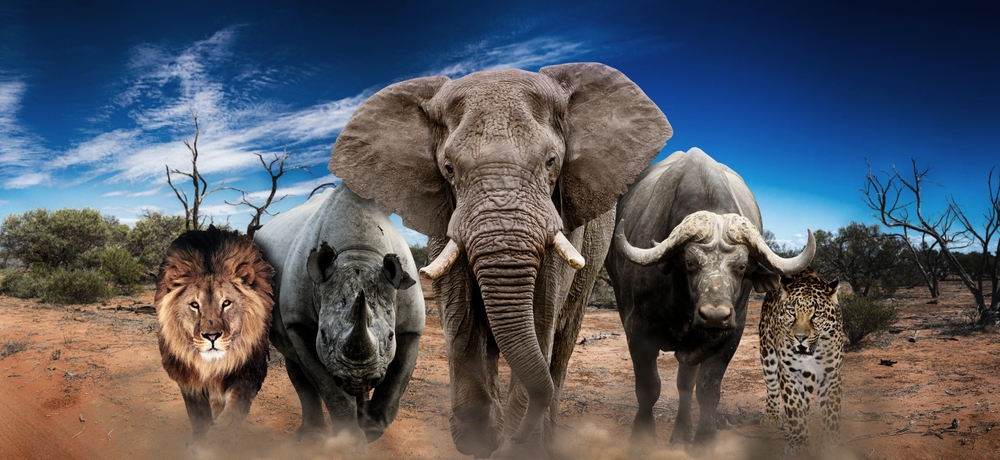
Search from our range of Hunts across various popular destinations in Africa.

Book Your Hunt