Designed by Hunters, for Hunters

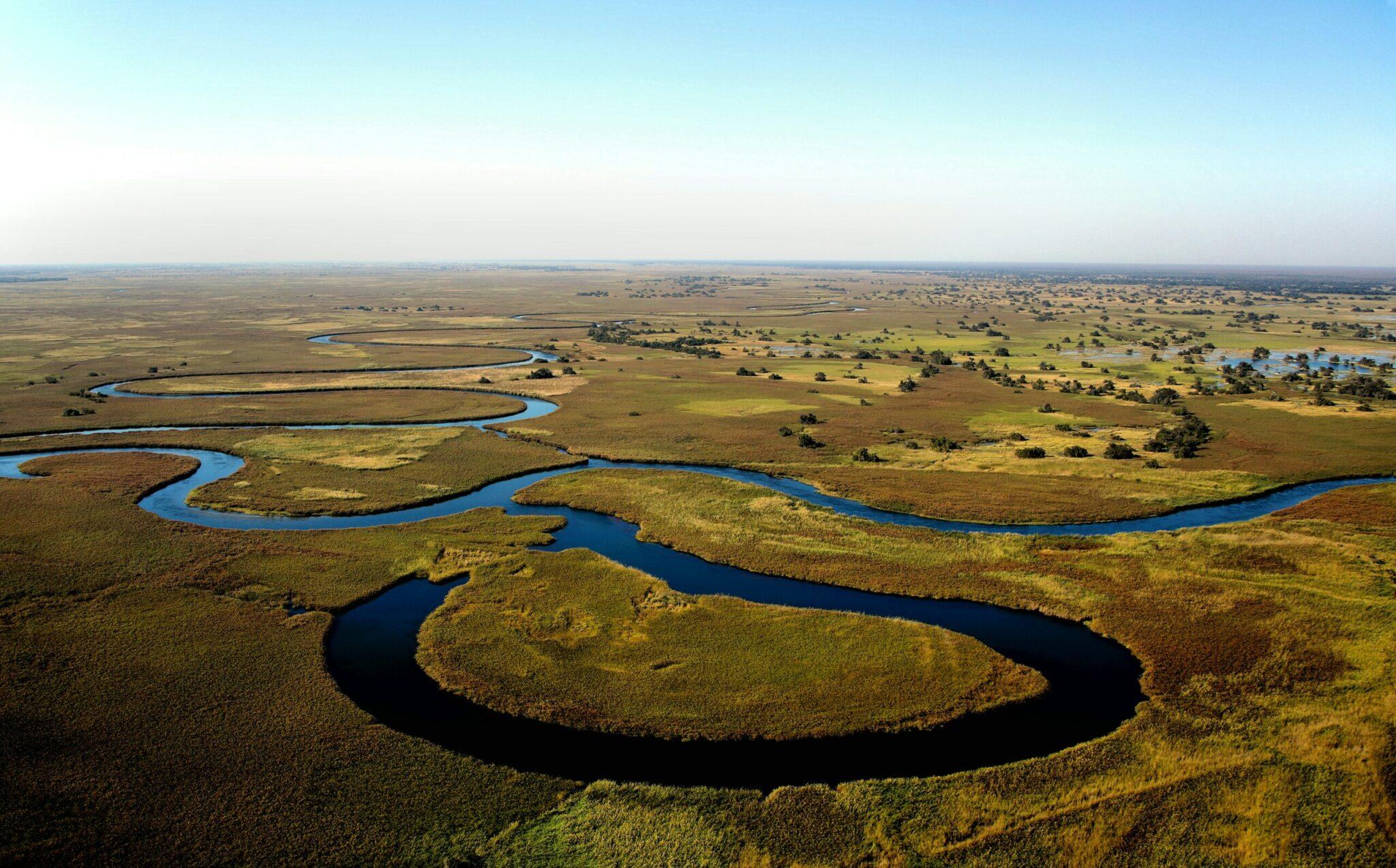
For hunters from the United States and Canada, an African safari represents the culmination of years of planning, saving, and dreaming. The images that often come to mind are dramatic stalks across open savannas, magnificent animals, and the moment when a long-awaited trophy finally stands in the crosshairs.
While those moments certainly happen, the reality of an African hunting safari is often more complex than many hunters expect. What few people talk about, however, is the mental and emotional side of the experience.
African Hunting Trips are not simply hunts that take place in another country. They are extended expeditions into remote landscapes, often lasting ten days or more, where hunters leave behind their normal routines, businesses, and families while immersing themselves in the rhythms of the African bush.
During that time, hunters may experience long days of tracking without seeing the animal they came for, changing weather conditions, difficult terrain, and the quiet pressure that builds as the days of the safari pass.
These experiences are not negative. They are simply part of hunting wild animals in truly wild places. But they do introduce a mental side to the safari that many first-time hunters do not anticipate.
Understanding these pressures before arriving in camp can help hunters approach their safari with the right expectations, patience, and mindset. And when that happens, even the most challenging moments in the bush often become some of the most memorable parts of the entire experience.
For many visiting hunters, an African safari represents far more than a simple hunting trip. It may be something they have dreamed about for years, planned carefully, and invested significant time and resources into making possible.
Because of this, the moment the hunt begins there can be a quiet pressure to succeed.
Hunters may feel a strong desire to make the most of every day in the field. They may worry about making the right decisions, taking the right animal, or making sure the opportunity they worked so hard for results in the trophy they hoped for.
Professional hunters see this pressure often, especially with first-time visitors to Africa. While the excitement and anticipation are natural parts of the experience, they can also create a sense of urgency that sometimes works against the slow rhythm of the bush.
Wild animals move according to weather, food availability, and instinct, not according to a calendar or a hunter's travel itinerary. Learning to slow down and adapt to that reality is often one of the first lessons of a safari.
Most safaris operate within a fixed number of days, often ten to fourteen depending on the hunt.
During the early part of the safari, hunters usually feel relaxed and optimistic. There is plenty of time, and each day feels like another opportunity waiting to unfold.
As the safari progresses, however, the passage of time can begin to feel more significant.
If the desired animal has not yet been found, hunters may start to feel a growing sense of urgency. Each remaining day becomes more important, and missed opportunities can begin to feel heavier than they might have earlier in the hunt.
Professional hunters understand this dynamic well. They often work carefully to maintain a steady pace and keep the focus on the process of the hunt rather than the pressure of the calendar.
In many cases, the best opportunities appear when patience is maintained and the rhythm of the hunt is allowed to unfold naturally.
One of the realities that is rarely discussed openly is that not every safari ends with the animal a hunter originally came to pursue.
For hunters who have invested years of planning, significant financial commitment, and time away from their businesses and families, the possibility of returning home without the desired trophy can feel deeply disappointing.
By the final days of a safari, emotions can run high. When the last opportunities do not come together, the feeling can be difficult to process. Many hunters describe a sense of frustration or heartbreak, especially when they know how much effort went into making the hunt possible.
Professional hunters understand this situation well because it does occur from time to time. Every experienced professional hunter has seen hunts where the animal simply never presents the right opportunity.
Wild animals move according to conditions that are often beyond anyone's control. Weather changes, shifting animal patterns, missed opportunities, or simple bad luck can all influence the outcome of a hunt.
What experienced hunters eventually come to understand is that success on a safari cannot always be measured by a single moment at the end of a rifle.
Many safaris that do not produce the expected trophy still contain extraordinary experiences, challenging tracks, close encounters with wildlife, lessons learned in the bush, and the deep satisfaction that comes from hunting wild animals in truly wild places.
While the disappointment of not taking the intended animal can be real, many hunters later realize that the experience itself still held immense value.
In fact, some of the hunters who return to Africa the most often are those who once left with unfinished business.
For them, the next safari becomes an opportunity not only to pursue the animal again, but to reconnect with the landscape and the experience that made the first hunt so meaningful.
Another reality that many first-time safari hunters do not anticipate is how much of a hunt may involve patience rather than constant action.
Certain hunts, especially predator hunts such as leopard or hyena, can involve long stretches of preparation with very little visible progress. Days may be spent checking bait sites, dragging bait through the bush to create scent trails, or driving large areas of a concession looking for tracks.
From the outside, these activities may appear repetitive. But each step plays an important role in building toward a potential opportunity.
Even Plains Game Hunts or dangerous game hunts can involve extended tracking before animals are finally located. A buffalo herd may be followed for hours before conditions allow a safe approach. Elephant tracks may lead hunters across long distances before the animals are eventually found.
These slower days can test patience, especially for hunters accustomed to faster-paced hunting styles.
However, experienced safari hunters often learn that these long stretches of preparation and tracking are part of what makes the final moment of success so rewarding.
Long days in the bush, physical exertion, and the pressure of finding the right animal can sometimes lead to mental fatigue as a safari progresses.
When hunters have been working hard for many days without seeing the animal they are hoping for, frustration can slowly begin to build.
In these situations, even small problems that would normally seem insignificant can begin to feel much larger. A missed opportunity, a vehicle delay, or difficult tracking conditions may start to weigh more heavily on the hunter's mind.
Maintaining patience, good communication, and a positive attitude often helps prevent these situations from escalating into unnecessary tension.
While many hunters worry about the possibility of not taking the animal they came for, an interesting psychological shift sometimes happens during a safari when success begins to feel close.
After days of tracking, preparation, and anticipation, the moment when a hunter finally gets within range of the desired animal can bring an entirely different kind of pressure.
The stakes suddenly feel very real.
Hunters may find themselves thinking about everything that has gone into the hunt, the years of planning, the financial commitment, the expectations of friends and family back home, and the responsibility of making a clean, ethical shot.
Even experienced hunters sometimes feel this weight in the moment before the shot is taken.
Professional hunters are very familiar with this situation. Part of their role is helping the hunter slow down, focus on the fundamentals, and approach the moment calmly rather than allowing the pressure to take over.
When the moment is handled with patience and confidence, the experience often becomes one of the most powerful memories of the entire safari.
But it also serves as a reminder that hunting in wild places is never simply about pulling the trigger. It is about managing emotions, trusting preparation, and respecting the seriousness of the moment.
For many hunters, those few seconds before the shot become one of the most intense and meaningful experiences of the entire safari.
Modern hunters often carry responsibilities that extend far beyond the hunt itself.
Many safari clients are business owners, professionals, or individuals with significant responsibilities at home. Traveling to Africa for ten days or more means stepping away from those routines and placing trust in others to manage things while they are gone.
Even in remote areas of Africa where communication may be limited, hunters sometimes find themselves thinking about work obligations, family responsibilities, or events taking place back home.
Balancing the desire to fully immerse oneself in the safari experience while still remaining aware of responsibilities elsewhere can sometimes create an additional mental strain during the hunt.
Learning to temporarily disconnect and focus on the experience of the safari itself is often one of the most valuable ways to truly enjoy time in the bush.
While hunters and professional hunters often carry the most visible pressure during a dangerous game safari, there is another group that sometimes carries its own kind of stress, the family members waiting at home.
For hunters traveling to Africa, particularly when pursuing dangerous game such as cape buffalo hunts, lion hunts, or elephant hunts, the people they leave behind are very aware of the risks involved. Even though modern safari operations place a strong emphasis on safety and experienced guidance, hunting wild animals in remote environments always carries an element of uncertainty.
Spouses, parents, and children may quietly worry while the hunter is thousands of miles away in the African bush. News stories or rare incidents involving dangerous game hunts can amplify those concerns, even when such events are extremely uncommon.
Hunters themselves often think about this before leaving home. Some struggle with the question of whether they are asking their families to carry an emotional burden while they pursue something that has been a lifelong dream.
For families, the answer is found in communication and understanding. Hunting is often more than a hobby; it is part of a person's identity, a passion built over years of experience and respect for wildlife and wild places.
Families who understand that passion often support the decision, even if it comes with some natural worry.
In the end, a safari is rarely just the journey of the hunter alone. It is an experience that touches the people connected to that hunter as well --- both in camp and back home.
A safari is also a unique social experience.
Hunters will often spend ten days or more in close proximity with the same professional hunter, trackers, and camp staff. Long days in the field, shared meals, and evening discussions around the fire naturally create strong working relationships.
Most of the time these relationships become one of the most enjoyable parts of the safari experience.
However, like any situation where people spend extended time together under physically demanding conditions, personalities do not always align perfectly.
Differences in communication style, fatigue, or simple misunderstandings can sometimes create tension during long hunts. Professional hunters are usually very experienced at managing these dynamics and maintaining a positive atmosphere in camp.
When hunters approach the safari with patience, respect, and a sense of humor, these small challenges usually fade quickly and become part of the overall experience.
While hunters often feel pressure during a safari, it is easy to forget that the professional hunter guiding the hunt carries significant responsibility as well.
A professional hunter is responsible for far more than simply guiding a stalk. Throughout the safari, they are constantly managing many different aspects of the hunt behind the scenes.
This can include planning hunting areas, checking bait sites for predator hunts, coordinating trackers, monitoring animal movement, and ensuring the safety of everyone in the hunting party.
At the same time, the professional hunter is also responsible for managing the camp itself. Vehicles must remain operational, staff must be organized, meals must run on schedule, and the overall experience for the visiting hunter must remain positive from the first day of the safari to the last.
In addition to these logistical responsibilities, professional hunters often carry a quiet pressure to help their clients achieve the animals they traveled to Africa to pursue.
Recognizing that everyone in camp is working toward the same goal often helps create a stronger partnership between hunter and guide.
Many hunters travel to Africa alone, particularly when pursuing a specific trophy animal. However, many experienced safari clients eventually discover that bringing a companion can greatly improve the overall experience.
A safari often lasts ten days or longer, and during that time the hunter will spend nearly every waking hour with the professional hunter and tracking team.
Having a spouse, friend, or hunting partner along on the trip can provide a welcome change of pace. Companions may join certain hunts, relax in camp, or simply share the experience of the journey.
For hunters, some of the most meaningful memories from Africa come not only from the animals taken, but from sharing the adventure with someone close to them.
For hunters who travel to Africa with family members, particularly sons or daughters who also hunt, the emotional dynamics of a safari can sometimes become even more complex.
experienced hunters take great pride in passing their knowledge and passion for hunting on to the next generation. Watching a son or daughter develop into a capable hunter can be one of the most rewarding parts of a lifetime spent in the outdoors.
However, when dangerous game hunts becomes part of that journey, the responsibility can weigh heavily on a parent's mind.
A father may feel proud of the skills his child has developed and the experience they have gained over the years. At the same time, the thought of something going wrong in a dangerous game situation can create a quiet internal conflict.
Animals such as buffalo, lion, and elephant demand deep respect from everyone involved in the hunt. Professional hunters understand this better than anyone, and when a parent is involved, that sense of responsibility can feel even stronger.
Some hunters describe feeling caught between two powerful instincts: the desire to share extraordinary hunting experiences with their children, and the natural instinct to protect them from potential danger.
Professional hunters who guide family safaris often recognize this dynamic immediately. It is one reason why communication, careful planning, and experienced guidance become especially important when families pursue dangerous game together.
For hunting families, these moments ultimately become some of the most meaningful experiences of their lives. But they also serve as a reminder that hunting dangerous game is never simply about the trophy.
It is about responsibility, judgment, and the trust placed in the people who share the hunt.
Most hunters understand the importance of physical preparation before traveling to Africa. Walking regularly, improving fitness, and spending time at the shooting range are all common parts of preparing for a safari.
However, mental preparation can be just as important.
Understanding that some days may involve long periods of tracking, preparation, or waiting helps hunters arrive with the right expectations.
When hunters approach the safari with patience and trust in the experience of their professional hunter, the entire journey becomes far more enjoyable.
For hunters traveling to Africa for the first time, expectations can shape the entire experience. Wild animals move according to natural conditions, and hunting in wild landscapes rarely follows a predictable schedule.
Hunters who approach the safari with patience, flexibility, and an appreciation for the process often find the experience far more rewarding.
Another emotion many hunters experience near the end of a safari is the realization that the hunt is almost over.
After several days in camp, most hunters begin to settle into the rhythm of life in the African bush. Early mornings, long tracking days, and quiet evenings around the fire start to feel familiar rather than new.
The pressure that often exists during the first days of a safari begins to fade, and many hunters find themselves appreciating the experience in a different way.
By this stage of the hunt, relationships with the professional hunter, trackers, and camp staff have often grown stronger. Conversations become easier, routines feel natural, and the bush itself begins to feel less foreign.
Ironically, it is often during these final days that many hunters feel the most relaxed and connected to the experience.
It is also when many hunters quietly realize that they do not want the safari to end.
Professional hunters see this moment frequently. The hunter who arrived with intense focus on a specific animal now finds himself enjoying the rhythm of the bush, the people around him, and the experience of simply being there.
For many hunters, this realization becomes one of the most meaningful parts of the entire safari.
After days spent immersed in the rhythm of the bush, the final days of a safari can sometimes feel unexpectedly emotional.
When the hunt ends, the sudden return to everyday life can feel abrupt. For many hunters, this emotional drop simply reflects how deeply they became connected with the experience.
It is also one reason many hunters eventually return to Africa again.
One of the most interesting patterns professional hunters notice over the years is how often first-time safari hunters eventually return to Africa.
Many hunters initially view their first safari as a once-in-a-lifetime experience. It may take years of planning and saving to make the trip possible, and they often arrive with a very specific goal in mind.
But something unexpected often happens during the safari.
As the days pass and hunters settle into the rhythm of life in the bush, many begin to realize that the experience is about far more than the single animal they originally came to pursue.
The early mornings, the long tracking days, the quiet evenings around the fire, and the camaraderie shared with the professional hunter and tracking team often become just as meaningful as the hunt itself.
By the time the safari ends, many hunters discover that the connection they formed with the landscape, the wildlife, and the people involved in the hunt leaves a lasting impression.
It is not uncommon for hunters to begin thinking about their next safari long before the first one has fully settled into memory.
Some return to pursue different species. Others return to experience different parts of Africa. And many return simply because the unique rhythm of life in the African bush is something that is difficult to fully replace anywhere else.
For those who approach the experience with patience and the right expectations, an African hunting safari often becomes far more than a single trip.
Hunters who return to Africa more than once often say that their understanding of a safari changes with experience.
During a first safari, it is natural for much of the focus to revolve around specific animals, trophies, and the outcome of the hunt.
But over time, many experienced safari hunters begin to view the experience differently.
They learn that patience is one of the most valuable qualities a hunter can bring to the bush. Some days will unfold slowly, while others may bring unexpected opportunities. Accepting that rhythm is part of what makes the experience authentic.
They also learn that the people involved in the safari, the professional hunter, the trackers, and the camp staff, often become just as important to the overall experience as the hunt itself.
Many hunters eventually realize that the memories that stay with them the longest are not always the moment when the animal was taken, but the long days tracking through the bush, the quiet conversations around the fire in the evening, and the shared effort that goes into every successful hunt.
Perhaps most importantly, experienced safari hunters understand that hunting wild animals in wild places will never be completely predictable.
And that unpredictability is exactly what keeps the experience meaningful.
For hunters who approach Africa with patience, humility, and a genuine respect for the experience, a safari often becomes something far more significant than a single hunt.
It becomes a chapter of their hunting life that continues to shape the way they think about the outdoors for many years to come.
An African hunting safari is rarely defined by a single moment. It is the combination of long days in the bush, the partnership between hunter and guide, the patience required when conditions are difficult, and the shared experience of pursuing wildlife in some of the most remarkable landscapes on earth. For hunters who embrace both the challenges and the rewards of the journey, a safari often becomes far more than a hunt, it becomes a memory that stays with them for the rest of their lives.