Designed by Hunters, for Hunters

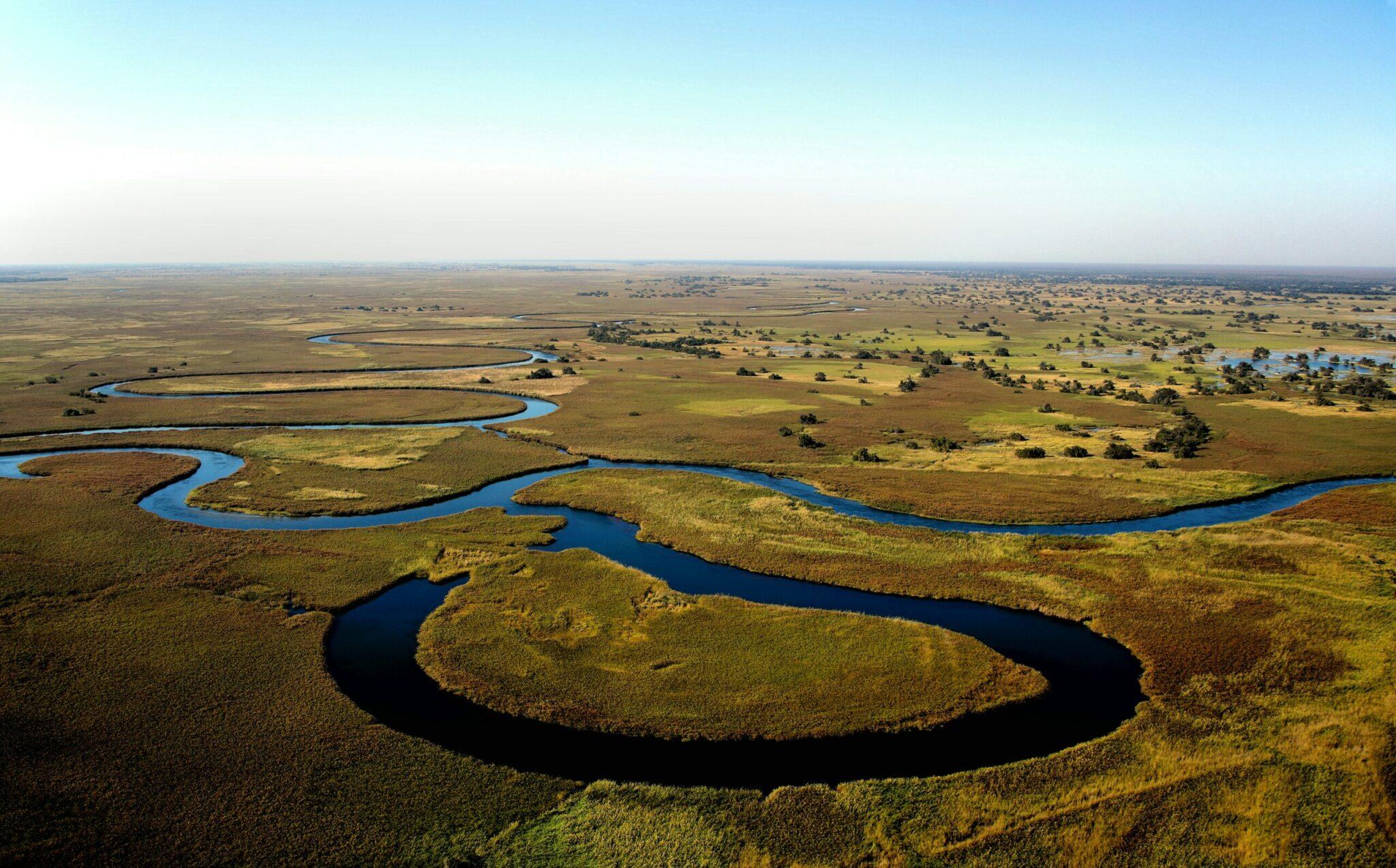
An African Hunting Safari is often remembered long after the trophies are mounted and the photographs are framed.
What often stays with hunters the longest are the smaller moments, the sounds of the bush at night, the smell of dust and wood smoke drifting through camp, and the quiet anticipation of a new hunting day beginning before sunrise.
Anyone who has spent time in the African bush quickly realizes that the experience is shaped as much by sound, smell, and atmosphere as it is by the animals themselves.
For those planning their first African hunting trip, these are often the memories that remain long after the trip is over.
The African bush is alive with sound and movement, and once a hunter has experienced it, those sounds and smells become instantly recognizable.
For visiting hunters, these sounds and smells are what truly define the experience of an African hunt.
Hunters may arrive in Africa expecting the animals to be the most memorable part of the trip, but they often discover that the atmosphere of the bush becomes just as unforgettable.
This article is not about calibers, trophy sizes, or hunting packages.
It is about the small sensory moments that define an African hunt, the sounds, smells, and experiences hunters remember long after they leave Africa.
Hunters who have spent time in the African bush often say the memories that stay with them longest include:
For hunters, these small moments become the memories that define their African hunting safari.
One of the first things hunters notice in Africa is how constantly the bush communicates.
Animals are always watching and listening for danger, and when something unusual appears, they make sure the entire area knows about it.
Guinea fowl are among the most reliable alarm systems in the bush. When disturbed they erupt into loud, frantic calls that echo across valleys and mopane woodland.
Baboons serve a similar role. Sitting high on rocky hillsides or tall trees, they act as sentries overlooking the bush. When they detect movement below, their sharp barking calls quickly alert every animal within earshot that something is moving through the area.
Professional hunters pay close attention to these sounds. A sudden burst of alarm calls can sometimes reveal the presence of predators --- or occasionally even other hunters moving through the bush.
Many African antelope have their own distinctive warning calls.
Kudu, bushbuck, and impala are well known for the sharp barking sounds they make when they sense danger. These sudden explosive barks can carry surprisingly far through thick bush.
Hunters quickly learn to pay attention when these calls begin. Often it means an animal has seen something unusual --- perhaps a predator slipping quietly through the brush, or the quiet approach of hunters moving downwind.
More than once, a hunter may hear those warning barks long before ever catching a glimpse of the animal that made them.
When darkness settles over the African bush, the entire soundscape changes.
Jackals begin calling across the plains, their high-pitched yips and howls carrying far through the cool night air.
Hyenas answer with their strange laughing calls, sometimes sounding much closer to camp than expected.
And occasionally, somewhere far off in the darkness, the deep roar of a lion rolls across the landscape --- a sound so powerful and unmistakable that even experienced hunters pause for a moment to listen.
For hunters on a lion hunt, hearing that roar echo through the bush is something they never forget.
Some of the most memorable sounds encountered on Dangerous Game Hunts come from Africa's largest and most powerful animals.
Elephants moving through thick bush can often be heard before they are seen. The snapping of branches, the steady crash of brush, and the low rumble of their communication signals that something very large is moving through the trees.
Cape buffalo sometimes reveal their presence with a deep snort or the slow shifting of hooves through dry grass.
Near rivers and waterholes, hippos contribute their own unmistakable soundtrack. Their grunts and explosive snorts echo across the water, especially at night when they become more active.
These sounds are a constant reminder that Africa is home to some of the most powerful animals on earth.
Few sounds in the African bush are as distinctive as a herd of Cape buffalo moving through thick cover.
Branches snap, dry grass rustles, and hooves push steadily through the brush. When hundreds of animals move together, the sound becomes deeper, almost like a slow rolling wave moving through the bush.
Often the first person to recognize the sound is the tracker walking quietly ahead, reading the bush in ways most visitors never fully understand.
Experienced trackers recognize that sound immediately. When it carries through thick mopane or riverine bush, professional hunters often stop and listen carefully, trying to judge distance and direction.
Sometimes the herd is closer than expected.
For hunters following fresh spoor on a buffalo hunt, hearing that movement for the first time can be both exciting and humbling.
Experienced hunters will also tell you that one of the most noticeable sounds in the African bush is sometimes the sudden absence of sound.
Occasionally the bush simply goes quiet. Bird calls fade away. Insects seem to pause. Even the wind feels as though it has dropped. When that happens, professional hunters tend to become more alert. Something in the bush has changed, and the animals nearby are reacting to it.
Anyone who has spent time sitting in a blind knows the feeling. The bush becomes so quiet that even the sound of someone breathing nearby seems loud. A small movement feels exaggerated, and even the rumble of your own stomach can sound like thunder in the silence.
In moments like that, hunters are reminded just how quiet the African bush can truly be.
Not all memorable sounds come from the animals.
After a long day in the bush, hunters gather around the fire while it crackles softly in the evening air. There is the quiet clink of glasses, the sound of a cold beer opening, and the steady exchange of stories as the day's hunt is replayed around the fire.
Eventually the camp begins to quiet down as hunters head to their tents. And before long, the deep quiet of the African night is occasionally broken by the unmistakable sound of exhausted hunters snoring.
There is an old saying among hunters, if another hunter's snoring keeps you awake, you probably didn't work hard enough during the day.
For American hunters, one of the most memorable parts of safari life is the smell of a traditional African braai.
Americans understand barbecue well, but a bush braai has its own character.
Fresh game fillets slowly roasting over open coals. The smell of wood smoke drifting through camp while hunters gather around the fire after a long day in the bush.
Kudu, impala, or wildebeest prepared fresh from the day's hunt often tastes better than many visitors expect before arriving in Africa. The smell of meat slowly cooking over coals can become permanently connected to memories of evenings spent around the fire in a safari camp.
Africa is not remembered only through sound. The smells of the bush can bring back memories just as strongly.
There is the scent of dry dust and sun-baked grass warming in the morning sun. The sharp, distinctive smell of potato bush drifting through the air.
Wood smoke from the evening campfire, and the smell of fresh coffee brewing beside the fire before the first hunt of the day. But the African bush also carries smells that remind hunters they are in truly wild country.
Hunters tracking Cape buffalo on a buffalo hunt often notice the strong musky scent of a herd drifting through thick cover long before the animals themselves are seen.
Anyone who has followed tracks on an elephant hunt quickly learns that elephants have their own unmistakable smell --- a heavy, earthy mix of crushed vegetation and fresh dung that lingers where a herd has recently passed.
Near bait sites used for leopard hunting, the smell of a bait that has been hanging for several days can sometimes drift through the trees.
And when an animal is recovered and processed in the field, the smell of fresh game and stomach contents is something every hunter quickly learns to recognize.
In many parts of Africa, carefully managed hunting programs also contribute directly to wildlife conservation and habitat protection, helping ensure that these wild places and animals continue to exist for future generations.
Long before the sun rises, the first fire in camp is already burning.
Hunters step out of their tents into the cool darkness of the African morning while the stars are still bright overhead and the bush is only beginning to wake.
Someone hands you a mug of hot coffee beside the fire.
For a few quiet minutes there is very little conversation as hunters stand warming their hands on the mug and watching the eastern sky slowly begin to lighten.
It is a simple moment, but one that many hunters remember long after the safari ends.
Soon after leaving camp, another sound becomes familiar on an African hunt. It is the quiet metallic sound of a heavy cartridge sliding forward as the rifle is chambered.
And then the professional hunter quietly says the words every hunter waits to hear:
Hunters often say there is nothing quite like the smell of gunpowder in the morning.
After a shot is fired, the faint scent of gunsmoke drifts through the air, mixing with dust, dry grass, and the smells of the African bush.
And once experienced in Africa, it becomes another small detail forever tied to memories of an African hunt.
Long after the trip is over, the memories of an African hunt return in unexpected ways.
Sometimes it is a sound, the call of a jackal, the bark of an antelope, or the low rumble of a Land Cruiser starting before sunrise.
Other times it is a smell.
Wood smoke drifting through the evening air. Fresh coffee beside the fire. The musky scent of buffalo somewhere ahead in the mopane.
These are the moments that stay with hunters long after they leave Africa.
Many people who do not hunt sometimes misunderstand why hunters display their trophies.
But for most hunters, the trophies are not about bragging. They are about remembering.
On a quiet evening, a hunter may pour a small whiskey and walk through the room where those memories live.
And each mount tells a story.
A buffalo might remind him of a long morning tracking through thick mopane bush. A kudu might bring back the moment the wind shifted just before the shot. Another animal might remind him of a hunt shared with a son, daughter, or old friend.
Each one represents a place, a moment, and the people who were there.
While hunters remember the animals and the adventure, many will also tell you that the people involved in a safari become just as memorable.
Professional hunters, trackers, skinners, and camp staff all play an important role in making the experience possible.
Many trackers have spent their entire lives in the bush, learning to read tracks, interpret animal behavior, and understand how wildlife moves through the landscape.
A good tracker may notice the faint impression of a hoof in dry soil that others would never see.
A professional hunter may recognize from a broken branch that a buffalo herd passed through the area only minutes before.
For visiting hunters, that knowledge and experience become an essential part of the safari.
And for many hunters, the friendships formed with these men become some of the most lasting memories of the entire hunt.
There is one more sound many hunters remember at the end of a safari.
It usually happens sometime after the last hunt, when the rifles are cleaned, the trophies are discussed, and the final paperwork is quietly completed.
Someone jokingly remarks that he can almost hear the sound of his dollars leaving his bank account.
It is a familiar bit of safari humor, and most hunters say the same thing with a smile.
It may not have been cheap, but it was worth every moment.
Author: Pierre van Wyk is co-founder of Game Hunting Safaris. He has hunted across several African countries and has spent many years in the African bush pursuing dangerous game and guiding hunters on safari.