Designed by Hunters, for Hunters

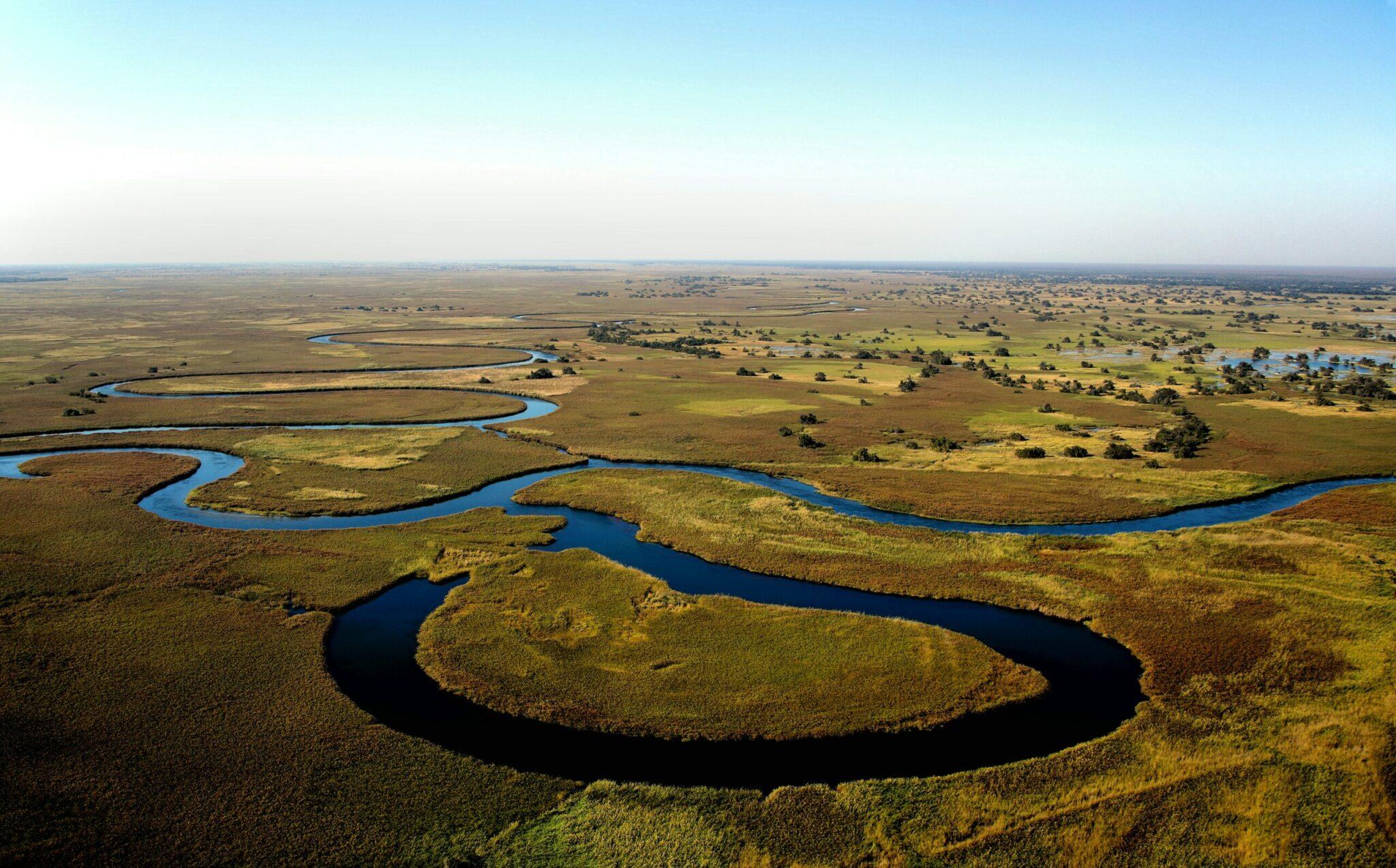
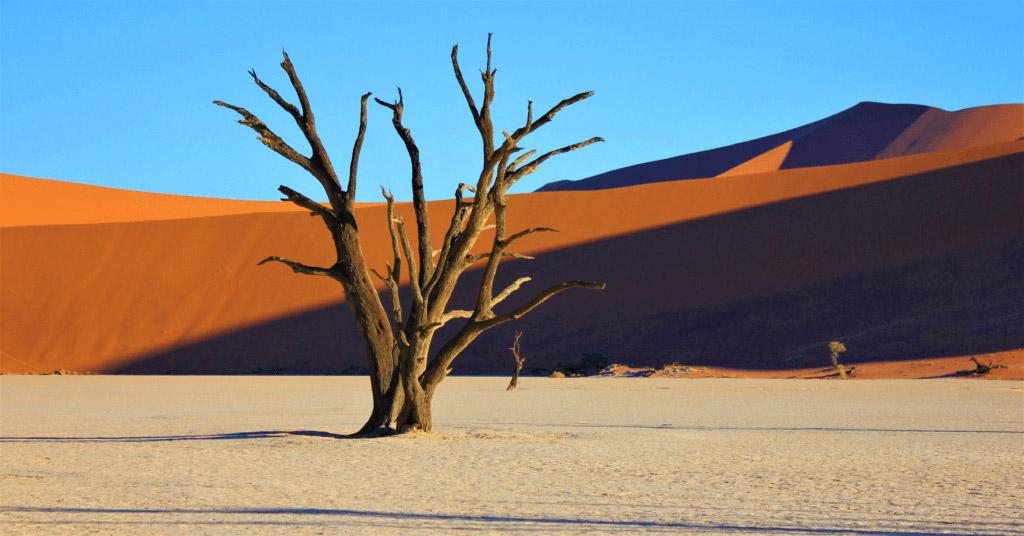
The relationship between regulated hunting, wildlife conservation and rural communities is complex, particularly in African countries such as Namibia, where people and wildlife often share the same landscapes. Understanding how these systems work on the ground is an important part of understanding the wider role of African Hunting Safaris in modern conservation.
Namibia provides an interesting example. Its conservancy structure allows local communities to benefit economically from wildlife through tourism and regulated hunting, creating an incentive to protect wildlife populations and the habitats that support them. Revenue generated through Hunting in Namibia, including carefully managed dangerous game and Plains Game Hunts, can contribute to employment, community development and conservation initiatives in areas where alternative sources of income may be limited.
Debates in the UK and Europe surrounding restrictions on hunting trophy imports have raised important questions about what happens when decisions made thousands of miles away affect communities responsible for living alongside and managing Africa's wildlife. This article looks at Namibia's conservancy model, the role regulated hunting plays within it, and why the economic value of wildlife remains an important part of the country's conservation story.
A Research Briefing found in the House of Commons Library, UK, published on 21 March 2024, shows that a Bill was presented for the Prohibition of Hunting Trophy Imports. It states, “The Bill would ‘make provision prohibiting the import of hunting trophies into Great Britain’”.
The Independent newspaper reported that the “Revived bid to ban trophy hunting imports moves closer to becoming law”. Conservative MP in the UK, Henry Smith stated: “This legislation is saying we in this country by a clear majority choose not to want to allow the importation of body parts of endangered species slaughtered and killed by hunters into Great Britain.”
Outspoken President of Botswana, Mokgweetsi Masisi, has defended regulated Elephant Hunts, particularly in the context of the country's large elephant populations, based on severe overpopulation of elephants in Botswana (as is also the case in some other African countries), and describes the UK plans to ban trophy imports as “condescending”. He threatened to send 20,000 elephants to Germany in response to that country’s threat to ban trophy imports.
The Hwange National Park in Zimbabwe measures 14,651 square kilometers. Ideally, an elephant requires one square kilometer of land to survive, which means the ideal elephant population in Hwange would be around 14,000. Recent reports show approximately 44,000 elephants in Hwange – 30,000 too many for the habitat to maintain! Hwange National Park shares a border with Botswana. Elephants migrate across the border, resulting in as many as 50,000 elephants in Hwange at certain times. This overpopulation threatens to destroy the habitat, impact on other species and severely affect the ecosystem.
Effective conservation requires population control to ensure the sustainability of wildlife, anti-poaching measures, and habitat and ecosystem protection. Ethical hunting plays an important role in this conservation.
The concern in countries such as Namibia is that trophy-import restrictions introduced overseas may have unintended consequences for conservation models that rely, in part, on revenue generated by regulated hunting.
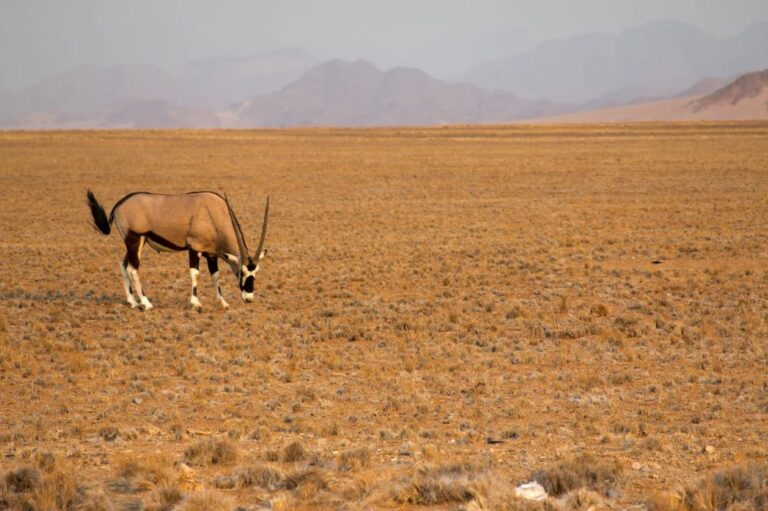
Namibia has pioneered a unique community-based conservation model through the establishment of conservancies. The conservancies are self-governing institutions that allow the communities to ‘take ownership and accountability’ by managing and benefiting from their wildlife resources. There are currently over eighty registered conservancies in Namibia, covering nearly twenty percent of the country’s land.
The Namibian conservancy model allows local communities to manage wildlife on their lands, thus incentivizing them to protect their resources. The conservancies generate revenue through photographic safaris, hunting safaris, and eco-tourism. This revenue is vital for funding conservation efforts, anti-poaching, and community development projects.
These conservancies have been effective in increasing wildlife populations and the reduction of poaching. Notably, the almost extinct black rhino and desert elephants, have significantly recovered their populations under this model.
Regulated and sustainable hunting can play an important role in wildlife conservation. Revenue generated through hunting can contribute to anti-poaching operations, wildlife monitoring, habitat management and other conservation initiatives that require consistent long-term funding.
Carefully managed hunting can also form part of broader wildlife management strategies, with quotas and the selective harvesting of appropriate animals designed to maintain sustainable populations. In areas where wildlife and people share the same landscapes, responsible management can also help address human-wildlife conflict.
The benefits can extend beyond wildlife conservation itself. Revenue generated through regulated hunting can support employment, community development, social services and local infrastructure, giving rural communities a direct economic interest in protecting the wildlife and habitats around them.
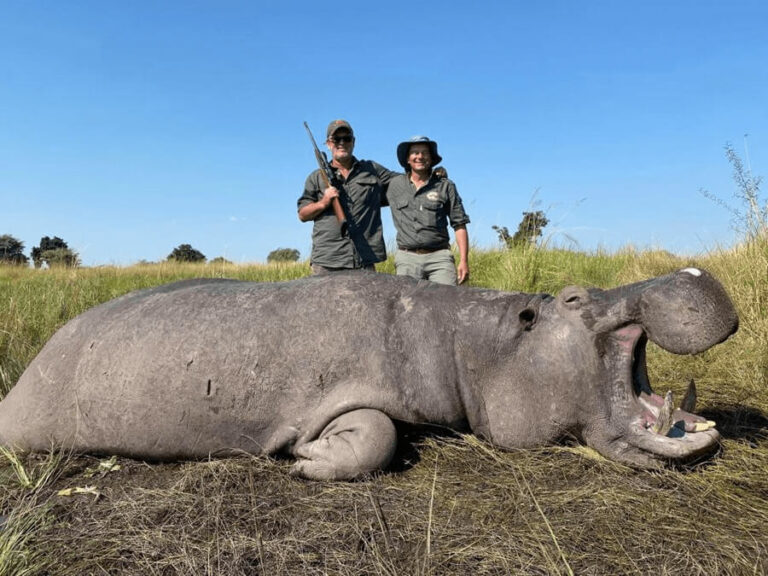
Ethical hunting means pursuing wildlife responsibly, legally and with respect for the animal, the environment and the communities connected to the hunting area. Fair chase, conservation and adherence to local hunting regulations all form part of this approach.
Fair-chase principles seek to ensure that hunting retains the fundamental uncertainty of pursuing a wild animal. The methods permitted vary according to the species, country and applicable regulations, making experienced professional guidance and compliance with local hunting laws essential.
Sustainable hunting also considers the long-term health of wildlife populations. This can include scientifically determined quotas and the selective harvesting of animals based on factors such as age, sex and population dynamics, while also considering the condition of the surrounding habitat.
Hunters have a responsibility to make every reasonable effort to achieve a quick, humane kill. Appropriate rifles and ammunition, good marksmanship and careful shot placement all play an important role.
The use of the animal after the hunt is another consideration. Where appropriate, meat may be distributed among local communities, camp staff or others connected to the hunting operation, while trophies and other usable parts of the animal can be retained rather than wasted.
Ethical hunting also means respecting the land and the people who live there. Minimising unnecessary environmental impact, following hunting seasons and quotas, obtaining the required licences and permits, and respecting local customs and communities are all part of conducting a responsible hunting safari.
Hunting safaris provide an important source of economic activity in Namibia, particularly in rural areas where employment opportunities can be limited. The hunting industry creates direct employment for professional hunters, guides, trackers, camp staff and other support personnel, while also supporting local businesses that provide supplies, transport and other services.
Revenue generated through regulated hunting can also contribute to community development, including social services and local infrastructure. Within Namibia's conservancy model, this creates an important connection between wildlife conservation and the economic well-being of communities living alongside that wildlife.
Much of the debate surrounding trophy hunting in Europe and the UK takes place within a very different cultural, ecological and economic context from the realities faced by rural communities in Africa. Policies intended to restrict the importation of hunting trophies can therefore have consequences that extend beyond the individual hunter.
Where communities and conservation programs depend partly on revenue generated through regulated hunting, a significant decline in hunting income could affect employment, anti-poaching initiatives, habitat management and the resources available to manage human-wildlife conflict.
This is why the debate surrounding trophy-import restrictions should consider the realities on the ground. Namibia has developed conservation models designed around its own wildlife populations, landscapes and rural communities. Any international policy that affects the economic value generated by wildlife should also consider how those decisions may influence the communities responsible for living alongside and protecting it.
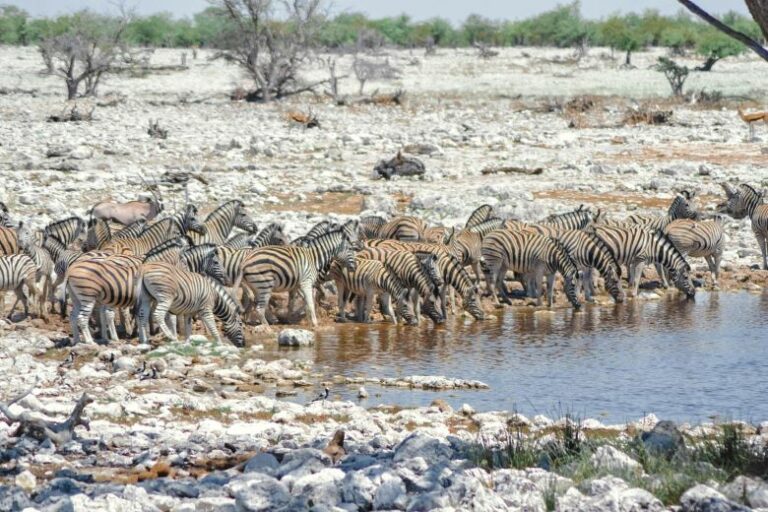
Namibia's approach to conservation has developed around the realities of its own landscapes, wildlife populations and rural communities. Regulated hunting forms one part of a broader system in which wildlife can generate economic value through hunting, photographic tourism and other forms of sustainable use.
For communities living alongside wildlife, conservation is not an abstract debate. Many species associated with Dangerous Game Hunts, including elephants and large predators, share the same landscapes used by people and livestock, making effective wildlife management and the mitigation of human-wildlife conflict an everyday reality.
This is why international discussions surrounding trophy-import restrictions should consider the potential consequences for conservation models operating thousands of miles away. Decisions intended to protect wildlife should also take into account the funding of conservation initiatives, the economic value wildlife provides to rural communities and the incentives that encourage people to protect the animals with which they share the land.
Namibia's conservancy model demonstrates that wildlife conservation and community development do not necessarily have to exist separately. When wildlife has value and local communities share in the benefits generated from its responsible management, there is a stronger incentive to protect both the animals and the habitats on which they depend.
For hunters considering a safari in Namibia, understanding this relationship provides important context for the country they are visiting. A responsibly managed hunt is not conducted in isolation; it exists within a much larger landscape involving wildlife management, conservation, employment and the communities that call these areas home.
Namibia is a country of wide-open spaces and diverse landscapes including the Namib Desert along the coast, known for its high sand dunes and arid climate (be sure to book a quad bike experience in the dunes), the central plateau, which includes the capital city Windhoek, and the lush, subtropical Zambesi Province (previously known as the Caprivi Strip/Region) in the northeast. English is the official language, but many Namibians speak indigenous languages such as Oshiwambo, Herero, and Nama, as well as Afrikaans and German.
Game Hunting Safaris connects international hunters planning African Hunting Trips with licensed professional hunters and established hunting outfitters, including those offering responsibly managed safaris in Namibia.
Search from our range of Hunts across various popular destinations in Africa.

Book Your Hunt