Non-Exportable Elephant Hunting in Namibia: Bushmanland
Booking Season: 2026
Hunt Difficulty: Difficult
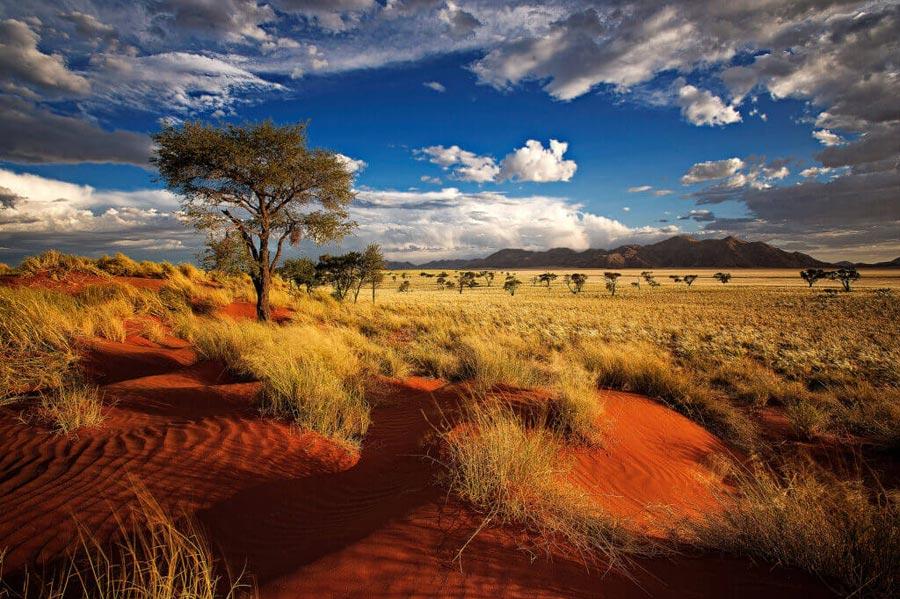
Namibia is well known for kudu, gemsbok and other plains game, but the country's big game hunting tells a different story. Head north and northeast and the hunting changes. Buffalo, elephant, hippo and crocodile enter the picture, while leopard can be hunted across several parts of the country.
The Zambezi Region is at the center of much of Namibia's dangerous game hunting. Here, river systems, floodplains and thick cover create a hunting environment different from the dry landscapes associated with the rest of the country. Buffalo and elephant can move across large areas, while hippo and crocodile are associated with the region's rivers and waterways.
Other big game opportunities occur in communal conservancies and selected hunting areas farther west and north. What can be hunted depends on the area, current quota and the species available during that season. A hunter looking for buffalo may therefore be considering a completely different part of Namibia from someone planning a leopard hunt.
That makes choosing the right hunting area an important part of Big Game Hunting in Africa. In Namibia, the decision should begin with the animal you want to hunt, followed by where that opportunity exists and whether suitable quota is available.
Namibia may be one country, but its big game hunting is not one type of safari.
Hunts Currently Available
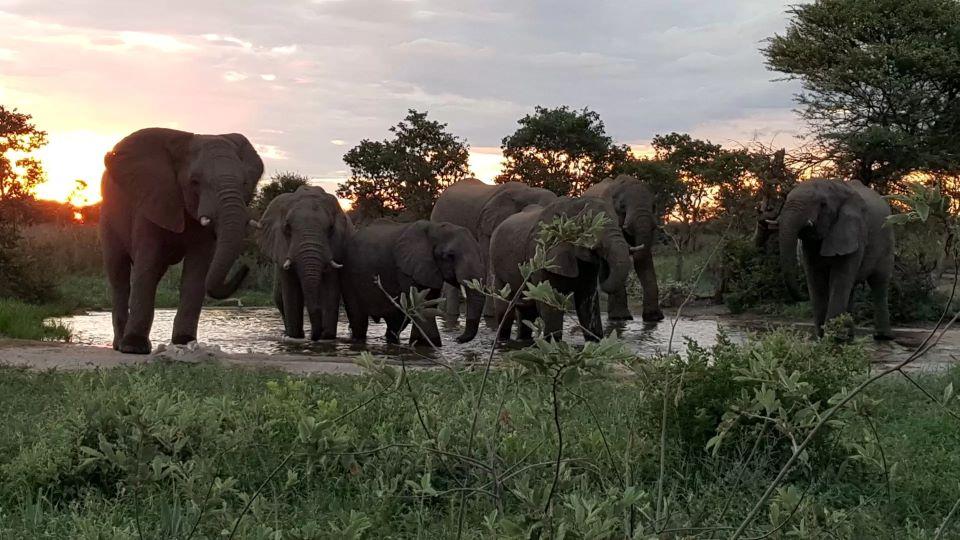
Non-Exportable Elephant Hunting in Namibia: Bushmanland
Booking Season: 2026
Hunt Difficulty: Difficult
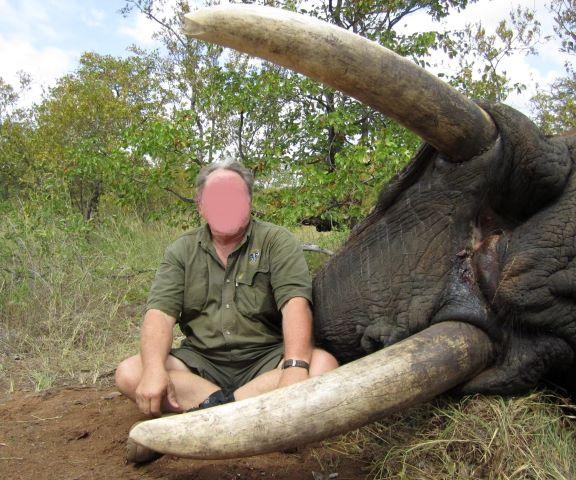
Non-Export Elephant Hunt in Namibia | Caprivi Safari
Booking Season: 2026
Hunt Difficulty: Difficult
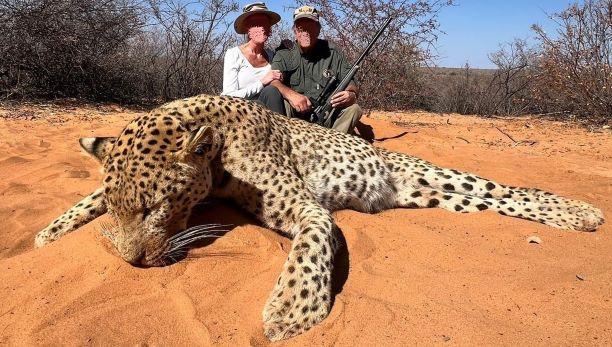
Leopard Safari in Bushmanland
Booking Season: 2026
Hunt Difficulty: Difficult
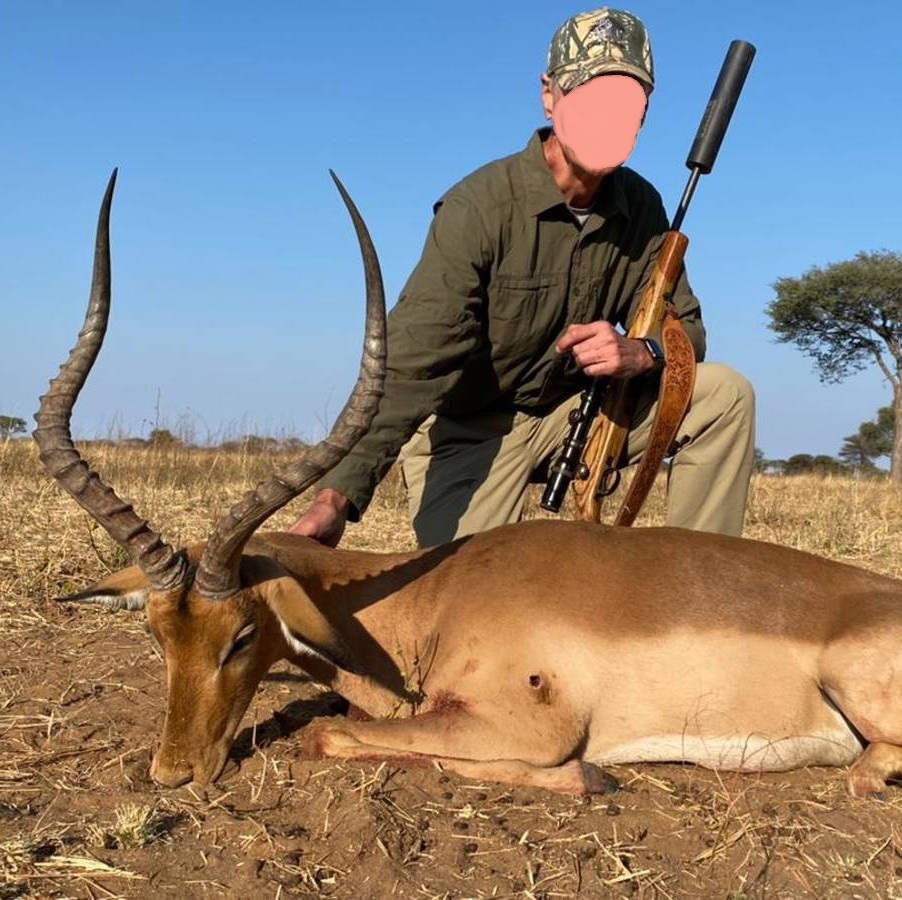
Hunt Zebra, Impala, Blue Wildebeest & Gemsbok in Namibia
Booking Season: 2026
Hunt Difficulty: Moderate
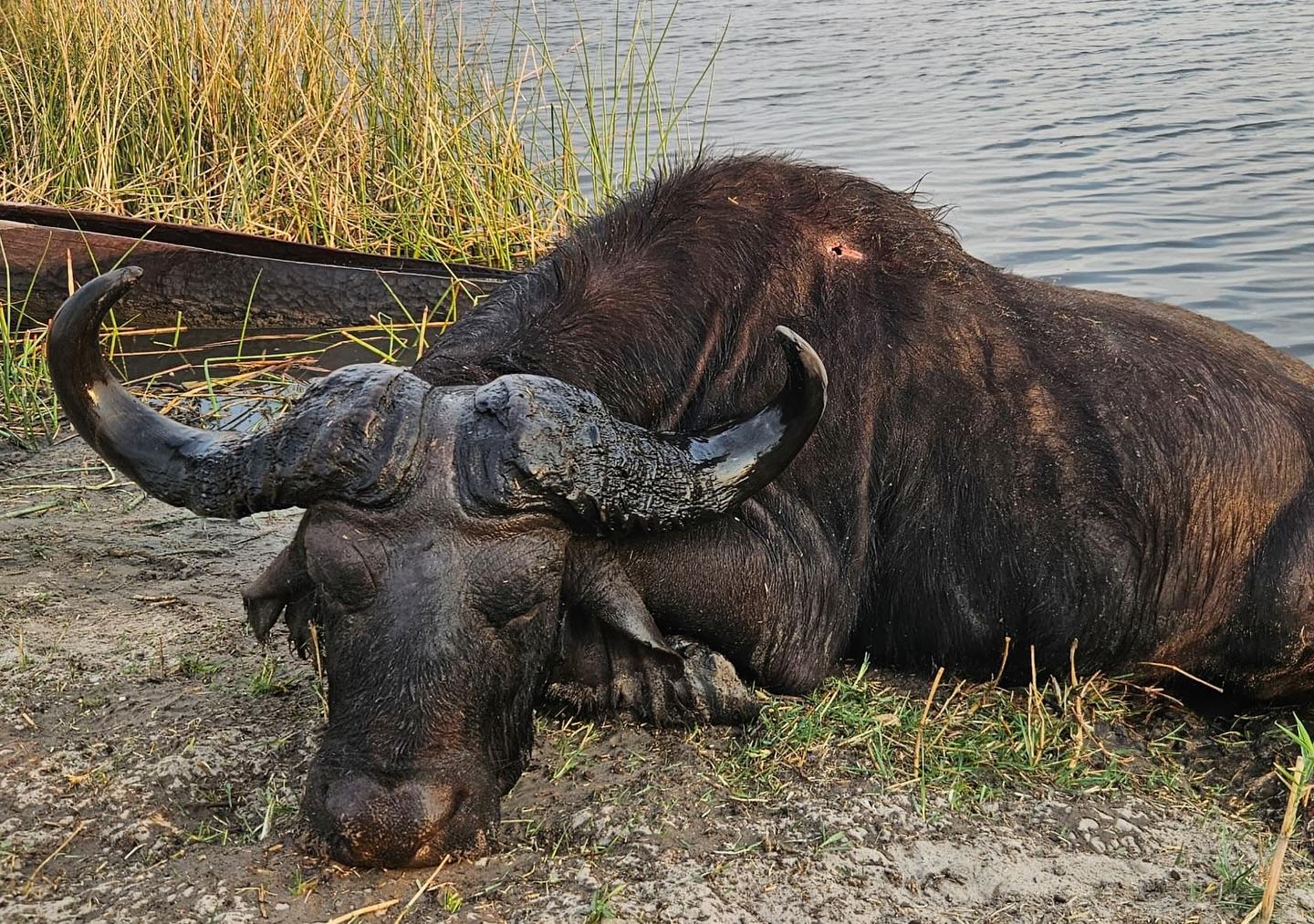
5 Full Day Zambezi Cape Buffalo Safari, Namibia
Booking Season: 2026
Hunt Difficulty: Difficult

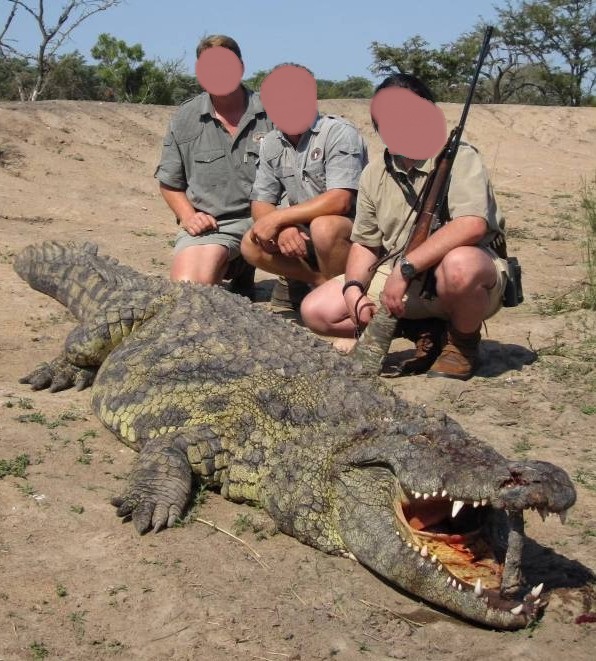
Non-Exportable Crocodile Hunt in Namibia’s Caprivi Strip
Booking Season: 2026
Hunt Difficulty: Moderate, Difficult
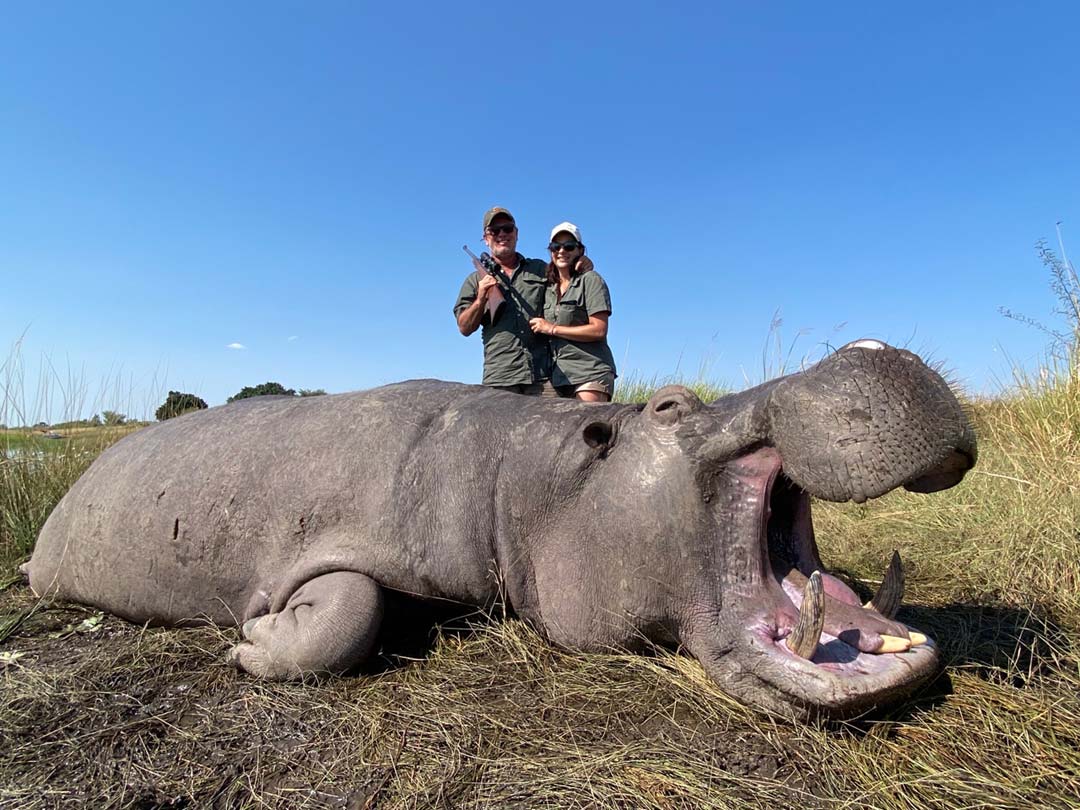
Non-Exportable Hippo Hunt Namibia | Zambezi (Caprivi Strip)
Booking Season: 2026
Hunt Difficulty: Difficult
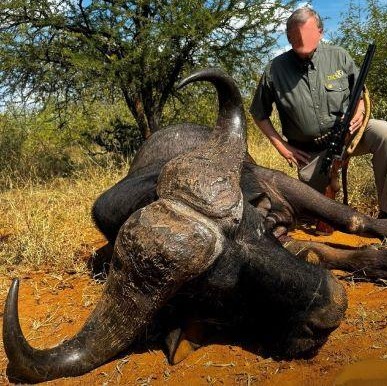
5-Day Non-Exportable Cape Buffalo Hunt in Namibia
Booking Season: 2026
Hunt Difficulty: Difficult
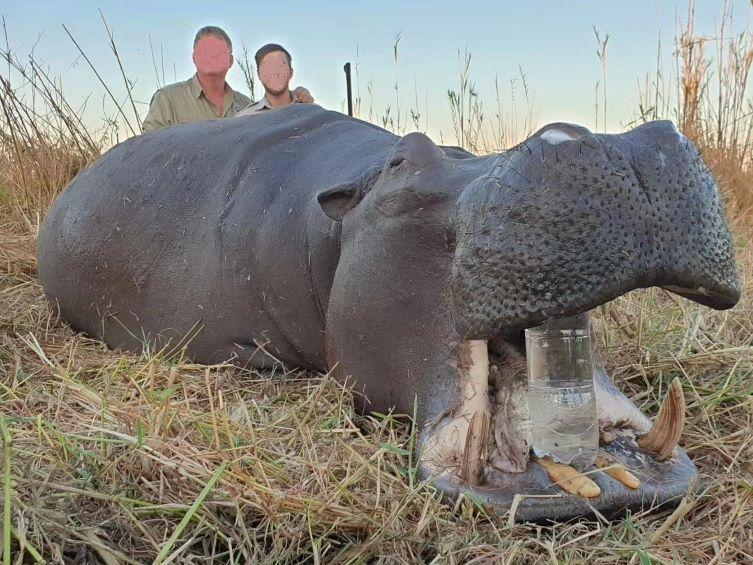
5-Day Exportable Hippo Hunt in Namibia’s Caprivi
Booking Season: 2026
Hunt Difficulty: Difficult
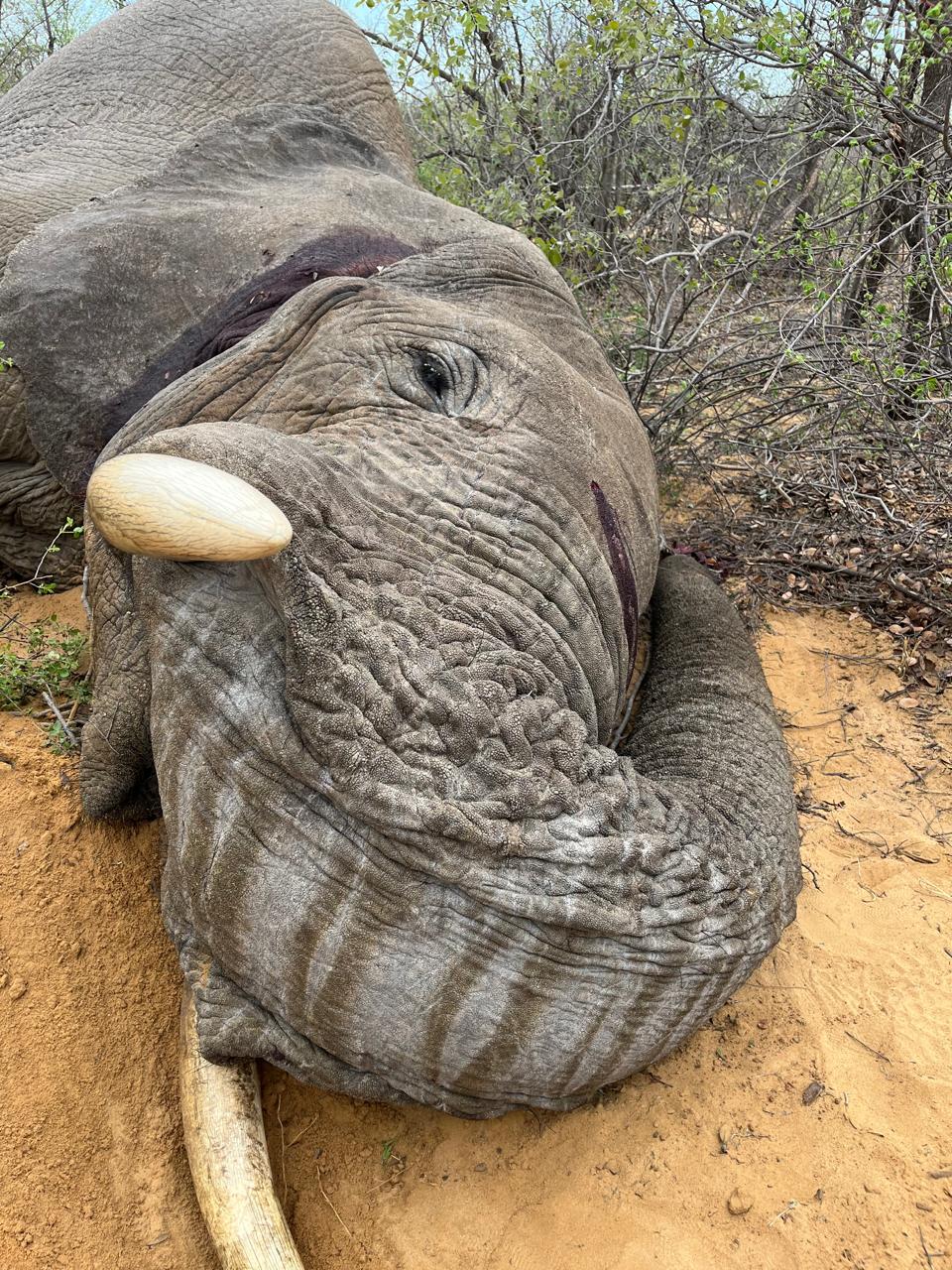
Exportable Caprivi Elephant Safari
Booking Season: 2026
Hunt Difficulty: Moderate, Difficult
Namibia's big game hunting is connected to some of the country's largest wildlife landscapes. In the north and northeast, hunting areas form part of wider ecosystems where animals can move between conservancies, concessions, national parks and neighboring countries.
The Zambezi Region, previously known as the Caprivi Strip, is the clearest example. Namibia sits within the wider Kavango-Zambezi ecosystem, where buffalo and elephant move through country connected to Botswana, Zambia and Angola. Rivers, seasonal floodplains and changes in water availability can influence where animals are found during a safari.
That movement brings an element of uncertainty to the hunt. An area may hold good buffalo or elephant populations, but finding a particular herd or Dagga boy can still require time, tracking and covering many miles.
This is an important distinction when considering big game hunting in Namibia. The opportunity may be there, and the quota may be there, but the animals still have plenty of country in which to move.
Namibia's main big game hunting concessions stretch across the north and northeast, but the hunting country changes considerably from one region to another.
The Zambezi Region is the country's best-known dangerous game area. Bordered by Angola, Zambia and Botswana, it is a narrow strip of river systems, floodplains, woodland and thick cover. The Zambezi, Chobe, Kwando and other waterways support buffalo, elephant, hippo and crocodile, with hunting opportunities depending on the individual area and available quota.
Farther west, communal conservancies across northern and northwestern Namibia provide hunting opportunities for elephant and leopard, together with selected other species where quota allows. The country becomes progressively drier, with riverbeds, rocky terrain and large areas of sparsely populated wilderness replacing the wetlands of the Zambezi Region.
These differences matter to a big game hunter. Following buffalo through wet floodplain country in the northeast bears little resemblance to tracking elephant through the dry country farther west. Even within Namibia, where you hunt can completely change the type of safari you have.
Cape buffalo, elephant, leopard, hippo and crocodile make up much of Namibia's big game hunting, although where each species can be hunted varies considerably across the country.
Buffalo hunting is concentrated mainly in the Zambezi Region, where bulls and herds move through riverine woodland, floodplains and thicker cover. These are free-ranging animals, and tracking can take hunters across considerable distances before a suitable bull is found.
Namibia also has a very limited Buffalo Hunting opportunity on the Waterberg Plateau, where an isolated population has lived for generations. Hunting permits are extremely limited, making this a completely different buffalo opportunity from the free-ranging herds of the Zambezi Region.
Elephant Hunts extend across a wider area. Opportunities may be available in the Zambezi Region as well as communal conservancies and designated hunting areas farther west, depending on current quota.
Bushmanland can produce exceptional elephant hunting, including large tuskers moving through the wider border country between Namibia and Botswana. Farther west and northwest, Namibia's desert-adapted elephants occupy much drier country, creating a completely different setting from hunting elephant around the river systems and floodplains of the Zambezi Region. Opportunities in these areas are tightly controlled and depend on current quota.
Leopard occur across considerably more of Namibia and can be hunted in very different country, from northern wilderness areas to mountainous and drier regions farther south. Cheetah are another specialist predator available under Namibia's regulated trophy-hunting system, although they are not generally considered traditional big game.
Hippo and crocodile are much more closely associated with suitable waterways, particularly in the Zambezi Region. Their availability depends on both the hunting area and quota.
Namibia also offers an extremely limited opportunity for Rhino Hunts, including black rhino under tightly controlled circumstances. These are not conventional concession hunts. Individual animals are selected under strict government controls, with only a small number of hunting opportunities available.
The important distinction is that Namibia does not offer every big game species everywhere. A hunter planning Dangerous Game Hunts should first decide which animal matters most, then identify the areas where that opportunity is available.
Having an animal on quota does not mean a hunter can follow it wherever it goes. Namibia's big game animals can move across large areas, while hunting rights and quotas apply to specific conservancies, concessions and hunting areas.
This becomes particularly important with elephant and buffalo. An animal may move out of the hunting area during the safari, sometimes crossing into a neighboring conservancy, national park or even another country. Once that happens, the hunt cannot simply continue across the boundary.
The same principle can apply between adjoining hunting areas. Two concessions may both hold elephant, but a hunter with quota in one area cannot automatically pursue a bull after it moves into the next. The animal may still be visible, but the legal hunting opportunity has changed.
Quota adds another layer. The presence of buffalo, elephant, leopard or other big game does not guarantee that the species is available to hunt that season. Quotas are allocated to specific areas and can change, making current availability more important than an old trophy list or a safari offered the previous year.
For a hunter planning Namibia, this means the concession and the quota need to match the animal you came to hunt. Large hunting areas help, but no amount of country can compensate for choosing the wrong area or assuming an opportunity exists when it does not.
The length of a Namibia big game safari depends on the animals being hunted. A safari focused on one dangerous game species may require fewer hunting days than a hunt combining buffalo, elephant, leopard or several big game animals.
The hunting area also matters. Tracking free-ranging buffalo or elephant can take time, especially when animals are moving across large areas. Leopard requires a different approach and may need additional days for finding sign, setting baits and waiting for the right cat. A multi-species safari needs enough time for the main objective rather than trying to fit too much hunting into too few days.
Cost follows much the same pattern. Daily rates, trophy fees, licenses and permits all contribute to the total, while limited-quota species can considerably increase the price of a safari. Remote camps may also involve charter flights or longer road transfers that need to be included when comparing hunts.
Travel time should not be overlooked. Namibia is easy to reach through Windhoek, but reaching a hunting area in the far north or Zambezi Region can add another flight or a long day on the road. Regional flights between Windhoek and Katima Mulilo can shorten the journey to hunting areas in the Zambezi Region, although additional road transfers may still be required to reach camp. Travel days should be allowed for separately rather than taken away from the time available to hunt.
A lower daily rate does not automatically make one safari cheaper than another. The total number of days, species, trophy fees, quota, permits and cost of reaching camp need to be considered together. Our African Hunting Safari Prices guide explains the main costs, trophy fees and other expenses to consider when comparing hunting safaris across Africa.
Planning a big game safari in Namibia should begin with the animal that matters most. Buffalo, elephant, leopard and the other dangerous game species are not evenly distributed across the country, and current quota can narrow the choice of hunting areas further.
Once the main animal is secured, look at what else can realistically be added to the safari. This is important if Plains Game Hunts are also part of the plan. Namibia has exceptional plains game hunting, but the best areas for kudu, gemsbok, eland or other antelope may be a distance from the dangerous game concession.
Combining the two can involve more than simply adding animals to a trophy list. A safari may need to include a transfer between hunting areas, additional travel days or even a second camp. Those logistics should be understood before deciding how many species can realistically be hunted within the time available.
The same applies to big game combinations. Buffalo and hippo may work naturally together in one area, while combining elephant with leopard or another species could require a different concession or additional travel. Current quota needs to be checked for every important animal before the safari is confirmed.
Physical demands should also be considered. Several consecutive days tracking buffalo or elephant on foot can be hard work, particularly in heat or difficult terrain. A longer safari should leave enough time for travel, hunting and an occasional slower day rather than scheduling every day around another animal.
The objective is not to fit the longest possible trophy list into one trip. It is to put the right animals, hunting areas and number of days together so the safari works.
Our African Hunting Trips page provides a starting point for comparing current hunting opportunities and planning a safari around the species you want to pursue.
Namibia offers hunting opportunities for Cape buffalo, elephant, leopard, hippo and crocodile, together with extremely limited black rhino opportunities under strict controls. The species available depend on the hunting area and current quota.
The best area depends on the animal being hunted. The Zambezi Region is particularly important for buffalo, elephant, hippo and crocodile, while elephant and leopard opportunities also occur across other northern and northwestern hunting areas. Choosing the species first helps determine which part of Namibia to consider.
Yes. Most buffalo hunting takes place in the Zambezi Region, where free-ranging buffalo move through riverine woodland, floodplains and thick cover. Namibia also has a very limited buffalo hunting opportunity associated with the Waterberg Plateau.
Yes. Elephant hunting is available under controlled quotas in selected areas, including parts of the Zambezi Region and communal conservancies farther west. The hunting environment can vary considerably between the wetter northeast and Namibia's much drier northern and northwestern country.
Yes, but it requires careful planning. The best dangerous game concession may be a considerable distance from the area best suited to kudu, gemsbok or other plains game. Some safaris therefore require additional travel days, a transfer between hunting areas or time in a second camp.
Namibia rewards a hunter who chooses carefully. The animal you want, the area where it can be hunted and the quota available need to line up before the safari is booked.
Get those decisions right and Namibia can offer anything from tracking buffalo through the waterways of the Zambezi Region to following elephant across some of the driest hunting country in Africa. The country may be famous for plains game, but its big game hunting deserves a place of its own.
Discounted Hunts
Non-Exportable Elephant Hunting in Namibia: Bushmanland
Booking Season: 2026
Hunt Difficulty: Difficult
Non-Export Elephant Hunt in Namibia | Caprivi Safari
Booking Season: 2026
Hunt Difficulty: Difficult
Leopard Safari in Bushmanland
Booking Season: 2026
Hunt Difficulty: Difficult
10 Days Kudu hunting bonanza and more for 2 Hunters in SA
Booking Season: 2026
Hunt Difficulty: Difficult
5 Full Day Zambezi Cape Buffalo Safari, Namibia
Booking Season: 2026
Hunt Difficulty: Difficult
Non-Exportable Crocodile Hunt in Namibia’s Caprivi Strip
Booking Season: 2026
Hunt Difficulty: Moderate, Difficult
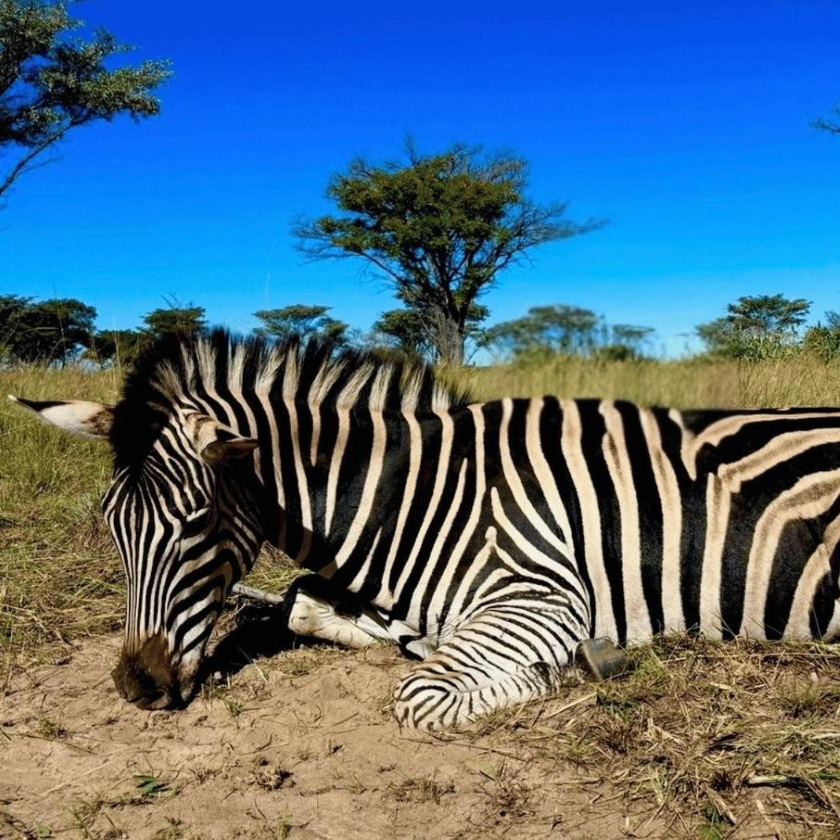
Wildebeest, Impala, Zebra, Warthog & Blesbok Hunts in Limpopo
Booking Season: 2026
Hunt Difficulty: Moderate
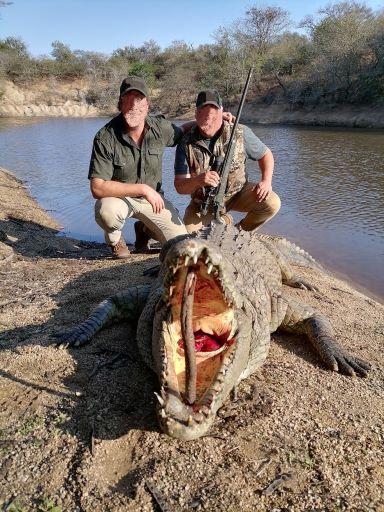
Free Range Crocodile Hunting Safari in Limpopo, SA
Booking Season: 2026
Hunt Difficulty: Moderate
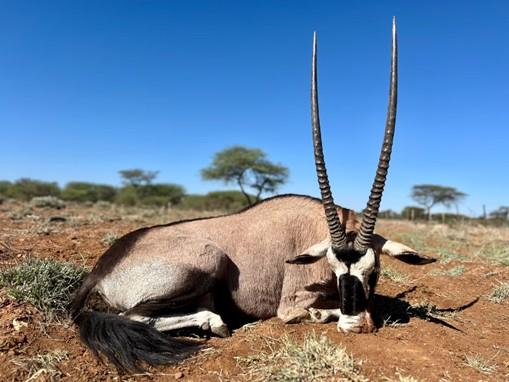
Namibia Plains Game Hunt — 8 Days for Two Hunters
Booking Season: 2026
Hunt Difficulty: Moderate
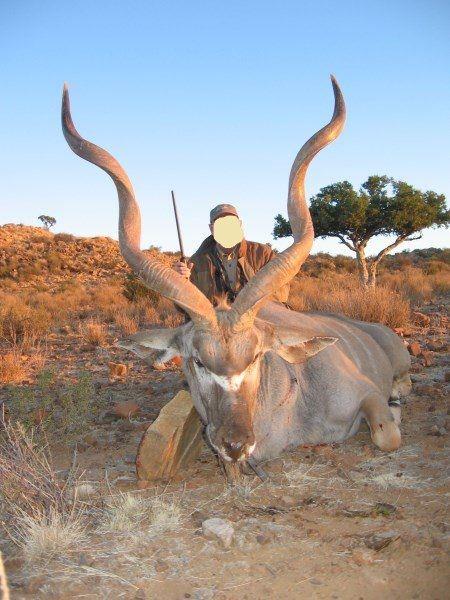
2 Hunters: Kudu, Gemsbok & Springbok Hunt in Namibia | 7 Days
Booking Season: 2026
Hunt Difficulty: Moderate
Packaged Hunts
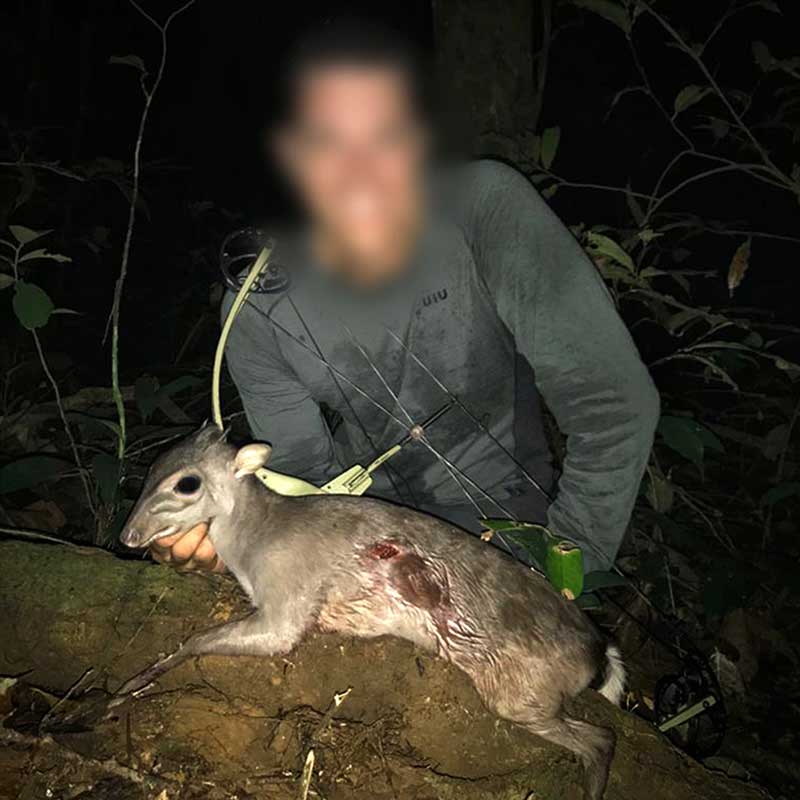
10-Day Duiker & Red River Hog Hunting Safari in the Republic of Congo
Booking Season: 2026
Hunt Difficulty: Difficult
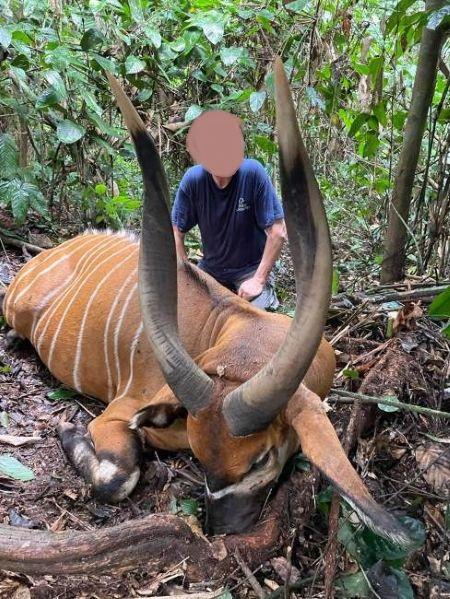
13-Day Bongo Hunting Safari in the Republic of Congo
Booking Season: 2026
Hunt Difficulty: Difficult
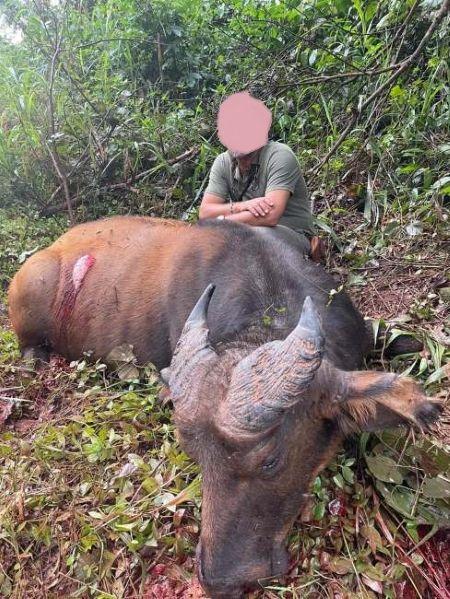
10-Day Dwarf Forest Buffalo Hunting Safari in the Republic of Congo
Booking Season: 2026
Hunt Difficulty: Difficult
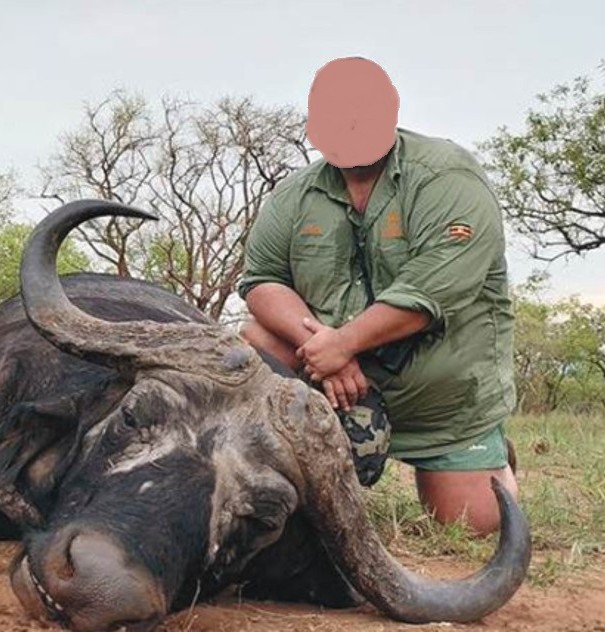
Buffalo, Kob & Bushbuck Safari Hunting in Uganda
Booking Season: 2026
Hunt Difficulty: Difficult
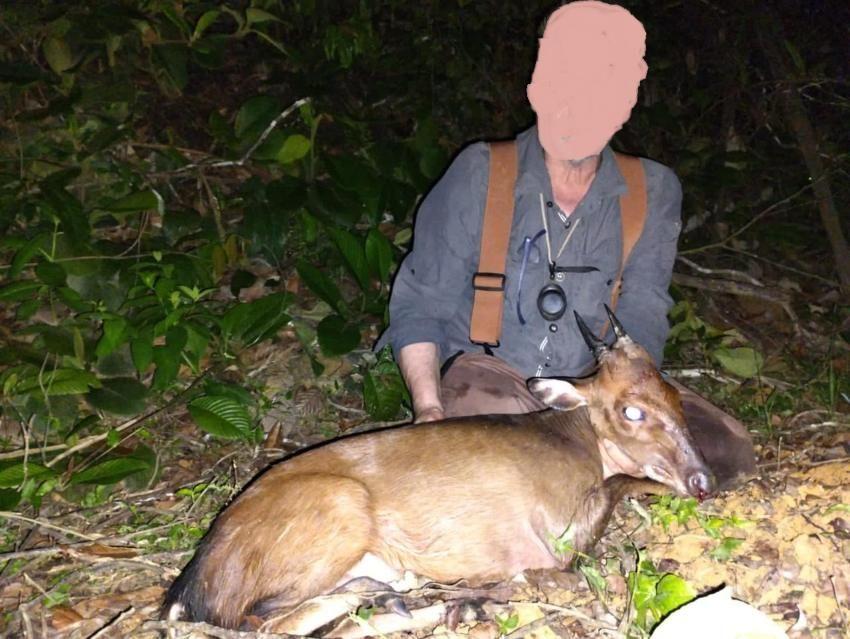
10-Day Gabon Duiker and Forest Game Safari
Booking Season: 2026
Hunt Difficulty: Difficult
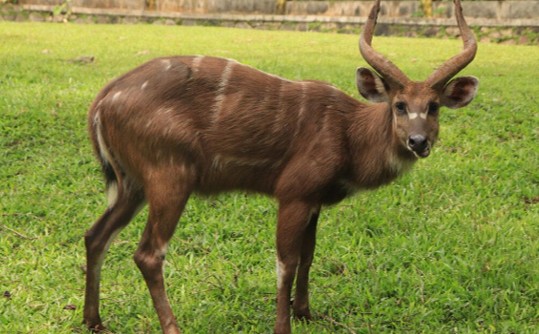
East African Sitatunga & Plains Game Hunting in Uganda
Booking Season: 2026
Hunt Difficulty: Moderate
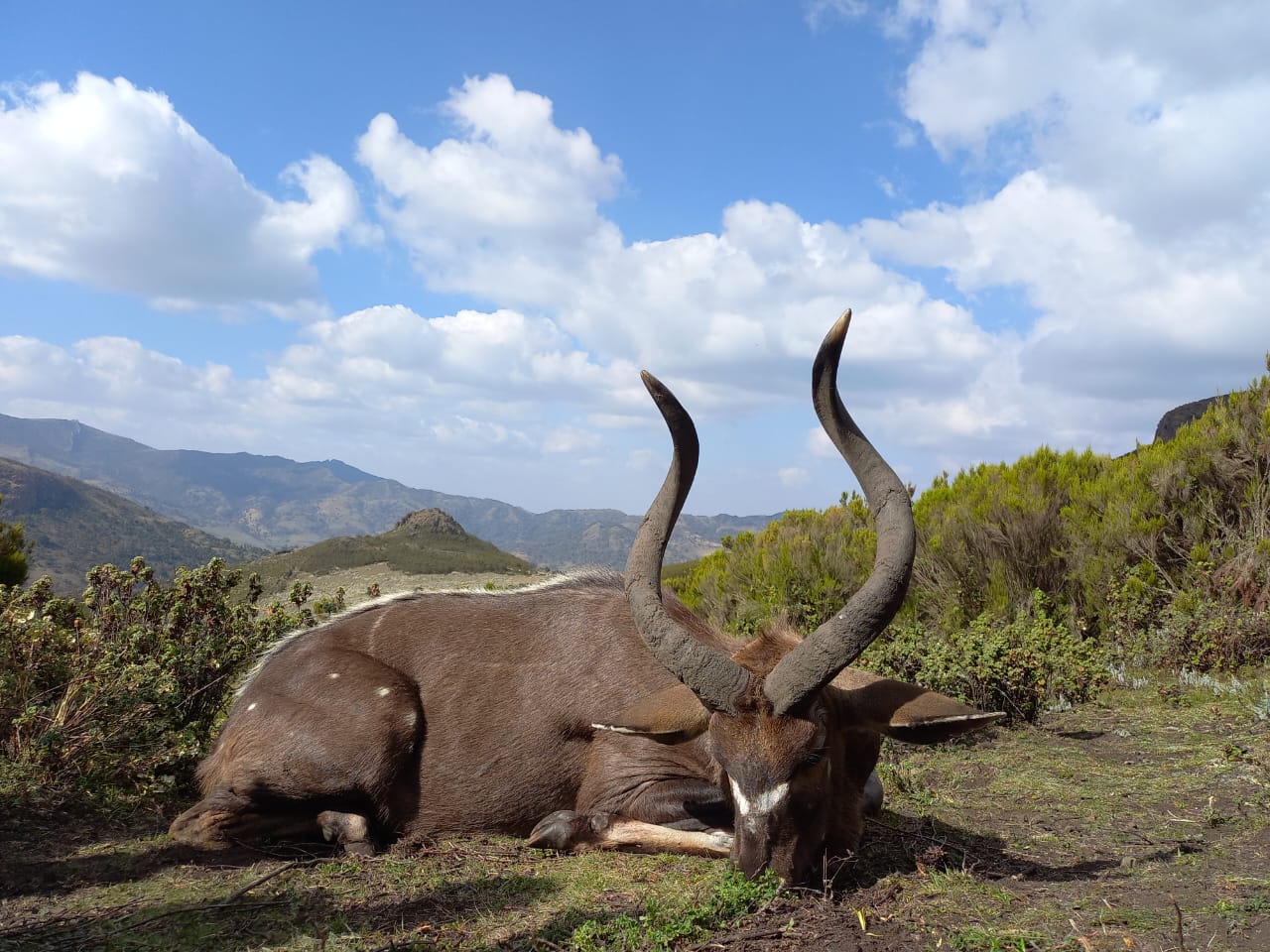
26-Day Mountain Nyala & Lowland Hunting Safari in Ethiopia
Booking Season: 2026
Hunt Difficulty: Moderate, Difficult
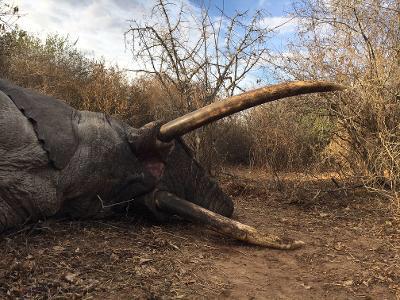
Legendary Selous Safari for Elephant, Lion and Leopard
Booking Season: 2026
Hunt Difficulty: Difficult
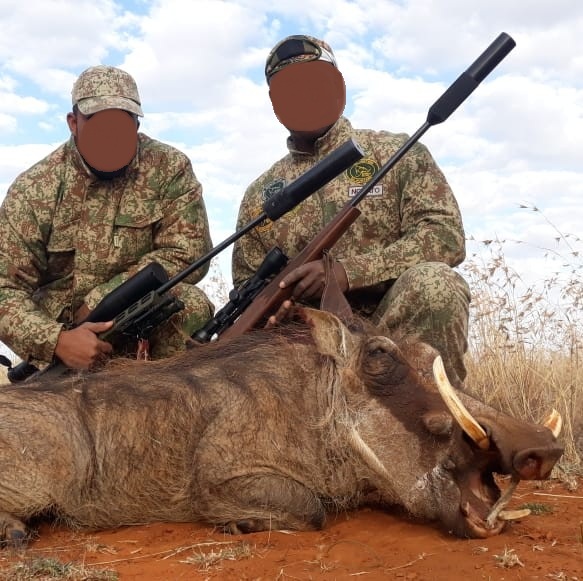
South African Plains Game Hunt: Warthog, Blesbok, Zebra & Impala
Booking Season: 2026
Hunt Difficulty: Moderate
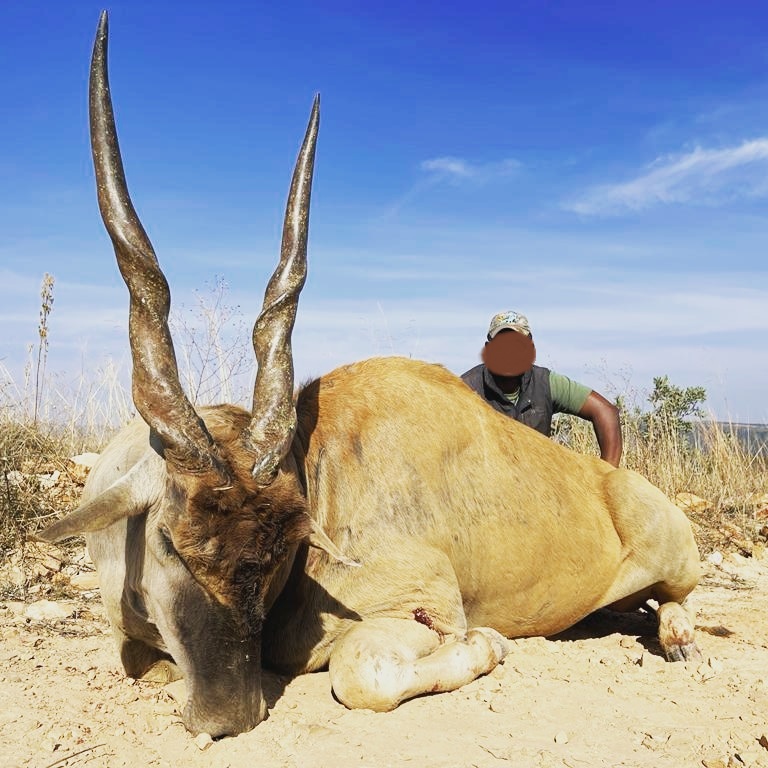
Hunt Eland, Kudu, Nyala & Bushbuck on this SA Spiral Horn Hunt
Booking Season: 2026
Hunt Difficulty: Difficult
Cancelled Hunts
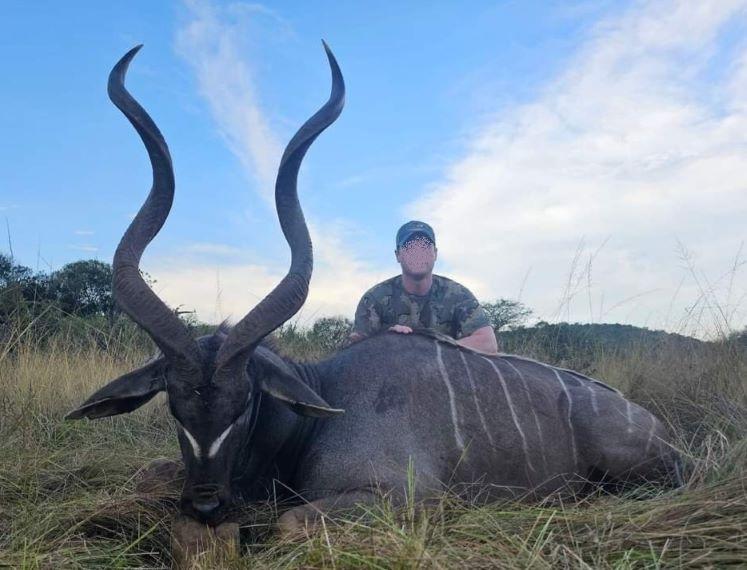
South African Plains Game Safari Trophy Nyala plus 5 Species
Booking Season: 2026
Hunt Difficulty: Moderate, Difficult
Wildebeest, Impala, Zebra, Warthog & Blesbok Hunts in Limpopo
Booking Season: 2026
Hunt Difficulty: Moderate
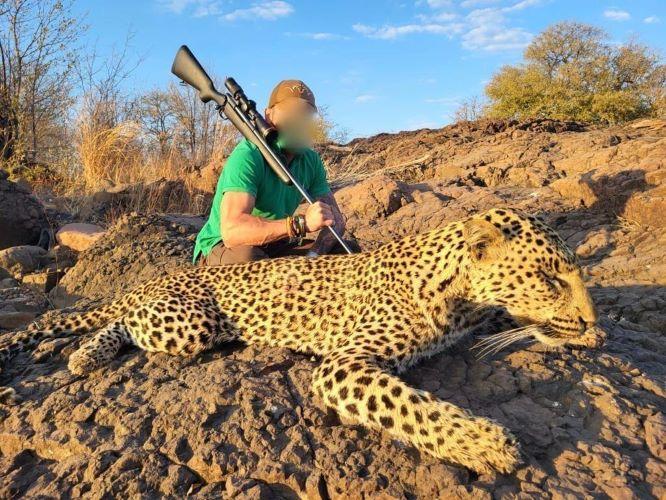
Free-Range Leopard Hunting Safari in Tanzania | 14-Day Licenc
Booking Season: 2026
Hunt Difficulty: Difficult
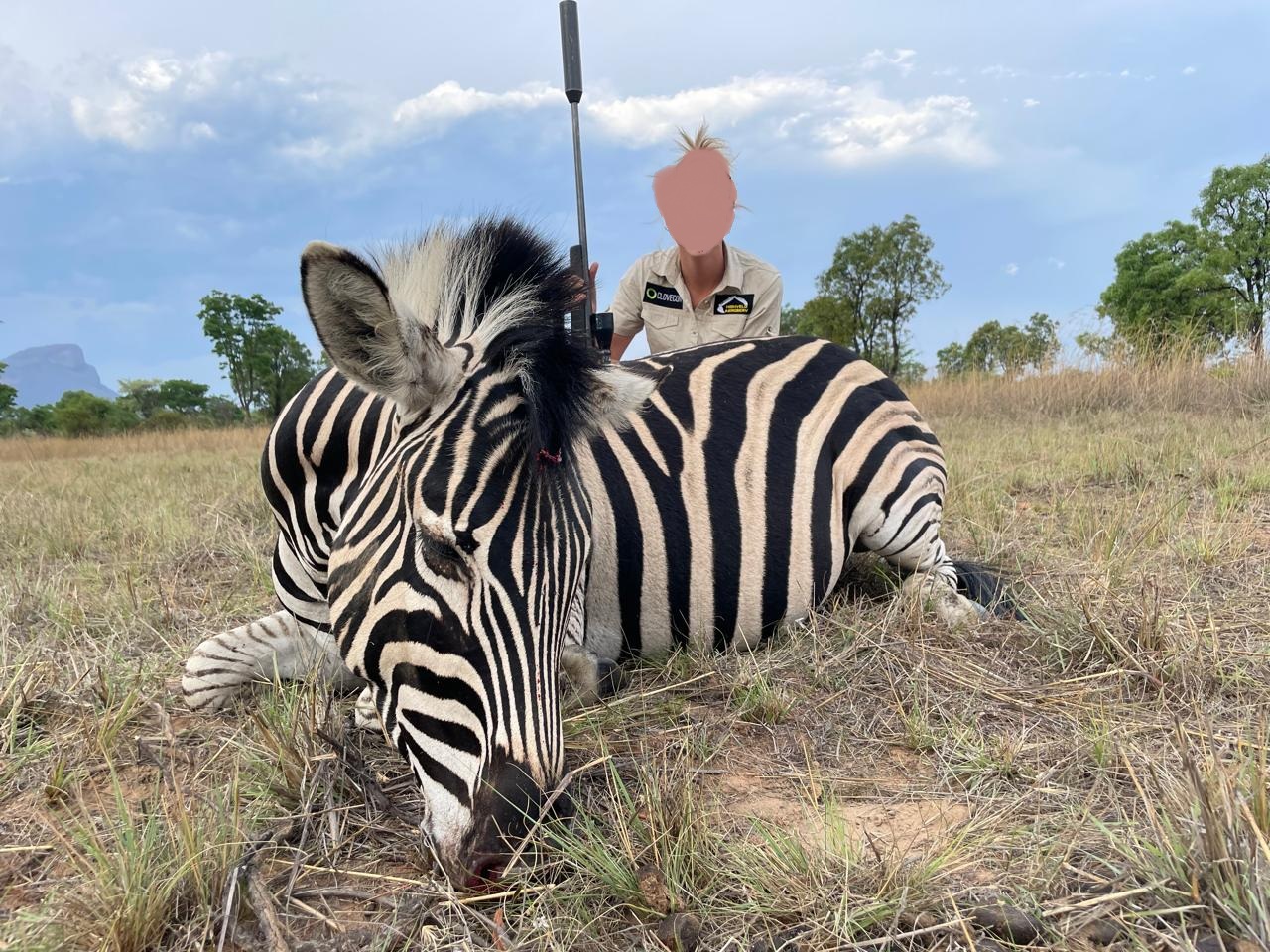
Hunt Cape Buffalo, Wildebeest, Zebra & Bushbuck in Limpopo
Booking Season: 2026
Hunt Difficulty: Difficult
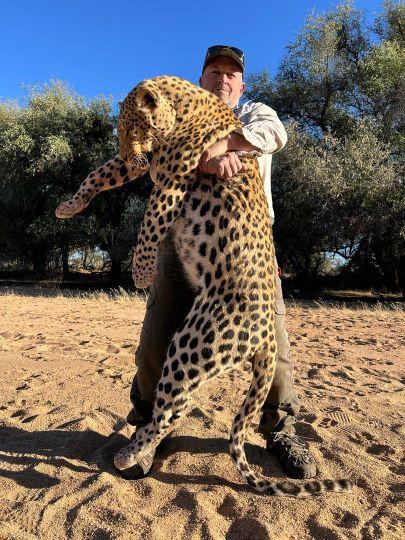
Namibia Leopard & Brown Hyena Cancelation Hunt
Booking Season: 2025
Hunt Difficulty: Difficult