Popular African Hunts
Few hunting destinations have captured the imagination of sportsmen quite like Africa. For generations, hunters have travelled to the continent in search of legendary animals, vast wilderness areas, and the opportunity to test their skills against some of the world's most respected game species. From tracking an old Cape buffalo through Zimbabwe's jesse bush to glassing for a mature kudu bull in Namibia's mountains or following fresh elephant spoor across Tanzania's remote wilderness, big game hunting in Africa offers hunting opportunities unlike anywhere else on earth.
Planning an African Hunting Safari involves far more than choosing a species and booking a flight. Every decision, from selecting the right country and reputable outfitter to understanding firearm permits, hunting regulations, trophy export requirements, and the best time to hunt, influences the success of your safari. The more informed you are before booking, the more rewarding your hunt will be.
At Game Hunting Safaris, we believe hunters deserve honest, independent information before making one of the biggest hunting investments of their lives. By working with carefully selected outfitters across Africa, we help hunters compare destinations, understand their options, and choose the safari that best matches their hunting goals, experience, and budget.
This guide brings together everything you need to know about big game hunting in Africa. Whether you're planning your first safari or returning to pursue another iconic African species, you'll find practical advice, expert guidance, and the information needed to choose the right destination and hunt with confidence.
Check out the top-rated and featured Hunting Safaris in Africa. Discover and Explore Africa’s Most Popular Game Hunting Experiences.Featured African Hunts
Discounted & Cancelled Hunts
Packaged Hunts
Top Hunting Categories
Top Hunting Destinations in Africa
One of the first things hunters discover when planning big game hunting in Africa is that not all big game is classified the same way. Unlike North America, where big game generally refers to species such as elk, moose, or bear, African hunting covers an extraordinary range of animals that differ in size, habitat, behaviour, and the level of skill required to hunt them successfully.
Understanding these classifications is important because they influence every aspect of your safari, from the country you choose and the length of your hunt to the rifle you carry and the professional hunter guiding you. A safari focused on spiral-horned antelope presents very different challenges to one targeting Cape buffalo or elephant, even though both fall under the broad category of big game hunting.
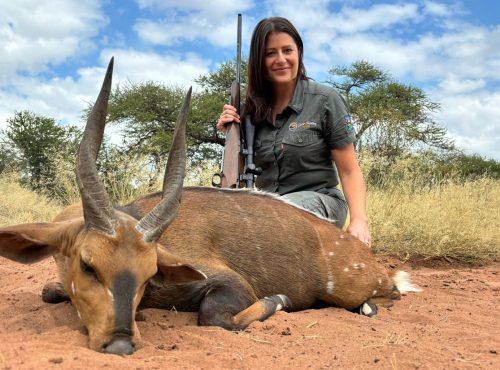
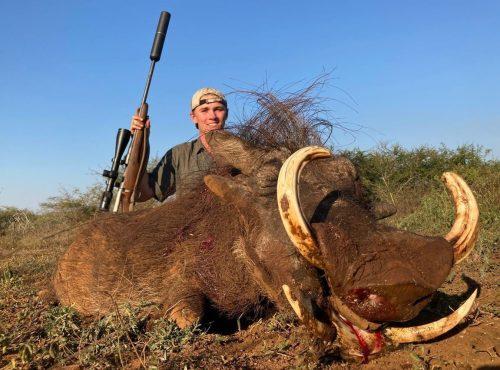
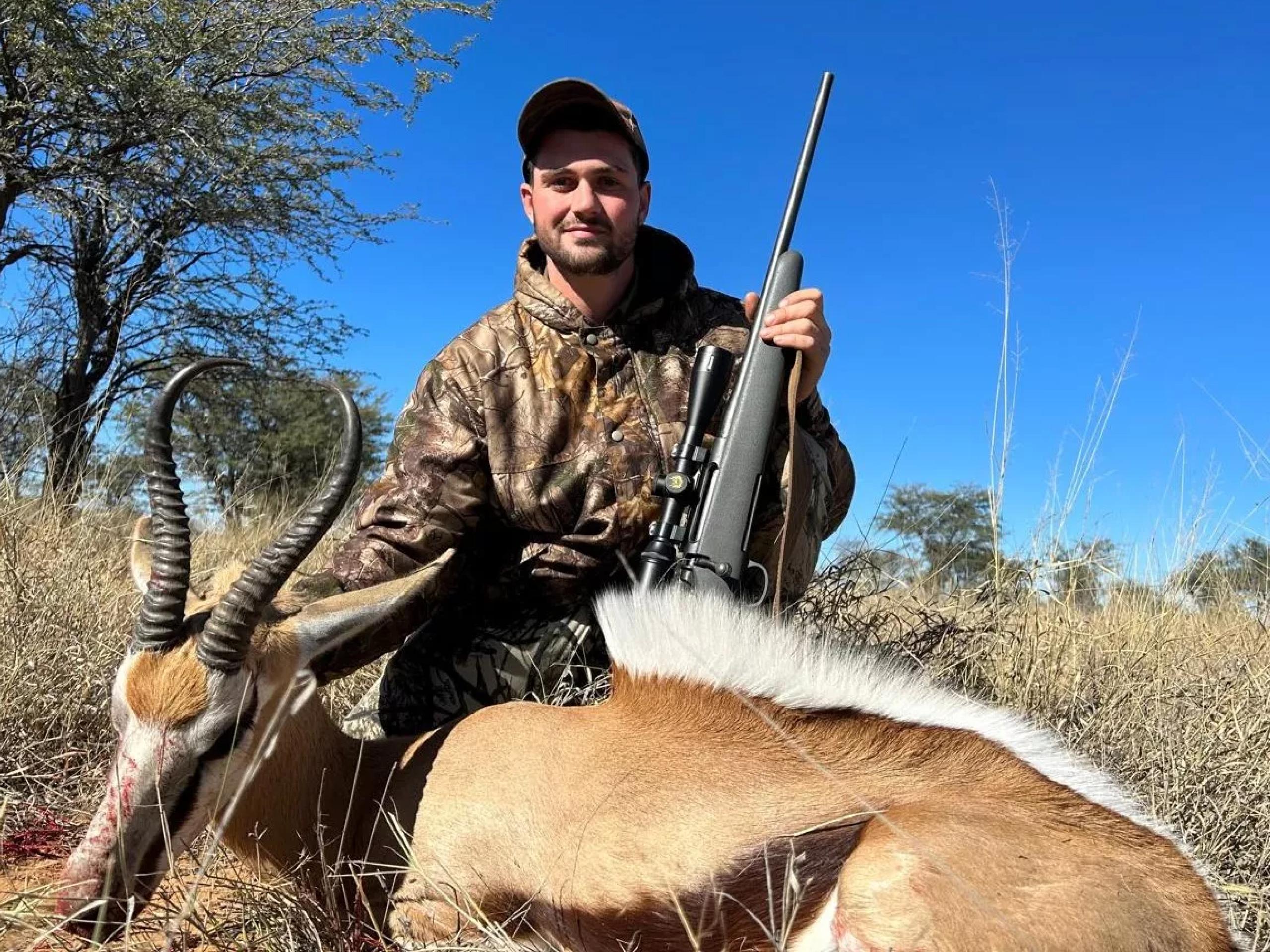
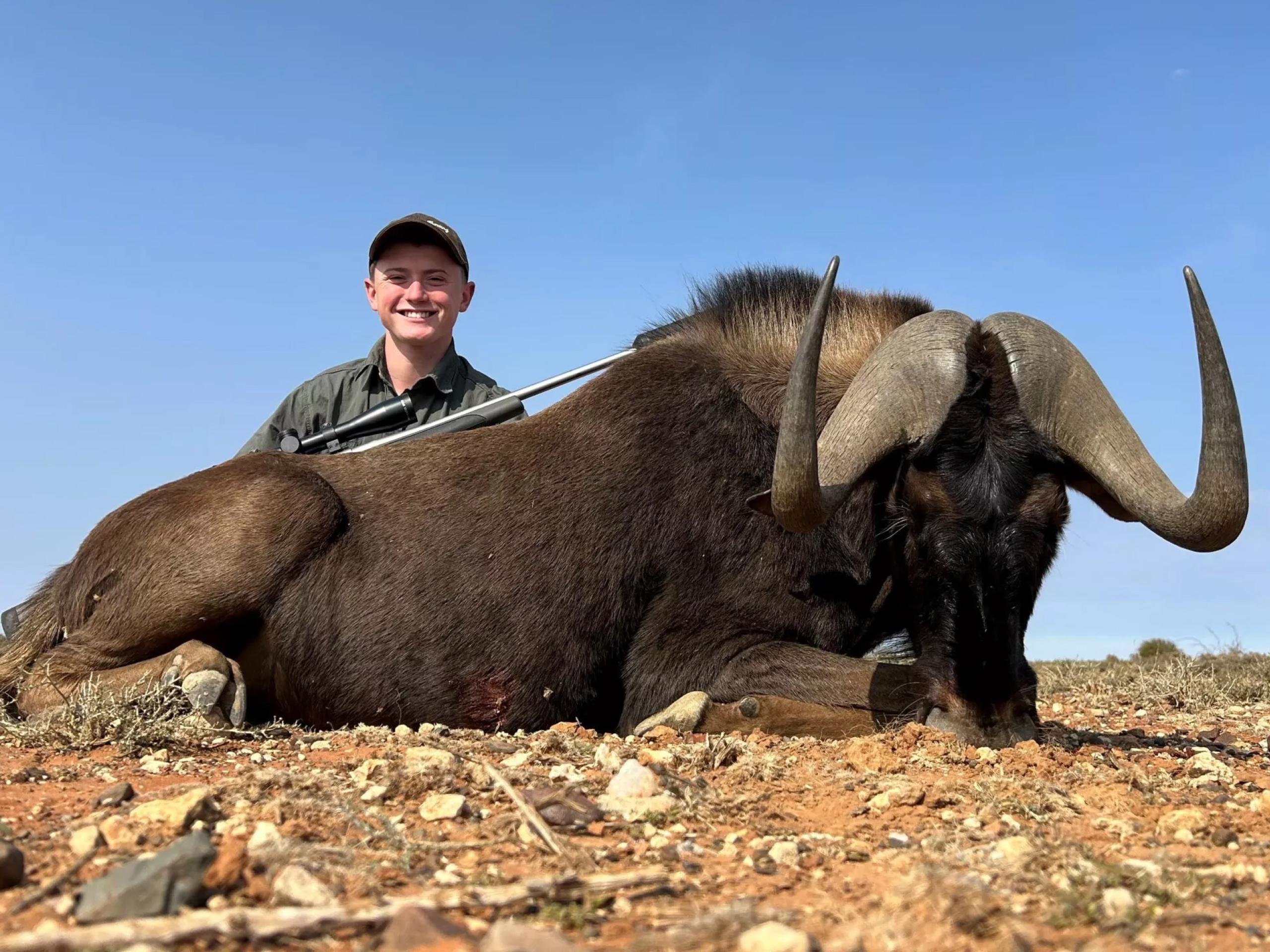
Most African safaris are built around Plains Game Hunts, where hunters pursue a variety of antelope and other non-dangerous species across diverse habitats. These hunts are often combined with additional trophies and are an excellent introduction to African hunting.
Hunters looking for a greater challenge may choose Dangerous Game Hunts, which focus on Africa's most powerful and potentially dangerous animals under the guidance of experienced professional hunters.
Many safaris combine both categories, allowing hunters to experience the diversity that makes African big game hunting unlike anywhere else in the world. Understanding these classifications will help you choose the hunt that best matches your experience, expectations, and hunting goals.
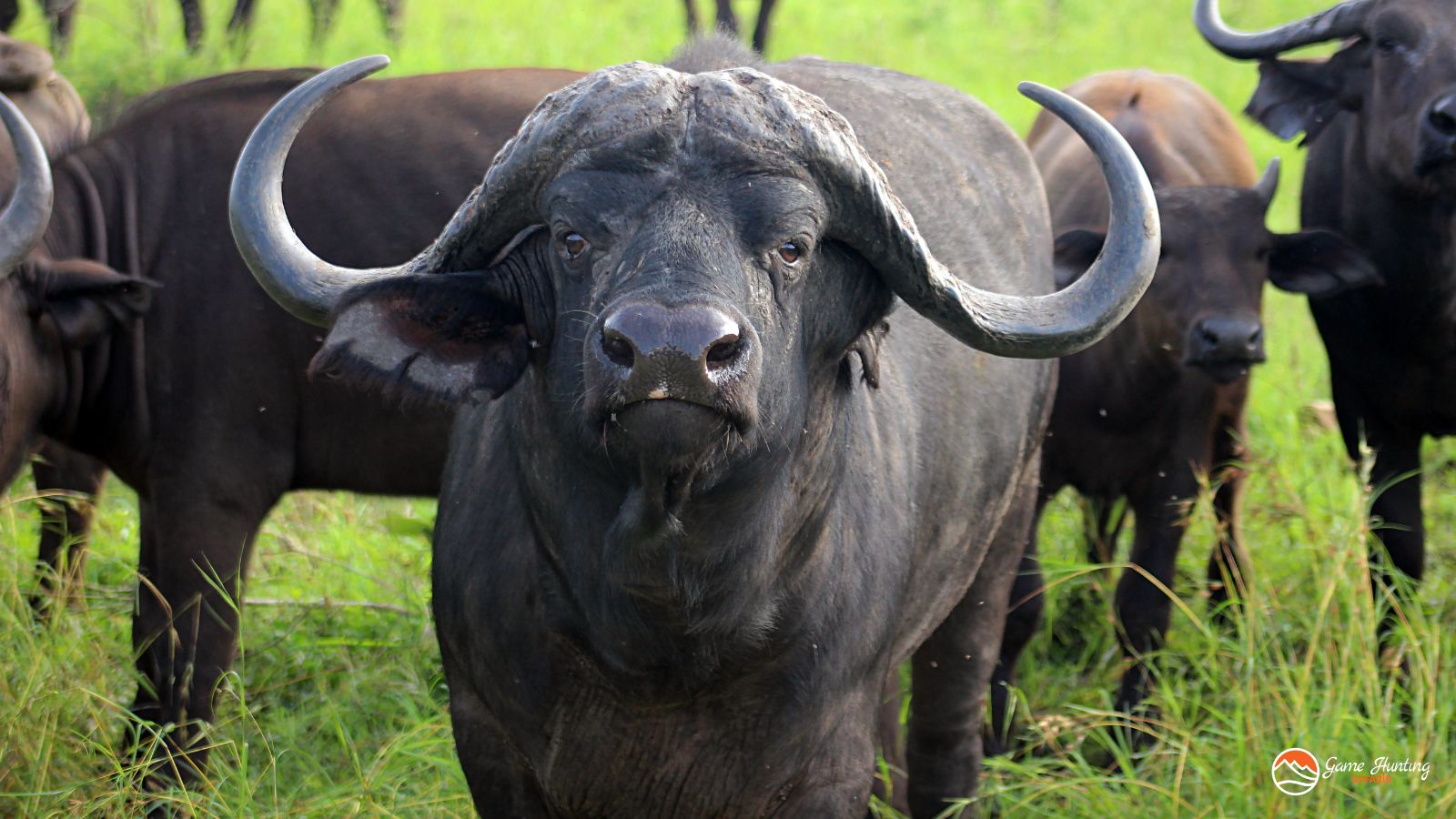
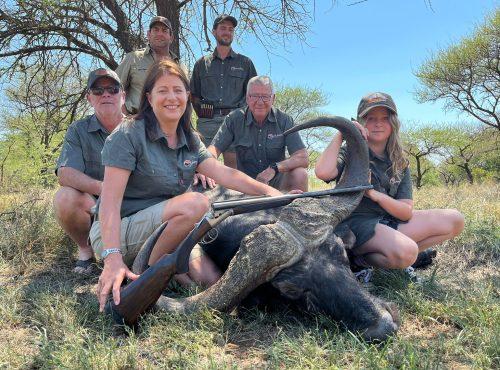
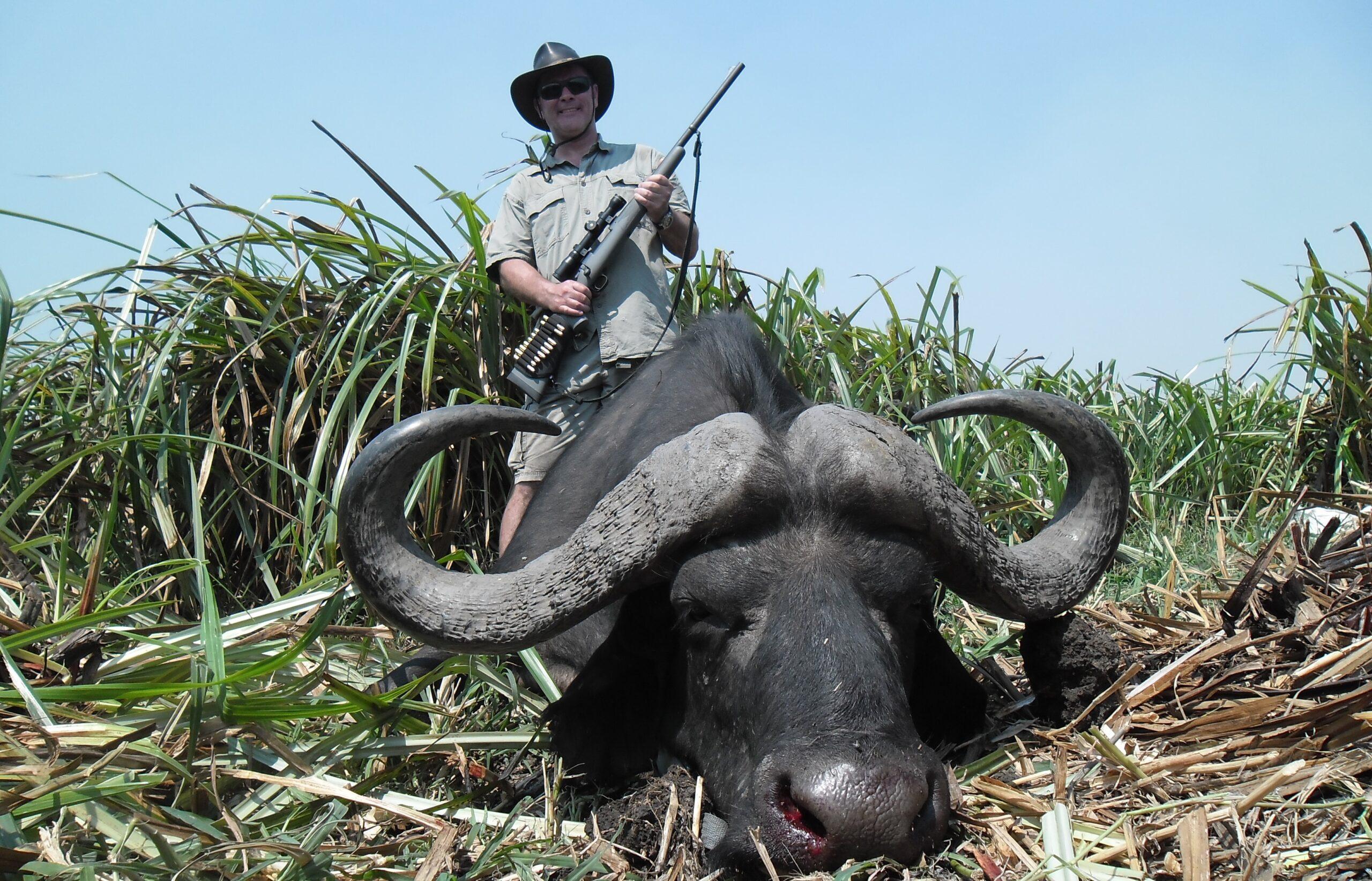
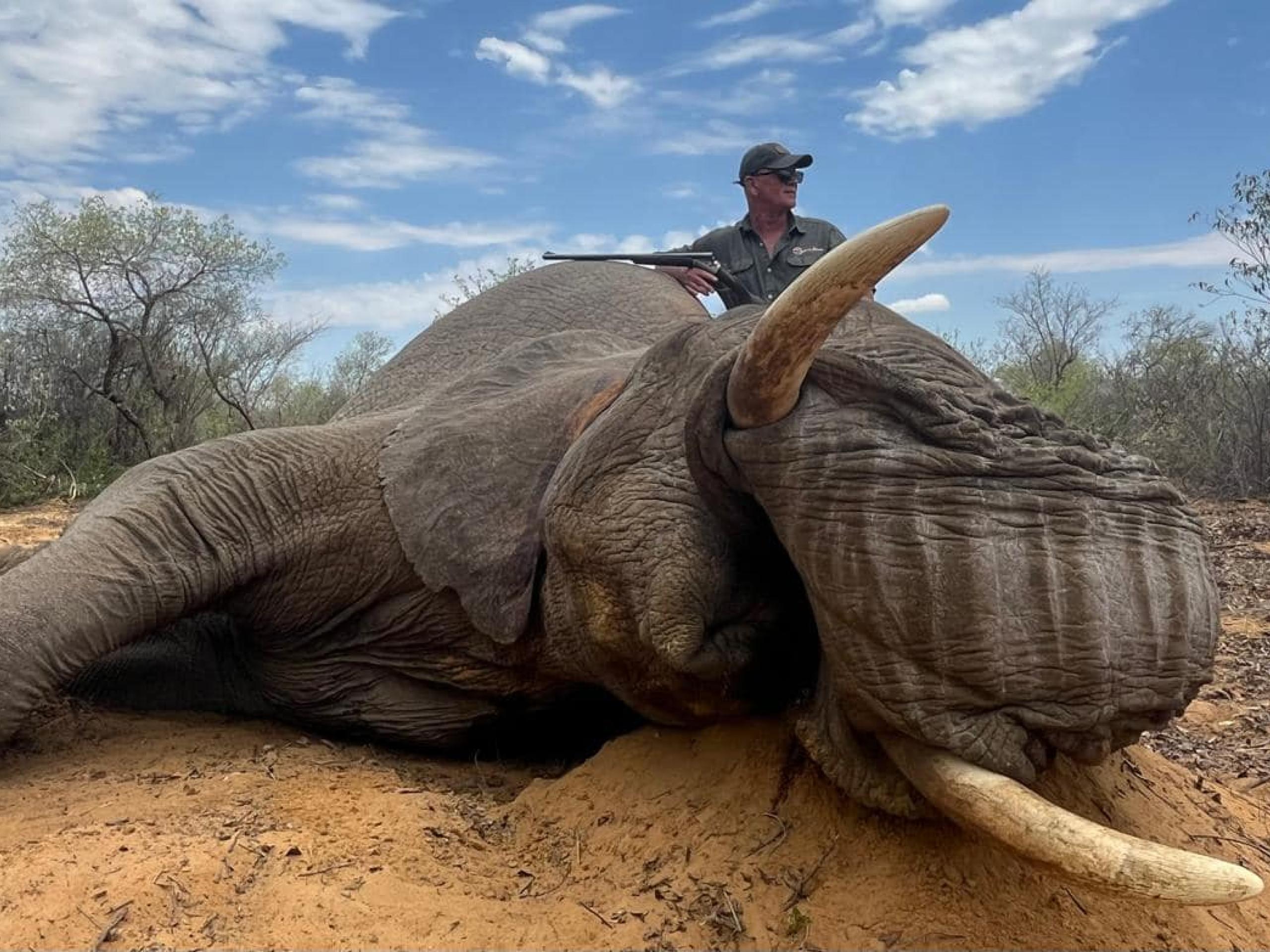
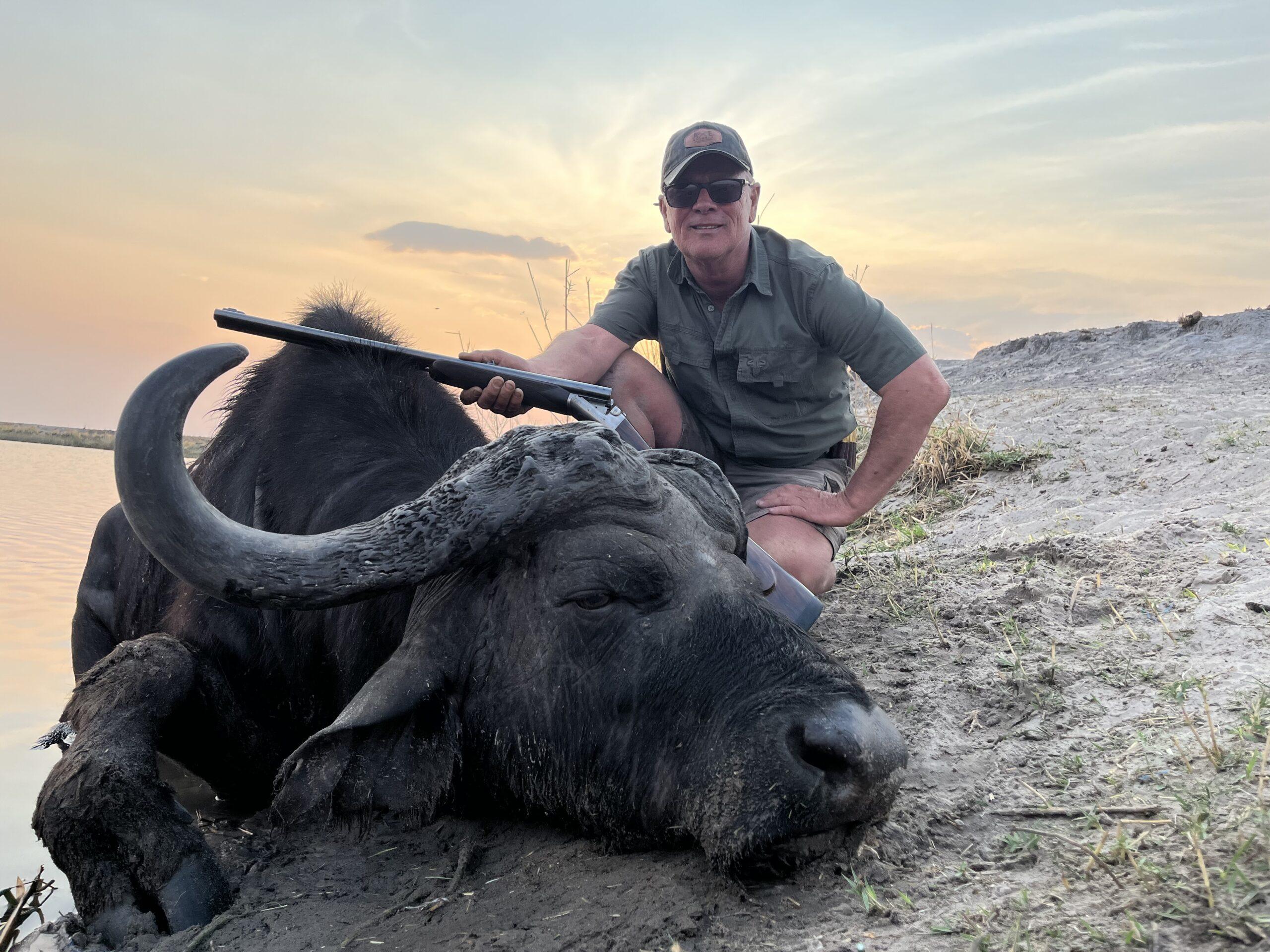
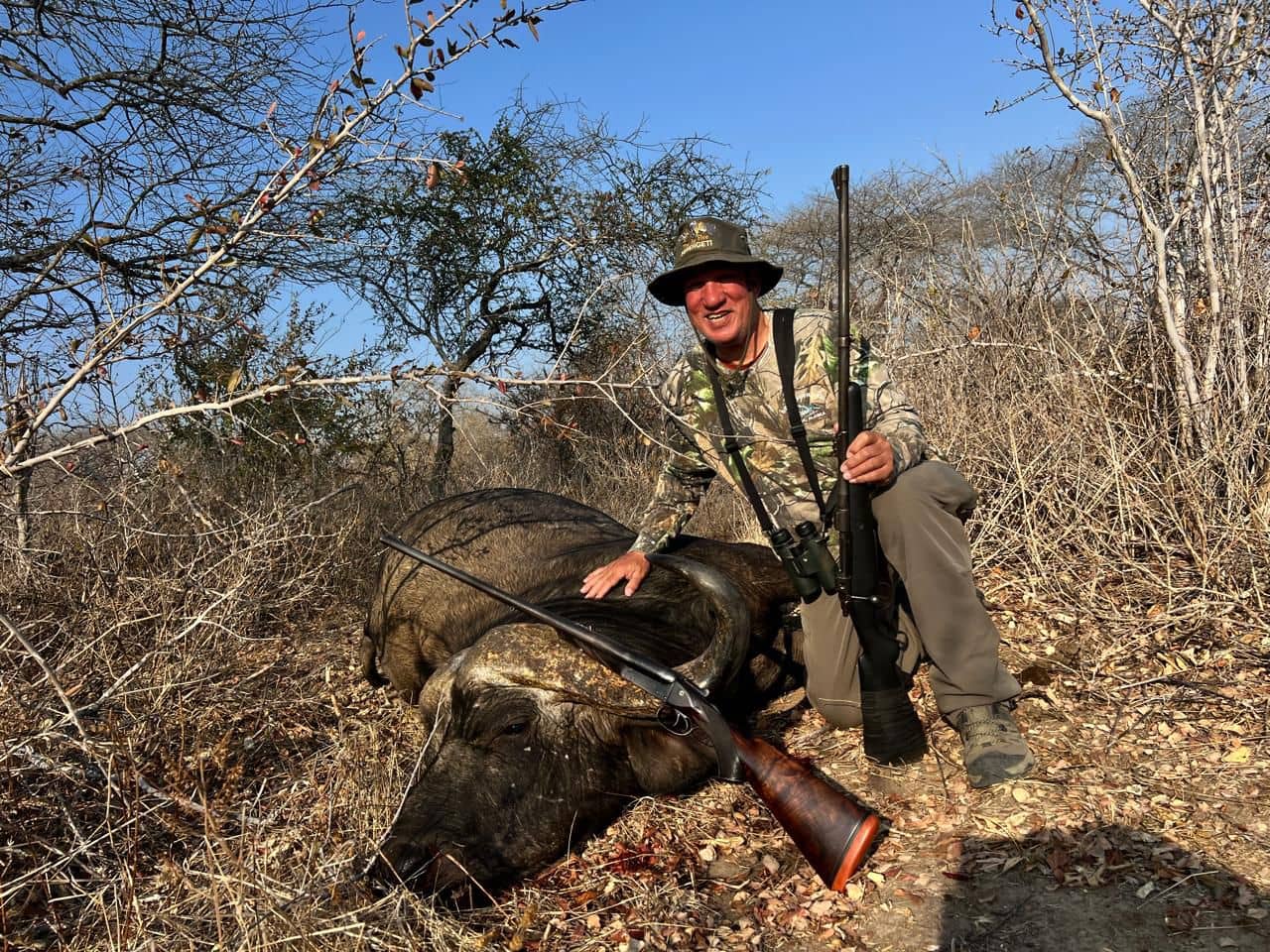
Dangerous game hunting is widely regarded as the ultimate test of skill, judgement, and composure in Africa. Every safari centres around some of the continent's most respected animals, each presenting its own challenges, hunting methods, and level of risk. Whether pursuing an old dagga boy on a Cape Buffalo Hunting safari or tracking fresh elephant spoor during an Elephant Huntingadventure, success depends on patience, discipline, sound judgement, and the ability to make good decisions under pressure.
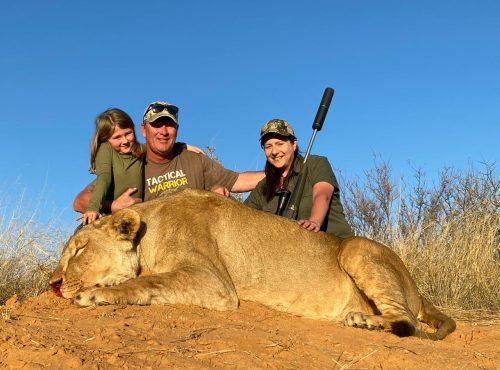
Each dangerous game species demands a different approach. A Lion Hunt may involve long hours tracking or waiting over bait.
Among Africa's dangerous game species, Leopard Hunts are widely regarded as some of the most challenging. Success relies on meticulous planning, favourable wind conditions, extraordinary patience, and complete trust in the experience of your professional hunter. Where legally available, rhinoceros also form part of Africa's dangerous game heritage, although hunting opportunities remain extremely limited and subject to strict conservation regulations.
Unlike many other forms of hunting, dangerous game safaris often take place at close range in thick cover where experience and sound judgement matter far more than long-range marksmanship. Every decision, from reading fresh tracks to approaching a wounded buffalo, is made with safety as the highest priority, making the relationship between hunter, tracker, and professional hunter critical to the success of the safari.
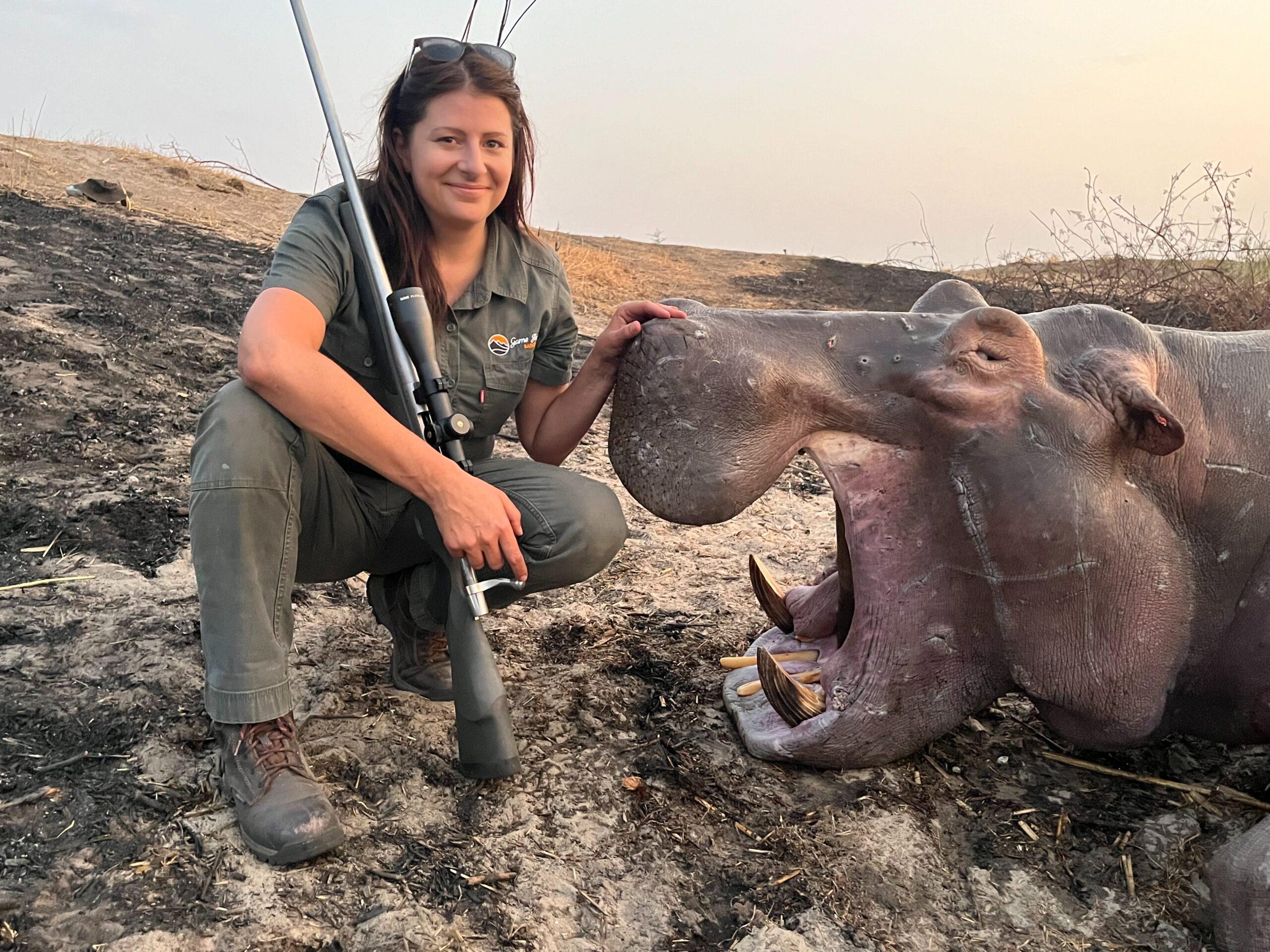
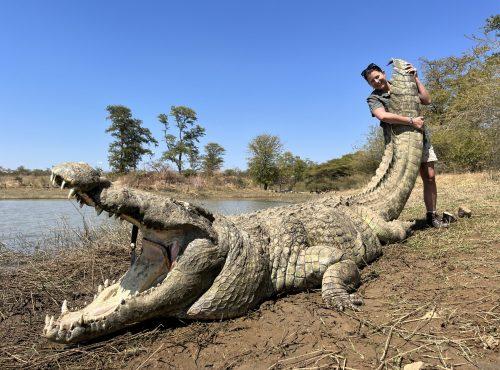
Every dangerous game hunt is conducted under strict government regulations, scientifically managed quota systems, and internationally recognised conservation programmes. Beyond the traditional Big Five, many hunters also pursue hippopotamus and Nile crocodile, two formidable aquatic species that demand specialised hunting techniques and present their own unique challenges in Africa's rivers, lakes, and floodplains.
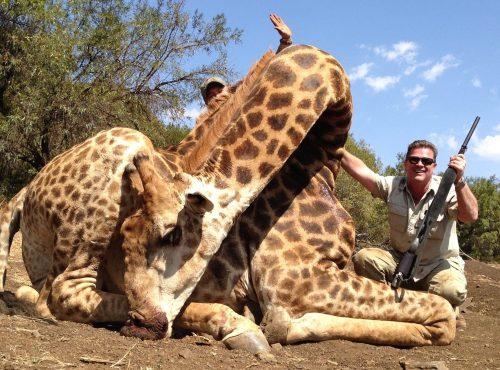
One of the reasons hunters return to Africa time and time again is the incredible variety of speciality species available across the continent. Beyond the traditional plains game and dangerous game safaris, many hunters choose to add unique trophies such as giraffe, bushpig, baboon, sitatunga, bongo, and even Hyena Hunts to create a more diverse and memorable safari.
Many of these species are only available in specific countries or habitats, making destination choice an important part of safari planning. Whether hunting forest species in Central Africa, mountain antelope in East Africa, or nocturnal predators after dark, speciality hunts offer experienced hunters new challenges long after their first African safari.
It is this extraordinary diversity of wildlife, habitats, and hunting opportunities that keeps hunters returning to Africa, with every safari offering the chance to pursue new species and experience a different part of the continent.
Choosing the right rifle is one of the most important decisions you'll make when planning a big game hunting safari. While calibre certainly matters, experience has shown that confidence in your rifle and accurate shot placement are far more important than simply carrying the biggest cartridge available.
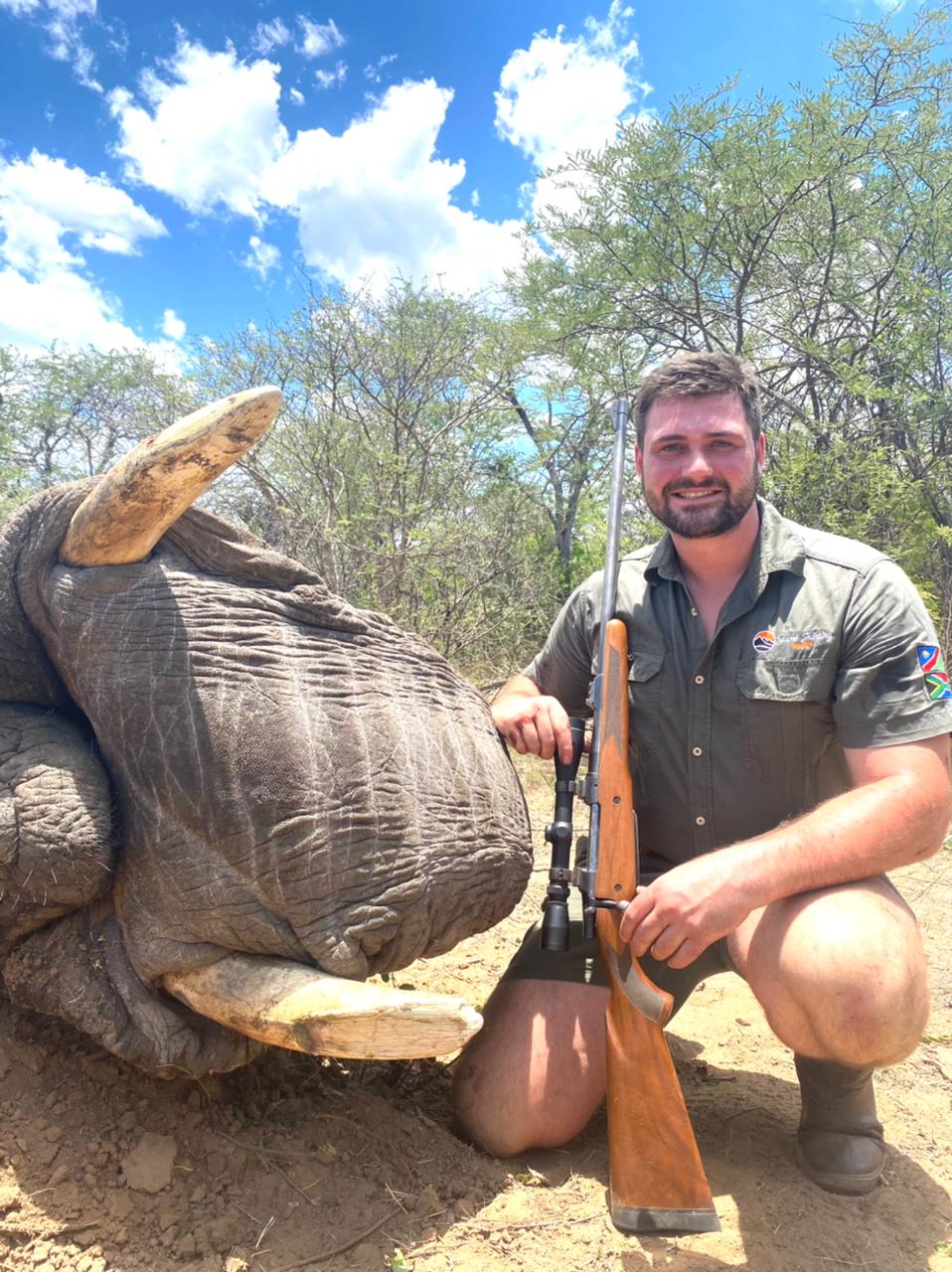
For dangerous game, most African countries require a minimum calibre of .375 for species such as Cape buffalo and elephant. The legendary .375 H&H Magnum has earned its reputation over more than a century by offering an exceptional balance of power, reliability, and manageable recoil, making it one of the most trusted dangerous game calibres ever developed.
Many hunters also dream of carrying one of Africa's legendary big-bore rifles. Classic calibres such as the .404 Jeffery, .416 Rigby, .450 Nitro Express, .470 Nitro Express, and .500 Nitro Express have become synonymous with traditional African safaris and continue to perform exceptionally well on dangerous game in experienced hands.
Whether you travel with your own rifle or choose to rent one from your outfitter, familiarity will always outweigh raw power. A rifle you shoot confidently is far more valuable than one that simply delivers more recoil when the moment of truth arrives. While modern rangefinders can be useful in open country, your professional hunter will normally carry one and advise you before every shot.
Regardless of the rifle or calibre you choose, accurate shot placement remains the single most important factor in a successful and ethical hunt. Before travelling to Africa, we recommend reviewing our Dangerous Game Shot Placement Guide to familiarise yourself with the anatomy and vital organs of the species you intend to hunt.
One of the biggest differences between big game hunting in Africa and many hunts elsewhere in the world is that an African safari is rarely a solo pursuit. Every successful hunt is built around teamwork between the hunter, the professional hunter (PH), and experienced trackers who have often spent a lifetime reading the bush.
Trackers possess an extraordinary ability to interpret signs that most visiting hunters would never notice. A faint hoof print in soft sand, a broken twig, fresh dung, or the direction of a snapped blade of grass can reveal not only the species being hunted, but often its direction of travel, the size of the animal, and how recently it passed through the area. This knowledge allows the hunting team to make informed decisions long before the animal is ever seen.
Once fresh spoor has been found, the vehicle is usually left behind and the hunt continues on foot. From that point onwards, success depends on moving quietly, understanding the wind, reading the terrain, and exercising patience. Some stalks last only a few minutes, while others may continue for several hours before an opportunity presents itself.
Although your professional hunter is responsible for judging trophies, planning the stalk, and ensuring everyone's safety, the final decision to take the shot always belongs to the hunter. Africa rewards patience, discipline, and good judgement far more than rushing a shot or forcing an opportunity.
Before travelling to Africa, spend time practising from shooting sticks rather than a shooting bench. Almost every safari shot is taken from sticks, and becoming comfortable with them before your hunt will significantly increase your confidence when the opportunity finally arrives.
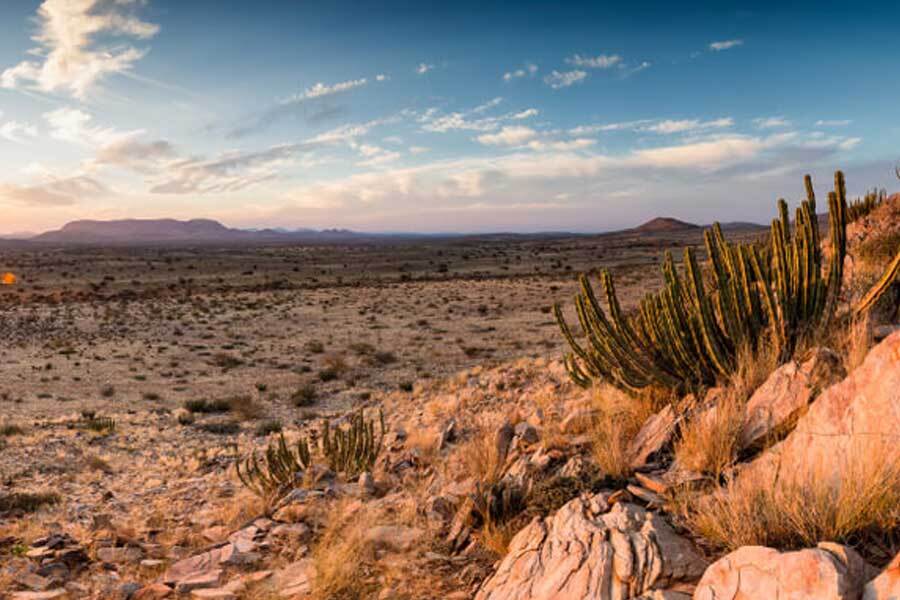
No other continent offers the diversity of species, hunting traditions, and free-range opportunities found in Africa. From tracking Cape buffalo through Zimbabwe's jesse bush to glassing for kudu in Namibia's mountains or following fresh elephant spoor across Tanzania's vast wilderness areas, every destination offers its own challenges, landscapes, and hunting culture.
Unlike many parts of the world where hunters often pursue a single species during a trip, African Big Game Hunting Safaris frequently combine multiple trophies within the same safari. It is not uncommon for hunters to pursue several plains game species before adding a dangerous game animal, creating an experience that combines variety, challenge, and exceptional value within a single journey.
Africa is also unique because hunting remains deeply rooted in professional safari traditions. Experienced professional hunters, highly skilled trackers, and camp staff work together throughout the safari, allowing hunters to focus entirely on the hunt itself while benefiting from generations of local knowledge and bushcraft.
Perhaps most importantly, regulated hunting plays a significant role in wildlife conservation across many African countries. Strict quota systems, scientific wildlife management, and the protection of large wilderness concessions help ensure that hunting contributes directly to habitat conservation, anti-poaching initiatives, and rural communities that live alongside wildlife.
It is this combination of remarkable species diversity, genuine wilderness, professional guiding, and conservation-based wildlife management that has made Africa the world's premier destination for big game hunting for generations of hunters from around the world.
Just a few simple steps to book your next hunt. Browse and select your favorite Hunts from our range of African Hunts across various
destinations. Select your preferred dates and submit your quote request. We’ll check availability with the
Outfitter. If available, we’ll send you a quote to accept and make your booking. An initial deposit is paid
to secure your booking.
Experience the excitement of the African wilderness with Game Hunting Safaris—your premier
destination for exceptional hunting expeditions. Start planning your unforgettable journey now!
How To Book Your Hunt
Find a Hunt
Request a Quote

Book Your Hunt
One of the biggest decisions you'll make when planning a Big Game Hunting Safari is choosing the country that best matches your hunting goals. While Africa offers exceptional hunting across the continent, every destination has developed its own reputation based on species diversity, terrain, hunting traditions, and the overall safari experience.
Rather than asking which country is "best," the better question is which destination is best for the type of hunt you want to enjoy.
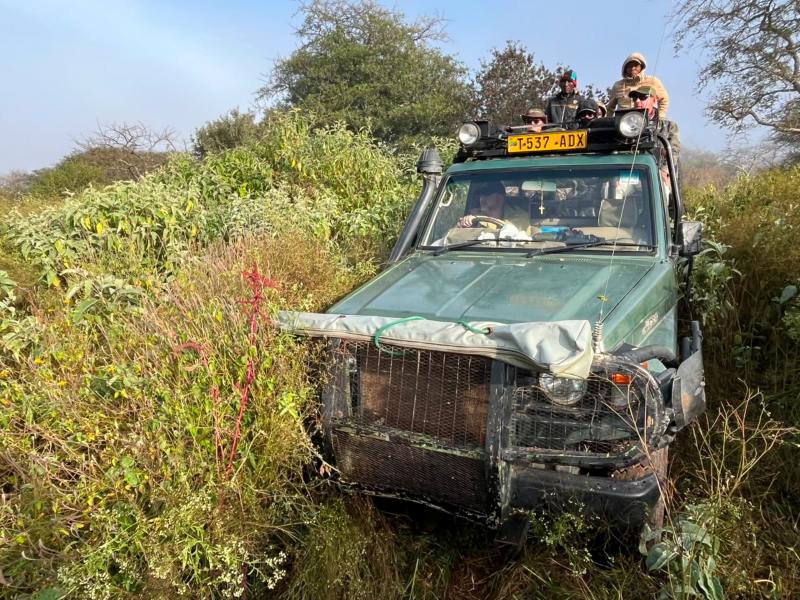
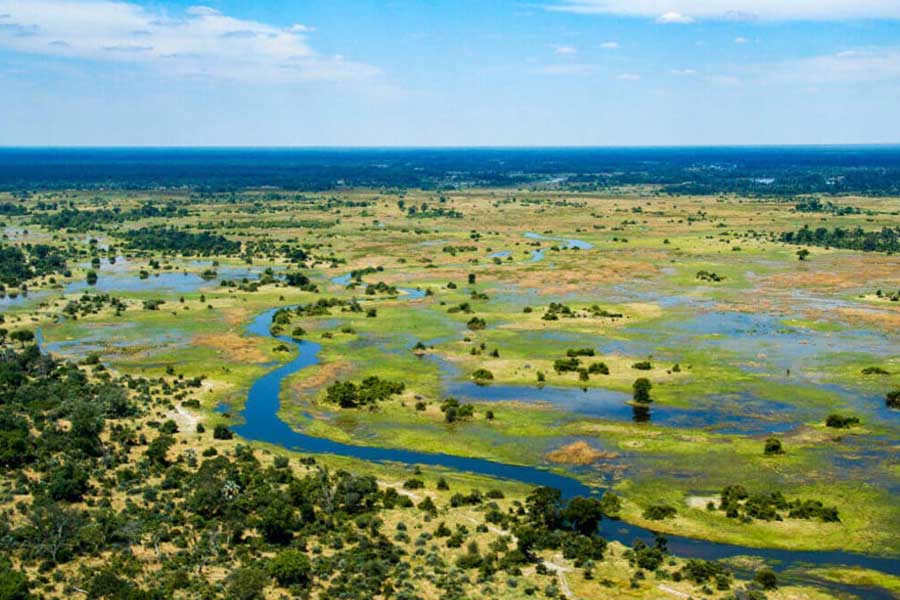
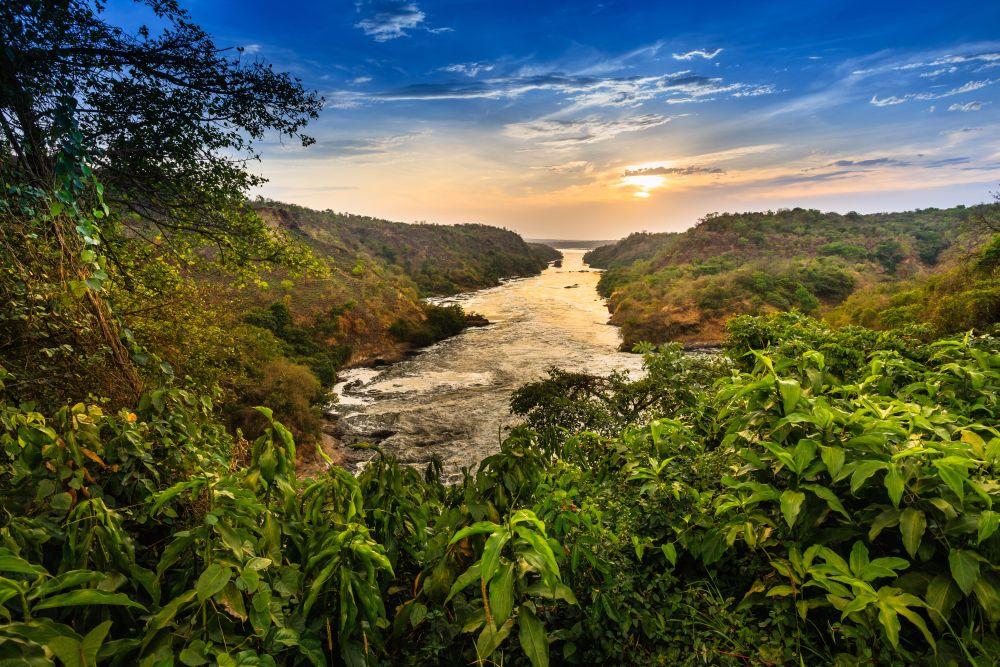
If your goal is a traditional dangerous game safari, few destinations can match Hunting in Zimbabwe. From following fresh buffalo spoor through the Zambezi Valley to tracking elephant across vast unfenced wilderness, Zimbabwe has earned its reputation as one of Africa's premier destinations for hunters seeking an authentic big game safari.
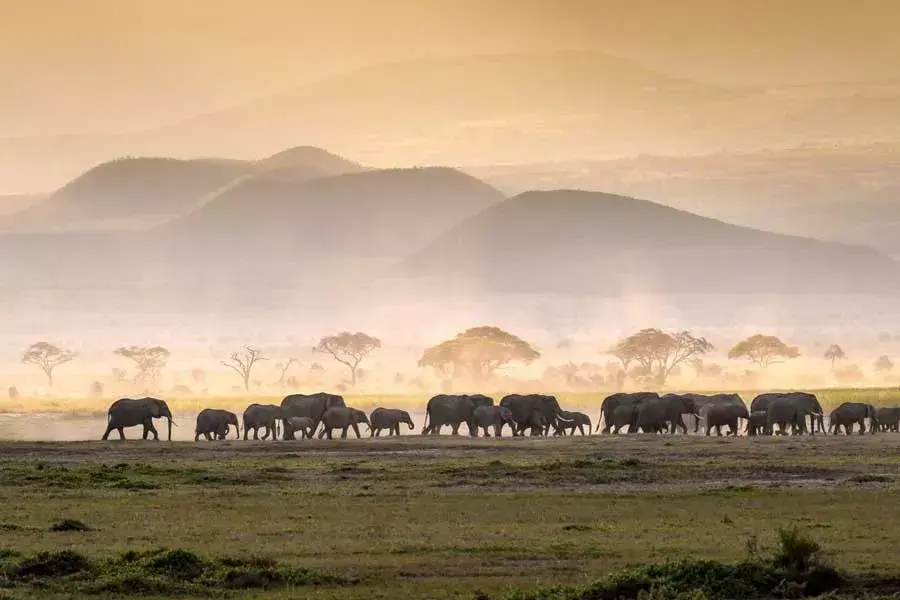
For hunters seeking the classic East African safari, a Tanzania hunting safari remains one of the most prestigious experiences available anywhere in Africa. Vast unfenced hunting concessions, exceptional game densities, and some of the continent's last great wilderness areas allow hunters to pursue world-class plains game and dangerous game within the same safari, creating an experience that few other destinations can match.
If you're planning your first visit to Africa, Hunting in South Africa offers an outstanding introduction to big game hunting. Excellent infrastructure, a remarkable variety of species, and professionally managed safari operations make it one of the easiest destinations for hunters looking to experience multiple trophies during a single trip.
Mozambique hunting safaris have become increasingly popular among hunters looking for remote wilderness...
Hunting in Zambia is built around traditional safari values. Long days on foot...
Central Africa remains one of the last great frontiers of African hunting.
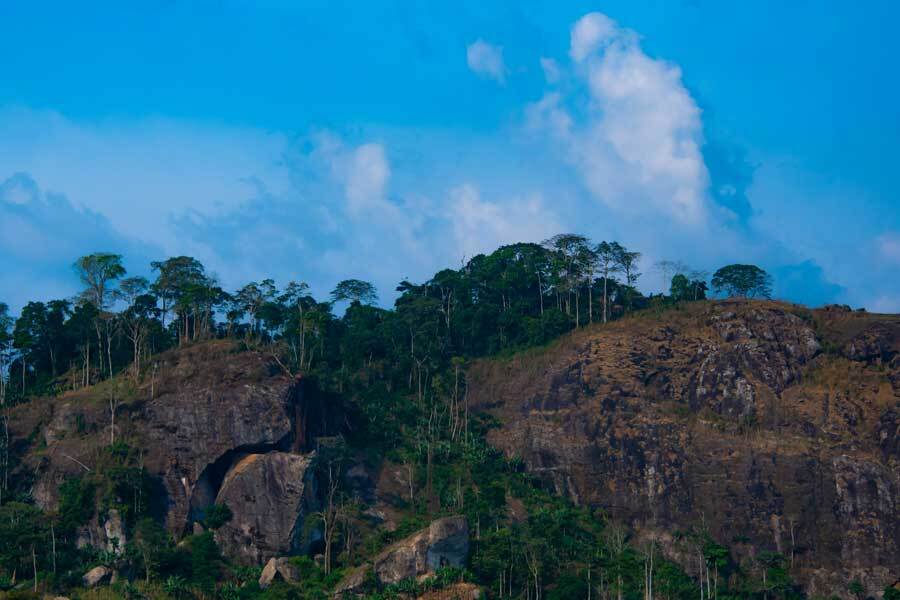
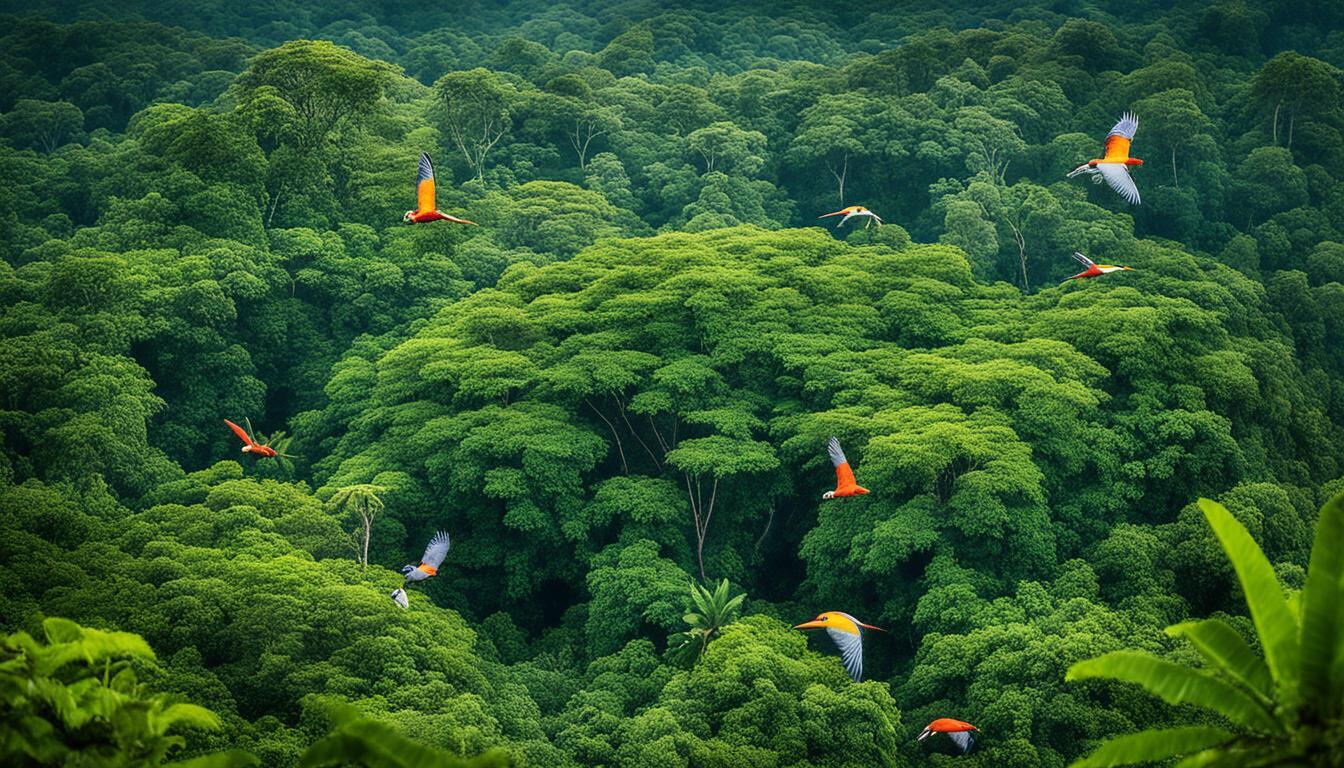
Hunting in Cameroon is best known for its world-class Bongo Hunts and the legendary Lord Derby eland, while Hunting in the Republic of Congo offers exceptional opportunities for Lord Derby eland, forest buffalo and several of Africa's most sought-after rainforest species. Further west, Hunting in Gabon provides access to dense equatorial forests where sitatunga, red river hog, forest buffalo and a variety of elusive forest antelope present a completely different hunting challenge.
Unlike the open plains of Southern Africa, rainforest hunting is built almost entirely around tracking on foot through dense vegetation, where visibility is often measured in metres rather than hundreds of yards. Success depends less on long-range shooting and more on experienced indigenous trackers, careful reading of fresh spoor and a willingness to let the forest set the pace.
For hunters looking beyond traditional plains game and dangerous game safaris, Central Africa offers an authentic wilderness experience that has changed very little over the decades. Every track tells a story, every sound matters and every opportunity must be earned.
If you are considering one of these remarkable safaris, our guide, The Unwritten Rules of Hunting Africa's Rainforests, explains why hunting in the forests of Central Africa differs so dramatically from the more familiar plains game and dangerous game safaris found elsewhere on the continent.
A surprising thing happens after speaking to hunters who have returned from Africa. Very few remember exactly how many inches their kudu measured or how many miles they walked each day. Instead, they remember moments.
They remember climbing onto the truck long before sunrise while the camp was still quiet. They remember the tracker kneeling beside a fresh spoor that looked invisible to everyone else. They remember the smell of dust hanging in the cool morning air, the sudden silence when everyone spotted movement ahead, and the feeling of their heartbeat quickening as the stalk began.
The best big game hunting safaris are rarely measured by the number of trophies taken. They are measured by the quality of the hunt itself. A mature buffalo bull tracked for hours through thick jesse, a kudu that disappears into the bush just as you think you've found him, or the quiet satisfaction of making a single well-placed shot after an afternoon of careful stalking often become the memories hunters talk about for decades.
That is why choosing the right outfitter matters so much. Exceptional professional hunters understand that every safari is different because every hunter arrives with different expectations. Some dream of their first African animal. Others are returning to complete a lifelong collection. The best safaris are built around those personal goals rather than simply trying to fill a trophy list.
Long after the trophies have been shipped home, most hunters remember something else entirely. The conversations around the campfire. The trackers laughing after a successful stalk. The friendships built in camp. Those moments are often the reason hunters return to Africa again and again, proving that the greatest reward of big game hunting in Africa is not always measured in inches, but in memories that last a lifetime.
Read the most recent articles from our Blog. 20 July 2026 15 July 2026From the Blog
Why Mozambique Buffalo Hunting Feels Wild Again
Why Namibia Produces Exceptional Leopard Hunts
Booking your first big game hunting safari is exciting, but it can also feel overwhelming. With so many countries, outfitters, species, and safari packages available, it's easy to focus on the wrong details. Hunters who enjoy the best African safaris are rarely the ones who simply book the cheapest hunt or chase the biggest trophy. They are the hunters who take the time to understand exactly what they want from the experience.
One of the most common mistakes is choosing a safari based solely on price. While cost is always an important consideration, the quality of the hunting area, the experience of the professional hunter, the amount of hunting pressure, and the reputation of the outfitter will have a far greater impact on your safari than saving a few thousand dollars on the initial booking.
Another mistake is trying to hunt too many species during a single trip. Africa offers incredible diversity, but every additional trophy requires time, planning, and opportunity. Building a realistic hunting plan allows you to enjoy each hunt rather than feeling pressured to rush from one species to the next simply to complete a trophy list.
First-time visitors may also underestimate the importance of choosing the right destination. A hunter dreaming of tracking Cape buffalo through thick jesse bush will have very different expectations from someone wanting to hunt kudu across Namibia's mountains or pursue bongo in the rainforests of Central Africa. Matching the country to your hunting goals is often one of the biggest factors in the success of your safari.
Perhaps the most important advice of all is to trust your professional hunter. Your PH understands the local wildlife, reads animal behaviour, judges trophy quality, and knows when patience will produce a better opportunity. The best safaris are built on teamwork, mutual trust, and good communication rather than trying to force every opportunity.
Remember that Africa rarely unfolds according to a fixed plan. Weather changes, animals move, stalks fail, and sometimes the trophy you've dreamed about for years simply walks away. Ironically, those unpredictable moments often become the stories hunters remember long after the trophies have been mounted. Arrive with realistic expectations, enjoy every day in the bush, and you'll leave with far more than a collection of trophies, you'll leave with memories that will draw you back to Africa again and again.
The ideal length of a big game hunting safari depends on the species you intend to hunt, the country you visit, and the style of safari you choose. While it may be tempting to fit as many animals as possible into a short itinerary, the best safaris allow enough time for the hunt to unfold naturally rather than feeling rushed.
Many plains game safaris are comfortably completed in seven to ten hunting days, providing enough time to pursue a variety of species while adapting to changing weather, game movements, and hunting conditions. These safaris are ideal for hunters visiting Africa for the first time or those looking to experience several different species during a single trip.
Dangerous game hunts often require additional time. A mature Cape buffalo bull may be located on the first morning, or it may take several days of tracking before the right opportunity presents itself. Elephant, lion, and leopard hunts demand even greater patience, making ten to twenty-one day safaris common in many hunting areas.
The length of your safari should never be determined by your trophy list alone. Weather conditions, fresh spoor, animal movements, and countless other factors influence the success of every hunt. Allowing sufficient time gives both you and your professional hunter the flexibility to wait for mature animals and make good decisions rather than feeling pressured to take the first opportunity that appears.
When planning your safari, it is often better to hunt fewer species properly than to rush through an ambitious trophy list. Africa has a way of rewarding patience, and the extra days you allow today often become the stories you remember for the rest of your life.
Big Game Hunting in Africa offers far more than the opportunity to pursue some of the world's most iconic animals. It is a chance to hunt vast wilderness areas, learn from experienced professional hunters and trackers, and become part of a tradition that has defined African safaris for generations.
Every hunter's journey is different. Some arrive dreaming of an old Cape buffalo bull. Others have spent years planning their first plains game safari, while many return to Africa time and time again to pursue new species, hunt new countries, and experience different landscapes across the continent. There is no single definition of the perfect big game hunting safari because every hunter brings different goals, expectations, and dreams to Africa.
At Game Hunting Safaris, our role is simple. We help hunters compare destinations, understand their options, and choose the safari that best matches their hunting objectives, budget, and experience. From your first enquiry until your trophies arrive home, we are here to make the planning process as straightforward and enjoyable as the safari itself.
Whether you are planning your first big game hunting trip or your fifth visit to Africa, we look forward to helping you choose the right outfitter, the right destination, and the right safari for your next African hunting adventure.
Big game hunting in Africa includes both plains game and dangerous game species. Depending on the country, hunters may pursue iconic animals such as kudu, eland, sable, Cape buffalo, elephant, lion, leopard, hippopotamus, crocodile, and many other species. The animals available will depend on the destination, local hunting regulations, and the type of safari you choose.
There is no single "best" destination because every hunter has different goals. Zimbabwe and Tanzania are renowned for dangerous game, Namibia offers exceptional free-range plains game, South Africa provides outstanding species diversity, while Mozambique, Zambia, Cameroon, Republic of Congo, and Gabon each offer unique hunting opportunities. The right Big Game Hunting Safari depends on the species you wish to pursue and the style of hunting you enjoy.
Most plains game safaris last between seven and ten hunting days, while dangerous game hunts commonly range from ten to twenty-one days. The ideal safari length depends on your target species, destination, hunting conditions, and whether you plan to combine multiple animals during the same trip.
For dangerous game, most African countries require a minimum calibre of .375, with the .375 H&H Magnum remaining one of the most trusted choices for Cape buffalo and elephant. Larger calibres such as the .404 Jeffery, .416 Rigby, .450 Nitro Express, .470 Nitro Express, and .500 Nitro Express are also widely used. Regardless of calibre, confidence in your rifle and accurate shot placement are the keys to a successful hunt.
Responsible Big Game Hunting in Africa helps fund anti-poaching programmes, wildlife management, habitat protection, and employment for local communities. In many hunting areas, sustainable hunting provides the financial incentive needed to conserve wildlife and protect millions of acres of natural habitat that might otherwise be lost to agriculture or development.
Absolutely. Many of Africa's most popular Hunting Trips combine several plains game species with one or more dangerous game animals, allowing hunters to experience different styles of hunting during the same safari. The best combination depends on the country you choose, the species available, and the length of your safari.
Search from our range of Hunts across various popular destinations in Africa.

Book Your Hunt