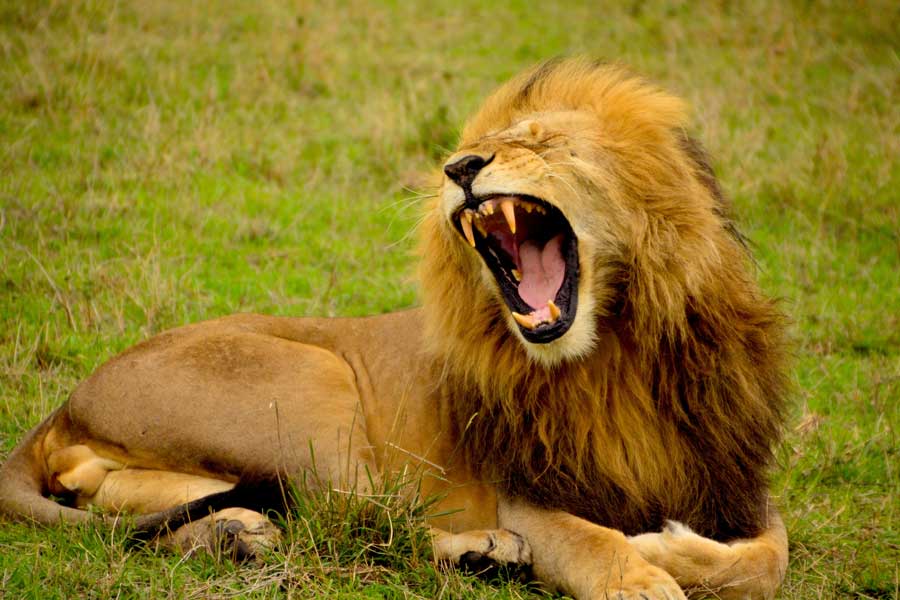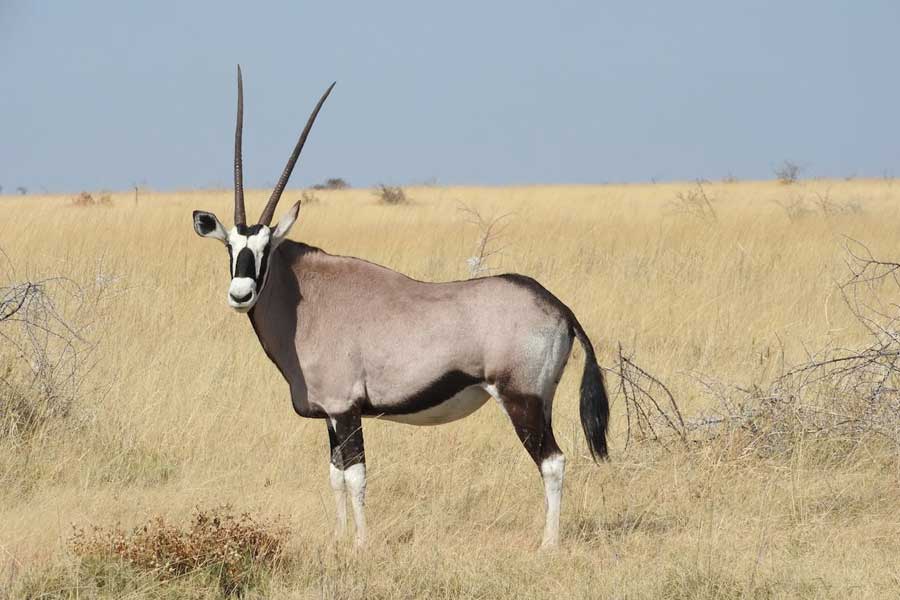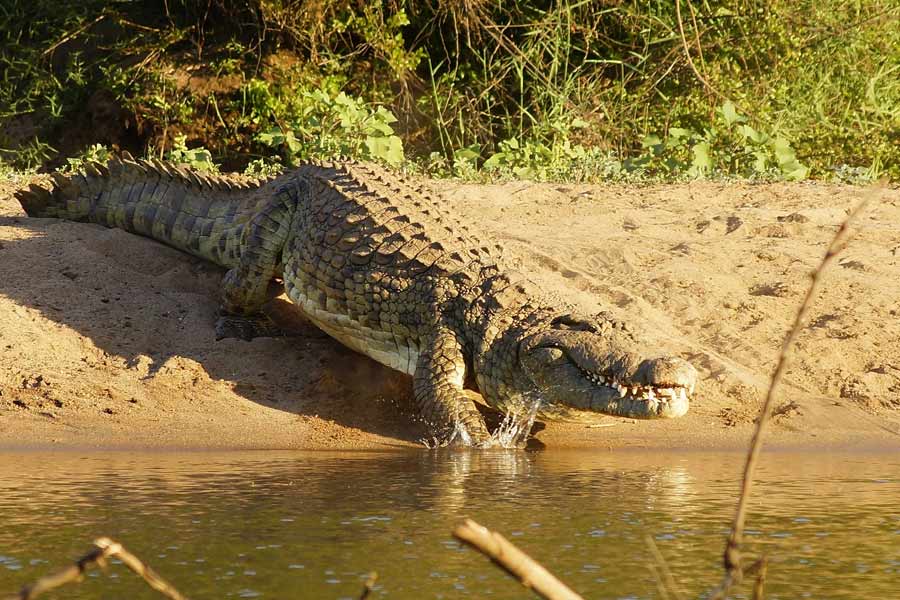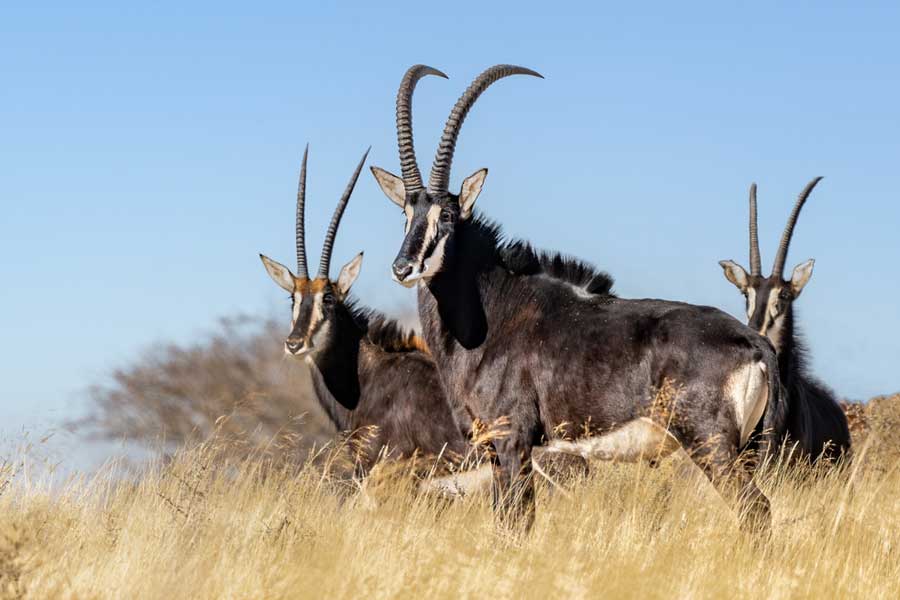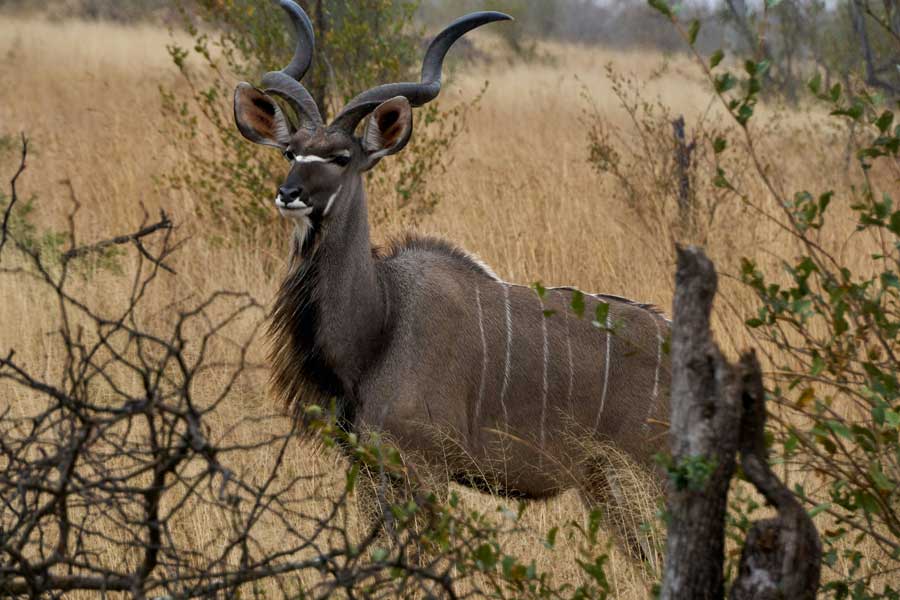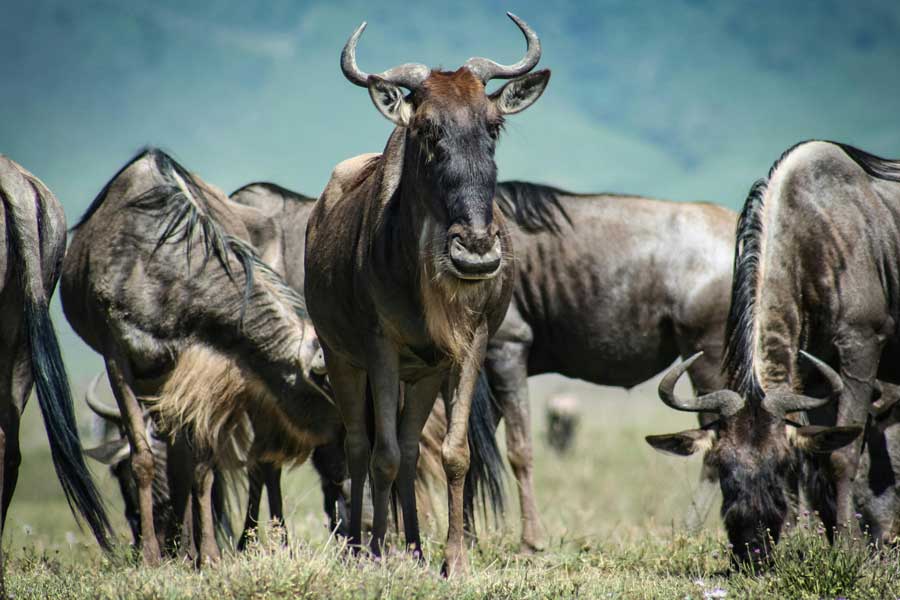
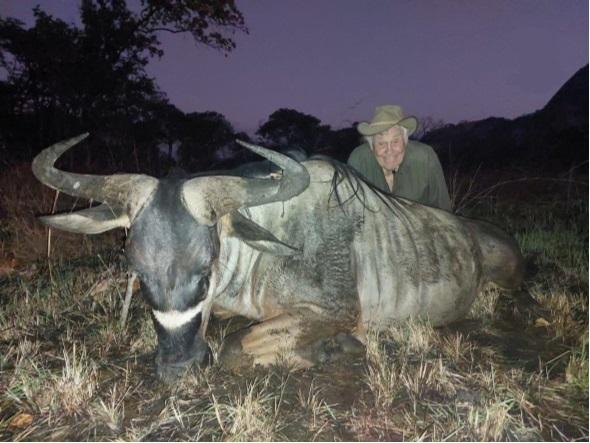
Cape Buffalo, Roosevelt Sable & Niassa Wildebeest Hunt in Mozambique
Booking Season: 2026
Hunt Difficulty: Difficult

Popular African Hunts
Cape Buffalo, Roosevelt Sable & Niassa Wildebeest Hunt in Mozambique
Booking Season: 2026
Hunt Difficulty: Difficult
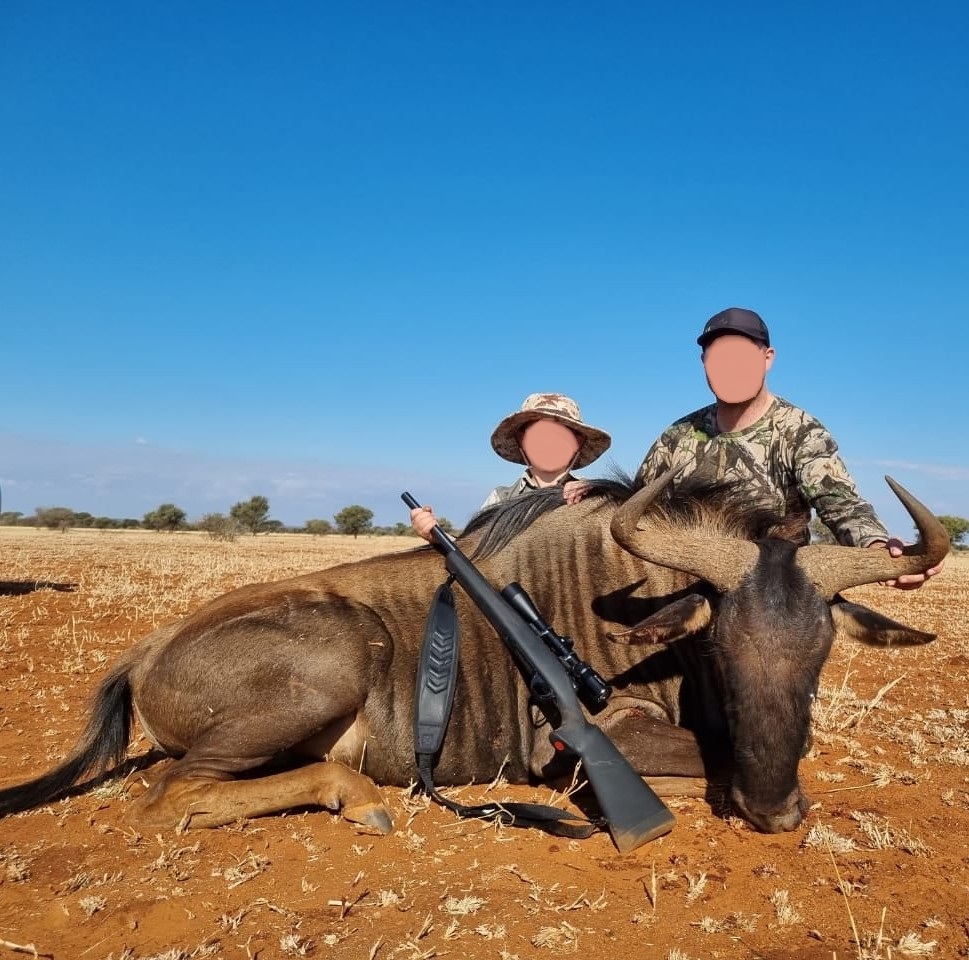
Hunt Waterbuck, Wildebeest & Impala in South Africa
Booking Season: 2026
Hunt Difficulty: Moderate
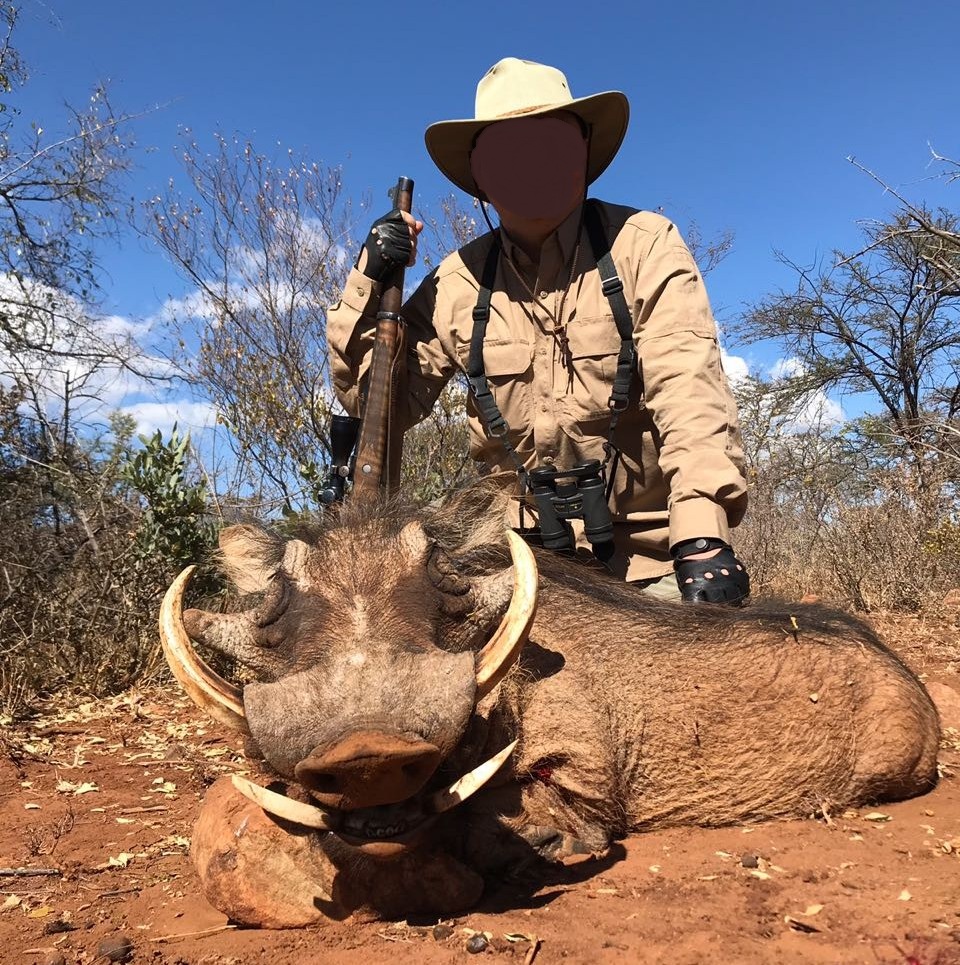
Hunt Blesbok, Wildebeest, Impala & Warthog in Limpopo
Booking Season: 2026
Hunt Difficulty: Moderate
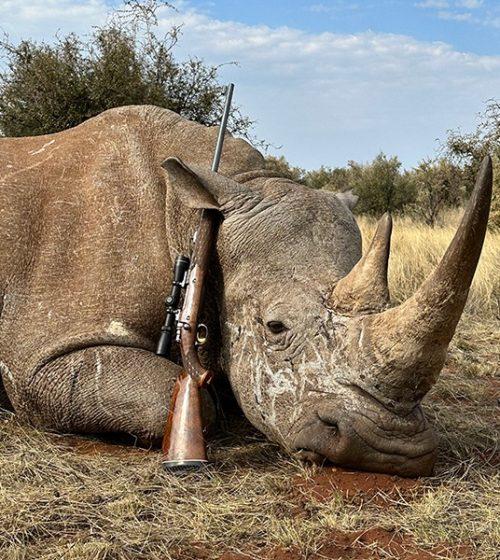
Hunt Cape Buffalo & Dart Rhino Northern Cape SA
Booking Season: 2026
Hunt Difficulty: Difficult
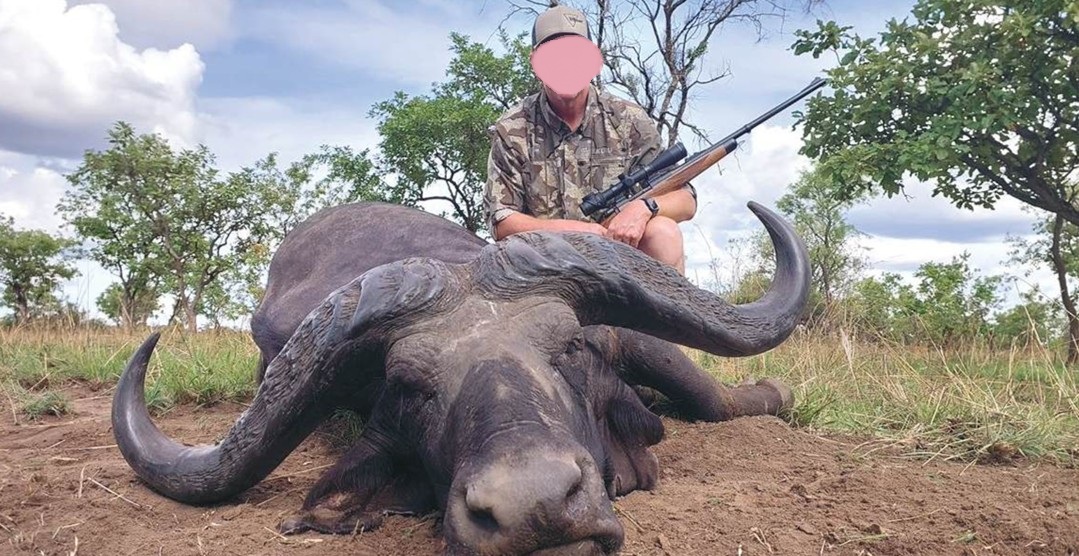
Nile Buffalo & Plains Game Safari in Karamoja, Uganda
Booking Season: 2026
Hunt Difficulty: Difficult
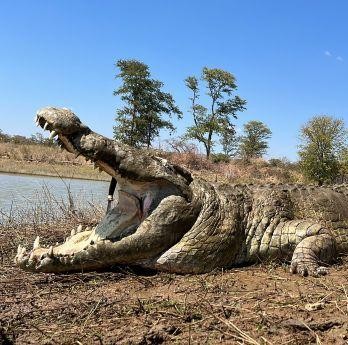
Lake Kariba Hippo & Crocodile Hunting Safari in Zimbabwe
Booking Season: 2026
Hunt Difficulty: Difficult
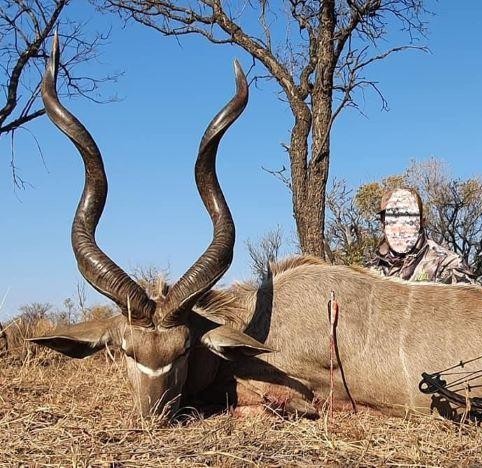
Spiral Horn Hunting Package in South Africa for 8 days
Booking Season: 2026
Hunt Difficulty: Moderate

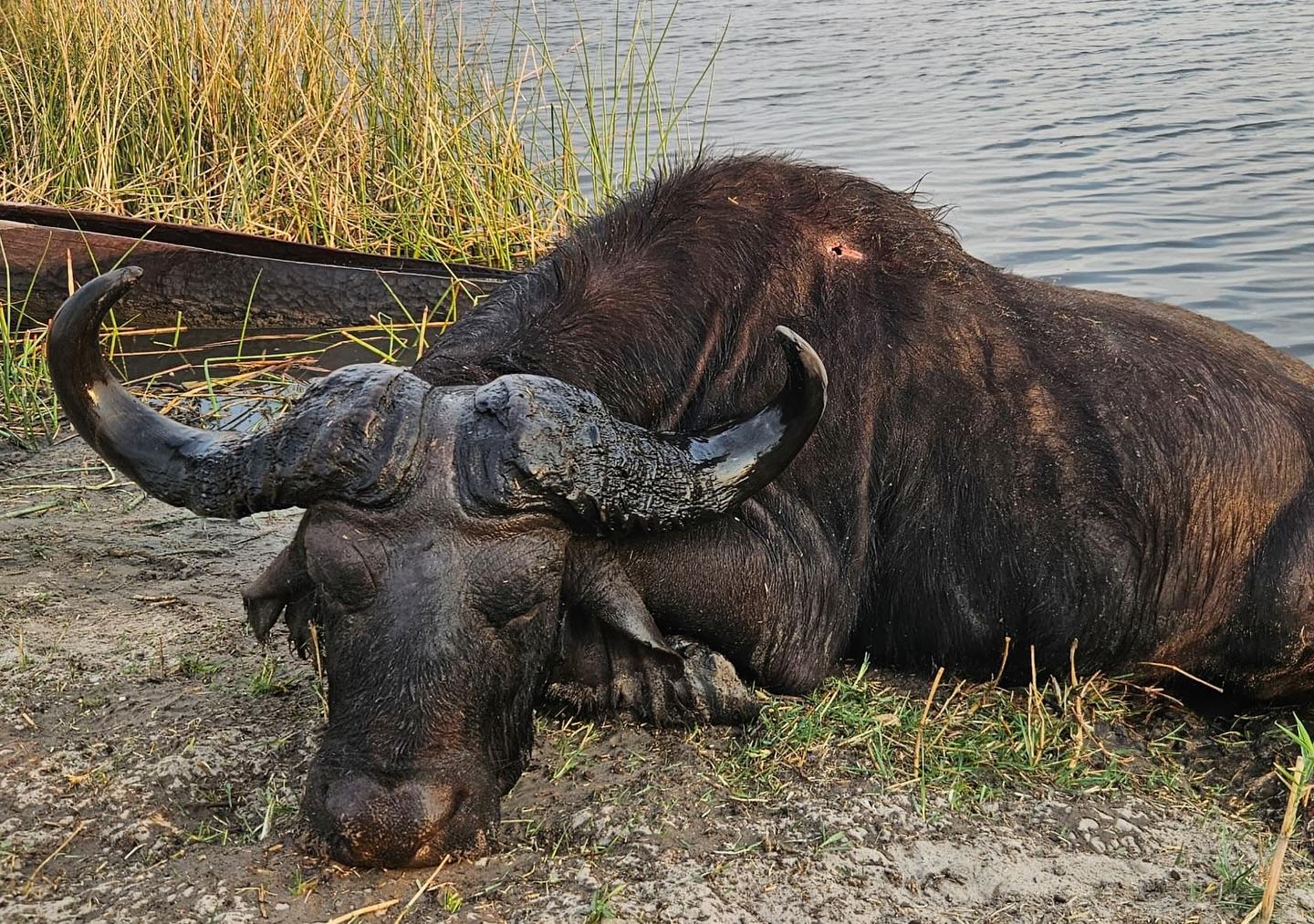
5 Full Day Zambezi Cape Buffalo Safari, Namibia
Booking Season: 2026
Hunt Difficulty: Difficult
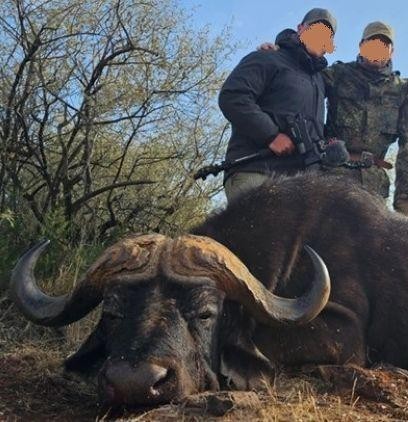
Trophy Cape Buffalo Hunt in South Africa 40” to 43”
Booking Season: 2026
Hunt Difficulty: Difficult
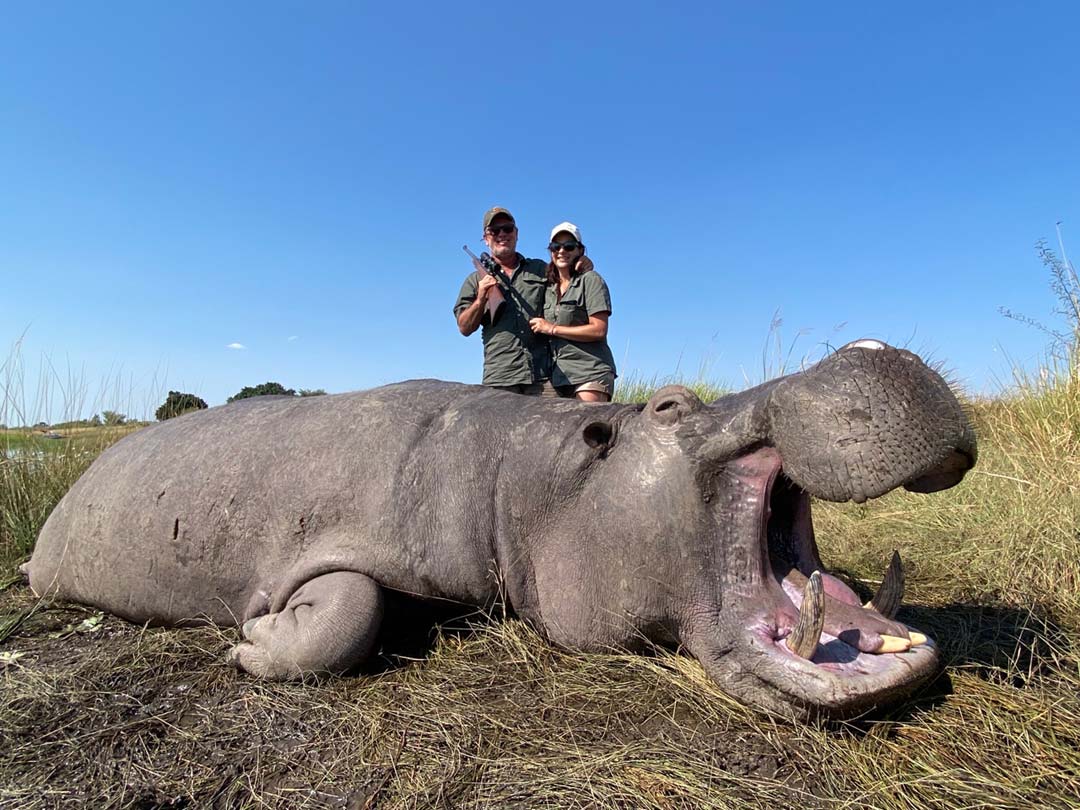
Non-Exportable Hippo Hunt Namibia | Zambezi (Caprivi Strip)
Booking Season: 2026
Hunt Difficulty: Difficult
Game Hunting Safaris offers African hunting safaris ranging from straightforward plains-game packages to dedicated dangerous-game hunts and longer multi-species trips. The difference matters when you start comparing prices. Some packages include specified trophy fees and a fixed number of hunting days. Others are priced around daily rates, with trophy fees and certain expenses added separately.
Some African hunting trips are built around a single trophy, while others offer several species within a fixed package. The right choice depends on what you want to hunt, the time you have available and how the safari is structured.
Before choosing a hunt, establish what the advertised price includes, how many full hunting days you receive, and whether the hunting area suits the animals you want to pursue.
Check out the top-rated and featured Hunting Safaris in Africa. Discover and Explore Africa’s Most Popular Game Hunting Experiences.
Featured African Hunts
Trophy Elephant Hunting in Zimbabwe, 14 Days in Hammond
Booking Season: 2026
Hunt Difficulty: Difficult
Cape Buffalo, Roosevelt Sable & Niassa Wildebeest Hunt in Mozambique
Booking Season: 2026
Hunt Difficulty: Difficult
Hunt Waterbuck, Wildebeest & Impala in South Africa
Booking Season: 2026
Hunt Difficulty: Moderate
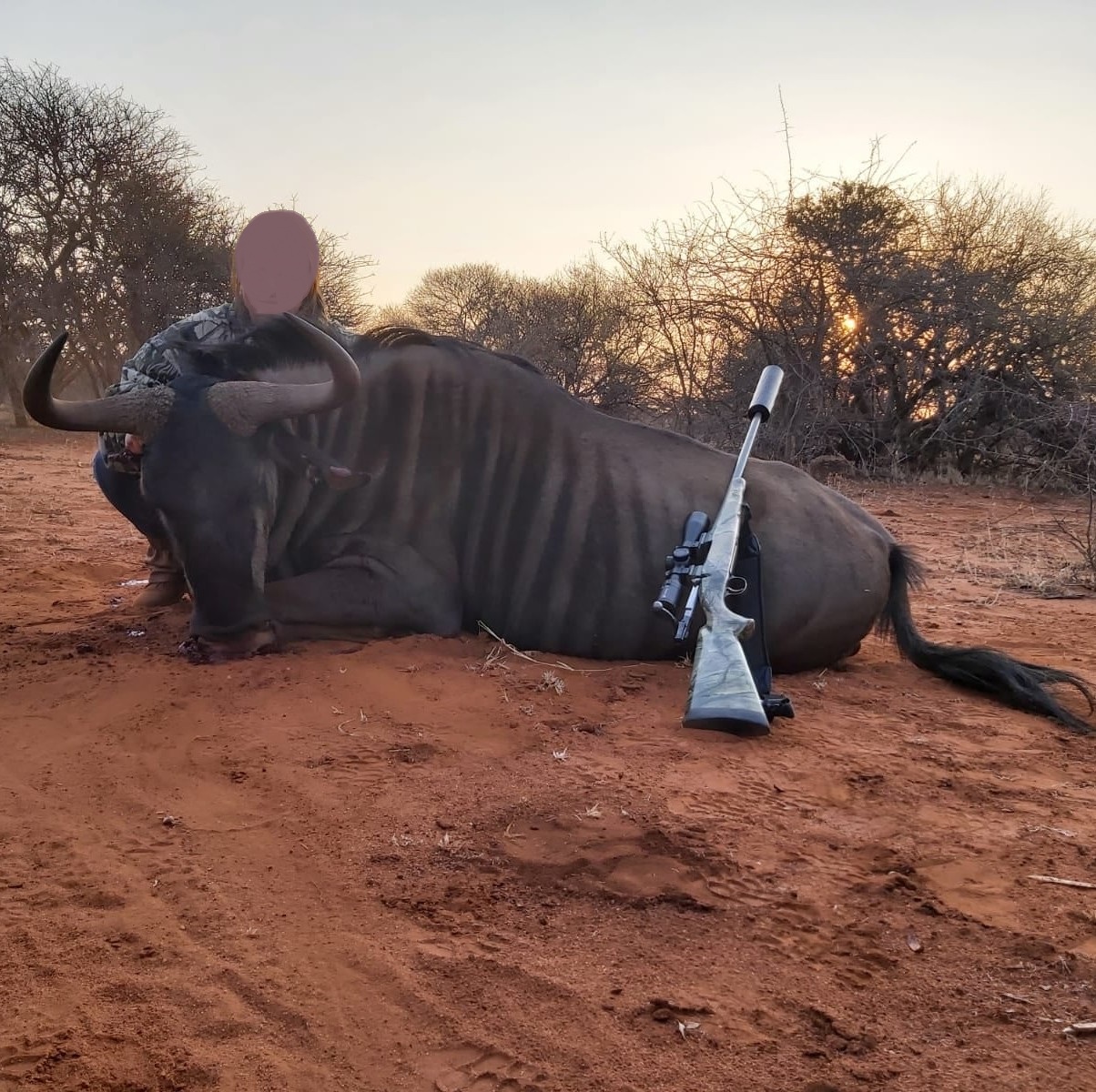
Hunt Wildebeest, Impala & Warthog in Limpopo, South Africa
Booking Season: 2026
Hunt Difficulty: Moderate
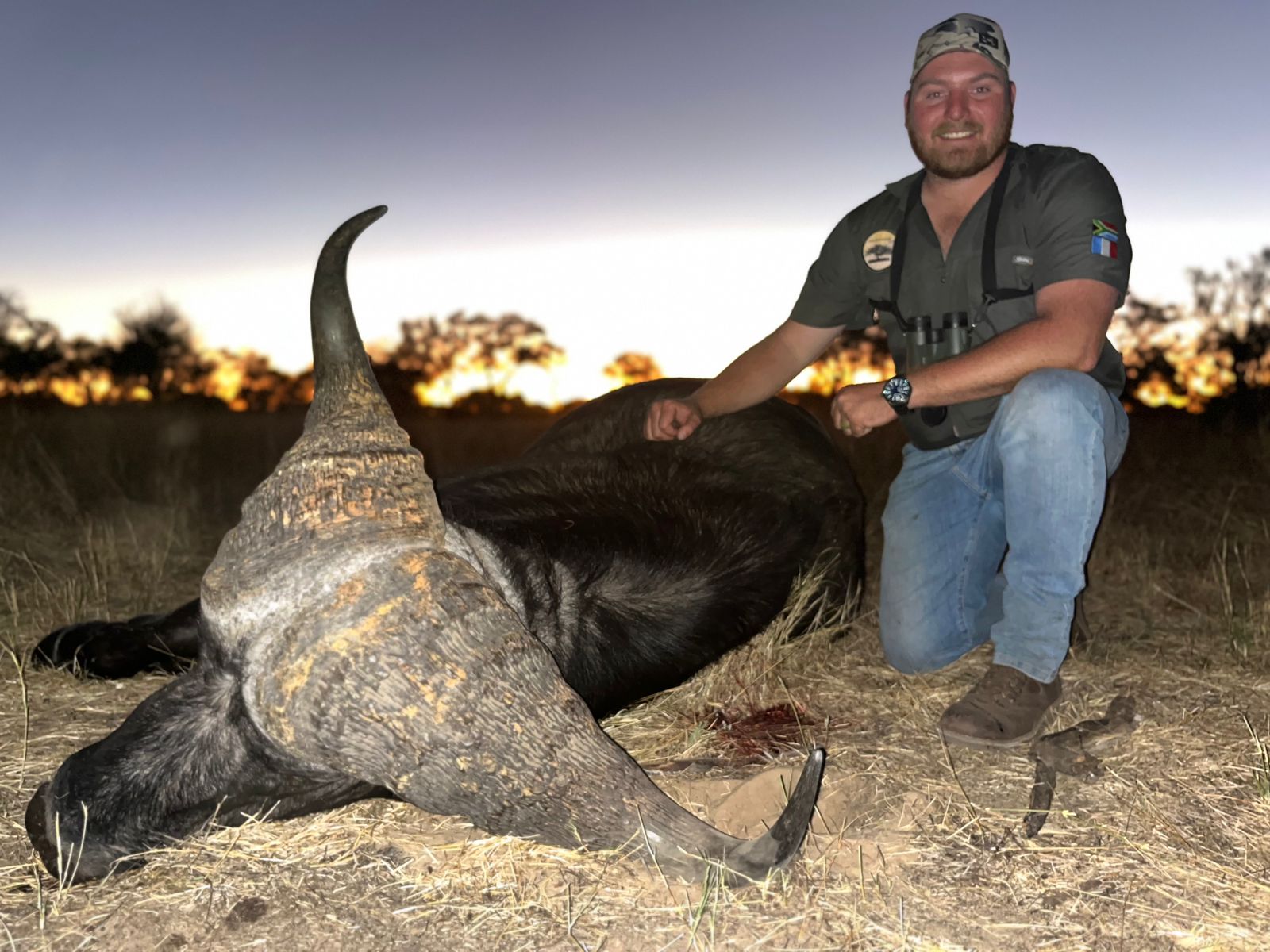
Cape Buffalo & Plains Game Hunting Safari in Zimbabwe
Booking Season: 2026
Hunt Difficulty: Difficult
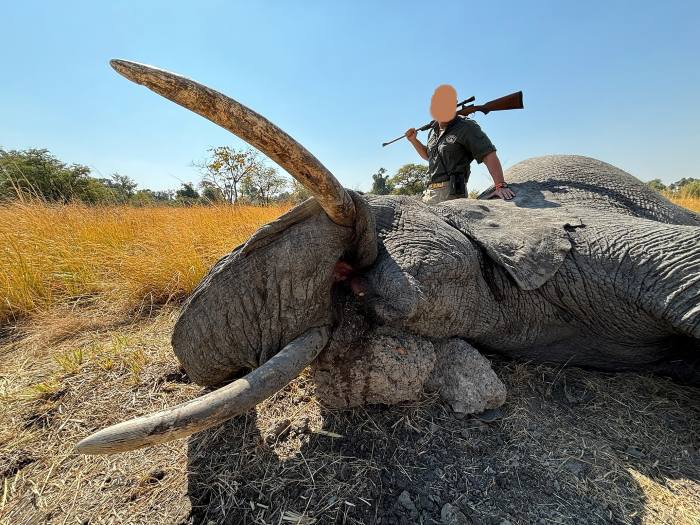
Exportable Trophy Elephant Hunt in Zambezi, Namibia
Booking Season: 2026
Hunt Difficulty: Difficult
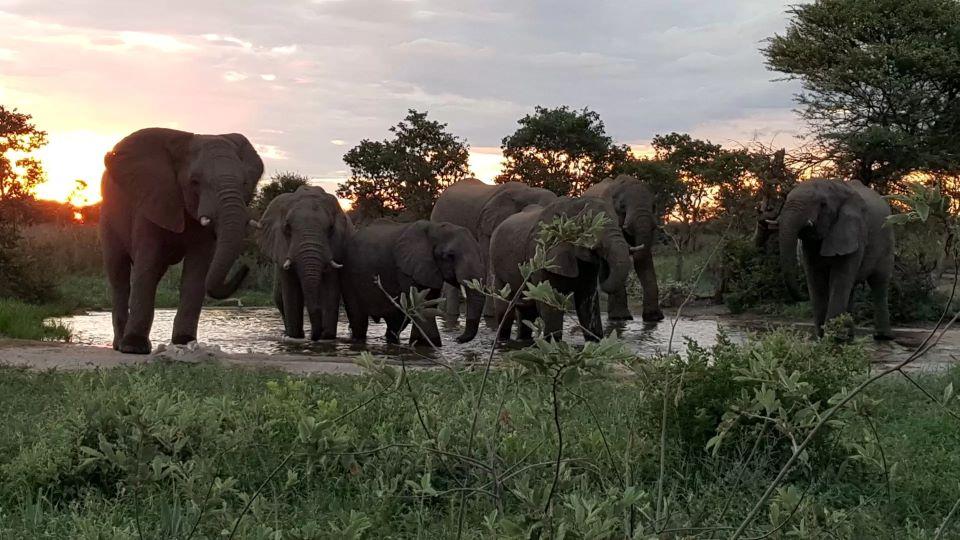
Non-Exportable Elephant Hunting in Namibia: Bushmanland
Booking Season: 2026
Hunt Difficulty: Difficult
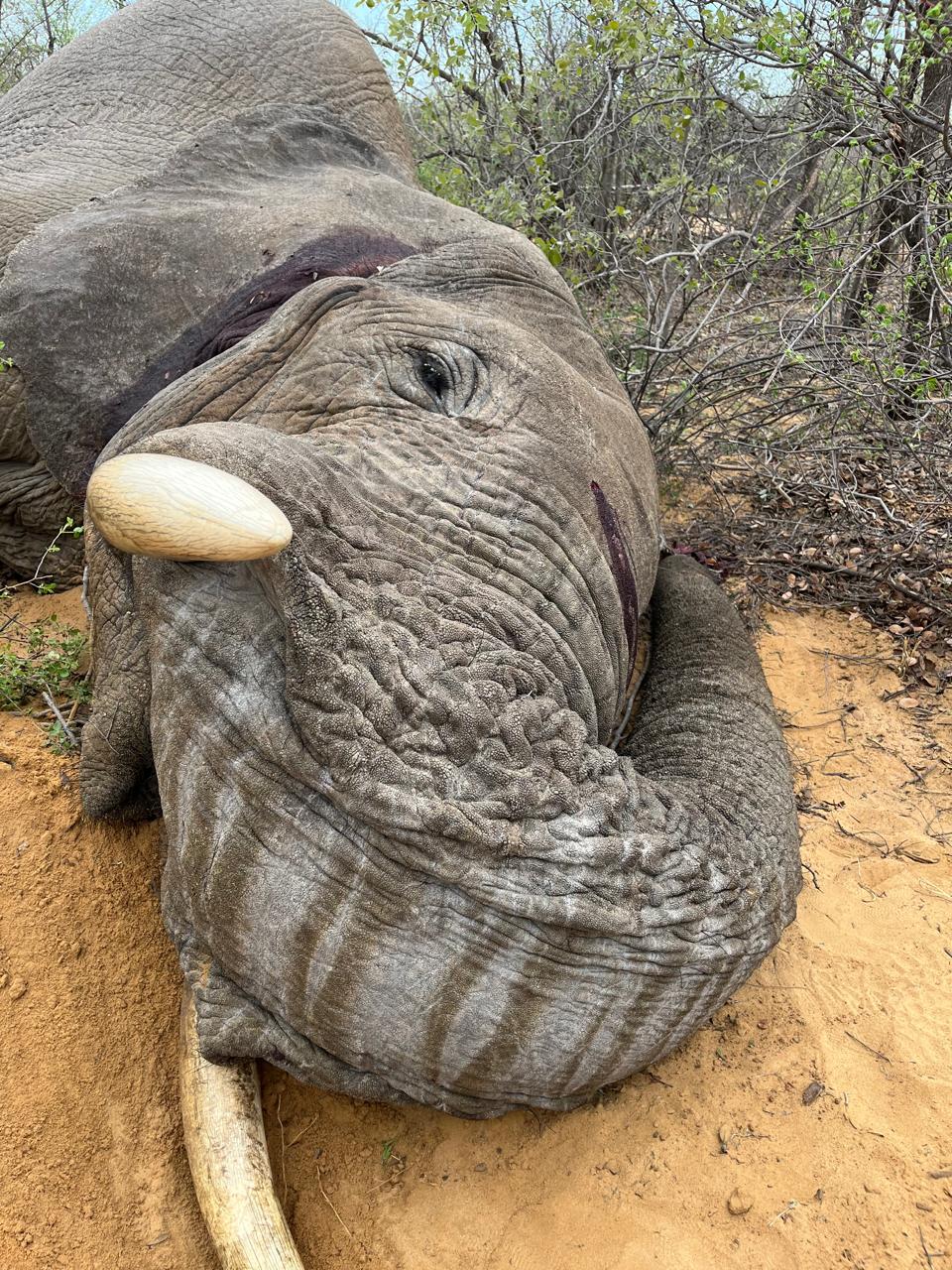
Exportable Caprivi Elephant Safari
Booking Season: 2026
Hunt Difficulty: Moderate, Difficult
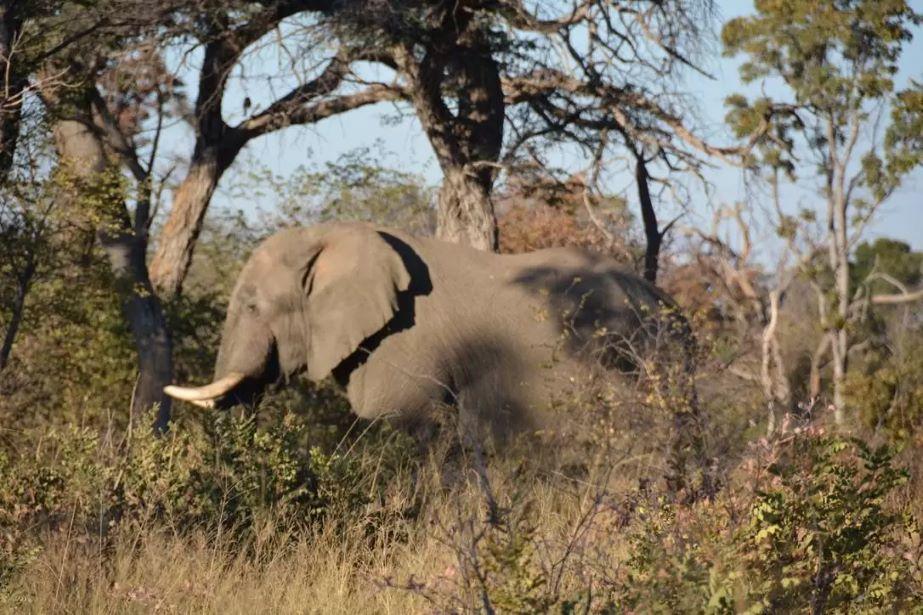
Namibia Trophy Elephant Safari | Bushmanland Conservancies
Booking Season: 2026
Hunt Difficulty: Difficult
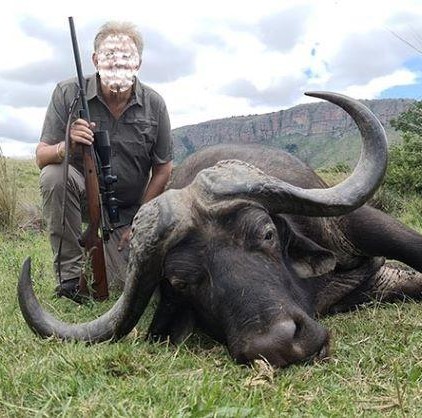
8-Night Waterberg Cape Buffalo Hunting Safari
Booking Season: 2026
Hunt Difficulty: Difficult
Discounted & Cancelled Hunts
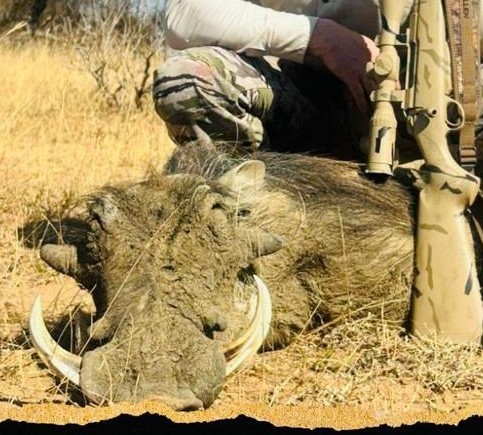
Safari Hunting in SA, 9 Nights and 5 x Plains Game Species
Booking Season: 2026
Hunt Difficulty: Moderate
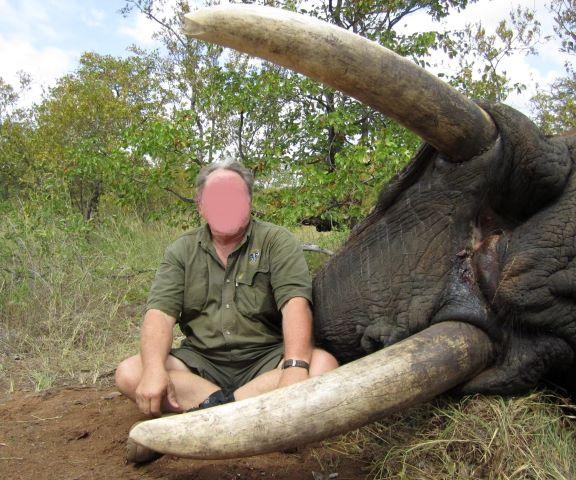
Non-Export Elephant Hunt in Namibia | Caprivi Safari
Booking Season: 2026
Hunt Difficulty: Difficult
Non-Exportable Elephant Hunting in Namibia: Bushmanland
Booking Season: 2026
Hunt Difficulty: Difficult
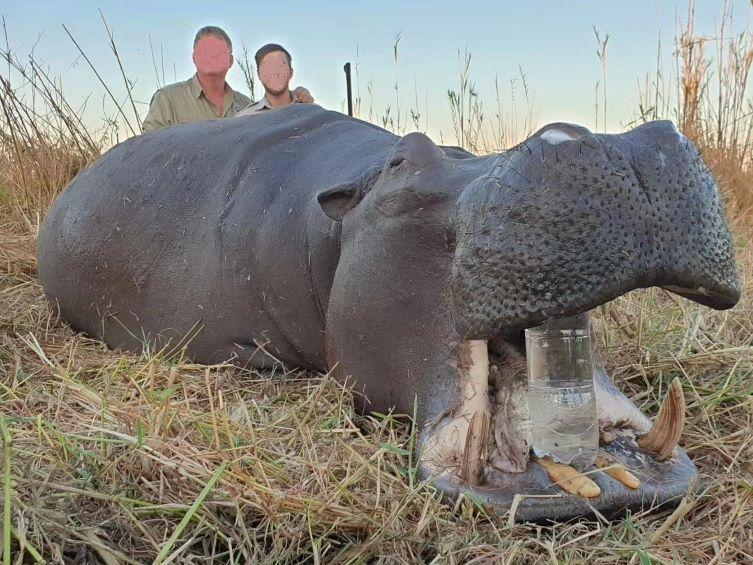
5-Day Exportable Hippo Hunt in Namibia’s Caprivi
Booking Season: 2026
Hunt Difficulty: Difficult
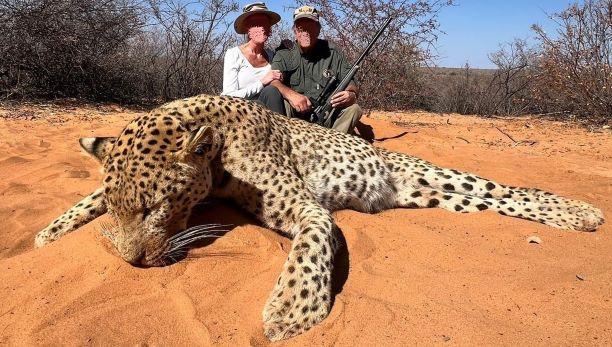
Leopard Safari in Bushmanland
Booking Season: 2026
Hunt Difficulty: Difficult
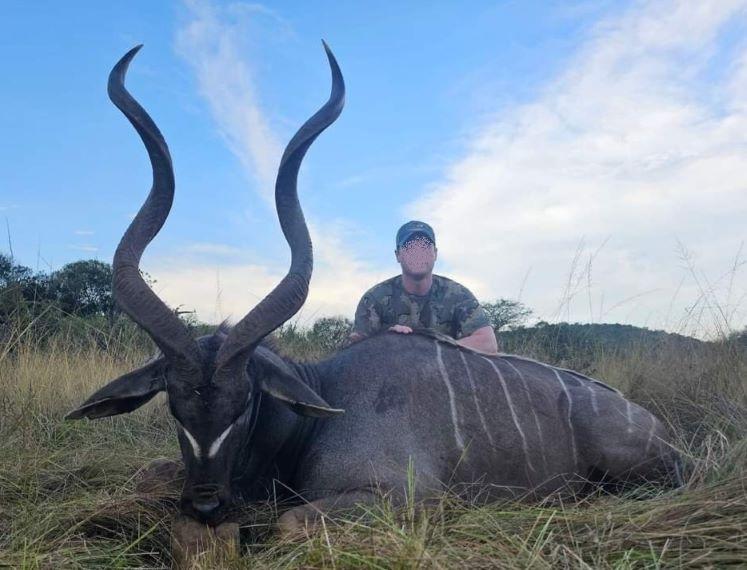
South African Plains Game Safari Trophy Nyala plus 5 Species
Booking Season: 2026
Hunt Difficulty: Moderate, Difficult
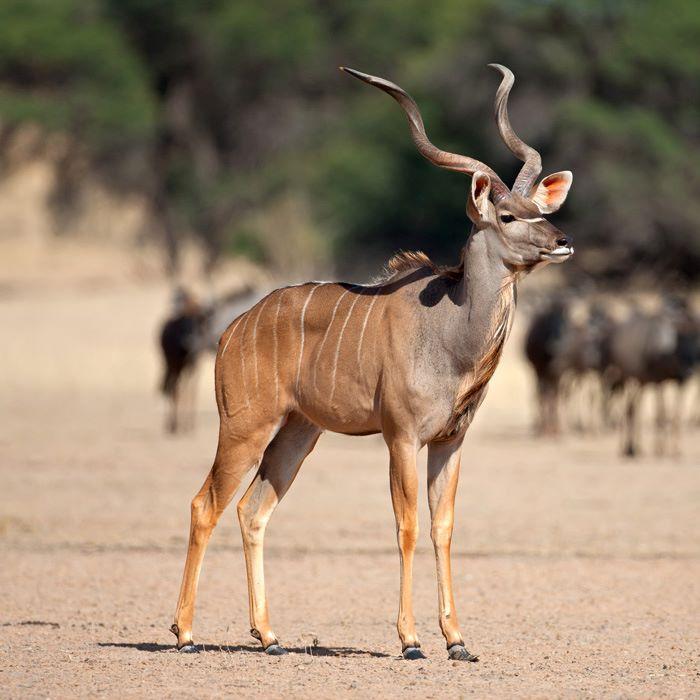
10 Days Kudu hunting bonanza and more for 2 Hunters in SA
Booking Season: 2026
Hunt Difficulty: Difficult
5 Full Day Zambezi Cape Buffalo Safari, Namibia
Booking Season: 2026
Hunt Difficulty: Difficult

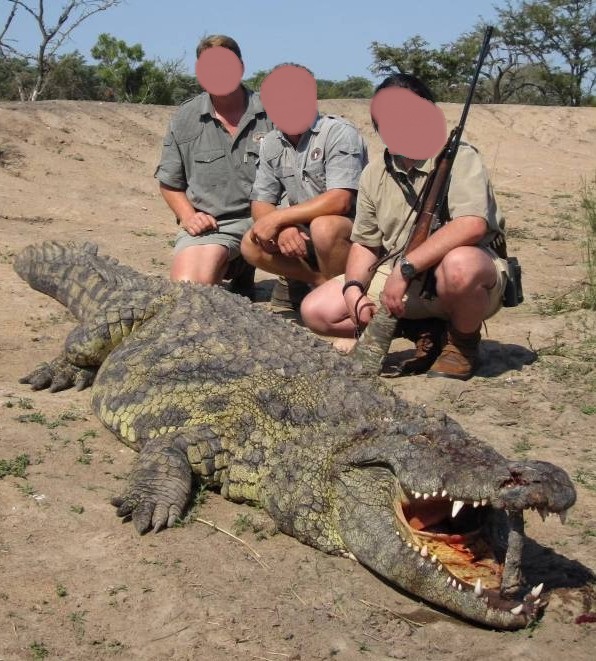
Non-Exportable Crocodile Hunt in Namibia’s Caprivi Strip
Booking Season: 2026
Hunt Difficulty: Moderate, Difficult
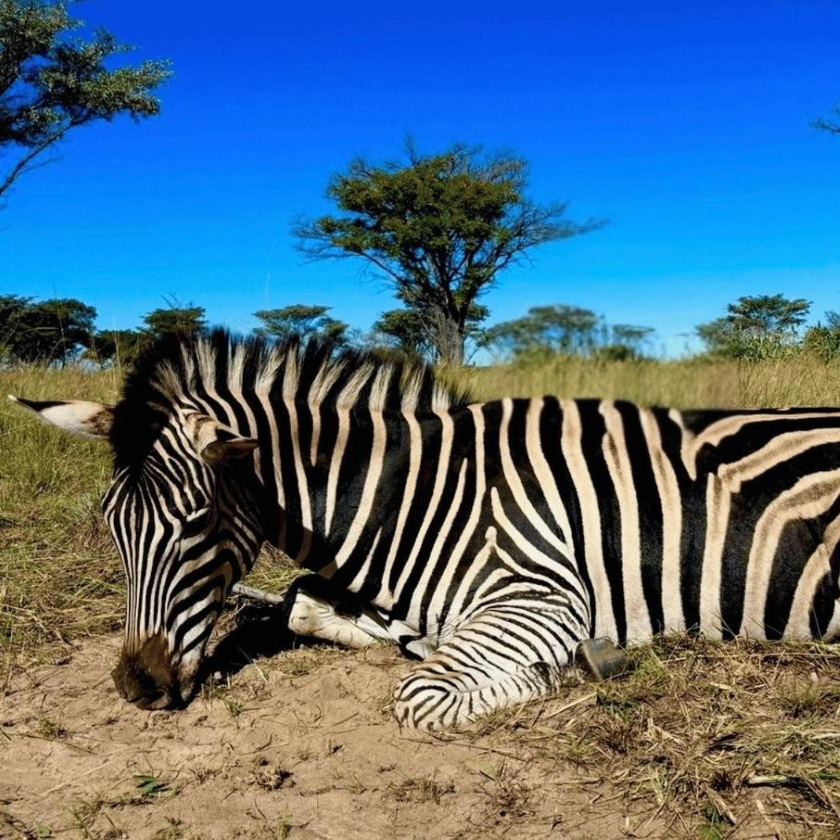
Wildebeest, Impala, Zebra, Warthog & Blesbok Hunts in Limpopo
Booking Season: 2026
Hunt Difficulty: Moderate
Packaged Hunts
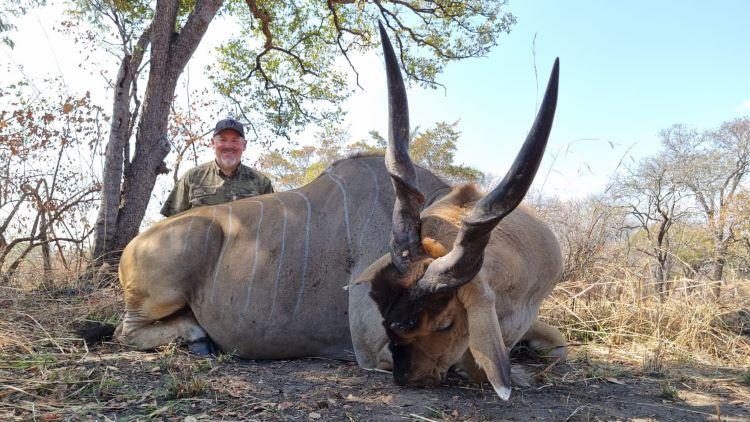
10x African Plains Game Trophies in 10 Days in Limpopo, SA
Booking Season: 2026
Hunt Difficulty: Moderate, Difficult
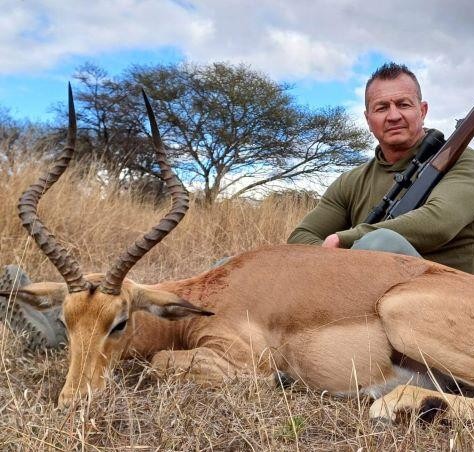
South Africa Hunting Trip, Plains Game Special in Limpopo
Booking Season: 2025
Hunt Difficulty: Moderate
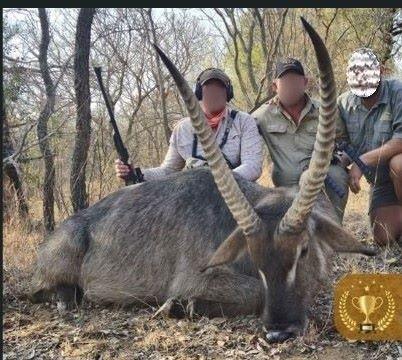
African Hunting Safari SA Golden Wildebeest plus 4 Species
Booking Season: 2026
Hunt Difficulty: Moderate
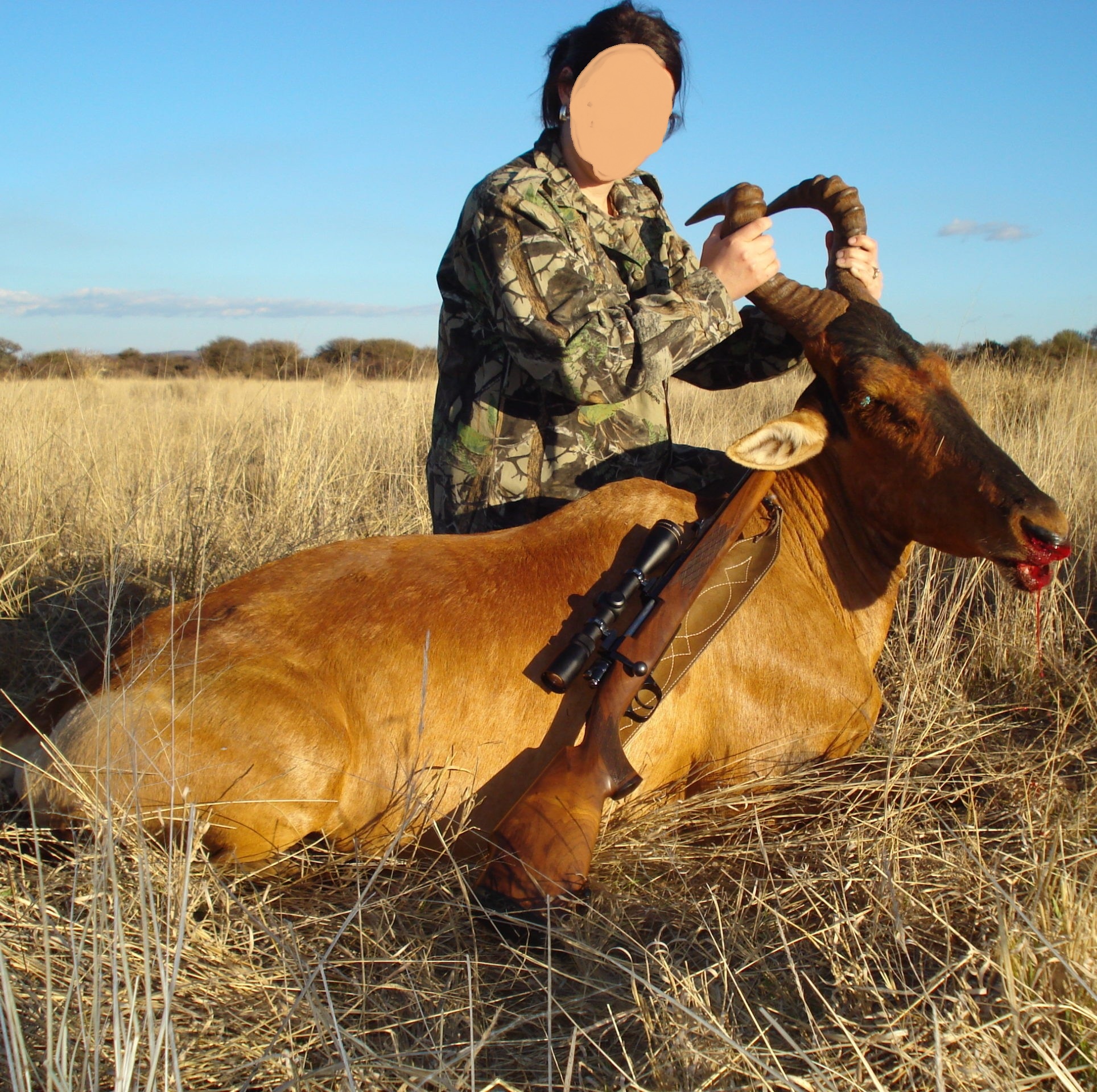
Hunting in South Africa: Tsessebe, Impala, Waterbuck & 2 More Species
Booking Season: 2026
Hunt Difficulty: Moderate
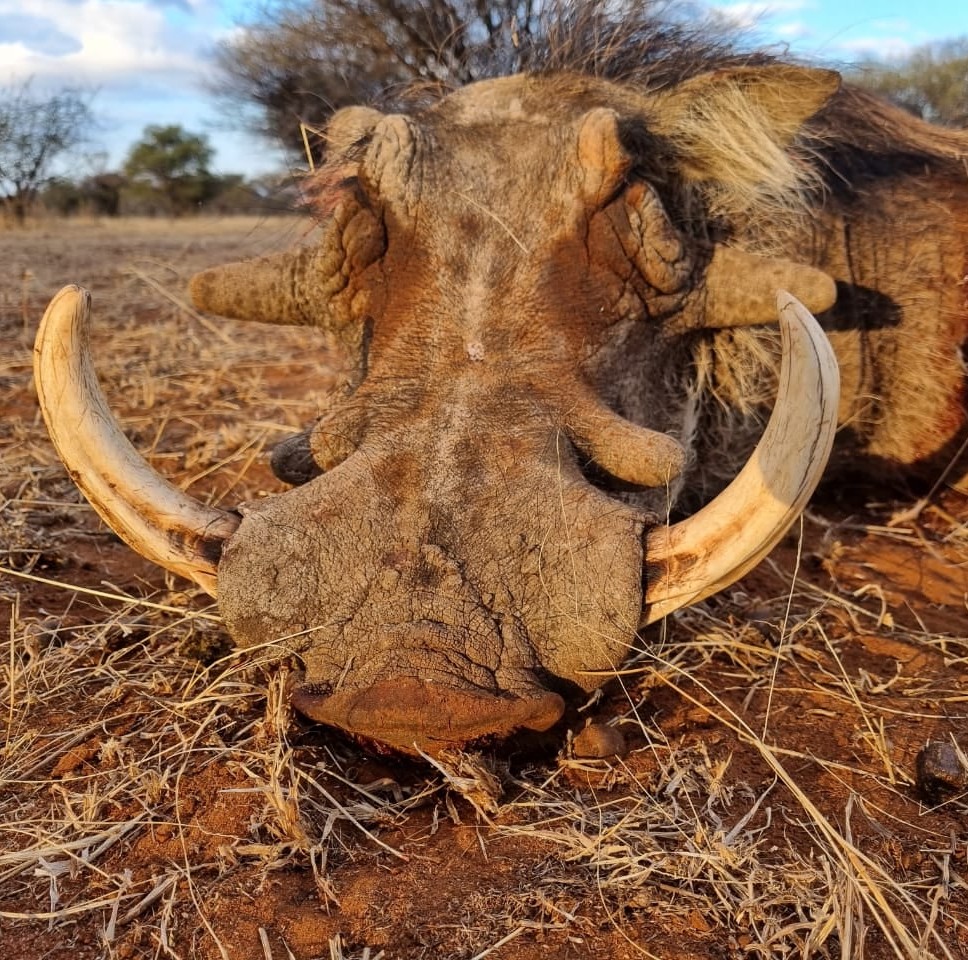
African Plains Game in Limpopo: Sable, Impala & Warthog Hunts
Booking Season: 2026
Hunt Difficulty: Moderate
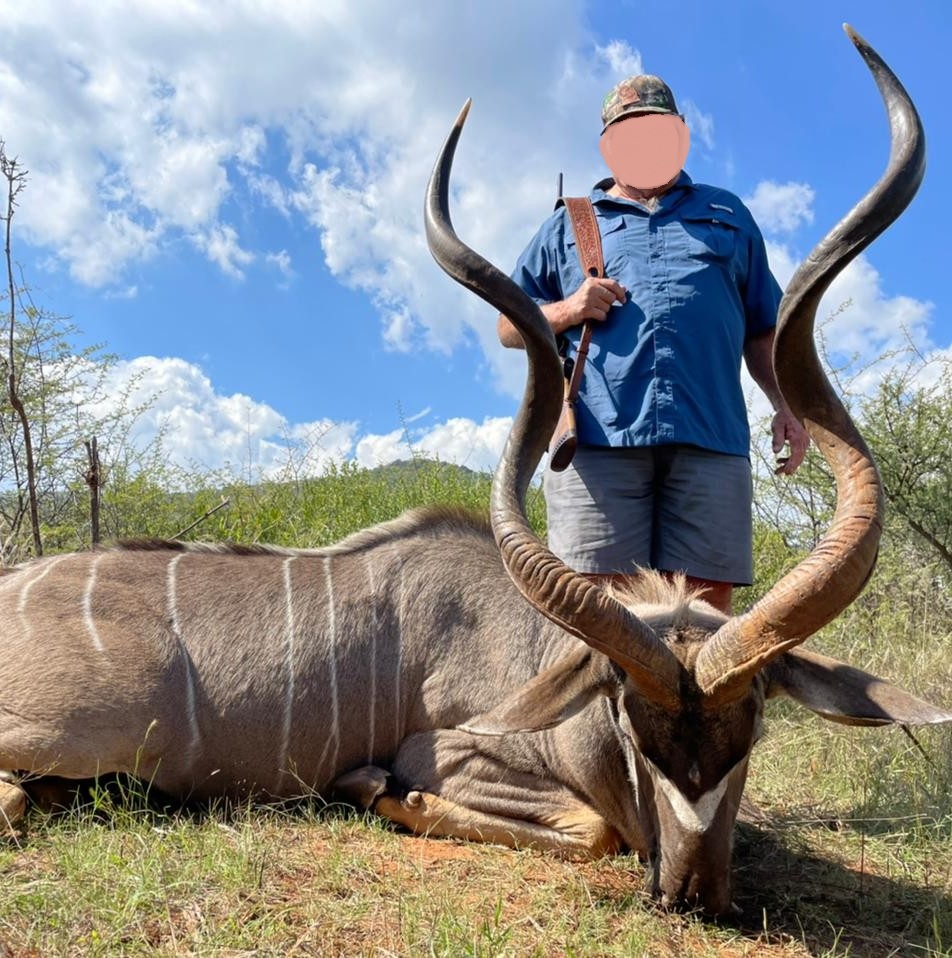
Plains Game Hunts in SA: Sable, Kudu, Warthog & 2 More Trophies
Booking Season: 2026
Hunt Difficulty: Moderate
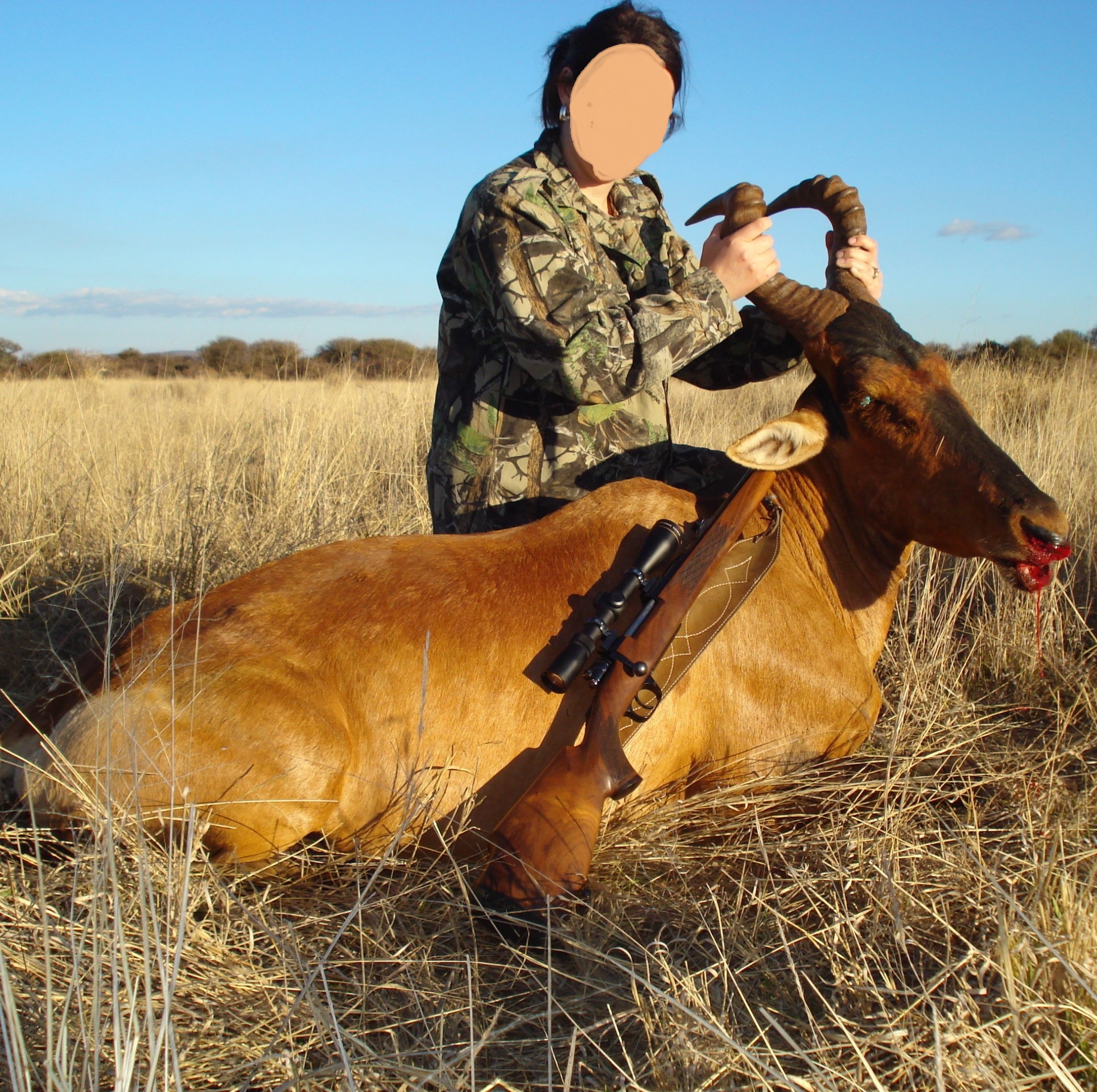
Hunt Kudu, Sable, Zebra, Gemsbok & 4 More Species in Limpopo
Booking Season: 2026
Hunt Difficulty: Moderate
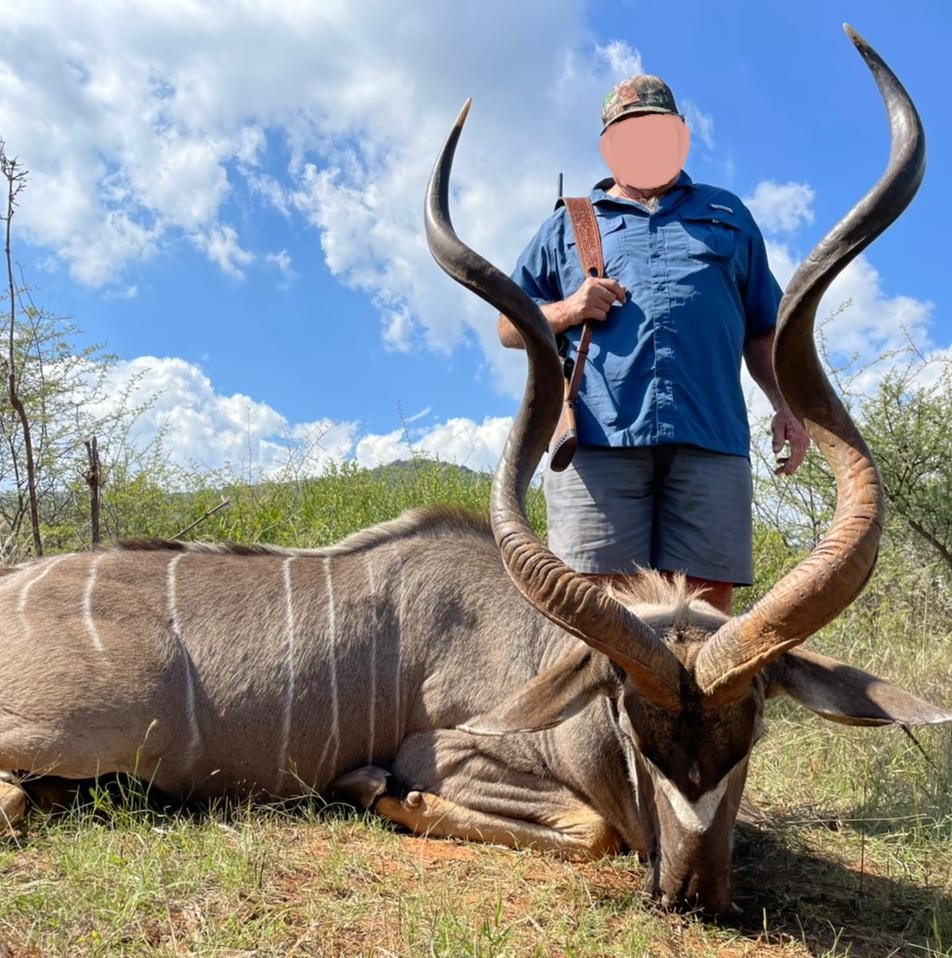
Plains Game Hunting in Limpopo: Kudu, Impala & 2 More Species
Booking Season: 2026
Hunt Difficulty: Moderate
Hunt Blesbok, Wildebeest, Impala & Warthog in Limpopo
Booking Season: 2026
Hunt Difficulty: Moderate
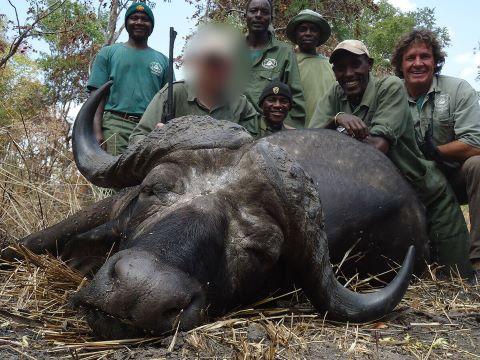
A Classic Cape Buffalo Safari in Tanzania's Legendary Selous
Booking Season: 2026
Hunt Difficulty: Difficult
Top Hunting Categories
Top Hunting Destinations in Africa
A plains-game safari built around six or eight species gives a hunter considerable flexibility. A dedicated leopard or Cape buffalo hunt is different. The safari is planned around finding one particular animal, and the hunting area, available days and experience of the professional hunter become especially important.
Dangerous-game safaris are usually planned around a particular species rather than a long trophy list. A hunter booking Cape buffalo, elephant, lion or leopard needs to establish whether the hunting area holds the right animals, whether the required hunting opportunities are available, and how much time the safari allows for the primary objective.
A buffalo hunt in a remote Zimbabwe concession requires a different commitment from a shorter South African buffalo package. The same applies when comparing dedicated leopard or elephant safaris: available hunting days, the particular area and the professional hunter's experience can determine whether the trip suits your expectations. Explore our dangerous game hunting opportunities before comparing individual packages.
Hunters specifically interested in pursuing the traditional five animals can explore our Big Five hunting safaris, while our big game hunting opportunities cover a broader range of African species, including large antelope, hippopotamus and crocodile.
When comparing Cape buffalo hunts, establish what kind of buffalo is included in the price and where you will be hunting. A South African package offering a particular class of bull is a different proposition from a free-range safari in Zimbabwe or Tanzania. Trophy fees, the number of hunting days and the availability of suitable mature bulls all deserve attention before booking.
Before booking elephant hunting safaris, establish whether the hunt is for a trophy bull, tuskless elephant or another legally available category. These are different hunting opportunities, with different costs, conditions and availability. Quotas, permits and safari duration also vary by country and hunting area. A trophy-bull hunt and a tuskless-elephant hunt should never be compared on price alone.
With lion hunting, the first decision is what kind of hunt you want. A wild lion safari in Tanzania or Zimbabwe differs considerably from the lion-hunting opportunities available in South Africa. The origin of the lions, hunting arrangements and trophy-import considerations should be established before comparing safaris.
Leopard hunting safaris require careful attention to the hunting area and the experience of the professional hunter. A leopard licence alone tells you little about the prospects of taking a suitable animal. Ask about recent leopard activity, the hunting methods permitted, how the safari is structured and how many days are dedicated to leopard before considering additional species.
Plains game hunts offer considerably more flexibility when building a safari. Some packages include a fixed selection of animals at an agreed price, while others allow hunters to choose species according to individual trophy fees. A hunter primarily interested in kudu and eland may need a different area from someone wanting gemsbok, springbok and several smaller antelope.
A package listing six animals is only comparable with another six-animal package once the included species, trophy fees and substitution conditions are understood. Some plains-game safaris can also incorporate specialist species such as hyena hunts, where legally available and properly arranged.
Before paying a deposit, establish exactly what you are booking. Two safaris advertising the same species and similar prices may differ in hunting days, trophy fees, hunting areas and contractual conditions. The following questions can expose those differences before they become expensive surprises.
Not all hunting areas operate under the same model. Understanding whether the hunt takes place in a genuinely free-range environment or within a managed hunting property is essential when comparing safari experiences. Don't hesitate to ask how the area is managed, how wildlife moves through the concession, and what type of hunting you can realistically expect.
Daily rates, accommodation, meals, airport transfers, licences, firearm permits, trophy preparation, and trophy fees can vary significantly between outfitters. Always request a clear breakdown of what is included before booking, and compare packages carefully rather than simply looking at the advertised daily rate.
Travel, taxidermy, trophy shipping and gratuities should also be considered when calculating the total cost. For a detailed breakdown, see our African Hunting Safari Prices guide.
Hunters can underestimate how quickly an African safari passes. Clarify the number of actual hunting days, rather than simply counting nights in camp, and make sure your itinerary allows enough time to pursue your priority species without feeling rushed.
A wounded animal may still incur the full trophy fee, even if it is never recovered. Establish how the outfitter defines a wounded animal, what recovery efforts are included, and whether the hunt can continue for another animal if the first is lost. These conditions should be clear in the hunting agreement before you arrive in camp.
Reputable outfitters are usually happy to provide references from previous hunters. Speaking directly with past clients often provides valuable insight into the hunting area, camp atmosphere, professionalism, communication, and overall safari experience.
Before paying a deposit, ask how your booking funds are protected and what cancellation terms apply. Payment arrangements differ between outfitters, so hunters should understand who receives the funds, when payments become non-refundable and what protection exists if the safari cannot proceed. Our guide to African Hunting Safari Payments, Escrow & Financial Protection explains the available payment structures and the questions to ask before transferring money.
Read the most recent articles from our Blog. 19 October 2026 18 October 2026 12 October 2026 12 October 2026 11 October 2026 11 October 2026
From the Blog
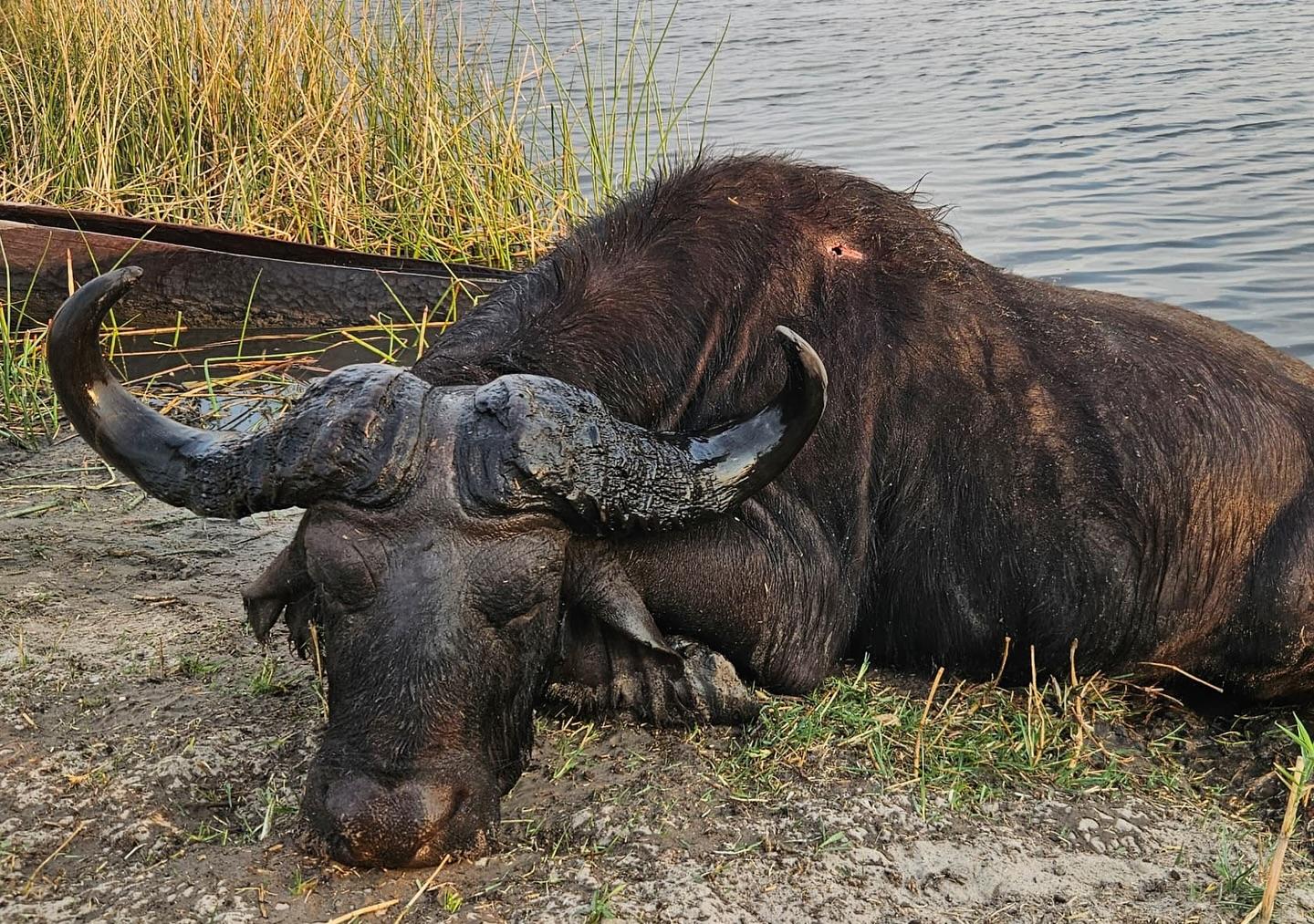
When Should Your PH Take a Backup Shot on a Cape Buffalo Hunt?
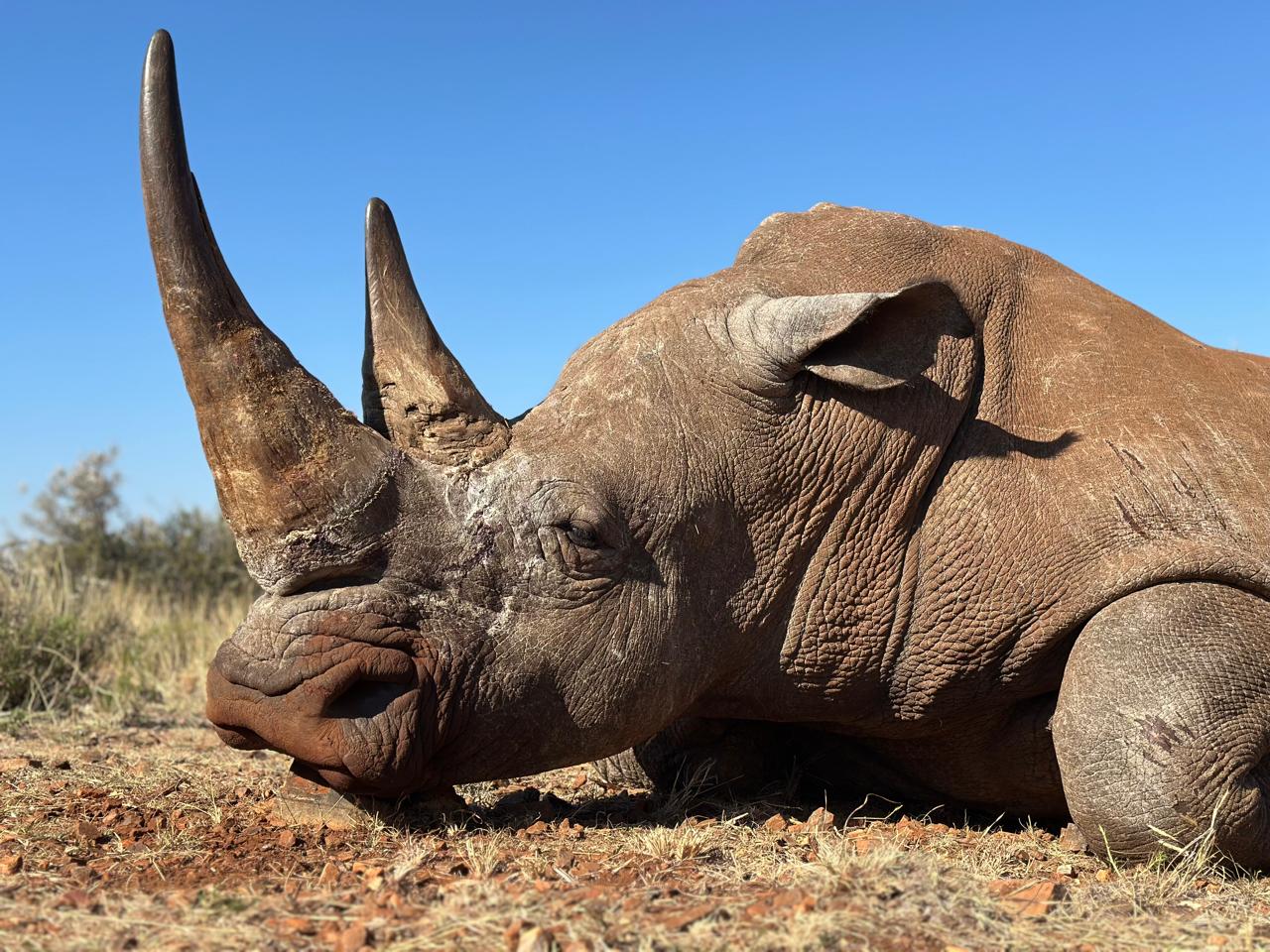
What Should You Confirm Before Paying a Deposit on a Rhino Hunt?
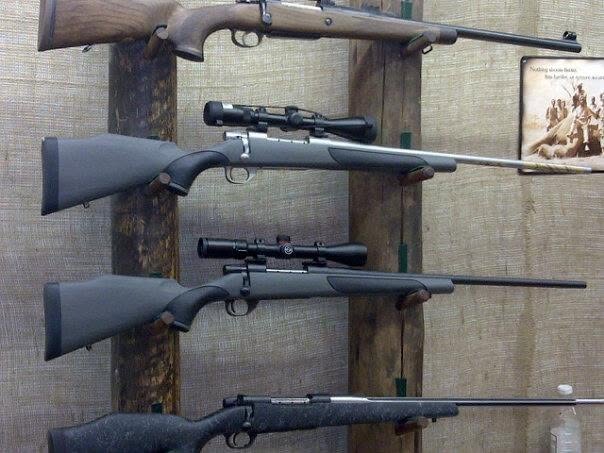
Does Rifle Choice in Mozambique Depend on Where You Hunt?
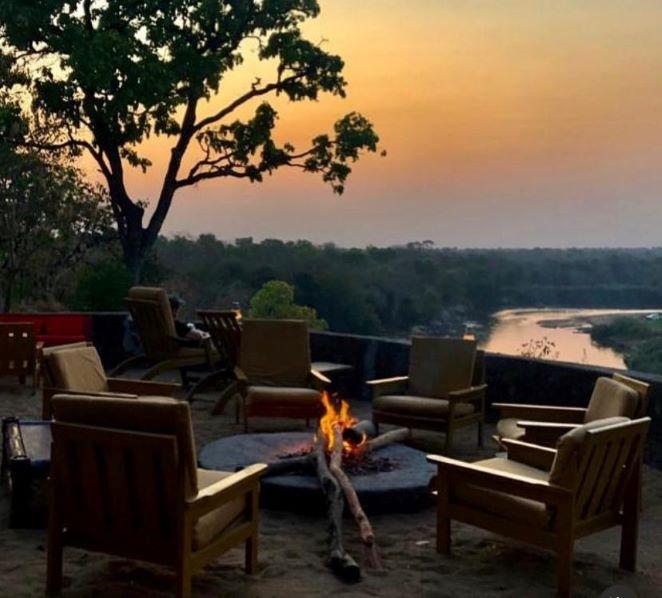
The Best Cameroon Hunting Area Depends on What You Came to Hunt
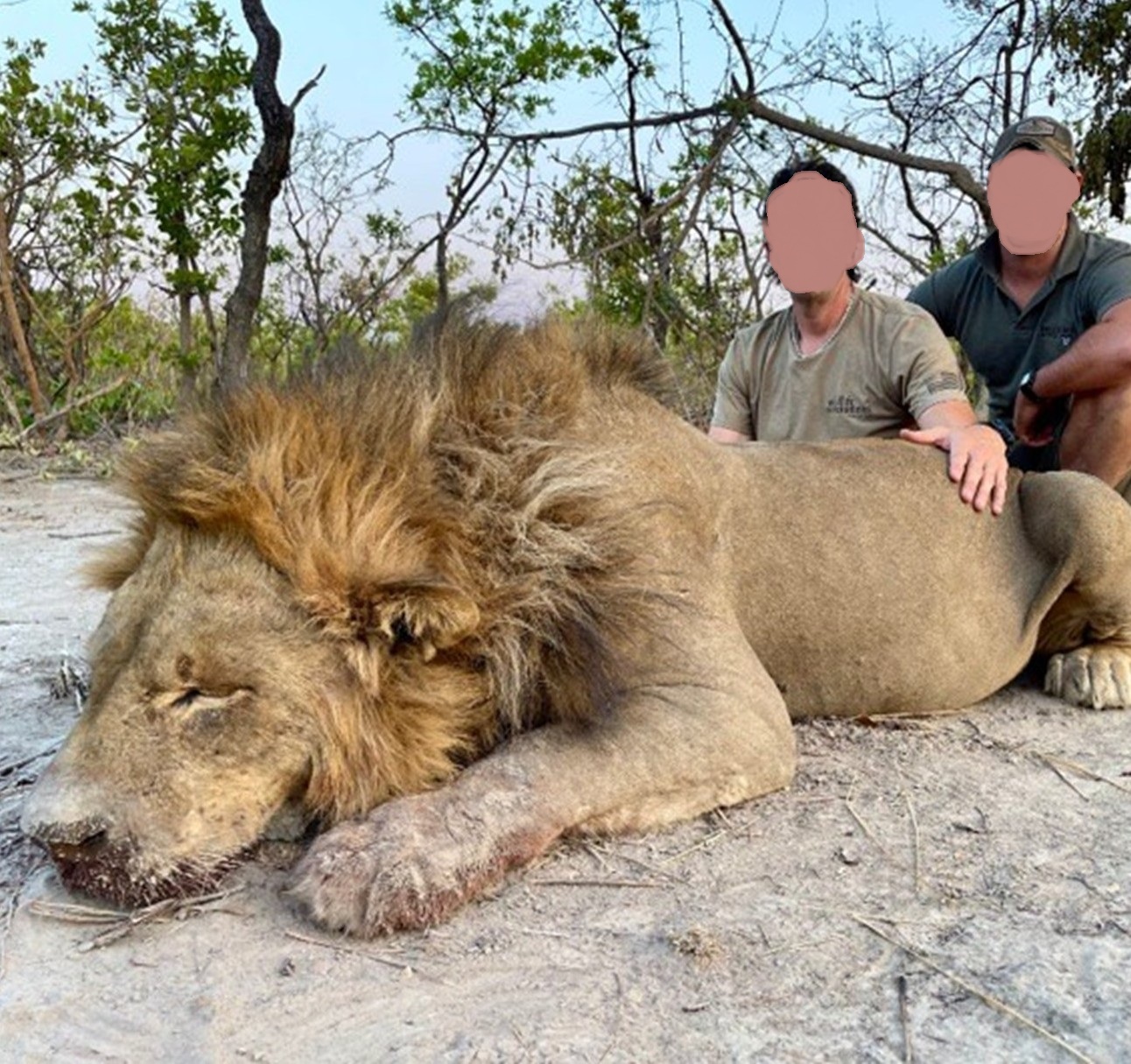
Hunting a Wild Lion in Daylight
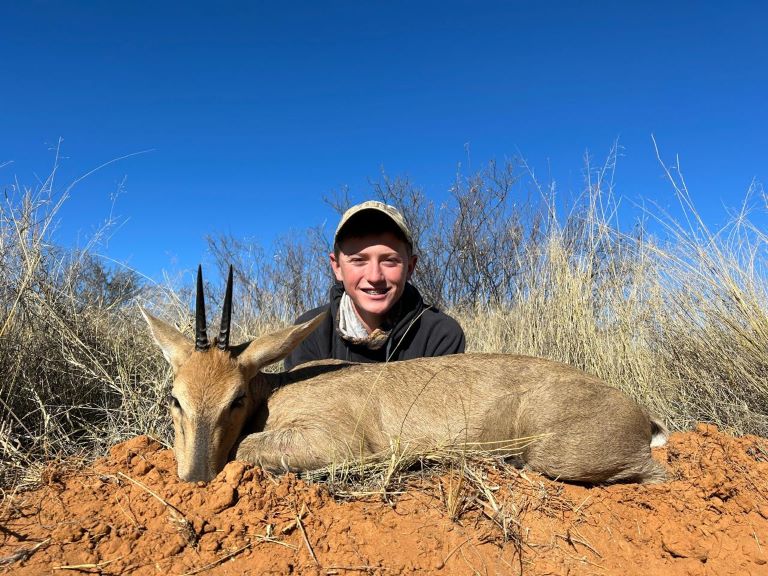
Choosing the Right Plains-Game Hunt in Botswana
One of the biggest decisions when planning an African hunting trip is choosing the destination that best matches your hunting goals. Every country offers different species, landscapes, hunting traditions, and safari experiences, making it worthwhile to compare your options before booking.
Zimbabwe Hunting Safaris appeal to hunters looking for traditional dangerous-game hunts, particularly Cape buffalo, elephant and leopard. Many safaris take place in extensive hunting concessions where tracking, available quota and the condition of the hunting area influence what can realistically be achieved. Establish which species are on the licence and how many full hunting days are allocated to your primary animal.
Tanzania Hunting Safaris are a larger commitment in both time and money. Traditional safaris are often structured around 10-, 14- or 21-day arrangements, with the species included depending on the safari category and available quota. Hunters considering Tanzania should establish what their particular package permits, rather than assuming every advertised safari offers the same dangerous-game opportunities.
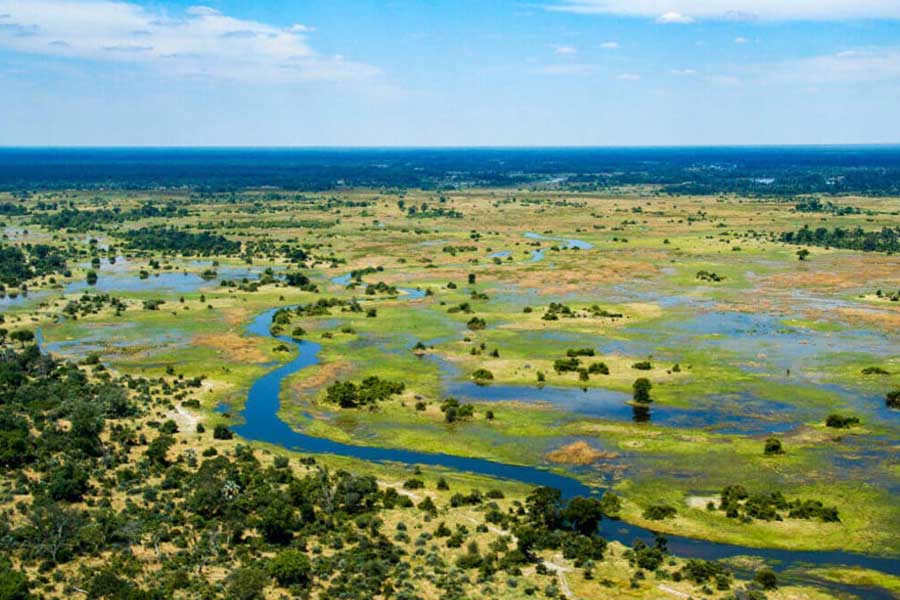
Hunting in Mozambique offers everything from dedicated Cape buffalo safaris to mixed dangerous-game and plains-game hunts. But Mozambique's hunting areas differ considerably. Floodplains, river systems and thick woodland can produce very different hunting conditions. The actual concession, species availability and hunting arrangements matter more than a general promise of wilderness hunting.
For hunters planning their first African safari, South Africa Hunting Safaris and Namibia Hunting Safaris are both excellent starting points, but they offer different opportunities. South Africa provides considerable flexibility in package structures, species combinations and hunting areas. Namibia is particularly attractive to hunters wanting traditional plains-game hunting across larger, often more open country. In either destination, the actual property, available species and hunting arrangements matter more than the country name alone.
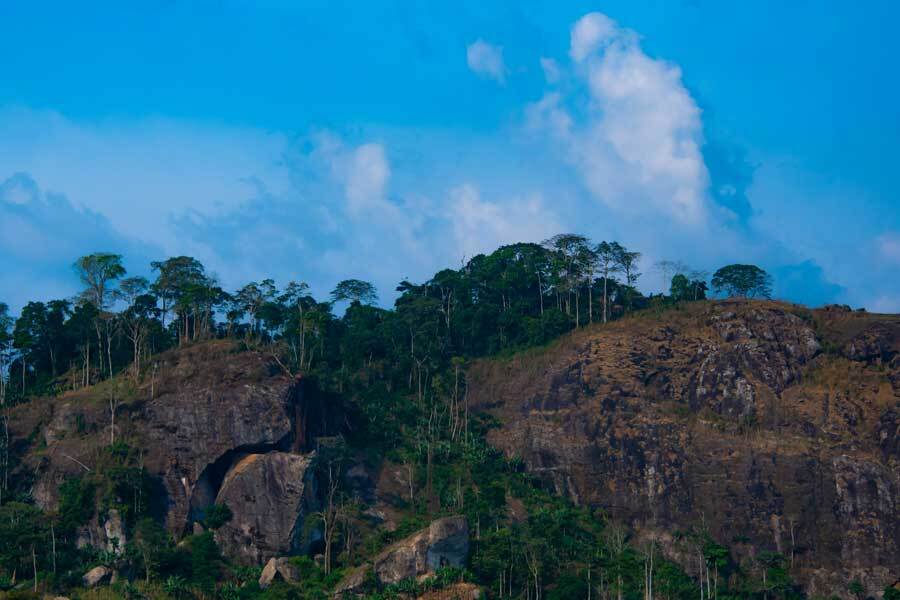
Forest hunting trips require a different approach from the more familiar plains-game safaris of southern Africa. In Cameroon and Gabon, dense vegetation, limited visibility and specialised tracking conditions can make even locating the intended species a considerable undertaking.
Before booking, establish which species are available in the particular hunting area, how the hunt is conducted and whether the safari allows sufficient time for your primary objective. A dedicated bongo hunt, for example, is a very different proposition from a general plains-game package.
Zambia hunting safaris are worth considering for hunters interested in traditional dangerous-game hunting, particularly Cape buffalo, leopard and selected other species. Hunting conditions and available quotas differ between Zambia's Game Management Areas (GMAs), making the specific area and operator important considerations.
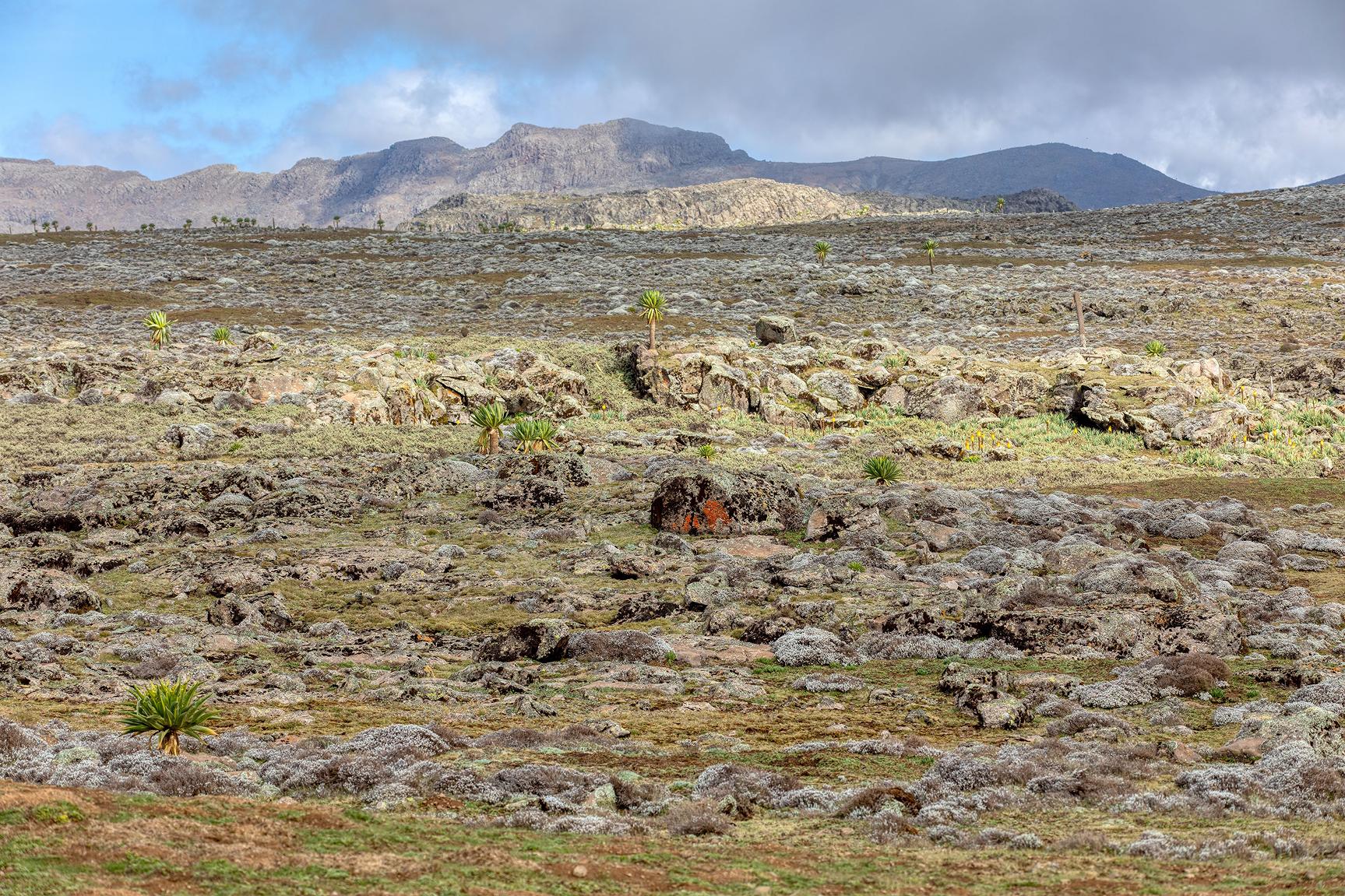
Ethiopia hunting safaris appeal to hunters pursuing specialist mountain species, particularly mountain nyala. These hunts require careful consideration of terrain, physical demands and the time allocated to locating the intended animal.
Uganda hunting safaris offer opportunities for hunters interested in East African plains game and species not commonly available in southern Africa. A species appearing on Uganda's national hunting list does not necessarily mean it can be hunted in the concession included in your package.
For hunters considering Republic of Congo hunting safaris, rainforest conditions, specialist tracking and the logistics of reaching remote hunting areas are major considerations. These are highly specialised hunts where the experience of the operator and the suitability of the hunting area deserve particular attention.
Game Hunting Safaris helps hunters compare African hunting opportunities before committing to an outfitter. We discuss your priorities, examine suitable hunting areas and introduce you directly to the people who will run your safari.
A hunt that looks attractive on paper isn't necessarily the right hunt for you. Our role is to help establish those differences before you pay a deposit, rather than simply point you towards the cheapest available package.
Not sure which safari best suits your plans? Contact us and we'll help you compare suitable hunting opportunities before making a decision.”
Our hunting expeditions have taken us into very different parts of Africa, from pursuing Cape buffalo in Mozambique's Marromeu region to hunting lion in South Africa's Kalahari and elephant in Namibia's Bushmanland. We've also hunted hippopotamus, giraffe, eland and other plains-game species.
The accounts below cover a wide range of African hunting experiences, including the challenges, people and decisions encountered along the way. They give hunters a closer look at the experience behind our advice when comparing hunting trips.
A collection of some of our most unforgettable moments in the wild. From the sweeping plains to the dense
forests, these photos showcase the landscapes, wildlife, and experiences that have defined our hunting
expeditions.
GHS in the Field
Wild Hippo Hunting In The Zambezi Region, Namibia
View Expedition Details
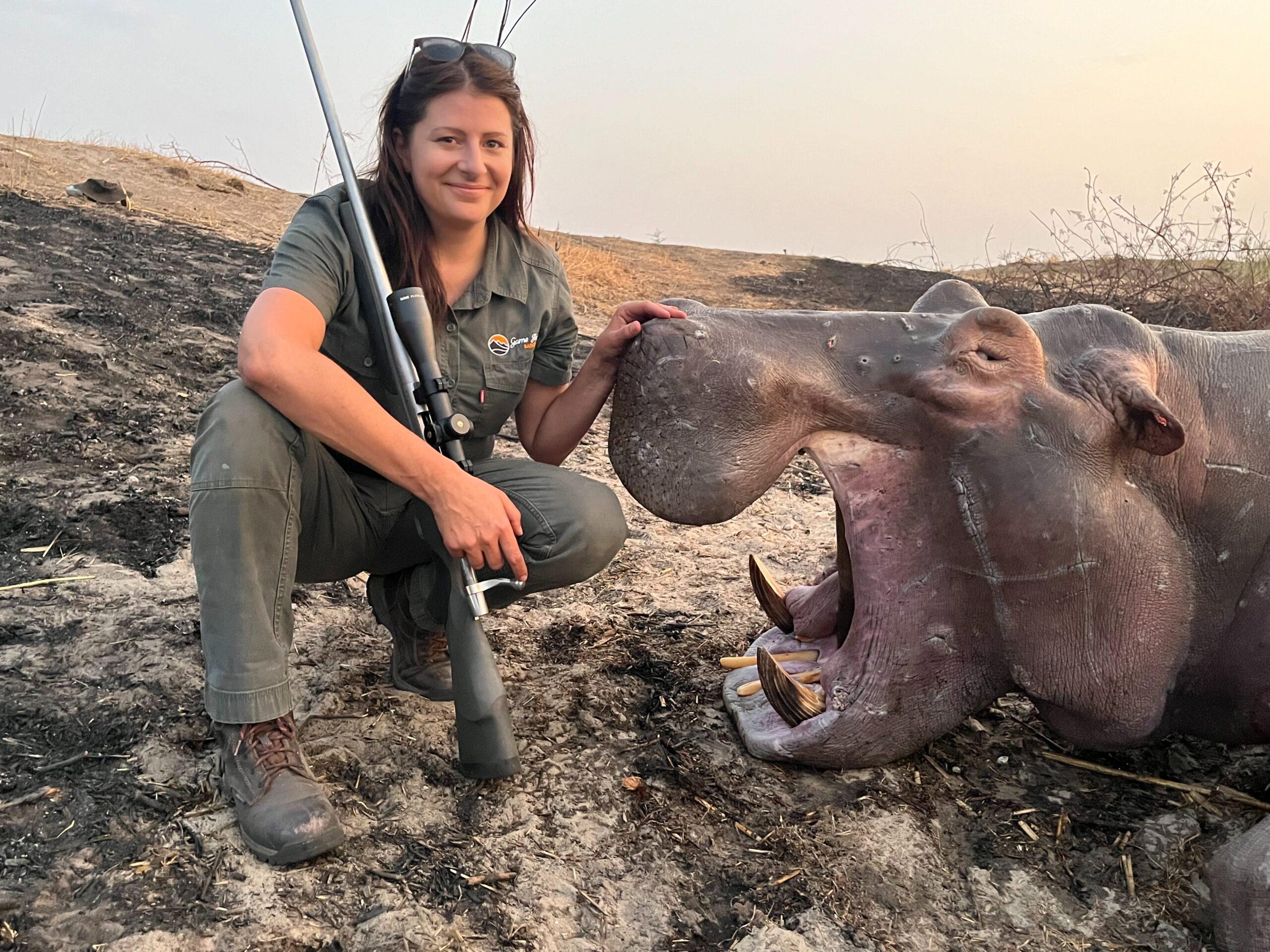
Hippo Hunting In The Zambezi Region (Caprivi Strip) Namibia
View Expedition Details
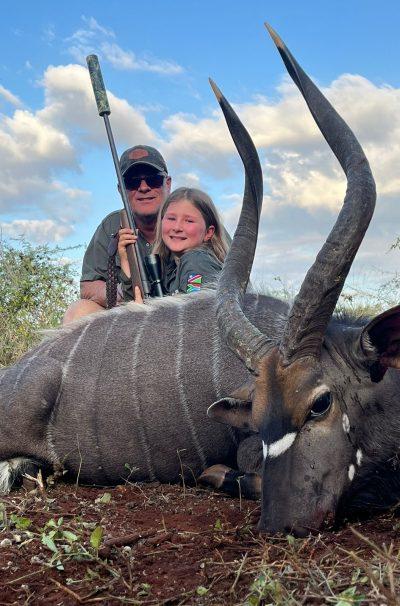
The Africa Plains Game safari, Trophy Nyala In KZN, SA
View Expedition Details
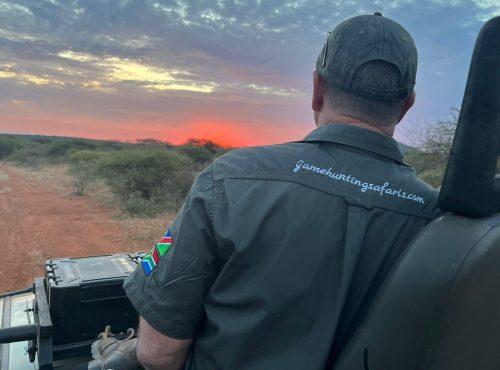
Hyena Hunting in South Africa | Safari Experience
View Expedition Details
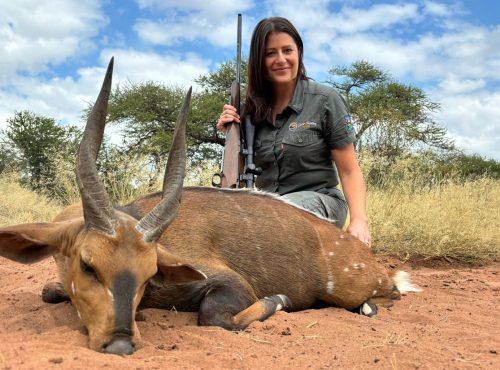
Bushbuck Hunting Safari in Limpopo | Stalking Africa’s Most Elusive Antelope
View Expedition Details
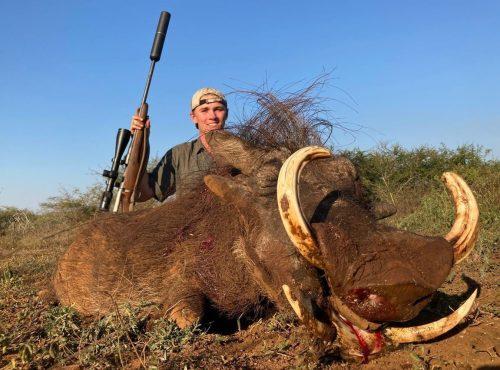
Warthog Hunting in Pongola, KwaZulu-Natal, South Africa
View Expedition Details
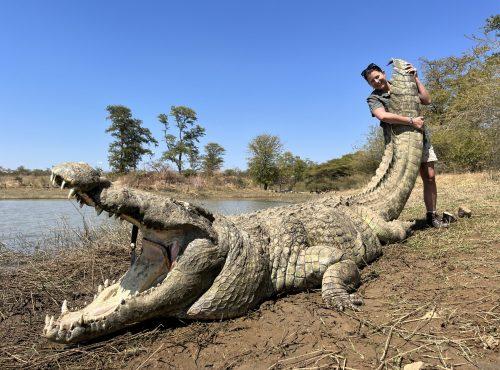
Monster Crocodile Hunting in Mozambique | Lake Cahora Bassa Safari
View Expedition Details
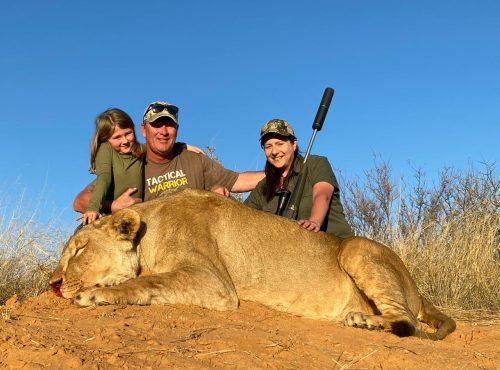
Lion Hunting In South Africa, Kalahari Desert Safari
View Expedition Details
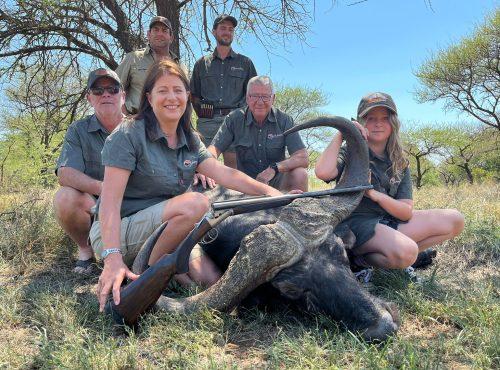
Dangerous Cape Buffalo Hunting Safari in Limpopo
View Expedition Details
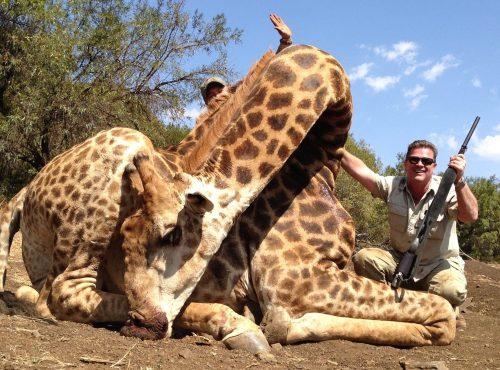
Giraffe Hunting Safari | North West Province, South Africa
View Expedition Details
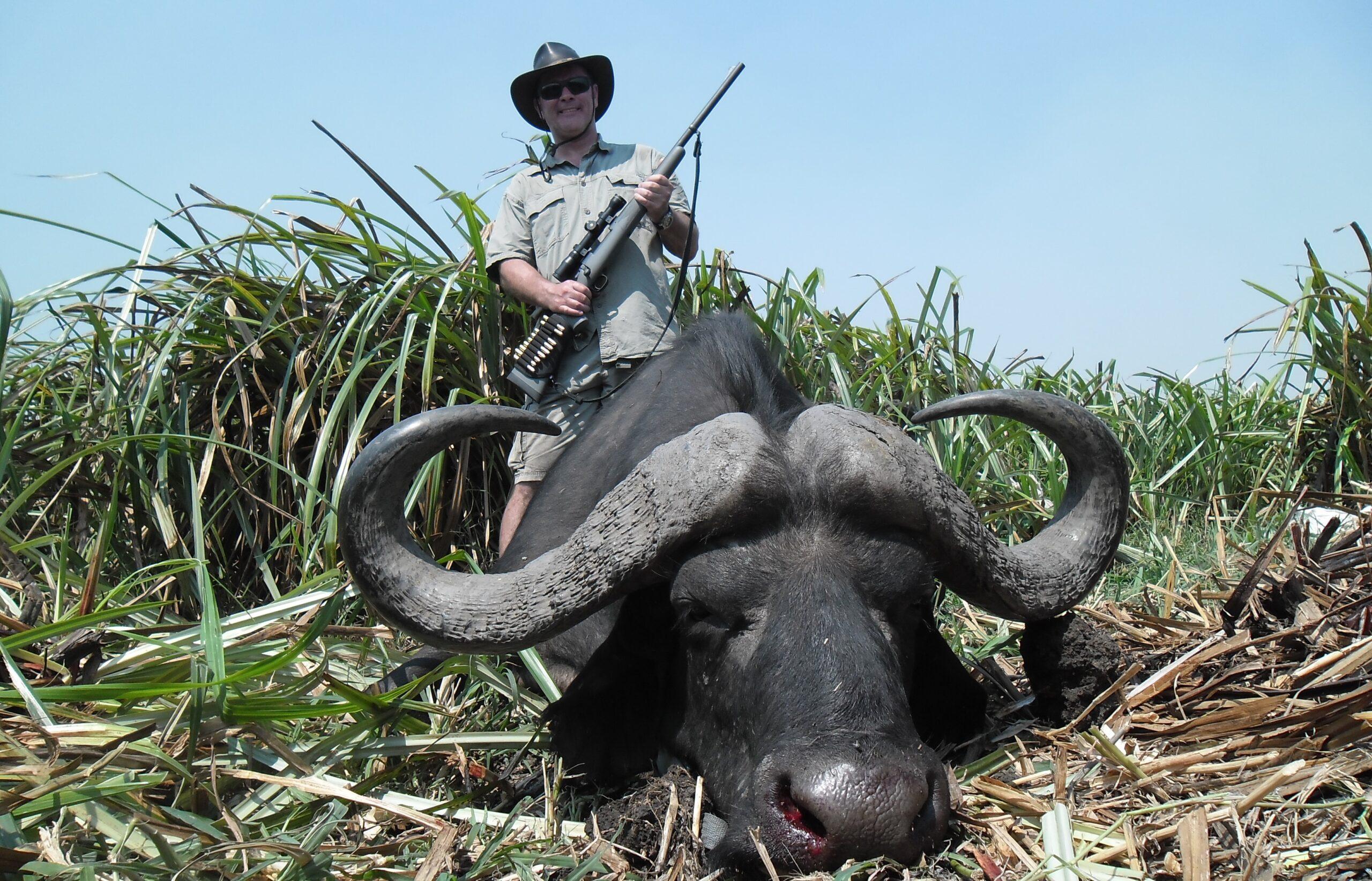
Dangerous Game Buffalo Hunting in Mozambique
View Expedition Details
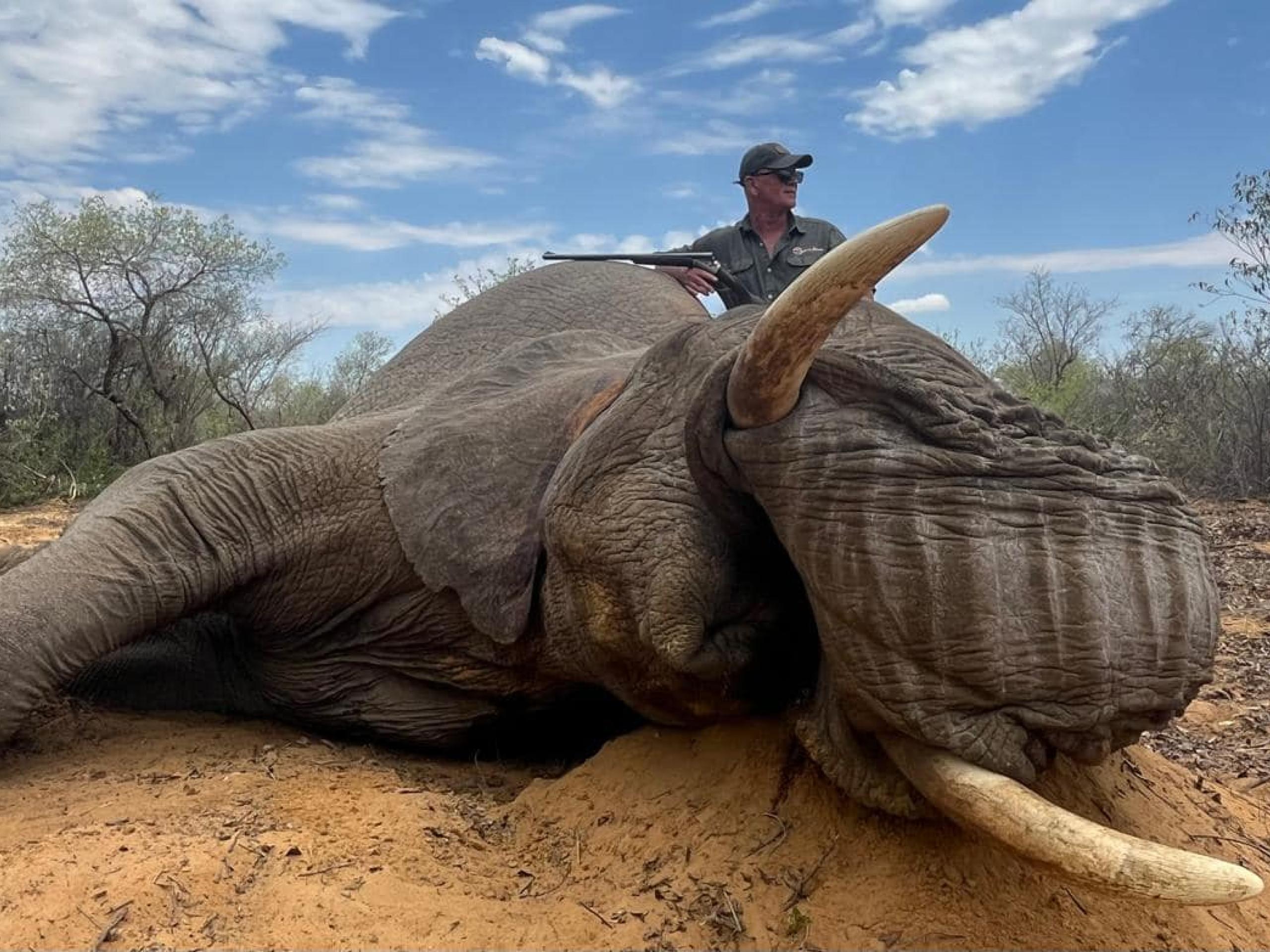
Drought Relief Elephant Hunting in Bushmanland, Namibia
View Expedition Details
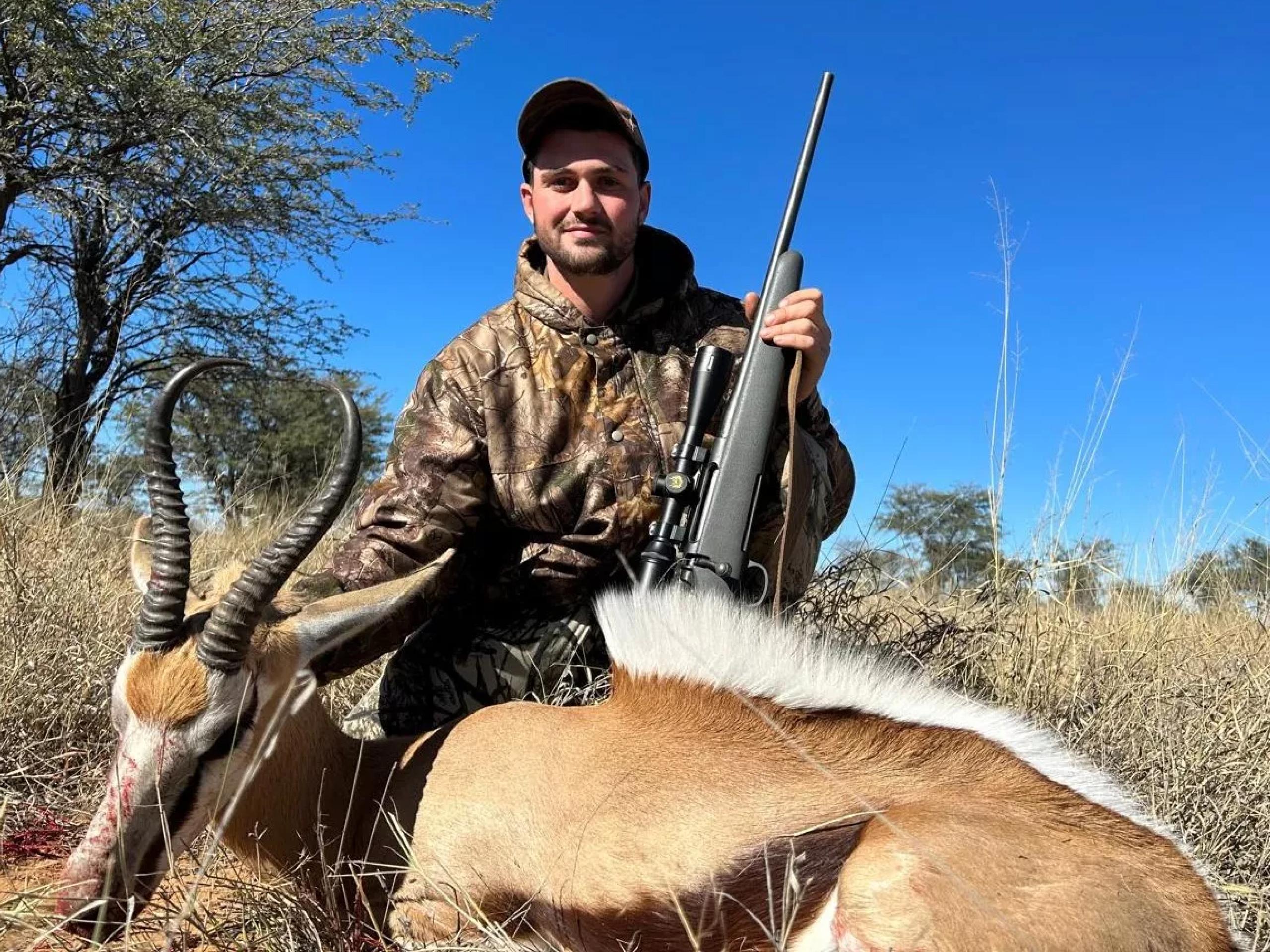
Rustic Kalahari Hunting Safari In South Africa
View Expedition Details
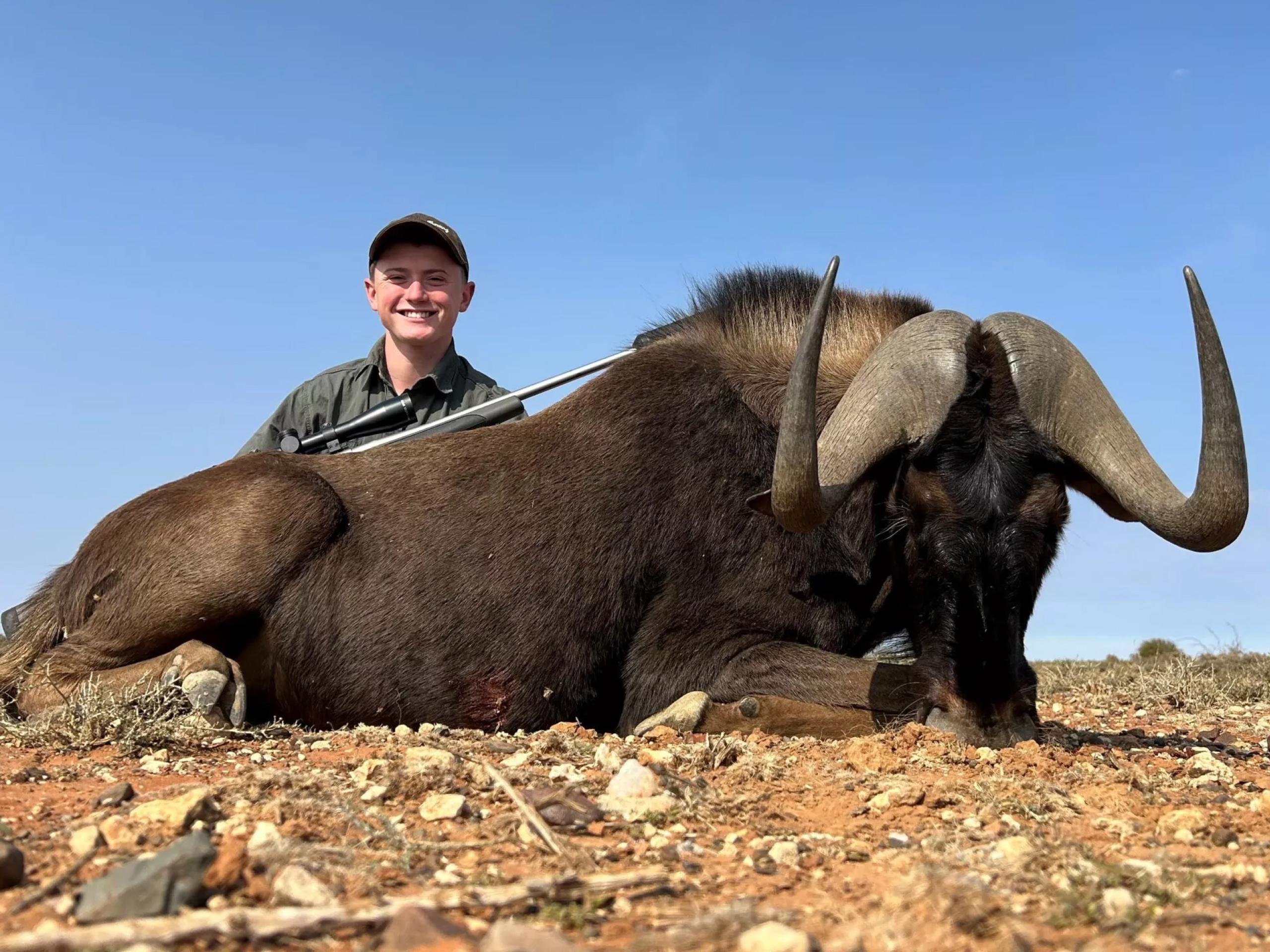
Karoo Hunting Safari In South Africa | Gemsbuck & Springbuck Hunt
View Expedition Details
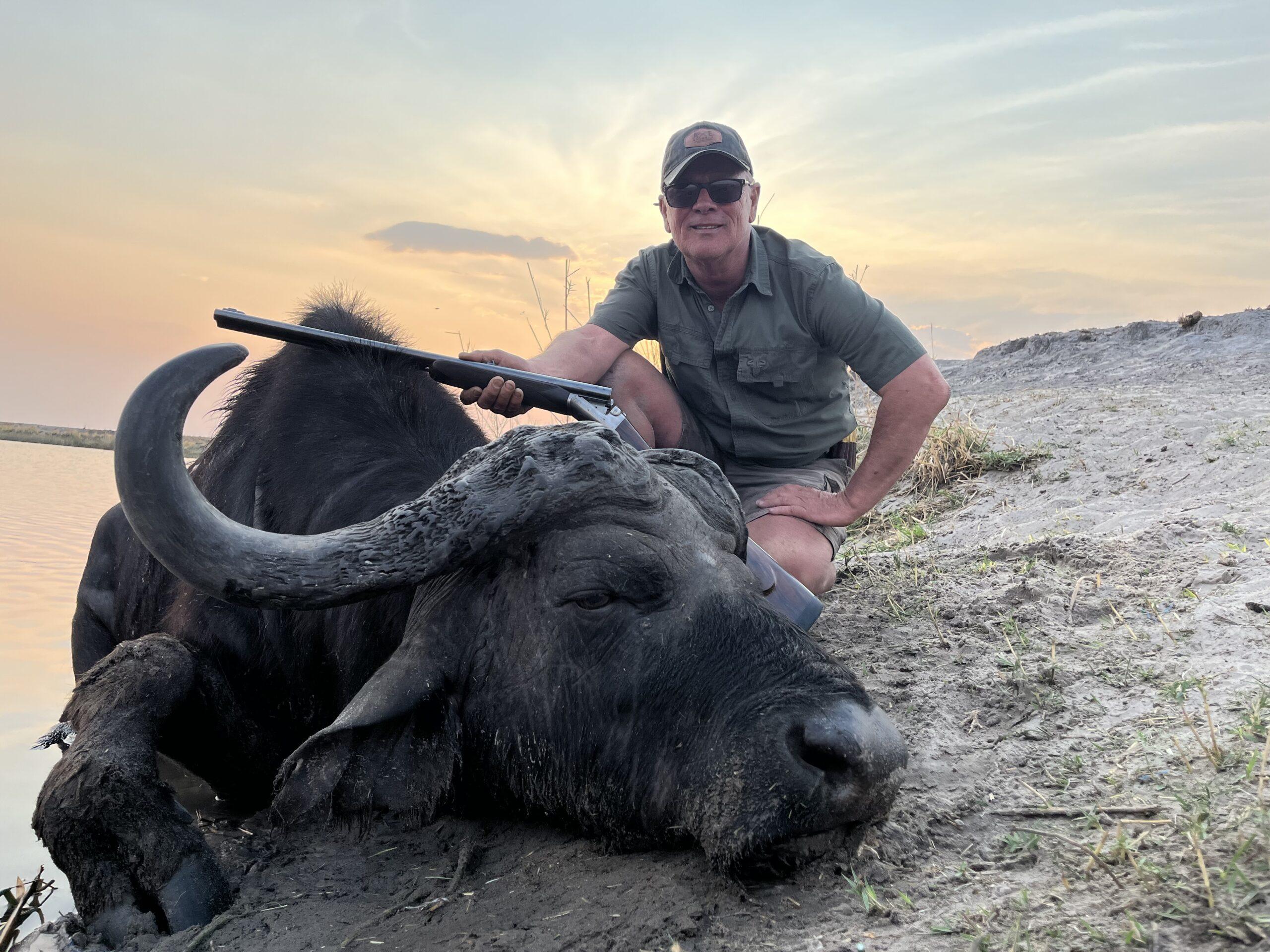
Cape Buffalo Hunting In Namibia’s Caprivi Strip
View Expedition Details
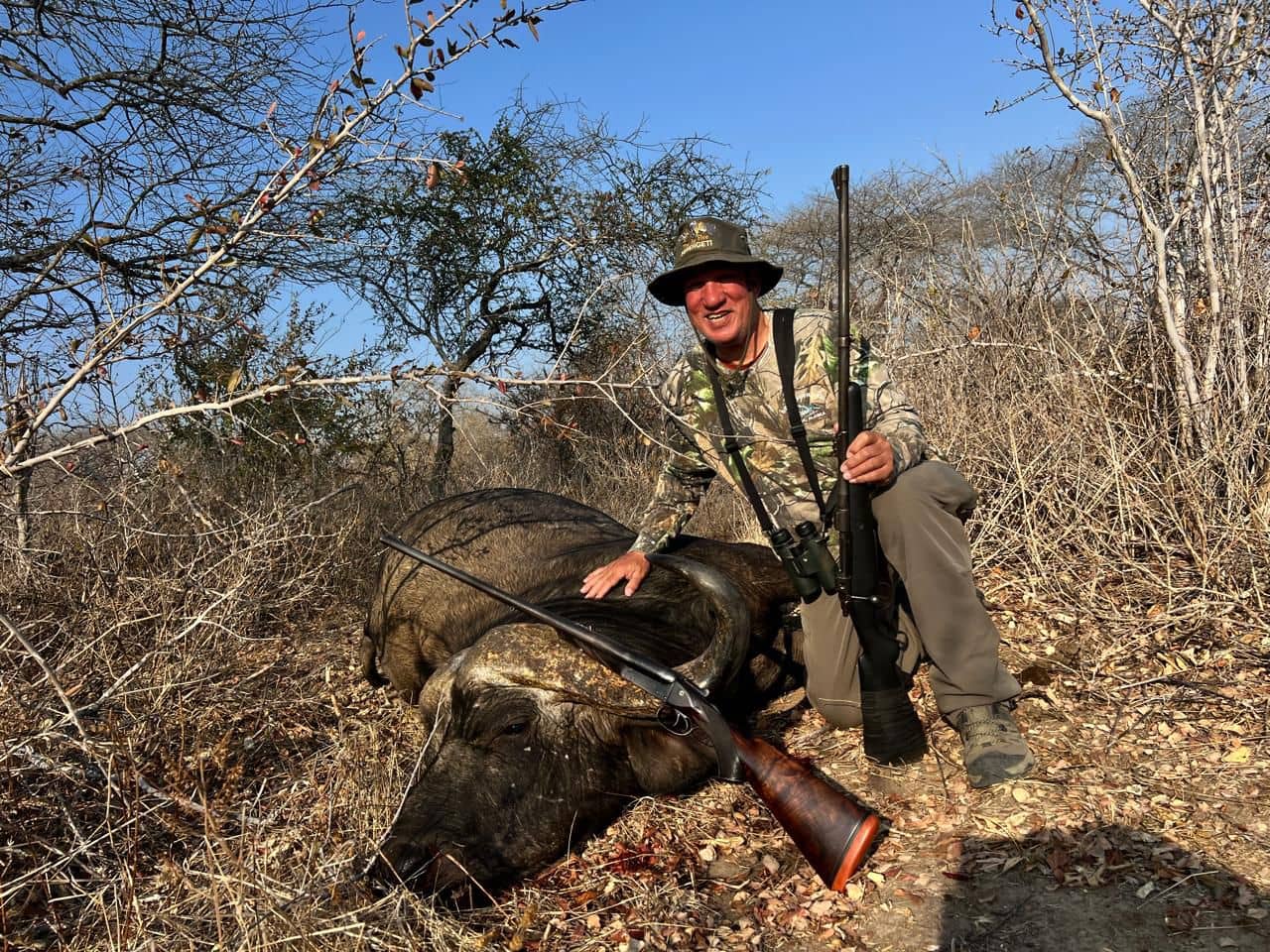
Following Mr Chapman’s Cape Buffalo Hunt in Lunda Nkwamb
View Expedition Details
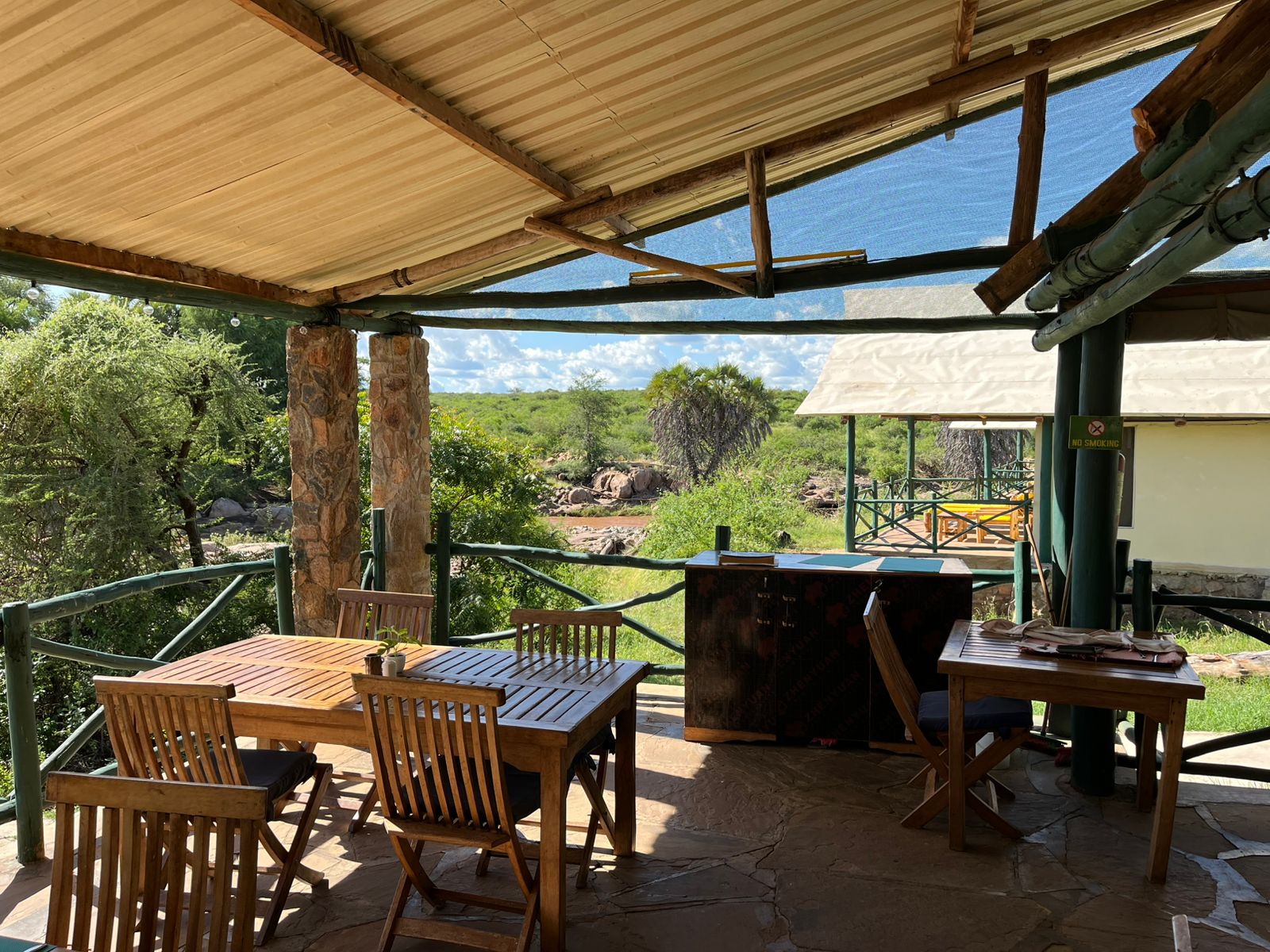
Tsavo Kenya Safari, Home Of Africa’s Big Tuskers
View Expedition Details
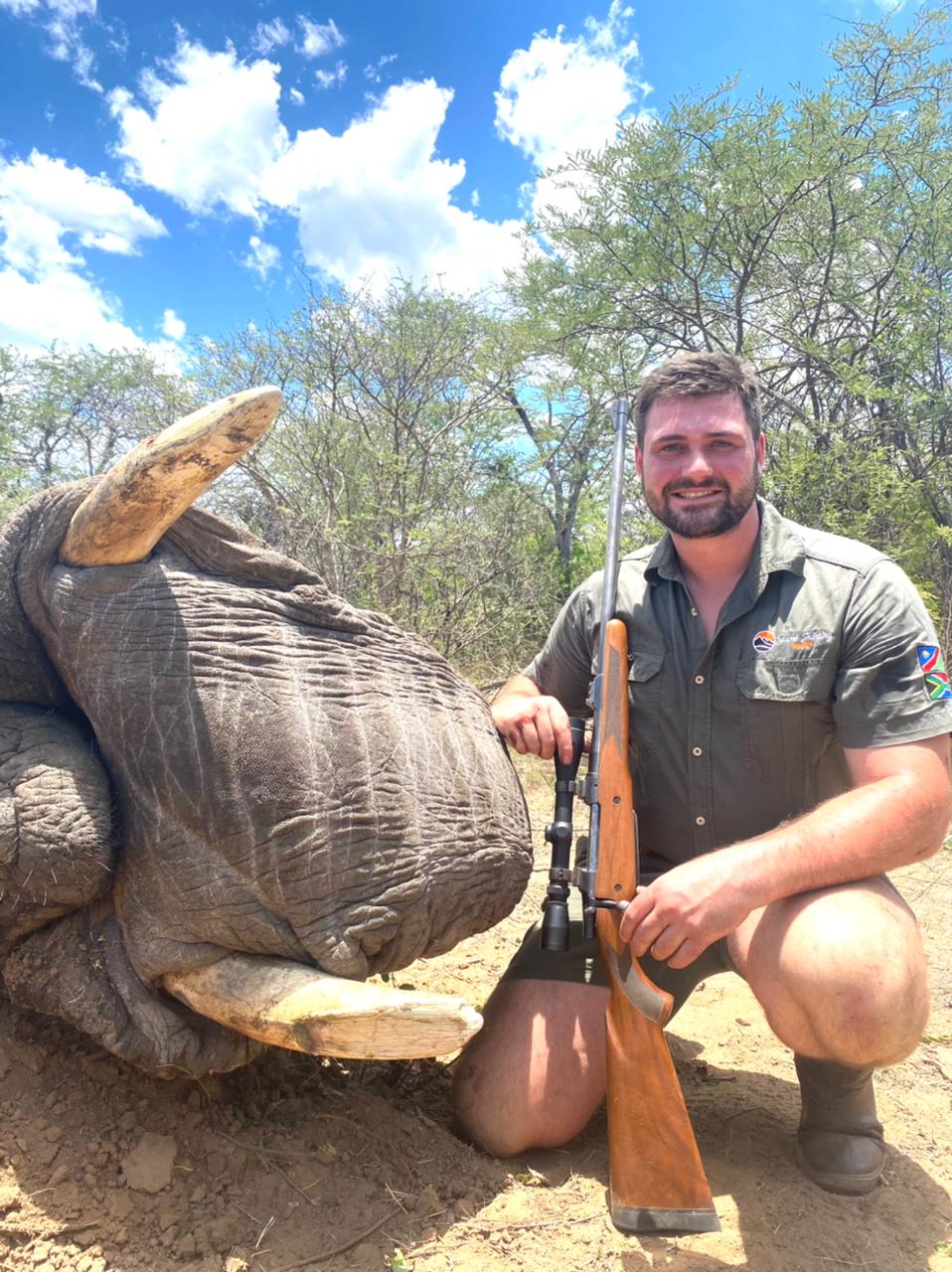
Problem Elephant Hunting Safari In Namibia
View Expedition Details
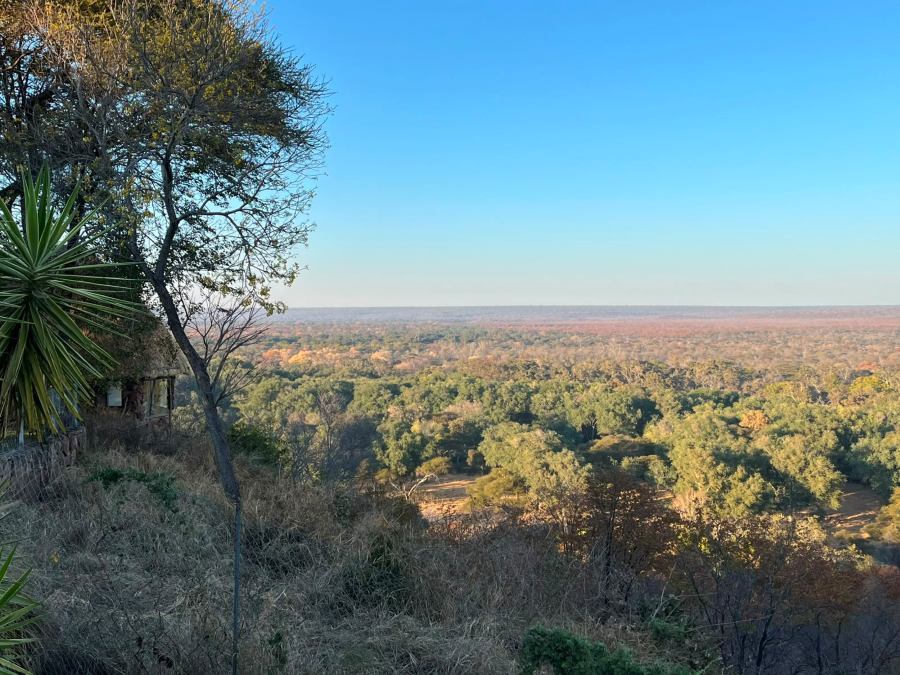
Exploring Zimbabwe's Matetsi, Gwayi & ECA Hunting Areas
View Expedition Details
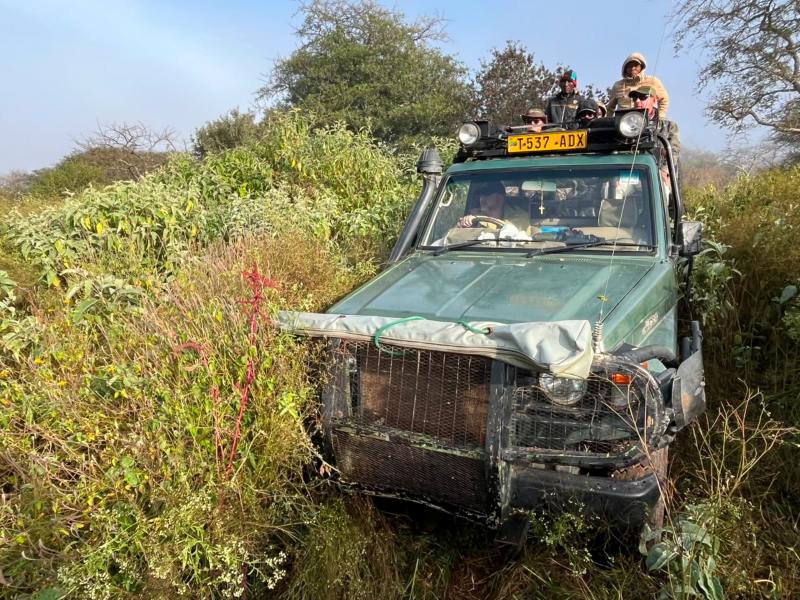
Exploring Tanzania's Simanjiro & Naberera Hunting Areas
View Expedition Details
Search from our range of Hunts across various popular destinations in Africa.

Book Your Hunt