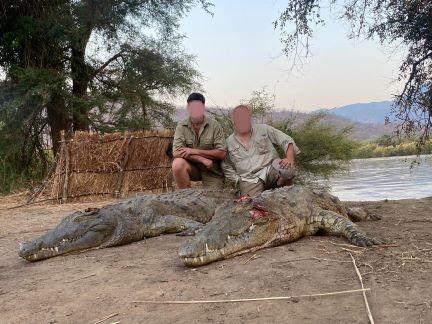
Hippo & Crocodile Hunting Safari in Zambia
Booking Season: 2026
Hunt Difficulty: Difficult

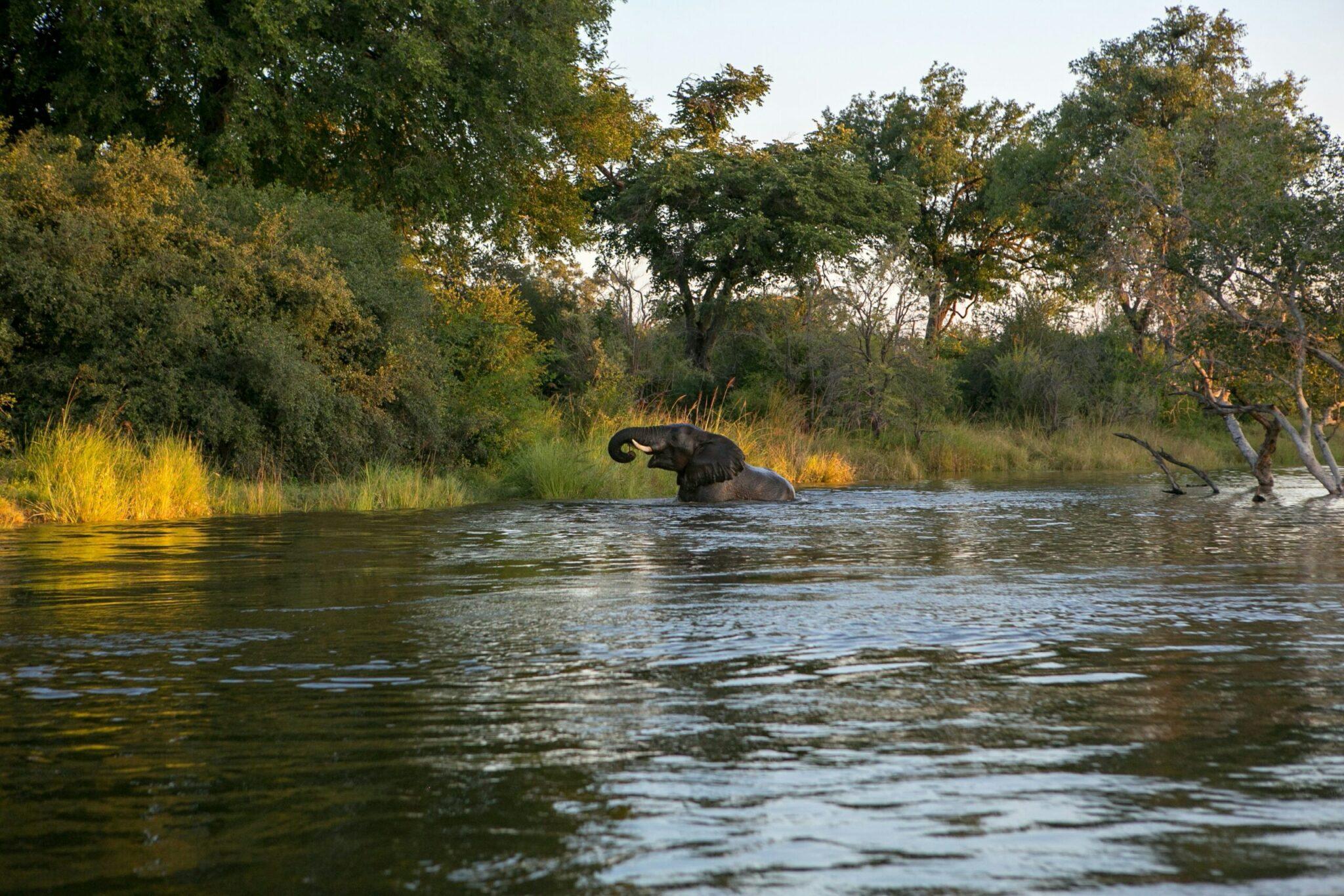
Zambia offers hunting safaris ranging from specialist plains-game hunts to traditional dangerous-game expeditions targeting Cape buffalo, elephant, lion and leopard. Much of the hunting takes place in large, unfenced Game Management Areas, where the particular concession, available quota and current game movement can make a considerable difference to the safari. For hunters planning an African hunting safari , Zambia is worth considering when the priority is free-ranging game and a hunt that may require considerable time on foot.
Choosing the right Zambia hunting safari starts with the species you want to pursue. A dedicated buffalo hunt in Rufunsa is a different proposition from a leopard safari in the Luangwa Valley or a specialist sitatunga hunt in Tondwa. These aren't interchangeable destinations, and an impressive species list means little unless the animals you want are available on quota in the particular hunting area. The outfitter, hunting conditions and time allocated to your main species matter just as much.
The Zambia hunting safaris below provide a starting point for comparing actual opportunities. Look beyond the headline package price and consider the hunting area, number of full hunting days, species included and whether trophy fees form part of the advertised rate. Our pricing section further down explains what different Zambia safaris cost and which expenses hunters should confirm before booking.
Hunts Currently Available
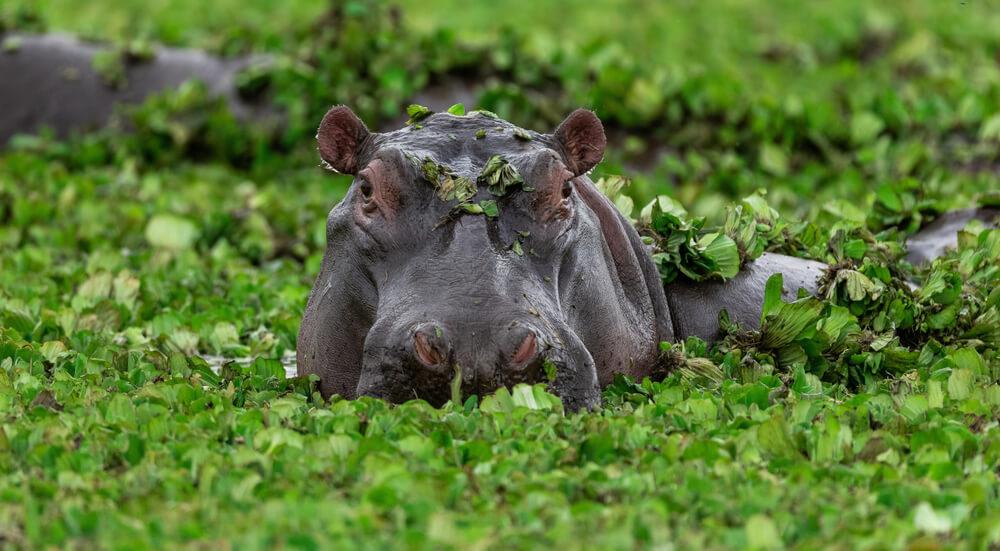
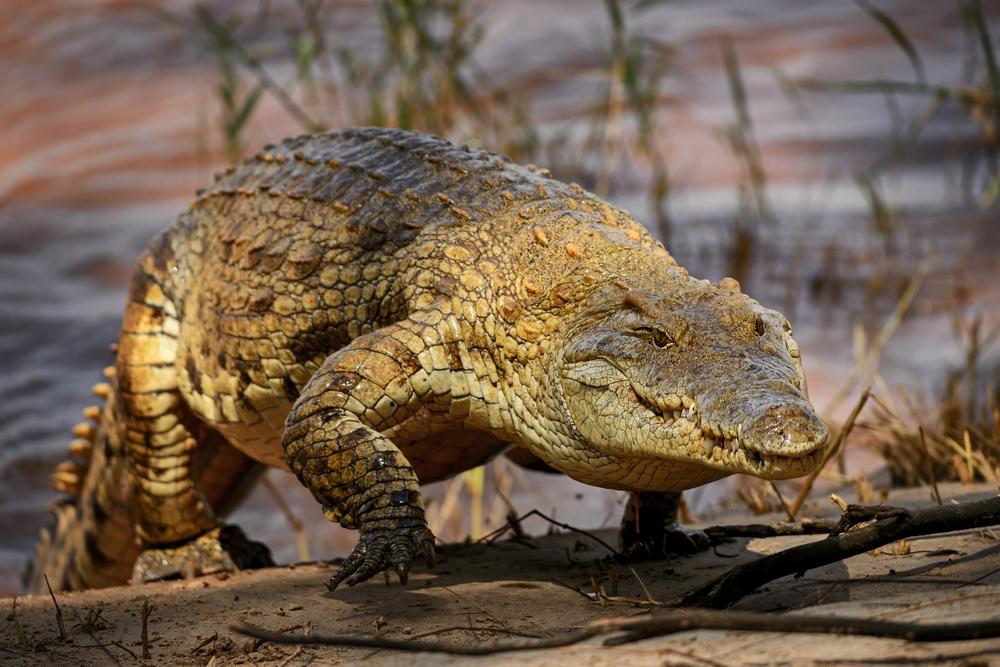
Hippo & Crocodile Hunting Safari in Zambia
Booking Season: 2026
Hunt Difficulty: Difficult
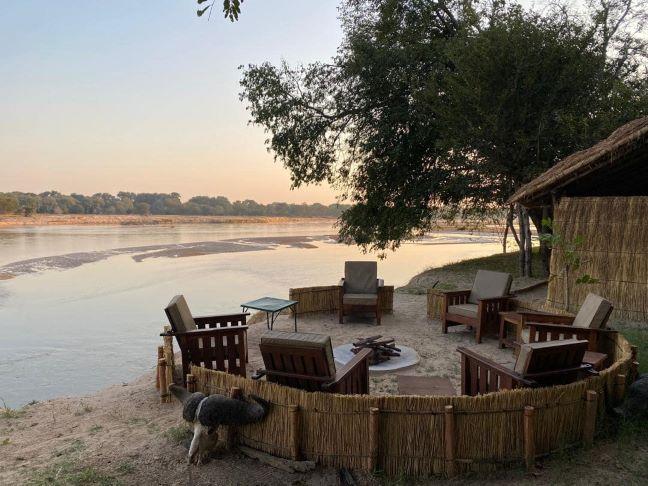
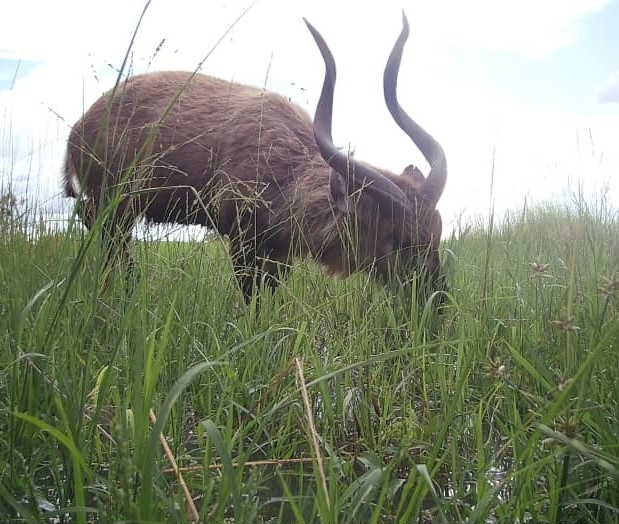
10-Day Sitatunga Hunt in Zambia’s Tondwa GMA
Booking Season: 2026
Hunt Difficulty: Difficult
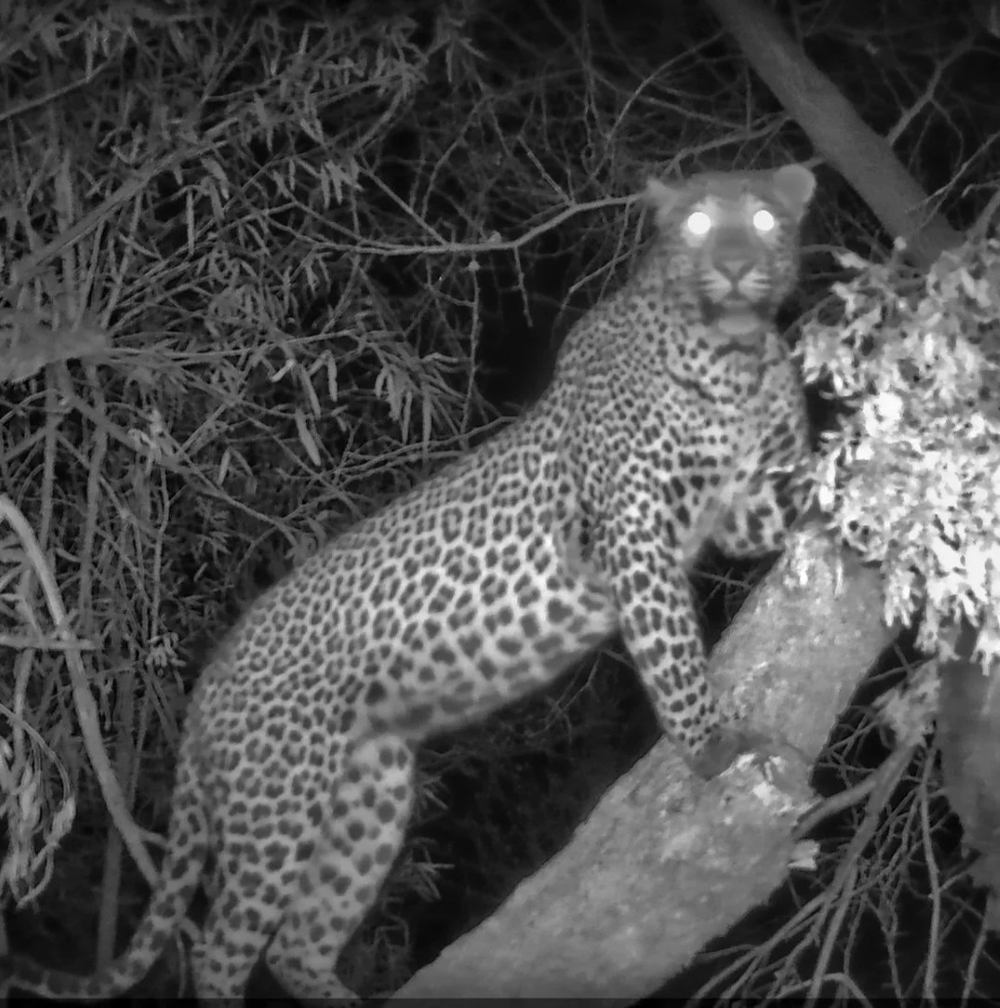
Hunting in Zambia: Leopard, Plains Game Plus Croc OR Hippo
Booking Season: 2027
Hunt Difficulty: Difficult
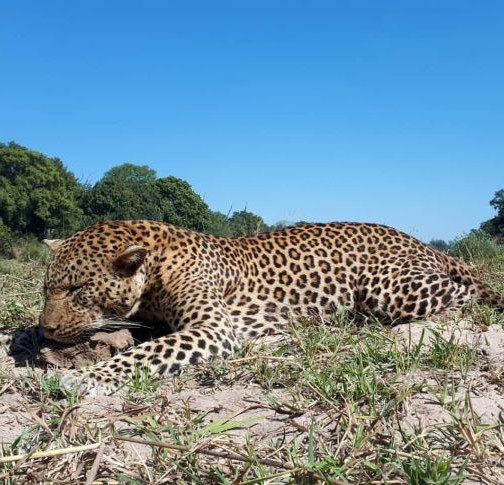
14-Day Rufunsa Leopard Hunt with Optional Buffalo
Booking Season: 2026
Hunt Difficulty: Difficult
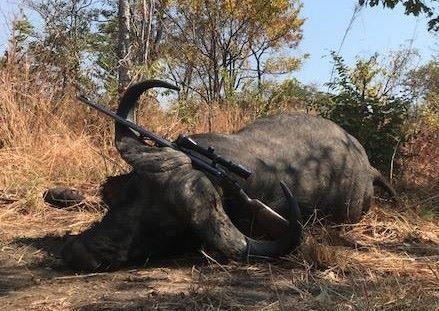
7-Day Rufunsa Cape Buffalo Hunt
Booking Season: 2026
Hunt Difficulty: Difficult
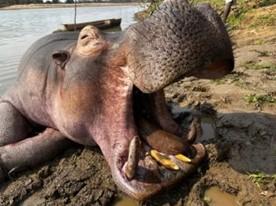
7-Day Dangerous Game & Plains Game Safari in Zambia
Booking Season: 2026
Hunt Difficulty: Difficult
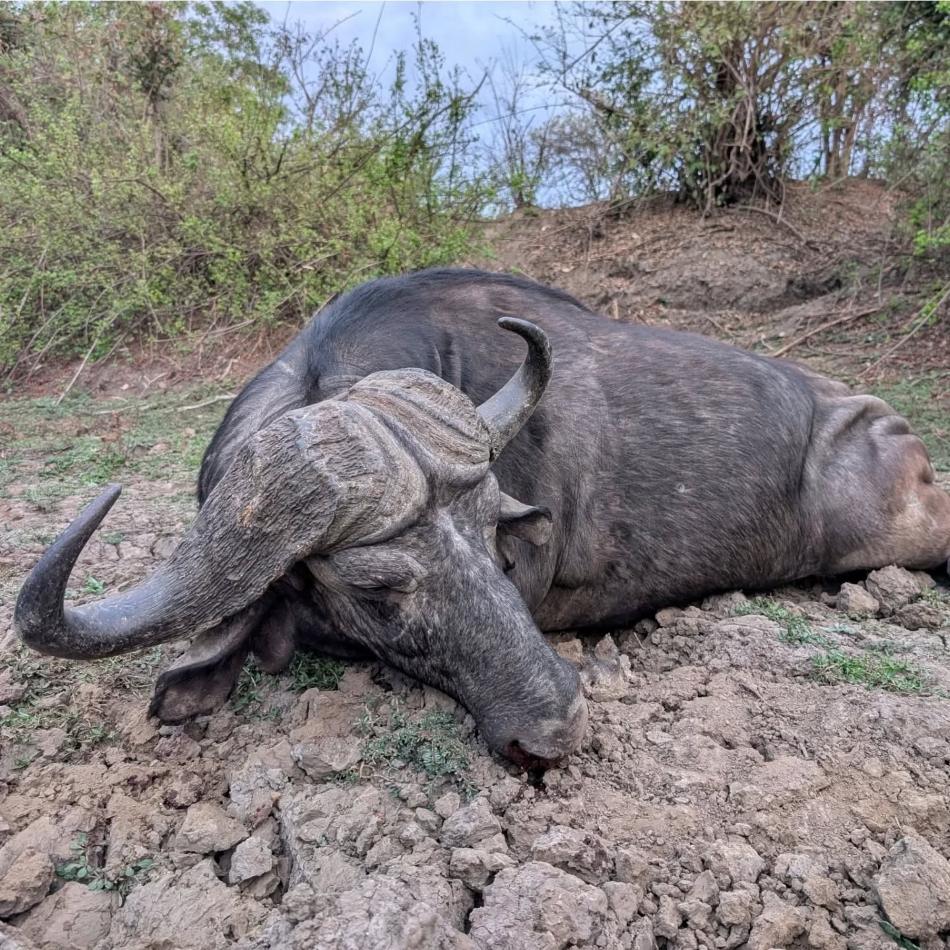
Cape Buffalo & Plains Game Hunting in the Luangwa Valley, Zambia
Booking Season: 2026
Hunt Difficulty: Moderate, Difficult
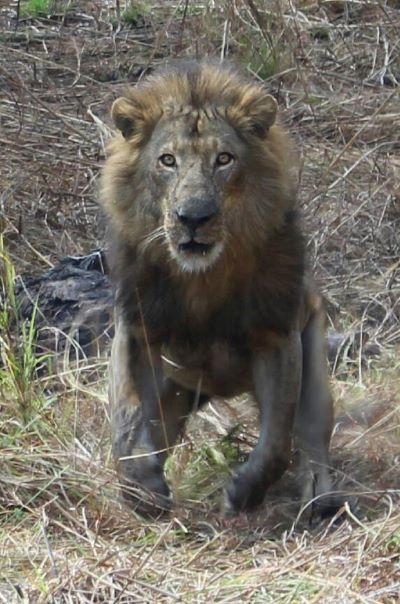
Trophy Lion Hunting 21 Days in Untamed Rufunsa GMA Zambia
Booking Season: 2026
Hunt Difficulty: Difficult
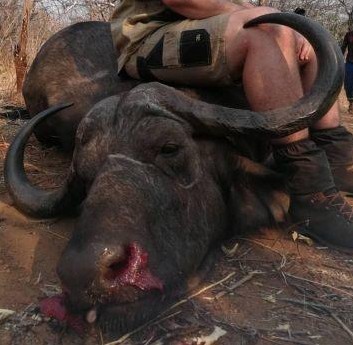
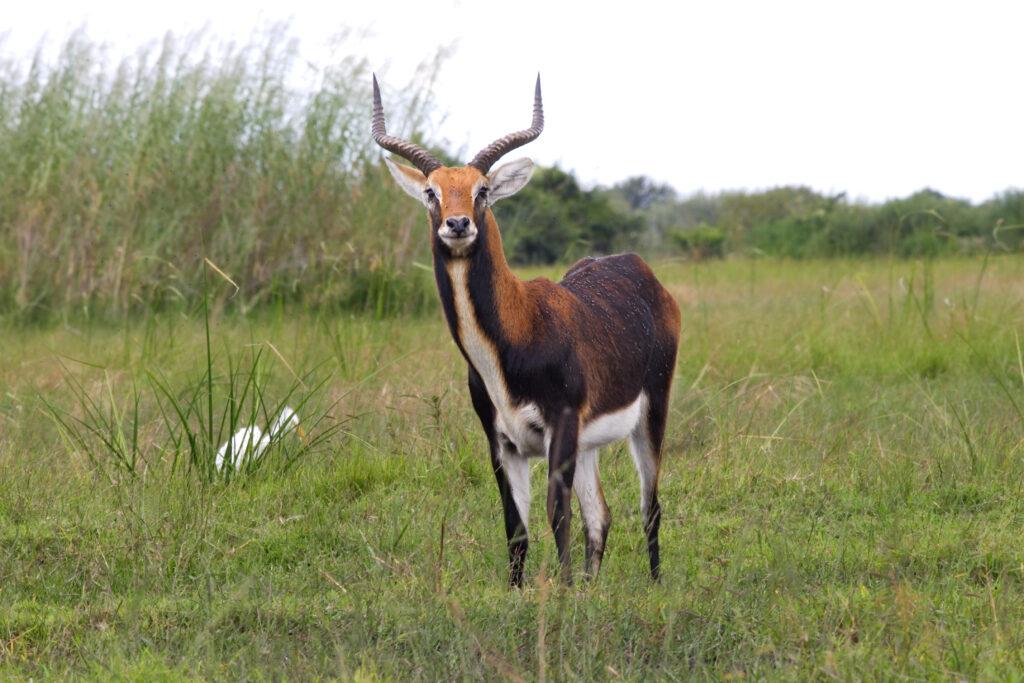
Free-Range Cape Buffalo & Black Lechwe Hunt in Zambia
Booking Season: 2026
Hunt Difficulty: Difficult
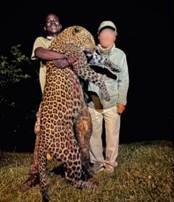
Hunt Zambia 21 Days - Lion, Leopard, Cape Buffalo & PG
Booking Season: 2026
Hunt Difficulty: Difficult
Zambia On Map
You Might Also Like
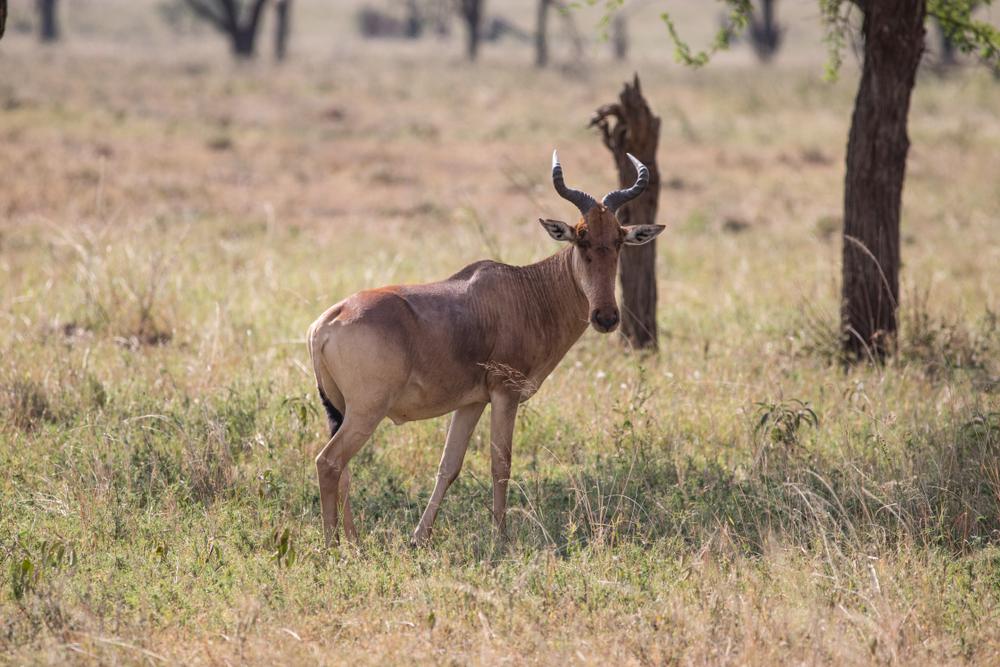
Zambia offers a combination of dangerous game and plains game hunting, with Cape buffalo, elephant, lion and leopard among the country's principal big-game attractions. Hippo and Nile crocodile provide additional opportunities in suitable river systems, while specialist antelope such as sitatunga, black lechwe and Cookson's wildebeest attract hunters looking for species that are not widely available elsewhere in Africa.
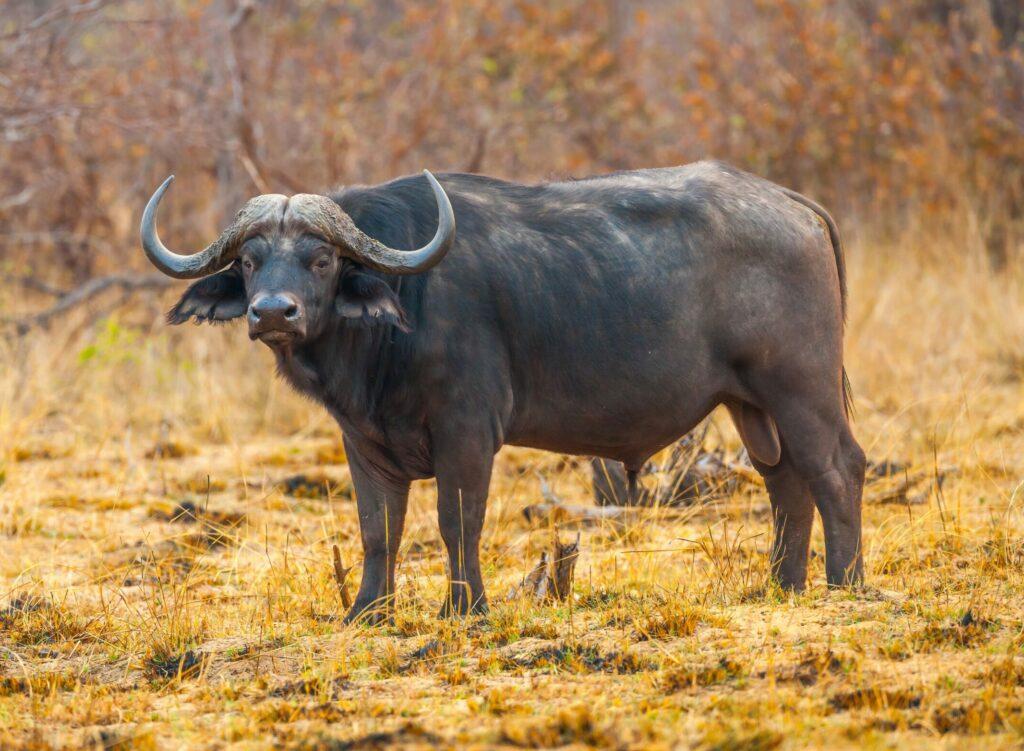
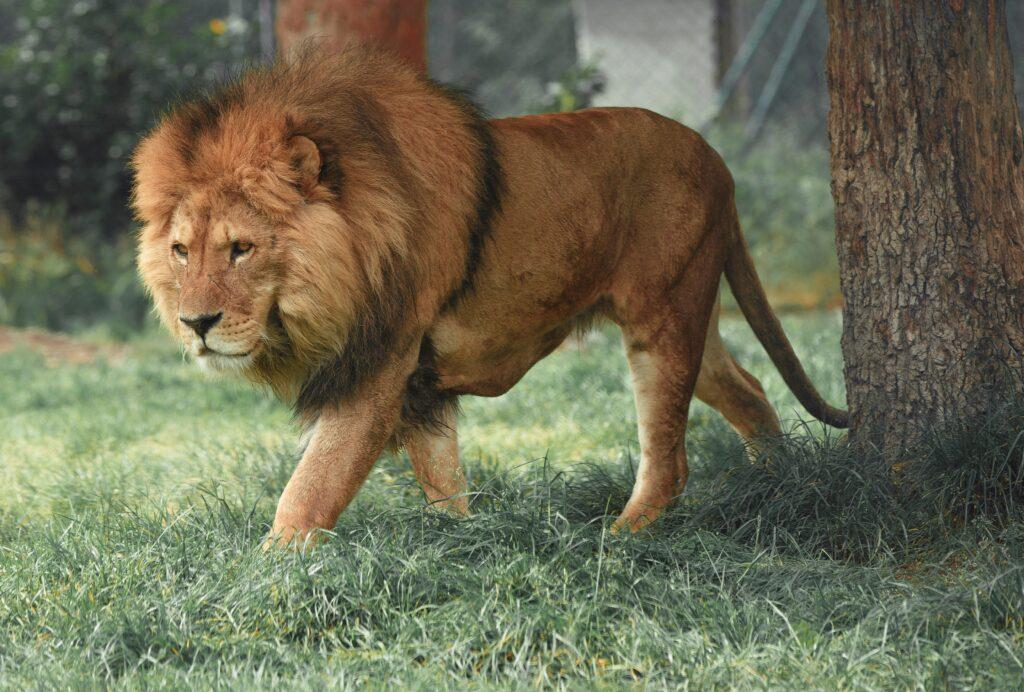
For hunters planning a big game hunt in Zambia , Cape buffalo are often the starting point. They can be hunted in several established concessions, although the experience varies considerably between hunting areas. Elephant, lion and leopard require more specific planning around available quota, the particular concession and the number of hunting days. Hunters considering these species can explore our dedicated pages for buffalo hunting in Zambia , elephant hunting in Zambia , lion hunting in Zambia and leopard hunting in Zambia .
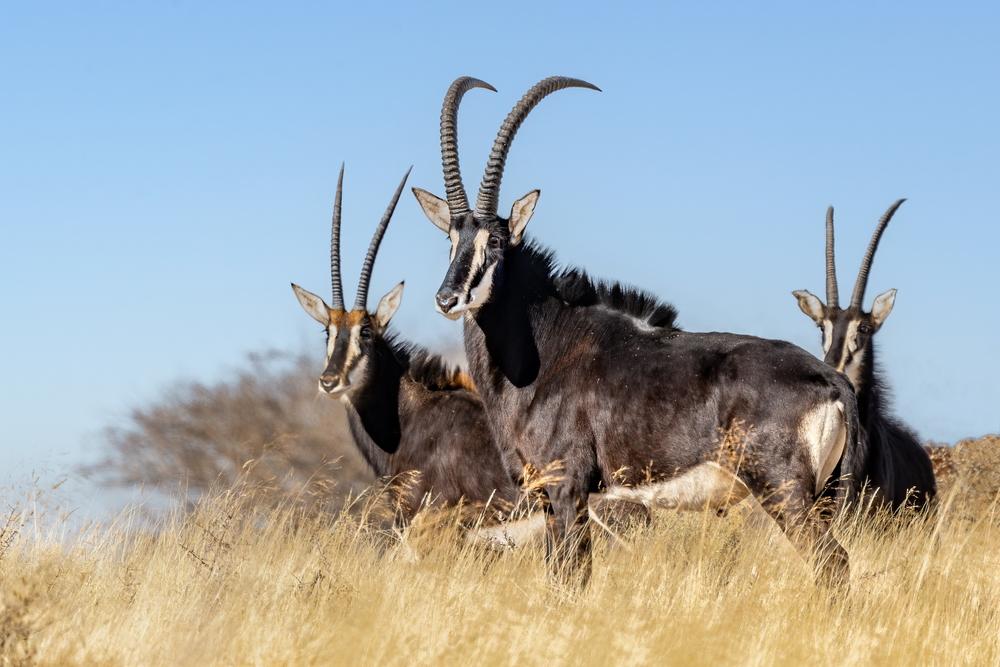
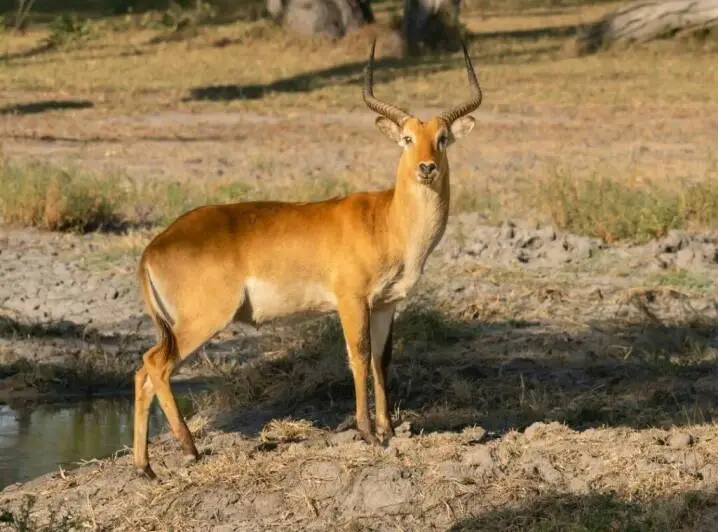
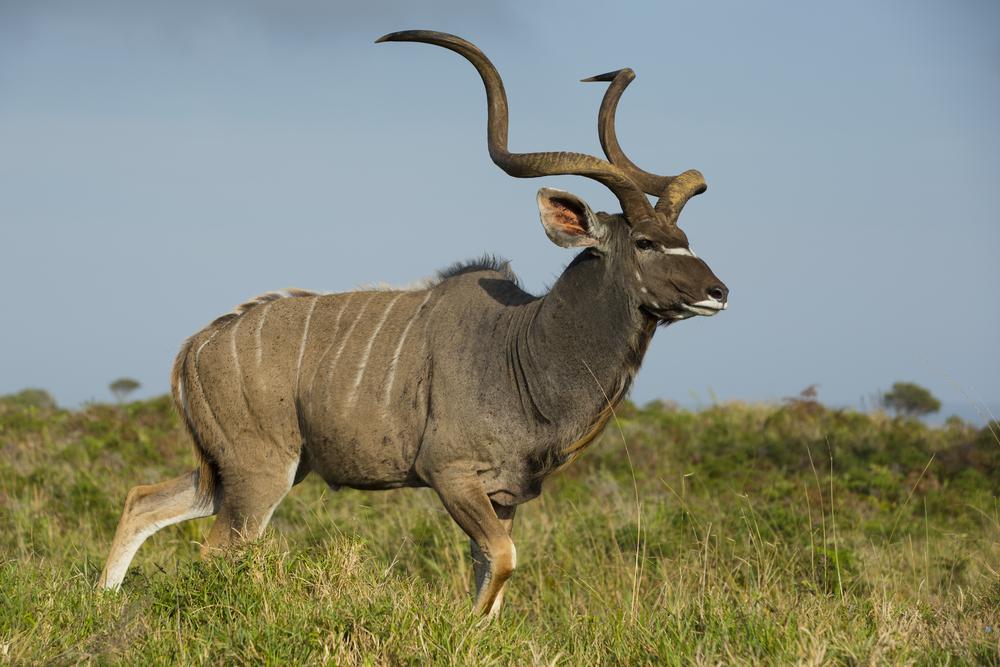
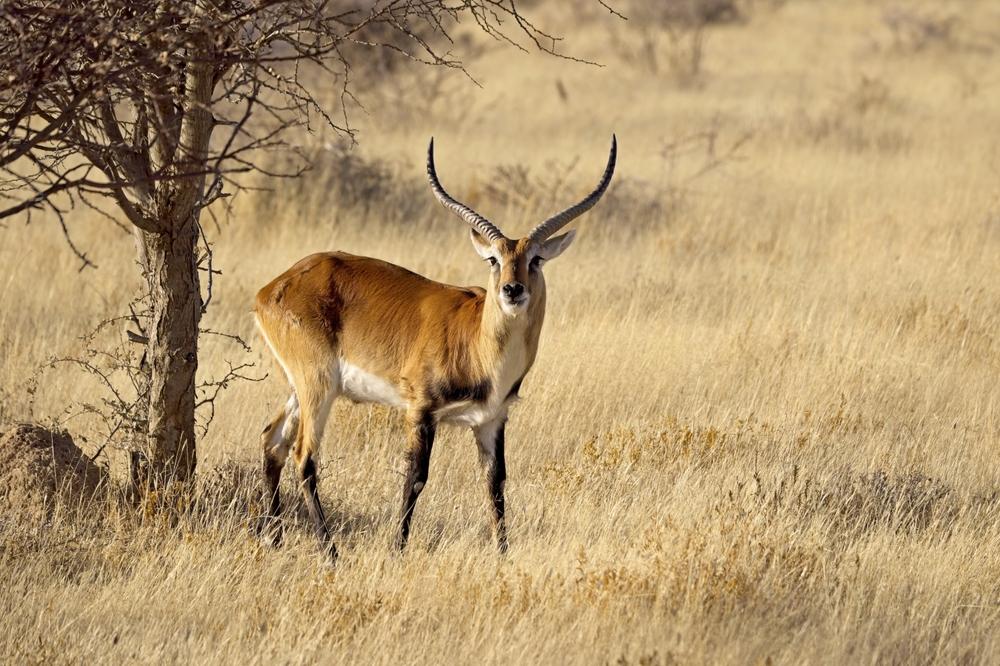
Zambia's plains game deserves equal consideration, particularly for hunters interested in species associated with particular regions. Sable, roan, kudu, puku and bushbuck may be available alongside dangerous game. Specialist species such as sitatunga, black lechwe and Kafue lechwe are associated with particular habitats and hunting areas, although their presence does not necessarily mean that a hunt is currently available. These animals should not be treated as interchangeable additions to a buffalo or leopard safari. Their availability depends on the concession, current quota and whether the safari has been arranged around them.
The important distinction is between species found in Zambia and species actually available on a particular hunt. A concession may hold buffalo, leopard and several desirable antelope without having quota for all of them. Hunters should establish their priority species first, then compare the available hunting areas and packages rather than choosing a safari simply because it advertises a long species list.
Choosing where to hunt in Zambia starts with the species you want to pursue, but the particular concession can be just as important as the region. Two hunting areas may offer the same animals on paper yet provide very different experiences. Current quota, wildlife movement, hunting pressure and the quality of the operator all influence what a hunter can realistically expect. A well-known hunting region is a useful starting point, but it is not a guarantee of a successful safari.
The Luangwa Valley remains one of Zambia's best-known dangerous-game hunting regions. Cape buffalo and leopard are major attractions, with elephant, lion, hippo and crocodile opportunities depending on the concession and available quota. Hunting takes place in designated areas surrounding the national parks, where wildlife moves through riverine habitat, woodland and thicker cover.
The valley covers an extensive area, and conditions can differ considerably between concessions. Some hunting areas are accessed through Mfuwe, while others require different arrangements. Hunters should establish exactly where their safari takes place rather than assuming that every Luangwa hunt offers the same species, travel arrangements or hunting conditions.
Rufunsa has featured in GHS offerings for dedicated Cape buffalo hunts and longer dangerous-game safaris involving leopard or lion. A hunter concentrating on buffalo may have different expectations from someone committing several weeks to a combination hunt. The individual concession, available quota and time allocated to each species determine what can realistically be pursued.
The Kafue ecosystem includes extensive hunting country surrounding Kafue National Park, with considerable differences in habitat and wildlife distribution between areas. Buffalo and leopard may be available in suitable concessions, while sable, roan and other plains game species are important attractions in parts of the region.
Hunters should distinguish between the national park itself, where recreational trophy hunting is not permitted, and the surrounding hunting concessions. An area's proximity to the park does not automatically mean that every advertised species is regularly encountered or available on quota.
Not every Zambia safari needs to revolve around dangerous game. Tondwa has featured in GHS offerings for sitatunga and other plains game, providing a very different hunting proposition from a traditional buffalo safari.
Specialist species such as sitatunga, black lechwe and Kafue lechwe are closely associated with particular habitats and hunting areas. A hunter interested in one of these animals should select the safari around that species rather than assume it can be added to an existing dangerous-game hunt. The exact location, hunting arrangements and current availability need to be confirmed before booking.
The Bangweulu wetlands are particularly associated with black lechwe and wetland wildlife. The hunting conditions differ substantially from the woodland and riverine concessions found elsewhere in Zambia.
However, the presence of a species in Bangweulu does not establish that a hunt is available . Hunters interested in black lechwe or other specialist wetland species should confirm the specific hunting area, legal availability and current quota before making plans.
Zambia's Zambezi Valley offers another setting for hunting, particularly where concessions provide access to suitable buffalo habitat and river-associated species such as hippo and crocodile.
Hunters should be careful not to treat the entire Zambezi Valley as one hunting area. The location of the concession, its access arrangements, species quota and the operator's current information determine what kind of safari can be offered.
The available Zambia safaris displayed above provide the starting point for comparing actual hunting opportunities. The right choice is the concession that offers a realistic opportunity for your priority species, with suitable quota, an experienced hunting team and enough time to pursue the animal properly.
Much of Zambia's traditional safari hunting takes place in Game Management Areas (GMAs), often adjoining national parks and other protected wildlife areas. Wildlife can move between protected and huntable land, although hunting does not take place inside the national parks themselves. Professional hunting operators work within authorised hunting areas, subject to the applicable regulations and species quotas.
Quota determines which animals may legally be taken and how many are allocated to a particular area. Equally important, a concession may have received an allocation for Cape buffalo, leopard or lion, but some of those animals may already have been taken or committed to other hunters.
This becomes particularly important when planning a multi-species safari. A concession may offer excellent buffalo hunting but have no remaining leopard allocation. Another might have both species available but require a longer safari to pursue them properly. Adding a second dangerous-game animal is therefore not simply a matter of paying another trophy fee. The quota, hunting area and time available must all make sense.
Before paying a deposit, hunters should establish which concession they will actually hunt, whether their priority species is available on quota, how many full hunting days are included and what happens if the animal is not taken. These details matter far more than an impressive species list.
2 October 2026 21 September 2026 10 September 2026
Latest Blogs About Zambia
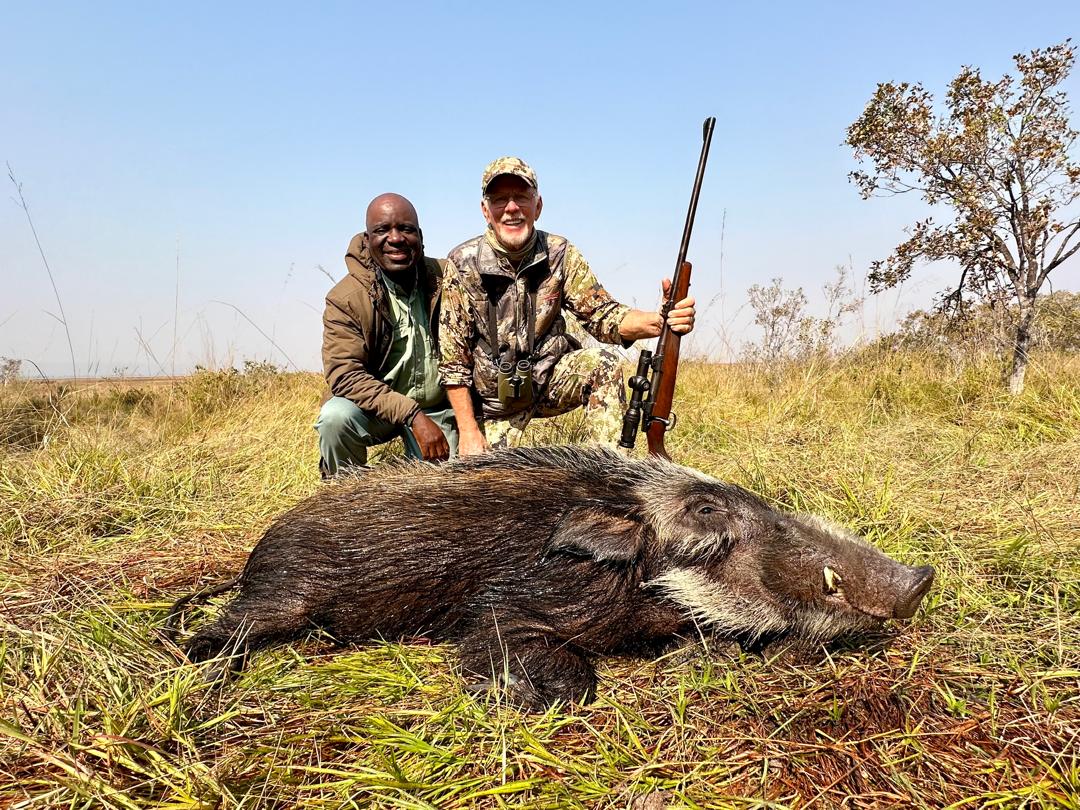
Why Two Zambia GMAs Can Hunt Completely Differently
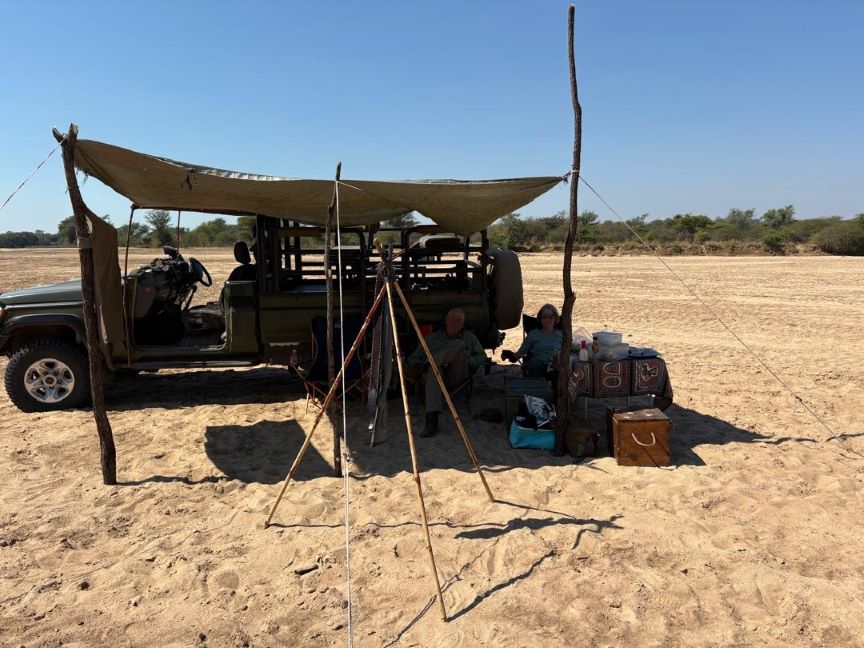
A Zambia Big Game Safari Can Change Completely Overnight

What Fresh Buffalo Spoor Tells Trackers in Zambia
Plans can change quickly during a Zambia hunting safari. A promising buffalo track may occupy most of the morning, while a leopard hunt can require checking several bait sites before deciding where to concentrate the following day's efforts. On a multi-species safari, the hunting team must constantly balance these opportunities without losing sight of the client's principal animal.
The first decision each morning is often whether the information available is worth pursuing. Fresh buffalo spoor might look promising, but the herd could be moving towards thick cover or a boundary that makes a successful approach unlikely. Experienced trackers recognise when to continue and when the better decision is to leave those animals and search elsewhere. Spending six hours following a track is not automatically good hunting if conditions have made the opportunity unrealistic.
Physical demands vary between concessions and species. Following buffalo through thick woodland can involve several hours on foot in rising temperatures, while a specialist wetland safari for sitatunga presents an entirely different set of challenges. Hunters should discuss their fitness, mobility and preferred hunting style with the outfitter beforehand. A concession that suits a fit hunter comfortable covering long distances may not be the right choice for someone with limited mobility.
What matters most is allowing the PH enough flexibility to work with current conditions. Hunters who insist on following a rigid daily schedule can find themselves working against the information their hunting team is receiving. That doesn't mean abandoning the objectives agreed before the safari. It means understanding that the route to a particular animal may change several times before a realistic opportunity develops.
Zambia's safari hunting season is generally described as running from 1 May to 31 December , although most traditional hunting safaris take place during the drier months between May and November. The best dates depend on the species, concession and local conditions, with some hunting areas becoming difficult to access once the rains begin. Hunters should confirm the permitted dates for their particular safari before making travel arrangements.
May and June usually bring cooler temperatures, with some areas still carrying thick vegetation after the rains. Water may remain widely available, allowing animals to spread through larger sections of a concession. Early-season hunting can be productive, but hunters should not assume that every area is equally accessible immediately after the rains.
July and August generally offer cooler mornings and increasingly dry conditions. As vegetation thins and seasonal water begins to disappear, trackers may find it easier to work certain areas. However, animals do not follow an identical pattern across every concession, and the hunting team must still rely on current information rather than seasonal expectations.
September and October can be considerably hotter, particularly in the valleys. Permanent water becomes increasingly important, and buffalo and other large game may concentrate their movements around remaining water sources. Tracking conditions can improve in some areas, but the heat can make extended days on foot more demanding.
The sensible approach is to select your hunting area and priority species first, then agree on dates with the outfitter. Confirm the applicable hunting season, current quota and accessibility of the concession before booking flights. Specialist wetland hunts may require different timing from traditional dangerous-game safaris.
For American hunters, planning a Zambia safari begins with understanding how they will reach the hunting concession. International travel generally involves connecting through another African or international airport before arriving in Zambia. Lusaka is a common entry point, while Mfuwe may be used for safaris in the Luangwa region. Depending on the hunting area, reaching camp may require a charter flight, a road transfer or both. Confirm the actual arrival airport and transfer arrangements before booking international flights.
Safari duration is another important consideration. A shorter buffalo hunt and an extended leopard or lion safari are different commitments. As a general guide, advertised Zambia buffalo safaris may run for around 7–10 days, dedicated leopard hunts around 13–16 days, while lion and extended dangerous-game combination safaris can require 21 days or longer, depending on the package and hunting area. Some packages advertise the number of nights in camp, while others specify full hunting days. Hunters should establish how many days are genuinely available for hunting, whether arrival and departure days are included, and whether combining several species leaves enough time for the principal animal.
American hunters travelling with their own rifles should arrange the required firearm documentation well before departure. This includes confirming Zambia's current temporary firearm import requirements, obtaining a US Customs Form 4457 where applicable, and checking the firearm and ammunition transit rules of every country and airline on the route. Do not assume that permission to enter Zambia with a rifle automatically covers the countries you travel through. The outfitter should confirm the Zambia-side procedures, while the hunter must ensure the complete travel route is compliant.
Before paying the deposit, ask for written confirmation of the hunting location, available species, safari dates, transfers and what is included in the quotation. This is particularly important for remote concessions where charter flights, government charges or additional trophy fees can materially affect the final cost. The contract should also explain what happens if the primary animal is not taken or the agreed hunting arrangements change.
Hunting safaris in Zambia vary considerably in price, depending on the species being pursued, the hunting area, the number of days and what the advertised package includes. A Cape buffalo safari generally requires a smaller budget than an extended lion, leopard or multi-species dangerous-game hunt, but advertised prices are not always directly comparable. Some packages include the principal trophy fee, while others charge it separately. Concession fees, charter flights, transfers and other expenses can also make a substantial difference to the final cost.
The distinction between a package that includes trophy fees and one that charges them separately is particularly important. Two Zambia safaris advertised at similar prices may have very different final costs. Hunters should also establish whether the quotation includes government fees, concession charges, road transfers, charter flights and trophy preparation. The number of full hunting days , rather than simply the number of nights in camp, is another important point of comparison.
Availability and prices change. Outfitters may introduce new hunts, concessions may change operators, quotas may be allocated differently, and certain species may no longer be available after an animal has been taken. A package advertised earlier in the season may therefore not represent what can be booked later. The current safari listing and an individually confirmed quotation should always determine the actual price and inclusions.
For hunters comparing different package structures, our African Hunting Safari Prices guide explains how daily rates, trophy fees and additional safari expenses are calculated.
The important thing is to establish what you are actually buying : the hunting area, the species available on quota, the number of hunting days and the complete cost of the safari. A lower advertised price is not necessarily better value if the main trophy fee or essential transfers have not been included.
Zambia is an established African hunting destination, with safaris conducted in designated hunting areas under the supervision of licensed professional hunters. Most concessions are remote, often bordering national parks, and hunters generally spend their time in camp or in the field with an experienced hunting team.
For visitors, the more practical considerations are reliable transfers, access to medical assistance and communication with the outside world. Some hunting camps are several hours from the nearest town or medical facility, making it important to understand the operator's emergency procedures and evacuation arrangements before travelling.
Hunters should confirm their outfitter's safety procedures, medical evacuation arrangements and current travel requirements before departure. Checking official travel advice and arranging appropriate medical and evacuation insurance are sensible precautions, particularly when hunting in remote areas.
Zambia particularly appeals to hunters looking for traditional safaris in large, unfenced hunting areas. It can be an excellent choice for Cape buffalo, leopard and other dangerous game, as well as specialist species such as sitatunga and black lechwe. However, the right safari depends on the hunter's priorities, experience and expectations.
Hunters primarily interested in taking a large number of plains-game animals over a relatively short period may find South Africa or Namibia better suited to their needs. Similarly, those seeking easy access to camp, limited walking or luxury accommodation should carefully consider the particular Zambia concession before booking. Not every hunt is physically demanding, but some require considerable time on foot and involve lengthy transfers.
For hunters still comparing destinations, our African Hunting Trips page offers a broader selection of safaris across Africa. The important thing is to choose a hunt that suits your objectives rather than assume that Zambia is the right destination simply because of its reputation.
At Game Hunting Safaris, our experience with Zambia extends beyond advertising available hunts. We have travelled to hunting concessions, visited safari operators and spent considerable time in the country, both professionally and privately. Those visits have given us a firsthand appreciation of Zambia's hunting areas, the distances involved in reaching concessions and the importance of choosing the right operator. The particular concession, professional hunter and availability of your priority species can make a substantial difference to your safari.
Our role is to help hunters compare suitable opportunities and understand exactly what they are booking. That includes establishing the hunting area, confirming available species and quotas with the outfitter, reviewing the number of hunting days and clarifying package inclusions, trophy fees and additional expenses. We would rather help a hunter choose a safari that fits their priorities than recommend a package simply because it is available.
If you're considering hunting in Zambia, tell us which species you're interested in, your preferred dates and what sort of safari you have in mind. We can help you evaluate the available options and identify the questions that need answering before you commit. Contact Game Hunting Safaris to discuss your plans.
Search from our range of Hunts across various popular destinations in Africa.
Book Your Hunt