
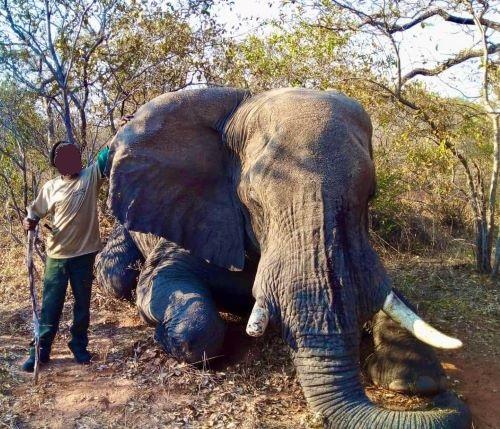
Exportable Elephant Hunting Safari in Botswana's Bushmanland
Booking Season: 2026
Hunt Difficulty: Difficult

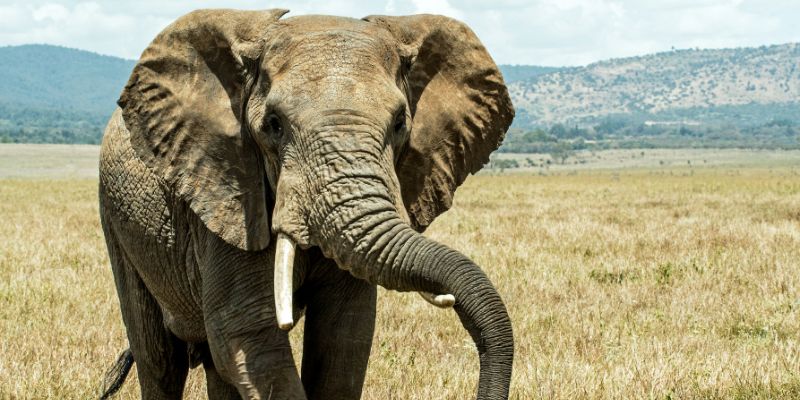
Elephant hunts in Africa range from traditional tracking safaris for mature trophy bulls to tuskless and non-exportable hunts conducted under specific management quotas. Among Africa's most demanding dangerous game hunts, elephant safaris can differ in price, hunting conditions, trophy expectations and available quota.
Compare the elephant hunts below, including destinations, prices and safari durations. Before selecting a safari, check what type of elephant the quota allows, whether the ivory can be exported and how many full hunting days are included.
Available Elephant Hunts
Exportable Elephant Hunting Safari in Botswana's Bushmanland
Booking Season: 2026
Hunt Difficulty: Difficult
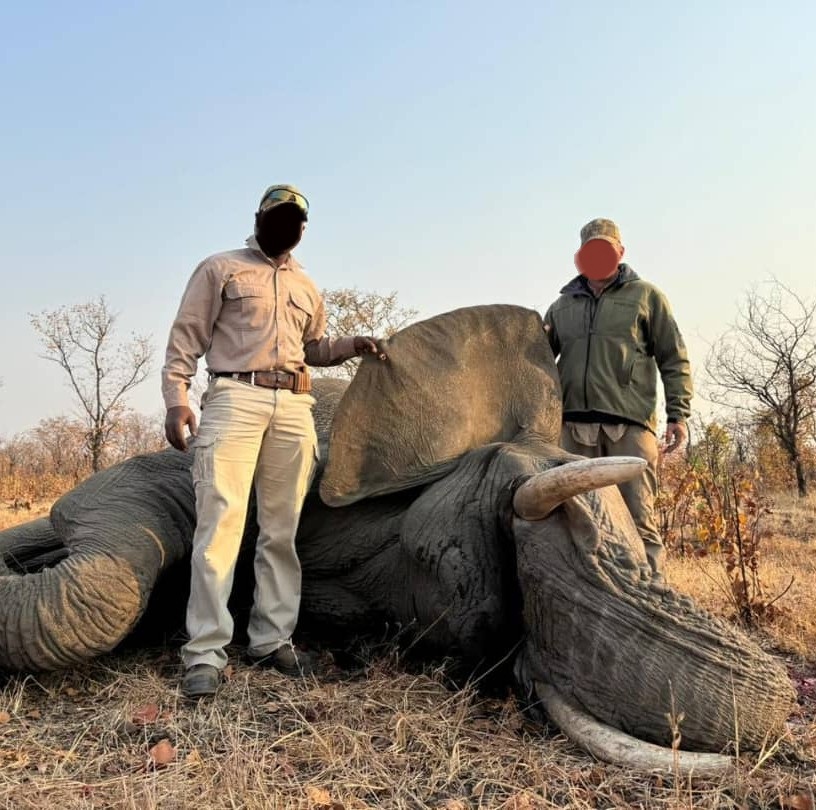
Elephant Hunting in Zimbabwe: Expect 30lb and Larger!
Booking Season: 2026
Hunt Difficulty: Difficult
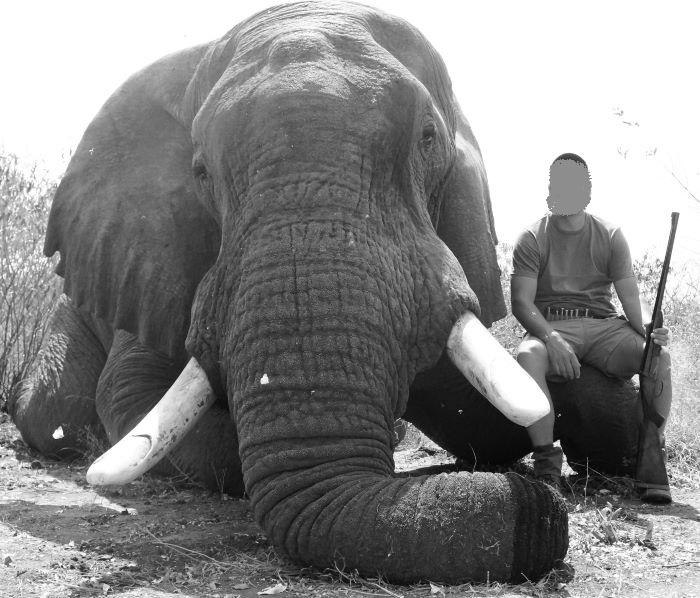
14-Day Exportable Elephant Hunting Safari in Botswana
Booking Season: 2026
Hunt Difficulty: Difficult
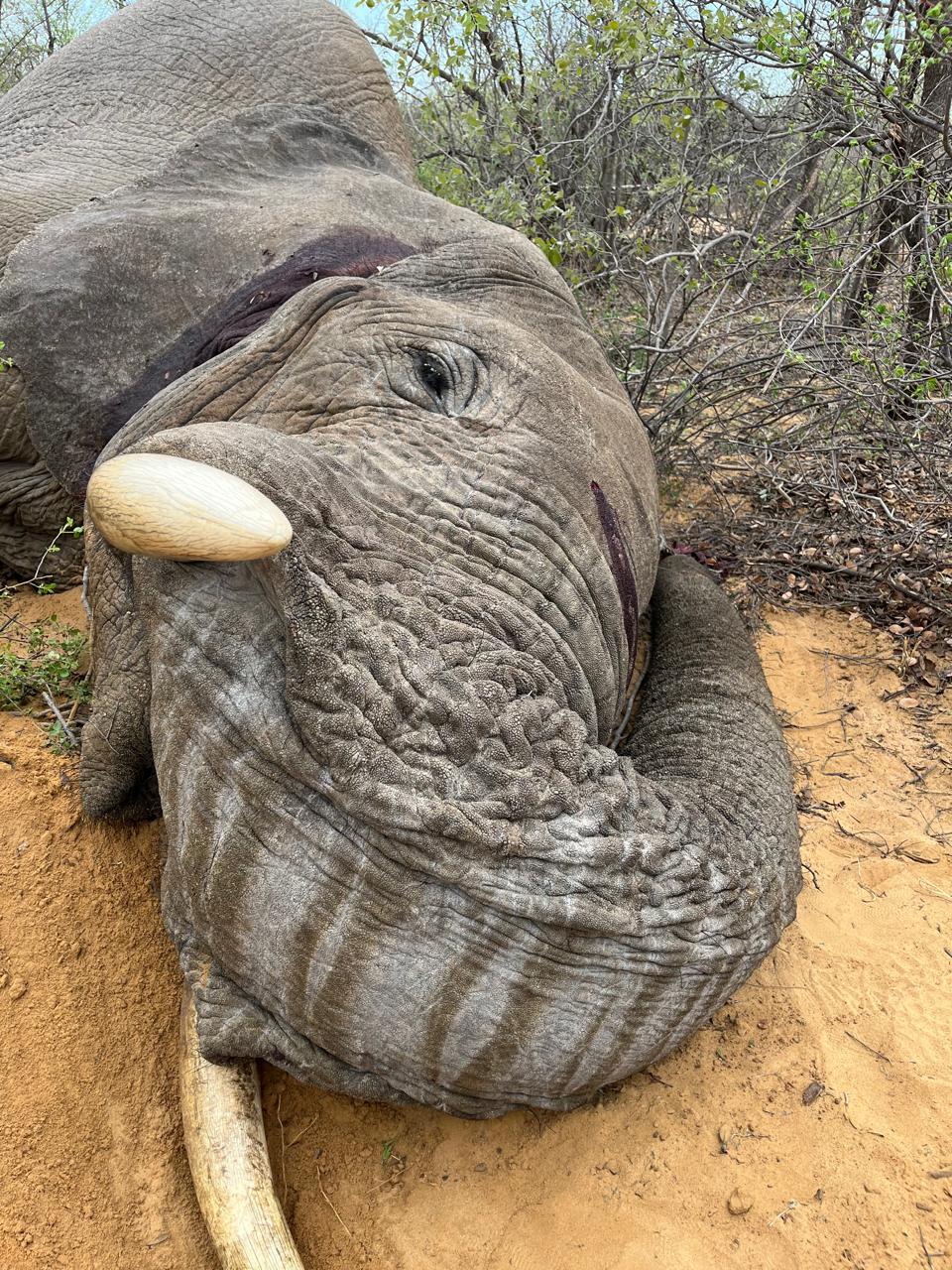
Exportable Caprivi Elephant Safari
Booking Season: 2026
Hunt Difficulty: Moderate, Difficult
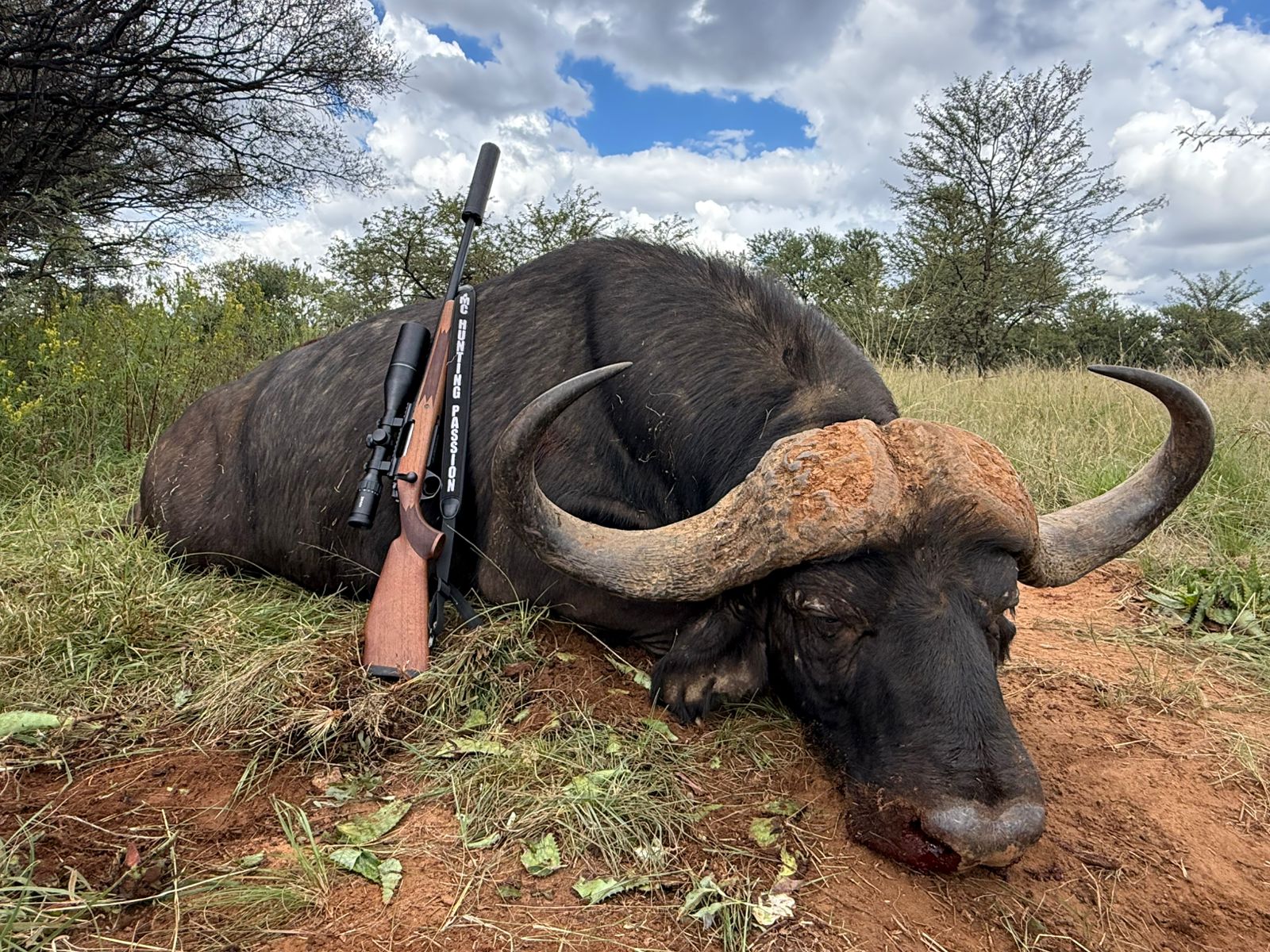
Tuskless Elephant & Cape Buffalo Safari in Zimbabwe
Booking Season: 2026
Hunt Difficulty: Difficult
Free-Range Elephant & Buffalo Hunt in Botswana
Booking Season: 2026
Hunt Difficulty: Difficult
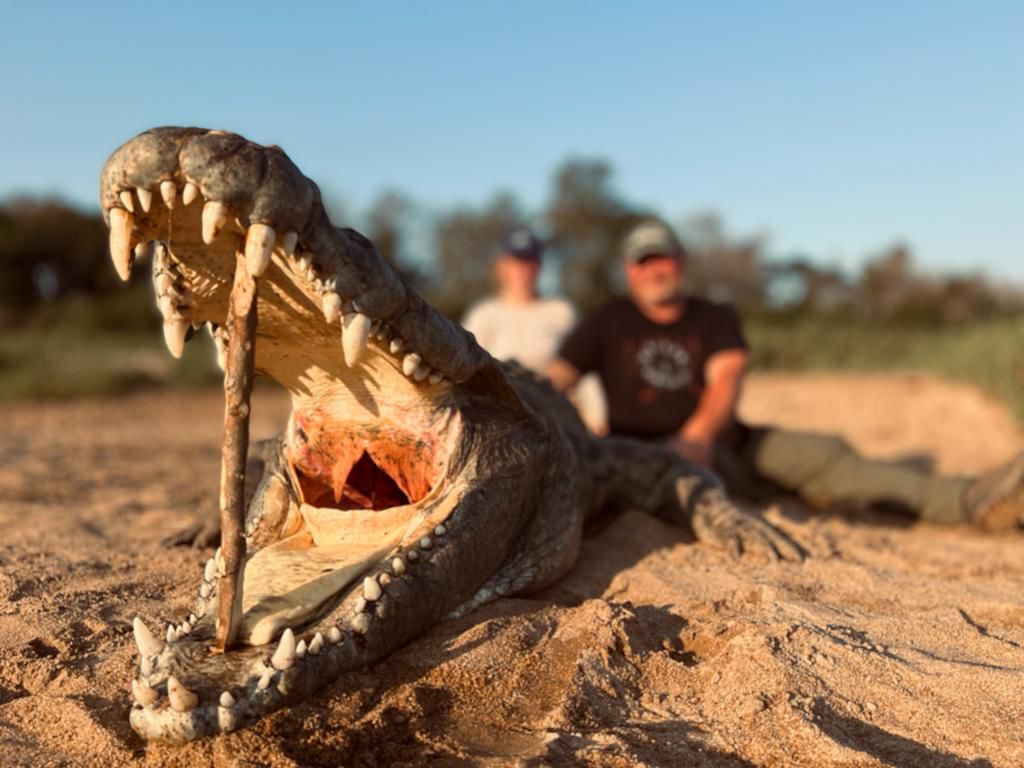
Lion, Leopard & Buffalo Safari Tanzania | Lunda Nkwambi
Booking Season: 2026
Hunt Difficulty: Difficult
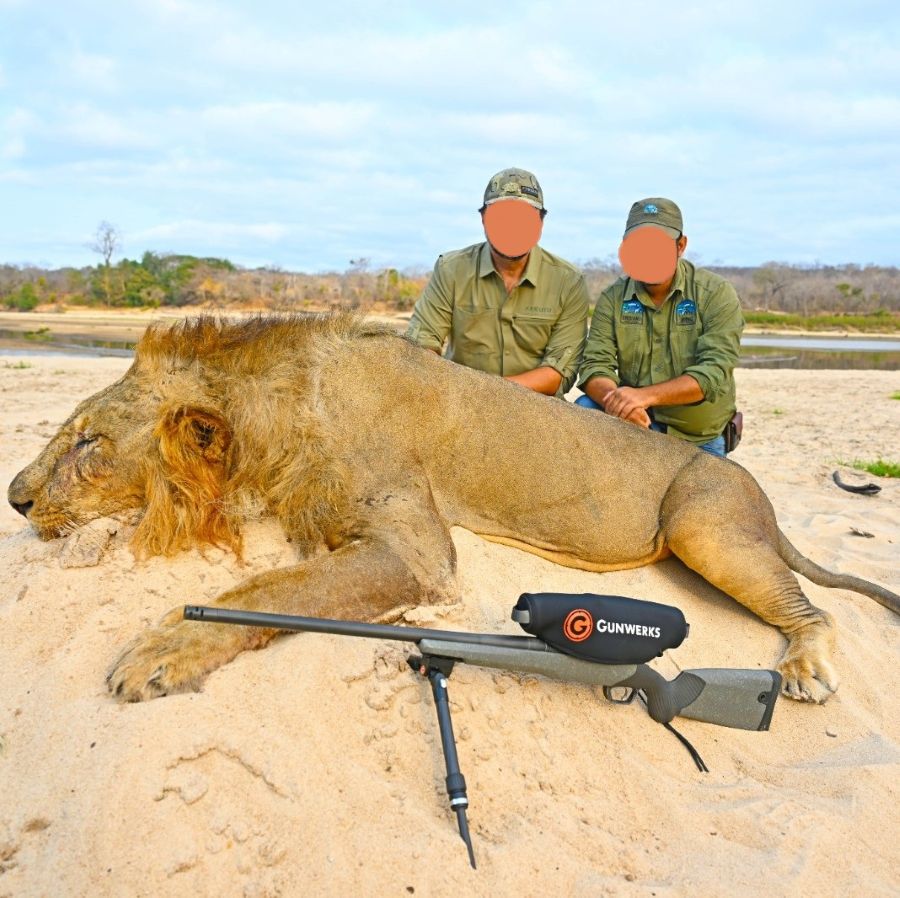
Hunt Lion, Leopard, Elephant & Cape Buffalo in Masailand, Tanzania
Booking Season: 2026
Hunt Difficulty: Moderate, Difficult
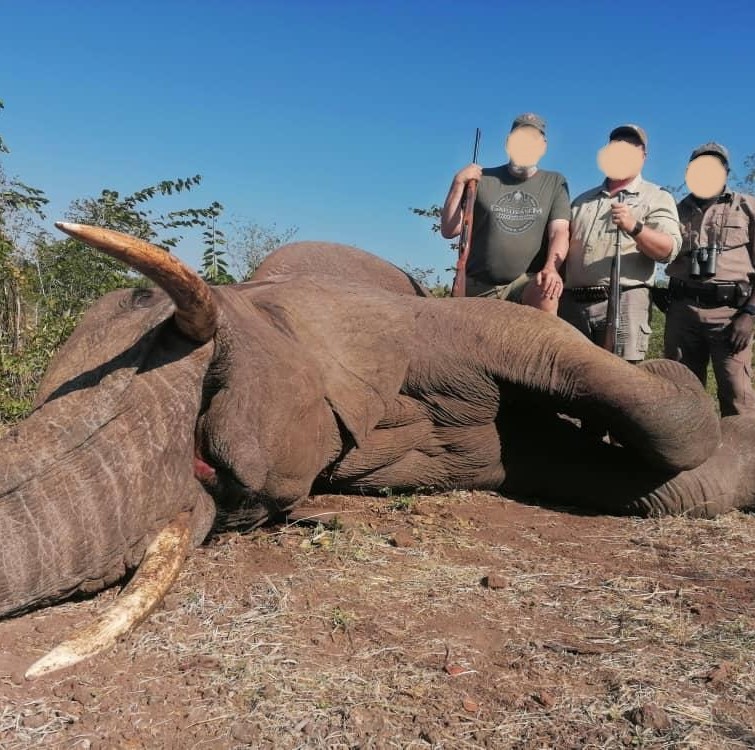
Zimbabwe Leopard & Elephant Dangerous Game Safari
Booking Season: 2026
Hunt Difficulty: Difficult
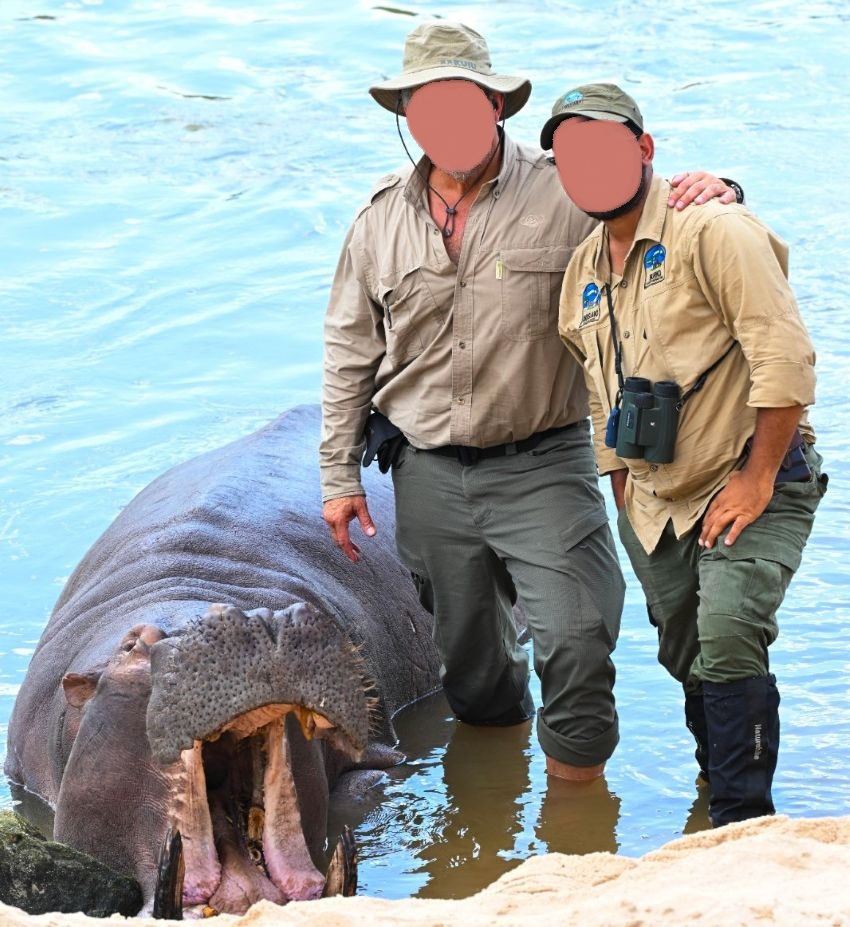
28-Day Exclusive Hunting Safari in Tanzania’s Famed Selous Region
Booking Season: 2026
Hunt Difficulty: Moderate, Difficult
Elephant hunts are not all structured around taking a trophy bull with exportable ivory. The type of elephant authorised under the hunting quota determines what can be pursued.
Trophy bull hunts are aimed at mature bulls selected for their ivory and overall trophy quality. An outfitter may have a suitable bull quota without being able to promise an exact tusk weight. Hunters should ask what size of ivory the area has produced recently, whether the trophy is eligible for export and whether the price changes according to tusk weight.
Tuskless elephant hunts are available under specific quotas, especially in Zimbabwe. These hunts can be less expensive than trophy-bull safaris, but hunters must understand exactly which animals may be taken. The absence of tusks does not make the hunt easier, and a tuskless elephant is not simply a cheaper alternative to a trophy bull.
Non-exportable elephant hunts are opportunities where the animal may be legally hunted but the trophy cannot be taken out of the country. These can arise under different hunting or wildlife-management arrangements. Ask whether the hunt includes any trophy entitlement and what happens to the ivory and other animal parts.
A tuskless hunt can also be non-exportable, so these categories are not mutually exclusive. The distinction is important when comparing two similar elephant safaris: the price alone does not tell you what you are buying.
Choosing an elephant hunting destination depends on the type of hunt you want, the available quota and your expectations for trophy quality. Different countries offer different hunting conditions, but the concession and elephant allocation are often more important than the country's reputation.
Zimbabwe offers traditional tracking safaris in areas such as the Zambezi Valley, Matetsi and the south-eastern Lowveld. Trophy-bull, tuskless and selected non-exportable hunts are available, with differences in safari duration and price. Hunters can compare these opportunities in our guide to elephant hunting in Zimbabwe.
Namibia offers contrasting hunting environments in the Zambezi Region and Bushmanland. River systems and floodplains characterise much of the Zambezi hunting country, while Bushmanland involves extensive, drier terrain. Exportability and the type of elephant authorised can differ between hunts, making these important considerations when comparing Namibia elephant hunting safaris.
Botswana offers free-ranging elephant hunts in large wilderness areas, where bulls can travel considerable distances between feeding and watering grounds. Although elephant numbers are substantial, finding a suitable mature trophy bull can still require days of tracking. Our Botswana elephant hunting opportunities explain the available hunting areas and different safari arrangements.
Zambia offers traditional elephant safaris in selected hunting concessions associated with the Luangwa and Zambezi systems. Elephant movements, hunting pressure and access can differ between concessions, so recent local results matter more than historical trophy claims. Compare elephant hunting in Zambia before selecting an area.
Mozambique offers remote hunting environments, but elephant opportunities depend heavily on the individual concession and authorised quota. Check where elephant hunting is currently available and what trophy expectations are realistic rather than assume every large wilderness area offers suitable bulls. Our guide to elephant hunting in Mozambique covers the country-specific considerations.
Tanzania offers elephant hunting in selected authorised concessions, generally as part of longer big-game safaris. The hunting block, applicable licence, quota and expected trophy quality are central to choosing a suitable hunt. Hunters considering Tanzania elephant hunting safaris should confirm these details before committing to dates.
South Africa provides a different type of opportunity. Elephant hunts are more limited and may depend on specific management requirements, permits or individual animals rather than established annual safari packages. Our guide to elephant hunting in South Africa explains these distinctions.
Cameroon offers a different elephant hunting experience from the traditional savanna safaris of southern Africa. Forest elephant hunts take place in dense rainforest, where visibility is limited and experienced local trackers are essential. These are specialist safaris requiring careful planning, with availability dependent on individual permits and quota. Hunters interested in this type of safari can explore our forest elephant hunting opportunities in Cameroon.
Uganda is not currently a destination for elephant trophy hunting. Hunters researching elephant hunting in Uganda can review the restrictions and compare countries where authorised elephant safaris are available.
Gabon supports one of Africa's largest remaining forest elephant populations, but it is not an established destination for elephant trophy safaris. Hunters researching forest elephant hunting in Gabon should understand the country's hunting restrictions rather than assume that elephant trophies are available.
Republic of Congo has forest elephants in its extensive Congo Basin rainforests, but their protected status makes trophy hunting a complex legal matter. Hunters researching forest elephant hunting in the Republic of Congo should establish whether any hunt is currently authorised rather than assume that the presence of elephants means a safari is available.
The dry season is usually the preferred period for traditional elephant tracking safaris. As vegetation thins and water becomes more concentrated, finding fresh spoor and following a bull through the bush can become easier. However, the most productive months depend on the hunting area, rainfall and movements of elephants between neighbouring concessions.
In dry regions such as Namibia's Bushmanland, water availability can influence where elephants travel and how far trackers must follow them. Conditions along the Zambezi can be different, especially where permanent water, river channels and dense vegetation affect elephant movements. The same country can therefore offer different hunting conditions depending on the concession.
Legal hunting seasons and available quota also determine when a safari can take place. Rather than choosing dates solely around the dry season, hunters should ask their outfitter when mature bulls are most frequently encountered in the specific hunting area, what tracking conditions to expect and whether sufficient hunting days are available during the proposed period.
Elephant hunting prices vary depending on the country, hunting area, type of elephant and safari duration. A tuskless or non-exportable hunt may cost less than a traditional trophy-bull safari, especially where the hunter is pursuing a mature bull with heavy ivory.
As a broad guide, elephant hunting safaris in Africa can cost approximately US$25,000–US$70,000 or more, with some tuskless and non-exportable opportunities available below this range. Heavy-ivory bulls, longer safaris and hunts involving other dangerous game can cost much more. These figures are indicative rather than fixed prices, as hunting opportunities, quotas and package terms change.
Safari duration also affects the total price. Traditional trophy-bull hunts may require two to three weeks, especially when pursuing heacy ivory, while some tuskless and non-exportable opportunities are offered as shorter safaris. Minimum hunting periods vary by destination and licence category, so compare the number of full hunting days included in each package.
Some outfitters quote a complete package, while others charge daily rates and elephant trophy fees separately. Trophy fees may also vary according to tusk weight. Check whether the quoted price includes the elephant trophy fee and how any ivory-weight adjustments are calculated.
Additional costs may include government permits, concession fees, transfers or internal charters, rifle permits, dip and pack, taxidermy and international trophy shipping. Our African Hunting Safari Prices guide explains these additional expenses in more detail.
Elephant trophies are traditionally judged by tusk weight rather than length alone. A bull with shorter, thick ivory may carry heavier tusks than one with longer, thinner ivory. Tusk weight is generally recorded in pounds, with each tusk weighed separately. A 50-pound elephant refers to the weight of an individual tusk, not the combined weight of both.
Judging ivory in the field takes experience. A substantial portion of each tusk remains inside the skull, making its true weight difficult to estimate while the elephant is alive. Professional Hunters consider visible length, circumference, taper and the bull's overall maturity when assessing a potential trophy. Even experienced hunters can misjudge ivory, particularly when only part of the tusks can be seen.
Older bulls may carry worn, chipped or broken tusks. After following a bull's tracks for several hours, discovering that his ivory falls short of expectations can mean walking away and starting again. A mature elephant is not automatically an exceptional trophy, and hunters pursuing heavier ivory should discuss realistic expectations for the concession. The difference between a mature 35- or 40-pound bull and one carrying ivory exceeding 70 pounds can be considerable, both in availability and hunting cost. Big tuskers cannot be guaranteed.
A traditional elephant hunt usually begins by cutting fresh tracks along roads, riverbeds or established elephant routes. Once the Professional Hunter and trackers identify the spoor of a promising bull, the hunt continues on foot. Following an elephant through thick mopane woodland or dry bush can take most of the day, and there is no guarantee the animal will offer a suitable opportunity.
Expect long days on foot, often in intense heat and over uneven ground. A reasonable level of fitness and comfortable, well-worn boots can make a difference over a long tracking safari.
Wind direction becomes increasingly important as the hunters close the distance. Elephants have a superb sense of smell, and a change in wind can end a stalk before the bull is even seen. When the trackers eventually catch up, the PH must assess the ivory, confirm that the animal meets the hunting requirements and decide whether a safe approach is possible.
The final approach requires care and precision. Elephants may be encountered at close range, often with limited visibility through vegetation. The hunter needs to be comfortable with the rifle, understand the intended shot and follow the PH's instructions. A poorly placed shot can result in a wounded elephant and a dangerous follow-up. Hunters should familiarise themselves with elephant shot placement before their safari, rather than trying to understand the anatomy for the first time when an opportunity presents itself.
Rifles such as the .375 H&H and .416 Rigby are commonly used for elephant hunting, although legal minimums and suitable ammunition vary by destination and should be confirmed with the Professional Hunter.
Pierre and Tamlyn hunted elephant during a drought-relief hunt in Namibia's Bushmanland. You can read about the hunt and the circumstances behind it in our Bushmanland elephant hunting expedition.
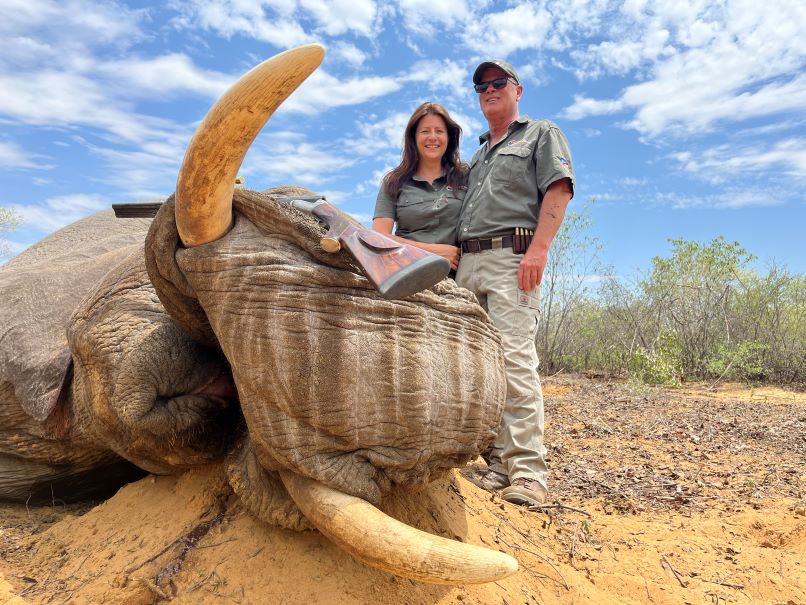
Tamlyn and Pierre with an impressive elephant bull during their Bushmanland hunting expedition in Namibia.
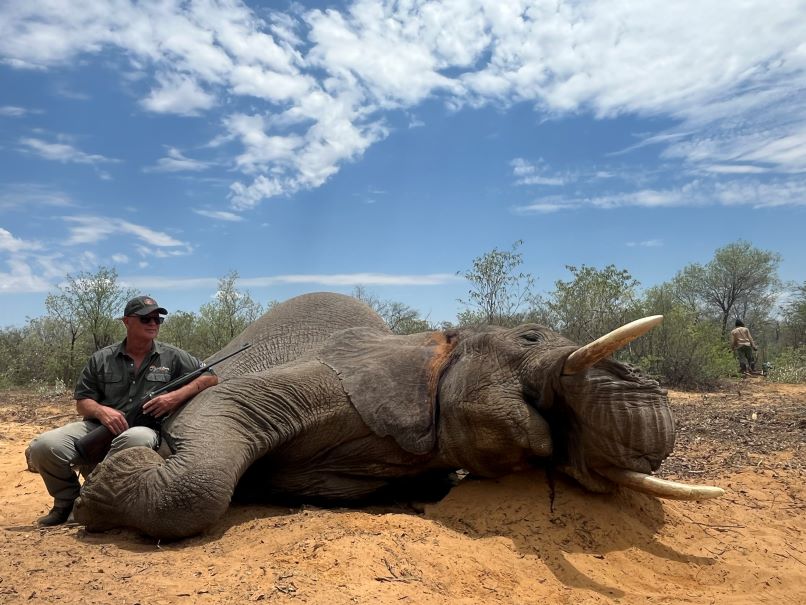
Pierre alongside the elephant taken during the drought-relief hunt in Namibia's Bushmanland region.
Most organised elephant hunting safaris include accommodation, meals, the services of a Professional Hunter, trackers, camp staff and transport within the hunting area.
Field preparation of the trophy may also be included, depending on the package. Some elephant hunts are sold as complete packages, while others quote hunting days and the elephant trophy fee separately. The trophy fee is generally payable when an elephant is taken, and a wounded elephant may be treated as taken even if it is not recovered. The exact terms should be confirmed in writing before paying a deposit.
Your written quotation should state the number of full hunting days, the elephant category covered and what happens if the safari ends without an elephant being taken.
Recovering an elephant is a substantial operation, especially in remote hunting areas where vehicles cannot always reach the animal. The Professional Hunter, trackers and camp staff must coordinate the recovery, which may involve clearing access routes and arranging additional assistance.
Once an elephant has been recovered, the tusks are removed, weighed and recorded according to the country's requirements. Where the hunt is conducted under a community or wildlife-management programme, meat distribution may form part of the arrangements. The handling of ivory and other trophy parts depends on the permit conditions and whether export is authorised.
Yes. Elephant hunting is legal in several African countries, including Zimbabwe, Namibia, Botswana, Zambia, Mozambique, Tanzania, South Africa and Cameroon, under government-authorised quotas and hunting permits. Each country determines how many elephants may be hunted, in which areas and which animals may be taken, whether trophy bulls, tuskless elephants or animals authorised under management programmes. It is not legal everywhere. Kenya, for example, prohibits sport hunting.
A hunting licence and an export permit are separate approvals. The right to hunt an elephant does not automatically allow the ivory to leave the country, and an African export permit does not guarantee that the trophy can enter the United States.
American hunters considering an exportable elephant hunt must check whether the trophy can legally enter the United States before committing to a safari. An elephant may be lawfully hunted and its ivory approved for export by the African country, but that does not automatically make the trophy eligible for import into the US.
The US Fish & Wildlife Service requires an individual import permit for African elephant sport-hunted trophies, using Form 3-200-20. Approval involves an assessment of whether the hunt contributes to elephant conservation, known as an enhancement finding. Country-specific requirements also apply, including US certification requirements and, since January 2026, the requirement that the exporting country hold CITES Category One status.
Check current import eligibility for the country and proposed hunt before paying a deposit. The outfitter or trophy exporter must also clarify who will arrange the African export documents, while the hunter remains responsible for obtaining the necessary US import authorisation. An experienced wildlife import broker can assist with the process.
For hunters who want to bring home elephant ivory, import eligibility should be established before comparing trophy size or safari price. A non-exportable elephant hunt should never be booked with the expectation that the ivory can be imported later.
Make sure the outfitter has an authorised quota for the type of elephant you intend to hunt. A concession may have elephants in good numbers without having an available trophy-bull allocation, and a quota for a tuskless elephant does not entitle the hunter to take a bull.
Ask about recent hunting results from the actual concession, not simply the country or surrounding region. How many elephant hunts were conducted during the previous season? What class of bulls were taken, and how many hunting days were required? These answers are more useful than photographs of ivory taken years earlier.
The safari must also allow enough hunting days for its objective. A hunter pursuing heavy ivory may need more flexibility than someone booking a specific management hunt. The right elephant safari is one where the available quota, hunting conditions and realistic expectations match what the hunter wants to achieve.
If you're considering an elephant safari, contact Game Hunting Safaris with your preferred country, travel dates, approximate budget and whether you're interested in a trophy bull, tuskless or non-exportable hunt. We'll help you confirm quata, ivorya and import details before you book.
You can also explore our wider selection of African hunting trips if you're still comparing safari opportunities across Africa.
Explore our expeditions below for firsthand accounts and photographs from the hunting areas behind the safaris we offer.
A collection of some of our most unforgettable moments in the wild. From the sweeping plains to the dense
forests, these photos showcase the landscapes, wildlife, and experiences that have defined our hunting
expeditions.
GHS in the Field
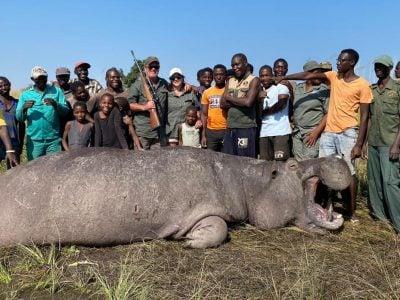
Wild Hippo Hunting In The Zambezi Region, Namibia
View Expedition Details
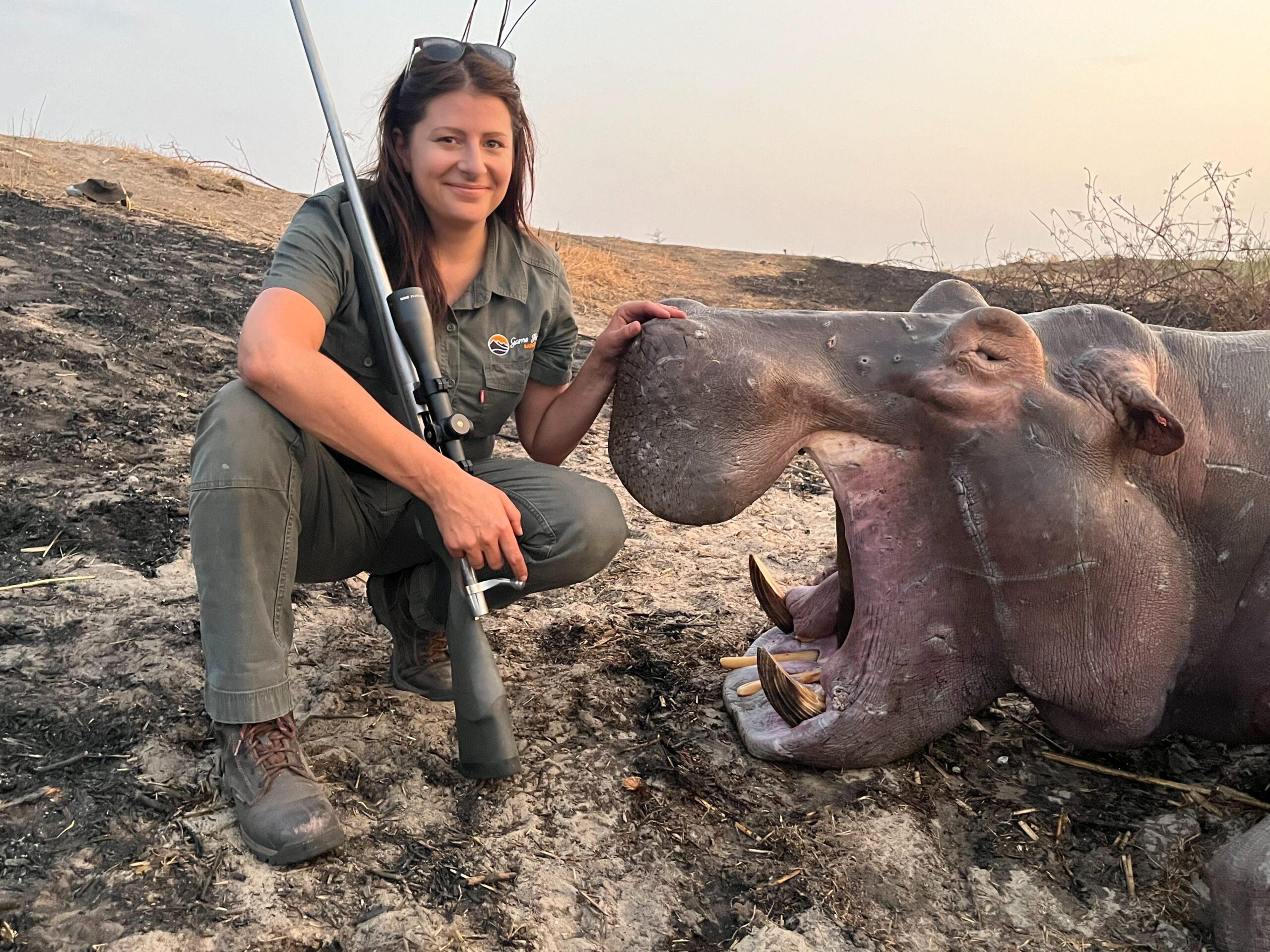
Hippo Hunting In The Zambezi Region (Caprivi Strip) Namibia
View Expedition Details
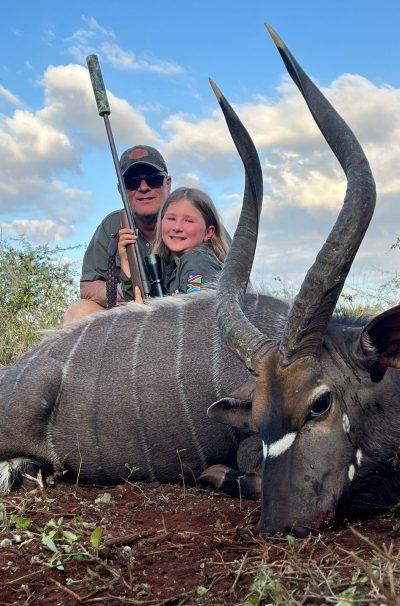
The Africa Plains Game safari, Trophy Nyala In KZN, SA
View Expedition Details
Hyena Hunting in South Africa | Safari Experience
View Expedition Details
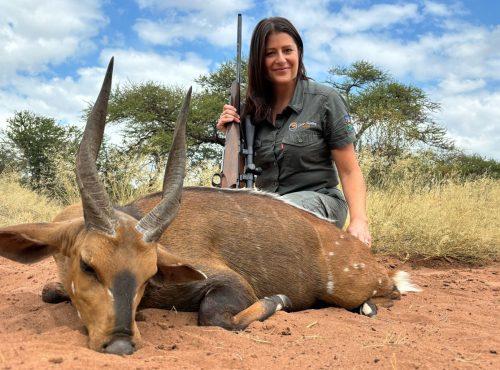
Bushbuck Hunting Safari in Limpopo | Stalking Africa’s Most Elusive Antelope
View Expedition Details
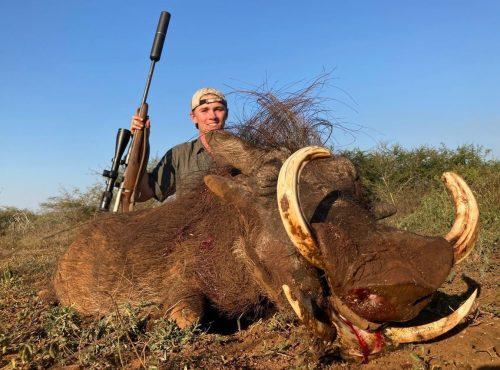
Warthog Hunting in Pongola, KwaZulu-Natal, South Africa
View Expedition Details
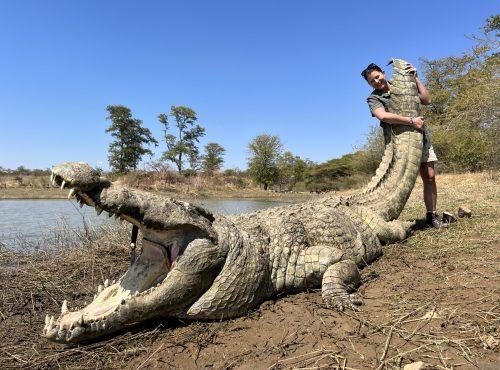
How We Took a 15.1 ft and a 14.9 ft Nile Crocodile on Lake Cahora Bassa
View Expedition Details
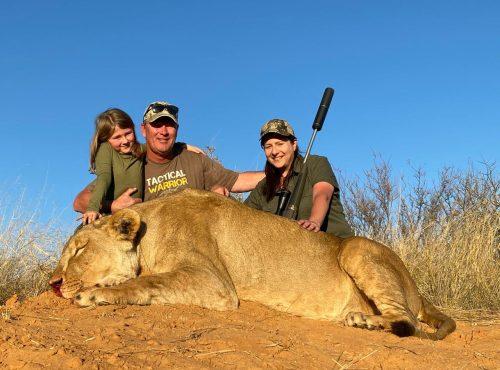
Lion Hunting In South Africa, Kalahari Desert Safari
View Expedition Details
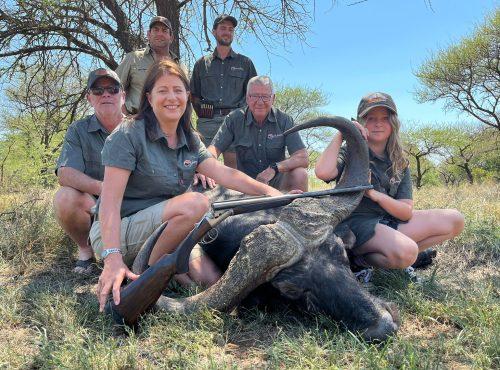
Dangerous Cape Buffalo Hunting Safari in Limpopo
View Expedition Details
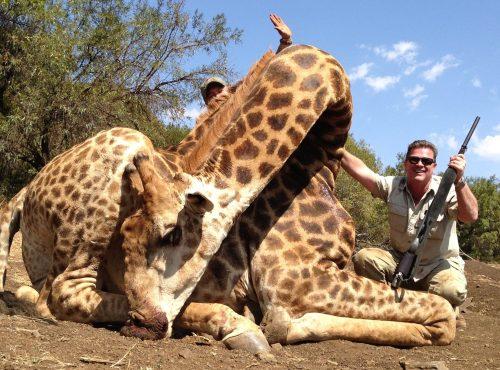
Giraffe Hunting Safari | North West Province, South Africa
View Expedition Details
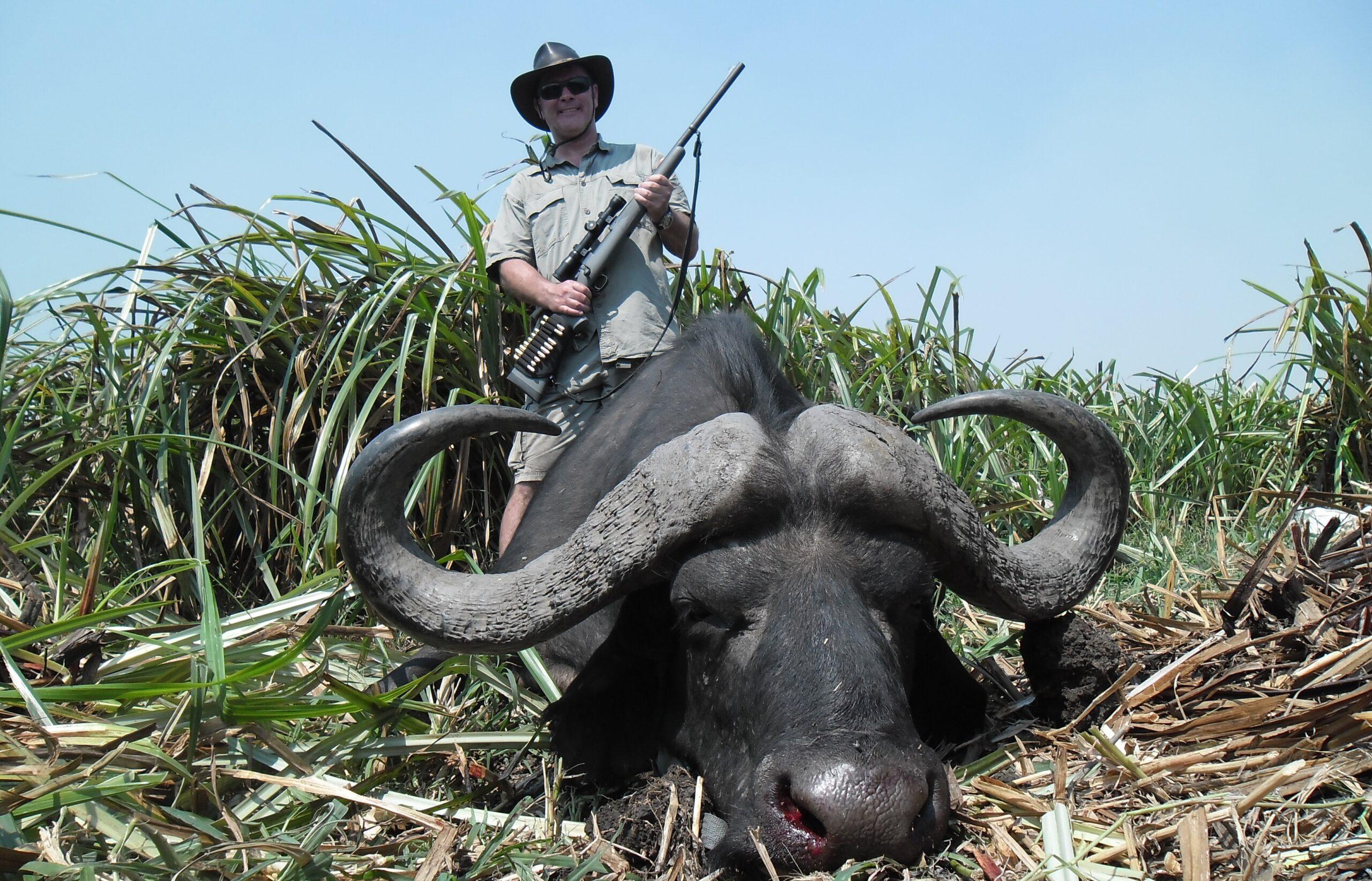
Dangerous Game Buffalo Hunting in Mozambique
View Expedition Details
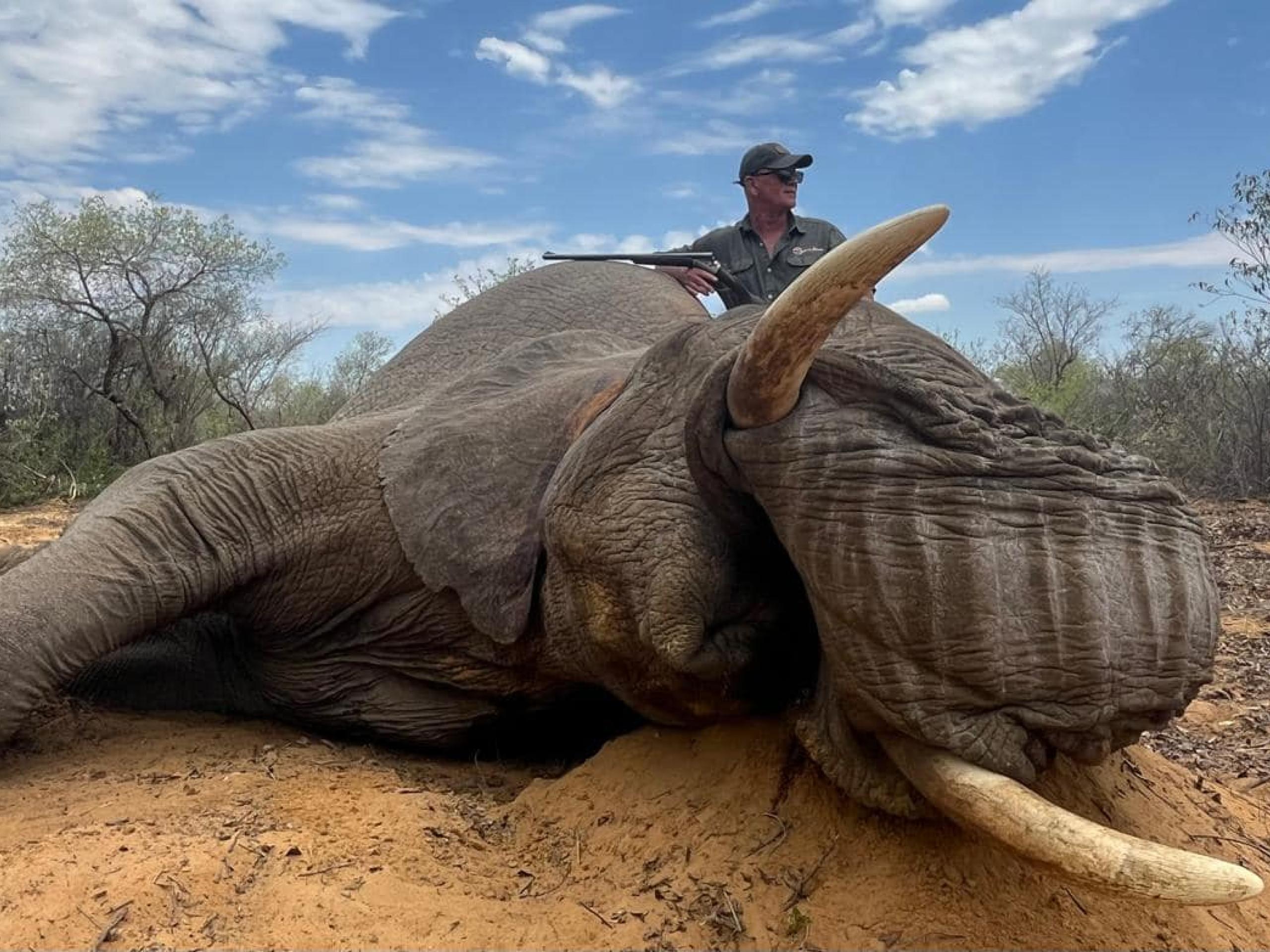
Drought Relief Elephant Hunting in Bushmanland, Namibia
View Expedition Details
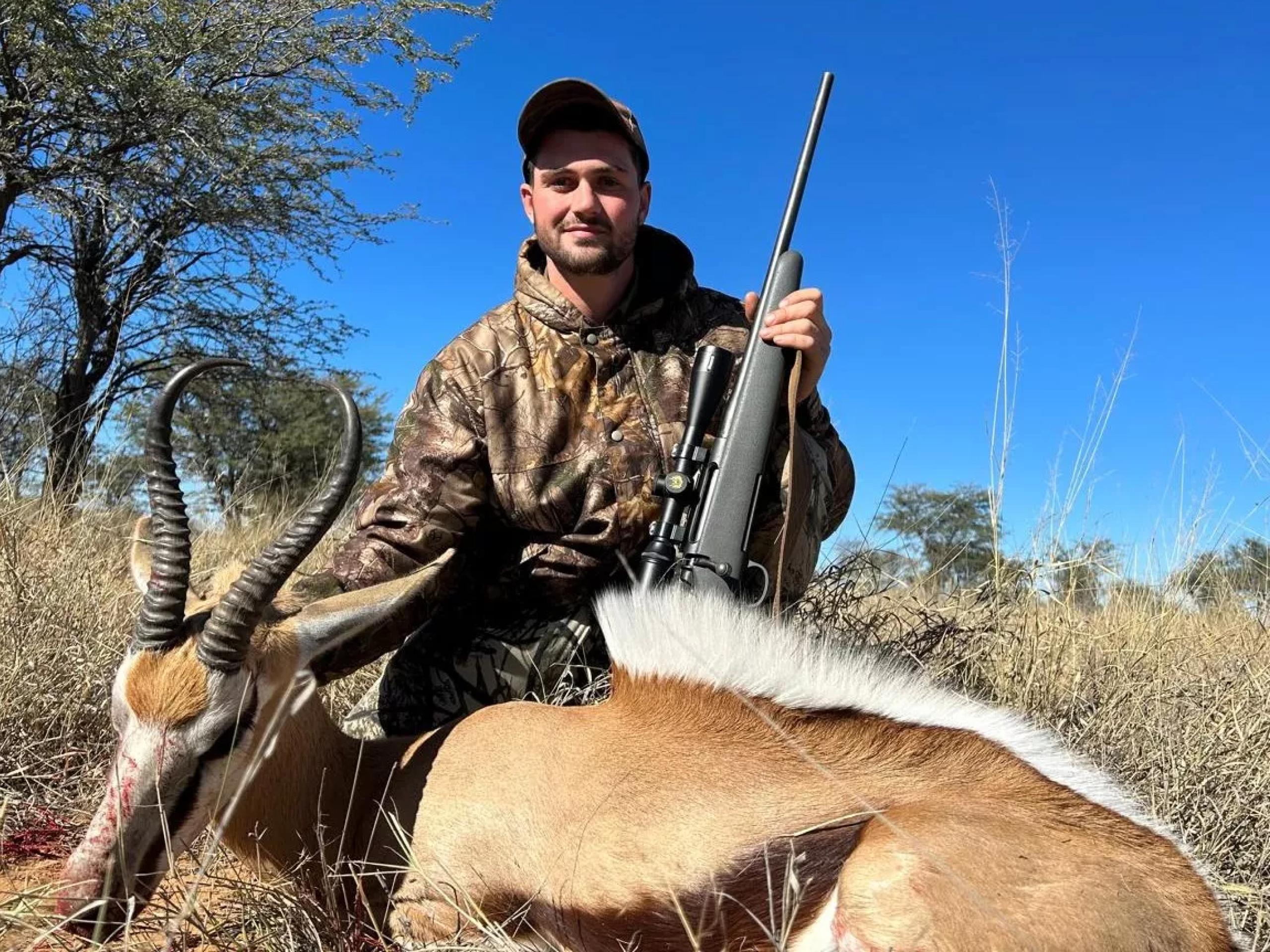
Rustic Kalahari Hunting Safari In South Africa
View Expedition Details
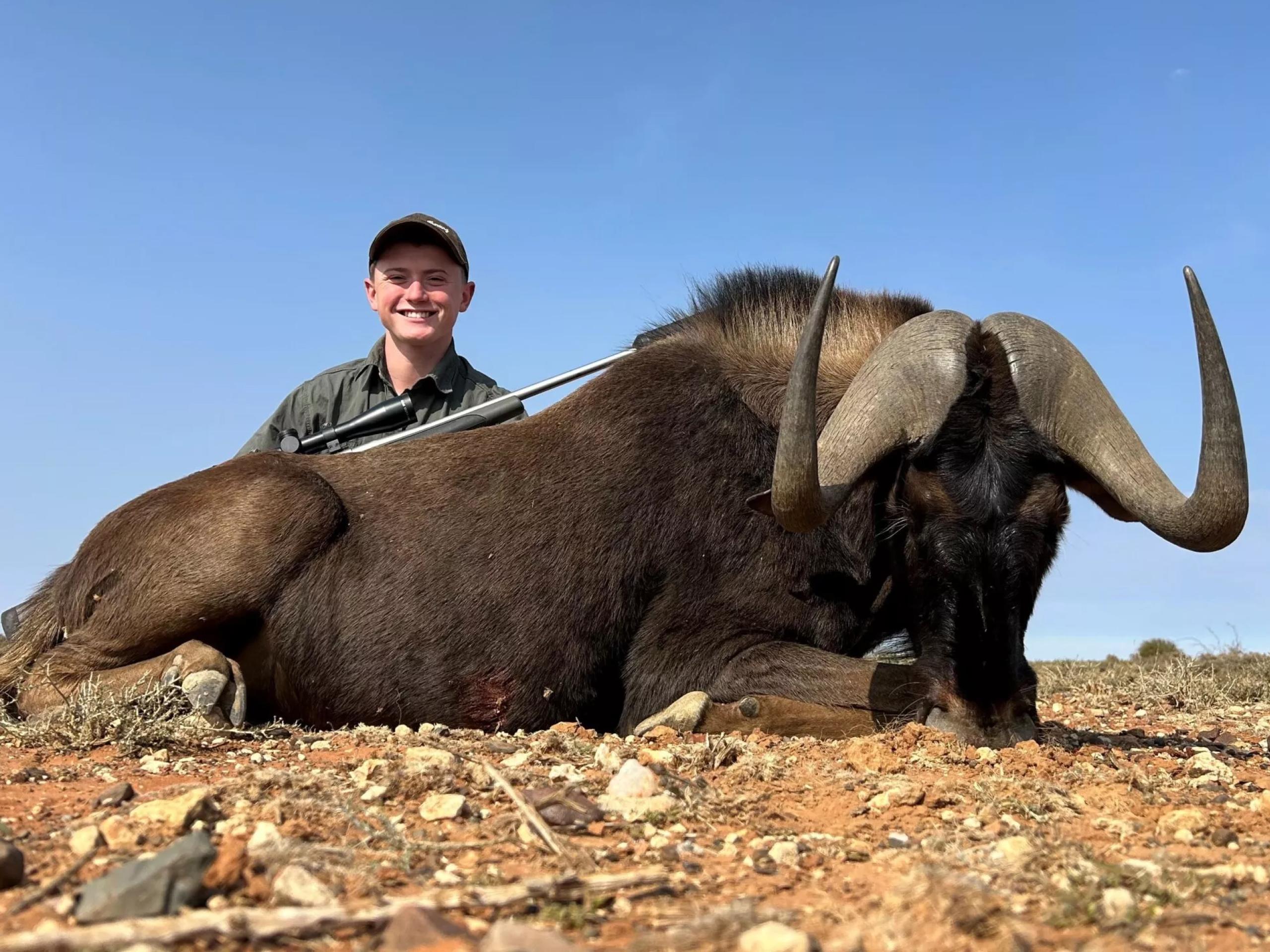
Karoo Hunting Safari In South Africa | Gemsbuck & Springbuck Hunt
View Expedition Details
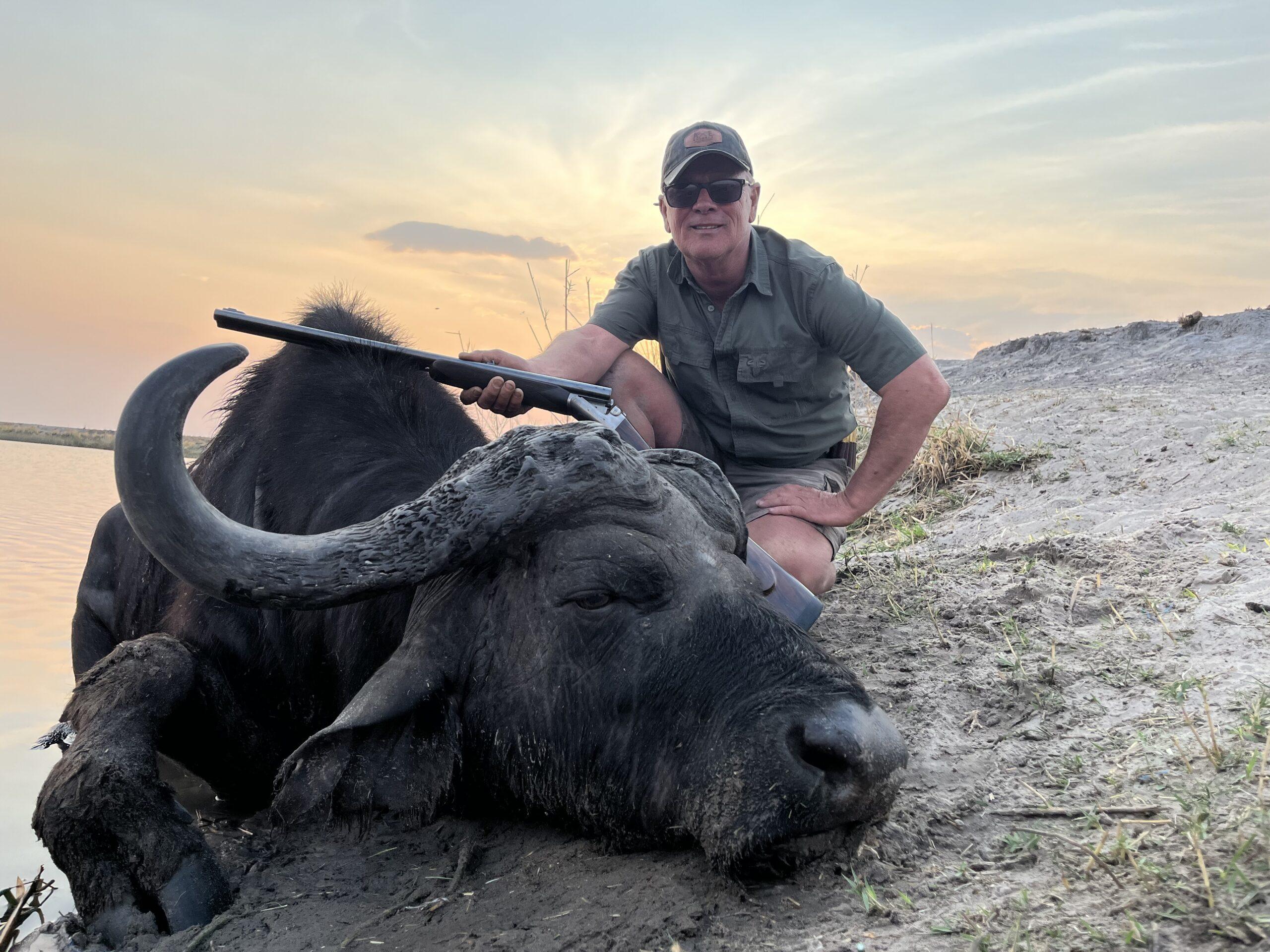
Cape Buffalo Hunting In Namibia’s Caprivi Strip
View Expedition Details
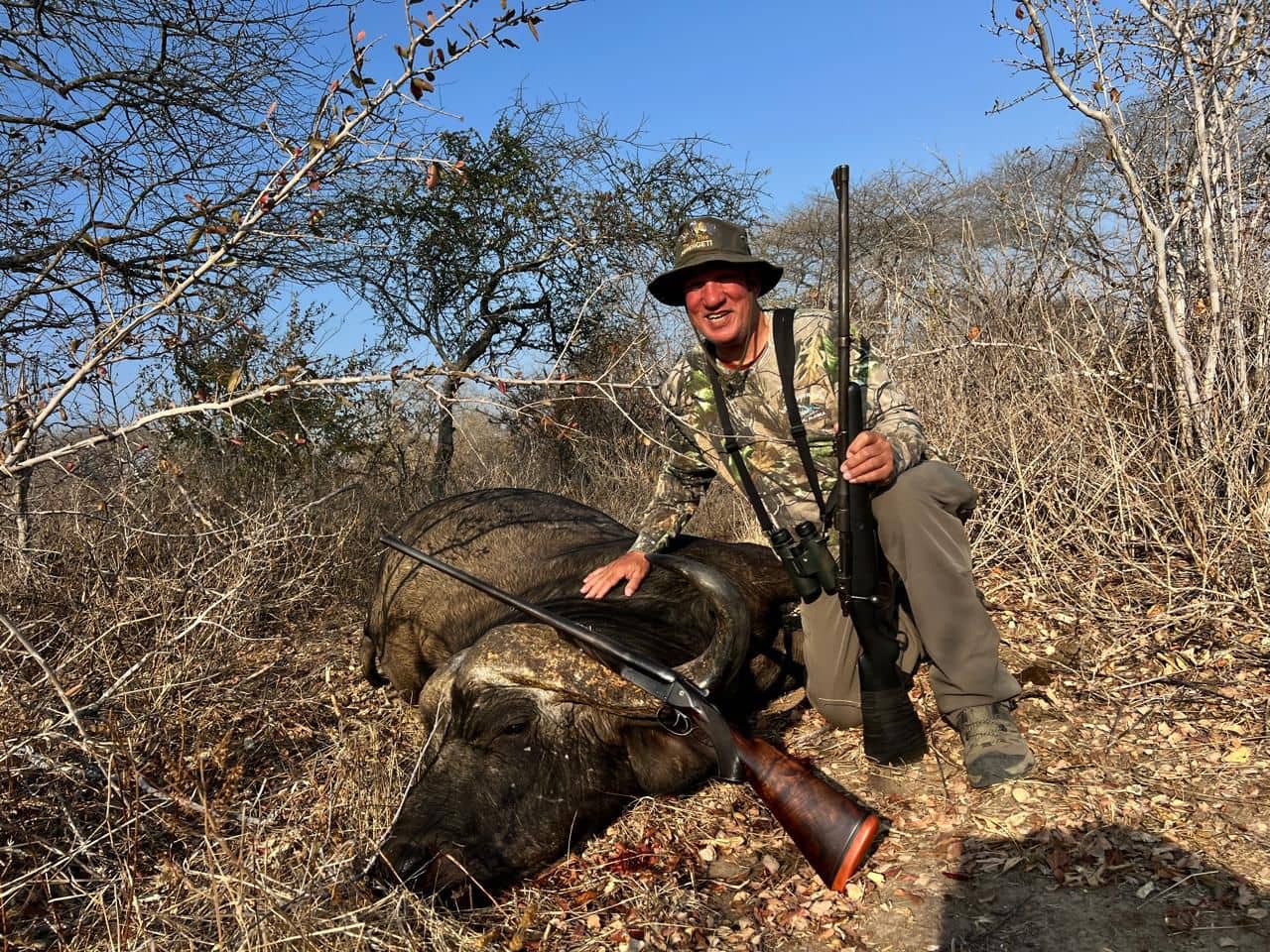
Following Mr Chapman’s Cape Buffalo Hunt in Lunda Nkwamb
View Expedition Details
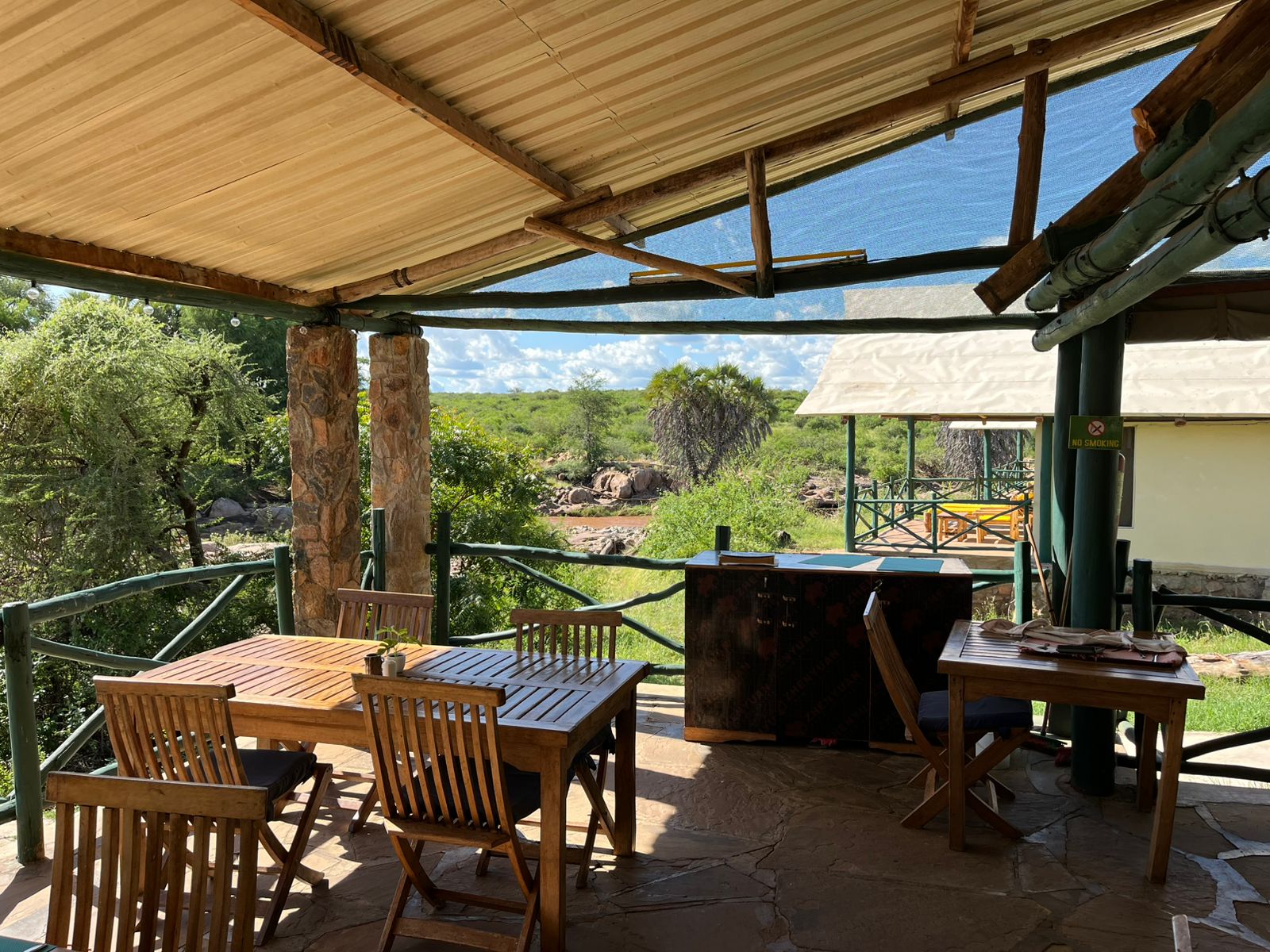
Tsavo Kenya Safari, Home Of Africa’s Big Tuskers
View Expedition Details
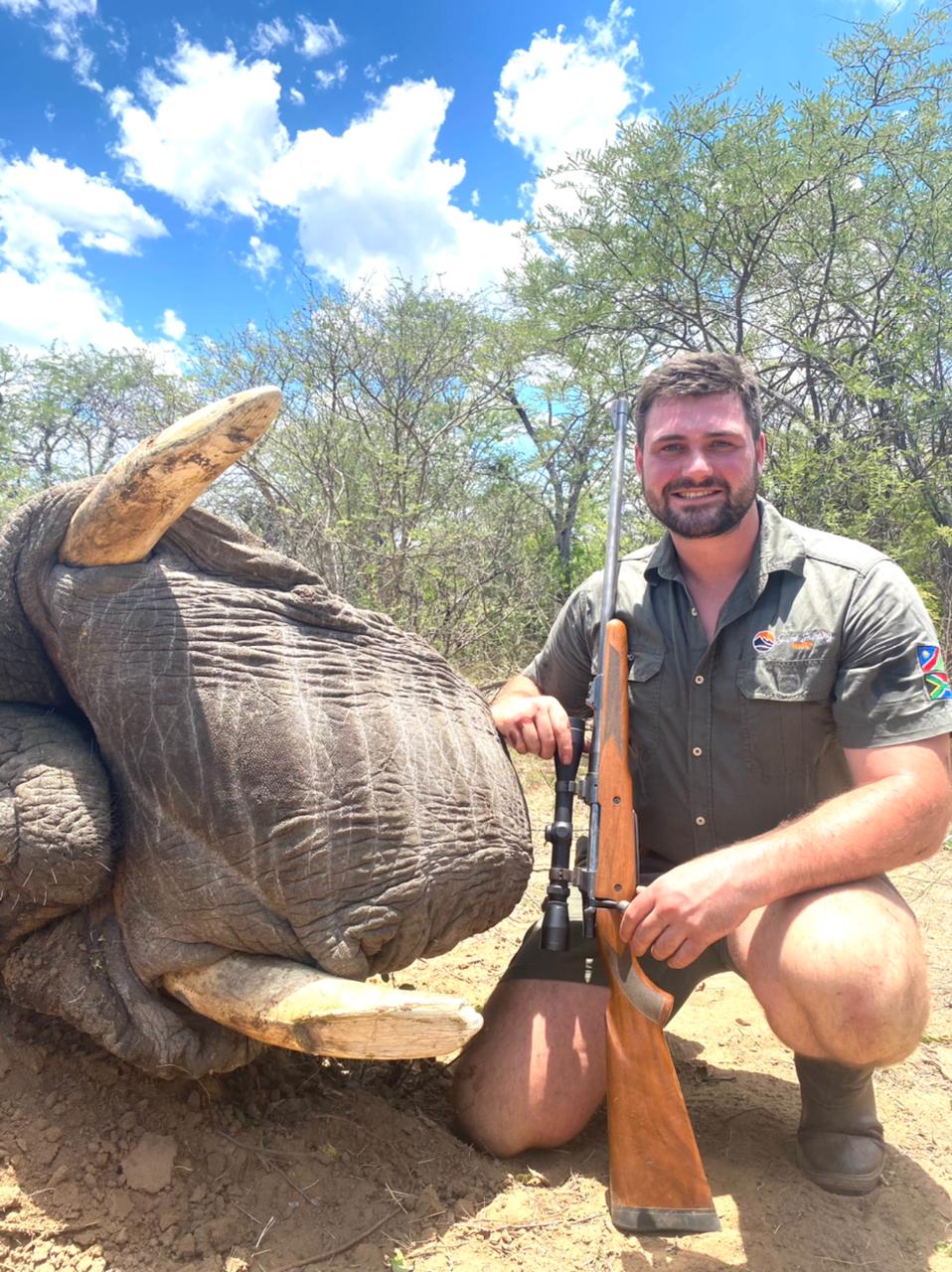
Problem Elephant Hunting Safari In Namibia
View Expedition Details
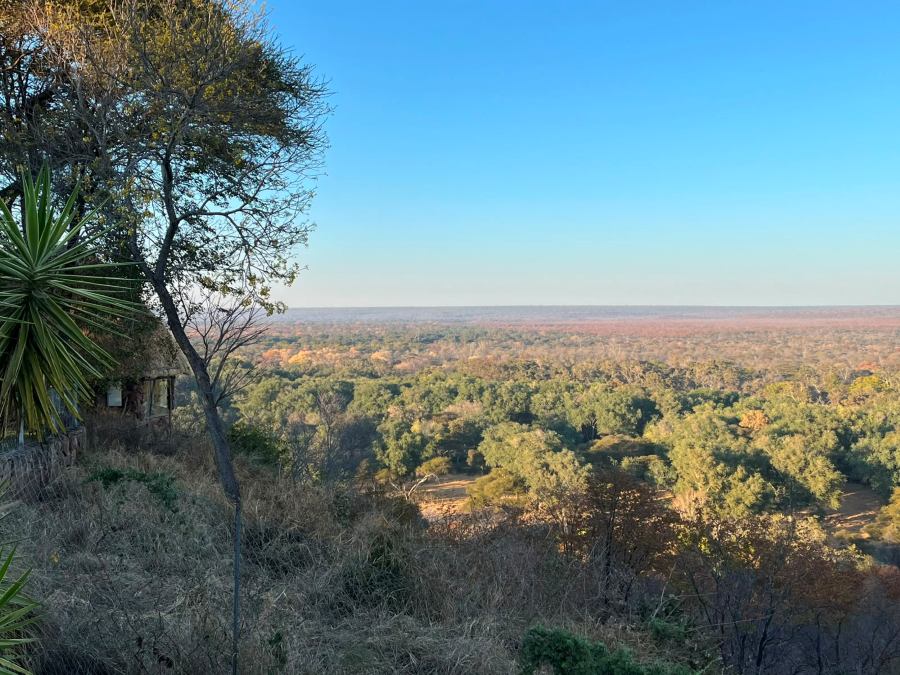
Exploring Zimbabwe's Matetsi, Gwayi & ECA Hunting Areas
View Expedition Details
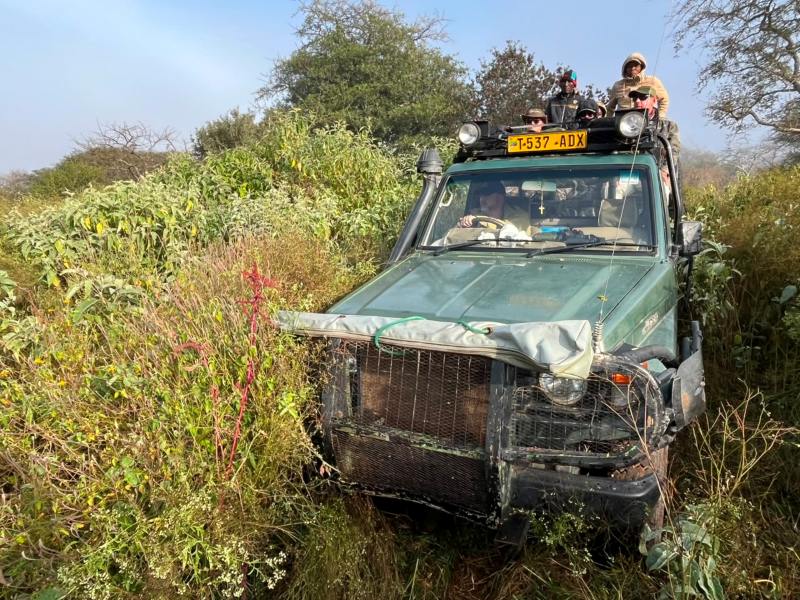
Exploring Tanzania's Simanjiro & Naberera Hunting Areas
View Expedition Details
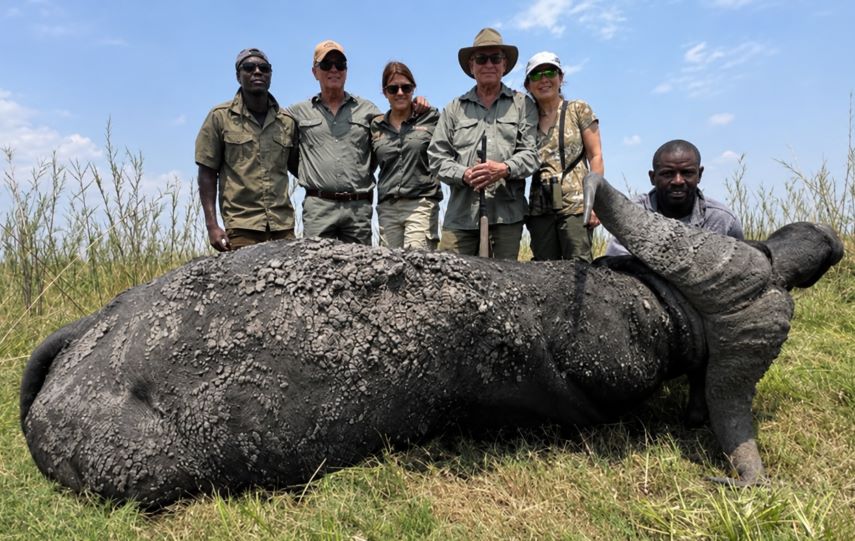
Late-Season Buffalo in the Caprivi: A Dagga Boy, Two Zebra and One That Got Away
View Expedition Details
Hunts Currently Available
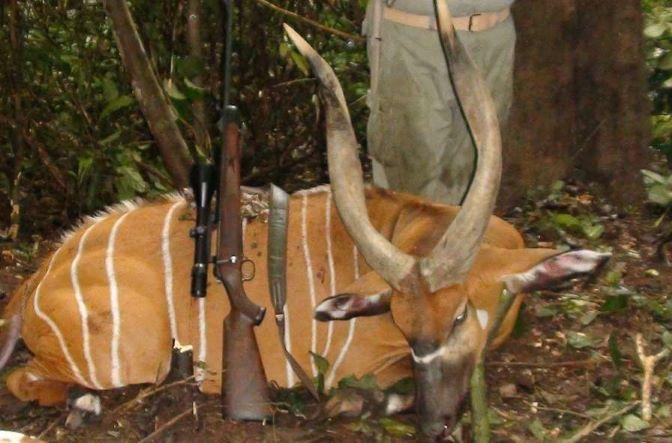
Bongo and Forest Elephant Hunting Safari (13 Days) – Cameroon
Booking Season: 2026
Hunt Difficulty: Difficult
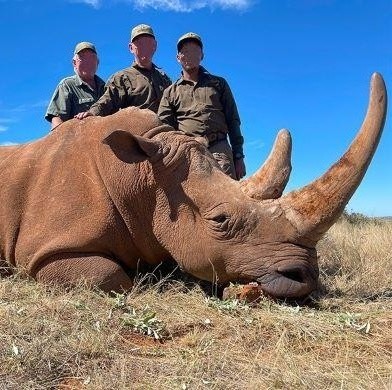
Cape Buffalo, Rhino & Premium Plains Game Safari in South Africa
Booking Season: 2026
Hunt Difficulty: Moderate, Difficult
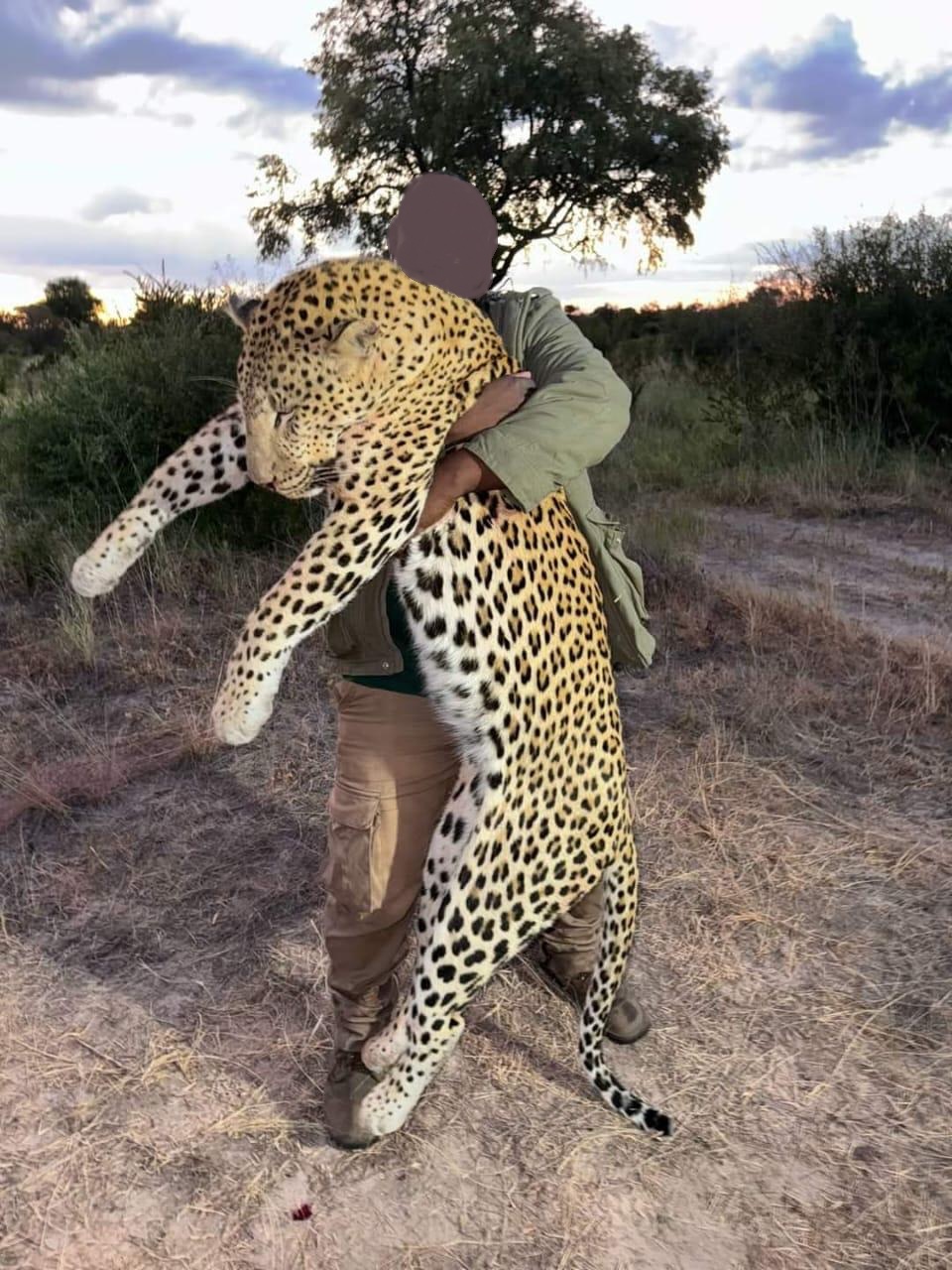
Zimbabwe Leopard Hunt | Gwayi ECA & Sikumi East
Booking Season: 2026
Hunt Difficulty: Difficult
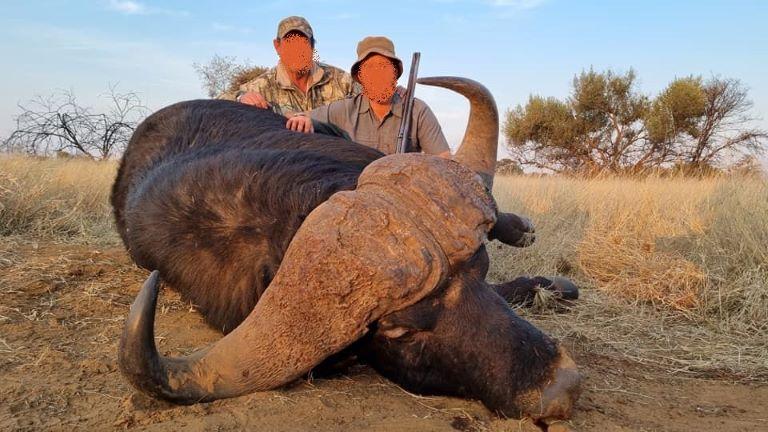
Where the Dagga Boys Rule: 7-Day Limpopo Cape Buffalo Safari
Booking Season: 2026
Hunt Difficulty: Difficult
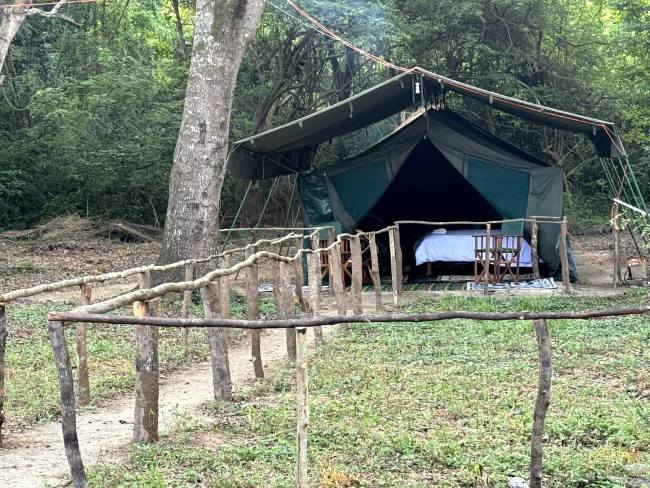
Triple Cape Buffalo Hunt in the Selous, Tanzania
Booking Season: 2026
Hunt Difficulty: Difficult
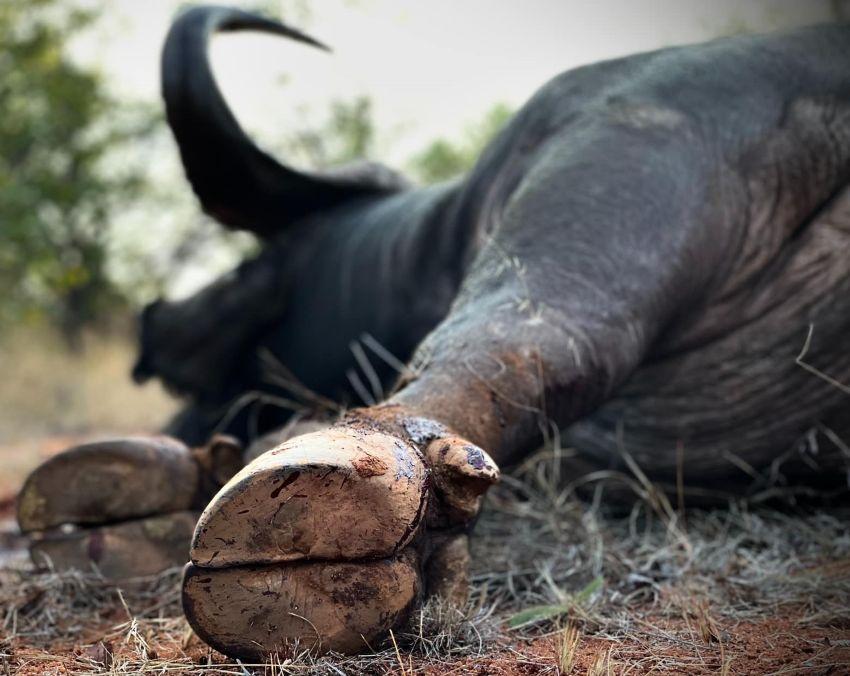
Two Buffalo. One Extraordinary Safari.
Booking Season: 2026
Hunt Difficulty: Difficult, Extreme
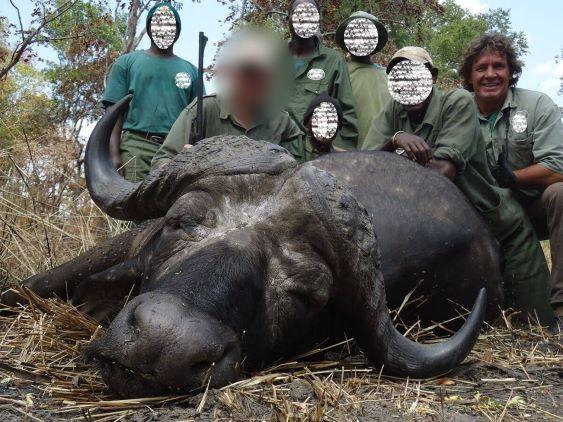
Traditional Cape Buffalo Hunting Safari in Tanzania
Booking Season: 2026
Hunt Difficulty: Difficult
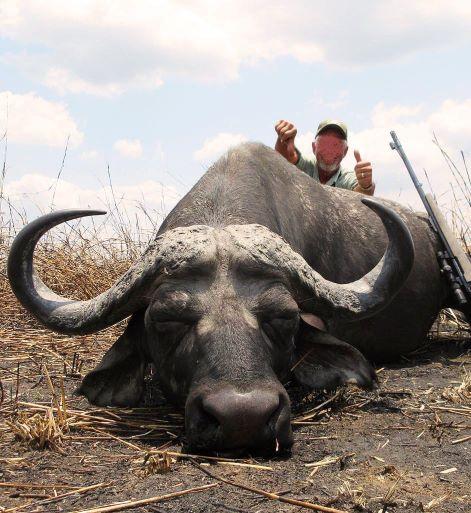
Ten Days with Cape Buffalo in Tanzania's Legendary Selous
Booking Season: 2026
Hunt Difficulty: Difficult
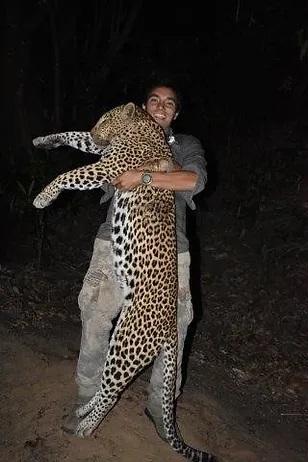
Niassa Leopard Hunting Safari with Roosevelt Sable & Wildebeest
Booking Season: 2026
Hunt Difficulty: Difficult
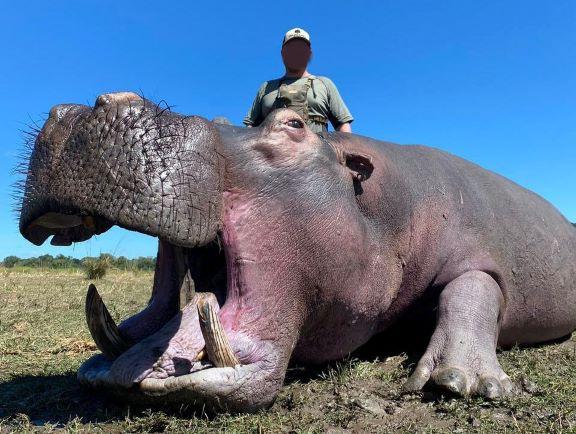
South Africa Dangerous Game & Nocturnal Hunting Safari
Booking Season: 2026
Hunt Difficulty: Moderate, Difficult
African savanna elephant (Loxodonta africana): Endangered globally according to the IUCN, although populations remain substantial in parts of southern Africa, particularly Botswana and Zimbabwe.
African forest elephant (Loxodonta cyclotis): Critically Endangered globally according to the IUCN.
Search from our range of Hunts across various popular destinations in Africa.

Book Your Hunt