Exportable Elephant Hunting Safari in Botswana's Bushmanland
Booking Season: 2026
Hunt Difficulty: Difficult

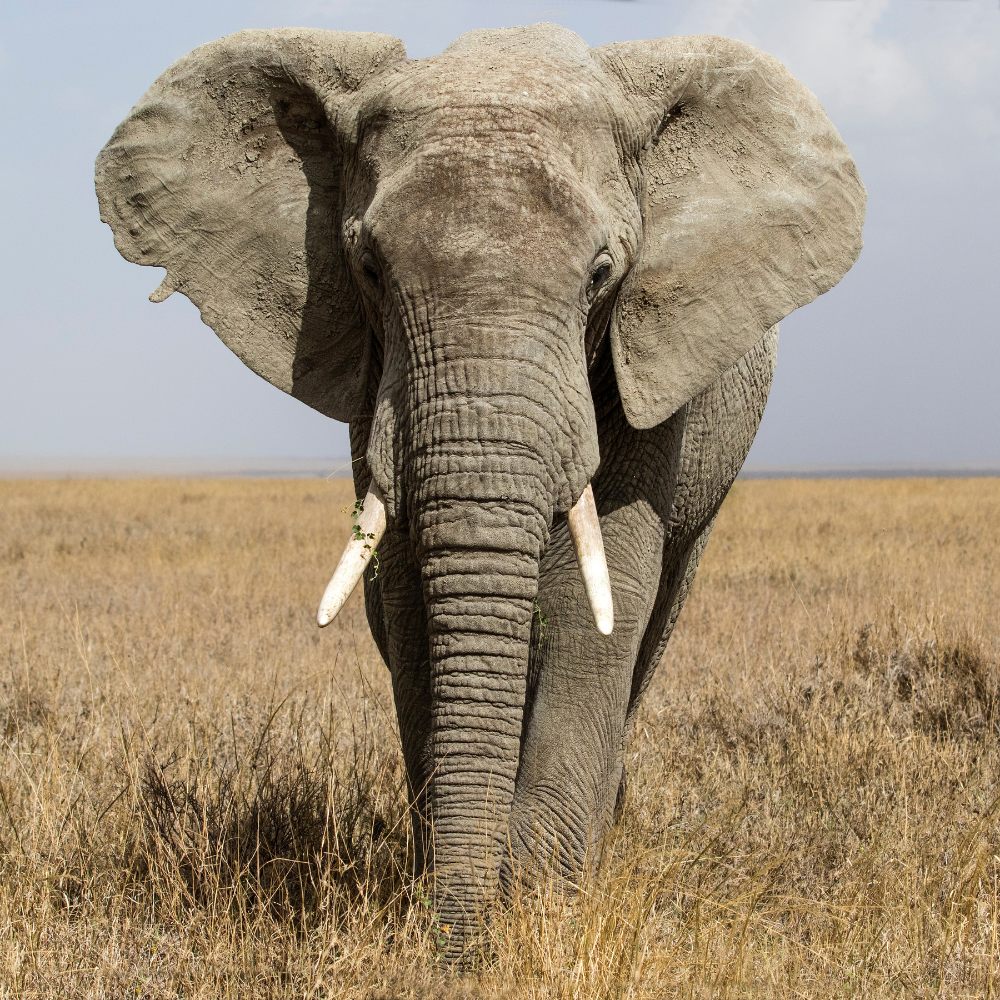
Hunting Africa's Big Five means pursuing Cape buffalo, elephant, lion, leopard and rhinoceros. For hunters considering African hunting safaris, the ambition may begin with a first buffalo hunt or involve finding the last animal needed to complete the five. A hunter booking buffalo in South Africa has more choice of shorter safari packages than someone planning a wild lion hunt in Tanzania or a conventional rhino trophy hunt.
A Big Five hunting safari does not necessarily mean hunting all five animals on one trip. Buffalo and leopard may be available in the same concession, while adding elephant or lion can require additional quota, hunting days or access to another area. What matters is which of the five animals can actually be hunted under the arrangements being offered.
The practical starting point is to decide which species you want to pursue, whether you intend to combine hunts and how much time you can commit. A safari focused on one animal is different from an extended hunt involving several members of the Big Five.
Available Elephant Hunts
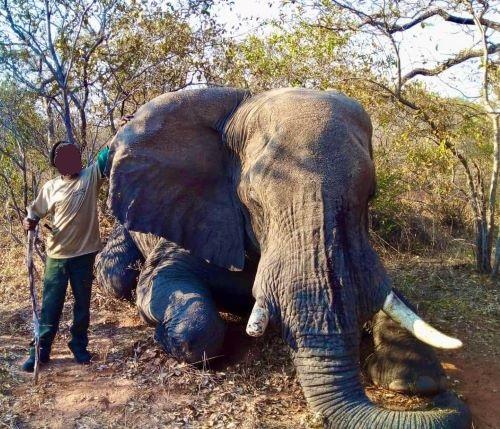
Exportable Elephant Hunting Safari in Botswana's Bushmanland
Booking Season: 2026
Hunt Difficulty: Difficult
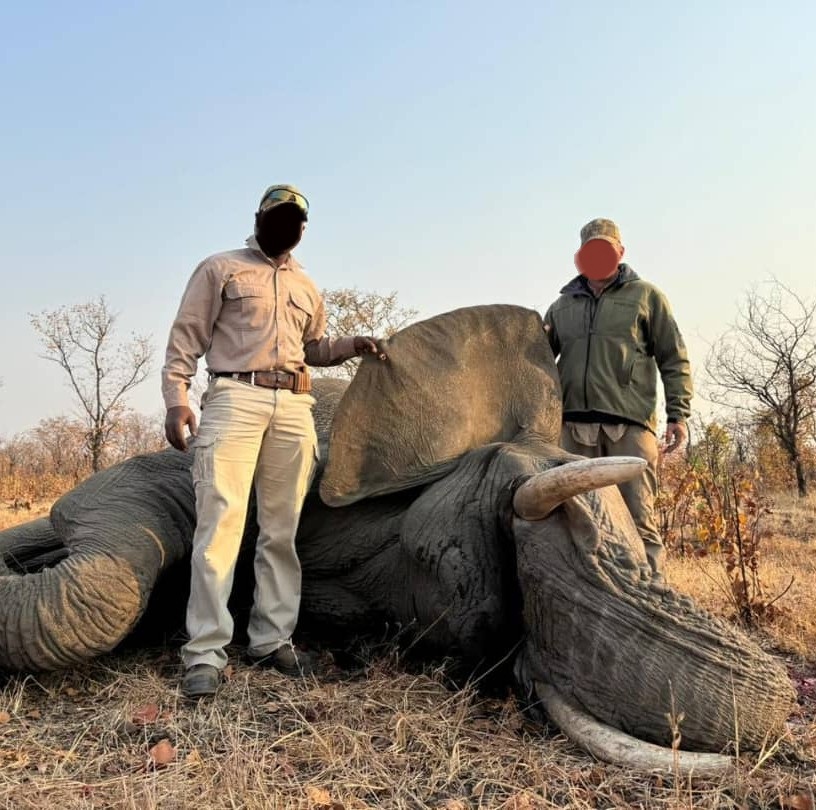
Elephant Hunting in Zimbabwe: Expect 30lb and Larger!
Booking Season: 2026
Hunt Difficulty: Difficult
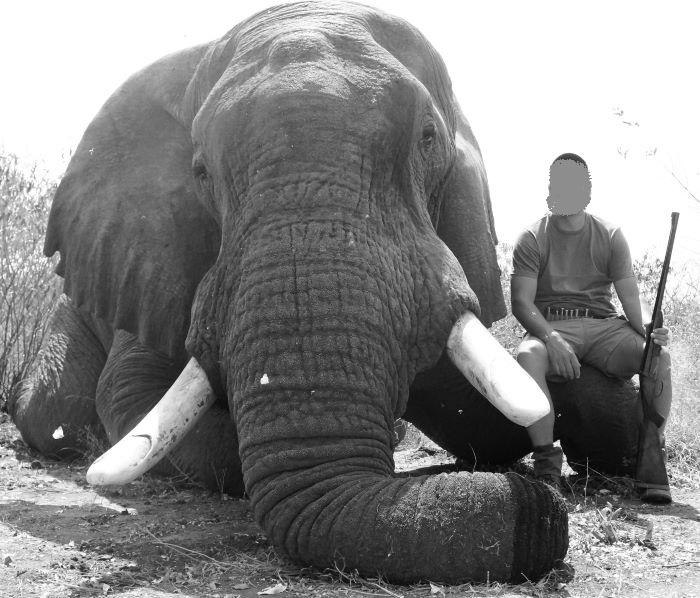
14-Day Exportable Elephant Hunting Safari in Botswana
Booking Season: 2026
Hunt Difficulty: Difficult
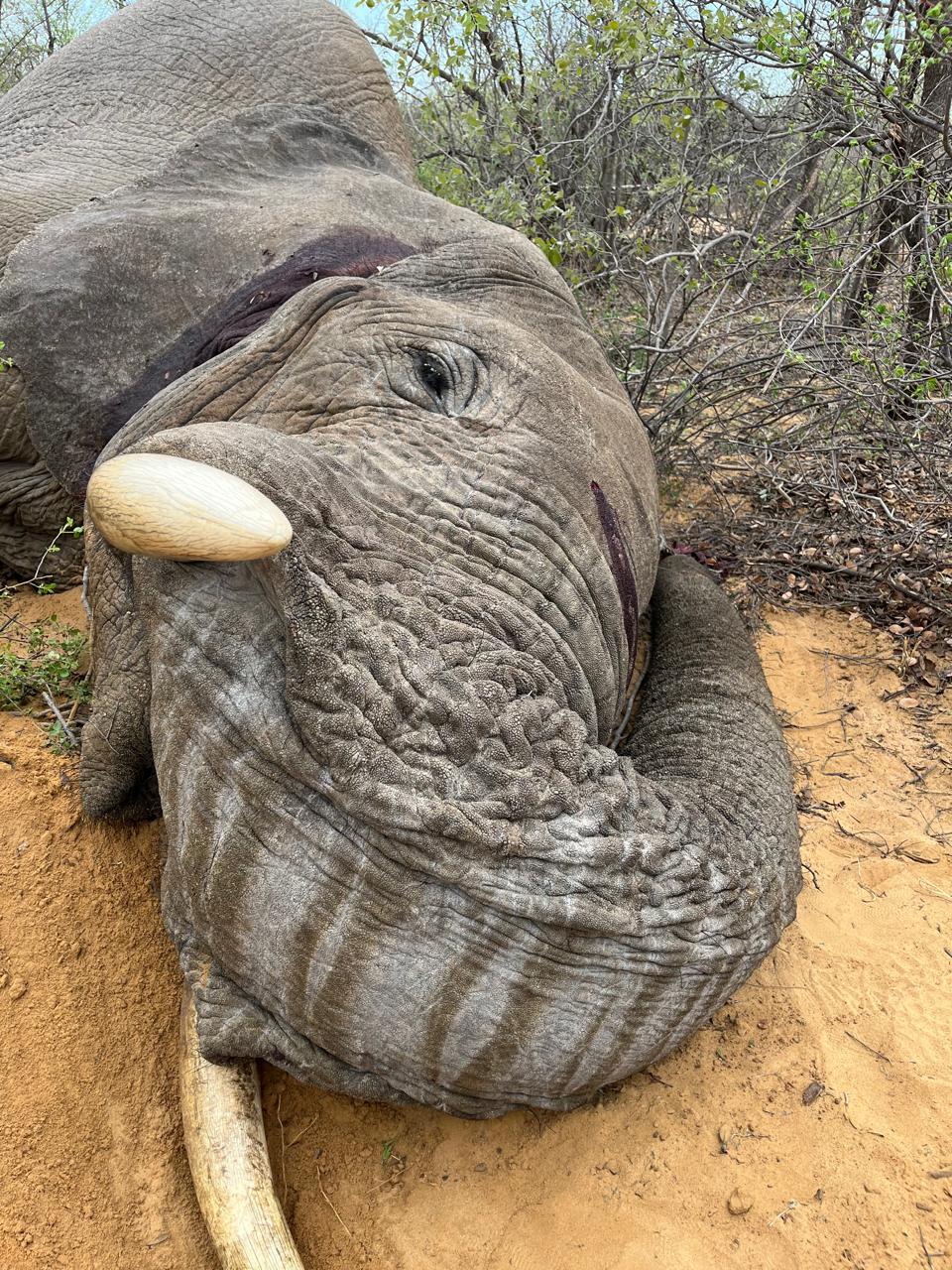
Exportable Caprivi Elephant Safari
Booking Season: 2026
Hunt Difficulty: Moderate, Difficult
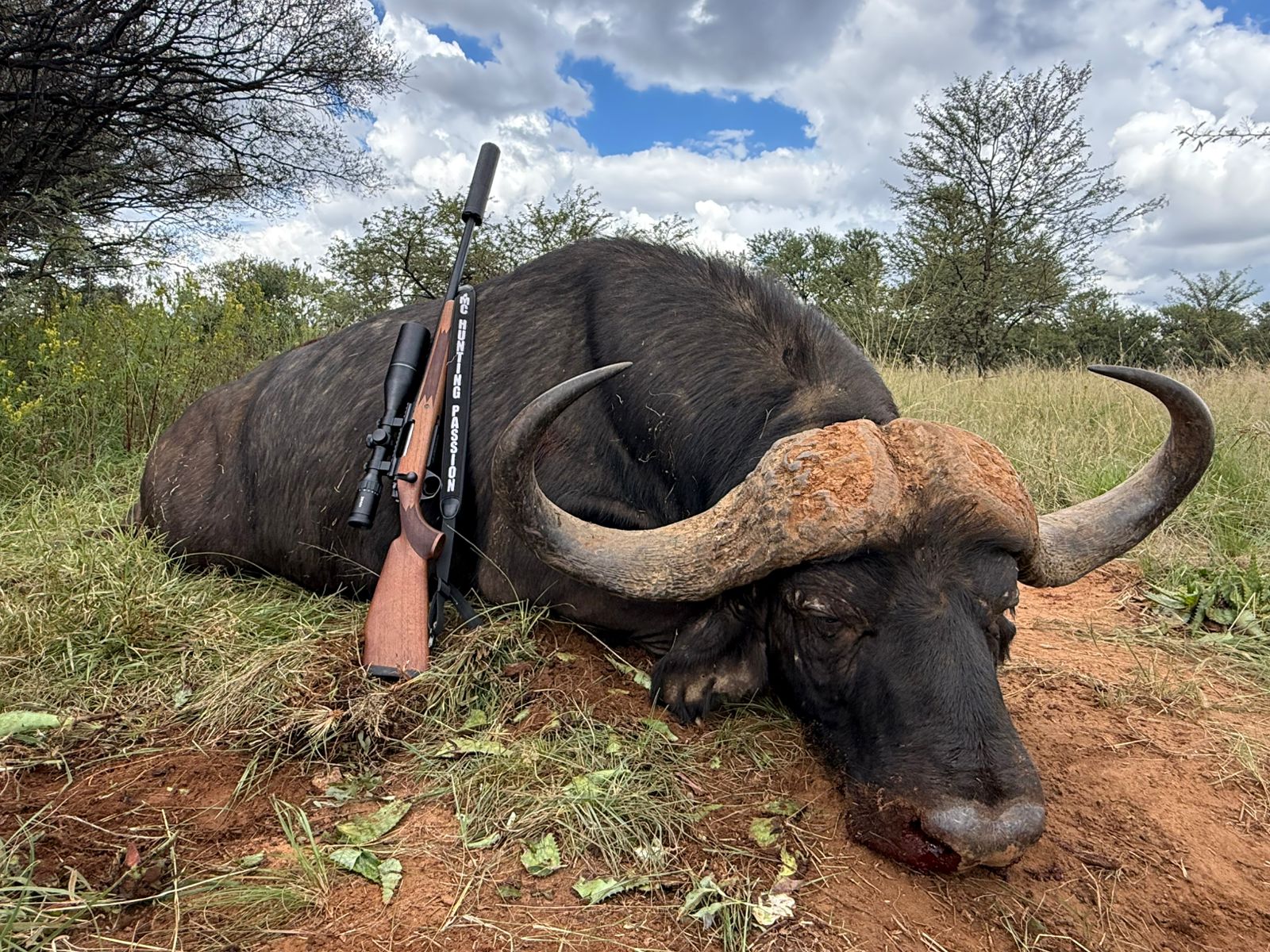
Tuskless Elephant & Cape Buffalo Safari in Zimbabwe
Booking Season: 2026
Hunt Difficulty: Difficult
Free-Range Elephant & Buffalo Hunt in Botswana
Booking Season: 2026
Hunt Difficulty: Difficult
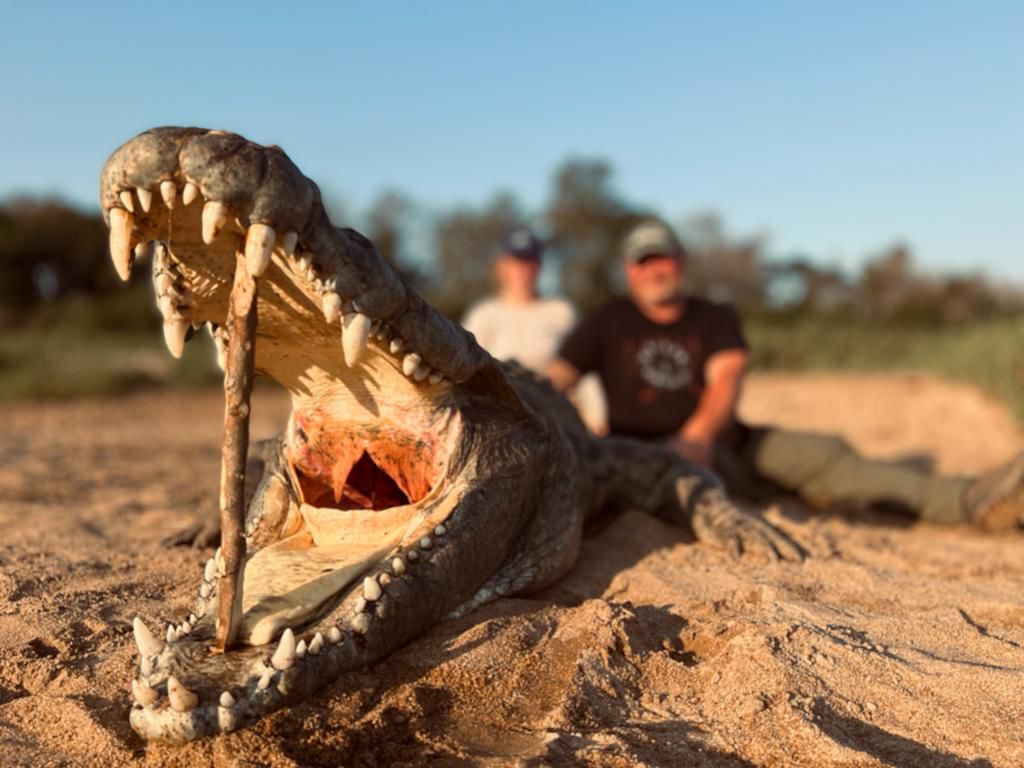
Lion, Leopard & Buffalo Safari Tanzania | Lunda Nkwambi
Booking Season: 2026
Hunt Difficulty: Difficult
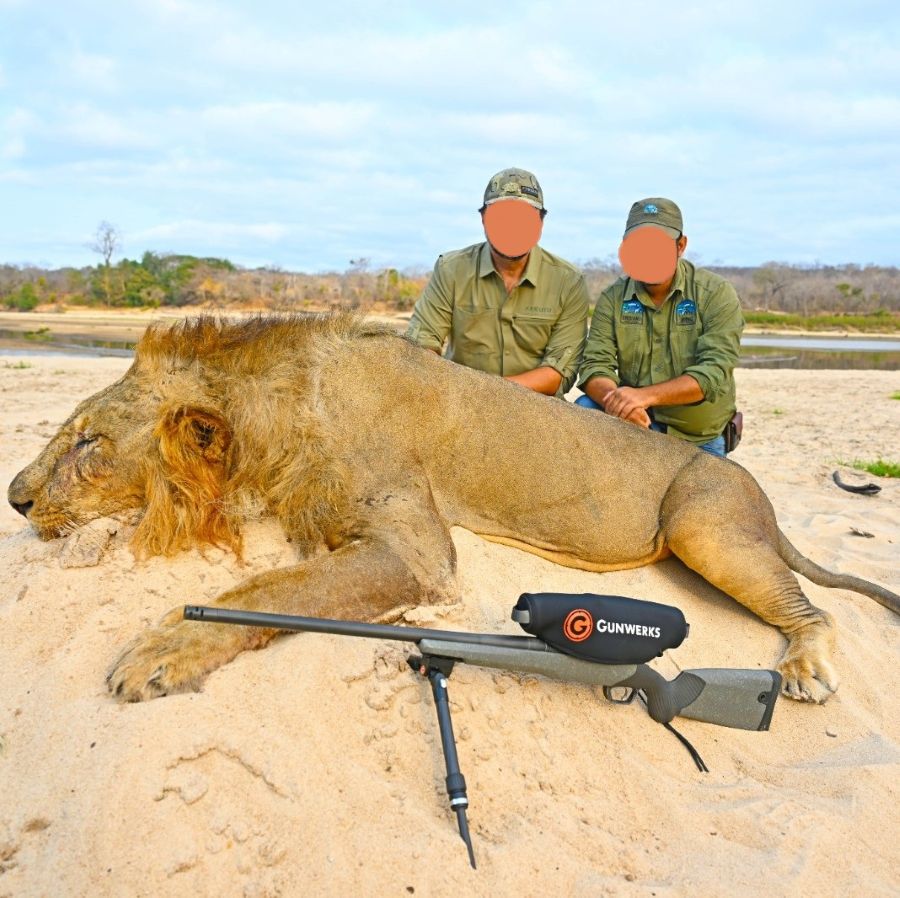
Hunt Lion, Leopard, Elephant & Cape Buffalo in Masailand, Tanzania
Booking Season: 2026
Hunt Difficulty: Moderate, Difficult
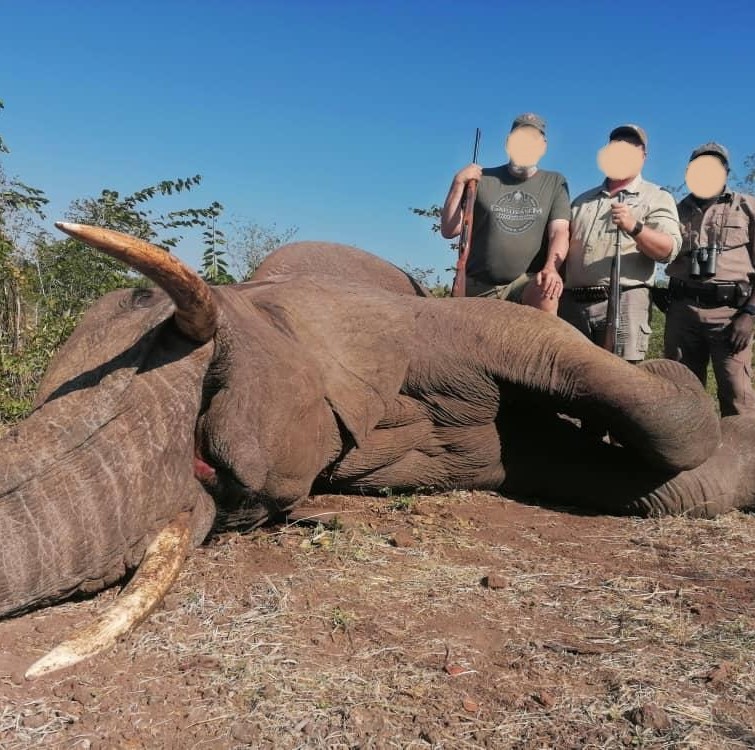
Zimbabwe Leopard & Elephant Dangerous Game Safari
Booking Season: 2026
Hunt Difficulty: Difficult
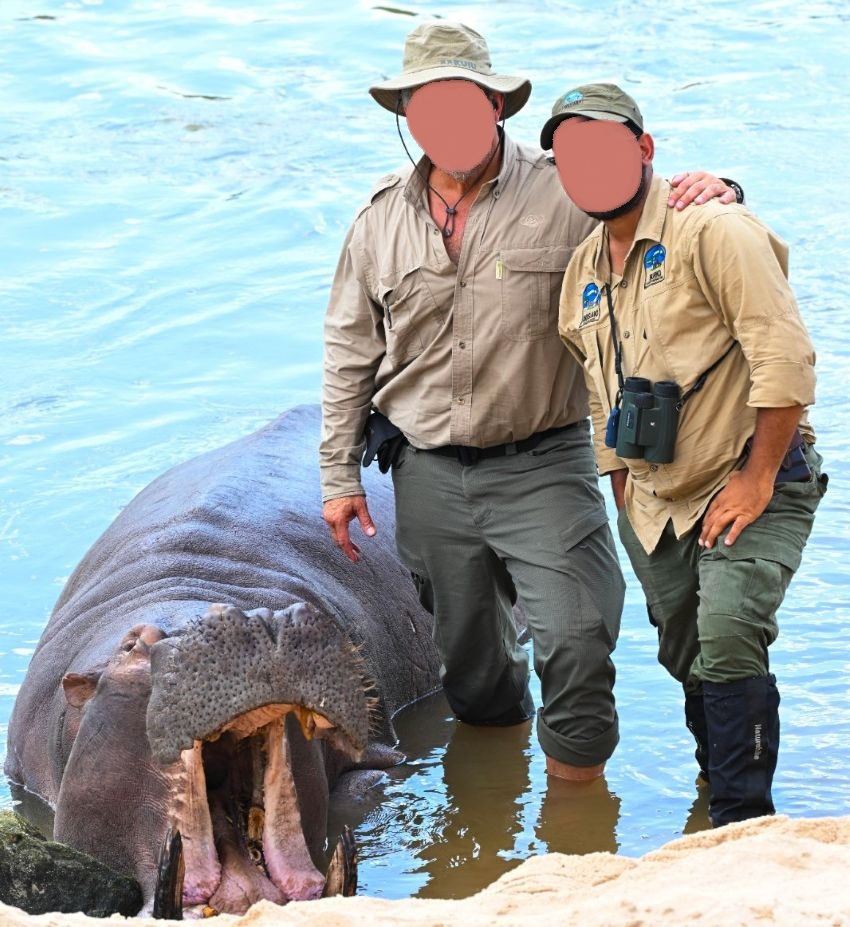
28-Day Exclusive Hunting Safari in Tanzania’s Famed Selous Region
Booking Season: 2026
Hunt Difficulty: Moderate, Difficult
Available Lion Hunts
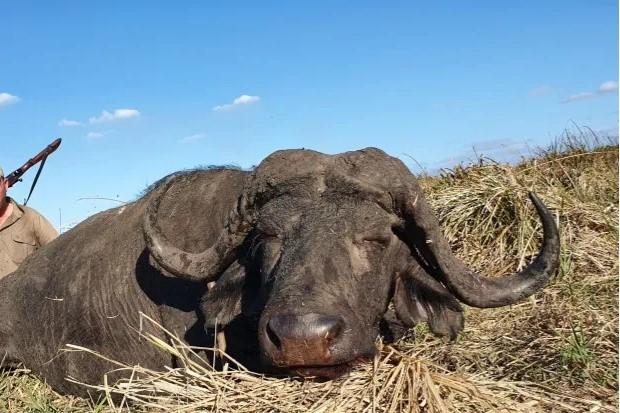
18 Day Lion, Cape Buffalo & Sable Hunt in Niassa
Booking Season: 2026
Hunt Difficulty: Difficult
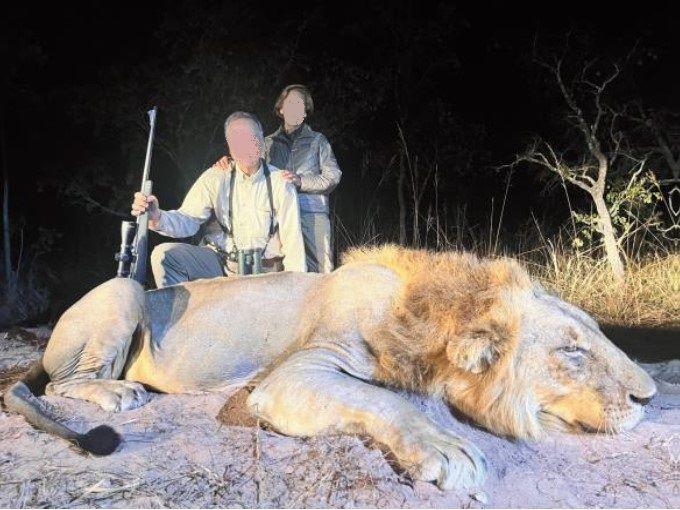
Free-Range Lion & Buffalo Safari in Niassa
Booking Season: 2026
Hunt Difficulty: Difficult
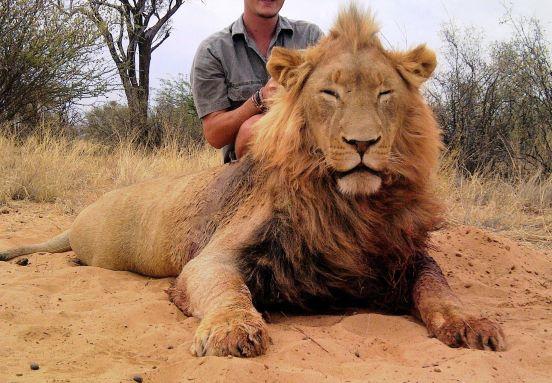
Kalahari Lion & Lioness Safari Package
Booking Season: 2026
Hunt Difficulty: Difficult
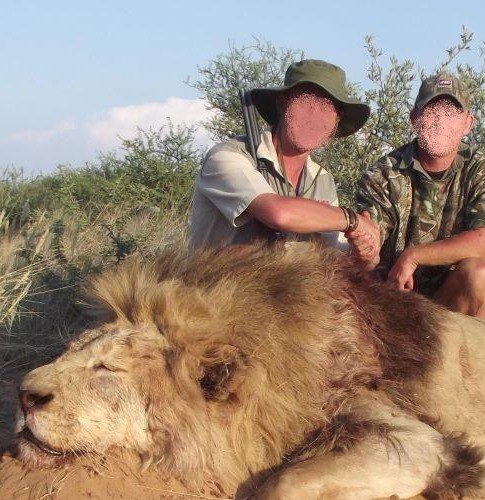
Lion Hunting Safari in Kalahari, South Africa
Booking Season: 2026
Hunt Difficulty: Difficult
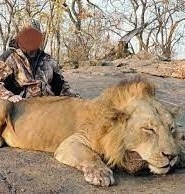
18-Day Free-Range Lion Safari in Niassa
Booking Season: 2026
Hunt Difficulty: Difficult
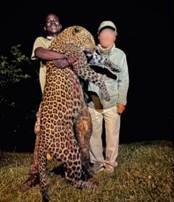
Hunt Zambia 21 Days - Lion, Leopard, Cape Buffalo & PG
Booking Season: 2026
Hunt Difficulty: Difficult
Lion, Leopard & Buffalo Safari Tanzania | Lunda Nkwambi
Booking Season: 2026
Hunt Difficulty: Difficult
Hunt Lion, Leopard, Elephant & Cape Buffalo in Masailand, Tanzania
Booking Season: 2026
Hunt Difficulty: Moderate, Difficult
28-Day Exclusive Hunting Safari in Tanzania’s Famed Selous Region
Booking Season: 2026
Hunt Difficulty: Moderate, Difficult
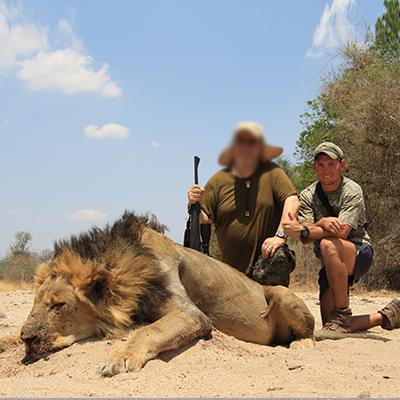
Full Bag Dangerous Game Safari | Zimbabwe
Booking Season: 2026
Hunt Difficulty: Difficult
Available Leopard Hunts
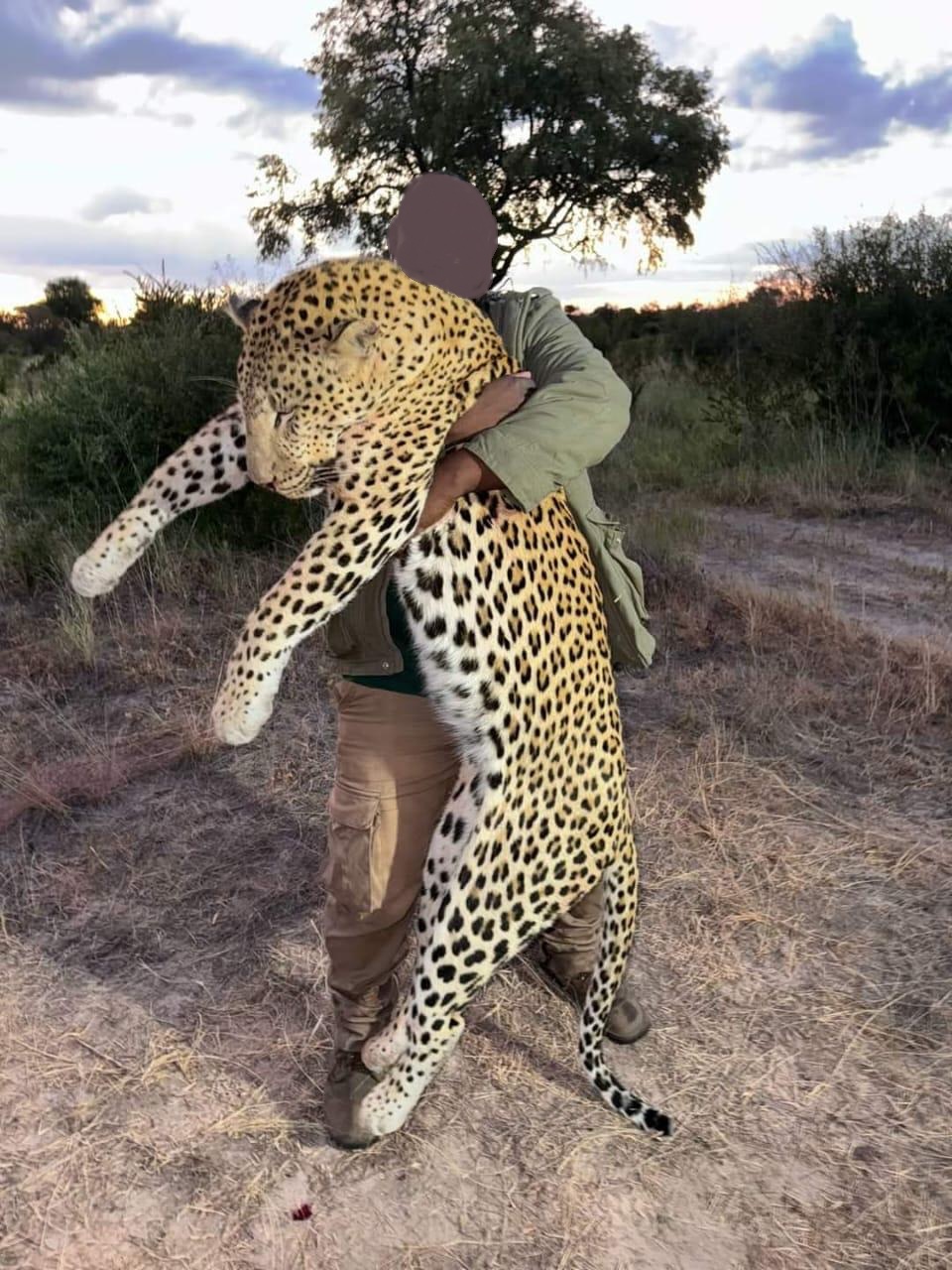
Zimbabwe Leopard Hunt | Gwayi ECA & Sikumi East
Booking Season: 2026
Hunt Difficulty: Difficult
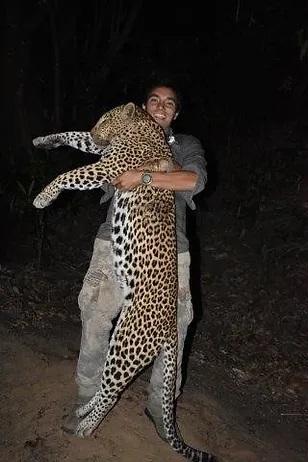
Niassa Leopard Hunting Safari with Roosevelt Sable & Wildebeest
Booking Season: 2026
Hunt Difficulty: Difficult
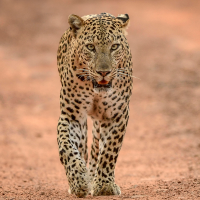
Leopard Hunting with Hounds in Botswana
Booking Season: 2026
Hunt Difficulty: Difficult
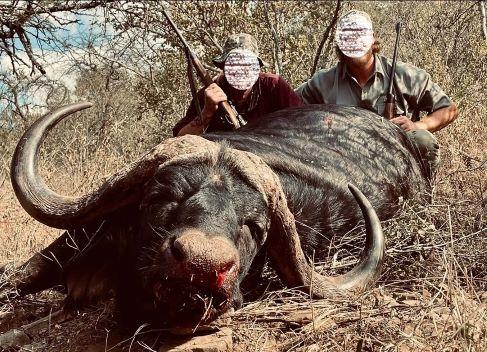
Leopard & Cape Buffalo Safari in Niassa
Booking Season: 2026
Hunt Difficulty: Difficult
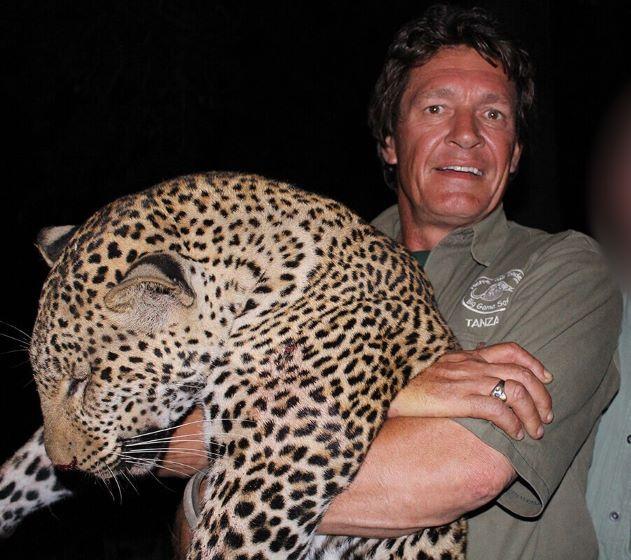
Classic 14-Day Selous Leopard & Buffalo Safari
Booking Season: 2026
Hunt Difficulty: Difficult
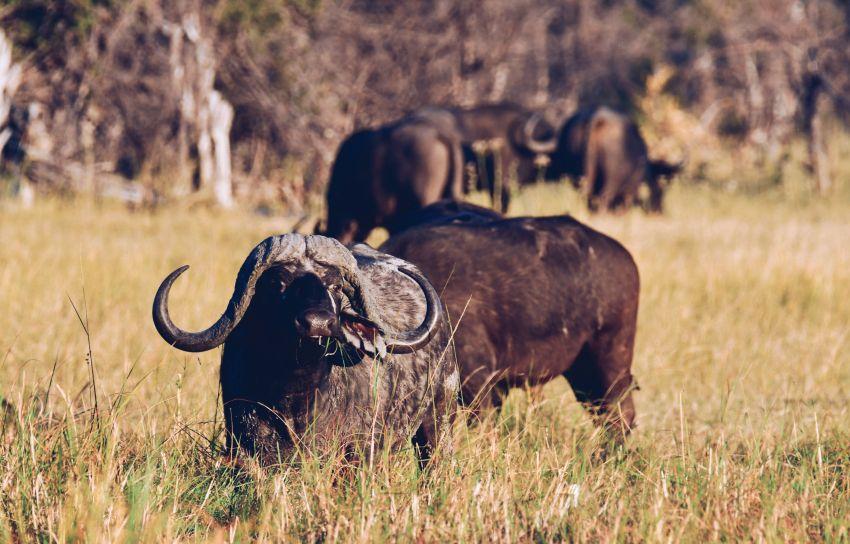
Botswana Leopard & Cape Buffalo Hunting Safari
Booking Season: 2026
Hunt Difficulty: Difficult
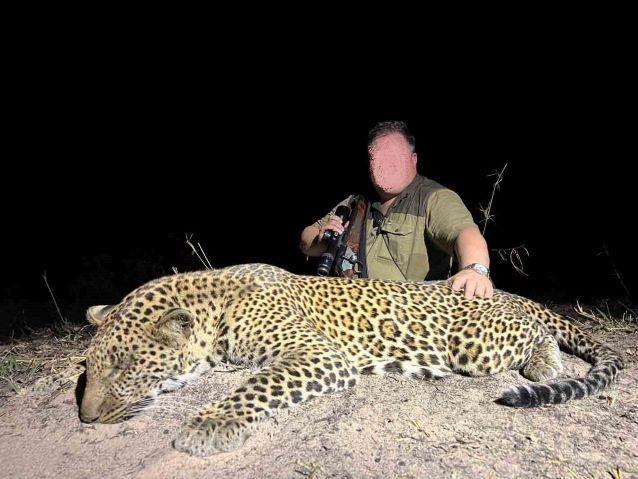
14-Day Free-Range Leopard Hunt | Niassa Reserve, Mozambique
Booking Season: 2026
Hunt Difficulty: Difficult
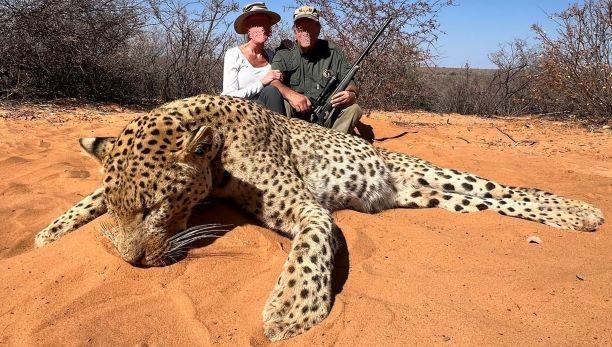
Leopard Safari in Bushmanland
Booking Season: 2026
Hunt Difficulty: Difficult
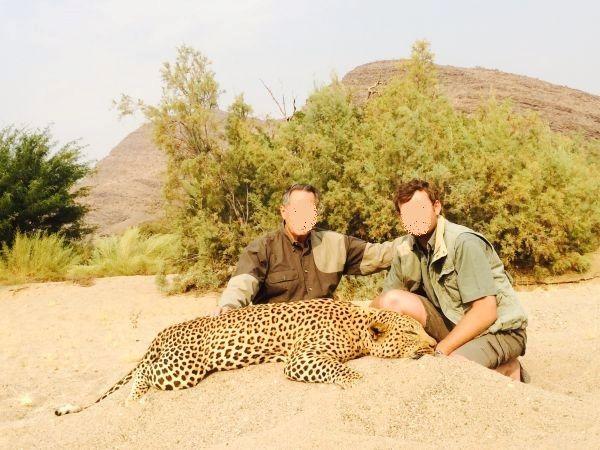
Leopard Hunt Fully Exportable 14 Days in Namibia
Booking Season: 2026
Hunt Difficulty: Difficult
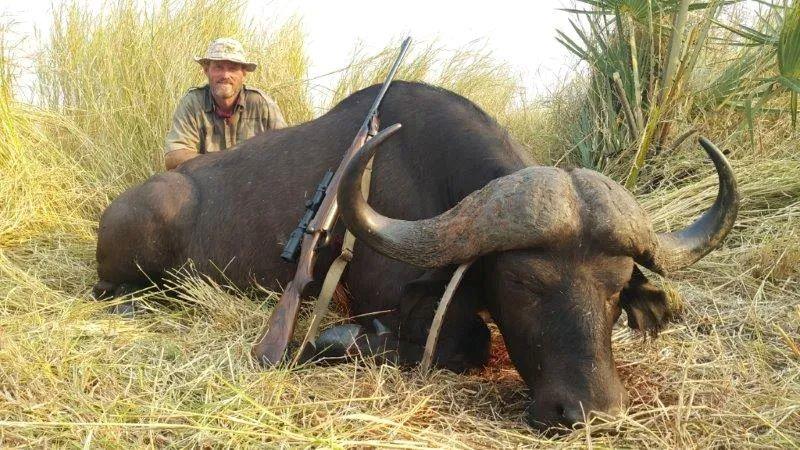
Leopard & Cape Buffalo Hunt,14 days in Mozambique 1x Hunter
Booking Season: 2026
Hunt Difficulty: Difficult
Available Cape Buffalo Hunts
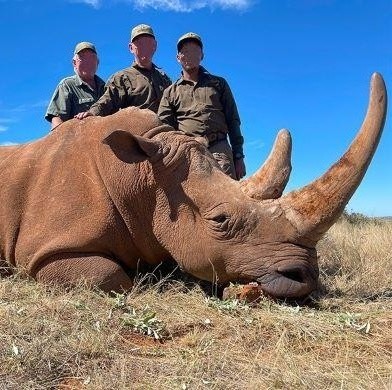
Cape Buffalo, Rhino & Premium Plains Game Safari in South Africa
Booking Season: 2026
Hunt Difficulty: Moderate, Difficult
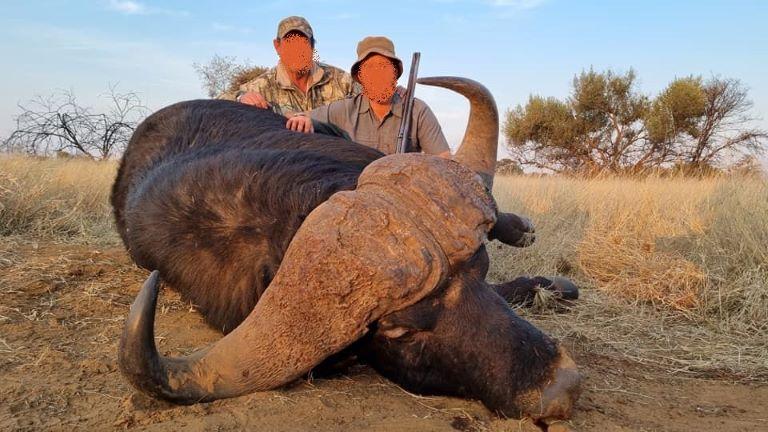
Where the Dagga Boys Rule: 7-Day Limpopo Cape Buffalo Safari
Booking Season: 2026
Hunt Difficulty: Difficult
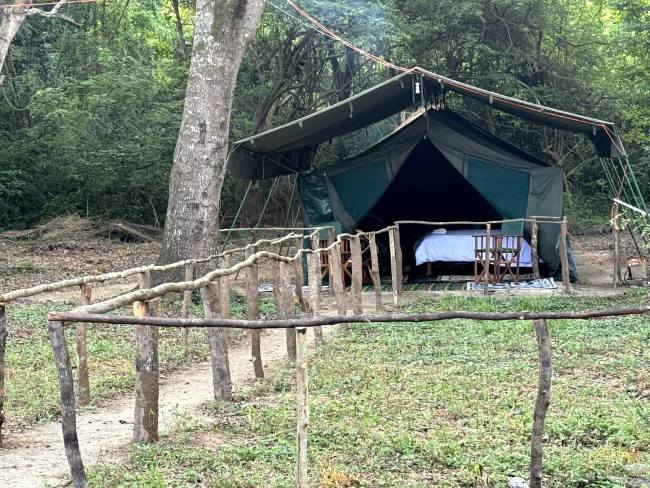
Triple Cape Buffalo Hunt in the Selous, Tanzania
Booking Season: 2026
Hunt Difficulty: Difficult
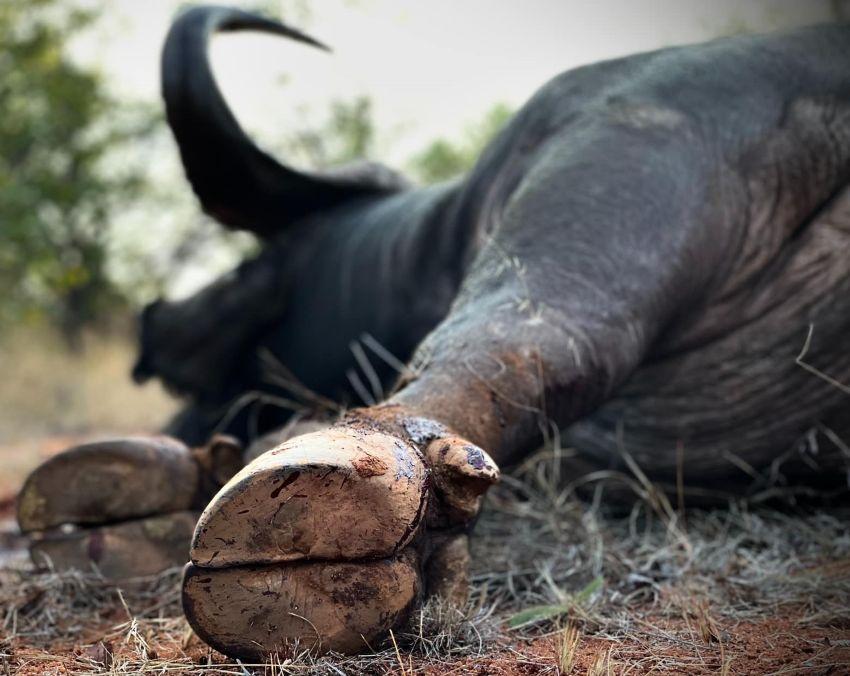
Two Buffalo. One Extraordinary Safari.
Booking Season: 2026
Hunt Difficulty: Difficult, Extreme
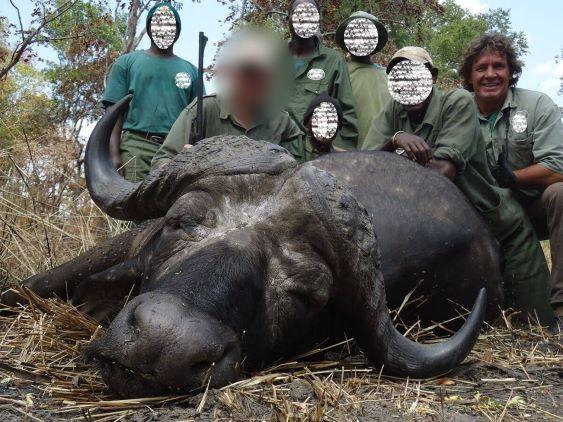
Traditional Cape Buffalo Hunting Safari in Tanzania
Booking Season: 2026
Hunt Difficulty: Difficult
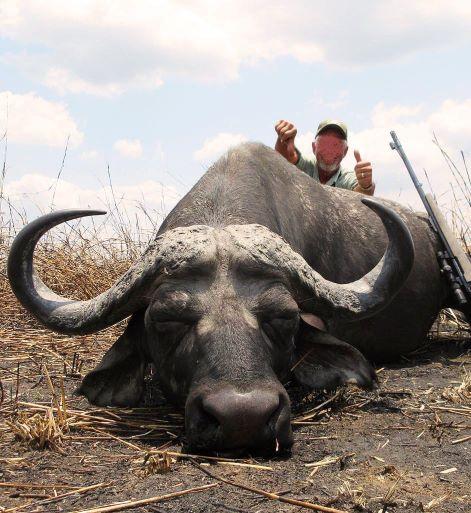
Ten Days with Cape Buffalo in Tanzania's Legendary Selous
Booking Season: 2026
Hunt Difficulty: Difficult
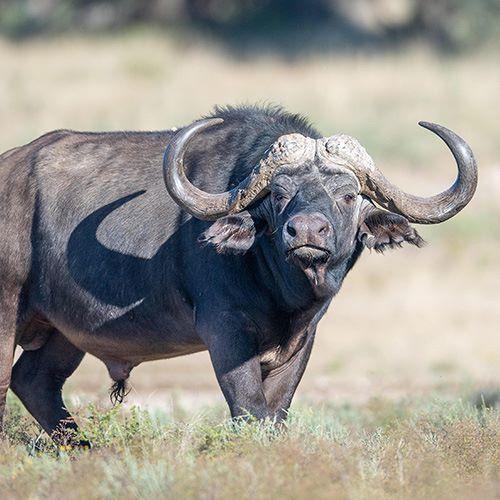
Luxury Cape Buffalo, Rhino Green Hunt & Premium Plains Game Safari
Booking Season: 2026
Hunt Difficulty: Difficult
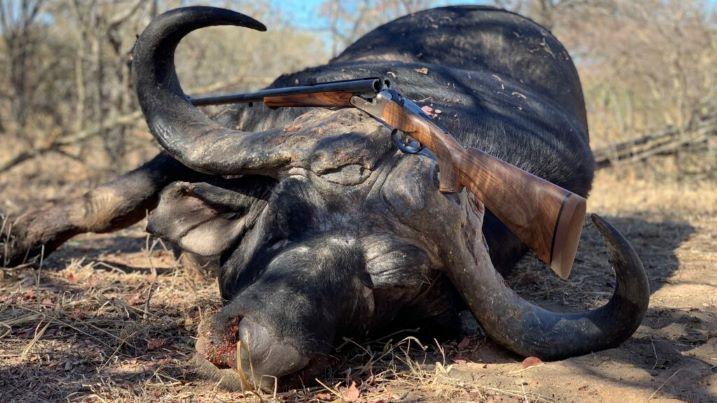
Limpopo Cape Buffalo Hunt (7 Nights / 5 Hunting Days)
Booking Season: 2026
Hunt Difficulty: Difficult
Leopard & Cape Buffalo Safari in Niassa
Booking Season: 2026
Hunt Difficulty: Difficult
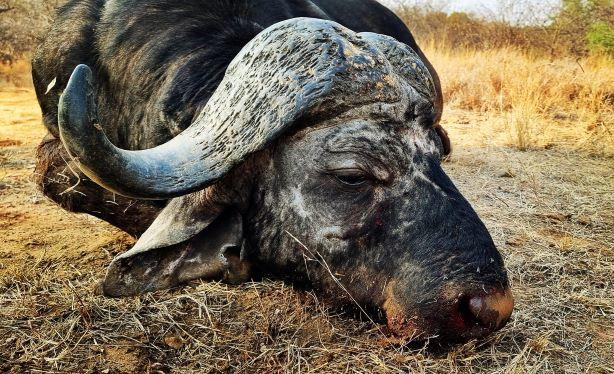
Hunt Old Dagga Boys in Mozambique
Booking Season: 2026
Hunt Difficulty: Difficult
Available White Rhino Hunts
Cape Buffalo, Rhino & Premium Plains Game Safari in South Africa
Booking Season: 2026
Hunt Difficulty: Moderate, Difficult
Luxury Cape Buffalo, Rhino Green Hunt & Premium Plains Game Safari
Booking Season: 2026
Hunt Difficulty: Difficult
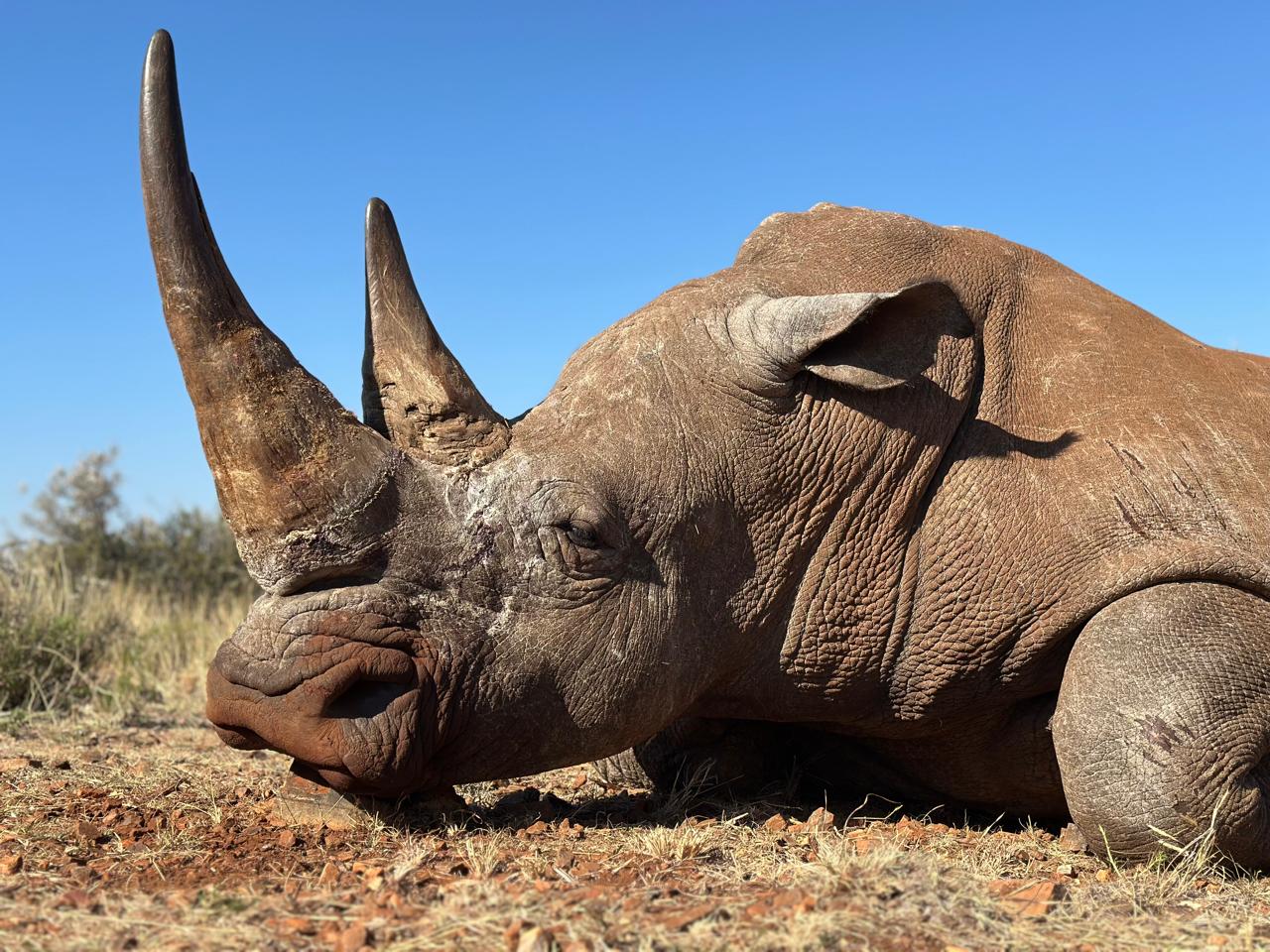
Three Icons of Africa: Rhino, Buffalo & Roan
Booking Season: 2026
Hunt Difficulty: Difficult
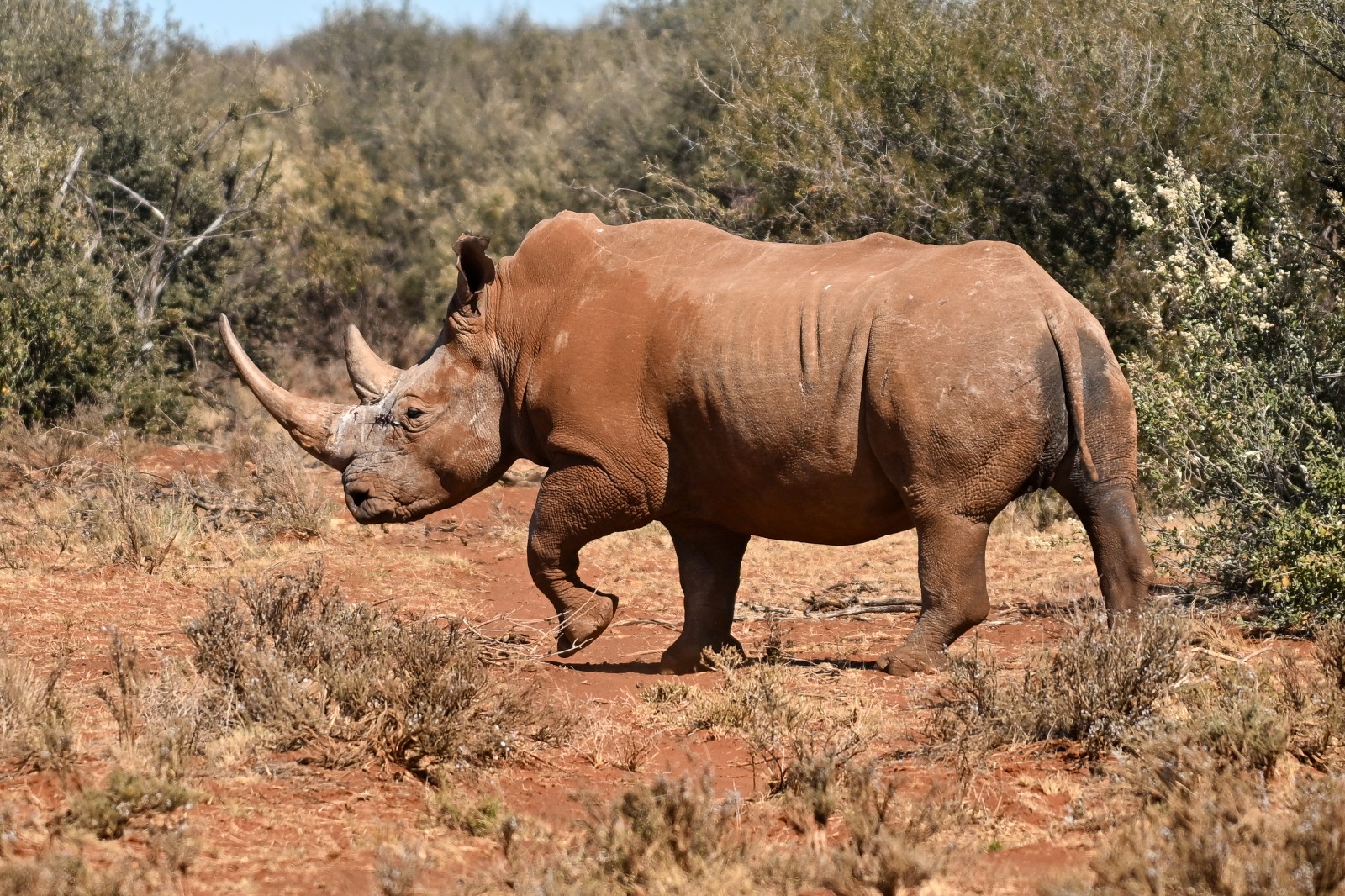
Rhino Dart, Buffalo & Plains Game Hunting in South Africa plus FREE Observer
Booking Season: 2026
Hunt Difficulty: Difficult
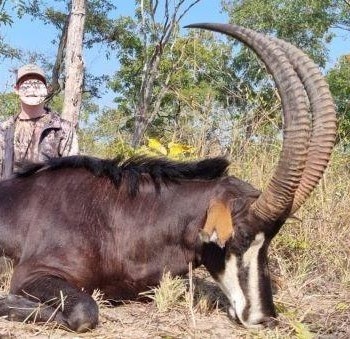
Rhino, Cape Buffalo & Sable Hunting Safari | South Africa
Booking Season: 2026
Hunt Difficulty: Difficult
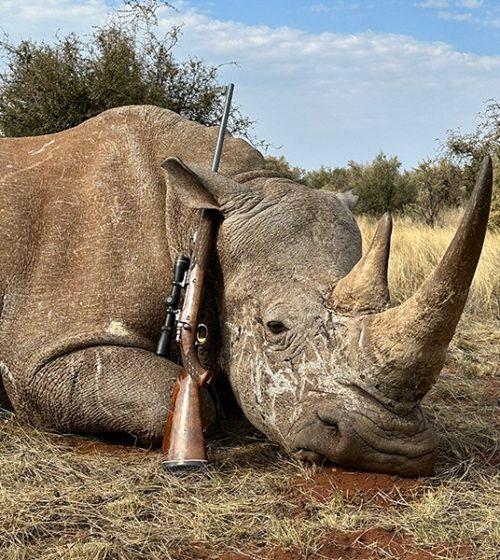
Hunt Cape Buffalo & Dart Rhino Northern Cape SA
Booking Season: 2026
Hunt Difficulty: Difficult
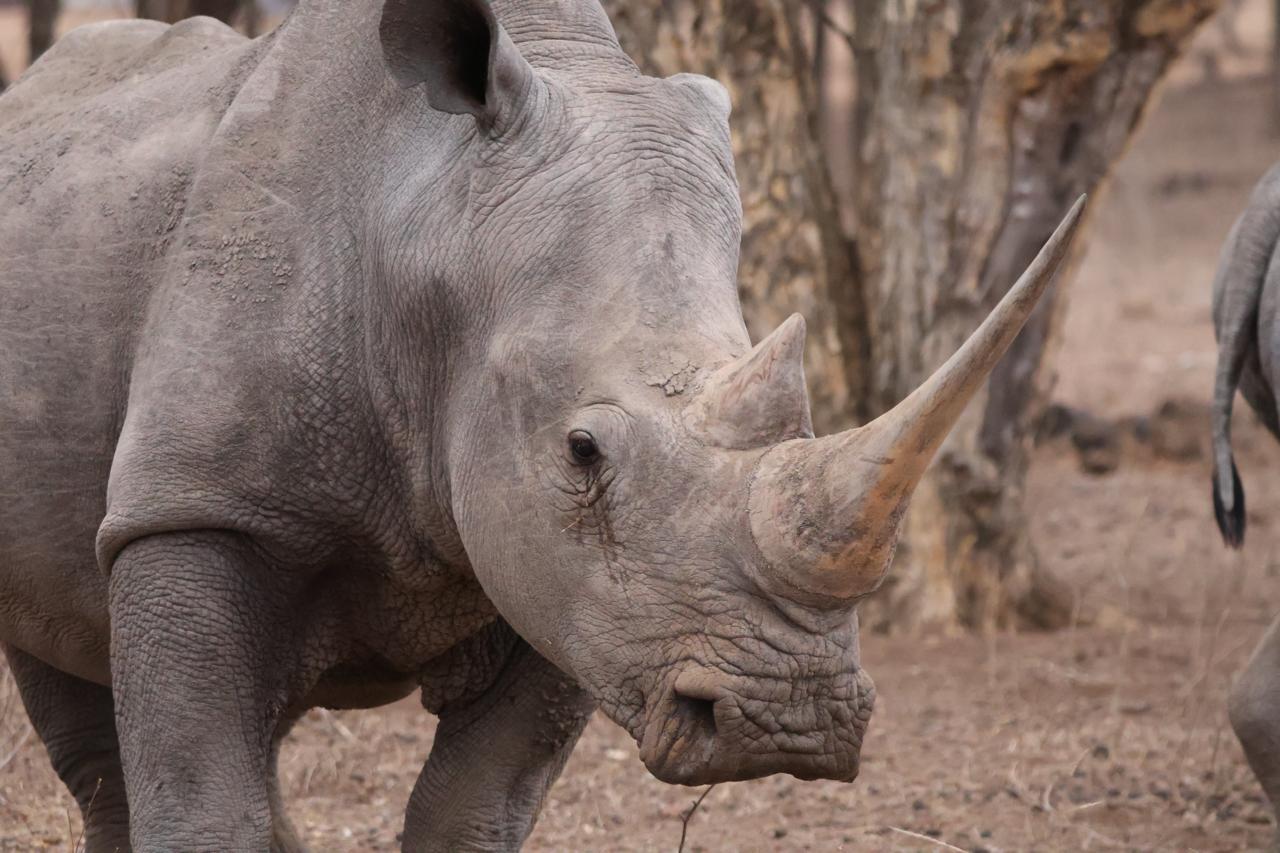
KwaZulu-Natal White Rhino Trophy Hunt
Booking Season: 2026
Hunt Difficulty: Difficult
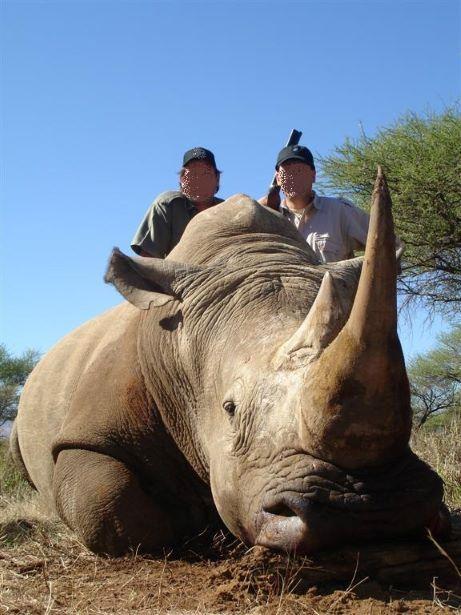
Exportable Southern White Rhino Trophy Safari
Booking Season: 2026
Hunt Difficulty: Difficult
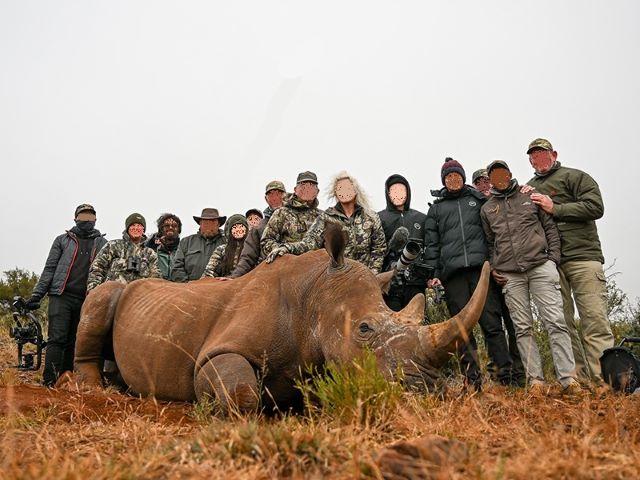
Hunt Cape Buffalo, Dart Rhino & Kudu in SA 2:1
Booking Season: 2026
Hunt Difficulty: Difficult
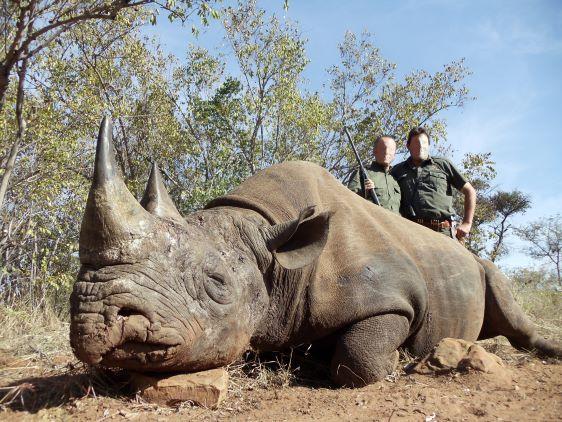
Northern Cape Rhino, Buffalo & Roan
Booking Season: 2026
Hunt Difficulty: Difficult
Cape buffalo, elephant, lion, leopard and rhinoceros make up Africa's traditional Big Five, but hunting one tells you little about what to expect from the others. Cape buffalo hunts may involve hours of tracking before getting close enough to judge an old bull. Leopard hunting can mean days spent preparing and checking baits, with no guarantee that the right male will appear. Lion hunting brings its own demands, especially when pursuing a mature wild male in a large concession.
Elephant hunting is different again. Finding the right bull is only part of the challenge; judging age, tusk development and the animal itself requires experience, and the decision to take that elephant should never be rushed. Rhino hunting is the most difficult of the five to arrange as a conventional trophy hunt. Availability is limited, and hunters need to confirm what type of rhino hunt is being offered before committing to a safari.
Experience with one member of the Big Five does not automatically prepare you for the others. A hunter comfortable following buffalo spoor through thick cover may find that spending days waiting for the right leopard requires an entirely different kind of patience. That difference is worth considering before choosing which animal to hunt next.
Cape buffalo is often a practical first dangerous-game hunt because hunters can choose between shorter South African packages and longer tracking safaris in remote concessions across several African countries. Buffalo hunts can also be less expensive than pursuing lion or elephant.
A free-ranging buffalo hunt teaches lessons that carry into other dangerous-game hunts. Following fresh spoor, working with trackers, understanding the wind and making a deliberate shot when the right moment arrives are all part of the experience. But buffalo hunting is not necessarily easier or less challenging. An old bull in thick cover can provide a difficult hunt, and the skills gained on buffalo do not automatically prepare someone for the different demands of leopard or lion.
If leopard is the animal that interests you most, there is little sense booking buffalo simply because someone considers it the traditional starting point.
The order can also be influenced by what is actually available. A hunter hoping to pursue lion or elephant may have to work around specific quota, hunting seasons and available concessions, whereas buffalo hunts generally offer greater flexibility. If your ambition is eventually to hunt all five, it makes sense to consider those constraints early rather than assume each animal will be equally easy to arrange later.
Start with the Big Five animals you want to hunt, then identify which countries have realistic options for combining them on one safari.
Hunting in Zimbabwe remains one of the strongest choices for hunters interested in combining Cape buffalo with elephant, lion or leopard. Traditional tracking safaris and established dangerous-game hunting areas make Zimbabwe attractive, although the species available on each hunt depend on the concession, quota and safari arrangements.
Tanzania hunting safaris can include buffalo, lion, leopard and elephant, depending on the hunting area and available quota. These are often longer safaris, and a hunter considering more than one species needs to confirm what is available under the relevant quota.
Hunting in Mozambique is appealing to hunters interested in Cape buffalo and leopard. Buffalo hunting in the open floodplains of Marromeu is a different experience from tracking buffalo through thicker woodland, while leopard hunting can require additional time to prepare and monitor baits. Hunters considering both animals should confirm whether the same concession has available quota and enough hunting days for each species.
Hunting in South Africa offers a broad selection of Cape buffalo packages, but lion and rhino hunting require closer examination of what is being sold. Hunters should confirm whether they are considering a conventional trophy hunt, a managed-property hunt or a wildlife-management experience, rather than assuming all three represent the same thing.
Hunting in Zambia can also be relevant to hunters pursuing Cape buffalo, elephant or leopard, depending on the hunting area and current authorisations. Hunting in Namibia includes specialised leopard safaris, while buffalo hunting is limited to certain areas in the country's northeast.
Yes, but combining two Big Five animals on one safari is not the same as having enough time to hunt both properly. A buffalo and leopard combination can work well where both species are available under the same hunting arrangements. While the PH and trackers check leopard activity and prepare baits, there may be opportunities to spend time tracking buffalo. However, once a suitable leopard begins feeding regularly, the priorities can change quickly. The hunter needs to understand that one hunt may take precedence over the other.
Buffalo and elephant can also be combined, but an elephant hunt may require several days of travelling and tracking before the right bull is located and assessed. If buffalo is also on the itinerary, the available hunting days must be sufficient to pursue both animals rather than assuming buffalo can be fitted into whatever time remains. Adding lion introduces another set of considerations, especially where baiting and the movements of a mature male influence how the safari progresses.
Before booking a combined Big Five safari, decide which animal is the primary objective and which is secondary. Ask what happens if the first species takes most of the available hunting days, whether both animals are authorised in the same hunting area, and whether additional hunting days or transfers between concessions would be necessary. A package advertising two Big Five animals is only worthwhile if the hunting arrangements give you enough time and the necessary quota to pursue both.
A safari advertised as offering Cape buffalo, elephant and leopard does not necessarily mean all three animals are included in the quoted price. The outfitter may be offering a daily rate with separate trophy fees, a package including one animal, or the opportunity to add other species at an additional cost. Before paying a deposit, confirm exactly which animals are included, which carry additional trophy fees and whether the advertised price covers the permits required for the intended hunt.
A South African buffalo package may specify a trophy category, while a free-ranging elephant safari may offer no guarantee of a particular tusk weight. Lion hunting presents another distinction: a managed-property lion hunt and a wild lion hunt in a large concession are not the same hunting product. Those differences should be understood before comparing quotations, rather than discovered after the safari has been booked.
Rhino hunting requires careful planning. A conventional trophy hunt, a darting experience and participation in a wildlife-management programme are different activities. Hunters pursuing the traditional Big Five should confirm exactly what is being offered, what authorisations are in place and whether the experience meets their personal objectives or any formal recognition requirements.
For American hunters, trophy exportability deserves attention before booking lion, elephant or rhino. An animal may be legally hunted in Africa without its trophy being eligible for export or import into the United States. Some safaris are specifically advertised as non-exportable hunts, meaning the hunter should not expect to bring the trophy home. Even where export documents can be issued by the hunting country, U.S. import requirements must be checked separately. Before paying a deposit, confirm the trophy's export status, the applicable permits and whether it can legally enter your home country.
Finally, confirm what happens financially if an animal is not taken. Daily rates, unused trophy fees, additional hunting days and the possibility of moving between hunting areas should be understood before the safari begins. This matters even more when a hunter has committed to an expensive safari involving several Big Five species.
There is no single price for hunting Africa's Big Five, largely because very few safaris are sold as packages containing all five animals. A hunter pursuing buffalo in South Africa may book a shorter package with a trophy fee included, while someone planning elephant, lion or leopard in a remote concession may be paying daily rates, separate trophy fees and other charges associated with a much longer safari.
Combining species can make good financial sense when the animals are available in the same hunting area. A buffalo and leopard safari, for example, may share the cost of accommodation, professional hunters, trackers and travel to camp. That doesn't necessarily mean the second animal comes cheaply. Trophy fees, additional hunting days and permit costs can still increase the final bill. A combined safari should be compared against the cost of booking the same animals separately, not simply against the advertised daily rate.
Hunters working towards all five often spread the expense over several trips, sometimes over many years. Rather than adding together advertised trophy fees, consider the cost of returning to Africa for separate hunts, including additional flights, transfers, daily rates and time away from work. A combined safari may reduce some of those costs, but only when the hunting days and available species make the combination worthwhile.
Big Five hunting costs vary between species and destinations. Cape buffalo packages are generally more affordable than dedicated leopard, wild lion or trophy-elephant safaris, which can cost tens of thousands of dollars. The hunting area, safari duration, trophy fees and whether several animals are included will determine the final cost.
Our African hunting safari prices guide explains how daily rates, packages and trophy fees are structured. The individual Big Five hunting listings provide a better starting point for comparing actual advertised prices.
Hunters interested in species beyond the traditional Big Five can explore our big game hunting opportunities, including hippopotamus, crocodile and large antelope. For a broader selection of safari packages across Africa, see our African hunting trips.
If you're planning a Big Five safari, contact Game Hunting Safaris with your preferred species, destination and travel dates. We'll help you compare available hunts, hunting areas, quotas and package inclusions before you book.
Our hunting experiences have taken us from Cape buffalo hunts in South Africa to lion hunting in the Kalahari and elephant hunting in Namibia's Bushmanland. Each was a different experience, with its own hunting conditions, methods and challenges.
Our Bushmanland elephant expedition in Namibia formed part of a drought-relief wildlife-management programme, where the trophy could not be exported. It was quite different from a conventional trophy-elephant safari and illustrates why understanding the purpose and conditions of a hunt matters before booking.
The expeditions below provide a firsthand look at the hunting areas, conditions and decisions we've encountered across Africa.
A collection of some of our most unforgettable moments in the wild. From the sweeping plains to the dense
forests, these photos showcase the landscapes, wildlife, and experiences that have defined our hunting
expeditions.
Search from our range of Hunts across various popular destinations in Africa.
GHS in the Field
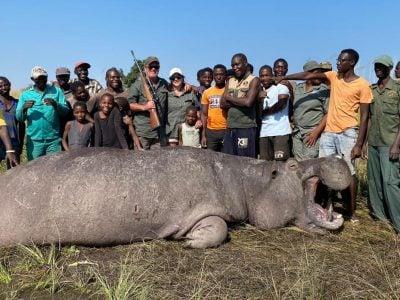
Wild Hippo Hunting In The Zambezi Region, Namibia
View Expedition Details
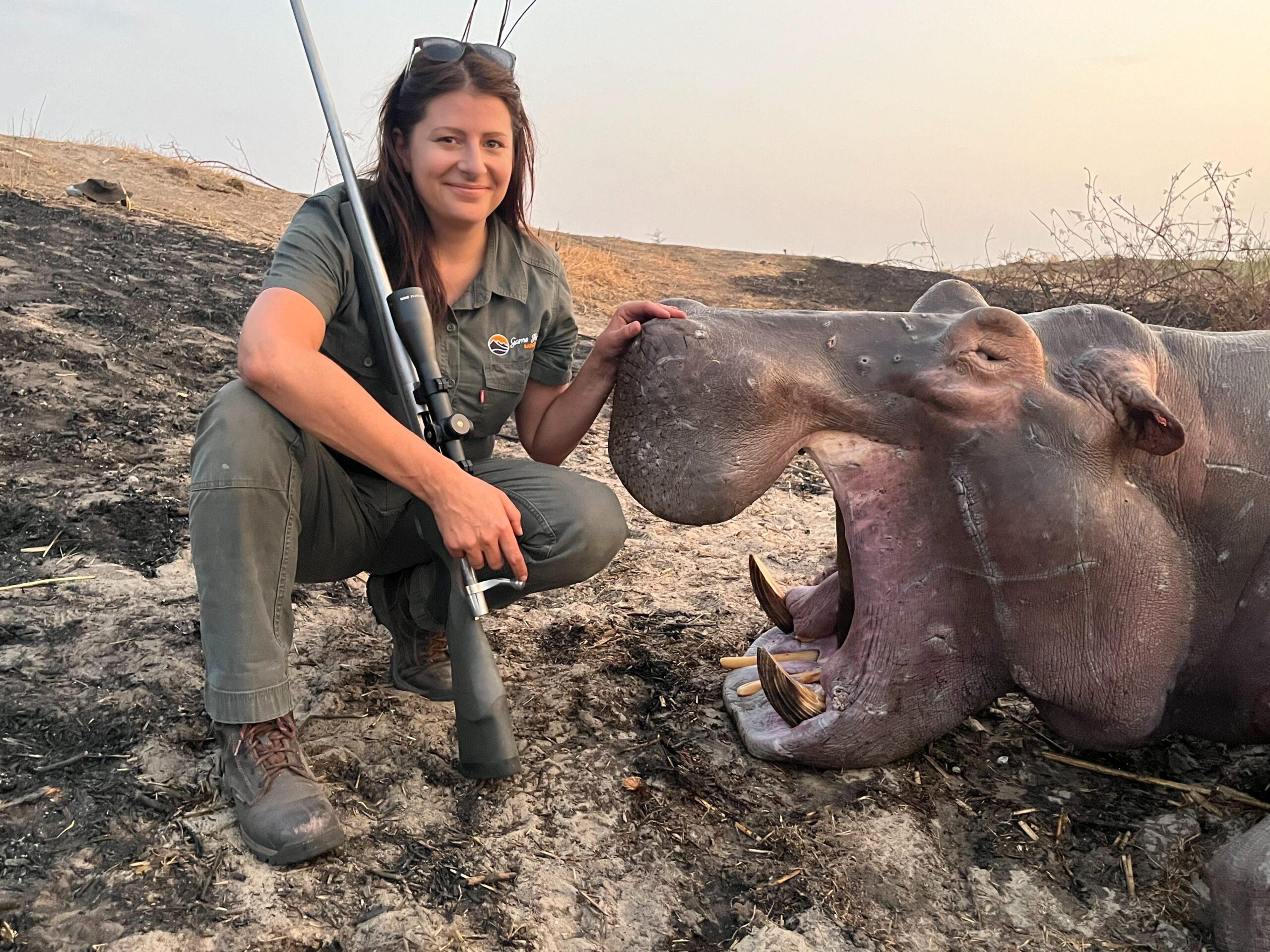
Hippo Hunting In The Zambezi Region (Caprivi Strip) Namibia
View Expedition Details
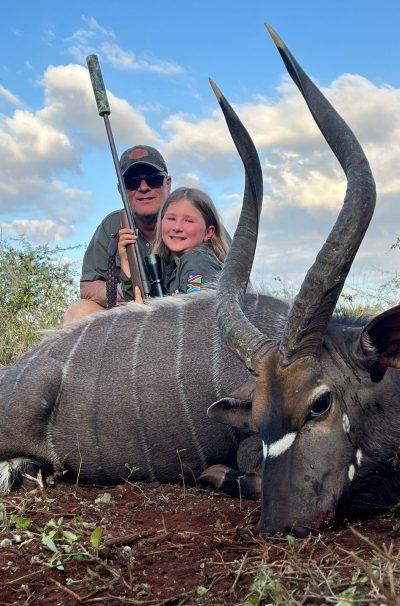
The Africa Plains Game safari, Trophy Nyala In KZN, SA
View Expedition Details
Hyena Hunting in South Africa | Safari Experience
View Expedition Details
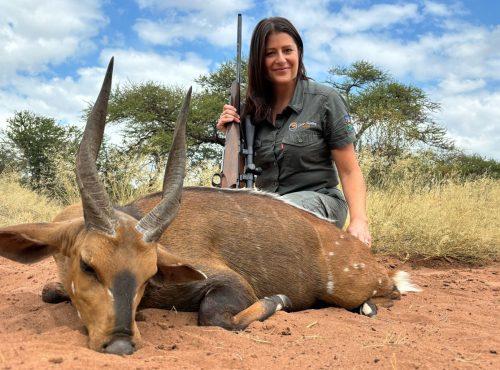
Bushbuck Hunting Safari in Limpopo | Stalking Africa’s Most Elusive Antelope
View Expedition Details
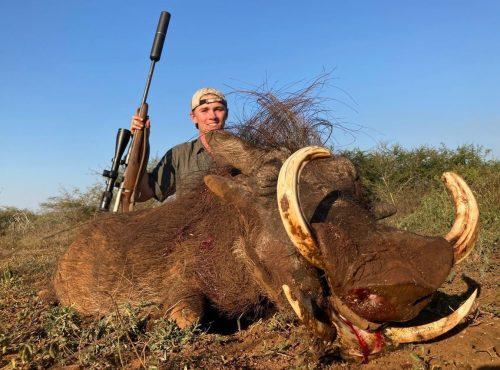
Warthog Hunting in Pongola, KwaZulu-Natal, South Africa
View Expedition Details
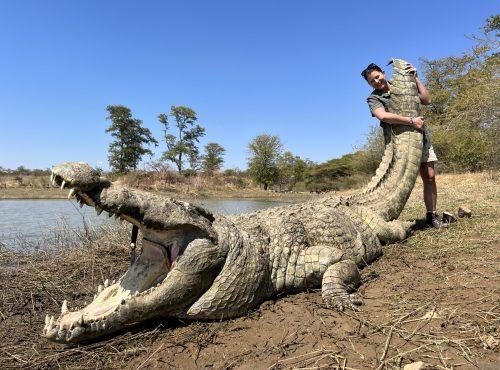
How We Took a 15.1 ft and a 14.9 ft Nile Crocodile on Lake Cahora Bassa
View Expedition Details
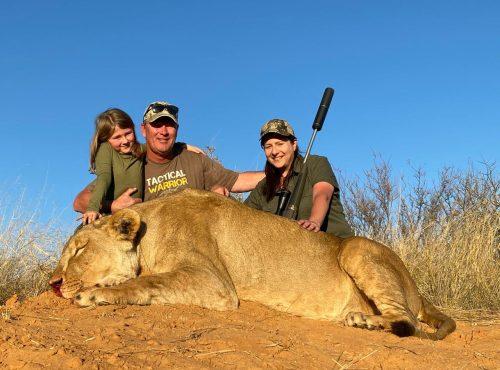
Lion Hunting In South Africa, Kalahari Desert Safari
View Expedition Details
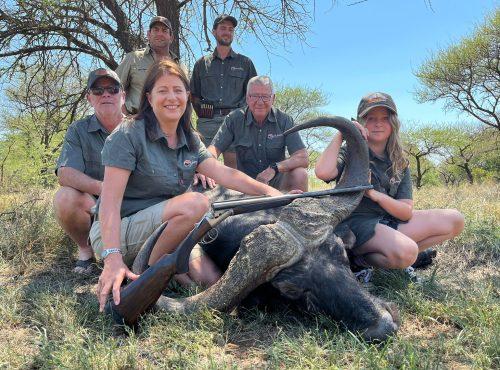
Dangerous Cape Buffalo Hunting Safari in Limpopo
View Expedition Details
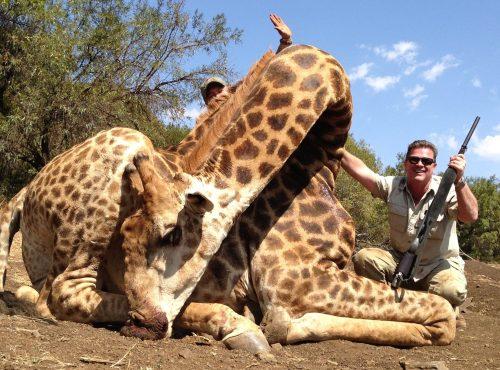
Giraffe Hunting Safari | North West Province, South Africa
View Expedition Details
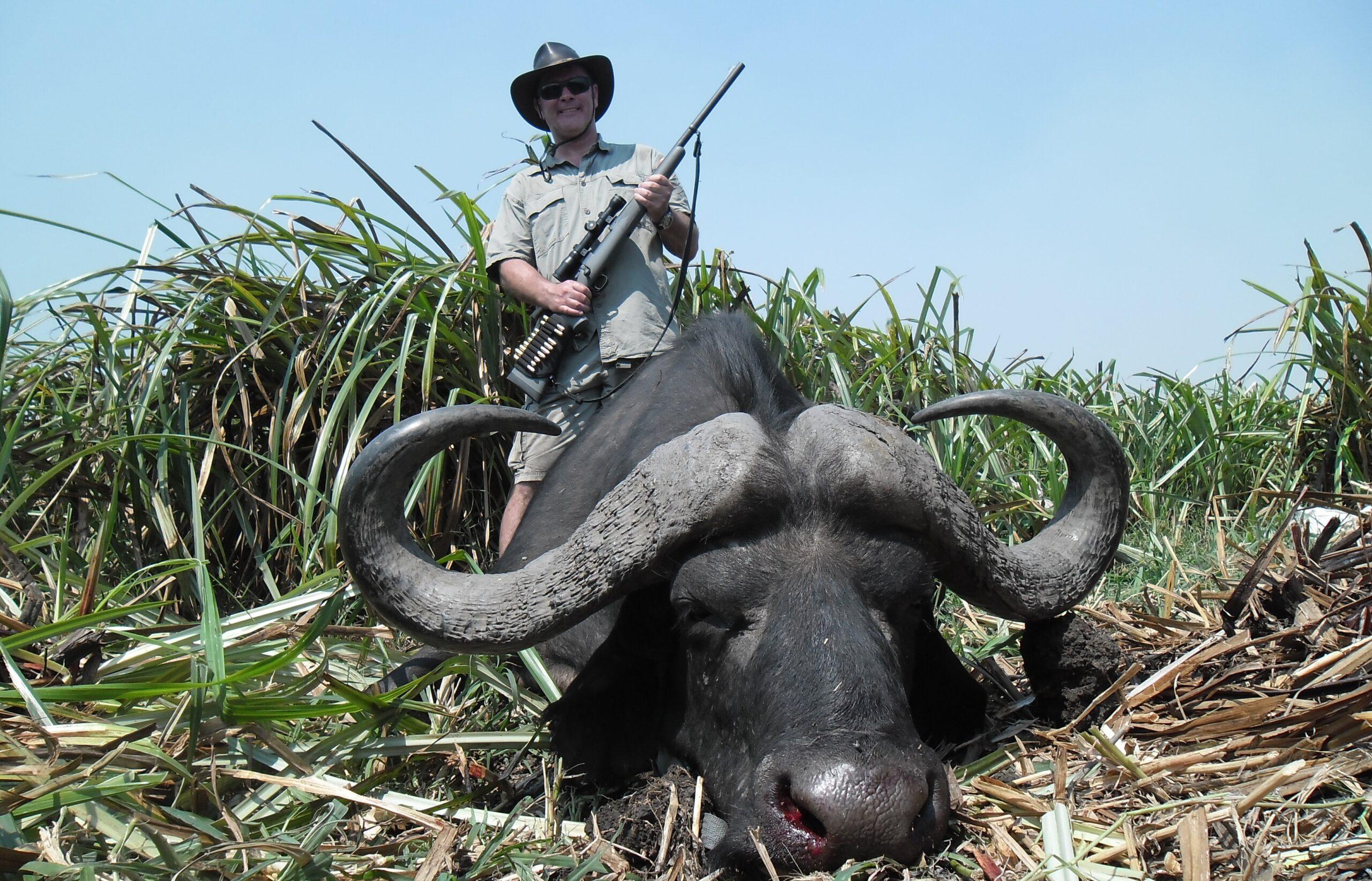
Dangerous Game Buffalo Hunting in Mozambique
View Expedition Details
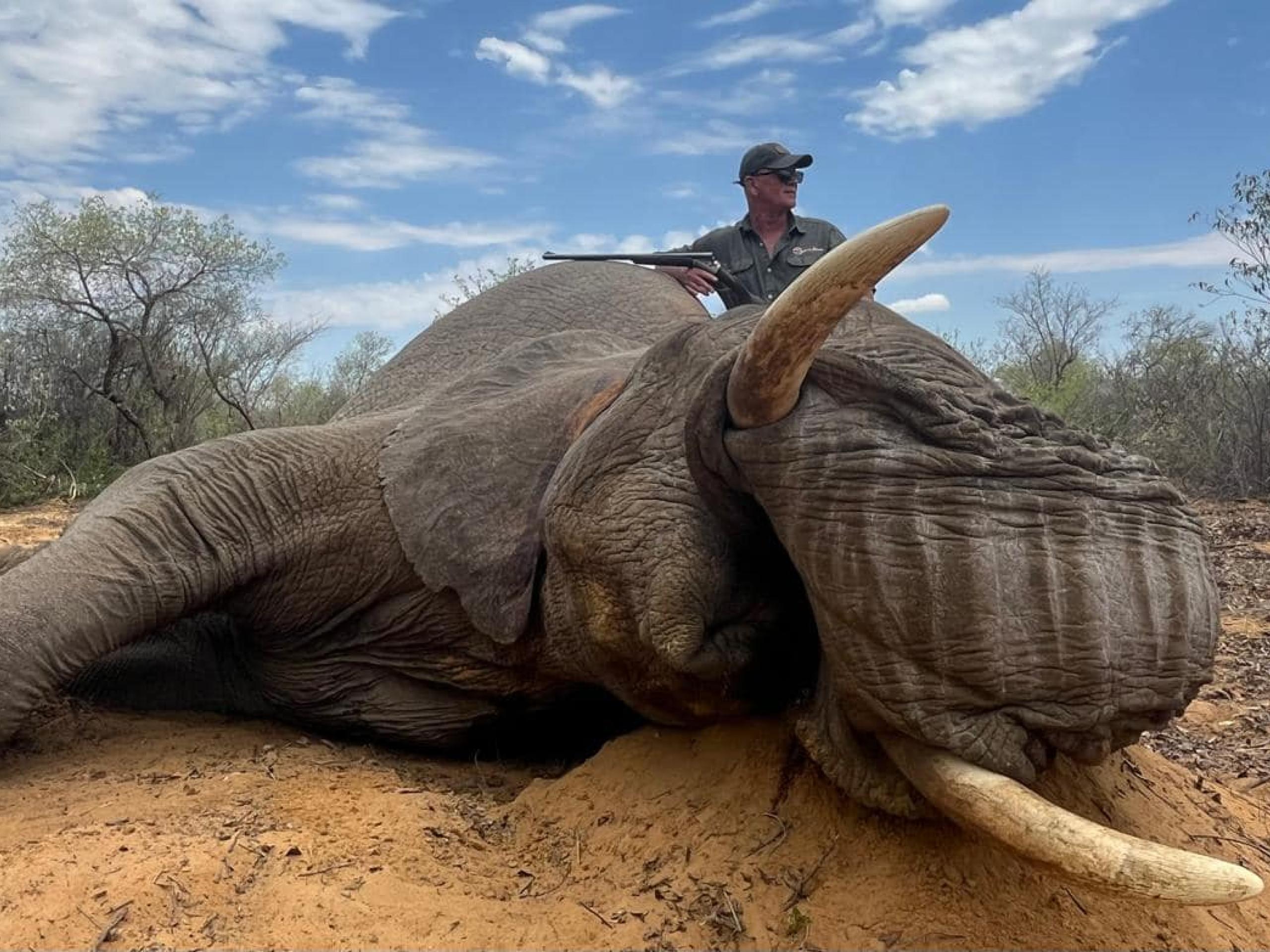
Drought Relief Elephant Hunting in Bushmanland, Namibia
View Expedition Details
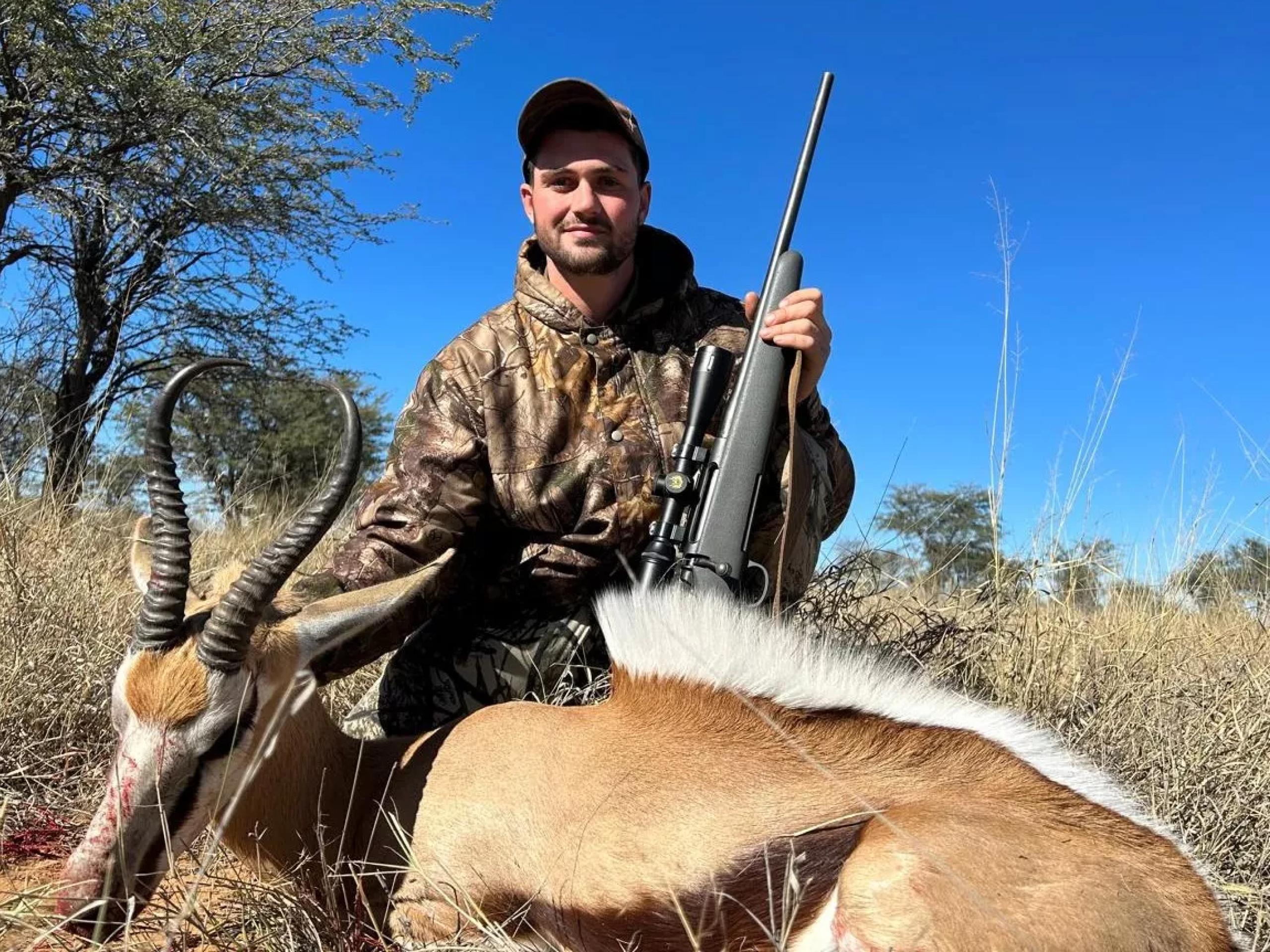
Rustic Kalahari Hunting Safari In South Africa
View Expedition Details
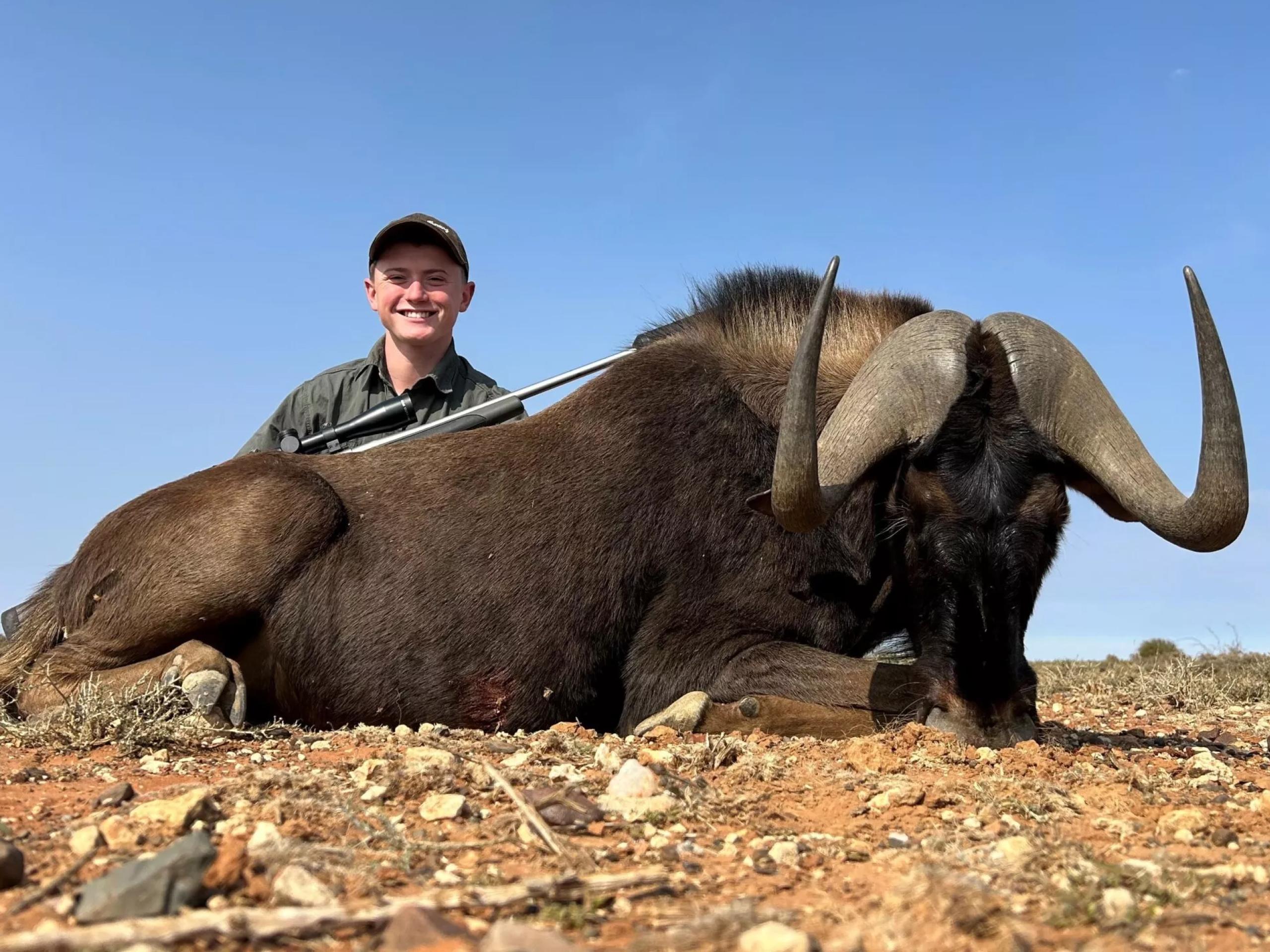
Karoo Hunting Safari In South Africa | Gemsbuck & Springbuck Hunt
View Expedition Details
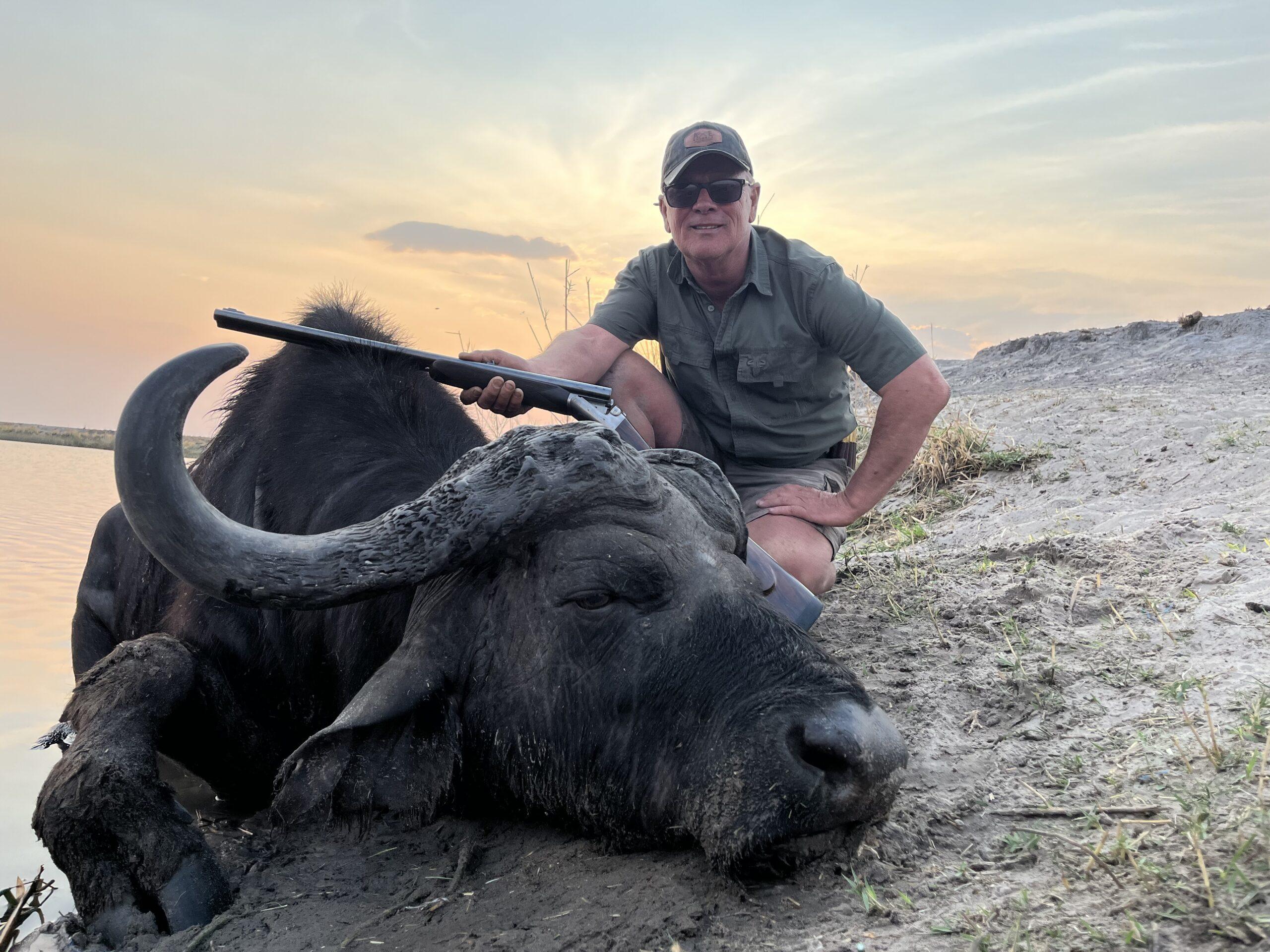
Cape Buffalo Hunting In Namibia’s Caprivi Strip
View Expedition Details
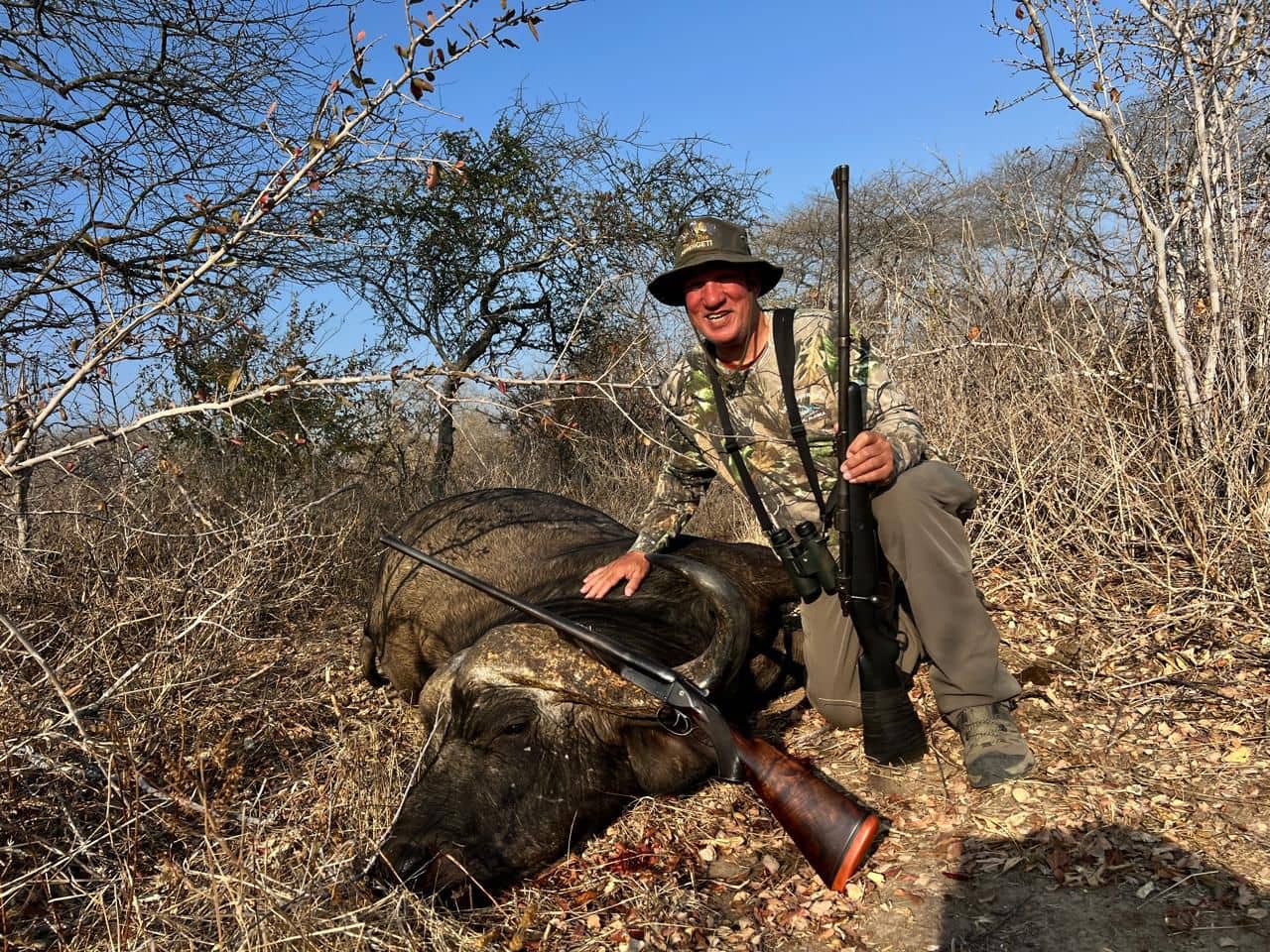
Following Mr Chapman’s Cape Buffalo Hunt in Lunda Nkwamb
View Expedition Details
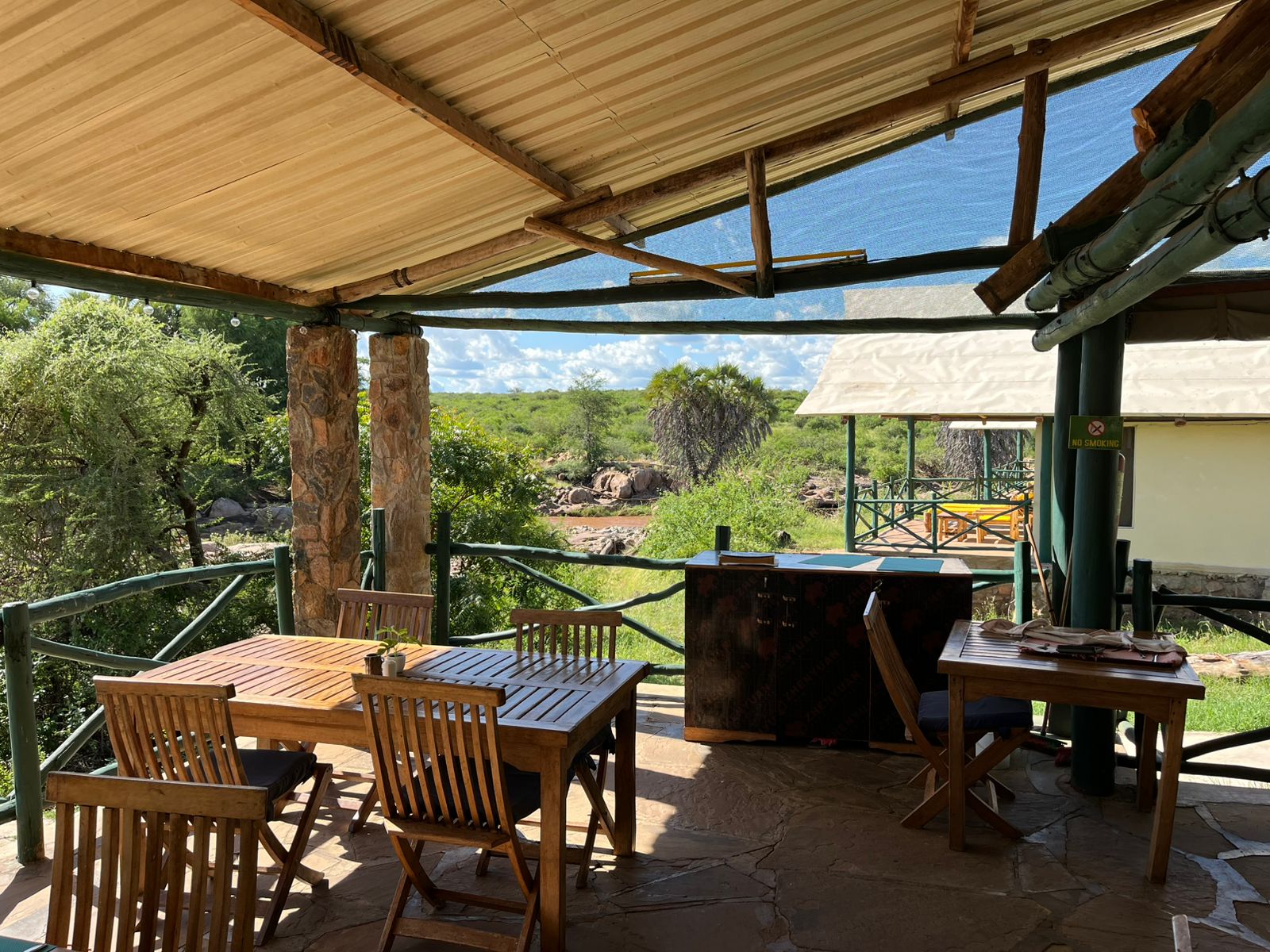
Tsavo Kenya Safari, Home Of Africa’s Big Tuskers
View Expedition Details
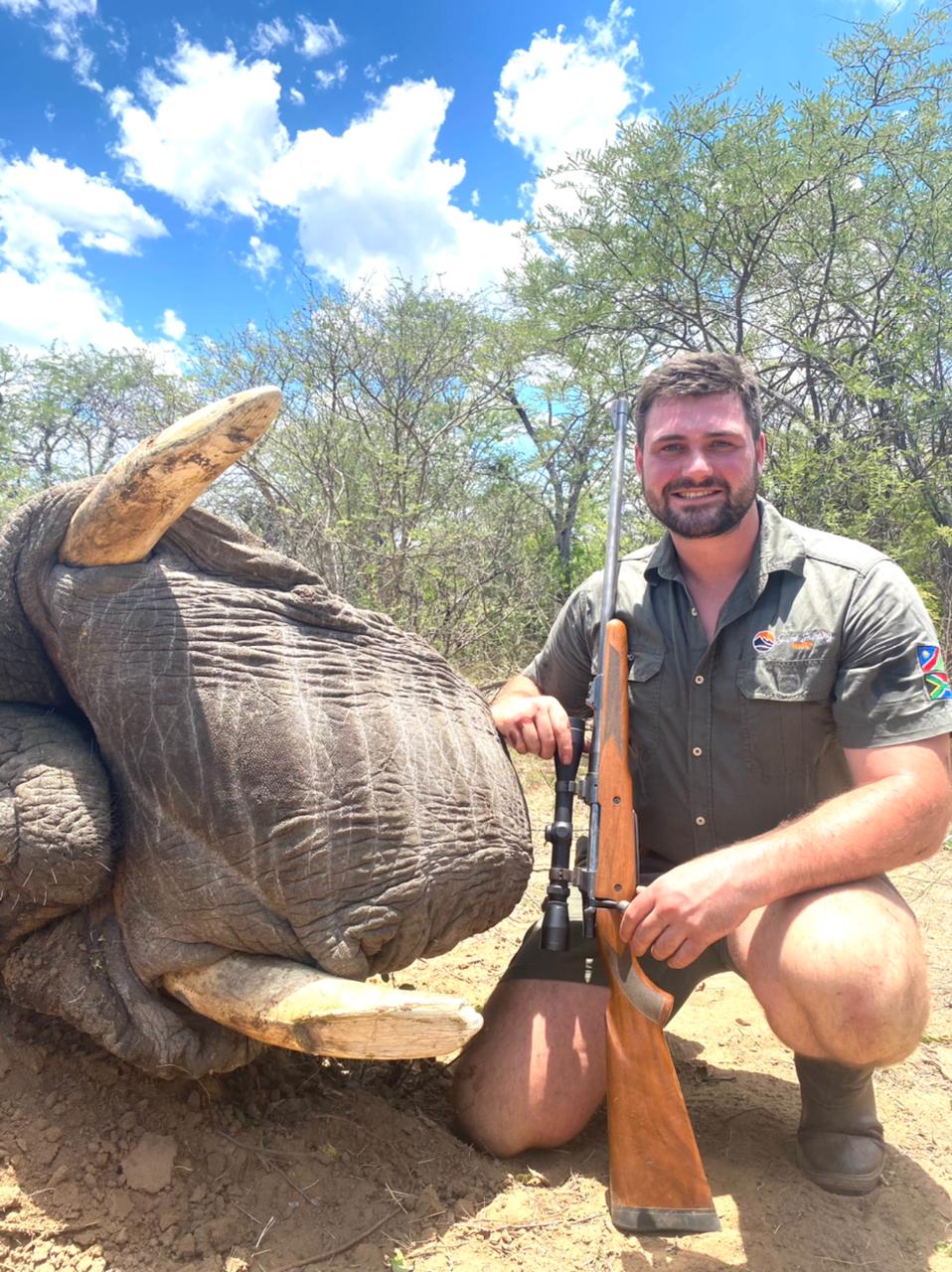
Problem Elephant Hunting Safari In Namibia
View Expedition Details
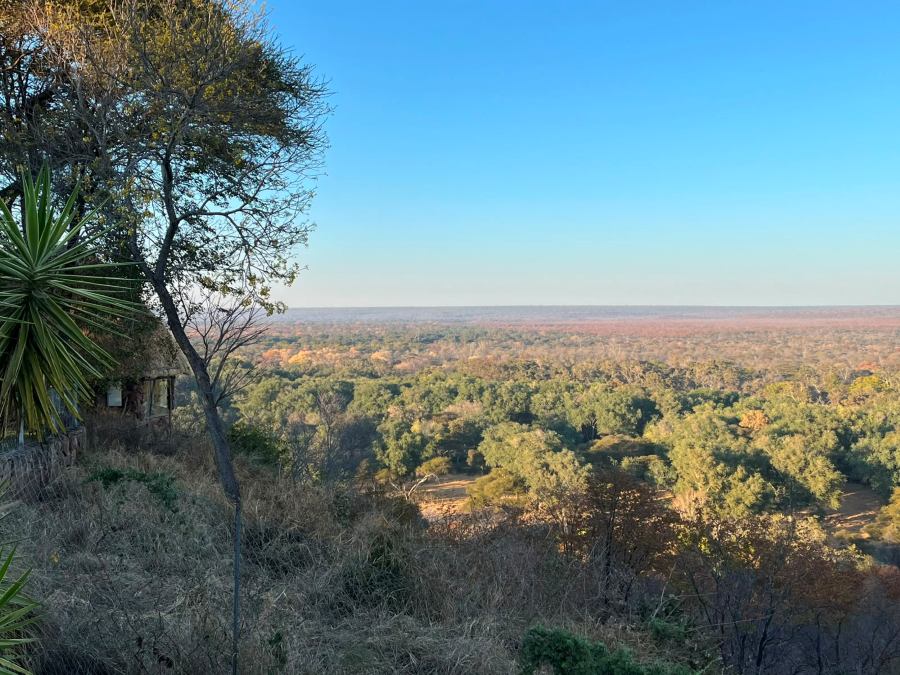
Exploring Zimbabwe's Matetsi, Gwayi & ECA Hunting Areas
View Expedition Details
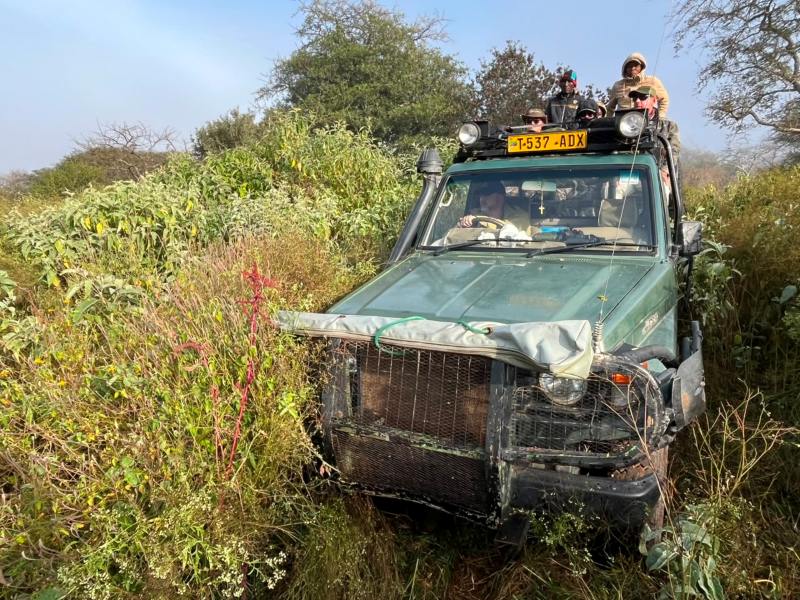
Exploring Tanzania's Simanjiro & Naberera Hunting Areas
View Expedition Details
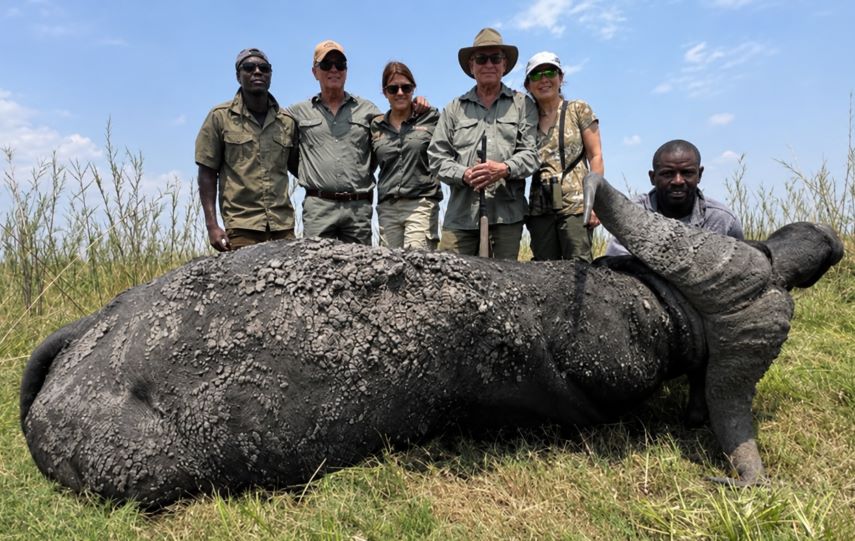
Late-Season Buffalo in the Caprivi: A Dagga Boy, Two Zebra and One That Got Away
View Expedition Details

Book Your Hunt