Zimbabwe Leopard Hunt | Gwayi ECA & Sikumi East
Booking Season: 2026
Hunt Difficulty: Difficult

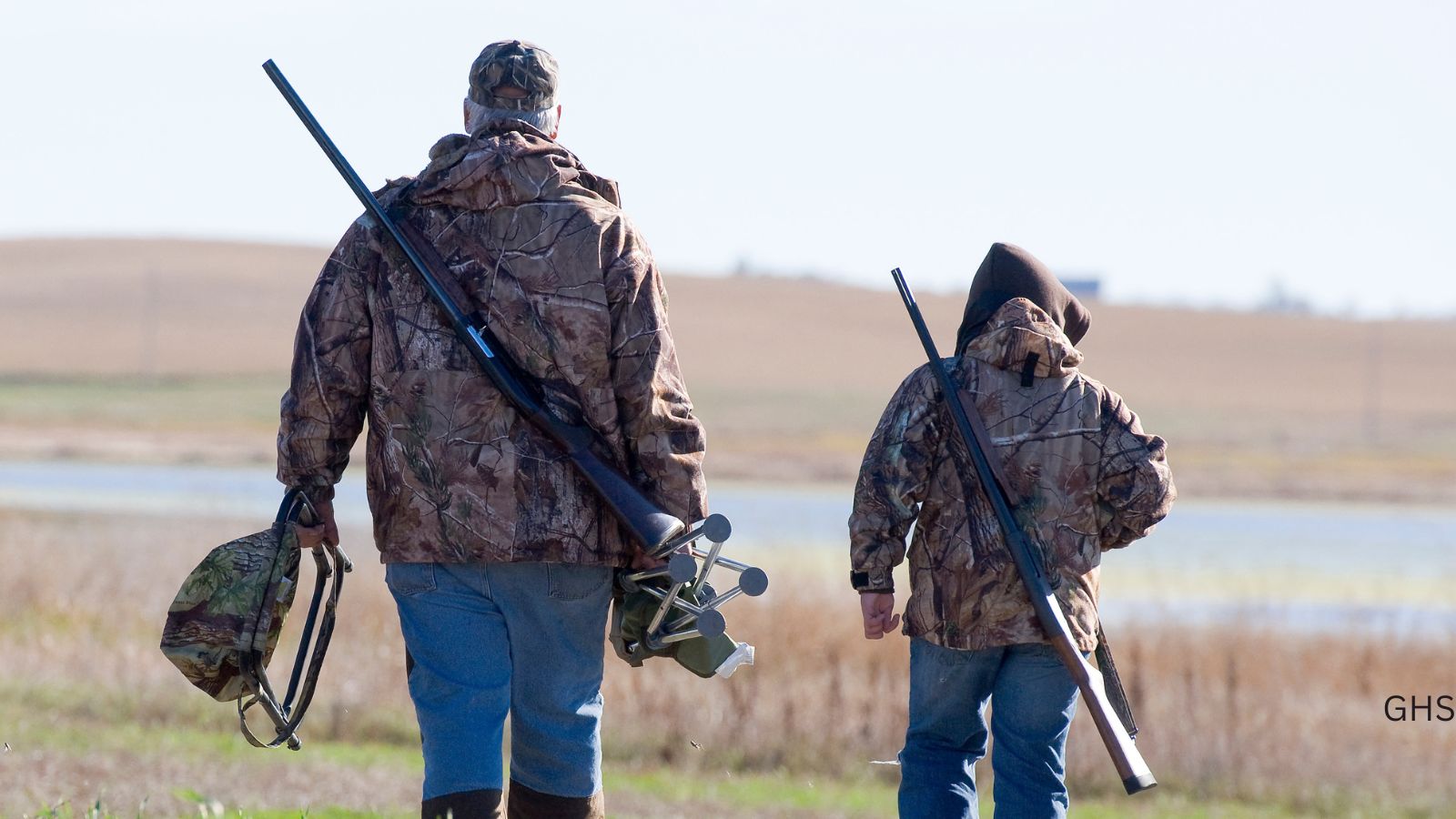
Game Hunting Safaris lists African hunting trips ranging from five-day plains-game packages to longer dangerous-game expeditions. These trips form part of our broader African hunting safaris, with some packages including specified trophy fees and hunting days, while others use daily rates with trophy fees charged separately. Understanding that difference is essential when comparing advertised prices.
Whether you're comparing guided hunts, all-inclusive African hunting packages or longer safari hunting trips built around one animal, the sections below show what each price really includes.
Check out the top-rated and featured Hunting Safaris in Africa.
Featured African Hunts
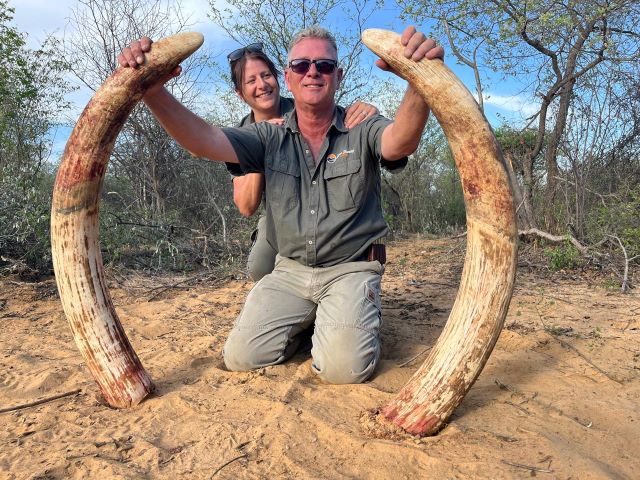
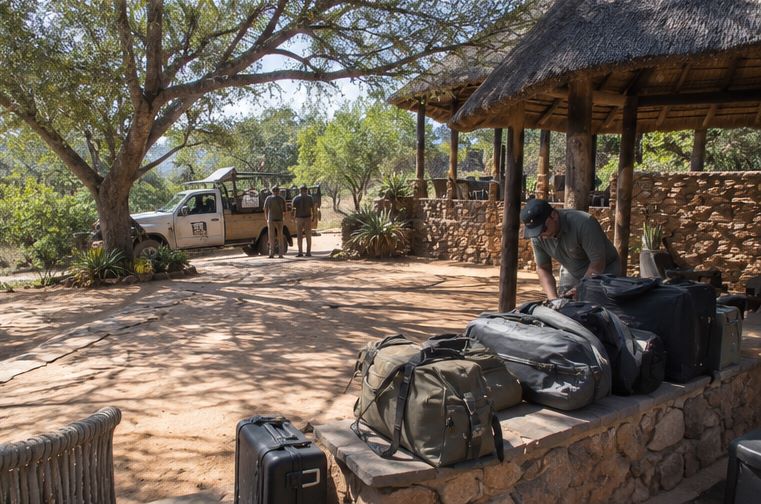
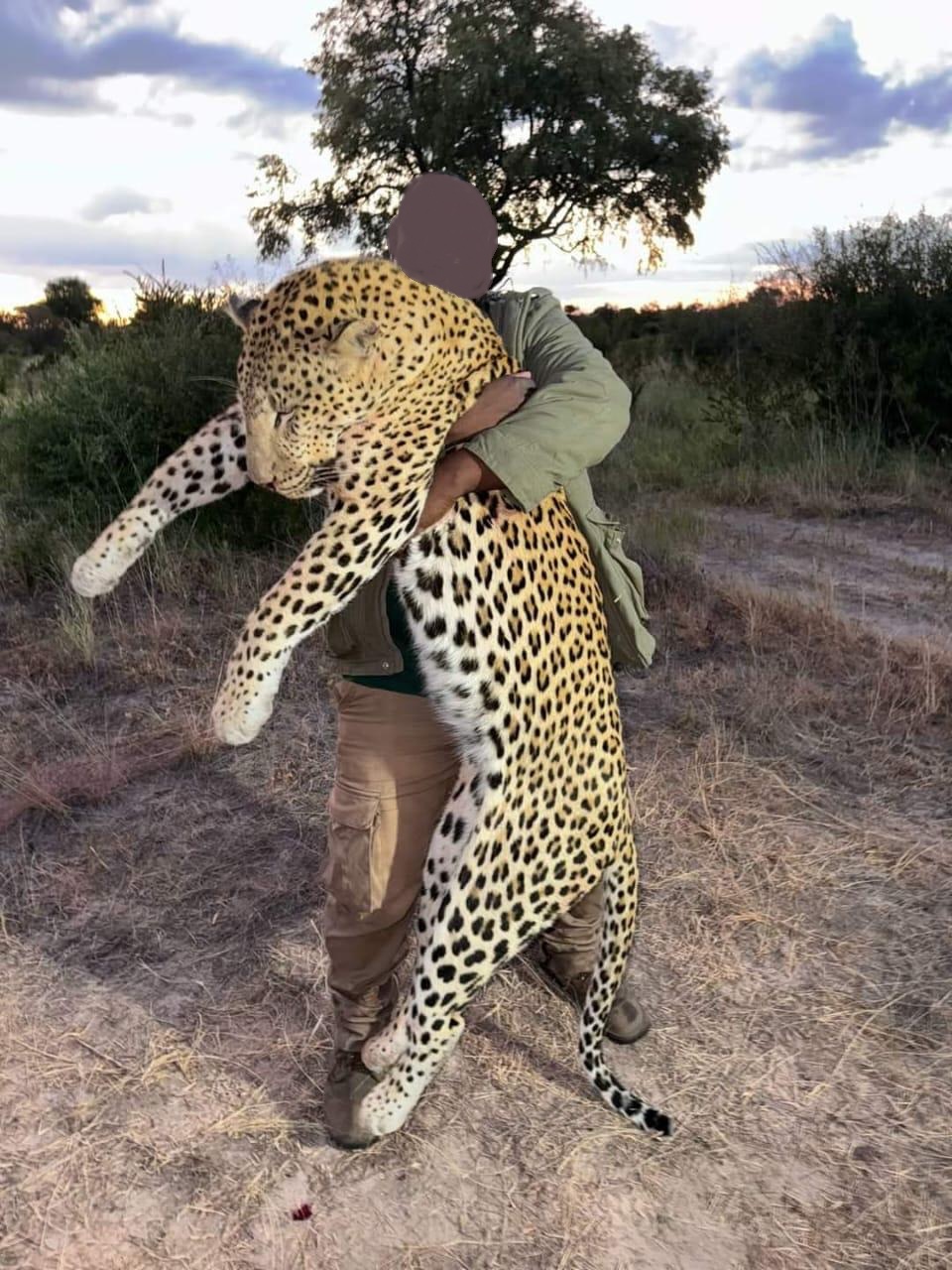
Zimbabwe Leopard Hunt | Gwayi ECA & Sikumi East
Booking Season: 2026
Hunt Difficulty: Difficult
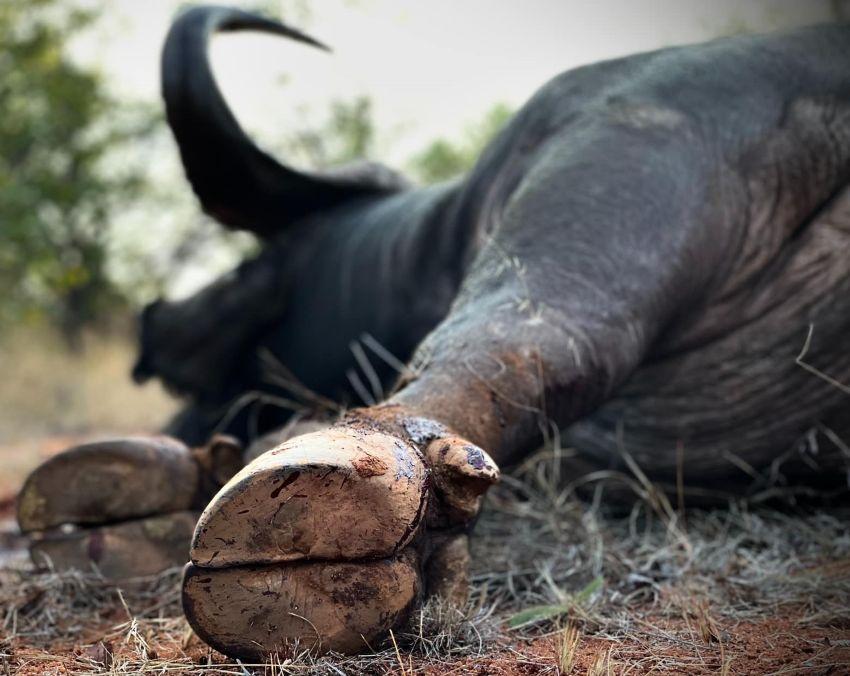
Two Buffalo. One Extraordinary Safari.
Booking Season: 2026
Hunt Difficulty: Difficult, Extreme
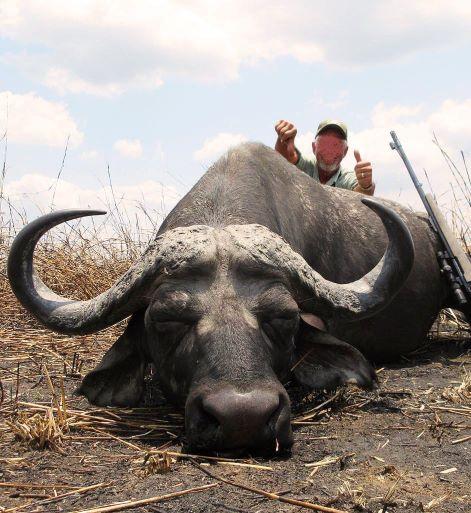
Ten Days with Cape Buffalo in Tanzania's Legendary Selous
Booking Season: 2026
Hunt Difficulty: Difficult
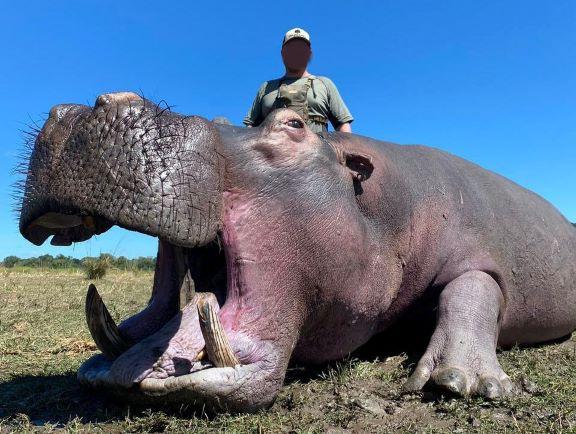
South Africa Dangerous Game & Nocturnal Hunting Safari
Booking Season: 2026
Hunt Difficulty: Moderate, Difficult
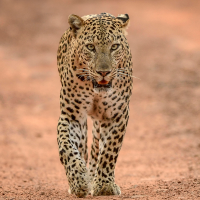
Leopard Hunting with Hounds in Botswana
Booking Season: 2026
Hunt Difficulty: Difficult
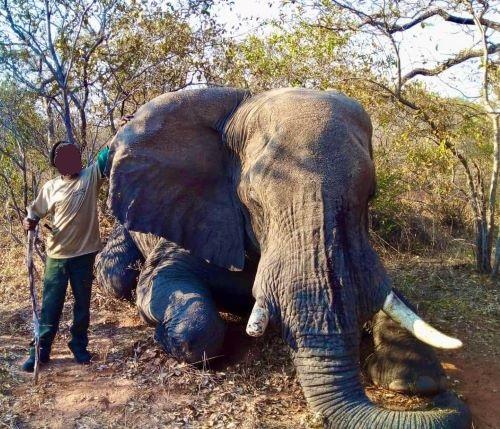
Exportable Elephant Hunting Safari in Botswana's Bushmanland
Booking Season: 2026
Hunt Difficulty: Difficult
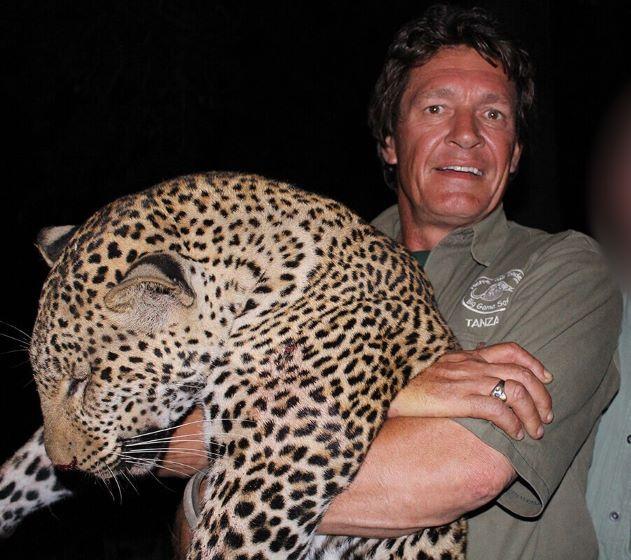
Classic 14-Day Selous Leopard & Buffalo Safari
Booking Season: 2026
Hunt Difficulty: Difficult
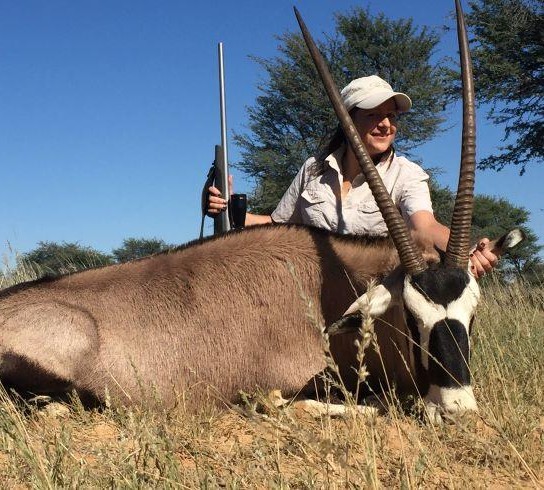
African Plains Game Ladies Only Hunt in Namibia
Booking Season: 2026
Hunt Difficulty: Moderate
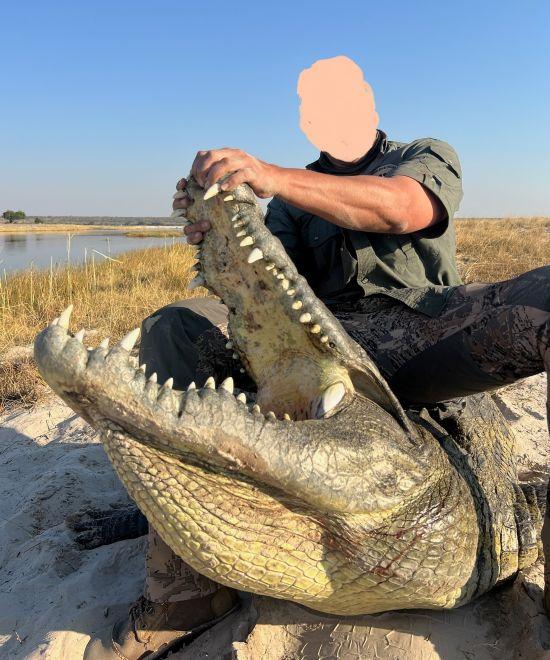
7-Day Nile Crocodile Hunting Safari in Namibia's Zambezi Region
Booking Season: 2026
Hunt Difficulty: Difficult
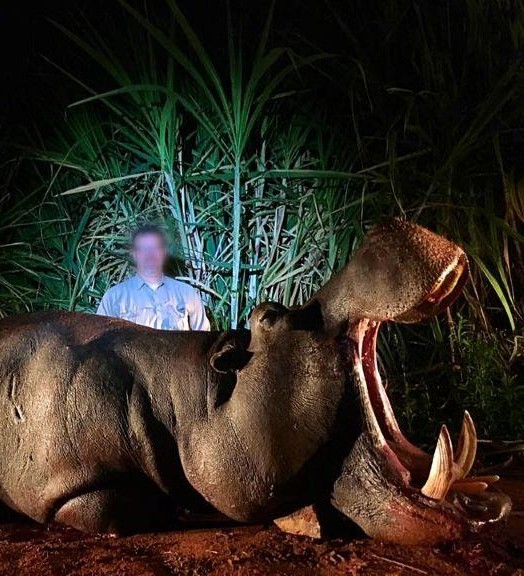
7-Day Free-Range Limpopo Hippo Hunt
Booking Season: 2026
Hunt Difficulty: Moderate, Difficult
Discounted & Cancelled Hunts
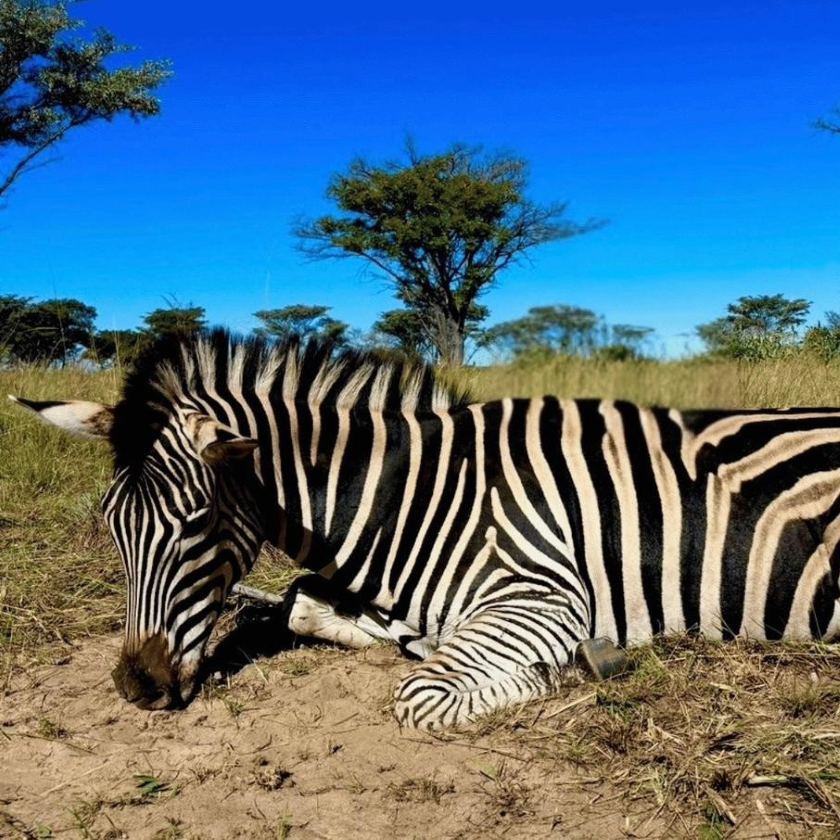
Wildebeest, Impala, Zebra, Warthog & Blesbok Hunts in Limpopo
Booking Season: 2026
Hunt Difficulty: Moderate
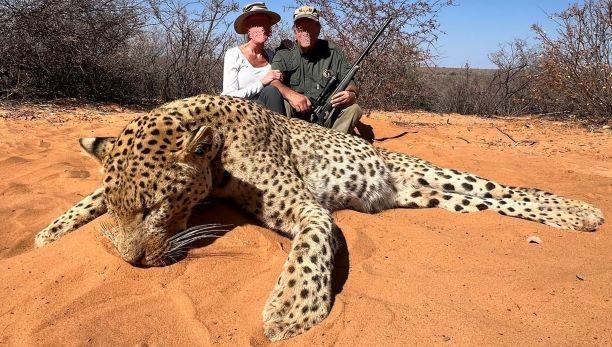
Leopard Safari in Bushmanland
Booking Season: 2026
Hunt Difficulty: Difficult
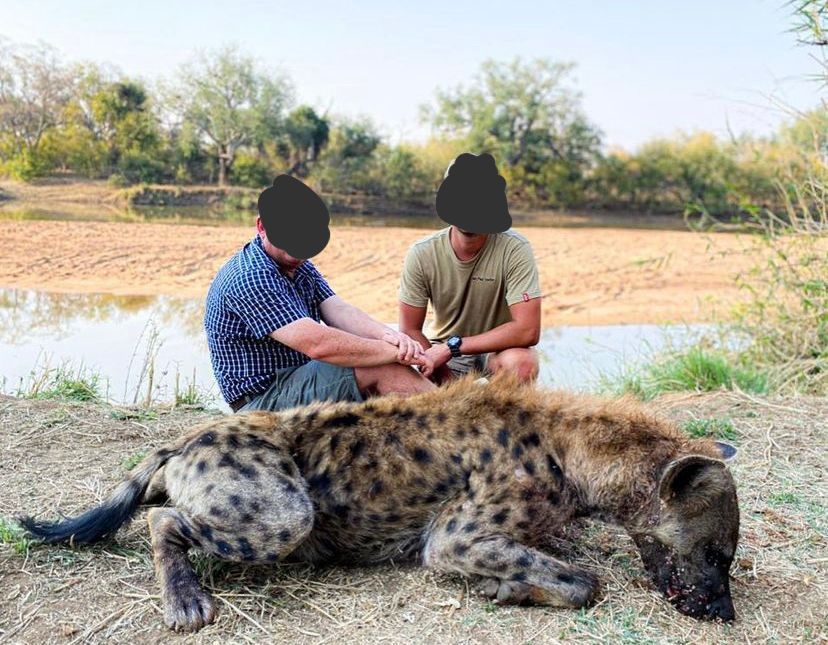
Night Critter Hunting Adventures in South Africa
Booking Season: 2026
Hunt Difficulty: Moderate
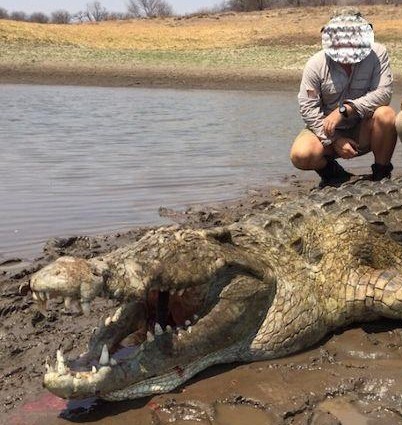
Discounted Crocodile Hunt in Matetsi ECA, Zimbabwe
Booking Season: 2025
Hunt Difficulty: Moderate
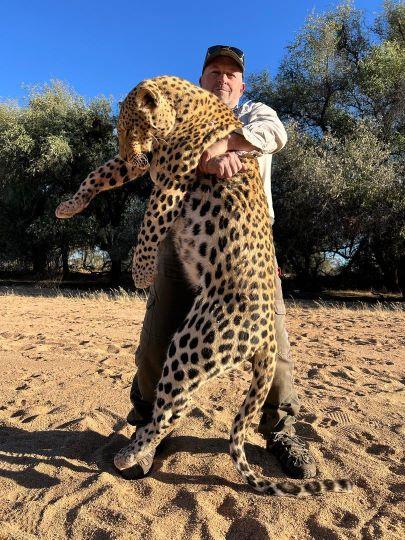
Namibia Leopard & Brown Hyena Cancelation Hunt
Booking Season: 2025
Hunt Difficulty: Difficult
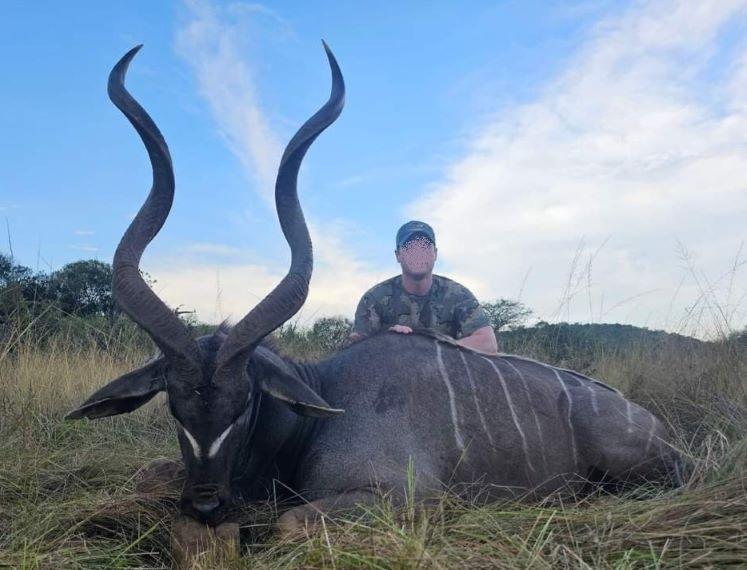
South African Plains Game Safari Trophy Nyala plus 5 Species
Booking Season: 2026
Hunt Difficulty: Moderate, Difficult
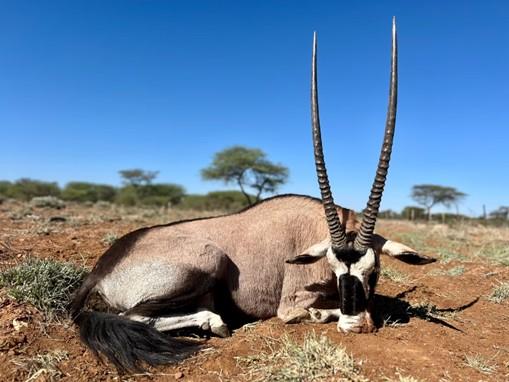
Namibia Plains Game Hunt — 8 Days for Two Hunters
Booking Season: 2026
Hunt Difficulty: Moderate
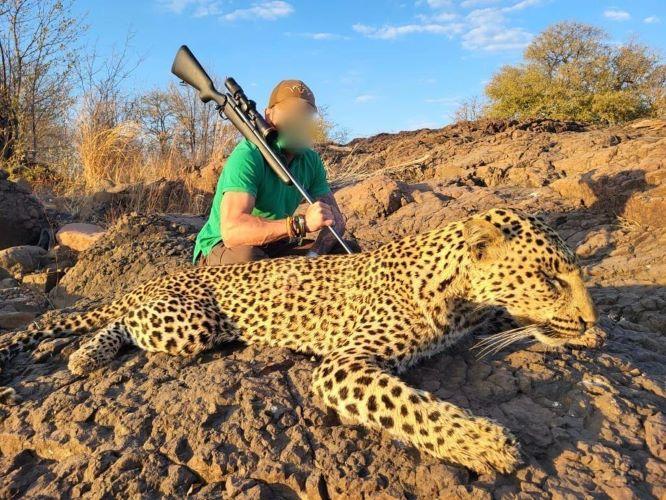
Free-Range Leopard Hunting Safari in Tanzania | 14-Day Licence
Booking Season: 2026
Hunt Difficulty: Difficult
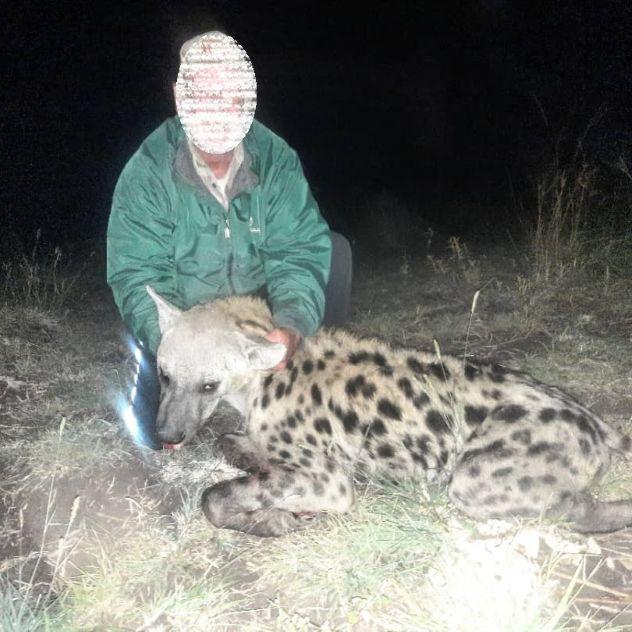
Zimbabwe Hunting Safari Matetsi (ECA)“Night Critter” Packaged Hunt
Booking Season: 2026
Hunt Difficulty: Difficult
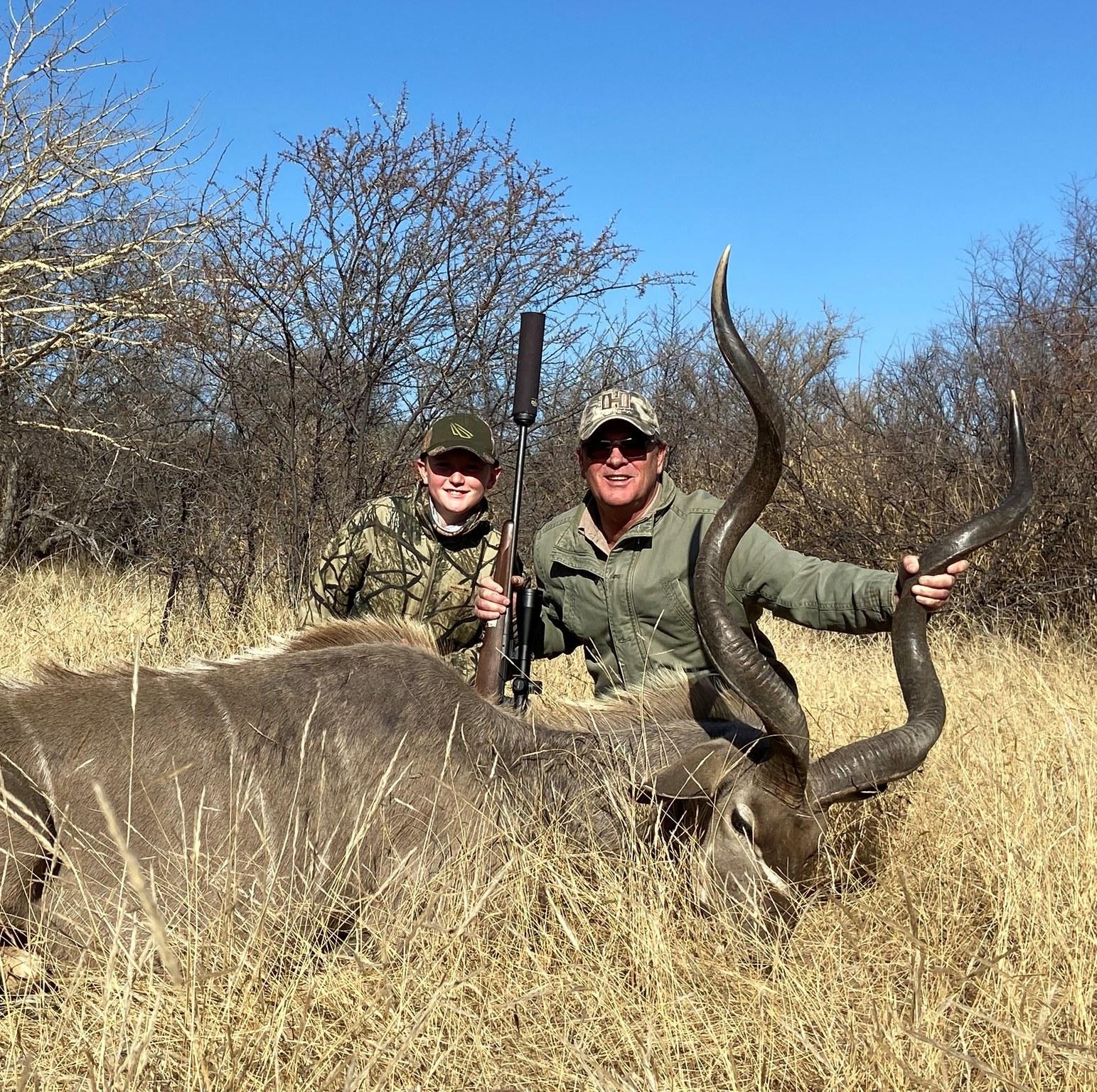
Zimbabwe Hunting, Plains Game in Matetsi (ECA) Zimbabwe
Booking Season: 2026
Hunt Difficulty: Difficult
Packaged Hunts
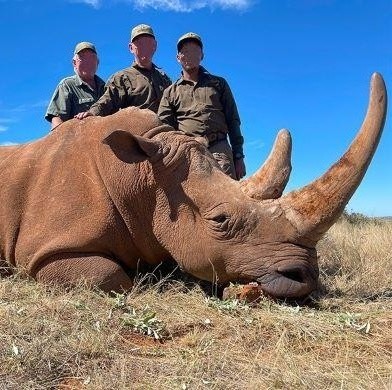
Cape Buffalo, Rhino & Premium Plains Game Safari in South Africa
Booking Season: 2026
Hunt Difficulty: Moderate, Difficult
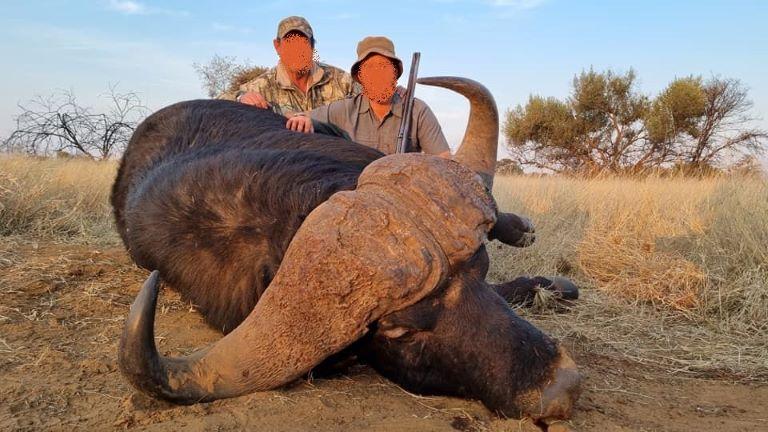
Where the Dagga Boys Rule: 7-Day Limpopo Cape Buffalo Safari
Booking Season: 2026
Hunt Difficulty: Difficult
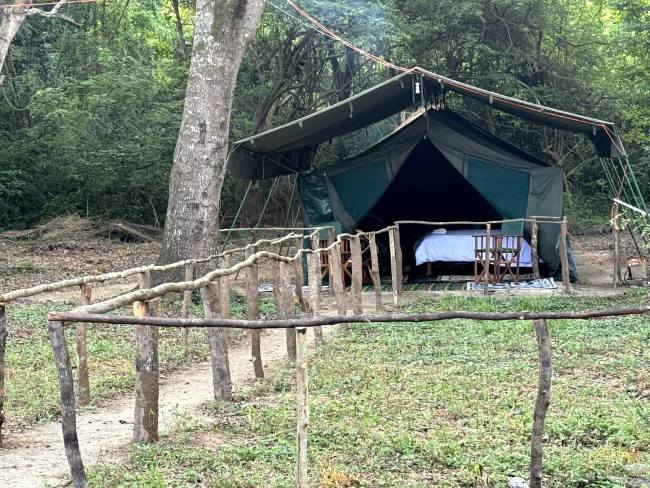
Triple Cape Buffalo Hunt in the Selous, Tanzania
Booking Season: 2026
Hunt Difficulty: Difficult
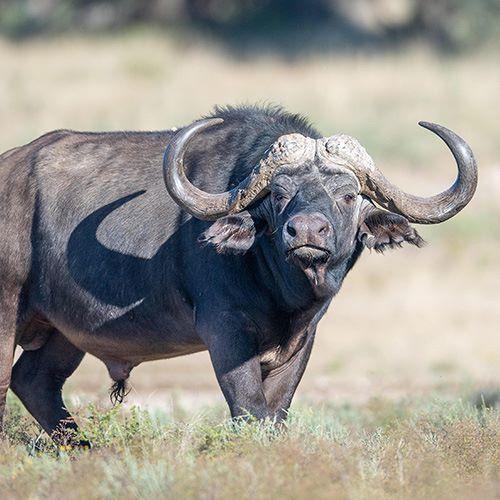
Luxury Cape Buffalo, Rhino Green Hunt & Premium Plains Game Safari
Booking Season: 2026
Hunt Difficulty: Difficult
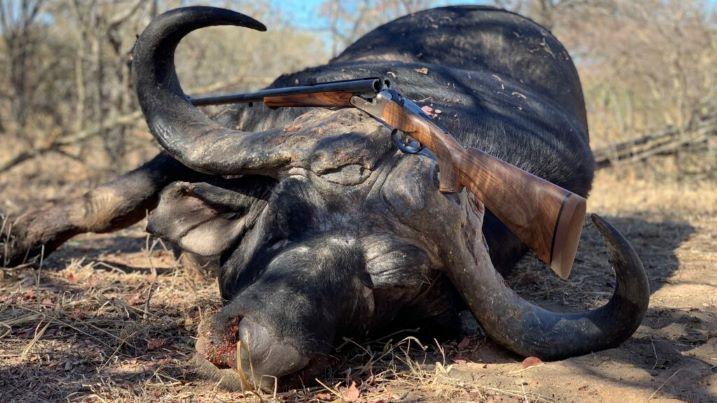
Limpopo Cape Buffalo Hunt (7 Nights / 5 Hunting Days)
Booking Season: 2026
Hunt Difficulty: Difficult
Leopard Hunting with Hounds in Botswana
Booking Season: 2026
Hunt Difficulty: Difficult
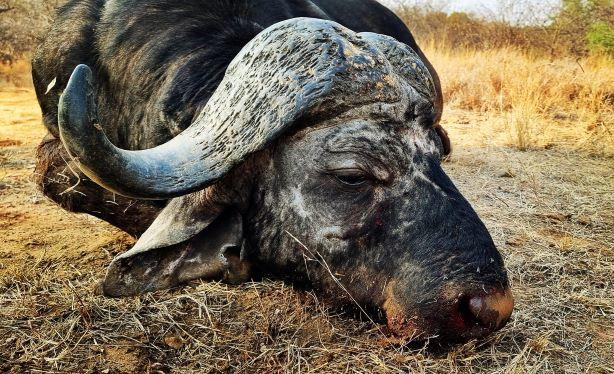
Hunt Old Dagga Boys in Mozambique
Booking Season: 2026
Hunt Difficulty: Difficult
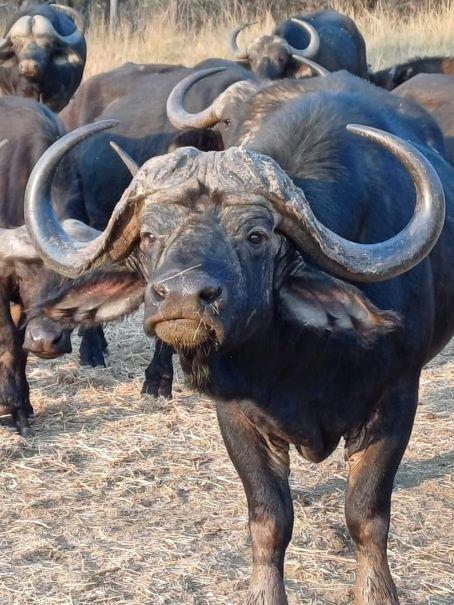
Hunt Cape Buffalo in South Africa's Waterberg
Booking Season: 2026
Hunt Difficulty: Difficult
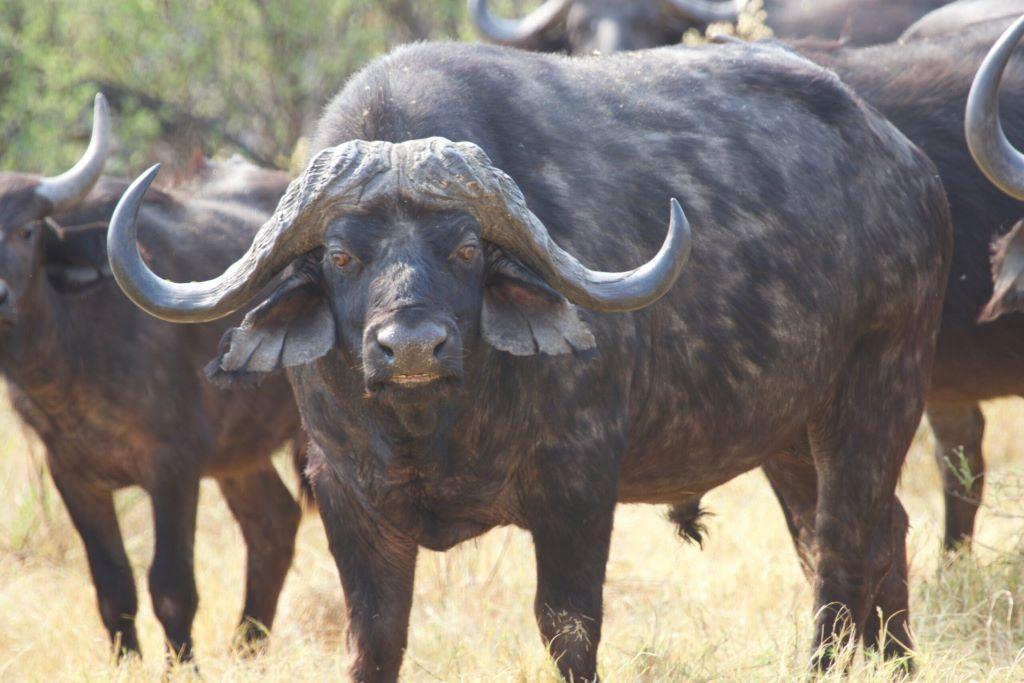
Free-Range Cape Buffalo Hunting in Botswana
Booking Season: 2026
Hunt Difficulty: Difficult
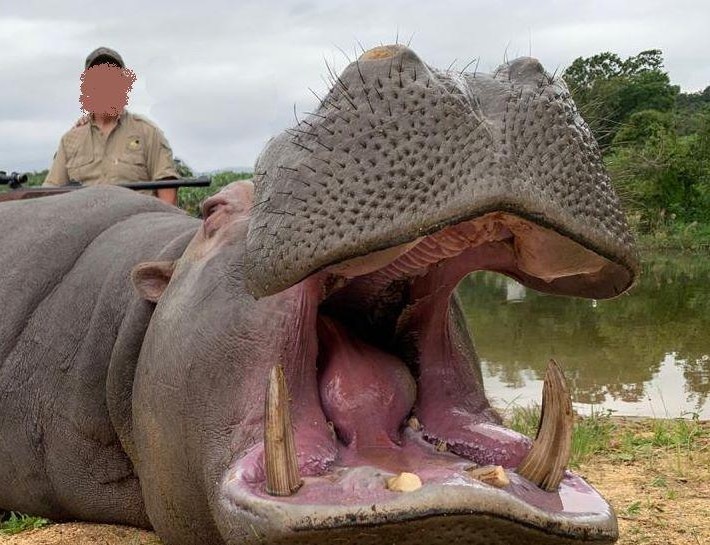
Four Dangerous Species. One Unforgettable Safari.
Booking Season: 2026
Hunt Difficulty: Moderate, Difficult, Extreme
A plains-game safari built around six or eight species gives hunters flexibility in choosing their trophies. A dedicated leopard or Cape buffalo hunt is planned around one primary objective, where the hunting area, number of days available and professional hunter's experience can influence the outcome.
Dangerous-game safaris are usually planned around a primary species rather than a long trophy list. A hunter booking Cape buffalo, elephant, lion or leopard needs to check whether the hunting area holds suitable animals, whether the required permits and quotas are available, and how much time the safari allows for the main objective.
A buffalo hunt in a remote Zimbabwe concession requires a different commitment from a shorter South African buffalo package. The same applies when comparing dedicated leopard or elephant safaris: hunting days, the area and the professional hunter's experience determine whether the trip suits your expectations. Explore our dangerous game hunts before comparing individual packages.
Hunters specifically interested in pursuing the traditional five animals can explore our Big Five hunting safaris, while big game hunting in Africa covers a broader range of African species, including large antelope, hippopotamus and crocodile.
When comparing Cape buffalo hunts, check what kind of buffalo is included in the price and where you will be hunting. A South African package offering a specified class of bull is a different proposition from a free-range safari in Zimbabwe or Tanzania. Trophy fees, the number of hunting days and the availability of suitable mature bulls all deserve attention before booking.
Before booking an elephant hunting trip, check whether the hunt is for a trophy bull, tuskless elephant or another legally available category. These are different hunts, with different costs, conditions and availability. Quotas, permits and safari duration also vary by country and hunting area. A trophy-bull hunt and a tuskless-elephant hunt should never be compared on price alone.
With lion hunting, the first decision is what kind of hunt you want. A wild lion safari in Tanzania or Zimbabwe is not comparable to every lion-hunting opportunity available in South Africa. Check the origin of the lions, hunting arrangements and trophy-import requirements before comparing safaris.
Leopard hunting trips require careful attention to the hunting area and the experience of the professional hunter. A leopard licence alone tells you little about the prospects of taking a suitable animal. Ask about recent leopard activity, the hunting methods permitted, how the safari is structured and how many days are dedicated to leopard before considering additional species.
Plains game hunts offer more flexibility when building a safari. Some packages include a fixed selection of animals at an agreed price, while others allow hunters to choose species according to individual trophy fees. A hunter primarily interested in kudu and eland may need a different area from someone wanting gemsbok, springbok and several smaller antelope.
A package listing six animals is only comparable with another six-animal package once the included species, trophy fees and substitution conditions are understood. Some plains-game safaris can also incorporate specialist species such as hyena hunts, where legally available and properly arranged.
Before paying a deposit, make sure you understand exactly what you are booking. Two safaris advertising the same species and similar prices may differ in hunting days, trophy fees, hunting areas and contractual conditions. The following questions can expose those differences before they become expensive surprises.
Not all hunting areas operate under the same model. Understanding whether the hunt takes place in a genuinely free-range environment or within a managed hunting property is essential when comparing safari experiences. Don't hesitate to ask how the area is managed, how wildlife moves through the concession, and what type of hunting you can realistically expect.
Daily rates, accommodation, meals, airport transfers, licences, firearm permits, trophy preparation, and trophy fees can vary widely between outfitters. Always request a clear breakdown of what is included before booking, and compare packages carefully rather than simply looking at the advertised daily rate.
Travel, taxidermy, trophy shipping and gratuities should also be considered when calculating the total cost. For a detailed breakdown, see our African Hunting Safari Prices guide.
Hunters can underestimate how quickly an African safari passes. Clarify the number of actual hunting days, rather than simply counting nights in camp, and make sure your itinerary allows enough time to pursue your priority species without feeling rushed.
From our experience hunting Cape buffalo in Mozambique's Marromeu region, seven hunting days can put pressure on a hunter pursuing an exceptional trophy bull. Finding an animal that meets specific horn measurements may take longer than expected. However, if your goal is a good, mature buffalo representative of the hunting area rather than chasing inches, seven days is generally a reasonable safari duration.
A wounded animal may still incur the full trophy fee, even if it is never recovered. Ask the outfitter what defines a wounded animal, what recovery efforts are included, and whether the hunt can continue for another animal if the first is lost. These conditions should be clear in the hunting agreement before you arrive in camp.
Reputable outfitters are usually happy to provide references from previous hunters. Speaking directly with past clients often provides valuable insight into the hunting area, camp atmosphere, professionalism, communication, and overall safari experience.
Before paying a deposit, ask how your booking funds are protected and what cancellation terms apply. Payment arrangements differ between outfitters, so hunters should understand who receives the funds, when payments become non-refundable and what protection exists if the safari cannot proceed. Our guide to African Hunting Safari Payments, Escrow & Financial Protection explains the available payment structures and the questions to ask before transferring money.
Read the most recent articles from our Blog. 26 October 2026 19 October 2026 18 October 2026 12 October 2026
From the Blog
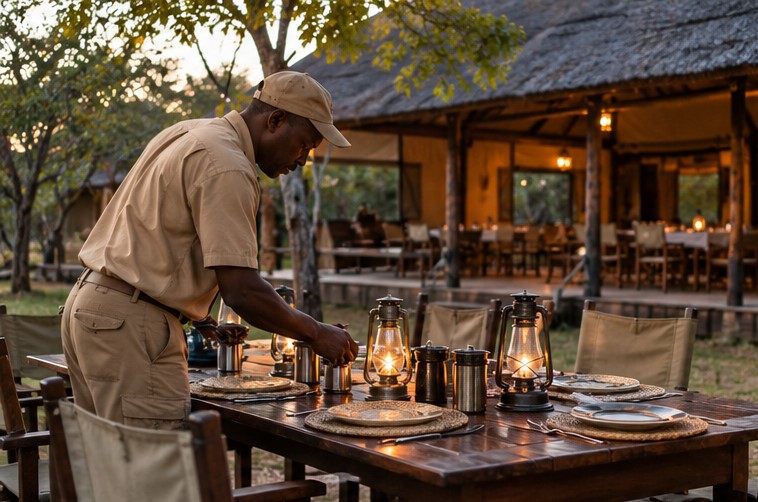
What Happens Behind the Scenes at an African Hunting Camp?
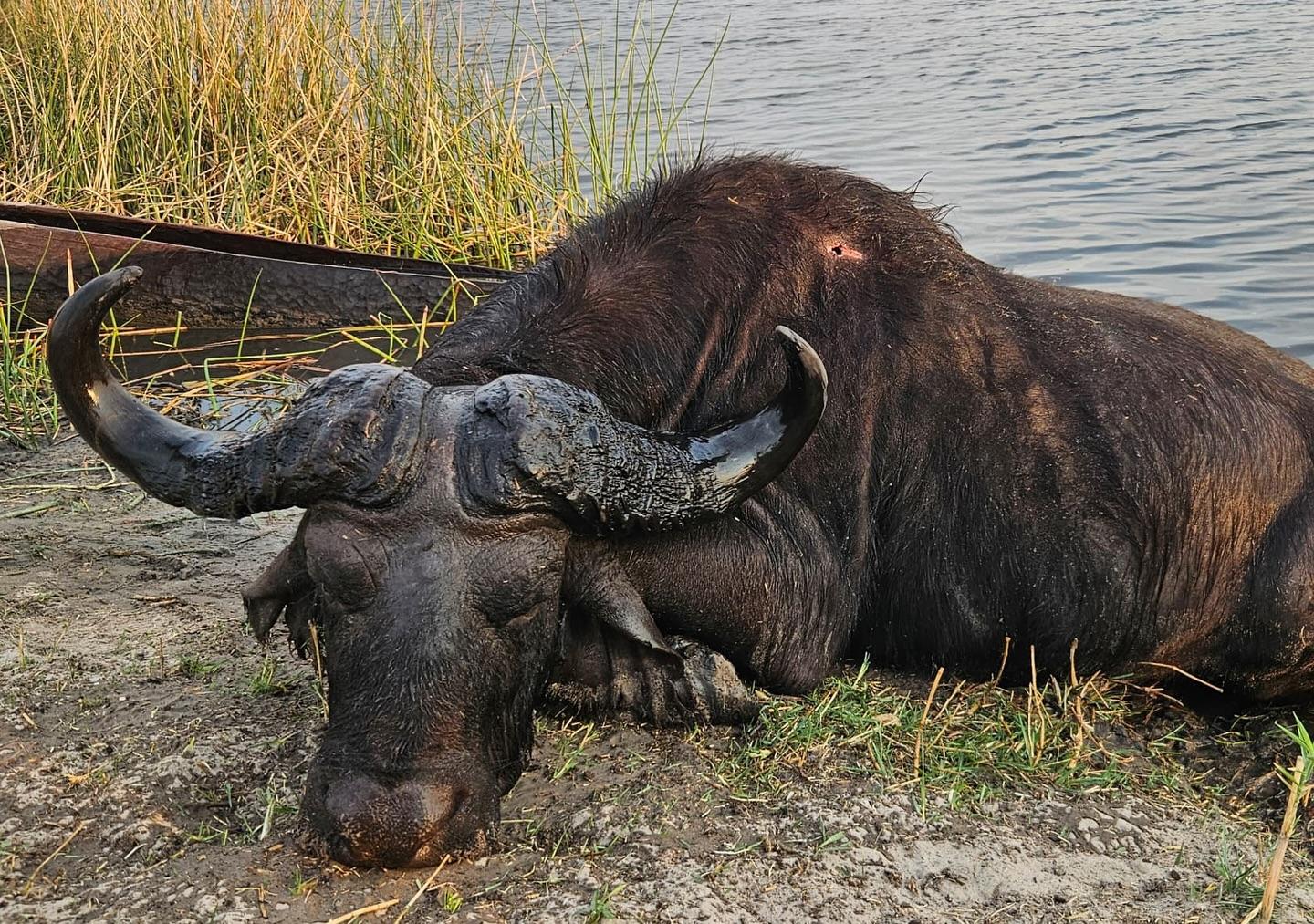
When Should Your PH Take a Backup Shot on a Cape Buffalo Hunt?
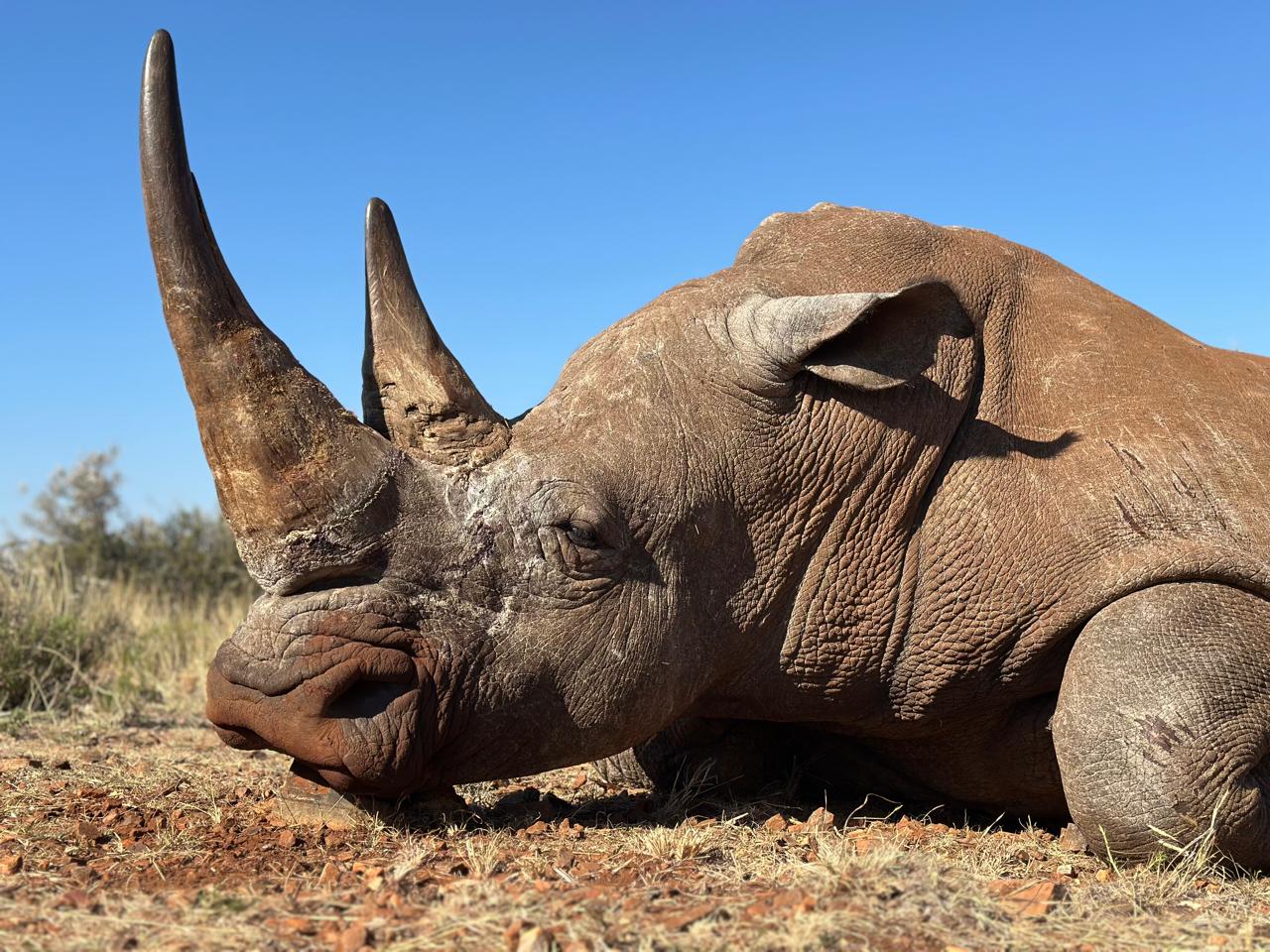
What Should You Confirm Before Paying a Deposit on a Rhino Hunt?
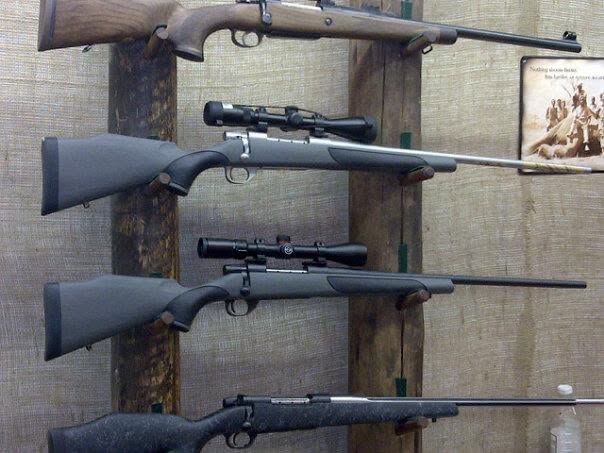
Does Rifle Choice in Mozambique Depend on Where You Hunt?
One of the biggest decisions when planning an African hunting trip is choosing the destination that best matches your hunting goals. Every country has different species, landscapes, hunting traditions, and safari experiences, making it worthwhile to compare your options before booking.
Hunting trips to Zimbabwe appeal to hunters looking for traditional dangerous-game hunts, especially Cape buffalo, elephant and leopard. Many safaris take place in hunting concessions where tracking, available quota and the condition of the hunting area influence what can realistically be achieved. Confirm which species are on the licence and how many full hunting days are allocated to your primary animal.
A hunting trip to Tanzania is a larger commitment in both time and money. Traditional safaris are often structured around 10-, 14- or 21-day arrangements, with the species included depending on the safari category and available quota. Hunters considering Tanzania should check what their package permits, rather than assuming every advertised safari includes the same dangerous game.
Hunting trips to Mozambique offer everything from dedicated Cape buffalo safaris to mixed dangerous-game and plains-game hunts. But Mozambique's hunting areas differ a lot. Floodplains, river systems and thick woodland can produce different hunting conditions. The actual concession, species availability and hunting arrangements matter more than a general promise of wilderness hunting.
For hunters planning their first African safari, hunting trips to South Africa and Namibia are both excellent starting points, but they offer different hunting experiences. South Africa gives you more flexibility in package structures, species combinations and hunting areas. Namibia especially suits hunters wanting traditional plains-game hunting across larger, often more open country. In either destination, the actual property, available species and hunting arrangements matter more than the country name alone.
Hunting trips to Mauritius focus on rusa deer and wild boar on managed private estates. These trips differ from traditional mainland safaris and appeal to hunters wanting to combine a dedicated deer hunt with a family holiday, beaches or deep-sea fishing. Check the rusa deer trophy category and what is included in the package before booking.
Forest hunting trips require a different approach from the more familiar plains-game safaris of southern Africa. In Cameroon and Gabon, dense vegetation, limited visibility and specialised tracking conditions can make finding the intended species hard work.
Before booking, check which species are available in the particular hunting area, how the hunt is conducted and whether the safari allows sufficient time for your primary objective. A dedicated bongo hunt, for example, is a different proposition from a general plains-game package.
Hunting trips to Botswana include limited opportunities for elephant and other species, depending on the hunting area, annual quotas and permit conditions. Confirm exactly what can be booked before planning your safari.
Zambia hunting trips are worth considering for hunters interested in traditional dangerous-game hunting, mainly Cape buffalo, leopard and selected other species. Hunting conditions and available quotas differ between Zambia's Game Management Areas (GMAs), making the specific area and operator important considerations.
Hunting trips to Ethiopia appeal to hunters pursuing specialist mountain species, above all mountain nyala. These hunts require careful consideration of terrain, physical demands and the time allocated to locating the intended animal.
Hunting trips to Uganda suit hunters interested in East African plains game and species not commonly available in southern Africa. A species appearing on Uganda's national hunting list does not necessarily mean it can be hunted in the concession included in your package.
For hunters considering a hunting trip to the Republic of Congo, rainforest conditions deserve close attention. These are highly specialised hunts, where the operator's experience and the hunting area matter most.
Game Hunting Safaris helps hunters compare African hunting trips before committing to an outfitter, whether it's your first hunting vacation in Africa or your tenth. We discuss your priorities, examine suitable hunting areas and introduce you directly to the people who will run your safari. Read why hunters choose to work with Game Hunting Safaris.
A hunt that looks attractive on paper isn't necessarily the right hunt for you. Our role is to help you understand those differences before you pay a deposit, rather than simply point you towards the cheapest available package.
Not sure which safari best suits your plans? Contact us and we'll help you compare the hunting trips that fit before making a decision.
Our hunting expeditions have taken us into different parts of Africa, from pursuing Cape buffalo in Mozambique's Marromeu region to hunting lion in South Africa's Kalahari and elephant in Namibia's Bushmanland. We've also hunted hippopotamus, giraffe, eland and other plains-game species.
The accounts below cover a wide range of African hunting experiences, including the challenges, people and decisions encountered along the way. They give hunters a closer look at the experience behind our advice when comparing hunting trips.
A collection of some of our most unforgettable moments in the wild. From the sweeping plains to the dense
forests, these photos showcase the landscapes, wildlife, and experiences that have defined our hunting
expeditions.
GHS in the Field
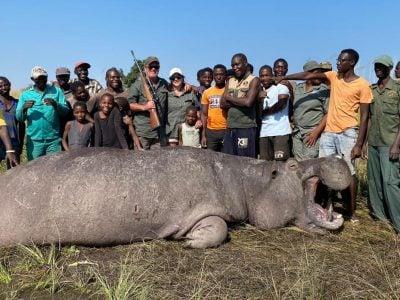
Wild Hippo Hunting In The Zambezi Region, Namibia
View Expedition Details
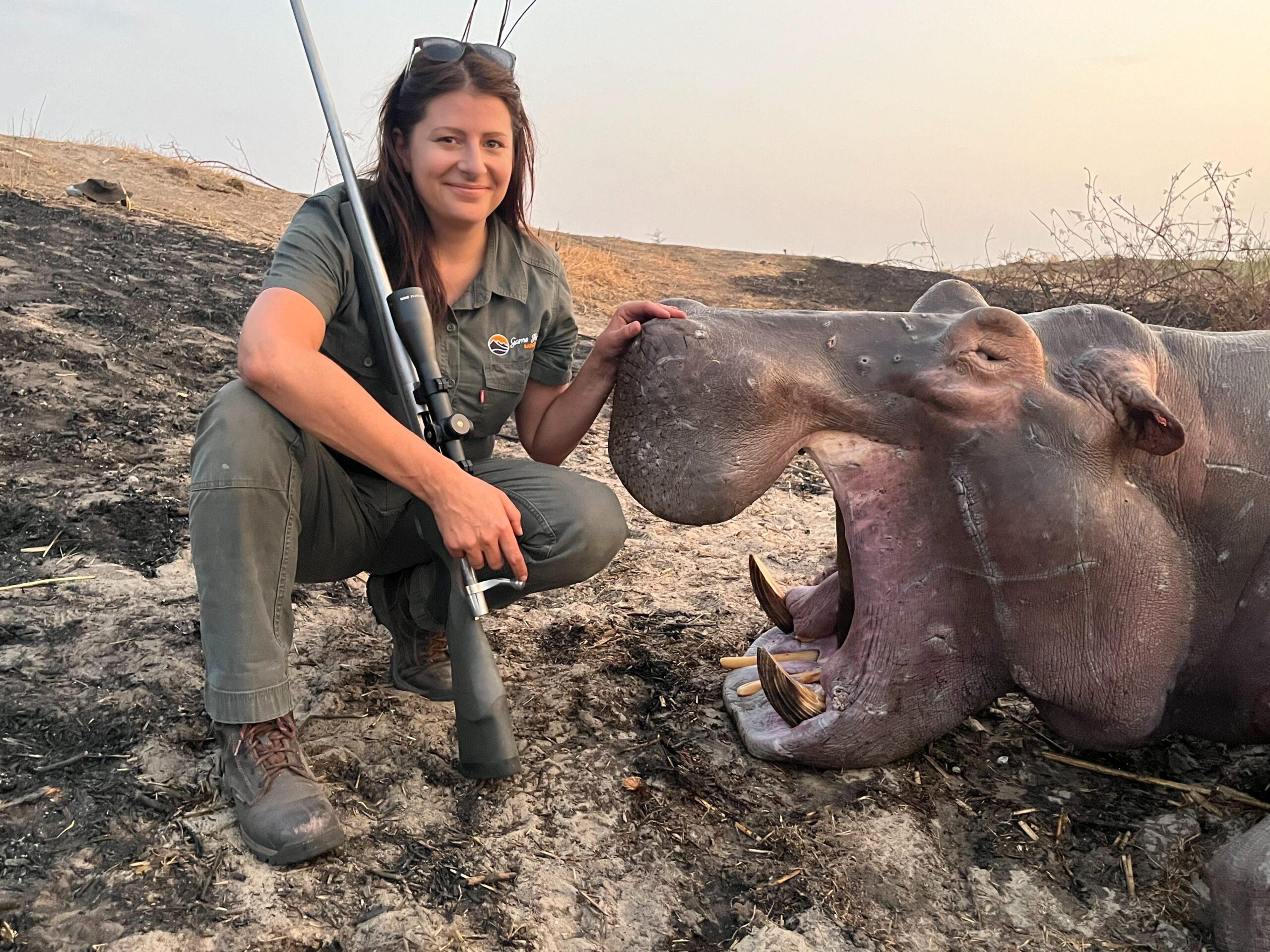
Hippo Hunting In The Zambezi Region (Caprivi Strip) Namibia
View Expedition Details
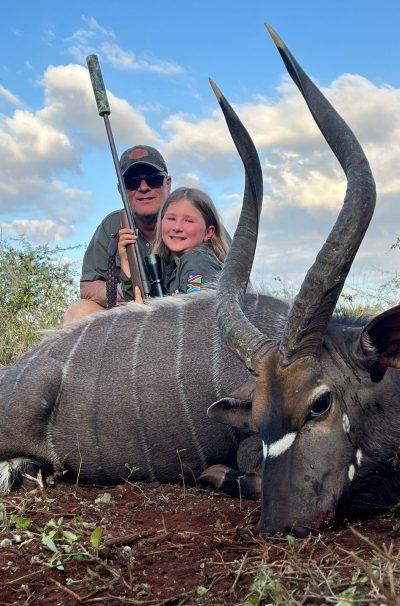
The Africa Plains Game safari, Trophy Nyala In KZN, SA
View Expedition Details
Hyena Hunting in South Africa | Safari Experience
View Expedition Details
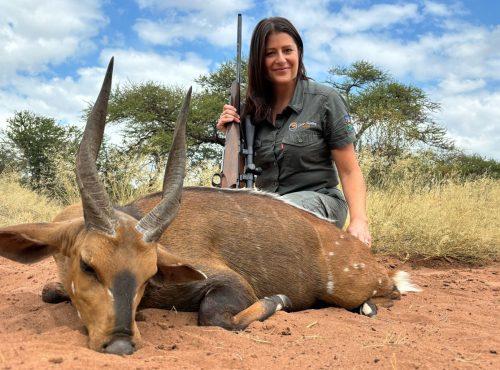
Bushbuck Hunting Safari in Limpopo | Stalking Africa’s Most Elusive Antelope
View Expedition Details
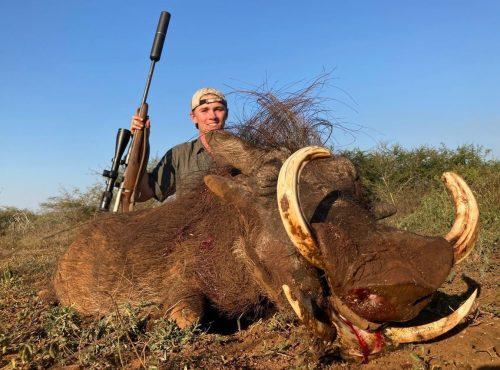
Warthog Hunting in Pongola, KwaZulu-Natal, South Africa
View Expedition Details
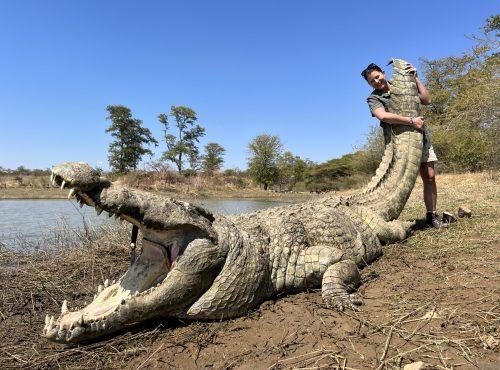
How We Took a 15.1 ft and a 14.9 ft Nile Crocodile on Lake Cahora Bassa
View Expedition Details
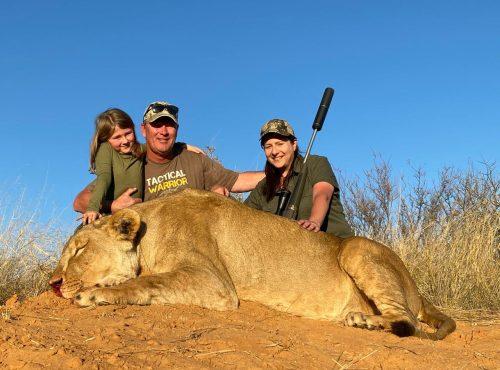
Lion Hunting In South Africa, Kalahari Desert Safari
View Expedition Details
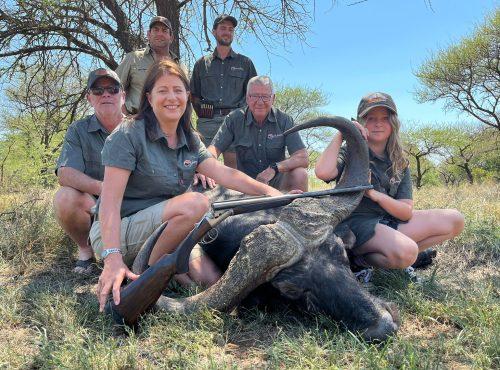
Dangerous Cape Buffalo Hunting Safari in Limpopo
View Expedition Details
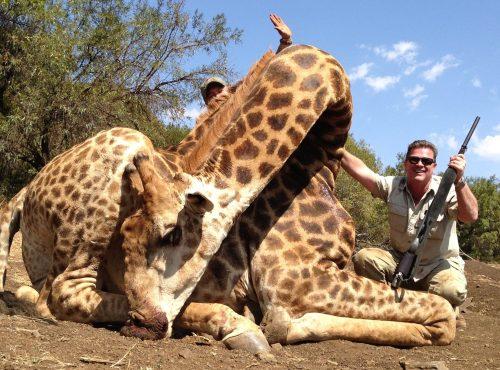
Giraffe Hunting Safari | North West Province, South Africa
View Expedition Details
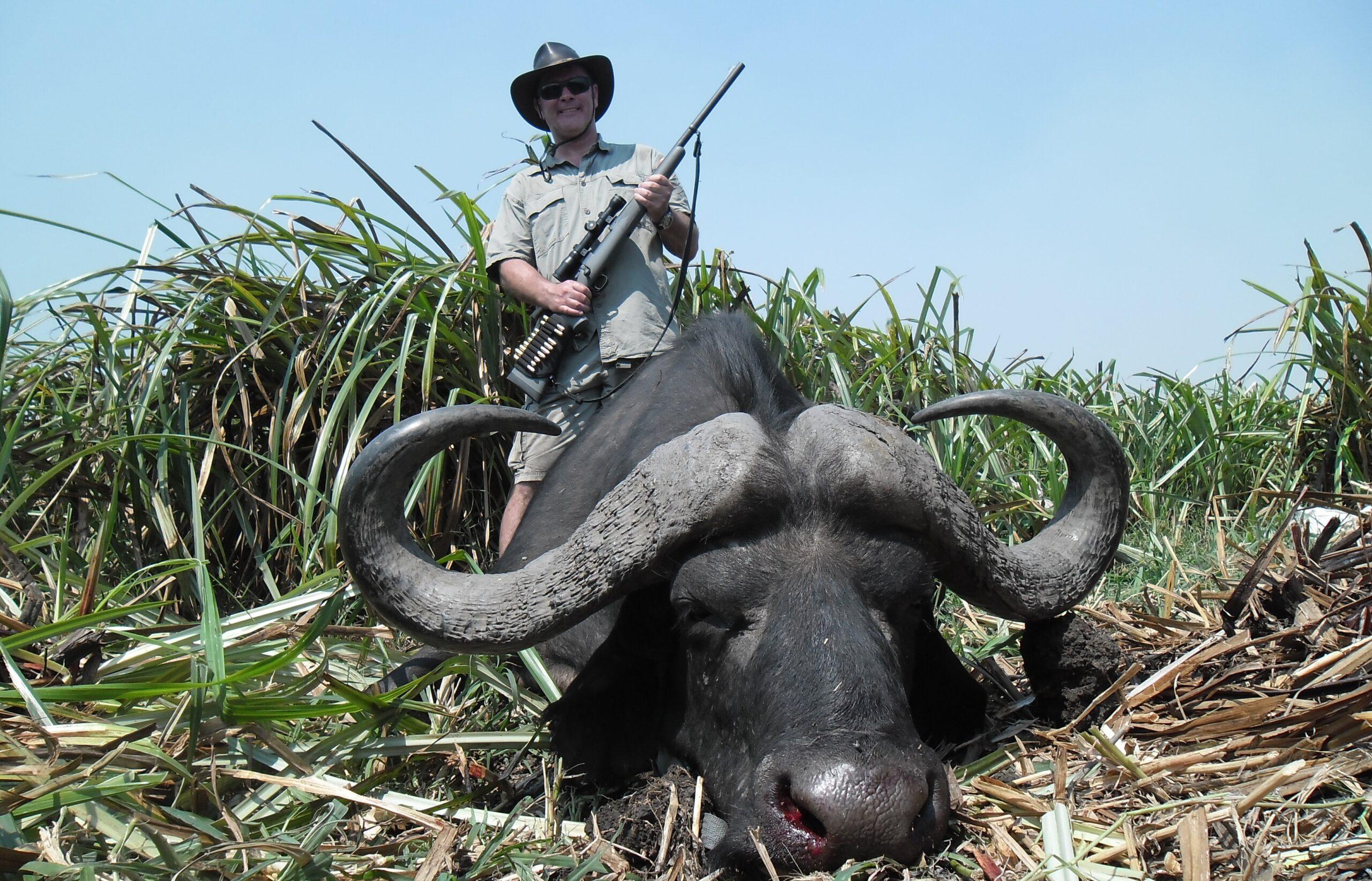
Dangerous Game Buffalo Hunting in Mozambique
View Expedition Details
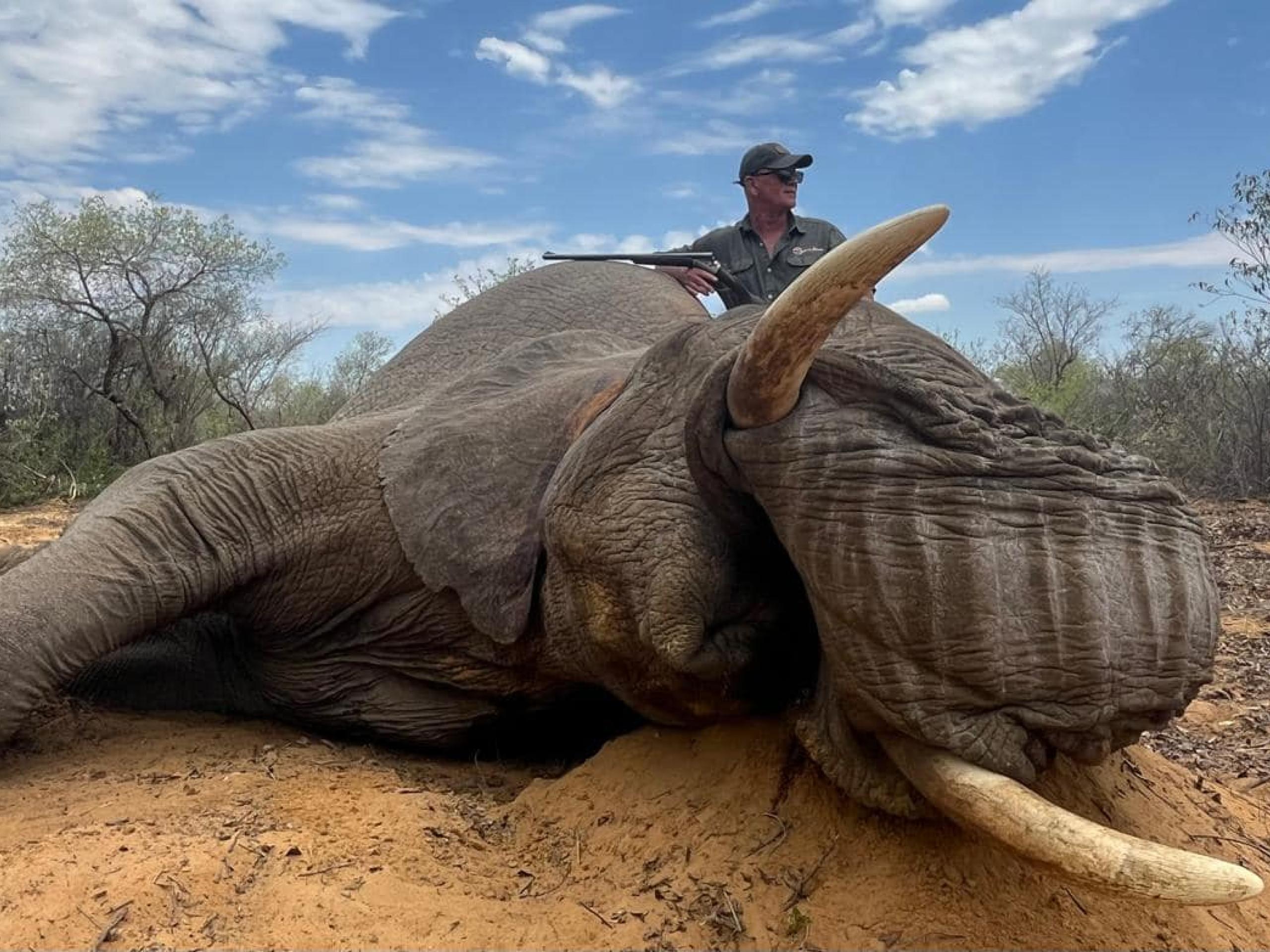
Drought Relief Elephant Hunting in Bushmanland, Namibia
View Expedition Details
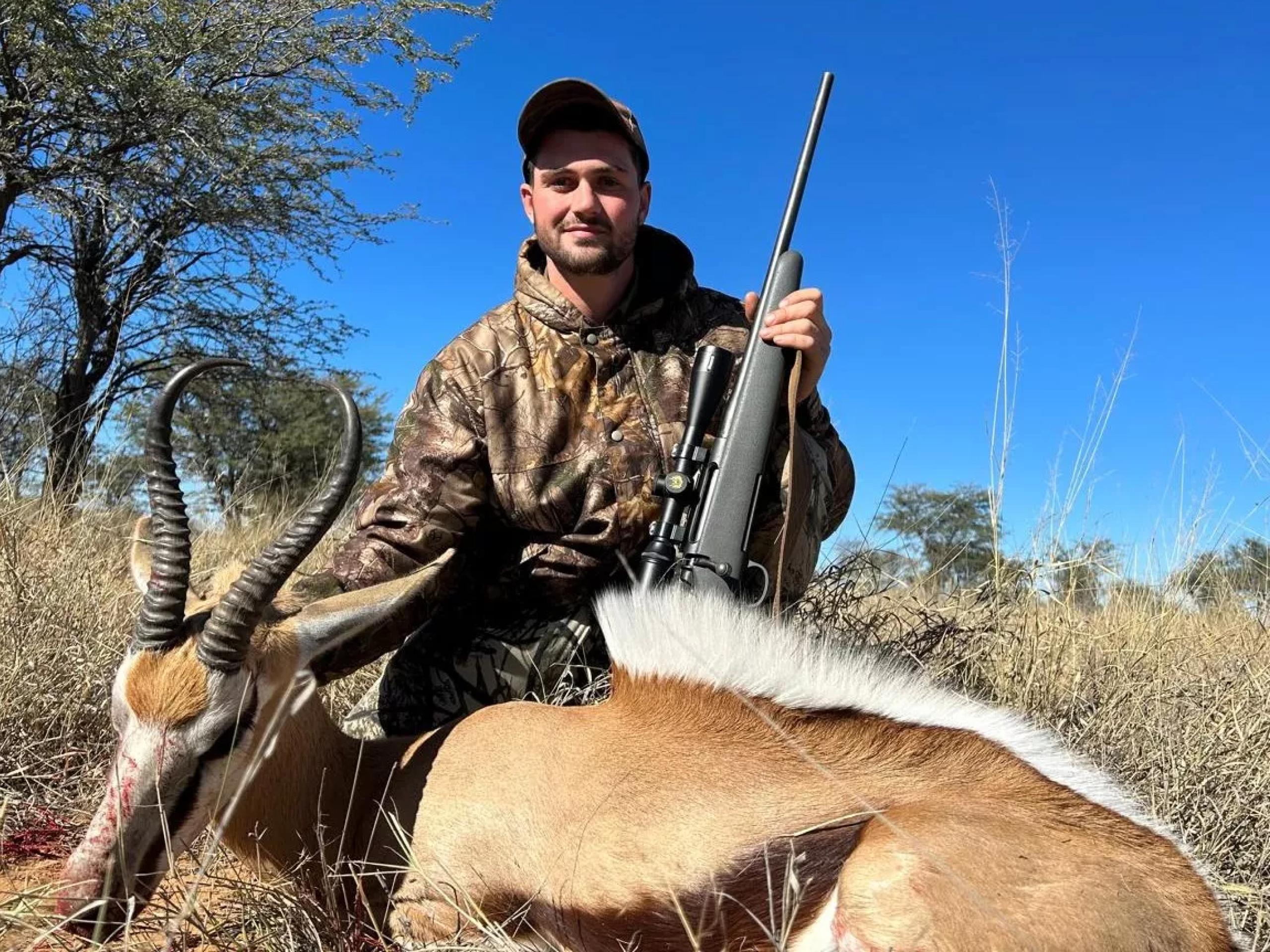
Rustic Kalahari Hunting Safari In South Africa
View Expedition Details
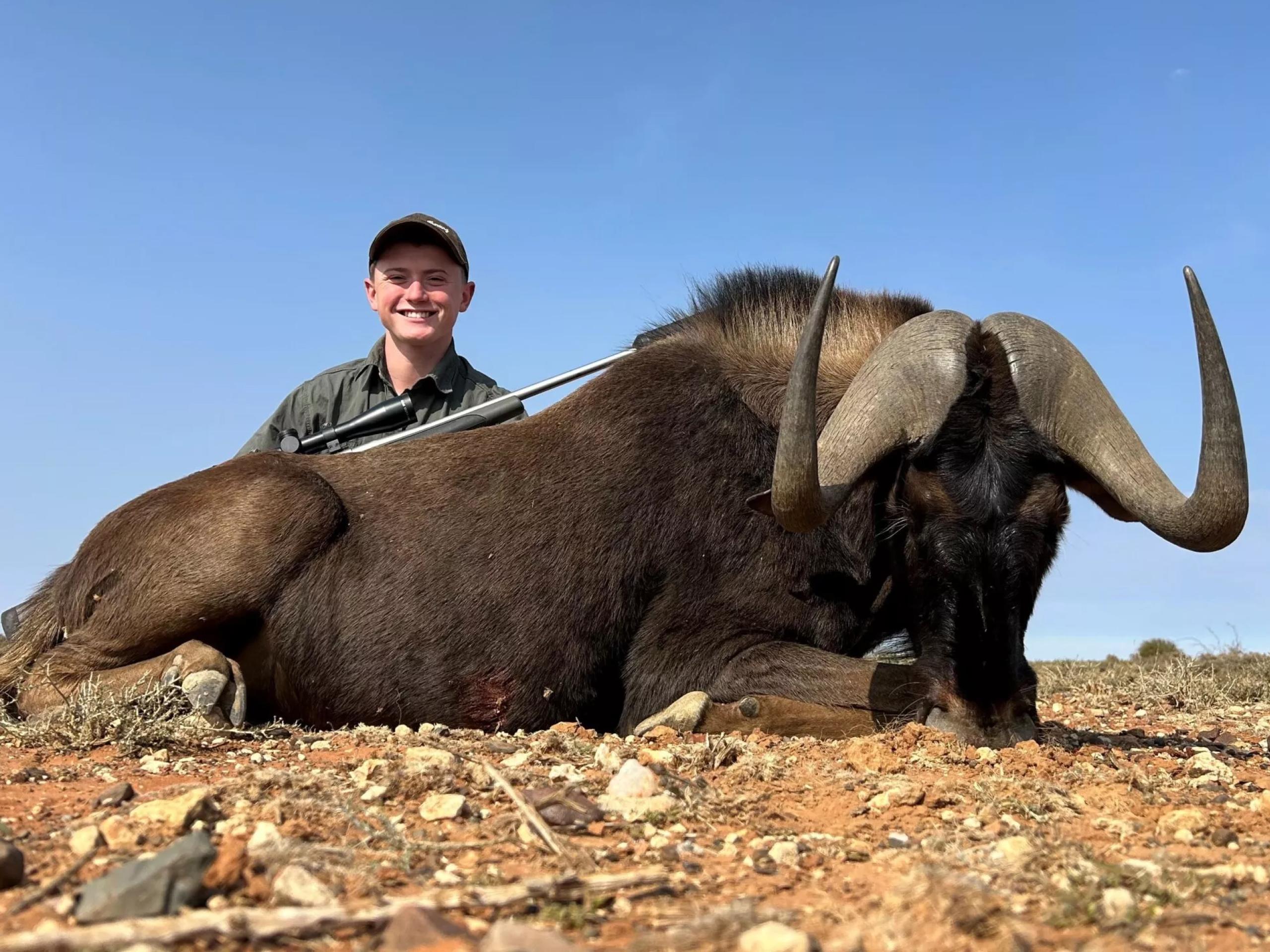
Karoo Hunting Safari In South Africa | Gemsbuck & Springbuck Hunt
View Expedition Details
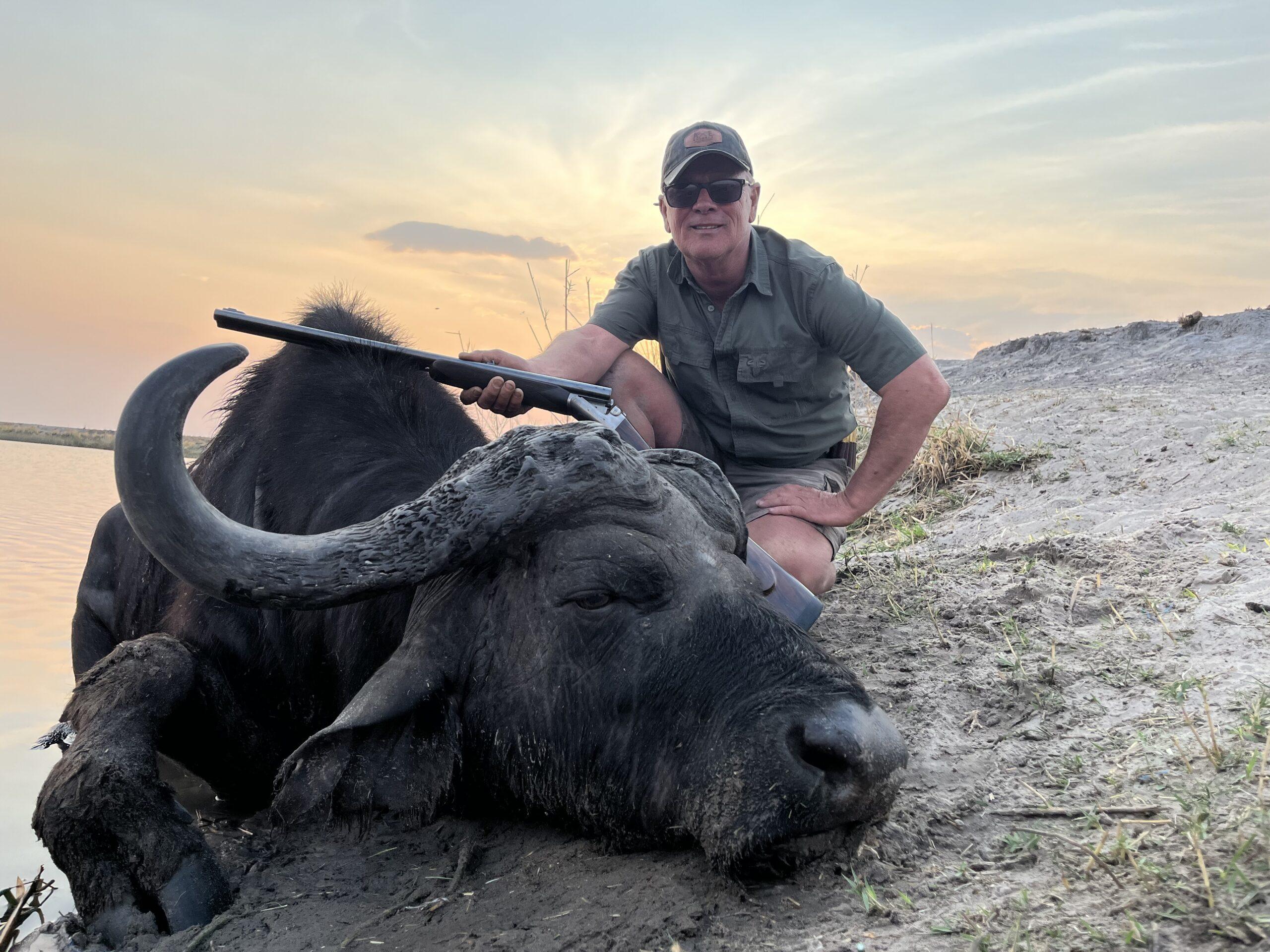
Cape Buffalo Hunting In Namibia’s Caprivi Strip
View Expedition Details
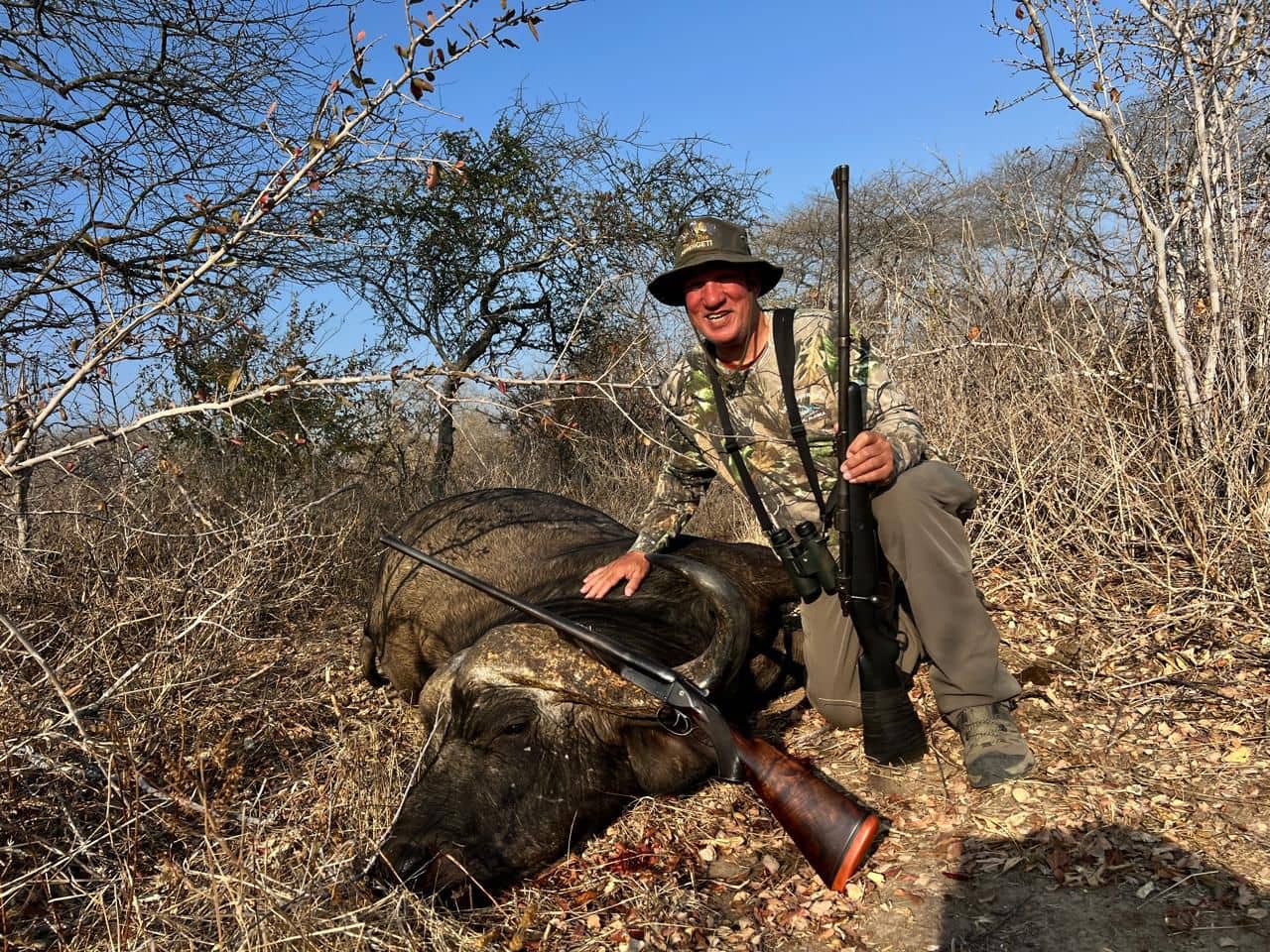
Following Mr Chapman’s Cape Buffalo Hunt in Lunda Nkwamb
View Expedition Details
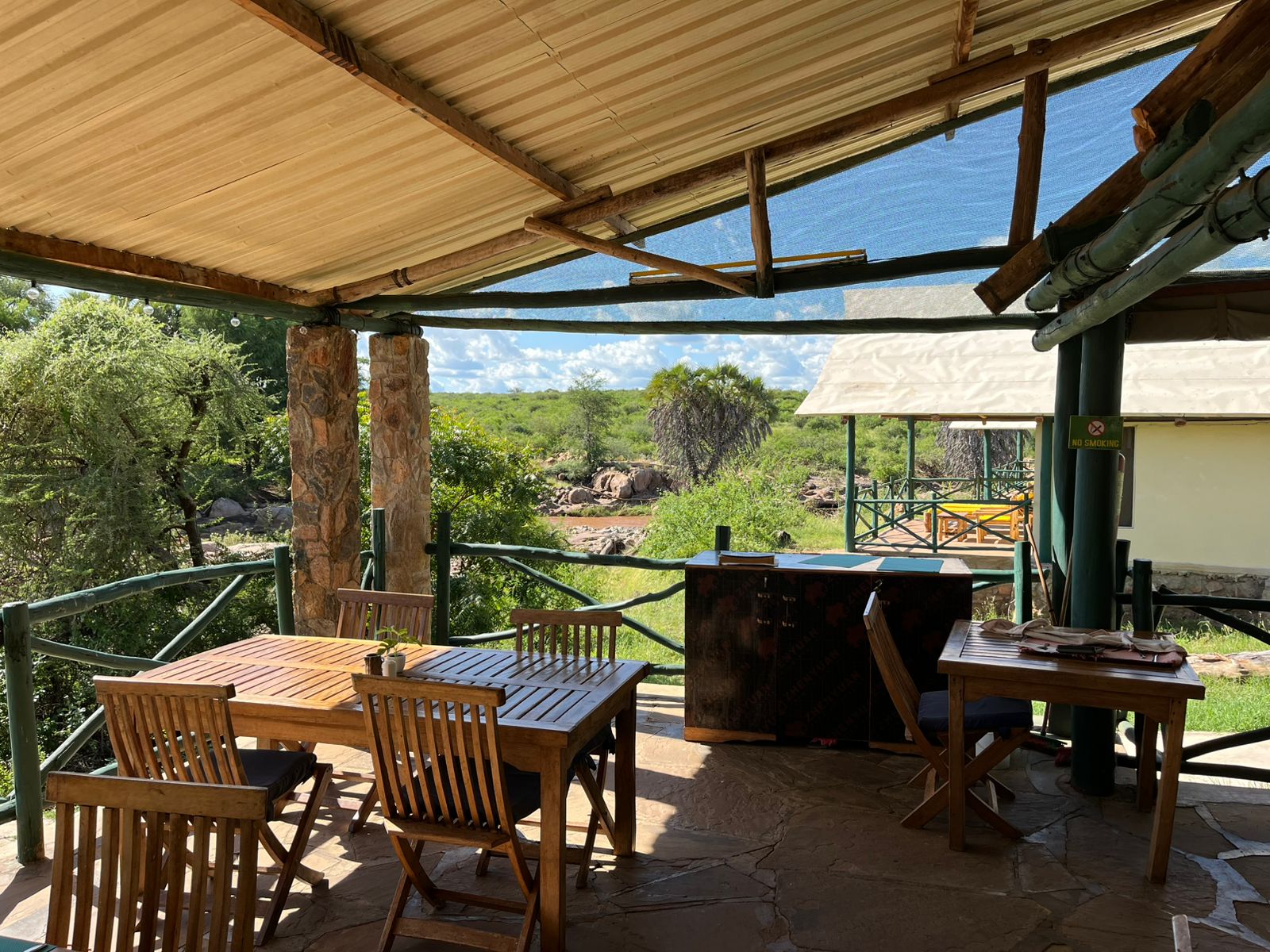
Tsavo Kenya Safari, Home Of Africa’s Big Tuskers
View Expedition Details
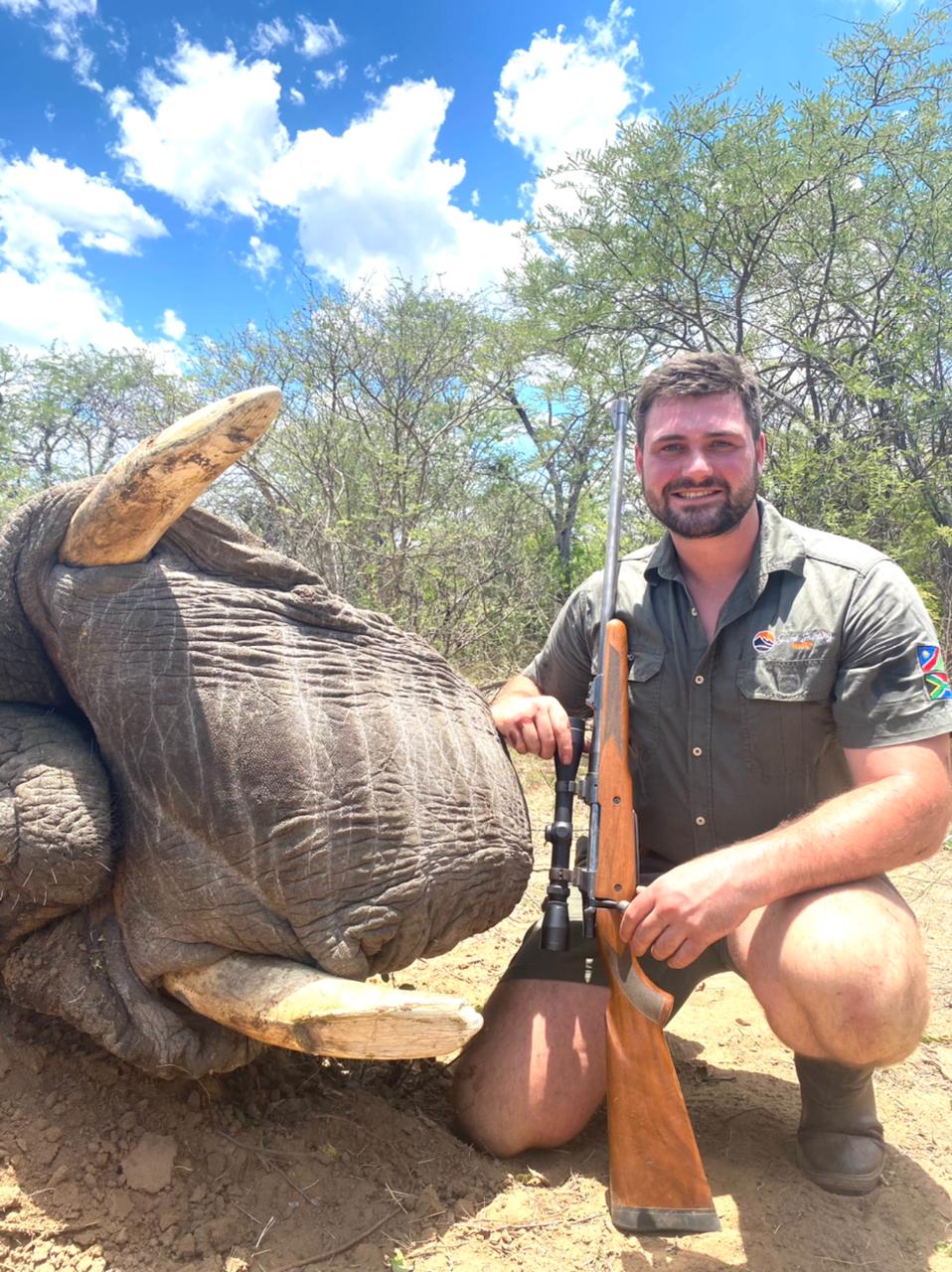
Problem Elephant Hunting Safari In Namibia
View Expedition Details
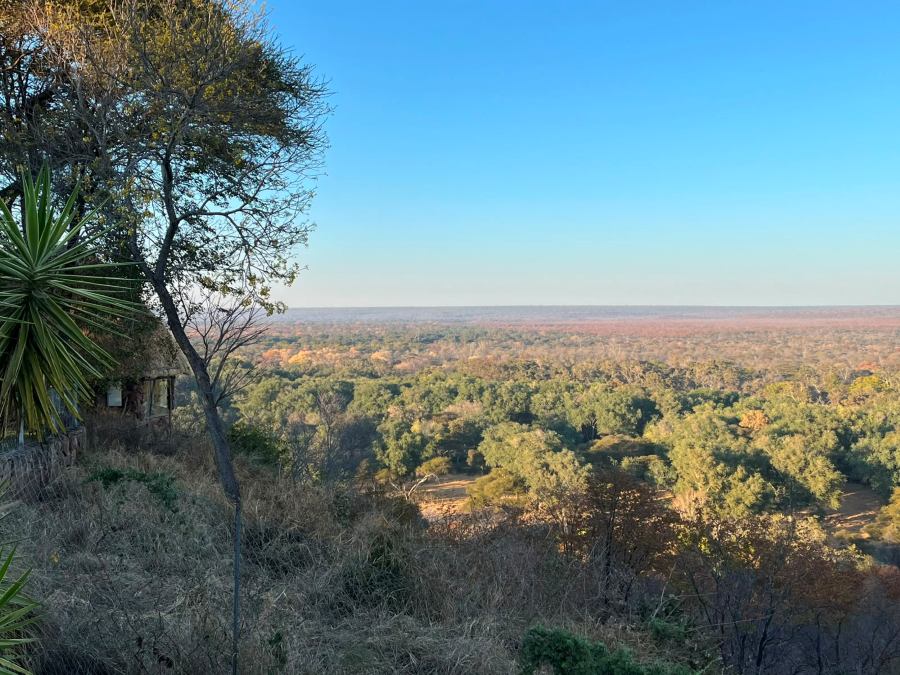
Exploring Zimbabwe's Matetsi, Gwayi & ECA Hunting Areas
View Expedition Details
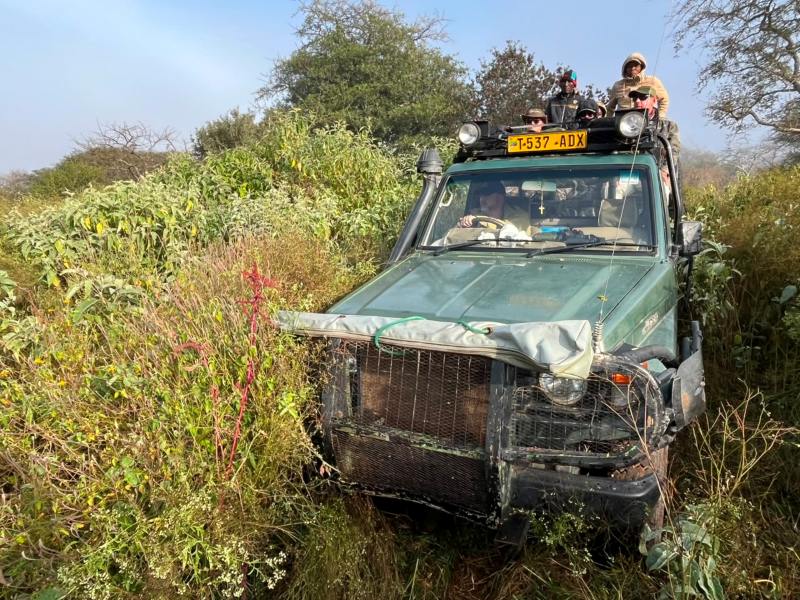
Exploring Tanzania's Simanjiro & Naberera Hunting Areas
View Expedition Details
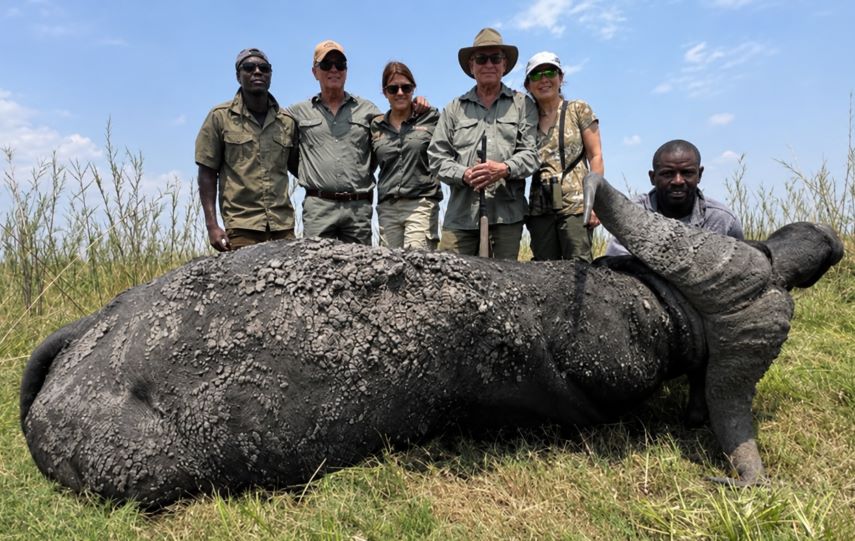
Late-Season Buffalo in the Caprivi: A Dagga Boy, Two Zebra and One That Got Away
View Expedition Details
Search from our range of Hunts across various popular destinations in Africa.

Book Your Hunt